

Image source: Bing (Web (fair-use with source credit))
If you've just welcomed a British Shorthair into your home, you're probably already smitten with that plush, teddy-bear coat and those big, round copper eyes. But here's the thing nobody warns you about: that gorgeous, dense fur is a full-time job. Learning how to groom a British Shorthair isn't just about keeping them looking cute.
It's about preventing painful mats, avoiding hairball blockages, and catching early signs of skin issues that this breed is prone to. And if you skip the routine, you'll be dealing with fur tumbleweeds rolling across your floors within a week, not to mention a very uncomfortable cat.
This breed's double coat is deceptively dense. While the outer guard hairs are short and crisp, the undercoat is thick, woolly, and sheds in dramatic "coat blows" twice a year. Per feline dermatology standards, a double-coated cat like this needs specific grooming tools and techniques that a standard single-coat brush simply can't handle.
The good news? Once you master the routine, it takes just 10 to 15 minutes a few times a week. Let's walk through exactly what you need and, more importantly, exactly what you need to do.
Quick Answer
To groom a British Shorthair, brush them two to three times weekly with a slicker brush and stainless steel comb. Use an undercoat rake weekly, daily during spring and fall shedding seasons. Check ears, chin, and nails every two weeks.
Bathe only when necessary. Watch for mats, especially behind the ears and in armpits.
Why Grooming a British Shorthair Isn't Optional
Let's get one thing straight right away. Grooming a British Shorthair isn't a vanity project. It's a health requirement.
This breed is genetically predisposed to hairball issues because of that dense undercoat. When cats groom themselves, they swallow loose fur. A British Shorthair swallows a lot of it.
Those hairballs can pass through the digestive tract, but they can also form obstructions that require surgery to remove.
Beyond the digestive risk, matting is a serious problem. Their coats are so dense that loose hair gets trapped against the skin instead of falling away. That trapped hair tangles, then mats, then tightens against the skin like a vice.
A mat that's pulled tight is painful, restricts movement, and creates a warm, moist environment where bacterial skin infections thrive.
Regular grooming also gives you a critical window into your cat's health. You'll feel lumps, bumps, and skin irritations that would otherwise stay hidden under all that fur. You'll notice fleas, ticks, and dry patches early.
You'll spot the early stages of chin acne or ear wax buildup before they become full-blown infections.
The bottom line is simple. If you own a British Shorthair, you own a cat that depends on you for coat maintenance. Skipping it isn't neglect that shows on the surface.
It's neglect that shows at the vet's office.
What Makes the British Shorthair Coat Different
The Double Coat Structure
The British Shorthair has what's called a double coat. This means there are two distinct layers of fur working together. The outer layer is made of short, dense guard hairs that give the coat its signature "crisp" texture.
These hairs are water-resistant and act as a protective barrier.
Beneath that sits the undercoat. This layer is softer, fluffier, and much denser than the outer guard hairs. It's the insulating layer that keeps the cat warm in winter and cool in summer.
It's also the layer that sheds. When the undercoat sheds, those fine, woolly hairs get trapped in the guard hairs above, creating the perfect conditions for tangles and mats.
Here's what that means for you practically. The undercoat is where 80% of your grooming effort goes. A slicker brush alone won't penetrate deep enough to remove shed undercoat hairs.
You need tools that reach down to the skin and pull those loose hairs out before they tangle.
Seasonal Coat Blow and What to Expect
Twice a year, usually in spring and fall, the British Shorthair experiences what breeders call a "coat blow." This is a two-to-three-week period where the undercoat sheds aggressively to prepare for the upcoming season. During this time, your cat will look like they're molting.
Expect to brush daily during coat blow. Not because you want to, but because you have to. The sheer volume of loose fur is astonishing.
If you don't remove it, your cat will groom it off themselves, which means you'll be cleaning up hairballs instead of brushing fur. Aggregated feline health research indicates that hairball frequency spikes dramatically during these seasonal sheds in double-coated breeds.
The coat blow also has a schedule that varies by hemisphere. In the Northern Hemisphere, expect heavy shedding around March through April and again in September through October. Indoor cats may shed more evenly year-round due to consistent artificial lighting and heating, but the seasonal peaks are still noticeable.
The Essential Grooming Kit
You don't need a drawer full of expensive tools, but you do need the right ones. Using the wrong brush on a British Shorthair is like using a fork to eat soup. It doesn't get the job done, and it frustrates everyone involved.
Here's what our research and aggregate owner reviews indicate actually works for this breed.

Image source: Bing (Web (fair-use with source credit))
Brushes and Combs That Actually Work
Slicker brush. This is your everyday workhorse. It features fine, short wires set closely together on a flat or slightly curved pad. Slicker brushes are excellent for removing loose fur from the outer coat and catching the early stages of tangles.
Look for one with rounded wire tips to avoid scratching your cat's skin.
Undercoat rake. This tool is non-negotiable for this breed. An undercoat rake has long, spaced teeth that reach through the guard hairs and pull out loose undercoat fur. It's the only tool that effectively manages the thick, woolly shedding layer.
Use it during coat blow and weekly during normal shedding periods.
Stainless steel comb. A good-quality steel comb with both wide and fine teeth is essential for finishing work. After brushing, run the comb through your cat's coat to catch anything the brushes missed. The fine teeth also work well for checking the face and tail area for mats.
Rubber grooming mitt. This is a great option for cats that are nervous about brushing. The soft rubber bristles remove loose fur while feeling like a gentle petting session. It's less effective than a slicker brush for deep grooming, but it's perfect for desensitizing a cat to being handled.
Nail, Ear, and Eye Care Tools
Grooming isn't just about the coat. Your kit should also include cat-specific nail clippers, either scissor-style or guillotine-style. Scissor-style clippers are generally easier for beginners to control.
Guillotine clippers work well if you're comfortable with the mechanism.
For ears, you'll need a veterinary-approved ear cleaning solution and cotton balls or soft gauze. Do not use cotton swabs. They push wax deeper into the ear canal and can cause damage.
For eyes, keep a pack of soft, damp grooming wipes on hand. British Shorthairs are prone to watery eyes that leave tear stains. Gently wiping the eye area daily prevents staining and catches any discharge that might indicate an infection.
Shampoo and Wipes Options
Bathing a British Shorthair isn't a frequent necessity. But when it's needed, you need the right product. Use only cat-specific shampoo.
The pH balance of human shampoo is wrong for feline skin and will strip the natural oils that keep their coat healthy. Waterless shampoo is a great option for spot cleaning between baths, especially for cats that hate water.
| Tool | Purpose | Frequency |
|---|---|---|
| Slicker brush | Remove loose outer coat hair, catch tangles | 2-3 times weekly |
| Undercoat rake | Remove shed undercoat hairs | Weekly, daily during coat blow |
| Stainless steel comb | Finishing, check for missed tangles | After each brushing session |
| Rubber mitt | Desensitizing, light grooming | As needed |
| Nail clippers | Trimming claws | Every 2-3 weeks |
| Ear solution + cotton | Clean wax buildup | Every 2-4 weeks |
Step-by-Step Grooming Routine
Now let's get into the actual process. The order of operations matters. Skipping steps or doing them out of sequence can make the experience stressful for both you and your cat.
Here's the routine that works, based on veterinary dermatology guidelines and what experienced breeders recommend.
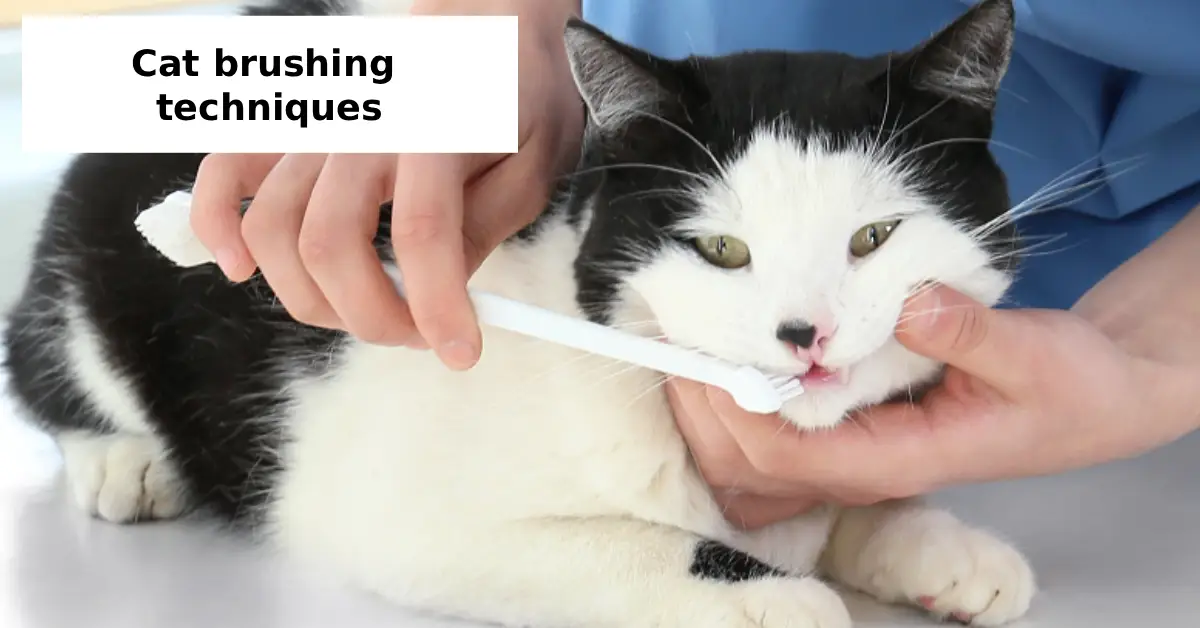
Image source: Bing (Web (fair-use with source credit))
Pre-Grooming Health Check
Before you pick up a brush, run your hands over your cat's entire body. Feel for any bumps, lumps, scabs, or tender spots. Check the skin for flakiness, redness, or signs of parasites.
This isn't just a warm-up. It's a health screening.
Pay special attention to the chin. British Shorthairs are prone to chin acne, which presents as blackheads or red bumps on the chin and lips. Check the ears for excessive wax, dark discharge, or an unpleasant odor.
Both can indicate infections that need veterinary attention.
Also, check for mats. Run your fingers through the coat, especially around the neck, behind the ears, under the chin, and in the armpit area. Mats feel like small, hard lumps close to the skin.
If you find any, don't try to yank them out with a brush. That hurts. Instead, hold the skin taut around the mat and work at it gently with your fingers and a comb.
The Correct Brushing Order
Start with the slicker brush. Work from the top of the head down the back, moving in the direction of hair growth. Use short, gentle strokes rather than long, dragging ones.
Move from the back to the sides, then the chest, then the belly. The belly and chest are sensitive areas, so be especially gentle there.
After a thorough pass with the slicker, switch to the undercoat rake. Again, start at the back and work down. The rake pulls deeply through the coat, removing the loose undercoat hairs that the slicker couldn't reach.
You'll notice a significant amount of fur coming out during this step, especially during coat blow season.
Finish with the stainless steel comb. Run it through the entire coat, focusing on areas where tangles love to hide. The ruff around the neck, the armpits, the britches (the fluffy area on the back of the hind legs), and the tail.
If the comb snags on a tangle, stop and work it out with your fingers before continuing. Never pull a comb through a mat.
Handling Mats Tied to the Skin
If you find a mat that's tight against the skin, don't reach for scissors. You can easily cut your cat's skin when they squirm. Instead, try to split the mat with your fingers, then work a fine-tooth comb from the outer edge of the mat inward.
This takes patience. You're slowly teasing apart the felted fur, not ripping it.
For mats that are small and close to the body, a dematting comb can help. These tools have short, sharp blades designed to cut through dense fur safely. But use them with extreme caution.
If a mat is too tight, too large, or too close to the skin, it's time for a professional groomer. They have the tools and the restraint to handle it safely.
Nail Trimming Without the Stress
Nail trimming is often the scariest part of grooming for both cat and owner. The key is to introduce it slowly and use the right technique. Have your cat sit on your lap or on a non-slip surface.
Gently press on the paw to extend the claws. You'll see the pink quick inside the nail. Only trim the white, translucent tip.
Never cut into the pink. That's a blood vessel and nerve bundle.

Image source: Bing (Web (fair-use with source credit))
If you accidentally cut the quick, don't panic. Apply styptic powder or cornstarch to the tip of the claw to stop the bleeding. Then stop the session.
Trimming one or two claws per sitting is perfectly acceptable, especially when you're both learning.
Ear and Chin Cleaning
For ears, apply a small amount of the cleaning solution to a cotton ball or gauze pad. Gently wipe the visible part of the inner ear. Never insert anything into the ear canal.
If you see excessive wax, dark discharge, or smell something foul, that's a vet visit, not a home grooming task.
For the chin, use a damp grooming wipe. Gently wipe the chin area, removing any oil, food residue, or blackhead buildup. This daily habit goes a long way toward preventing chin acne.
Also, consider switching your cat's food and water bowls to ceramic, glass, or stainless steel. Plastic bowls harbor bacteria and are a common trigger for feline acne.
Bathing When Necessary
British Shorthairs rarely need full baths. Their coats are self-cleaning, and over-bathing strips essential oils. A full bath is only necessary if your cat gets into something sticky, smelly, or toxic, or if they're too overweight to groom themselves properly.
When bathing, brush the coat thoroughly first to remove loose fur. Use lukewarm water, never hot. Place a non-slip mat in the tub so your cat feels secure.
Use only cat-specific shampoo and work it gently into the coat. Rinse thoroughly. Any leftover shampoo residue can cause skin irritation.
Dry with a towel, then use a low-heat hair dryer on the lowest setting if your cat tolerates the noise. Never rub the coat dry. That creates friction and tangles.
Pat instead.
How Often You Should Groom
The short answer is that there isn't one single schedule that works for every British Shorthair. Your grooming frequency depends on the season, your cat's age, their health, and how much they tolerate being handled. But there are baseline guidelines that work for most cats.
Normal maintenance. During most of the year, plan on grooming two to three times per week. Each session should last about 10 to 15 minutes. That's enough time to remove loose fur, check for mats, and keep the coat in good condition without overwhelming your cat.
During coat blow. When your cat hits their seasonal shed, bump that up to daily sessions. You'll notice the difference immediately. The amount of fur you pull out during a single brushing in coat blow season can equal what you'd remove in a full week of normal grooming.
For kittens. Kittens under six months old have softer, finer coats that don't mat as easily. You can get away with once or twice weekly brushing. But it's crucial to start early.
The goal at this age is habituation, not just coat maintenance. Let your kitten associate brushing with treats, gentle handling, and positive attention.
Adjusting for Kittens, Seniors, and Overweight Cats
Kittens need short, fun sessions. Keep them to five minutes or less. Stop before your kitten gets restless.
End every session with a treat. The goal is to build a positive association that lasts a lifetime.
Senior cats need more help, not less. As cats age, they lose flexibility. They can't reach their own back or rear end as effectively.
This means they rely on you to handle grooming duties they used to manage themselves. Older cats also tend to develop arthritis, which makes grooming painful. Be extra gentle and watch for flinching or resistance.
Overweight cats have the same problem. They physically cannot reach certain areas of their body to groom. This leads to matting on the back, the base of the tail, and the hindquarters.
If your British Shorthair carries extra weight, you'll need to groom those hard-to-reach zones more frequently. Check those areas specifically during every session.
Seasonal Adjustments for Shedding Peaks
Here's a practical timeline based on Northern Hemisphere seasons. In late winter, around February, you might notice a slight uptick in shedding. That's the coat preparing for spring.
By March and April, you're in full coat blow territory. Daily brushing is non-negotiable during this window.
Summer brings lighter shedding. Two to three times a week is usually sufficient. In early fall, around September and October, the second coat blow happens.
The cat is shedding their lighter summer coat and growing in their dense winter insulation. Again, expect daily brushing for two to three weeks.
Indoor cats may shed more evenly year-round because artificial lighting and temperature control confuse their biological clocks. But the seasonal peaks still happen. Just be ready for them.
Common Mistakes That Hurt or Stress Your Cat
Grooming mistakes are common, even among experienced cat owners. The stakes are higher with a British Shorthair because of that dense double coat. Here are the mistakes our research and veterinary sources flag most often.
Over-Brushing and Brush Burn
Yes, you can brush a cat too much. Over-brushing irritates the skin. The fine wires of a slicker brush can cause micro-abrasions, especially if you press too hard or brush the same spot repeatedly.
This condition is sometimes called brush burn. It shows up as red, sensitive patches of skin.
If you notice your cat flinching, pulling away, or becoming agitated during brushing, stop. Check the skin underneath. Redness, raised bumps, or fur that's thinning in patches are signs you're being too aggressive.
The fix is simple. Use lighter pressure. Let the brush do the work.
And don't chase perfection. You don't need to remove every single loose hair in one session.
Shampoo pH and Human Products
This one bears repeating because it's such a common mistake. Human shampoo is formulated for human skin. Human skin has a pH around 5.5.
Cat skin sits closer to 7.5. Using human shampoo disrupts the natural acid mantle of a cat's skin. This leaves the skin vulnerable to dryness, irritation, and bacterial or fungal infections.
Even some products labeled as "gentle" or "all-natural" for humans are wrong for cats. Only use shampoo specifically formulated for felines. If you're unsure, ask your veterinarian for a recommendation.
Also, avoid scented products. Cats have a much stronger sense of smell than we do. Heavy fragrances can be overwhelming and stressful.
Look for fragrance-free or lightly scented options.
Cutting the Quick
Nail trimming accidents are the most common grooming injury. The quick is the pink, blood-filled part of the nail that contains nerves and blood vessels. When you cut into it, it bleeds and hurts.
One bad experience can make your cat terrified of nail trims forever.
The risk is higher in cats with dark nails. You can't see the quick easily. In that case, trim tiny slivers at a time.
Stop as soon as you see a darker circle appearing in the center of the freshly cut nail. That's the quick approaching.
If you do cut the quick, stay calm. Apply styptic powder, cornstarch, or a bar of soap pressed against the tip. The bleeding usually stops within a few minutes.
Then end the session. Don't try to finish the other nails.
Ignoring Chin Acne and Ear Wax
The British Shorthair's dense coat isn't just on their back and sides. It's on their chin too. This creates a perfect environment for chin acne, also known as feline acne.
Loose fur, food residue, and natural skin oils get trapped against the chin. This clogs hair follicles and leads to blackheads and red, swollen bumps.
Many owners don't notice chin acne until it's severe. The fur hides it. You need to actively check your cat's chin during every grooming session.
If you see black specs, don't pick at them. Clean the area daily with a gentle wipe or a diluted chlorhexidine solution recommended by your vet.
Ear wax buildup is similar. British Shorthairs produce more ear wax than some other breeds. That excess wax, combined with the thick fur around their ears, creates a breeding ground for bacterial and yeast infections.
Check your cat's ears every two weeks. A small amount of light brown wax is normal. Dark, smelly, or crusty discharge is not.
Dealing With Hairballs
Hairballs are the bane of every British Shorthair owner's existence. These cats are fastidious groomers, which means they swallow a lot of fur. Most of that fur passes through the digestive system without issue.
But sometimes it accumulates in the stomach and forms a mass that gets vomited back up.
When Grooming Isn't Enough
Regular brushing reduces the amount of loose fur your cat swallows. But it doesn't eliminate hairballs entirely. Even the most diligently brushed cat will still ingest some hair while grooming themselves.
During coat blow season, the volume of swallowed hair spikes dramatically. This is when hairball frequency peaks. If your cat is bringing up hairballs more than once or twice a month outside of seasonal sheds, that's worth discussing with your vet.
Frequent vomiting can indicate an underlying digestive issue, not just a grooming problem.
Preventative Products That Help
Hairball control products work in a few different ways. Lubricant gels and pastes coat the hair in the stomach, helping it pass through the digestive tract more easily. These are typically given a few times a week.
They're effective but can be messy to administer.
Fiber supplements and hairball formula foods increase dietary fiber. This helps move hair through the intestines rather than letting it accumulate in the stomach. If you switch your cat's food, do it gradually over 7 to 10 days to avoid digestive upset.
Regular grooming remains the most effective prevention. Combine it with a lubricant gel during shedding seasons for the best results. As of 2026, most veterinary nutritionists recommend a multi-pronged approach: diet, supplements, and consistent brushing.
Signs of a Blockage That Need a Vet
A hairball that can't pass through the digestive tract is called a trichobezoar. This is a medical emergency. If it causes a blockage, it requires surgical removal.
Watch for these warning signs. Retching or gagging repeatedly without producing a hairball. Loss of appetite.
Lethargy. Constipation. Straining to defecate without producing anything.
Vomiting shortly after eating. Abdominal pain, which might present as your cat being sensitive to touch or adopting a hunched posture.
If you notice any of these signs, don't wait. Contact your veterinarian immediately. Hairball blockages are painful and potentially life-threatening.
Be especially vigilant during coat blow season when the risk is highest.
When to Call a Professional Groomer or Vet
There's no shame in asking for help. Professional groomers are trained to handle difficult coats and stressed cats. And some grooming issues are genuinely medical problems that require veterinary attention, not just better brushing technique.
Signs of Skin Infections or Parasites
If you notice any of the following during grooming, stop and contact your vet rather than trying to treat it at home. Unusual bumps or raised lesions, especially if they're red, warm, or oozing. Areas of fur loss that are expanding.
Dry, flaky patches of skin that don't improve with regular brushing. A strong, unpleasant odor coming from the skin or coat. Visible fleas or flea dirt.
Excessive scratching, licking, or biting at the skin.
These can indicate fungal infections like ringworm, bacterial infections, mite infestations, or flea allergies. Grooming over an untreated skin condition can make it worse by spreading the irritation or breaking the skin further.
Mats That Won't Come Out Safely
Some mats are simply too severe for home grooming. If a mat is tight against the skin, large, or located in a sensitive area like the armpit or groin, attempting to remove it at home risks injury to your cat. Don't reach for scissors.
You can easily create a serious wound.
A professional groomer has specialized dematting tools and the experience to work safely. They may need to shave the matted area completely. This is a worst-case scenario, but it's preferable to a painful wound you accidentally created.
If the mat has caused skin irritation or open sores, skip the groomer and go straight to the vet. The skin needs medical treatment before any professional grooming happens.
Behavioral Resistance and What It Means
If your cat suddenly becomes aggressive or extremely resistant during grooming, that's a red flag. It's not always a training issue. Pain can cause behavioral changes.
If your cat was previously tolerant of grooming and now lashes out when you brush their back or touch their paws, there may be an underlying medical reason. Arthritis, dental pain, and skin infections can all cause this shift.
Similarly, if grooming sessions always end with your cat hiding, hissing, or showing other signs of severe stress, something needs to change. Consider whether you're using the right tools, the right technique, and the right pressure. Also consider whether you're scheduling grooming at a stressful time for your cat.
If you've adjusted your approach and the resistance continues, a professional cat groomer or your vet can help. They can demonstrate techniques that work better for your specific cat. Sometimes a second opinion is all it takes to figure out what's going wrong.
Building a Positive Grooming Routine
The most important grooming tool you own isn't a brush or a comb. It's patience. A calm, consistent, positive approach to grooming produces better results than any expensive tool on the market.
Here's how to build a routine that your cat tolerates, maybe even enjoys.
Desensitizing Your Cat to Handling
Start by simply touching your cat. Don't pick up a brush yet. Gently rub their back, their sides, their paws, and their chin.
Do this during calm moments, not just before grooming. The goal is to get your cat comfortable with being handled all over their body.
Once your cat is comfortable with touching, introduce the brush. Let them sniff it first. Then run it gently down their back once or twice.
Reward them with a treat immediately. Over several sessions, gradually increase the number of brush strokes.
If your cat shows signs of stress, like flattened ears, a twitching tail, or trying to escape, take a step back. Go back to touching without the brush. Moving too fast can create a setback that's hard to undo.
Rewards and Calm Sessions
Treats are your best friend during grooming. Give a treat before the session begins. Give another treat mid-session if your cat stays calm.
Give a final treat when the session ends. This creates a strong positive association with grooming.
Choose a quiet time for grooming. Don't try to brush a cat that's energized from play or stressed by loud noises in the house. Late evening, when cats are naturally winding down, often works well.
Keep the environment calm with minimal distractions.
Keep sessions short and sweet. Ten minutes is plenty. If your cat starts to squirm at minute seven, stop.
You can always do more tomorrow. Pushing through a stressed cat's resistance makes the next session harder.
Making Grooming Predictable
Cats thrive on routine. If grooming happens at the same time, in the same place, and follows the same sequence of steps, your cat will learn to anticipate it. While they might never love it, they'll learn to tolerate it because it's predictable and ends with a reward.
Choose a specific grooming spot. A non-slip mat on a table or counter works well. Don't chase your cat around the house for grooming sessions.
Bring them to the grooming spot every time. This creates a clear context that helps them understand what's happening.
Follow the same order of operations. Brush the back, then the sides, then the belly, then the tail. Check the ears.
Check the chin. Trim nails if needed. This predictability reduces anxiety because your cat always knows what comes next.
Consistency also means not skipping sessions. If you only groom sporadically, your cat never settles into the rhythm. They stay on edge because they don't know what to expect.
A predictable schedule, even if it's just twice a week, builds confidence over time.
Finally, watch your own energy. Cats are incredibly attuned to human emotions. If you're tense, rushed, or frustrated, your cat will pick up on it.
Take a breath before you start. Approach each session with calm, focused energy. Your cat will mirror that calmness, and grooming becomes a bonding experience instead of a battle.
Quick Reference Grooming Schedule
Here's a simple, scannable schedule you can save, screenshot, or print out. It breaks down what to do daily, weekly, and seasonally. You'll notice that some tasks are non-negotiable, while others are flexible based on your cat's individual needs.
| Frequency | Task | Notes |
|---|---|---|
| Daily (optional) | Wipe eyes and chin with a damp cloth | Prevents tear stains and chin acne |
| 2-3 times weekly | Full brushing session with slicker brush and comb | 10-15 minutes, includes pre-grooming health check |
| Weekly | Undercoat rake session | Essential during normal shedding periods |
| Every 2 weeks | Nail trim and ear check | Trim only the white tip of the nail |
| Daily during coat blow | Full grooming session with all tools | Expect significant fur removal |
| Monthly | Waterless shampoo or spot clean | Only when needed, not a replacement for brushing |
| As needed | Full bath | Only for sticky, smelly, or toxic messes |
Making Adjustments Based on Your Cat's Response
Pay attention to your cat's reactions to this schedule. Some British Shorthairs have heavier coats than others. Some are more tolerant of handling.
Your schedule should flex based on what your cat actually needs and tolerates.
If you notice matting between sessions, increase frequency. If your cat's coat looks dull or greasy, you might need to add a waterless shampoo session. If your cat seems stressed by daily grooming during coat blow, consider splitting sessions into shorter morning and evening chunks.
The schedule above is a starting point, not a rigid rule. Your cat's needs will change as they age, as the seasons change, and as their health evolves. The key is to stay observant and adjust accordingly.
Understanding the British Shorthair's Coat Cycle
The British Shorthair's coat isn't static. It changes throughout the year in response to daylight hours and temperature shifts. Understanding this cycle helps you anticipate grooming needs before they become problems.
The Growth Phases
Cat fur grows in cycles. Each hair follicle goes through three phases. Anagen is the growth phase.
Catagen is the transition phase. Telogen is the resting phase, where the hair stops growing and eventually falls out.
In British Shorthairs, most follicles synchronize their cycles. This means large numbers of hairs enter the telogen phase simultaneously. That's why you get dramatic coat blows instead of a steady, manageable trickle of shedding.
Daylight hours trigger this synchronization. As days lengthen in spring, the winter coat is released. As days shorten in fall, the summer coat is shed to make way for denser winter insulation.
Indoor cats under artificial lighting experience muted versions of these triggers, but the cycle still happens.
Coat Texture Changes
The British Shorthair's coat also changes texture as the cat matures. Kittens have soft, fluffy, almost woolly coats. These don't mat as easily as adult coats, but they do shed.
By around eight months, the adult coat starts coming in. It's coarser, denser, and requires more consistent grooming.
Senior cats often develop thinner coats. Hair growth slows with age. The coat may become patchier or duller.
This is normal, but it still requires attention. Older cats often can't groom themselves as effectively, so their coat may become greasy or matted without regular human intervention.
Coat Health Indicators
Your cat's coat is a window into their overall health. A healthy British Shorthair coat is dense, crisp to the touch, and has a natural sheen. Dullness, greasiness, or excessive dryness can signal underlying issues.
A dull coat may indicate nutritional deficiencies, particularly a lack of omega-3 and omega-6 fatty acids. A greasy coat can point to skin infections, hormonal imbalances, or dental disease. Excessive shedding outside of normal seasonal peaks might indicate stress, allergies, or thyroid issues.
If you notice sudden changes in coat quality or shedding patterns, don't ignore them. Schedule a veterinary checkup. Catching systemic issues early is always better than waiting until they become serious.
Frequently Asked Questions
Do British Shorthairs need baths?
British Shorthairs rarely need full water baths. Their coats are designed to be self-cleaning. Over-bathing strips essential oils and causes dry, irritated skin.
A full bath is only necessary if your cat gets into something sticky, smelly, or toxic. Between baths, use waterless shampoo or grooming wipes for spot cleaning. If your cat is overweight and can't groom themselves, more frequent bathing may help.
Always use cat-specific shampoo and dry thoroughly.
Can I shave my British Shorthair to reduce shedding?
Shaving a British Shorthair is not recommended. Their double coat provides crucial insulation against both cold and heat. Shaving disrupts this natural temperature regulation.
It also changes the texture of the coat as it grows back. The new growth is often coarser and may not regrow evenly. The regrowth period leaves your cat vulnerable to sunburn and skin irritation.
Instead of shaving, focus on daily brushing during coat blow season to manage the shed.
Why does my British Shorthair hate being brushed?
Several reasons could explain this behavior. The most common is that brushing hurts. You might be using a brush with sharp wire tips, pressing too hard, or pulling on tangles and mats.
The second reason is poor association. If your cat has had unpleasant grooming experiences, they'll resist future sessions. The third is overstimulation.
Some cats are sensitive to repetitive touch and reach their limit quickly. Start with short, gentle sessions using a rubber mitt. Reward heavily with treats.
Build up duration gradually.
What's the best brush for a British Shorthair?
There's no single best brush. You need a combination of tools. A slicker brush with rounded wire tips handles the outer coat and daily maintenance.
An undercoat rake reaches the dense woolly underlayer that causes most shedding and matting. A stainless steel comb provides a finishing pass to catch anything missed. For sensitive cats, a rubber grooming mitt is a gentle starting point.
Invest in quality tools with comfortable handles. Proper tools make the process easier for you and more comfortable for your cat.
How often should I trim my British Shorthair's nails?
Every two to three weeks is the standard recommendation. This timeline keeps the nails short enough to prevent overgrowth and discomfort. Cats that are more active or use scratching posts may wear their nails down faster.
Check your cat's nails weekly to assess whether they need a trim. If you hear clicking sounds as your cat walks on hard floors, the nails are too long. Overgrown nails in a British Shorthair are particularly dangerous because their dense fur hides the problem.
Always check nail length during grooming sessions.
Can I use human nail clippers on my cat?
You can, but it's not ideal. Human nail clippers are designed for flat, wide nails. Cat nails are curved and narrow.
Using human clippers can crush the nail instead of making a clean cut. This splitting can cause pain and make future trims more difficult. Cat-specific clippers have a curved blade that matches the shape of a cat's claw.
They make a clean, precise cut. If you're in a pinch, small human clippers work, but invest in proper cat clippers as soon as possible.
Final Takeaway: Consistency Beats Intensity
Grooming your British Shorthair doesn't need to be complicated. It needs to be consistent. Fifteen minutes, two to three times a week, is more effective than a marathon grooming session once a month.
Your cat stays comfortable. The coat stays healthy. You catch problems early.
Remember the essentials. Use the right tools, including a slicker brush, undercoat rake, and steel comb. Brush in the correct order.
Check the skin, chin, ears, and nails regularly. Watch for mats and address them before they tighten against the skin. Respect your cat's limits and build positive associations with treats and calm handling.
During coat blow season, ramp up to daily sessions. This is when the real grooming work happens. The undercoat needs aggressive removal to prevent it from tangling and turning into mats.
Keep those sessions short and positive.
And when something feels wrong, trust your instincts. A professional groomer can handle severe mats. A veterinarian should evaluate any skin issues, behavioral changes, or signs of hairball blockages.
Grooming is part of responsible cat ownership, but it's not a substitute for medical care.
Your British Shorthair's plush coat is one of their most beautiful features. It's also a daily commitment you signed up for when you brought them home. But here's the good news: once you establish the routine, it becomes second nature.
Ten minutes with a brush, a few treats, and a calm moment with your cat. That's not a chore. That's bonding time.
And your cat will thank you for it, in their own quiet, dignified way.