
Rabbits are adorable, quiet, and surprisingly clean animals. But here's the question that trips up nearly every new owner: do rabbits need grooming? The short answer is yes, but probably not in the way you're imagining.
You're not managing a dog that rolls in mud or a cat that needs weekly brushing to prevent matting. You're caring for a delicate creature with a unique digestive system where grooming is a health necessity, not a vanity project.
Here's what most people don't realize: a rabbit's grooming routine is directly tied to its survival. Unlike cats, rabbits cannot vomit. When they groom themselves and swallow loose fur, that hair has nowhere to go but through their digestive tract.
If it accumulates, it forms a blockage. As of 2026, exotic veterinarians and the House Rabbit Society consistently report that hairball blockages, technically called GI stasis, are among the top three reasons rabbits are rushed to emergency clinics. We're going to break down exactly what your rabbit needs, how often, and the mistakes that send owners into a panic.
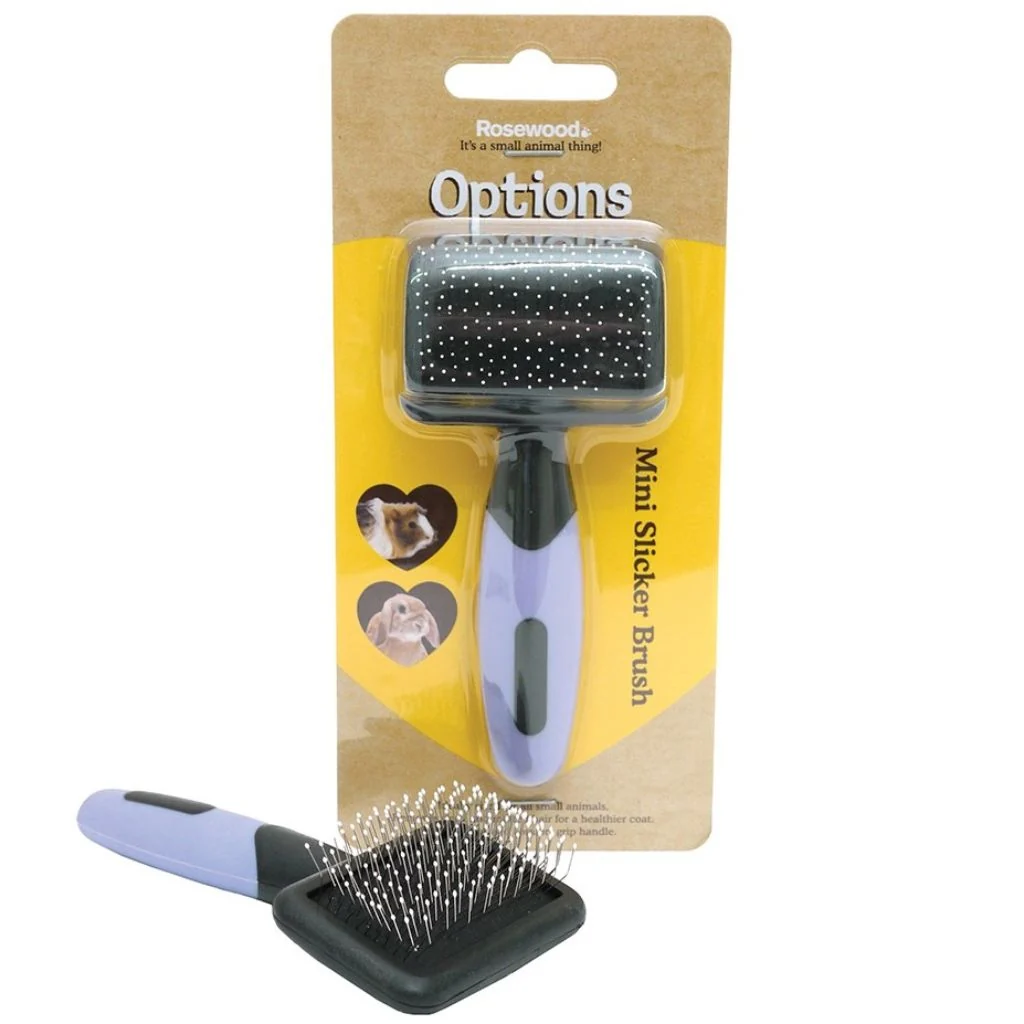
Image source: Bing (Web (fair-use with source credit))
Quick Answer
Yes, rabbits need grooming. Short-haired breeds need a weekly brushing session. Long-haired and wool breeds need daily attention.
Nail trims are needed every four to six weeks. Bathing is never part of routine care.
The key is consistency. A stuck shed causes more problems than a skipped one. Most owners overthink the brushing part and underthink the nail trimming part.
Both matter.
Why Rabbit Grooming Is a Health Issue, Not a Beauty Routine
Let's get one thing straight: you are not grooming your rabbit for looks. You're grooming them for their life. This is the mental shift every rabbit owner has to make.
Rabbits are fastidious self-groomers. They spend a significant portion of their waking hours licking their fur, just like cats. But unlike cats, rabbits cannot cough up hairballs.
They physically lack the vomiting reflex. That swallowed fur travels down into the stomach and must pass through the entire digestive tract.
Here's where the danger kicks in. Rabbit digestion relies on continuous movement. The gastrointestinal tract is always pushing food through.
When a rabbit ingests a large volume of loose fur, especially during a heavy shed, that fur can clump together. It mixes with food and creates a mass that the gut cannot push forward. The digestive system slows down and eventually stops entirely.
This condition is called gastrointestinal stasis, or GI stasis.
GI stasis is not a minor inconvenience. It's a medical emergency. The mortality rate is significant even with prompt veterinary care.
Symptoms include a sudden loss of appetite, tiny or no fecal pellets, lethargy, and teeth grinding from pain. A rabbit that stops eating for more than twelve hours is in serious trouble.
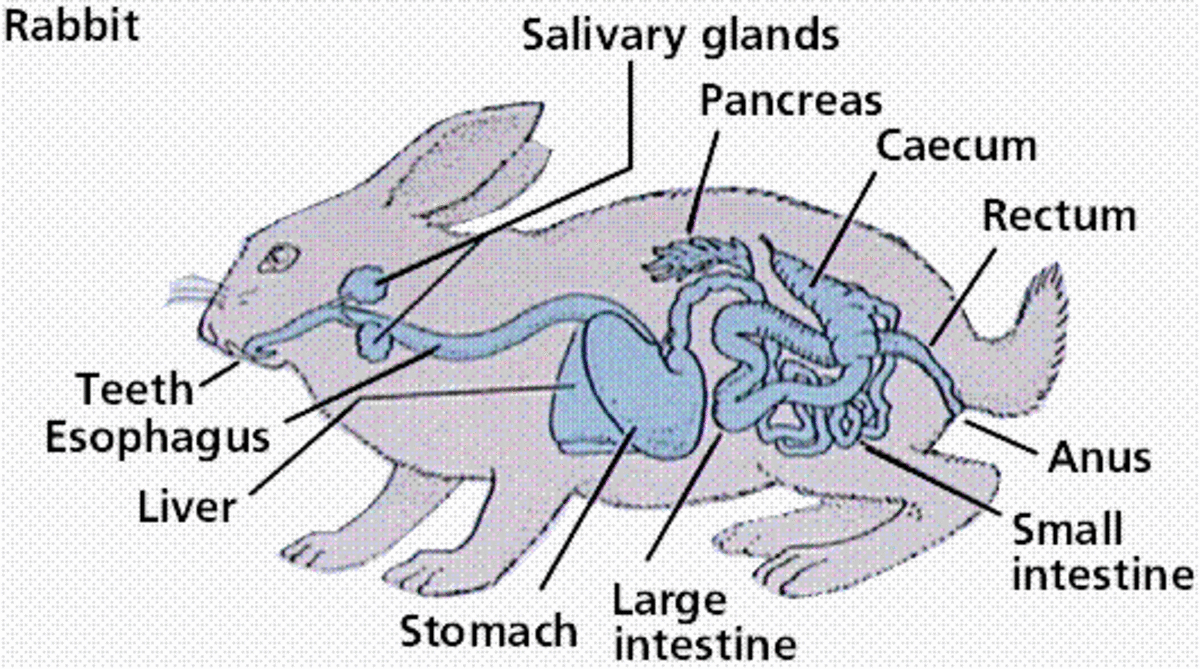
Image source: Bing (Web (fair-use with source credit))
This diagram shows the rabbit's digestive anatomy. What you're looking at is a system designed for constant forward motion. There are no valves to reverse direction.
Once a blockage forms, there's no natural way out.
The "Coat Blow" Phenomenon
Every few months, rabbits experience what's called a coat blow. This is a dramatic, synchronized shedding event where the rabbit loses a massive amount of fur over a short period, usually one to two weeks. It happens most heavily in spring and autumn, though indoor rabbits with climate control can shed year-round.
During a coat blow, your rabbit will look like they're exploding in a fur cloud. If you pet them, clumps of loose undercoat will come away in your hand. This is precisely when the grooming matters most.
Every strand of loose fur you remove with a brush is a strand that won't end up in their stomach.
Stress Shedding: The Hidden Trigger
Here's a lesser-known fact. Rabbits also shed in response to stress. This is called stress molting.
A sudden change in environment, a new pet in the house, loud noises, or even a rough handling session can trigger a rapid fur release. It's a physiological response, not a mood thing.
If you notice a sudden fur loss that doesn't match the seasonal pattern, ask yourself what changed in your rabbit's environment. The grooming response should be the same. Increase brushing frequency until the shed settles.
The health risk is identical whether the fur came off due to season or stress.
The 4 Rabbit Coat Types and What Each Needs
Not all rabbit fur is created equal. This is where a lot of generic advice goes wrong. A one-size-fits-all grooming schedule will either be overkill for a short-haired rabbit or dangerously insufficient for a wool breed.
Let's break down the four main coat types you'll encounter.
Normal and Short-Haired Breeds
This includes the most common pet rabbits: Holland Lops, Mini Lops, Netherland Dwarfs, and mixed breeds. These rabbits have a dense, standard-length coat with a distinct undercoat and topcoat. They are the lowest maintenance option in the rabbit world.
For these rabbits, a weekly brushing session with a slicker brush or a soft bristle brush is sufficient during non-shedding periods. During a coat blow, you'll want to bump that up to every two to three days. The goal is to remove the dead undercoat before your rabbit ingests it.
Rex Coats
The Rex rabbit is famous for its plush, velvety fur. What makes them unique is that their fur lacks the long guard hairs that other rabbits have. The coat stands upright and feels like velvet to the touch.
It's gorgeous, but it has special requirements.
Rex fur is surprisingly fragile. The hair shafts are short and can break easily with aggressive brushing. You should never use a slicker brush on a Rex.
Instead, use a soft bristle brush or a rubber curry comb. These tools gently lift loose hair without damaging the delicate coat. Weekly brushing is fine for the Rex rabbit, but you need to be gentler about how you do it.
Satin Coats
Satin rabbits have a genetic mutation that makes their hair shafts translucent and thinner than normal. The result is an incredibly shiny, luminous coat. It looks like a light show.
But that shine comes at a cost: the hair breaks very easily.
Satin coats need the lightest touch of all. A soft bristle brush is the safest option. Avoid anything with metal pins, even rounded ones.
The rounding doesn't fully eliminate the risk of splitting the hair shafts. Weekly brushing with a soft brush, focusing on gentle strokes, is the standard recommendation.
Wool Breeds and Angoras
This is a completely different game. Wool breeds, including English Angora, French Angora, German Angora, and Jersey Wooly, have hair that grows continuously, much like human hair. It never stops growing.
If you don't groom these rabbits, their fur will mat into solid, painful masses that pull on the skin.
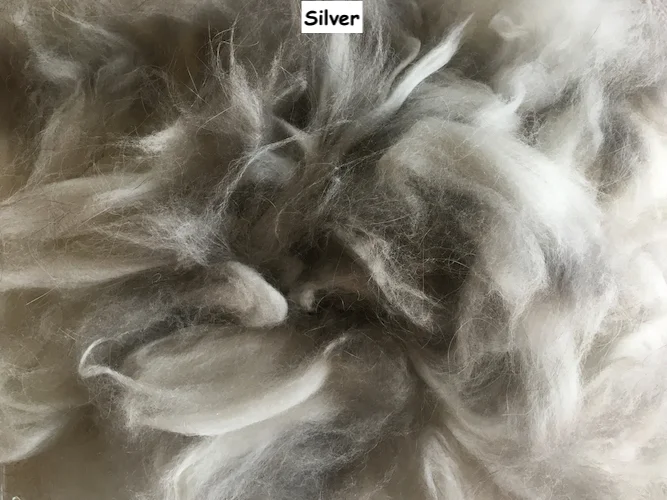
Image source: Bing (Web (fair-use with source credit))
Angora grooming is a daily commitment. A full wool Angora needs daily brushing to prevent mats. Owners who keep their Angora in a shorter "cut" style can sometimes stretch it to every other day.
But make no mistake, this breed demands time and patience. If you're not prepared for daily grooming sessions, an Angora is not the right rabbit for you.
The Hybrid Question
Many pet rabbits are mixes. You might adopt a rabbit that's clearly got some Angora lineage but isn't a full purebred. The grooming rule for mixed breeds is simple: follow the longer coat's schedule.
If the fur is longer than standard, treat it like a long-haired breed. It's better to brush too often than too little.
The 7 Essential Grooming Tools Every Owner Needs
You don't need a closet full of equipment. But you do need the right tools. Using human brushes or cat brushes on a rabbit can cause more harm than good.
Here's the core kit that every rabbit household should have.
1. Slicker Brush
The slicker brush is the workhorse of rabbit grooming. It has fine, short wires set closely together on a flat or slightly curved base. It is excellent for removing loose undercoat and breaking up small tangles.
Look for a slicker brush with rounded pin tips. Sharp tips will scratch your rabbit's delicate skin. The skin on a rabbit is thinner than you think, and it tears easily.
A brush that feels slightly uncomfortable on your own palm is too harsh for a rabbit.
2. Soft Bristle Brush
This is your finishing brush. It removes loose topcoat hairs and dust, and it distributes the rabbit's natural skin oils through the coat. It also feels good to the rabbit.
Many rabbits will actually push into a soft bristle brush, enjoying the sensation. This is a great tool for bonding sessions.
3. Rubber Curry Comb
A rubber curry comb looks like a small, rounded brush with short rubber teeth. It's excellent for removing loose fur from short-haired and Rex-coated rabbits. The rubber teeth grip the loose undercoat without scratching the skin or breaking the fur.
It's also very easy to clean. The fur collects in the comb and simply peels out.
4. Nail Trimmers
You will trim your rabbit's nails every four to six weeks. This is non-negotiable. Overgrown nails cause splayed feet, arthritis, and can snag on things, causing injury.
You have two main options here. Guillotine-style trimmers have a hole where you insert the nail, and a blade that slices down. Scissor-style trimmers look like small scissors with a notch in the blade.
Both work. The guillotine style is often easier for small, dark nails. The scissor style gives more control.
5. Styptic Powder
This is a life-saver, literally. Styptic powder is a blood-clotting agent that stops bleeding instantly. You will likely nick the quick at some point.
It's not a question of if, it's a question of when. Having styptic powder on hand prevents a minor accident from becoming a stressful, bloody ordeal.
If you do not have styptic powder, cornstarch or flour will work in a pinch. Apply direct pressure with a clean cloth first, then dip the nail in the powder.
6. Grooming Wipes and Dry Shampoo
Remember earlier when we said you never bathe a rabbit? Here's what you use instead. Waterless grooming wipes, formulated specifically for small animals, are the safest way to spot-clean a dirty patch of fur.
Dry shampoos in powder form can also absorb small amounts of dirt. These are spot treatments. They are not a substitute for regular brushing.
7. Ear Cleaning Supplies (For Lop Breeds)
Lop-eared rabbits have floppy ears that fold over the ear canal. This traps moisture and wax, creating a perfect environment for infections. You'll need a rabbit-safe ear cleaning solution and cotton pads or balls.
Never use cotton swabs. You will push debris further into the ear and risk damaging the eardrum.
Step-by-Step: How to Groom Your Rabbit Safely (Including Nail Trims)
Grooming a rabbit is a process. It's not something you rush. The more calm and predictable you are, the more cooperative your rabbit will be.
Here's the safe, vet-recommended protocol.
Pre-Groom Health Check
Before you even pick up a brush, run your hands over your rabbit's entire body. This is your chance to catch problems early. Feel for lumps, bumps, scabs, or sore spots that might be hidden under the fur.
Check for fleas or mites. Look at the condition of the skin. Healthy rabbit skin is pink and clean.
Any redness, flakiness, or moist areas need attention.
Also check the rear end. This is critical. Look for any fecal matter stuck to the fur.
This condition, called urine scald or fecal matting, can lead to flystrike, which is a fatal condition where flies lay eggs in the soiled fur.
Brushing Technique: Strokes, Direction, and Pressure
Every rabbit has a fur direction, generally from head to tail. Always brush in that direction. Never brush against the grain.
It causes discomfort and can stress the rabbit.
Use short, gentle strokes. Do not bear down on the brush. You are removing loose fur, not vigorously scrubbing the coat.
Start with the slicker brush to remove the undercoat, then finish with the soft bristle brush to smooth the topcoat.
For short-haired breeds, this routine takes about five to ten minutes. For long-haired breeds, it will take longer, and you'll need to be more careful.
How to Handle Mats Without Hurting Your Rabbit
Mats and tangles are a common problem, especially with long-haired breeds or rabbits that have skipped a grooming session. Never pull a mat out of a rabbit's fur. The skin is thin and tears very easily.
Pulling causes pain and will destroy your rabbit's trust.
Instead, hold the mat firmly between your fingers, close to the skin, and cut it away with scissors. The picture below shows the positioning. You want to place the scissors between the mat and the skin, parallel to the skin, and carefully snip.
If the mat is too tight or too close to the skin to cut safely, don't force it. Shave the area carefully with a small pair of clippers, or take your rabbit to a professional. If a mat has been there long enough, it can pull the skin into a painful fold that hides sores.
In that case, a vet visit might be the safest route.
Nail Trimming Step by Step
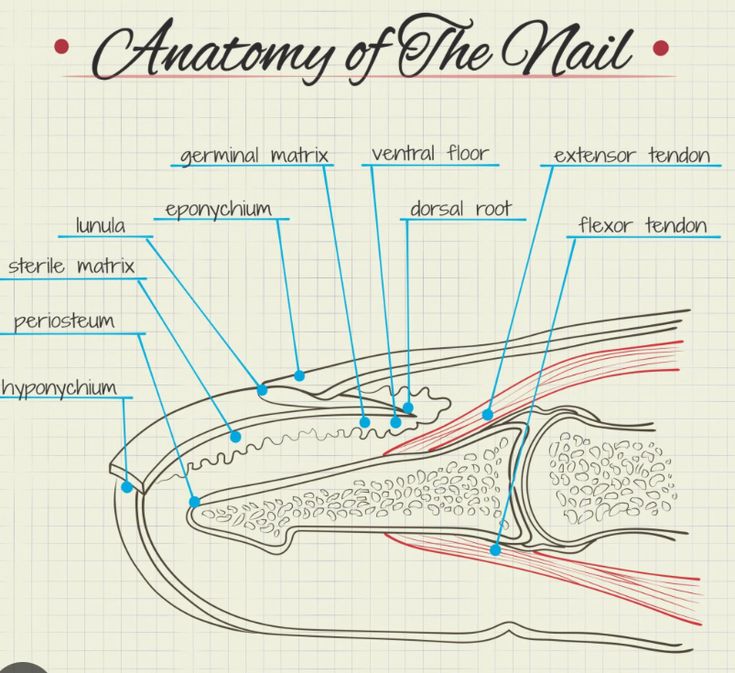
Image source: Bing (Web (fair-use with source credit))
Nail trimming is the most stressful part of rabbit grooming for both owners and rabbits. Here's the safe procedure.
Step 1: Secure your rabbit. You do not want to chase a rabbit around the room with a trimmer. Wrap your rabbit in a towel, a rabbit burrito style. Leave only the leg you are working on exposed.
This calms the rabbit and gives you control.
Step 2: Identify the quick. The quick is the blood vessel inside the nail. On white or light-colored nails, it's easy to see as a pink line running through the center of the nail. On dark nails, it's nearly impossible to see.
This is where the danger lies.
Step 3: Hold the paw gently. Use one hand to gently press on the paw, exposing the nail. You need to see the nail clearly before you cut.
Step 4: Clip the tip. Cut the nail at a slight angle, just past the quick. When in doubt, cut less. It's better to take a tiny bit off and do it more often than to risk cutting the quick.
Step 5: Handle bleeding. If you do cut the quick, stay calm. Apply styptic powder to the tip of the nail and hold pressure with a clean cloth for 30 seconds. The bleeding will stop.
Do not panic and put the rabbit down. A bleeding nail will leave blood all over your house and stress the rabbit further.
Ear Cleaning That Won't Damage Their Hearing
To clean your rabbit's ears, first inspect them. Healthy ears are clean, pink, and dry. If you see dark, crusty debris, or if the ears smell bad, this is a sign of ear mites or an infection.
A vet needs to see this. Do not attempt to treat it at home.
For routine cleaning, apply a small amount of rabbit-safe ear solution to a cotton pad. Fold the ear back gently and wipe the outer area of the canal. Do not insert anything into the ear.
Just clean what you can see. This should be done every two to three weeks for lop breeds, and monthly for erect-eared rabbits.
Setting Up a Two-Person System
Some rabbits, especially those that are not used to regular handling, will resist grooming. They might kick with their powerful hind legs, which can easily cause a spinal injury. For these rabbits, a two-person team is the safest approach.
One person holds the rabbit securely, supporting the hindquarters and keeping the rabbit close to their chest. The other person does the brushing or nail trimming. This setup reduces the rabbit's ability to kick and makes the process much safer.
It also makes the rabbit feel more secure, which reduces stress.
The 10-15 Minute Rule
Grooming sessions should never be marathon events. A rabbit's attention span and tolerance for handling are short. Fifteen minutes is a solid session.
If you need to do more, split it into two sessions. A calm, cooperative rabbit is better than a stressed-out, terrified one.
How Often Should You Groom? A Schedule That Matches Real Life
Grooming frequency is not a one-size-fits-all answer. It depends on your rabbit's breed, whether they live indoors or outdoors, and the time of year. Here's how to build a realistic schedule.
Indoor House Rabbits: The Year-Round Shed Surprise
Indoor rabbits live in a climate-controlled environment. Their bodies don't receive the same seasonal temperature cues that outdoor rabbits do. As a result, they tend to shed lightly year-round instead of in two dramatic seasonal bursts.
For an indoor short-haired rabbit, a weekly brushing session is sufficient. During the lighter, ongoing shed, that weekly session keeps loose fur under control. You'll still find fur on your clothes and furniture, but it will be manageable.
Seasonal Shedding Cycles: Spring and Autumn Coat Blows
Outdoor rabbits, and even indoor rabbits that get natural light, will experience the classic coat blows in spring and autumn. This is when your brushing frequency needs to increase.
During a coat blow, brush your rabbit every two to three days, or even daily if the shed is heavy. The goal is to remove the dead undercoat before it becomes a health risk. A heavy shed that goes unmanaged is the number one cause of fur ingestion and GI stasis.
Senior Rabbits and Mobility Issues: When They Need Your Help
As rabbits age, their grooming habits change. Arthritis can make it painful for them to twist their bodies to reach their rear end. Dental issues can make it difficult to groom properly.
A senior rabbit might start to look scruffy, not because they don't care, but because they physically can't do it anymore.
If you have a senior rabbit, increase your brushing frequency. Pay special attention to the rear end and the lower back. These are the areas they struggle to reach.
You are now doing the work they can no longer do themselves.
Here is a quick reference schedule based on the most common scenarios.
| Rabbit Type | Normal Schedule | During Coat Blow |
|---|---|---|
| Indoor short-haired | Weekly | Every 2-3 days |
| Indoor long-haired | Every 2-3 days | Daily |
| Outdoor short-haired | Weekly | Every 2-3 days |
| Senior rabbit | 2-3 times per week | Daily |
| Wool breed (Angora) | Daily | Daily |
The 10-15 Minute Rule
Grooming sessions should never be marathon events. A rabbit's attention span and tolerance for handling are short. Fifteen minutes is a solid session.
If you need to do more, split it into two sessions. A calm, cooperative rabbit is better than a stressed-out, terrified one.
The Bathing Debate: What to Do Instead of a Bath
If you take nothing else from this article, remember this: never bathe your rabbit. Not in a sink. Not in a tub.
Not with a hose. Not ever.
Why Bathing Kills Rabbits
Rabbits are highly susceptible to stress. The stress of being submerged in water, even warm water, can trigger a massive physiological panic response. This response can lead to sudden death from shock.
It's not rare. It's not an anomaly. Exotic vets see this on a regular basis.
There's also the hypothermia risk. A rabbit's dense fur loses its insulating properties when wet. The rabbit cannot easily warm itself back up.
Hypothermia sets in quickly, and the rabbit can die before you even get them dried off.
And then there's the skin factor. Rabbits have very sensitive skin. Bathing strips away the natural oils that keep their skin healthy.
It also disrupts the delicate pH balance, leaving them vulnerable to bacterial and fungal infections. A routine bath can create a skin problem that lasts for months.
Safe Alternatives for Dirty Fur
So what do you do when your rabbit actually gets dirty? It happens. They might step in their water bowl, or get urine stuck on their rear end.
Here are the safe, effective options.
Spot-cleaning technique. For small areas, use a damp, warm cloth. Wipe the soiled area gently, then dry it thoroughly with a separate towel. The goal is to remove the dirt without soaking the fur down to the skin.
Waterless grooming wipes. These are formulated specifically for small animals. They clean the fur without water, and they're safe to use on rabbits. They're ideal for cleaning the rear end or feet quickly.
Dry shampoo powder. For a rabbit that has a slightly oily or dusty coat, a small animal dry shampoo can help. Apply the powder, let it sit for a few minutes, then brush it out thoroughly. This also helps with stubborn dirt.
Cornstarch for emergencies. Plain cornstarch (not baby powder, which can be dangerous) is a great dry cleaning agent. Rub it into the dirty fur, let it sit, then brush it out. It absorbs oil and helps lift dirt.
When a Vet Bath Is the Only Option
There are rare cases where a rabbit needs professional help. If your rabbit has severe diarrhea, is heavily soiled, or has a skin condition that requires medicated baths, a vet will handle it. In these cases, the rabbit is usually sedated or given anti-stress medication before the bath.
The vet also has the experience to dry and warm the rabbit quickly, minimizing the risk. Do not try this at home.
A deep clean is never a reason to bathe a healthy rabbit. If your rabbit is healthy, you can manage all their grooming needs with brushes, wipes, and spot cleaning. The water stays in the bowl.
7 Grooming Mistakes That Send Owners to the Emergency Vet
Even with the best intentions, mistakes happen. Some of them are minor and easily fixed. Others are serious enough to send your rabbit to the emergency vet.
Here are the seven most common grooming mistakes, so you can avoid them.
1. Over-Bathing and What It Does to Rabbit Skin
We just covered the dangers of bathing. Keep that rabbit dry. It sounds like a gentle approach, but a full water bath is a shock to the system.
It strips the natural oils, leaves the rabbit vulnerable to hypothermia, and can trigger a fatal stress response. If you're tempted to dunk your rabbit, reach for the grooming wipes instead.
2. Pulling Mats Instead of Cutting Them
When you find a mat, your instinct might be to pull it out with the brush or your fingers. Don't. Rabbit skin is paper-thin.
Pulling a stubborn mat can tear the skin clean open. This is a painful injury and a serious infection risk. Always cut mats out with scissors, placing the blades parallel to the skin.
If you're not sure you can do it safely, let a professional handle it.
3. Using Dog or Cat Flea Products
This is one of the most common and most fatal mistakes. The chemicals in dog and cat flea treatments, specifically permethrin, are highly toxic to rabbits. A single drop of a concentrated dog flea product on a rabbit's skin can cause seizures, tremors, and death within hours.
If you have a flea problem, talk to your exotic vet. There are rabbit-safe treatments, but they are prescribed specifically for rabbits. Never, ever use a product that wasn't explicitly designed for rabbits.
4. The "Trance" Position and Why Flipping Your Rabbit Is Dangerous
You might have seen videos of people flipping a rabbit onto its back, where it goes completely limp. This looks calm, but it's not. It's called tonic immobility, or "trancing." It's a fear-induced state of paralysis.
The rabbit appears relaxed, but it's actually terrified and frozen in panic.
When you trance a rabbit to groom it, you're causing significant psychological stress. In some cases, rabbits have died from the stress response. Always groom your rabbit in an upright, supported position.
Never flip them onto their back.
5. Using the Wrong Brush That Tears Skin
A standard human hairbrush or a metal comb designed for a dog can scratch or tear a rabbit's delicate skin. The wrong brush can also pull the undercoat too aggressively, causing pain and stress.
Stick to brushes designed for rabbits. A slicker brush with rounded tips is the safest all-around option. For Rex and Satin coats, use soft bristle brushes or rubber curry combs.
When in doubt, the softer the better.
6. Ignoring Rear-End Hygiene (Flystrike Risk)
Flystrike is a gruesome and often fatal condition. It happens when flies lay eggs in soiled, damp fur, usually around the rabbit's rear end. The eggs hatch into maggots that burrow into the skin and feed on the rabbit's tissue.
It is an agonizing, deadly problem.
The prevention is simple: keep your rabbit's rear end clean and dry. Check daily for any stuck fecal matter or urine-soaked fur. If you find it, gently clean the area with grooming wipes or a damp cloth.
If you see any maggots at all, get to the vet immediately. Flystrike is a life-threatening emergency.
7. Skipping Nail Trims Until They're Overgrown
Rabbits that don't get their nails trimmed develop serious foot problems. Overgrown nails curl, forcing the rabbit to walk on them. This causes pain and can lead to sore hocks, a condition where the skin on the bottom of the feet becomes inflamed and infected.
Nail trims every four to six weeks are non-negotiable. If you don't feel confident doing it yourself, your vet or a professional rabbit groomer can do it. The cost of a professional trim is far less than the cost of treating a foot infection.
| Mistake | The Risk | The Safe Alternative |
|---|---|---|
| Full water bath | Shock, hypothermia, skin infection | Spot-clean with wipes or damp cloth |
| Pulling mats | Skin tears, severe pain | Cut mats with scissors, parallel to skin |
| Dog/cat flea products | Fatal toxicity from permethrin | Exotic vet-prescribed rabbit-safe treatment |
| Trancing (flipping) | Extreme stress, possible death | Groom in an upright, supported position |
| Wrong brush | Skin scratches, coat damage | Use rabbit-specific slicker, bristle, or rubber comb |
| Ignoring rear-end hygiene | Flystrike, fatal infection | Daily check and cleanup of the rear area |
| Skipping nail trims | Splayed feet, arthritis, sore hocks | Trim every 4-6 weeks or seek professional help |
When to Call the Vet: Grooming-Related Red Flags
Grooming isn't just about the fur. It's a chance to check on your rabbit's overall health. Here's what to look for during your grooming sessions, and when a red flag means a vet visit.
Anorexia After a Shed (Possible GI Stasis)
If your rabbit goes through a heavy shed and then suddenly stops eating, act fast. A decrease in appetite, small or no fecal pellets, and lethargy are the classic signs of GI stasis. This is the most dangerous grooming-related complication.
A rabbit that stops eating for more than twelve hours needs immediate veterinary care.
Lethargy and Unusual Hiding
Rabbits are prey animals. They hide pain and illness as a survival instinct. If your normally social rabbit starts hiding in a corner, refusing to come out, or seems unusually lethargic, something is wrong.
Don't wait to see if it improves. Call your vet.
Bleeding That Won't Stop After a Trim
If you accidentally cut the quick and it's still bleeding after several minutes of pressure and styptic powder, seek help. It's rare, but some rabbits have clotting issues. A vet can cauterize the nail or apply a stronger clotting agent.
Skin Infections and Pus You Didn't Cause
If you notice open sores, abscesses, or any discharge on your rabbit's skin during grooming, this is a vet issue. It could be a bacterial infection, a parasite, or a reaction to an irritant. Do not attempt to treat it at home.
A vet can determine the cause and prescribe the right medication.
Severe Matting That Requires Sedation
If a rabbit's fur has become completely matted into a solid mass against the skin, especially if the mats are tight or have been there for a while, this is beyond home grooming. The pain of removing these mats can push the rabbit into shock. A vet will formally sedate the rabbit, shave the mats off safely, and treat any underlying skin damage.
Frequently Asked Questions
Do rabbits clean themselves?
Yes, rabbits are very clean animals. They groom themselves throughout the day. But their self-grooming isn't enough.
A rabbit can't stay on top of heavy shedding alone, which is why regular brushing is necessary.
Rabbits groom their faces with their front paws. That's why you'll see them doing a "face wash" after a meal. The rest of their body gets attention too, but during a shed, they simply can't remove the sheer volume of loose fur quickly enough.
That's where your brush becomes essential.
Can I use a lint roller on my rabbit?
A lint roller is not a good idea for a rabbit. The adhesive tape can pull on their skin, which is extremely thin and sensitive. It will hurt them and cause stress.
If you're trying to pick up loose fur, use a sticky pet roller on their environment instead. For the rabbit itself, always use a proper brush designed for their coat type.
Why is my rabbit pulling out their own fur?
Rabbits pull fur for a few different reasons. If it's a pregnant or falsely pregnant female, she'll pull fur to line a nest. That's completely natural.
If the fur pulling isn't nesting-related, it could be stress, boredom, a lack of fiber in the diet, or a skin irritation. If you see bald patches or raw skin, get them to a vet. If the behavior is new and persistent, that vet visit is the safest move.
Do indoor rabbits need less grooming than outdoor ones?
Not necessarily. Indoor rabbits shed year-round because their environment is temperature-controlled. Outdoor rabbits have intense seasonal sheds in spring and autumn.
The total amount of fur an indoor rabbit sheds over the year is roughly the same as an outdoor rabbit. It's just spread out differently. The brushing schedule should be adjusted, not reduced.
A weekly routine keeps indoor rabbits perfectly healthy.
What happens if I never groom my rabbit?
If you never groom a rabbit, several bad things happen. The dead undercoat builds up, making the rabbit look scruffy and increasing the risk of skin irritation.
More importantly, the rabbit ingests enormous amounts of loose fur while self-grooming. This greatly increases the risk of GI stasis, which can be fatal. The nails will also overgrow, causing painful foot problems.
Regular grooming is an essential part of rabbit care.