
Your bird is staring at you from across the room. Feathers slightly fluffed, wings held just away from the body, head tilted in that specific way that means something. You're not sure what.
But you've noticed the dander building up on your shoulder every time they perch there, and the feathers are starting to look a little dull. You've been wondering how to give a bird a shower without causing a panic, without getting bitten, without making a mess of the bathroom. The truth is, most bird owners get this wrong on the first try.
A bird's feathers are their lifeline. They regulate temperature, enable flight, and signal health. Damaged feathers from improper bathing can take months to regrow, and the stress of a forced bath can erode months of trust.
Research from the Association of Avian Veterinarians indicates that bathing is essential for most companion birds, but the how matters just as much as the whether. As of 2026, avian veterinarians universally recommend species-specific, consent-based bathing routines over the old-school "stick them under the tap" approach. Let's break down exactly what your bird needs.
Quick Answer
Offer a shallow dish or a fine mist of lukewarm water. Let your bird choose to engage. Never force it.
Keep sessions to 2 to 5 minutes. Use water between 75°F and 85°F. Avoid the face and eyes.
Dry the bird in a warm, draft-free space. Bathe 2 to 3 times weekly for most species. Dusty birds like cockatoos need more.
Watch body language. When they walk away, the bath is over.
Why Bathing Your Bird Matters More Than You Think
Feathers aren't just decoration. They're complex structures made of keratin, the same protein as your fingernails, and they need constant maintenance. In the wild, birds bathe daily in rain, dew, or shallow pools.
That water loosens dirt, removes dust, and keeps the feather shafts flexible. Without regular bathing, feathers become brittle and prone to breaking. Broken feathers mean poor insulation, difficulty flying, and skin irritation underneath.
Bathing also supports the preening process. When a bird preens, they distribute oil from the uropygial gland, located at the base of the tail, across every feather. That oil waterproofs the feathers and keeps them supple.
But that oil only spreads effectively when feathers are clean and slightly damp. Bathing primes the feathers for preening, making the whole system work.
There's a respiratory angle too. Parrots, cockatoos, and other companion birds have sensitive respiratory systems. Dry indoor air, especially in winter when heating runs constantly, dries out their airways.
Regular misting adds humidity to their immediate environment, which supports respiratory health. The Association of Avian Veterinarians recommends regular bathing for companion birds specifically for this reason, alongside feather maintenance.
And let's not forget the behavioral side. Bathing is fun for most birds. It triggers natural behaviors, relieves boredom, and can even reduce feather plucking in some individuals.
A bird that bathes regularly is often a happier, more relaxed bird.
| Benefit | What It Does | Why It Matters |
|---|---|---|
| Feather maintenance | Loosens dirt and dust | Prevents brittleness and breakage |
| Preening support | Primes feathers for oil distribution | Keeps feathers supple and waterproofed |
| Respiratory health | Adds humidity to nearby air | Soothes airways in dry indoor climates |
| Behavioral enrichment | Triggers natural instincts | Reduces boredom and feather plucking |
| Bonding | Builds trust when consent-based | Strengthens your relationship over time |
Before You Start: Reading Your Bird's Body Language
The single most important skill in bathing your bird has nothing to do with water. It's observation. Birds communicate their willingness to bathe through clear, physical signals.
Learn to read them and you'll never force a bath again.
A bird that wants to bathe will show you. They fluff their feathers out, sometimes holding them away from the body. They might crouch low on the perch with wings slightly spread.
They often dip their head toward imaginary water or make scooping motions with their beak. Some birds vocalize differently, a softer, chattery sound. A bird in this state is inviting the bath.
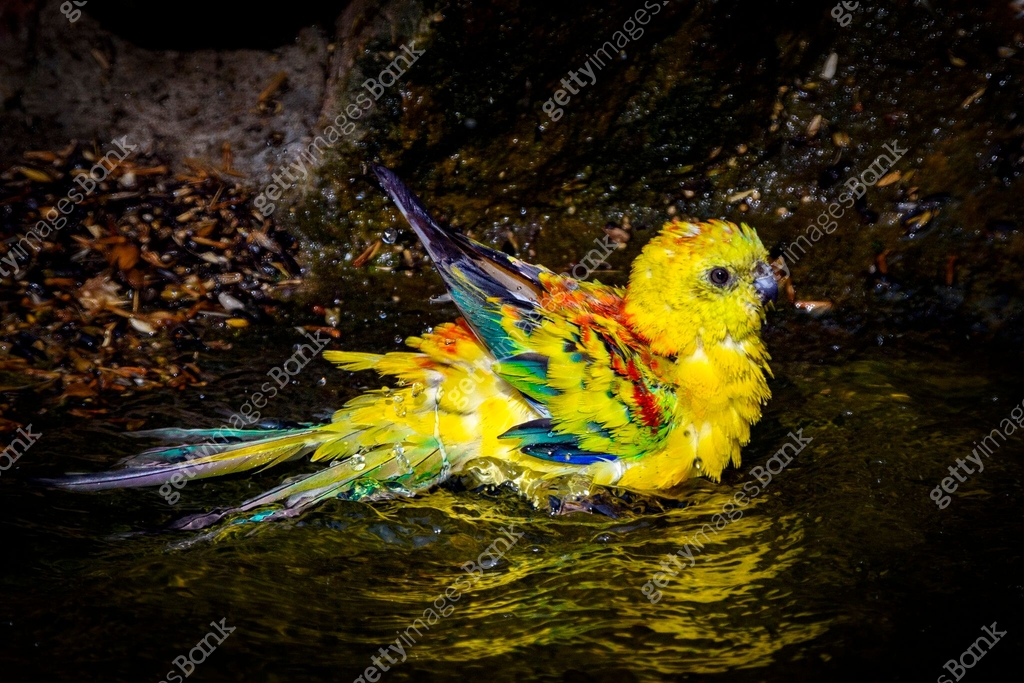
Image source: Bing (Web (fair-use with source credit))
The opposite signals matter just as much. A bird that wants no part of bathing will press feathers tight against the body, making themselves look smaller. They might lean away from you, climb to the highest point of their cage, or flatten against a perch.
Wing flapping in a frantic, repetitive way often means panic, not excitement. Heavy, open-beaked breathing is a distress signal. If you see any of these, stop.
The bath is off.
Here's the tricky part. Some birds show mixed signals. They might approach the water dish but then retreat.
They might fluff up but keep an eye on you with a nervous stance. In our research, these mixed signals usually mean the bird is curious but not fully comfortable. The best approach is to offer the option and step back.
Let the bird approach the water on their terms. Sometimes the first bath takes a week of daily offers before a bird commits.
The golden rule of bird bathing is consent. Every single time. A bird that trusts you enough to bathe in your presence is a bird that feels safe.
Forcing a bath, even with the best intentions, teaches the bird that you're unpredictable. That trust takes a long time to rebuild.
The Two Main Methods: Misting vs. Dish Bathing
There are two primary ways to bathe a companion bird at home, and which one you use depends on your bird's species, personality, and prior experiences. Neither is objectively better. Both have a place in a well-rounded bird care routine.
Misting is the gentlest approach. You use a clean spray bottle set to a fine mist and spray above the bird, letting the droplets fall like gentle rain. Most birds relax into this quickly, especially tropical species accustomed to rainforest downpours.
Misting works particularly well for birds that are nervous around standing water or for owners who want a quick, low-mess option. It's also the safest method for birds with respiratory sensitivities because you control the droplet size and water volume precisely.
Dish bathing is the more natural method. You offer a shallow bowl of lukewarm water, wide enough for the bird to step into. Many birds prefer this because it mimics puddles and shallow streams they'd encounter in the wild.
Dish bathing allows the bird to control the experience entirely, splashing at their own pace. It's often the preferred method for larger birds like macaws and greys who enjoy a full-body splash.
How do you choose? It comes down to observation and species tendencies.
- African greys tend to prefer misting, especially in cooler weather. They're cautious by nature and respond better to a gentle approach.
- Cockatoos are dust factories. They often need both misting and dish bathing to manage the powder down they produce.
- Macaws generally love water in any form. A dish bath will often be the preferred choice.
- Budgies and cockatiels adapt to either method, though they often prefer misting when they're young and grow into dish baths as they gain confidence.
- Amazon parrots often enjoy a good splash. Offer both and see which one they choose.
You can always combine methods, too. Start with a mist to wet the feathers, then offer a dish for the full-body experience. Many owners report that the mist acts as an invitation, telling the bird that bath time has started.
The Right Setup: Tools, Water Temperature, and Environment
Getting the setup right is what separates a calm, enjoyable bath from a stressful, chaotic one. Let's walk through what you need.
The spray bottle. This is the most important tool in your misting kit. It must be brand new and dedicated solely to your bird. Never reuse a bottle that previously held cleaning products, even after washing.
Chemical residue can be lethal to birds. Look for a bottle with an adjustable nozzle that can produce a genuinely fine mist, not a harsh stream. Some owners prefer a pump-style sprayer for consistent pressure, while others use trigger bottles for control.
Either works, as long as the mist is fine.
The water. Use lukewarm water, between 75°F and 85°F. Test it on your inner wrist, just like you would for a baby. Tap water is generally fine for most birds, though some owners prefer filtered or bottled spring water to avoid chlorine and other municipal additives.
If your tap water is heavily chlorinated, let it sit out for 24 hours before use to allow the chlorine to dissipate.
The shower perch. If you plan to co-shower with your bird, a dedicated shower perch is essential. These are typically suction-cup-mounted perches that attach to tile or glass shower walls. They keep your bird safely positioned away from the direct water stream, in the spray zone but not under the full force of the showerhead.
Look for a perch with a textured surface to prevent slipping and a tray to catch runoff.

Image source: Bing (Web (fair-use with source credit))
The environment. Where you bathe your bird matters. A warm, draft-free space is non-negotiable. Birds lose body heat quickly when wet, and a draft can send them into hypothermia within minutes.
Close windows, turn off ceiling fans, and consider running a space heater in the room before the bath starts. The room temperature should be at least 70°F, ideally warmer.
The timing. Bath time should be predictable, not random. Birds thrive on routine, and a consistent bath schedule reduces stress. Most owners find that midday works best because it gives the bird time to dry before the cooler evening hours.
Morning baths are also fine, provided the bird has time to fully dry before bedtime.
The drying setup. Have everything ready before you start. A clean, dry towel. A warm spot away from drafts.
Some owners use a low-heat blow dryer designed for pets, but this must be introduced gradually and only if your bird tolerates it. Most birds do fine with air drying in a warm room, as long as they're not in direct airflow.
| Tool | Purpose | Key Specs |
|---|---|---|
| Spray bottle | Misting | Adjustable nozzle, fine mist, dedicated to bird only |
| Shallow dish | Dish bathing | Wide, stable base, 1–2 inches deep |
| Shower perch | Co-showering | Suction cups, non-slip surface, runoff tray |
| Lukewarm water | All methods | 75–85°F, tested on wrist |
| Towel | Drying | Clean, lint-free, dedicated to bird |
| Space heater | Environment | Keeps room at 70°F+, no drafts |
The setup checklist. Before you bring your bird anywhere near water, run through this list every single time. First, check the water temperature. Second, confirm the spray bottle is set to fine mist.
Third, close all windows and doors. Fourth, turn off fans and air conditioning vents. Fifth, position the towel and drying spot within reach.
Sixth, make sure you have at least 10 minutes of uninterrupted time, because rushing a bath is how accidents happen.
Step-by-Step: How to Give Your Bird a Shower Safely
Now we get into the actual process. This is the part where most generic advice falls apart, because every bird is different. But the core sequence below works for the vast majority of companion birds.
Adjust the specifics based on what you've learned about your bird's preferences.
Step 1: Offer, don't announce. Approach your bird calmly. Don't loom over them. Say a few words in a soft voice.
Show them the spray bottle or the dish so they know what's coming. This isn't about being sneaky. It's about giving your bird the information they need to feel in control.
Step 2: Start with the mist, always. Even if your bird ultimately prefers a dish bath, start with a light mist. This signals that bath time has begun and gives a nervous bird a chance to acclimate. Hold the bottle 12 to 18 inches away.
Spray upward, letting the mist fall naturally onto your bird's back and wings. Never aim directly at the face. The nares, or nostrils, are sensitive, and water in the eyes is startling.
Step 3: Read the response. After the first few sprays, pause. Watch your bird. If they're fluffing up, leaning into the mist, or making happy chattering sounds, continue.
If they're tight, leaning away, or trying to climb elsewhere, stop. Wait, offer again in a minute. If they still refuse, the bath ends there.
You can try again later in the day or tomorrow. This is not a failure.
Step 4: Move to the dish if preferred. If your bird seems comfortable with the mist and you've already offered a dish, now's the time. Place the dish in a stable, accessible spot. Some birds step right in.
Others need to investigate first, dipping a toe, then a beak, then finally committing. Give them space. Don't hover over the dish.
Sometimes the best thing you can do is take a step back.
Step 5: Keep it short. The whole session, from first mist to final splash, should last 2 to 5 minutes. Longer isn't better. A bird that bathes for too long gets cold, and cold birds get sick.
Watch for signs of shivering or puffed-up feathers that don't relax. That's the signal to wrap it up.
Step 6: Drying time. Gently remove the dish or stop misting. Move your bird to the prepared drying spot. A warm, draft-free room with a towel nearby is all most birds need.
Some birds enjoy being gently patted with a towel, while others prefer to shake off and preen on their own. Follow your bird's lead. If you use a blow dryer, keep it on the lowest heat and hold it at least 12 inches away.
Introduce it slowly, letting your bird get used to the sound before you ever turn it on near them.
Step 7: Post-bath observation. The minutes after a bath are just as important as the bath itself. Your bird will likely preen enthusiastically, redistributing the natural oils across their feathers. Watch for any signs of respiratory distress, like wheezing or open-mouthed breathing.
Watch for persistent shivering. If either happens, warm the room further or contact your avian vet. Most birds recover quickly, but you need to be paying attention.
Species-Specific Bathing Needs: Cockatoos, Greys, Macaws, and Budgies
If you've kept multiple species of birds, you already know that what works for one might terrify another. Bathing is no different. Let's break down the specific needs of the most common companion birds.
African greys. These birds are thinkers. They're cautious, intelligent, and deeply sensitive to their environment. They often prefer a very gentle mist over a full dish bath, especially in cooler months.
Greys also produce less dust than cockatoos, so their bathing needs are moderate. Two to three times weekly works well. A misting session that lasts just 2 minutes is plenty.
The key is consistency. A grey that learns bath time is calm and predictable will eventually look forward to it.
Cockatoos. Cockatoos are the dustiest of all companion birds. They produce a fine powder down that coats everything in the room if left unchecked. Regular bathing is essential for these birds, not just for feather health but for your own respiratory comfort.
Many cockatoos love a full dish bath, splashing enthusiastically. They benefit from bathing 3 to 4 times weekly. They also benefit from a misting session even on days they skip the full bath.
Macaws. These larger parrots generally love water in any form. In the wild, many macaw species bathe daily in riverbanks and rain pools. A large shallow dish or a dedicated shower perch works beautifully.
Macaws are often bold enough to enjoy co-showering with their owners, provided the water pressure is low and the temperature is right. Three times weekly is a good baseline, bumping to daily during molt or in very dry climates.
Budgies and cockatiels. Small birds have small bodies and lose heat quickly. Keep sessions short, 2 minutes maximum for misting. These birds often prefer a gentle mist over a deep dish, which can seem intimidating to a small bird.
A shallow dish, barely an inch deep, works for those that want to splash. The key is watching for shivering and ending the session quickly if it starts.
Amazons. Amazon parrots are often enthusiastic bathers. They like to splash in a dish or enjoy a shower perch. Their feather structure benefits from regular, thorough bathing.
Three times weekly works well. Amazons are also prone to obesity, and bathing can be a form of gentle exercise, encouraging them to move around.
| Species | Preferred Method | Frequency | Special Notes |
|---|---|---|---|
| African Grey | Misting | 2–3× weekly | Keep sessions calm and consistent |
| Cockatoo | Dish bath + misting | 3–4× weekly | Essential for dust control |
| Macaw | Dish bath / shower perch | 3× weekly | Love water, can co-shower |
| Budgie / Cockatiel | Misting | 2–3× weekly | Keep sessions short, watch for shivering |
| Amazon | Dish bath / shower perch | 3× weekly | Vigorous splashers, good exercise |
One important note here. Molting changes everything. During a molt, a bird's skin is irritated and sensitive, and new feather shafts, called pin feathers, are fragile and full of blood.
Bathing can provide relief from itchiness and soften the sheaths around new feathers. But you need to be extra gentle. Fine mist only, no vigorous splashing, and watch for signs of discomfort.
Some birds want to bathe more during molt. Others want to be left alone entirely. Follow their lead.
Why You Should Never Use Soap or Additives
This is the section where a lot of well-meaning owners make their biggest mistake. Soap, shampoo, dish detergent, essential oils, bird bath additives, all of it. The short answer is no.
None of it belongs anywhere near your bird's feathers.
The chemistry of feathers. Bird feathers have a delicate structure. The barbs and barbules interlock like tiny zippers, and the natural oil from the uropygial gland keeps everything flexible and water-resistant. Soap breaks down oil.
That's its entire purpose. When you wash a bird with soap, you strip away that protective oil layer entirely. The feathers lose their waterproofing, become brittle, and the bird loses their primary insulation against temperature changes.
The toxicity problem. Birds have highly efficient respiratory systems, which is great for flying and terrible for exposure to toxins. Their air sacs extend throughout their bodies, and they absorb things through their lungs faster than most mammals. This means residues from dish soap, which might be fine on your plates, are actively dangerous when inhaled or absorbed through a bird's skin.
Pet birds have died from the fumes of a self-cleaning oven in the next room. The same logic applies to bath additives.
What about products labeled "bird shampoo"? The pet industry sells all kinds of things. Products marketed as safe for bird bathing exist, but most avian veterinarians recommend against them unless specifically prescribed for a medical condition like a fungal infection. Even "gentle" formulas disrupt the natural microbiome of the skin.
Plain water does the job. It always did.
Essential oils are worse. A lot of owners think adding a drop of lavender or tea tree oil to bath water creates a spa experience. It doesn't. It creates a respiratory hazard.
Birds have sensitive respiratory systems, and concentrated plant oils can cause respiratory distress, lethargy, and in some cases, death. The Association of Avian Veterinarians explicitly warns against essential oil use around birds.
What about apple cider vinegar? Vinegar is sometimes touted as a feather conditioner. There's no evidence it helps, and it can irritate a bird's skin if overused. Plain lukewarm water is the only additive that's proven safe and effective for routine bathing.
| Additive | Why It's Dangerous | Safe Alternative |
|---|---|---|
| Dish soap / shampoo | Strips natural oils, toxic if ingested | Plain lukewarm water |
| Essential oils | Respiratory distress, potential death | None needed |
| Bird shampoo | Disrupts microbiome, unnecessary residue | Plain lukewarm water |
| Apple cider vinegar | Skin irritation, no proven benefit | Plain lukewarm water |
| Any "fragrance" additive | Unknown compounds, respiratory risk | None needed |
The rule is simple. If it didn't come out of a clean tap, it doesn't go on your bird. Water is all they need. Birds have been bathing in rain and streams for millions of years.
They don't need a product.
Common Mistakes That Stress or Harm Your Bird
Let's be honest. Every bird owner makes a mistake during bath time at least once. The good news is that most mistakes are easily corrected once you know what to look for.
These are the ones we see most often in our research and in discussions with avian vets.
Mistake 1: Spraying directly at the face. The eyes and nares are sensitive. Water in the eyes is painful. Water up the nostrils causes panic and can lead to aspiration.
Always mist from above and behind, letting droplets fall naturally onto the back and wings. Never point the nozzle at your bird's front.
Mistake 2: Water that's too hot or too cold. Birds are small and lose heat quickly. Hot water can burn their skin, and cold water chills them dangerously fast. The range is narrow. 75°F to 85°F is safe.
Test it on your inner wrist every single time.

Image source: Bing (Web (fair-use with source credit))
Mistake 3: Using too much water pressure. A harsh stream from a spray bottle is terrifying for a small bird. The right nozzle setting is a fine mist that looks almost like fog. If you can see individual droplets hitting the feathers, the pressure is probably too high.
Back off and adjust.
Mistake 4: Forcing the bath. This is the most damaging mistake of all. A bird that resists a bath and gets one anyway learns that bath time is a threat. It erodes trust.
It causes stress. In severe cases, it triggers panic flights that result in injury. If your bird says no, believe them.
Try again tomorrow.
Mistake 5: Bathing in a cold room. A wet bird loses body heat at an alarming rate. If the room is cold or drafty, your bird can go into hypothermia during the bath. Always warm the room first and close all windows and vents.
Mistake 6: Letting the bird dry in a draft. The bath is over. The bird is happy. Then you put them back in their cage near an air conditioning vent, and they start shivering.
Wet feathers provide no insulation. Keep your bird in a warm, draft-free space until they're completely dry.
Mistake 7: Using a dirty spray bottle. The bottle sits on the shelf for a week. Bacteria grow in lingering water. You mist your bird, and they inhale whatever grew inside.
Clean the bottle after every use. Replace it if you see buildup.
Mistake 8: Ignoring molting signs. During a molt, a bird's skin is tender and their new pin feathers are full of blood. A vigorous spray can break a pin feather and cause bleeding. During molt, use the gentlest mist possible and watch for signs of discomfort.
Mistake 9: Bathing a sick bird. If your bird is showing signs of illness, lethargy, ruffled feathers, tail bobbing, decreased appetite, call your avian vet before you bathe them. A bath stresses the body's thermoregulation system. A sick bird often can't handle that stress.
Mistake 10: Over-bathing. More isn't better. Daily bathing for most birds is fine, but some species and individuals get dry skin with too much bathing. Watch your bird's skin.
If you see flaking or irritation beyond normal, cut the frequency back.
After the Bath: Drying, Warmth, and Preening
The bath itself is only half the job. The drying phase is where health problems can slip in if you're not careful.
Why drying matters. Wet feathers are heavy and provide zero insulation. A bird that stays damp for too long loses body heat steadily. In a warm room, this is uncomfortable but manageable.
In a drafty room, it's genuinely dangerous. Your goal is to get your bird fully dry within 30 to 60 minutes of the bath ending.
The air-dry approach. Most birds will shake off excess water, then start preening. Preening after a bath is not just a cleaning behavior. It's the bird redistributing the uropygial oil across their feathers while the plumage is still slightly damp.
That oil seals in moisture and keeps the feathers supple. Let your bird preen. Don't rush them.
Towel drying. Some birds appreciate a gentle towel pat, especially larger species like macaws and greys. Use a clean, lint-free towel. Never rub vigorously.
Rubbing damages the feather shafts. Pat gently until the largest droplets are gone.
The blow dryer question. Blow dryers are a controversial topic in the bird community. Some birds genuinely enjoy them, especially cockatoos, who sprawl out happily in front of a stream of warm air. But the risks are real.
The heat can be too intense. The sound can panic a bird. And birds have burned themselves on the hot nozzle.
If you use a blow dryer, keep it on the lowest setting, hold it at least 12 inches away, and never leave the bird unattended.
Monitoring for health issues. The minutes after a bath are a good time for a health check. Watch for several things. Shivering that doesn't stop is a red flag.
Open-mouth breathing that persists beyond 30 seconds could indicate aspiration or respiratory distress. A bird that stays puffed up, feathers not returning to normal, may not be warming up properly. In any of these cases, warm the environment and call your avian vet if signs persist.
The preening ritual. Once dry, many birds engage in a thorough preening session. This is normal and healthy. They're repairing feather alignment, removing any remaining debris, and applying oil to every feather shaft.
Don't interrupt. Give your bird space to complete this ritual. It's how they lock the benefits of the bath into their plumage.
When Bathing Is Risky: Molting, Illness, and Senior Birds
Bathing is your bird's instinctive routine. But some situations require a change of plan, or at least a careful reduction in both frequency and intensity.
Molting birds. The molt is a stressful time. New feathers, called pin feathers, emerge from the skin. They have a rich blood supply and are fragile.
If you spray them hard, they can break and bleed. The good news is that bathing can actually help with the itchiness and soften the sheaths around new feathers. The safer protocol is a fine mist, shorter sessions, and close observation for signs that the bird is uncomfortable.
If you see any broken feathers or bleeding, stop bathing until the molt completes.
Sick birds. Illness changes everything. A bird with any sign of respiratory distress, lethargy, or appetite loss should not be bathed until cleared by an avian vet. The temperature change is a stressor.
Wet feathers cool the body rapidly. A sick bird's immune system is already working overtime, and bathing adds unnecessary load. A week without a bath is nothing.
A bad bath day can set recovery back.
Senior birds. Age brings arthritis, reduced mobility, and slower metabolism. Older birds may struggle to step into a dish or hold a perch during a shower. They also lose body heat faster.
For senior birds, stick to gentle misting, shorter sessions, and always ensure a warm room with an easily accessible drying spot. If they no longer express interest in bathing, let it go. Don't force the issue.
Recent rehomes or traumatic history. A bird that just came into your home is already processing a huge amount of change. If that bird has signs of prior trauma, hand shyness, panic responses to sudden movements, bathing should be postponed entirely for the first few weeks. Focus on eating, sleeping, and trust first.
Bathing comes later.
Feather pluckers. Some birds develop a habit of feather plucking, and owners sometimes hope that bathing will help. It can. The added moisture can relieve itchy skin that triggers the behavior.
But it can also make things worse, exposing raw, irritated skin to water that stings. If your bird is a plucker, start with the gentlest mist possible and watch for signs of distress. When in doubt, ask your avian vet.
The decision rule. If your bird is normally healthy, bathe as usual. If your bird is in the middle of a molt, reduce, don't eliminate. If your bird is sick or injured, stop and call your vet first.
If your bird is in a new environment, wait. If you're ever uncertain, choose the gentler option. The cost of skipping a bath is low.
The cost of a stress-induced panic in a sick bird is high.
How Often Should You Bathe Your Bird? A Practical Schedule
There's no universal answer to bathing frequency, but there is a useful range. Most companion birds benefit from 2 to 3 baths per week. Some need daily attention.
Others do fine with a single weekly session. The variables are species, environment, and season.
The species factor. We covered this in depth earlier, but to recap and expand. Cockatoos need 3 to 4 weekly sessions because of their powder down. African greys need 2 to 3 moderate sessions.
Macaws, 3 times weekly. Budgies and cockatiels, 2 to 3 short sessions. Amazons, 3 times weekly, more if they're vigorous splashers.
The environment factor. Indoor humidity is the hidden variable. Your bird is staying in your home, so the humidity inside your home determines how dry their skin and feathers get. In winter months, forced-air heating can drop indoor humidity below 20 percent.
In summer, some regions naturally sit at 50 to 60 percent. Low humidity means more bathing. High humidity means less.
| Environment | Humidity Level | Recommended Bathing Frequency |
|---|---|---|
| Winter with forced-air heat | 15–25% | 3–4× weekly |
| Normal room conditions | 30–40% | 2–3× weekly |
| Humid summer | 50–60% | 1–2× weekly |
| Desert / dry climate year-round | 10–20% | 4× weekly, daily if dusty |
| Near a humidifier | 50%+ | 1–2× weekly |
The dust factor. If your bird produces significant feather dust, you'll know it visually. A film on the furniture, a dusty film on the cage, dander floating in a sunbeam. That dust needs to be washed off consistently.
A dusty bird needs more than a dusty house would suggest.
The climate factor. In cooler seasons, bathing is still necessary, but wet feathers become a chill risk. Reduce the length of each session and increase the warmth of the drying space. In warmer months, you can extend sessions slightly, since the ambient temperature supports faster drying.
The watch-your-bird rule. The most important frequency metric is observation. Is your bird's skin looking dry or flaky? Does your bird seem itchier than usual?
That's a sign you need to increase frequency. Conversely, if your bird's feathers look greasy or the bird seems to be preening excessively, you might be bathing too often and stripping natural oil.
The simple schedule to start with. If you're not sure, offer a bath every other day, which is roughly 3 times weekly. Watch how your bird responds. If they're consistently enthusiastic, increase the frequency.
If they refuse more often than not, scale it back. In 2 to 3 weeks, you'll have a natural rhythm that matches your bird's individual preferences. That rhythm is the right answer.
The Co-Showering Question: Should You Bring Your Bird Into the Shower?
You've seen the videos. A parrot perched happily on a shower rod while their owner showers. It looks adorable.
It looks convenient. And it can be perfectly safe, provided you follow strict rules. The problem is that most people skip those rules.
The appeal. Co-showering saves time. You're already in there. The humidity is perfect.
Many birds genuinely love the experience. Macaws, in particular, often treat a shower session like a tropical rainstorm. The warm mist, the privacy of the bathroom, and the bonding time with you.
In our research, birds who co-shower with their owners tend to have excellent feather condition and strong social bonds.
The risks. The shower is a dangerous environment for a bird if you're not careful. There are several non-negotiables.
Never let your bird near the direct spray. Showerheads produce water at a pressure that can damage feather shafts and, in extreme cases, suffocate a small bird. The water stream is too strong, and the temperature is usually hotter than the safe range of 75°F to 85°F. Your bird needs to be in the ambient mist and humidity, not under the water.
The suction cup failure risk. Shower perches attach via suction cups. They can fail. If your bird falls onto the wet shower floor, the panic is real.
Some birds slip and don't recover their footing. Always place the perch away from the direct water path and at a height where a fall isn't catastrophic. A perch 2 feet off the shower floor is safer than one 6 feet up.
The slipping hazard. A wet shower floor is dangerous for humans, too. You're reaching for your bird, you slip, and someone gets hurt. The bird might fly off in panic.
If your bird is flighted, you have the additional problem of a panicked bird flying around a wet, slippery bathroom.
The ventilation issue. Shower steam contains aerosols. Your shampoo, conditioner, body wash, and any other products you use in the shower are being vaporized into the air. A bird in that room is inhaling all of it.
Many of those products contain fragrances and chemicals that are toxic to a bird's respiratory system.
| Consideration | Safe Approach | Risky Approach |
|---|---|---|
| Water exposure | Perch in mist zone only | Perch under direct spray |
| Perch placement | 2–3 feet off floor, away from water path | 6 feet high, near showerhead |
| Human products | Rinse and turn off water before bird enters | Bird present while you're applying soap |
| Temperature | Water off or lukewarm (75–85°F) | Hot shower water |
| Duration | 5 minutes maximum | 15+ minutes in steamy room |
The safer protocol. If you want to co-shower, structure it like this. Restrict your bird to the mist zone, which is the area that receives the fine water droplets but not the direct stream. Place the perch at a height below your shoulders.
Turn the water off or to a gentle shower setting before you bring your bird in. If you've been using soap or shampoo, rinse it all off, turn the water to lukewarm, and allow the room to fill with gentle steam before your bird joins you. If your bird shows any signs of stress, end the session immediately.
Who it's not for. Small birds, budgies, cockatiels, and lovebirds are generally too delicate for co-showers. The humidity is intense, and their heat regulation can't handle a steamy bathroom for long. Nervous birds of any size should also skip this method.
If your bird is not fully comfortable around water yet, co-showering will not help.
The verdict. Co-showering is a fine option for confident, larger birds like macaws, greys, and some cockatoos. For everyone else, a shower perch and a gentle mist session outside the shower is safer and just as effective.
Training Your Bird to Enjoy Bath Time: A Step-by-Step Approach
Birds who hate baths aren't born that way. They become that way through negative experiences, or they simply haven't been taught that water is fun. Training a bath-averse bird is patience work, and it pays off in weekly, stress-free sessions for years.
Step 1: Start far away from water. The goal is to create a positive association with the idea of bathing before water is ever involved. Let your bird watch you fill a dish or run a gentle misting session with another bird if you have one. Talk in a soft, happy voice.
Offer a favorite treat during this observation time.
Step 2: Use treats as bridges. Positive reinforcement works with birds. If your bird tolerates a slight mist, say at 18 inches away, reward immediately with a treat. A seed, a bit of millet, a small piece of fruit.
Over several sessions, bring the mist closer. Each time your bird stays calm, they earn a reward. The bird learns that water means good things.
Step 3: Keep sessions absurdly short. Two sprays. One treat. Session over.
That's the entire session. This works better than any extended attempt because it never gives the bird a chance to become overwhelmed. A bird that ends the session begging for more is a bird that's building a positive association.
Step 4: Make the bath a choice. When your bird is comfortable with the mist, introduce the dish bath as an option. Place the dish inside the cage or on a play stand during out-of-cage time. Don't force the bird near it.
Let the bird investigate the dish on their terms. Birds are naturally curious, and a shallow dish of water is rarely ignored for long.
Step 5: Model the behavior. Birds learn from watching others. If you have a bird who enjoys bathing, let the bath-averse bird watch the confident bather splash around. This is one of the most effective training methods, and it requires no effort from you.
Social learning is real in parrots.
Step 6: Watch for the "bathing dance." The moment your bird starts to fluff, crouch, or dip toward the water, you've won. That's the bird's natural bathing instinct kicking in. Encourage it gently with a soft voice.
Don't overdo it. Let the bird set the pace.
Step 7: Be patient with setbacks. A bird that loved baths might suddenly refuse one after a scary experience, a loud noise, a new environment. This is normal. When it happens, drop back to the earlier steps, start with treats, and rebuild the positive association.
Never punish a bird for refusing a bath. That's the universal rule of bird training.
Real Scenarios: When Bath Day Goes Wrong
Real-world birds are always looking for ways to complicate your plans. Here are some scenarios we've researched, problems owners actually face, and how to troubleshoot them.
Scenario 1: Your bird panics and flies across the room. The mist was too sudden, the bottle was too close, or the bird simply wasn't ready. Your first move is not to chase. A panicked bird needs space.
Turn off the water, leave the room, and let your bird recover. When you return, approach calmly and offer a favorite treat. Assess whether the bath was the trigger or if something else, like a shadow or a loud noise, spooked them.
Scenario 2: Your bird drinks the bath water. This is actually normal, and it's not the health risk that some owners worry about. A bird lapping the water while splashing is fine as long as the water is clean. The real problem is when the dish has been sitting out for hours and bacteria have had time to grow.
Change the water before each bath, and let the drinking happen.
Scenario 3: Your bird shivers after the bath. The room is too cold, or the bath ran too long. Move your bird to a warm spot immediately. Use a heating pad set on low, placed beside the cage, or wrap the cage in a towel to keep drafts out.
Don't use a hair dryer on high heat, as this can dry out the skin. The shivering should stop within 10 minutes as your bird warms up.
Scenario 4: Your bird refuses to come out of the bath. This is a good problem to have. Some birds, particularly water-loving species like macaws, would happily soak all day. But too long means cold and the risk of oil stripping.
Gently end the session by removing the dish. Distract with a treat or an activity outside the cage. This is the easiest scenario to solve, but also the easiest one to let run too long.
Scenario 5: Your bird hates the misting bottle specifically. Some birds are deeply suspicious of anything that sprays, often due to a past negative experience. When you reach for the bottle, your bird tenses up. For this bird, the dish bath is your answer.
Offer a wide, shallow dish and call the bird over with treats. If they refuse the dish too, start with the training protocol above.
Scenario 6: Your bird eats the spray. This is normal for budgies, and it's a sign of a curious bird, not a broken one. Let them be. A fine mist is safe to ingest, provided the water is clean.
But if you're concerned about chlorine, let tap water sit for 24 hours before use to allow the chlorine to dissipate.
Scenario 7: Your bird screams during bath time. A scream can mean either "this is fun" or "this is terrifying." Context is everything. If the bird is fluffing and moving toward the water, they're probably excited. If they're rigid and looking for an exit, they're scared.
For a scared bird, drop back to the training steps. For an excited screamer, let them be. Some birds are just vocal about their happiness.
The Supplies Checklist: What Every Bird Owner Should Have Ready
You don't need much to bathe a bird. A handful of dedicated tools, stored properly, will last for years. This is the full list, with notes on how to choose each item.
The spray bottle. Dedicated, never used for anything else. Look for a bottle with a mist setting that produces a fine, foglike spray. A trigger-style bottle gives you the most control, and a pump bottle, often sold as a plant mister, produces a gentler spray.
Either works. Just remember that a fine mist is always better than a stream.
The dish. A shallow, wide dish works best. Your bird needs to be able to see the bottom and stand comfortably inside. A ceramic or heavy plastic bowl with a stable base is ideal.
Avoid metal bowls that can be slippery when wet. A dish that doubles as a foot bath for your bird is a good multi-use tool.
The perch. If you co-shower, a dedicated bird shower perch is essential. The perch should have a textured surface to prevent slipping. A tray underneath catches runoff, which keeps the shower floor safe for you.
The towel. Keep a dedicated towel for your bird. It should be clean, lint-free, and soft. A towel that sheds lint can stick to damp feathers and cause irritation.
You'll pat your bird dry, so the towel should be comfortable against their skin.
The water conditioner. Plain water is fine for most birds, but some owners prefer a drop of avian-safe water conditioner to remove chlorine and heavy metals. These are available at pet stores and from avian vets. If you don't want another product, plain tap water that has sat for 24 hours is fine.
| Item | Best Choice | Why |
|---|---|---|
| Spray bottle | Adjustable nozzle, fine mist | Prevents harsh streams |
| Dish | Shallow, ceramic or heavy plastic | Stable base prevents tipping |
| Shower perch | Textured surface, suction cups, tray | Safe co-showering |
| Towel | Lint-free, dedicated to bird | Avoids fiber irritation |
| Water conditioner | Avian-safe formula | Removes chlorine and metals |
Storage and maintenance. All of these items should be stored separately from household cleaning supplies. A spray bottle that looks identical to a glass cleaner is a tragedy waiting to happen. Label it clearly with "BIRD ONLY" in permanent marker.
Clean the bottle after every use with hot water and a drop of mild dish soap, rinse thoroughly, and air dry. The dish and perch get the same treatment. A clean setup is a safe setup.
The emergency kit. Beyond the bathing supplies, every bird owner should have a small emergency kit nearby. This includes a clean towel for wrapping, a heat source like a heating pad or warm water bottle, and the phone number of an avian vet. You won't need it for bathing alone, but you'll be prepared if something unexpected happens during bath time.
Maintenance schedule. The spray bottle nozzle needs a monthly deep clean. Scale and mineral buildup can clog the mist setting, turning a gentle fog into a harsh stream. Soak the nozzle in hot water with a bit of vinegar, then rinse thoroughly.
The shower perch suction cups need the same attention. Wipe them down weekly with a damp cloth to maintain grip. A clean perch is a safe perch.
When to replace. The spray bottle is the item that wears out fastest. Over time, the plastic degrades, and the nozzle loses its fine mist ability. If you notice the spray pattern becoming uneven, it's time for a replacement.
The same logic applies to the dish. Cracked or scratched plastic harbors bacteria. If you see buildup that won't wash away, replace it.
These are cheap items with a finite lifespan.
Troubleshooting Guide: Quick Fixes for Common Bath Problems
Sometimes things go wrong despite your best preparation. Here is a fast-reference list of common problems and the immediate fixes that resolve them.
The water isn't misting finely enough. Check the nozzle setting. Twist it to the finest spray pattern. If it's still producing droplets, the nozzle may be clogged.
Soak it in warm water with a vinegar solution for 10 minutes, then rinse.
Your bird is biting you when you approach with the bottle. Stop approaching with the bottle. Put it down. Treat your bird.
Then pick the bottle up and put it down again, rewarding calm behavior each time. The goal is to desensitize your bird to the sight of the bottle.
Your bird only wants to bathe in the sink. This is a preference, not a problem. Some birds love the feel of running water. If the sink is safe, the temperature is controlled, and the water pressure is low, let them.
You can adapt your technique to the sink and skip the dish entirely.
Your bird bathes in their water bowl instead of a bath dish. This happens with smaller birds, particularly budgies and cockatiels. They'll use any water source, including their drinking bowl. If your bird does this, the issue is that the bath dish is too deep or too intimidating.
Use a much shallower dish so it feels less like a lake and more like a puddle.
Your bird only bathes when you're not looking. Some birds are private bathers. They'll bathe in silence, and you'll only discover it when you see drips on the cage floor. There's nothing wrong with this.
But you might consider moving the bath dish to a more private location, like inside the cage with a towel covering the back half.
Your bird preens excessively immediately after bathing. This is normal. Preening is your bird's way of redistributing oil along the feather shafts. If the preening lasts more than 15 minutes straight, check for any damaged feathers that might be bothering your bird.
When to Call Your Avian Veterinarian
Most bath time issues are behavioral and manageable at home. But some are medical, and you need a professional. This is the part of bird care where you need to be careful.
Bathing is a respiratory stressor. If your bird shows any signs of breathlessness during or after a bath, call your avian vet immediately. Signs include open-mouth breathing that doesn't stop within 30 seconds, a clicking sound with each breath, and a tail bobbing that's more than gentle movement.
Aspiration is a real risk. If water gets into a bird's lungs, they can develop aspiration pneumonia. Symptoms include coughing or sneezing that continues after the bath has ended, wheezing, and a decreased appetite that persists for more than a day. This usually requires antibiotics.
Skin conditions can be exposed by bathing. A bath can reveal a skin infection or a tumor that you hadn't noticed beneath the feathers. If you see any red, weeping, or unusually scaly areas on your bird's skin during or after bathing, get it checked. The same applies if you notice a broken blood feather that you cannot resolve at home.
Birds don't show pain until it's severe. This is a species-wide survival instinct. If your bird is clearly in distress, they're already highly compromised. In our research, the most common regret from bird owners is waiting "one more day" before calling the vet.
Don't make that mistake.
The decision rule. You know your bird's normal behavior better than anyone. If something feels wrong after a bath, it probably is. A quick call to the avian vet costs nothing.
Waiting to see if things improve can cost your bird's life. Call when in doubt.
Final Verdict: The Golden Rules of Bird Bathing
You now have everything you need to give your bird a safe, enjoyable bath. But it's helpful to distill it all down to the non-negotiables. These are the rules that, if you follow them, will keep your bird safe and happy for every bath you share.
The golden rules are simple. Use plain lukewarm water between 75°F and 85°F. Never use soap or additives. Always offer the bath, never force it.
Keep sessions short, 2 to 5 minutes. Watch your bird's body language and stop when they've had enough. Dry your bird in a warm, draft-free space.
Bathe 2 to 3 times weekly, adjusting for species and environment. Never bathe a sick or severely molting bird without veterinary approval. If you're uncertain about anything, call your avian vet before you act.
The decision guide is practical. If your bird approaches the water with enthusiasm, they're ready. If your bird fluffs and leans toward the mist, they're ready. If your bird tenses, presses feathers flat, or retreats, they're not.
There's no stubborn bird, only individual timing.
The best outcome is a routine. Bathing becomes easier with repetition. A bird that knows bath time is calm, predictable, and respectful of their choices will eventually look forward to it. Some birds get so comfortable that they start splashing the moment the dish appears.
The deeper truth. Bathing your bird is about more than feather hygiene. It's a bonding ritual built on trust. Every time you respect your bird's signals and keep the experience positive, you're strengthening that bond.
The bird learns that you are safe. That trust is the foundation of every happy parrot-human relationship in existence.
The last rule. You'll make mistakes. Everyone does. The important part is learning from them and adjusting your approach the next time.
Your bird will forgive you if you're patient, observant, and committed to doing things right. That's the best we can do for them. And it's more than enough.
Frequently Asked Questions
How long does it take to give a bird a shower?
The active part of the session takes 2 to 5 minutes. Add another 30 to 60 minutes for drying, and the whole ordeal is roughly 30 to 65 minutes from start to finish. The bath itself is quick.
The drying is what takes time.
Can I use a regular spray bottle for my bird?
Yes, but only if it's new and dedicated to your bird. Never use a bottle that previously held any cleaning products, even after washing. Look for an adjustable nozzle that can produce a fine mist rather than a harsh stream.
How often should I bathe my bird?
Most birds need 2 to 3 baths per week. Cockatoos and other dusty species may need 3 to 4 sessions. Birds in dry climates or winter heating need more.
Watch your bird's skin and feather condition and adjust accordingly.
Do birds like showers or baths better?
It depends on the bird. Some birds love misting and will happily sit under a gentle spray. Others prefer splashing in a dish.
Many birds enjoy both, just at different times. Watch your bird's body language and offer the method they respond to most positively.
What temperature should the water be for bird bathing?
Use lukewarm water between 75°F and 85°F. Test it on your inner wrist before starting, just like you would for a baby. Hot water can burn, and cold water can chill your bird dangerously fast.
Should I use a hair dryer to dry my bird?
You should be cautious with a hair dryer. If you use one, keep it on low heat, hold it at least 12 inches away, and introduce it gradually so your bird gets used to the sound. Many birds prefer simple air drying in a warm, draft-free room.
Is a shower perch safe for my bird?
A shower perch is safe if used correctly. Place it in the mist zone, not under the direct shower stream. Keep it 2 to 3 feet off the floor.
Make sure the suction cups are clean and secure. Never leave a bird unattended on a shower perch.
Can two birds share a bath?
Yes, if they get along. Some birds love communal bathing, and it's a great bonding activity. Just make sure both birds are comfortable around water and that the dish or perch is large enough for both to have personal space.
What if my bird refuses to bathe?
First, don't force it. A bird that refuses a bath is telling you something. Try offering a different method.
If misting isn't welcomed, try a dish. If a dish isn't welcomed, try a wet leaf. You can also start with the training protocol: treats, short sessions, and positive reinforcement.
Over time, most birds come around.
Can I bathe my bird when it's molting?
Yes, but with care. Bathing can help soothe itchy skin during a molt. Keep the mist gentle, keep sessions short, and watch for discomfort.
Avoid vigorous splashing, as new pin feathers are fragile and can break and bleed.