

Image source: Bing (Web (fair-use with source credit))
You've brought home a Peruvian guinea pig, and honestly, you're in for something special. These little creatures look like they walked off a rock star's stage with that flowing, floor-sweeping mane. But the reality of caring for that coat hits fast, usually around day three when you spot your first mat.
Knowing how to groom a Peruvian guinea pig isn't just about keeping them pretty. It's about keeping them healthy, comfortable, and free from painful skin conditions that develop when their coat is neglected.
Let me be straight with you right now: this is not a low-maintenance breed. The Peruvian's double coat, with its dense undercoat and long guard hairs that grow forward over the face, demands daily attention. The American Cavy Breeders Association recognizes the Peruvian as one of the most striking show breeds, but that beauty comes with a price tag of daily combing sessions that take 10 to 15 minutes each.
If you're not ready for that commitment, the coat will mat against the skin, trap urine and feces, and create a breeding ground for infections. Stick with us through this guide, and by the end, you'll have the exact routine that keeps your cavy healthy, happy, and looking magnificent.
Quick Answer
To groom a Peruvian guinea pig, you comb daily with a fine-tooth metal comb, working from tips to roots. You trim the rear fur every two to three weeks to prevent urine scald. You bathe only every four to six weeks maximum.
You clip nails every three to four weeks. You never lift by the fur. Always support the spine.
Why Grooming a Peruvian Is Different From Any Other Guinea Pig
If you've owned a standard American or even a Silkie guinea pig, you might think you know what grooming involves. You don't. Not yet.
The Peruvian is in a category entirely its own, and understanding why starts with the coat structure.
Peruvians are the only breed with rosettes, those distinctive swirls where hair radiates outward from a central point. They have one on each hip and one on each shoulder. The hair grows forward from the spine, cascading over the face and sweeping backward toward the rear.
What you end up with is a double coat: a soft, dense undercoat sitting beneath long, coarse guard hairs that can reach 12 inches or more if left untrimmed.
Here's what makes this coat so challenging. The forward growth direction means the hair constantly rubs against itself, especially around the neck and shoulders. Every time your pig moves, turns, or scratches, those hairs intertwine.
Combined with the dense undercoat that traps loose fur, dead skin cells, and debris, you get tangling that happens within hours rather than days. A shorthaired pig can go a week between thorough comb-outs without serious issues. A Peruvian cannot.
The stakes go beyond aesthetics. Veterinary dermatology research shows that long-coated cavies develop skin problems at significantly higher rates than their shorthaired counterparts. The dense coat traps moisture against the skin, creating ideal conditions for fungal infections like ringworm.
It also hides external parasites like mites, allowing infestations to progress silently. And when mats form tight against the skin, they pull on the hair follicles, causing pain, inflammation, and eventually bald patches where the hair has broken off completely.
There's also the matter of the spine. Guinea pigs have a fragile lumbar region that's easily injured by improper handling. When you're wrestling with a tangled coat, the temptation is to grab a handful of fur and hold on.
That's exactly the wrong move. The fur is attached to loose skin, and pulling on it twists the spine into unnatural positions. Daily grooming forces you to handle your Peruvian properly, scooping from underneath and supporting the chest and rear.
It's the difference between a calm, trusting companion and a pig that panics every time you reach into the cage.
The bottom line? Grooming a Peruvian is a health routine disguised as a beauty routine. Every session is an opportunity to check for skin issues, lumps, parasites, and signs of discomfort.
You'll know your pig's body better than most owners ever do, and that alone can catch problems early. As of 2026, the consensus among cavy veterinarians and experienced breeders is clear: if you can't commit to daily grooming, the Peruvian isn't the right breed for you.
What You'll Need: The Essential Grooming Kit
You don't need a drawer full of fancy tools to groom a Peruvian properly. You need the right ones. Here's exactly what belongs in your kit and what you should leave on the store shelf.
The Tools That Actually Work
A fine-tooth metal comb. This is your primary weapon. The metal teeth glide through dense cavy fur without creating static, and the fine spacing catches tangles before they tighten into mats. Look for a comb with rounded tooth tips to avoid scratching the skin.
The double-sided kind, with fine teeth on one end and wider teeth on the other, gives you two tools in one.
A wide-tooth comb. Before you can work fine-tooth through a tangled area, you need to break up large knots. The wide-tooth side does this without pulling painfully at the skin. Start wide, finish fine.
Blunt-nosed grooming scissors. These have rounded tips that won't accidentally stab your pig if they jerk suddenly. You'll need them for the sanitary trim and for cutting out mats that are too tight to comb through. Never use razor blades or craft scissors near your pig's skin.
It's not worth the risk.
Small-animal clippers. For severely matted coats, scissors are slow and dangerous. A small pair of pet clippers with a number 10 blade will shave mats away cleanly and safely, sitting flat against the skin without nicking it. This is the tool you reach for when you've inherited a rescue with a coat that hasn't seen a comb in months.
Small-animal nail clippers. These have a guillotine design that makes clean cuts through the nail without crushing it. Human nail clippers are too thick and can split cavy nails, causing pain and potential infection.
Cornstarch. Keep a small container on hand. It's your emergency clotting powder when you accidentally nick the quick on a nail, and it also works as a dry lubricant to help separate matted fur.
A towel. You need something with grip to set your pig on during grooming sessions. A kitchen towel works. A rubber mat works better.
The point is stability, so your pig doesn't slip and panic.
What to Skip
Human hair brushes. The bristles are too soft to penetrate the dense undercoat, and the handle shape encourages you to grip fur instead of supporting the body. Skip them.
Human conditioners. The fragrance and chemicals can irritate cavy skin, which is far more sensitive than human skin. Skip them entirely.
Razor blades or craft knives. Never bring these near your pig.
Flea combs for cats. The teeth are too fine for the cavy undercoat and will pull painfully without actually untangling anything.
Setting Up Your Station
You don't need a dedicated grooming table. A sturdy desk or counter works, as long as you cover it with your towel or rubber mat. Set up everything before you bring the pig out.
The less time your pig spends sitting exposed on a table, the calmer they'll stay.
Place your tools within easy reach. Arrange the lighting so you can see the skin clearly through the fur. This matters more than you'd think for spotting early signs of mites, fungal patches, or irritation.
Natural daylight is best, but a bright desk lamp works too.
Keep treats nearby. Small pieces of carrot, bell pepper, or cucumber create positive associations with grooming time. A pig that learns to expect treats during grooming stops fighting the process.
Step-by-Step: The Daily Comb-Out That Keeps Your Pig Pain-Free
This is the heart of the routine. Everything else, the bathing and trimming and nail clipping, happens on a schedule. The daily comb-out happens every single day without exception.
Here's how to do it properly, in order, without causing your pig pain or stress.
Step 1: Set Up Your Pig
Start with your pig on the towel on your grooming surface. Let them settle for a minute before you touch them. A curious pig will sniff around, decide the area is safe, and relax slightly.
A panicked pig will try to run, so give them a moment to adjust.
Position your pig so they're facing away from you, with their back feet planted. This gives you access to the entire coat while keeping their head and front paws away from your working hands. If your pig is particularly wiggly, place a hand gently on their rear to anchor them in place.
Don't squeeze. Just apply light pressure so they know they're not going anywhere.
Step 2: Start With Your Fingers
Before any comb touches the fur, run your fingers through the coat from the skin outward. This does two things. It breaks up loose tangles that would snag on the comb teeth, and it gives you an instant map of where the problem areas are.
You're feeling for mats, knots, debris, and any lumps or bumps on the skin beneath the fur. If you find a lump, make a note of its location and check it again after the session. Persistent or growing lumps warrant a vet visit.
Step 3: Work Mats From the Outside In
For any tangle you find, the technique is the same. Take the mat between your thumb and forefinger and gently pull it apart lengthwise, working from the edges toward the center. You're not ripping it apart.
You're teasing out the individual hairs so they separate without breaking.
If the mat resists, apply a pinch of cornstarch to it. The powder coats the hairs, reducing friction and making them easier to separate. Work slowly.
This step takes patience, and rushing it pulls hair from the roots, which is painful.
Step 4: Comb From Tips to Roots
Now the comb comes out. Start with the wide-tooth side on any area that had significant tangling. Begin at the very tips of the hair and comb downward, away from the skin.
Then move up slightly, an inch or so, and comb again. Keep working upward toward the roots.
Never start at the skin and comb outward. If there's a tangle in the fur, combing from the skin pulls the knot tight against the surface, making it worse and yanking the skin with each stroke. Tips to roots, always.
Once the wide-tooth has removed major tangles, switch to the fine-tooth side and repeat the same motion. This catches the smaller tangles and removes loose hair from the undercoat.
Step 5: Don't Forget the Hidden Zones
Three areas need special attention during every session.
The face. Food debris gets trapped in the fur around the mouth and chin. Comb this area gently with the fine-tooth side, working carefully around the eyes. If you find caked food, use your fingers to break it up before combing.
The neck and shoulders. This is where the forward-growth direction creates constant matting. Pay extra attention here, checking the area thoroughly with your fingers before combing.
The rear. Urine, cecal droppings, and loose stool accumulate here. The hair gets stained, matted, and can become a health hazard. Comb through this area carefully, and if you find that the fur is consistently matted or dirty despite daily combing, cut it shorter.
Step 6: End With a Full-Body Check
When the comb moves through the entire coat without resistance, the grooming portion is done. But before you put your pig back, take thirty seconds to run your hands over their entire body. You're checking for anything the fur might be hiding: skin lesions, scaly patches, hair loss, or external parasites.
Run your fingers along each foot and check the nails. A quick look during daily grooming means the scheduled nail trim is faster and less stressful. Check the genital area for discharge or redness.
Check the ears for debris or mites.
If you find anything unusual, assess it. Minor irritation from a tangle that pulled the skin might just need observation. Persistent scratching, hair loss, or visible lesions need veterinary attention.
The Frequency Question
Daily combing is non-negotiable. Skipping even one day creates tangles that take twice as long to fix the next morning. Think of it like brushing your teeth.
The daily habit prevents the bigger problem.
That said, there's a difference between a full 15-minute comb-out and a quick 5-minute spot check. On busy days, do the spot check. Comb the face, neck, and rear, the high-risk zones.
Check the overall coat for new tangles. A quick session beats no session.
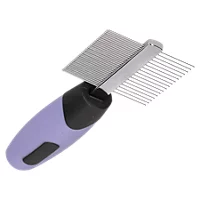
Image source: Bing (Web (fair-use with source credit))
The Sanitary Trim: Your Best Tool for Preventing Disease
The daily comb-out keeps the coat healthy. The sanitary trim keeps your pig alive. That might sound dramatic, but it's not.
The rear zone of a Peruvian guinea pig is the number one source of preventable health problems in the breed, and the sanitary trim is your defense.
What Exactly Is a Sanitary Trim?
The sanitary trim is the process of cutting the fur short around the genitals, anus, and inner hind legs. You're aiming for half an inch of fur in this zone, max. The goal is to prevent urine, feces, and bedding from getting trapped in the long fur.
Picture what happens without a trim. Your pig urinates. The long fur around the genitals soaks up the urine like a sponge.
The hair stays wet against the skin. Then the pig sits on that wet fur, and the moisture spreads across the rear. Contaminated bedding sticks to it.
Cecal droppings, which are soft and sticky, embed in the fur. Before you know it, you've got a crusty, matted, smelly disaster area on your hands.
The Health Risks of Skipping This Trim
Let's talk about what actually happens when the rear fur stays long and dirty.
Urine scald. This is a chemical burn on the skin caused by prolonged contact with ammonia in urine. The skin becomes red, raw, and painful. In severe cases, it blisters and peels.
The pig stops wanting to move because sitting hurts.
Flystrike. This is the one most owners don't know about, and it's the most dangerous. Flies are attracted to soiled fur. They lay eggs.
The eggs hatch into maggots within 24 hours. The maggots burrow into the skin and feed on living tissue.
Flystrike is a medical emergency. It's extremely painful, and if not caught quickly, it's fatal. When flystrike happens, the affected area has to be shaved, cleaned, and treated by a veterinarian.
Preventing it through regular sanitary trims is one hundred percent easier than treating it.
Dermatitis. Trapped moisture and feces create the perfect environment for bacterial skin infections. The constant irritation makes the pig itchy, and they scratch, which breaks the skin, which leads to more infection. It's a vicious cycle.
How to Do a Sanitary Trim Safely
Here's the step-by-step process for a trim that keeps your pig safe and healthy.
Step 1: Assess the situation. Look at the fur around the genitals and anus. If it's longer than half an inch, it needs a trim. If you see matting or debris, that's a sign the coat has been neglected and the trim needs to happen now.
Step 2: Position the pig. Have your pig sitting facing away from you on the towel. Use one hand to gently lift the tail area, exposing the rear. Some pigs resist this.
If yours does, don't force it. Take breaks, offer treats, and return to the position.
Step 3: Trim with scissors. Using your blunt-nosed scissors, start at the outer edges of the rear fur and work inward. You're cutting the fur down to about half an inch. Not too close to the skin, but short enough that it won't trap debris.
Always keep the scissors flat against your fingers when you're working near the skin. Put a finger between the scissors and the skin as a guard. This prevents accidental cuts if the pig moves suddenly.
Step 4: Trim the inner hind legs. The fur on the inner thighs also traps moisture. Trim this area to the same half-inch length.
Step 5: Clean the area. After the trim, use a soft, slightly damp cloth or a fragrance-free pet wipe to clean the exposed skin. Wipe away any remaining debris, then pat the area dry thoroughly. Damp fur is problematic fur.
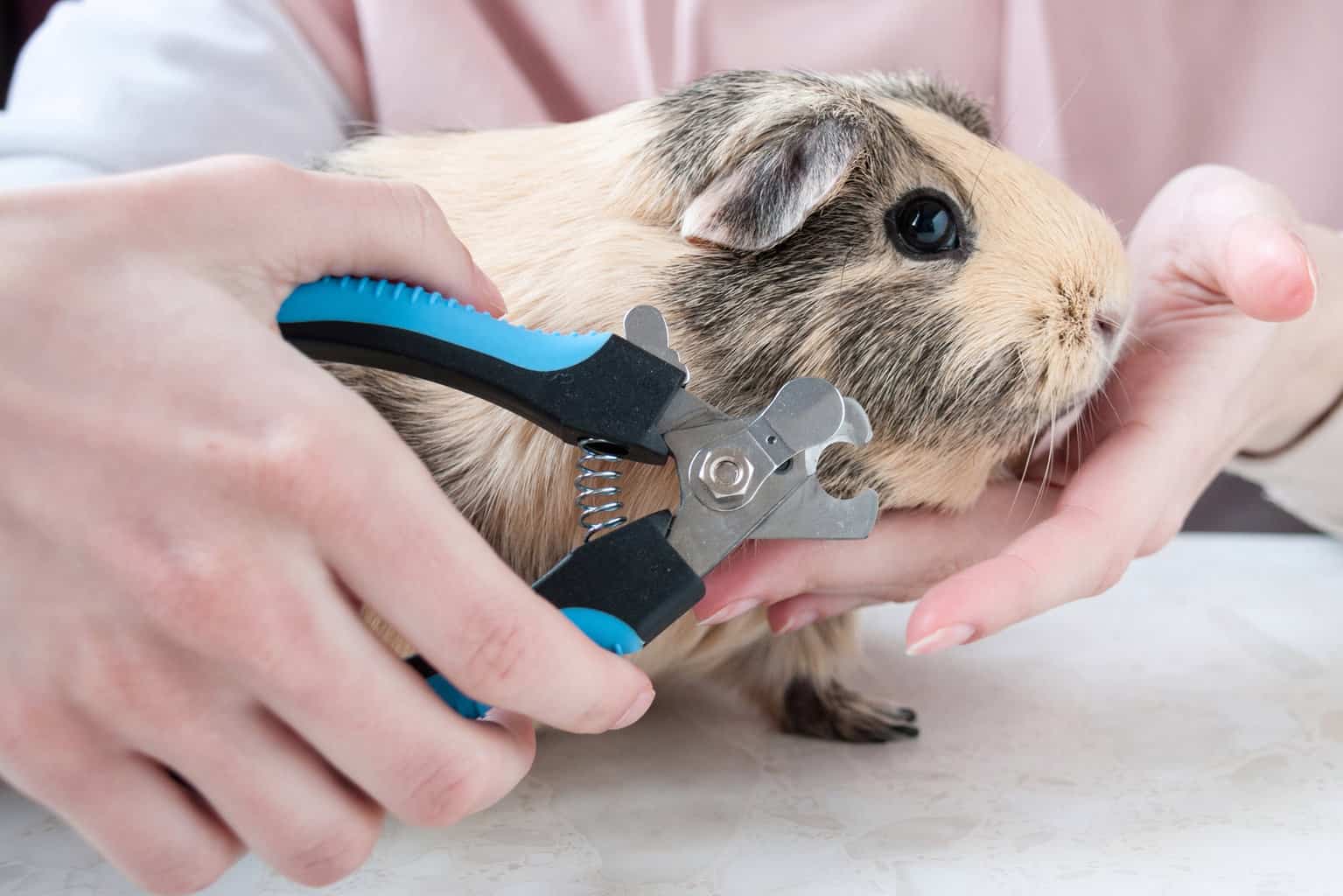
Image source: Bing (Web (fair-use with source credit))
How Often Should You Trim?
Every two to three weeks is the standard for most Peruvians. Some pigs need it more often, especially in warm, humid weather when they drink more water and urinate more. Some need it less in winter.
The daily comb-out is your guide. When you're combing the rear and you notice that you're constantly pulling out soiled fur, it's time to trim. When the fur around the genitals starts looking longer than half an inch, it's time to trim.
The "Low Maintenance" Alternative
Here's a secret that would get you kicked out of the show ring but will save you hours of work: you can keep your pet Peruvian's entire rear half trimmed short. Not just the sanitary zone, but the back half of the body, down to an inch or two of fur.
The show coat is magnificent. But if you're not showing your pig, you have the freedom to prioritize ease of care and health. A Peruvian with a short rear coat and a flowing front coat still looks stunning, and the grooming routine gets much easier.
Many experienced owners do exactly this for their pet pigs.
The choice is yours. The point is that the rear area must be short. How short you keep it beyond that is a preference, not a requirement.
Bathing: How Often Is Too Often?
Let's settle this right now. Your Peruvian guinea pig needs far fewer baths than you think. The common mistake is bathing every week because the coat gets dirty or smells.
That's a mistake, and it's one that damages the coat and the skin underneath.
The maximum frequency for a full bath is every four to six weeks. Many pigs go longer. Over-bathing strips the natural oils that keep the coat glossy and the skin healthy.
When those oils are gone, the fur becomes dry, brittle, and prone to breakage. The skin dries out too, which leads to itching, flaking, and in some cases, secondary infections.
When Does Your Pig Actually Need a Bath?
The decision tree here is simple. Ask yourself these questions in order.
Does the pig smell strongly? All guinea pigs have a mild, earthy scent that's normal. If your pig smells strongly of urine or ammonia, that's a sign of a hygiene problem. Check the bedding first.
If the bedding is clean and the smell persists, a bath may be needed.
Is there visible dirt or debris stuck in the coat? If you see dirt, food, or bedding caked into the fur that you can't comb out, it's time for a bath. This happens most often in pigs with very long coats that drag on the ground.
Is there a medical reason? Some skin conditions require regular bathing with medicated shampoo prescribed by a vet. If your vet has recommended a bathing schedule, follow it. Otherwise, resist the urge.
If none of these apply, skip the bath. Spot cleaning is always preferable.
How to Bathe Without Causing Stress
A bath is stressful for a prey animal. Guinea pigs naturally fear being held in open water. The process needs to be quick, gentle, and controlled.
Step 1: Prepare everything before you start. Fill the sink or a small basin with lukewarm water. Not hot, not cold. Lukewarm.
Test it on your inner wrist, the same way you'd test a baby's bottle. Set out your shampoo, a cup for rinsing, and a thick towel nearby.
Step 2: Add a rubber mat to the sink. Guinea pigs panic when their feet slip. A rubber mat or a folded washcloth on the bottom of the sink gives them traction and keeps them calmer.
Step 3: Wet the coat slowly. Use the cup to pour water over your pig's back. Never pour water over the head or into the ears. The head gets cleaned last with a damp cloth.
Step 4: Apply the shampoo. Use only a shampoo specifically formulated for small animals. A gentle, unscented option is best. Use a small amount, about the size of a pea, and work it through the coat with your fingers.
Don't scrub. That creates tangles. Gently massage the shampoo through the fur.
Step 5: Rinse thoroughly. This is the most critical step. Leftover shampoo residue causes itchy, irritated skin and dull fur. Rinse with the cup, then rinse again.
Keep rinsing until the water runs completely clear. Run your fingers through the coat as you rinse to make sure no soap remains in the undercoat.
Step 6: Pat dry, never rub. Wrap your pig in the towel and gently press to absorb water. Do not rub, which will mat and tangle the coat. Change to a dry towel and repeat until most of the moisture is gone.
Step 7: Finish with a cool hairdryer on the lowest setting. This is optional, but it speeds up drying and keeps your pig from getting chilled. Hold the dryer at least six inches away and move it constantly. Stop if your pig shows signs of fear, like freezing or trying to bolt.
Some pigs take to it quickly after a few sessions.
The Drying Rule You Can't Skip
Never put a wet Peruvian back in their cage. Damp fur mats instantly. It also makes them susceptible to chilling, which can lead to respiratory infections.
Your pig needs to be completely dry before returning to their enclosure. In cool weather, this means using the hairdryer or keeping them wrapped in towels in a warm room until the coat is fully dry. During this time, keep them away from drafts.
The drying process takes as long as the bath itself. Budget at least twenty minutes of drying time after a bath. Plan your bathing session around when you have the time and a warm, quiet room.
What Shampoo Should You Use?
Small-animal shampoos from pet supply brands are the safest choice. Look for labels that say "for guinea pigs," "for small animals," or "for rabbits and cavies." Unscented, hypoallergenic formulas are ideal for pigs with sensitive skin.
Avoid cat and dog shampoos unless formulated for sensitive skin. Their active ingredients can be too harsh for cavy skin. Avoid human shampoos entirely, including baby shampoo.
The pH is wrong for a guinea pig's skin, and the fragrance can irritate.
If you're ever unsure, ask your vet for a recommendation. It's better to ask one question than to deal with a pig suffering from chemical burns on their skin.
What to Do When the Coat Is Already a Matted Disaster
Sometimes the damage is done before you even know there's a problem. You've inherited a rescue who hasn't been brushed in months. Or you went on vacation, left your pig with a well-meaning friend, and came back to a matted mess.
Or you bought a Peruvian without realizing the commitment, and the coat got away from you.
It happens. It's fixable. Here's exactly what to do when the tangles have become solid, painful mats that no amount of combing will untangle.
Accept That You Can't Brush It Out
The first thing you need to know: tight mats will not come out with a comb. You can apply cornstarch, use a detangler, work from the edges, and spend hours. If the mat is pressed flat against the skin, brushing only causes pain.
Your pig will hate the process, and you'll risk pulling hair from the roots or tearing the skin.
When mats are tight enough, they need to be cut out. And when the entire coat is one giant mat, you need to shave the whole thing off.
Choose Your Method: Scissors or Clippers?
For small, isolated mats, scissors work fine. But for extensive matting, clippers are the only safe option.
Scissors for single mats. Use your blunt-nosed scissors. The key technique is to slide a finger flat between the mat and the skin before you cut. Your finger acts as a guard, preventing accidental nicks when your pig moves.
Then snip through the mat vertically, pulling the two halves apart. If the mat is still too dense, cut it away in chunks.
Clippers for full-body matting. This is the situation where you put the comb away and reach for the clippers. Choose a small-animal clipper with a number 10 blade. This blade sits flat against the skin and cuts cleanly without clumping.
How to Shave a Matted Peruvian Safely
Shaving a guinea pig is delicate work, but it's far safer than trying to cut out dozens of individual mats with scissors.
Step 1: Prepare your pig. Place them on the towel with their back feet planted. If they're anxious, have a helper hold them gently but firmly. Some pigs tolerate shaving better when wrapped in a towel with only the area being worked on exposed.
Step 2: Work in the direction of hair growth. Start at the head and work backward, or start at the rear and work forward. Whichever direction you choose, follow the natural lay of the fur. Shaving against the grain can irritate the skin and pull at the hair follicles.
Step 3: Keep the clipper flat. Hold the clipper parallel to the skin. The flat surface of the blade should rest lightly against the fur. Don't press down.
Let the blade do the work. Pressing down can cause razor burn or cuts, especially on loose skin around the belly and legs.
Step 4: Take your time. A full-body shave takes fifteen to thirty minutes for a calm pig. If your pig gets stressed, stop. Let them rest.
Return to the task later.
Step 5: Check the skin afterward. Once the fur is gone, you have a clear view of the skin for the first time. Look for redness, flaking, scabs, bald patches, or signs of parasites. If you see anything concerning, book a vet appointment.
What Does the Skin Look Like Under Those Mats?
The skin under a long-standing mat is rarely healthy. It's been trapped against moisture, debris, and poor airflow. Common findings include:
Red, irritated skin. The area is inflamed from constant moisture and friction. It might look pink or red, and the pig may flinch when you touch it.
Flaking and dandruff. This suggests dry skin from trapped debris or a fungal infection. If the flaking is heavy and accompanied by hair loss, fungal treatment is likely needed.
Scabs and crusty patches. These are often from the pig scratching at itchy skin. The scratching breaks the skin, and the wounds scab over.
Small moving specks or black dots. These are mites, and they're a common issue in long-coated pigs whose infestations go unnoticed. Mites require veterinary treatment.
Moist, weeping areas. This signals an active bacterial infection or severe urine scald. It needs medical attention.
The Regrowth Timeline
After the shave, your Peruvian will look, frankly, ridiculous. Puckered skin, mostly bare legs, perhaps some tufts of fur sticking out at odd angles.
The good news is that fur grows back. With daily combing to stimulate the follicles and keep the regrowth tangle-free, most Peruvians return to a presentable coat within three to four months. The coat may come back a slightly different texture or color at first.
That's normal.
During regrowth, keep the grooming routine consistent. The new fur is soft and prone to matting as it grows out. Daily combing throughout this period ensures you don't end up back where you started.
A Word of Encouragement
If you're looking at a bald guinea pig and feeling guilty, don't. You made the right call. It's far more humane to shave a matted coat than to let it keep pulling on the skin.
A shaved pig recovers. A pig with untreated mats gets worse.
This doesn't make you a bad owner. It makes you someone who recognized a problem and fixed it, which is exactly what a good owner does. Every experienced cavy keeper has had to shave at least one coat in their life.
Nail Trimming for Long-Haired Cavies
Nail trimming often gets pushed aside in the grooming conversation, especially when the fur is the main focus. That's a mistake. Overgrown nails on a Peruvian are a silent problem because the long coat hides the feet.
By the time you notice the clicking sound on a hard floor, the nails have already curled and started affecting how your pig walks.
Why Nails Matter More Than You Think
Guinea pig nails grow continuously. They don't stop. In the wild, constant movement wears them down naturally.
Our caged companions don't get that same wear, so they need help.
Overgrown nails cause a chain reaction. The toes are pushed upward at an unnatural angle. Walking becomes uncomfortable.
The posture changes, and the pressure shifts to the spine. This causes back pain, which is especially dangerous for a breed with a fragile lumbar region like the Peruvian.
In severe cases, nails curl under and grow into the paw pad. That's not a minor problem. That's a painful wound that can become infected.
Once again, the long fur hides the issue until it's advanced.
How Often Should You Trim?
Every three to four weeks is the standard schedule. Some pigs need it more often, some less. The best indicator is visibility.
Let your Peruvian walk on a flat surface with their fur pulled back from the feet. Look at the nails. When they touch the ground and keep growing, they're too long.
Clear nails allow you to see the quick, the pink area that runs through the center. The trim should stop about two millimeters before the quick.
For dark nails, use a flashlight. Hold it behind the nail, and the quick becomes visible as a darker silhouette. It's not always obvious, though.
When in doubt, trim conservatively. You can always trim again in a week. You can't undo cutting into the quick.
The Step-by-Step Nail Clip
Step 1: Position your pig on a flat surface. The towel works here too. Have your pig facing you or sideways, with one paw accessible.
Step 2: Pull the fur back. With a Peruvian, long fur around the feet gets in the way. Tuck it behind the paw or fold the fur out of the way with your free hand.
Step 3: Identify the quick. Clear nails are easy. The pink center is visible. Dark nails require the flashlight trick.
Step 4: Make one clean cut. Position the clipper just past the quick, and clamp once with firm pressure. A clean single cut is smoother and less painful than a slow squeeze. If the nail is thick, you may need to clamp twice.
Step 5: Reward immediately. Treat after each paw. This builds positive association and keeps your pig tolerating the process.
Step 6: Have cornstarch ready. If you nick the quick, apply cornstarch to the bleeding nail immediately. Press gently for thirty seconds. The bleeding stops quickly in most cases.
If it doesn't stop after several minutes, contact your vet.

Image source: Bing (Web (fair-use with source credit))
Problem Pigs: How to Handle a Wiggly Nail Clip
Some pigs simply refuse to sit still. They kick, they squirm, and they try to escape. It's frustrating, but it's normal behavior for a prey animal being held in a vulnerable position.
Burrito method. Wrap your pig in a towel like a burrito, leaving only one paw exposed at a time. This restricts movement and provides a sense of security. It's the most reliable technique for problem pigs.
Two-person method. One person holds the pig and offers treats while the other trims. This works well for pigs who are food-motivated.
Distraction method. Offer a particularly tasty treat, like a piece of cucumber or carrot, while you trim. The pig focuses on eating and forgets about what's happening at their feet.
Take breaks. If your pig is getting stressed, stop. Do two nails today, two nails tomorrow. It's better to spread the process out than to force a panicking pig.
What the Nails Tell You About Overall Health
During nail trims, you see your pig's feet more closely than at any other time. Use this as a health check.
Look at the paw pads. They should be smooth and free of cracks. Check for pododermatitis, commonly called bumblefoot.
This looks like red, swollen, or crusted areas on the bottom of the feet. Left untreated, it becomes a serious infection.
Check between the toes for bedding caught in the fur. Remove any debris you find. Check for swelling, which could indicate an injury or infection.
Healthy nails are strong and slightly curved. If they're brittle and breaking, it could indicate a calcium deficiency or another dietary issue. Consult your vet about nutrition if you see this.
A Quick Note on Nail Grinders
Electric nail grinders are increasingly popular for small pets. The device files the nail down gradually instead of clipping it. This eliminates the risk of cutting the quick.
Grinders work for calm pigs. The vibration and sound, however, scare many guinea pigs. If you want to try one, introduce it slowly.
Turn it on near the cage so your pig gets used to the sound, then touch it to their back, then to their feet. Reward generously throughout.
For most pigs, a good pair of small-animal clippers is faster, quieter, and easier to control.
Common Mistakes That Send Owners to the Vet
We've covered the right way to groom a Peruvian. Now let's talk about the wrong way. These are the mistakes that end with a panicked vet visit, an unhappy pig, and an expensive lesson.
Learn them here so you don't learn them the hard way.
Lifting by the Fur
This is the most dangerous mistake, and it's also the most common one among new owners. The instinct to grab a handful of long fur to hold the pig still is overwhelming. It's also potentially crippling.
The fur attaches to skin, and the skin is loose. When you lift by the fur, you're yanking the skin away from the body. The spine twists.
The internal impact is unpredictable. Some pigs walk away with bruising. Others suffer spinal injuries that leave them paralyzed.
Never lift a Peruvian by the fur. Ever. Scoop from underneath.
Support the chest with one hand and the rear with the other. If you need to hold them still, gently wrap them in a towel.
Brushing a Wet Coat
Wet hair is fragile. It stretches, it breaks, and it tangles faster than dry hair. Brushing a damp Peruvian tears the hair shafts and creates the exact mats you're trying to prevent.
Only brush a dry coat. After a bath, let the fur fully dry before any grooming session. If you need to work on tangled fur, use a little cornstarch on the dry fur to help it separate.
Over-Bathing and Stripping Natural Oils
We covered this earlier, but it bears repeating. Bathing more than every four to six weeks dries out the skin and coat. The skin becomes itchy and flaky.
The coat becomes brittle and dull. Your pig starts scratching, which breaks the skin, which opens the door for bacterial infections.
If your pig smells and the bedding is clean, the problem is usually the bedding, not the pig. Clean the cage more frequently. Spot-clean the pig's rear.
Skip the full bath.
Ignoring the Sanitary Zone
The rear end isn't glamorous. It's the part of grooming most owners want to get through quickly. But skipping the sanitary trim is how you end up with urine scald, flystrike, and dermatitis.
The rear must be checked every single day. The fur there must stay short. This isn't negotiable.
It's the single most important part of keeping a Peruvian alive and comfortable.
Neglecting Nails Under the Coat
The fur grows. The nails grow. The fur hides the nails.
Before you know it, the nails are curling and your pig is walking with pain.
Set a recurring reminder. Every three weeks, check the nails. Every three to four weeks, trim them.
The long coat shouldn't be an excuse.
Using the Wrong Shampoo
Human shampoo, dish soap, and general-purpose pet shampoo are all bad choices for a guinea pig. Their skin has a different pH balance than ours. Harsh detergents strip their natural oils and cause irritation.
Use unscented, small-animal-specific shampoo. If your pig has sensitive skin, ask your vet for a recommendation.
Rough Handling During Grooming
Grooming a Peruvian takes time. A fifteen-minute session can stretch to thirty when the coat is in bad shape. During that time, your pig will get restless.
They'll squirm, they'll try to bolt, and they might even nip.
When this happens, don't panic. Don't yank them back. Don't raise your voice.
Realize that your pig is experiencing fear or discomfort. Stop the session. Let them calm down.
Return in a few hours.
Skipping Daily Combing Even When You're Busy
Life gets busy. That's normal. But skipping daily combing has consequences.
By the third day, the Peruvian coat is matting. By the seventh day, the coat is a disaster. Fixing a week of skipped combing takes hours and may require a full shave.
Set aside ten minutes every day. You're not just grooming the coat. You're building trust.
You're catching health issues early. You're preventing future emergencies. That ten minutes is worth it.
How to Groom a Peruvian in Hot or Humid Climates
Climate isn't just about comfort. It's about health. For a Peruvian guinea pig living in a hot, humid region, grooming strategies need adjustment.
What works in a temperate or dry climate can fail in the tropics.
How Heat and Humidity Affect the Coat
High heat makes your pig drink more water. More water means more urination. More urination means more moisture trapped in the rear fur.
The risk of urine scald and flystrike climbs.
Humidity is the bigger problem. Moist air holds more moisture. The dense Peruvian undercoat absorbs humidity from the air and holds it.
A coat that never fully dries is a breeding ground for fungal infections, bacterial overgrowth, and skin irritation.
The heat also affects grooming logistics. You want to groom when your pig is calm. A panting, overheated pig won't sit still.
Grooming sessions become stressful for both of you.
Adjusting the Grooming Schedule for Warm Climates
Trim shorter sooner. In hot, humid regions, keep the entire coat shorter than you might elsewhere. Two to three inches is realistic for a pet in the tropics. It reduces overheating, cuts down on urine retention around the rear, and helps the coat dry faster after any moisture exposure.
Increase sanitary trims. Every two weeks instead of every three. Shorter rear fur is essential when the weather is sticky. It's the zone where trapped moisture causes the most harm.
Bathe even less. Heat and humidity encourage bacterial growth, but the solution isn't more baths. More bathing strips the protective oils and dries out the skin. Instead, spot-clean more often.
Use dry shampoo powders designed for small pets to clean the coat between baths.
Groom in the coolest part of the day. Early morning is ideal. The temperature is lower, but the humidity is also lower. Your pig is active after the night and more cooperative.
Preventing Fungal Infections in Humidity
Humidity plus long coats equals fungal infections. The condition many owners encounter is ringworm, which isn't actually a worm. It's a fungal infection that creates circular, scaly patches with hair loss.
Prevention starts with the cage environment. Use absorbent bedding that wicks moisture away. Change it more frequently in warm weather.
Ensure the cage has good airflow without being drafty.
After any bath or spot cleaning, dry your pig's coat completely. Use a cool hairdryer to get the undercoat fully dry. A damp undercoat in humid air takes hours to dry on its own, and that's hours where the fungus is thriving.
If you notice circular hair loss, red scaly patches, or persistent scratching, see a vet. Ringworm is treatable with topical or oral medication, but it spreads to other pets and sometimes to humans. It needs prompt diagnosis.
Fly Season: The Highest-Risk Weeks
Flystrike peaks in warm weather. Flies are active, and soiled fur attracts them. They lay eggs in the fur, usually around the rear.
Within 24 hours, the eggs hatch into maggots that burrow into the skin. This is life-threatening.
During fly season, which runs from late spring through early fall in most regions, daily checks are non-negotiable. Look around the rear and genitals every day. Check for any signs of eggs, which look like small yellow or white clusters in the fur.
If you see maggots or suspect flystrike, do not wait. Take your pig to an emergency vet immediately. Flystrike progresses fast, and recovery depends on rapid treatment.
The precautions are simple. Keep the rear trimmed. Keep the bedding clean.
Remove soiled hay and droppings daily. Inspect the pig daily. These practices reduce flystrike risk by a substantial margin.
Bedding Choices for Humid Climates
The type of bedding you use affects how well the coat stays dry. Fleece bedding is popular for pig owners, but it holds moisture near the coat. In high humidity, fleece becomes a problem.
It stays damp, and the dampness transfers to the pig's fur.
Wood shavings, like aspen, absorb moisture away from the body. Paper-based bedding also works well. Remove any wet patches immediately.
In humid months, you may need to change the bedding every two to three days instead of once a week.
Keep the cage in a well-ventilated area. Use a dehumidifier if the relative humidity regularly exceeds 70 percent. Stabilizing the room's humidity is a major boost to your Peruvian's health.
A Note on Air Conditioning and Drafts
Air conditioning dries the air, which helps with humidity. But avoid placing the cage directly in the path of an AC vent. Constant drafts chill guinea pigs, even in a warm room.
They're sensitive to sudden temperature changes.
Instead, find a spot with even temperature and some airflow. Monitor your pig for signs of temperature stress. A pig with splayed legs, droopy eyes, or rapid breathing is too hot.
Move the pig to a cooler room and provide fresh water immediately.
When to Call the Vet, Not the Brush
Grooming prevents problems. It doesn't cure them. There's a clear line between a coat that needs more brushing and a guinea pig that needs medical attention.
Knowing where that line sits can save your pig's life.
You've done the daily routine. You've checked the skin through the fur. You've shaved matted coats and inspected the skin underneath.
You've done the nail trims and the sanitary trims. But some signs mean the process stops, the brushes go down, and the carrier comes out.
The Red Flags That Demand Immediate Attention
Some conditions can't wait for a regular vet appointment. If you see any of these, call your vet right away or head to an emergency clinic.
Flystrike. We've mentioned this before, but it's worth repeating. If you see maggots anywhere on your pig's body, this is a life-threatening emergency. Do not attempt to remove them yourself.
Get to a vet immediately.
Severe bleeding. If you've nicked the quick and cornstarch doesn't stop the bleeding within a few minutes, that's cause for concern. Prolonged bleeding can indicate a clotting issue or a deeper injury.
Paralysis or sudden weakness. If your pig's back legs stop working, or if they're dragging their rear end, this could be a spinal injury. It's especially important to watch for this after handling or grooming sessions. The fragile lumbar spine needs immediate veterinary assessment.
Respiratory distress. Open-mouth breathing, wheezing, or labored breathing are emergencies. Guinea pigs are obligate nasal breathers, so open-mouth breathing is a serious sign.
Seizures or unresponsiveness. These are always emergencies, regardless of the cause.
Signs That Merely Mean a Vet Visit Is Needed
These conditions aren't emergencies, but they do require professional treatment. Schedule an appointment within a few days.
Fungal infections. Circular hair loss with red, scaly skin is likely ringworm or another fungal infection. It's treatable, but it requires prescription antifungal medication. It's also contagious to other pets and humans.
Mites or lice. If you see small moving specks in the fur, or if your pig is scratching excessively, mites are likely. They cause intense itching and can lead to serious skin damage. A vet can prescribe a safe antiparasitic treatment.
Over-the-counter solutions often don't work and can be toxic to guinea pigs.
Lumps or bumps. Find a new lump during grooming? Don't panic. Cysts and lipomas are common in older pigs.
But a vet needs to examine any new growth. They'll determine if it's benign or needs removal.
Persistent redness or irritation. If an area of skin stays red for more than a day after you've addressed the cause, like a large mat, it needs a vet's look. It could be a bacterial infection.
Changes in appetite or behavior. If your pig stops eating, drops weight, or becomes lethargic, this is a red flag. Guinea pigs hide illness well. Any noticeable change is significant.
Dirty rear despite daily cleaning. If you're cleaning the rear daily and it stays dirty, something else is going on. Your pig might have diarrhea, a digestive issue, or be unable to reach their caecotrophs due to pain or obesity.
When Grooming Pain Is the Clue
Sometimes the grooming process itself reveals the problem. If your pig consistently flinches or squeals when you touch a specific area, pay attention.
Pain during combing could indicate an underlying skin condition or a hidden wound. Don't assume the coat is just sensitive.
Pain during movement suggests joint issues, spinal problems, or an injury. Watch how your pig moves when they walk. Stiffness on one side, limping, or a hunched posture are all signs of pain.
Pain when picked up might indicate a spinal injury or a urinary tract infection. Both require veterinary attention.
Finding the Right Veterinarian
Not every vet treats guinea pigs. Exotic pet vets do, but even among them, experience varies. When you're looking for a vet for your Peruvian, ask about their experience with cavies specifically.
Many general small-animal vets have limited experience with guinea pigs. They know their anatomy, but they might not be familiar with breed-specific issues. The Peruvian's coat-related problems are somewhat unique.
The Association of Exotic Mammal Veterinarians offers resources for finding qualified vets. Your local exotic pet rescue or cavy breeder can also provide referrals. Ask around in guinea pig communities online.
Their recommendations carry the weight of real experience.
Building a Relationship Before Emergencies
Don't wait for an emergency to find a vet. Establish care when your pig is healthy. This means you have a relationship in place when something goes wrong.
Schedule a basic wellness check after you bring your pig home, then annually after that. During these visits, your vet can examine the coat, skin, and nails in detail. They can show you what healthy skin looks like for your specific pig.
This relationship is also practical. An established client gets seen faster in an emergency than someone calling cold. Your vet already knows your pig's baseline health.
That context is valuable during a crisis.
The Hard Decision
There may come a time when grooming alone isn't enough. When the coat is compromised, the skin is infected, and your pig is suffering. At that point, treatment requires more than a brush.
Listen to your vet. Follow their recommendations. And if they suggest something that feels off, get a second opinion.
You're your pig's best advocate.
Final Verdict: Is a Peruvian Worth the Effort?
You've made it to the end of this guide. You know the daily comb-outs, the sanitary trims, the bathing schedule, and the nail clipping. You know the risks of neglect and the warning signs of disease.
Now comes the honest question.
Is a Peruvian guinea pig worth the effort?
That depends entirely on you.
What the Grooming Commitment Looks Like
Let's put the numbers on the table. This is the realistic weekly time investment, based on standard breeder and owner practices.
| Task | Frequency | Time per Session | Weekly Total |
|---|---|---|---|
| Daily comb-out | Daily | 10–15 minutes | 70–105 min |
| Sanitary trim | Every 2–3 weeks | 5–10 minutes | ~3 min |
| Nail trim | Every 3–4 weeks | 10–15 minutes | ~4 min |
| Spot cleaning | As needed | 5 minutes | ~10 min |
| Full bath | Every 4–6 weeks | 30–40 minutes (bath + dry) | ~7 min |
| Total | ~95–130 minutes |
That's roughly one and a half to two hours every week, just for grooming. On top of the daily cage cleaning, fresh food prep, and general care. It's not exactly a trivial commitment.
Who the Peruvian Is Right For
The Peruvian suits keepers who fit one or more of these profiles.
Show enthusiasts. If you're competing in cavy shows, the Peruvian's coat is your competitive advantage. Grooming isn't a chore here. It's part of the craft.
The effort translates directly to results in the ring.
Devoted caregivers who enjoy the ritual. Some owners genuinely enjoy the meditative ritual of daily grooming. They like the bond it builds with their pig. They find satisfaction in watching the coat stay healthy and beautiful.
If that sounds like you, the Peruvian is deeply rewarding.
Owners with flexible schedules. You need reliable time each day. If mornings are chaotic and evenings are unpredictable, the daily comb-out will get skipped. That's how problems start.
People who have a plan for the coat. If you're committed to the full show coat, you're in for a higher level of maintenance. If you're pragmatic and keep the coat short, the workload drops substantially. Either way, having a plan matters.
Who Should Skip the Peruvian
The Peruvian is a bad match for some owners. Knowing that in advance is a form of wisdom.
First-time guinea pig owners. Start with an American shorthair. Learn the basics of cavy care without the heavy grooming load. Upgrade later if you're craving more of a challenge.
Busy families. A household with multiple pets, kids, and packed schedules won't have time for daily grooming. It's not about being lazy. It's about being realistic.
Owners who travel. Guinea pigs need daily care. If you travel frequently for work or pleasure, finding a sitter who can handle Peruvian grooming is a tall order. Most sitters are used to feeding and cleaning, not daily comb-outs.
Anyone looking for a low-stress pet. There's no shame in wanting a less demanding companion. The Peruvian isn't that pet.
The Benefits That Make the Work Worthwhile
For the right owner, the Peruvian is one of the most rewarding small pets you can keep.
The bond is deeper. Daily handling creates trust. Your pig learns your voice, your smell, your touch. They know you mean comfort, not stress.
That connection is something you don't get with a pet you only handle a few times a week.
The health checks are built in. When you're combing your pig every day, you notice changes immediately. A lump, a scratch, a change in appetite, all visible quickly. This is early detection by default.
They're stunning companions. There's a reason they're a show breed. A well-groomed Peruvian is a spectacle. They're soft, striking, and full of personality.
A Final Word of Honest Advice
Picking a pet is about being honest with yourself about what you can handle. Not what you wish you could handle. Not what looks good in photos.
If you can commit to the routine, the Peruvian will reward you tenfold. If you can't, choose a shorthaired breed and enjoy a different kind of bond.
There's no wrong answer here. There's only the right decision for you and, more importantly, for the pig. When you pick the right match, both of you get the best possible life together.
Frequently Asked Questions
How do I stop my Peruvian guinea pig from getting mats?
You stop mats by combing daily, working from tips to roots with a fine-tooth metal comb. Pay special attention to the neck, shoulders, and rear. Never skip a session.
Skipping even one day creates tangles that quickly tighten into mats. A daily routine, plus a sanitary trim every two to three weeks, prevents nearly all matting.
Is it normal for my Peruvian to hate grooming at first?
Yes, it's completely normal. Guinea pigs are prey animals, and being held still on a table triggers fear. Most pigs resist grooming for the first few weeks.
Use treats to build positive association. Offer small pieces of carrot or cucumber after every session. Move slowly and calmly.
Most pigs eventually tolerate and accepting grooming, especially when they learn that it ends with food.
Can I keep my Peruvian's hair short permanently?
Absolutely. You don't need a floor-length coat unless you're showing. Many pet owners keep their Peruvian trimmed to one to three inches all over.
This reduces grooming time significantly and lowers the risk of mats, urine scald, and skin infections. The coat still looks beautiful, just shorter. Regrowth takes three to four months if you ever want to grow it back out.
How often do I need to clean the bedding to keep the coat clean?
Daily spot cleaning and a full bedding change every three to four days is standard for Peruvians. The long coat drags through dirty bedding quickly. If your pig's rear fur stays dirty despite daily combing, increase bedding change frequency.
In humid climates, change bedding every two to three days. Urine-soaked bedding is the primary cause of urine scald.
Can I use baby shampoo on my guinea pig?
No. Baby shampoo is designed for human skin, which has a different pH level than guinea pig skin. It can strip natural oils and cause irritation, dryness, and itching.
Instead, use a shampoo specifically formulated for small animals like rabbits and cavies. Unscented, hypoallergenic options are the safest choice for sensitive pigs.