
You wake up one morning, and there they are. Little white flakes scattered across your cat's back, dusted over their favorite sleeping spot, clinging to the dark fabric of your couch. It's not an emergency, but it's not nothing either.
And now you're asking the question that's been nagging at you: why does my cat have flaky skin?
Here's the thing about cat dandruff: it's rarely a disease by itself. More often, it's a symptom with a long list of possible causes, ranging from "turn on a humidifier" to "your cat needs a prescription diet." The good news is that most causes are manageable. The tricky part is figuring out which one you're dealing with.
As of 2026, veterinary dermatology has a pretty clear playbook for this, and we're going to walk through it together.
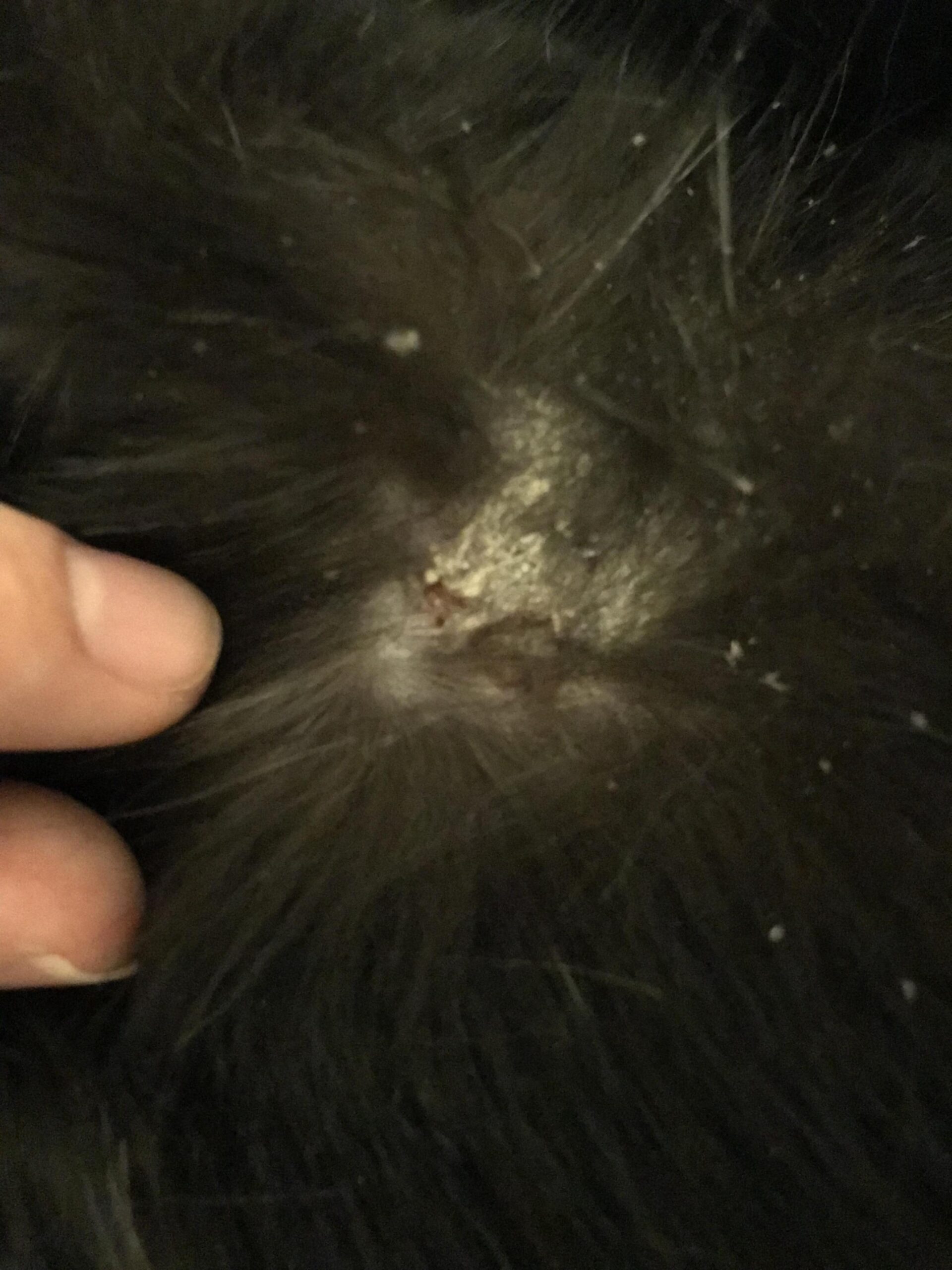
Image source: Bing (Web (fair-use with source credit))
Quick Answer
Flaky skin in cats is usually caused by dry air, poor diet, parasites, or allergies. Check for fleas and mites first, since they're the most common culprits. Then evaluate your cat's diet for omega-3 fatty acids.
If flakes persist with scratching or hair loss, see a vet. Underlying conditions like hyperthyroidism require blood work. Most causes are treatable once identified.
Check for Parasites First: Cheyletiella Mites and Fleas
If your cat has flaky skin, your very first move should be ruling out parasites. I know it's tempting to blame the dry winter air, but parasites are the most common cause of visible flaking that actually bothers a cat. And the most notorious one has a name that sounds like it belongs in a horror movie: walking dandruff.
Cheyletiella mites are large enough to see with the naked eye, though you'll want a magnifying glass. They got their nickname because they move around on the skin's surface, carrying flakes of skin with them. It genuinely looks like your cat's dandruff is crawling.
If you see that, it's mites, not dry skin.
What Cheyletiella Mites Look Like
These mites are tiny, but they have distinctive features. Under a microscope, they look like pale, oval-shaped creatures with large hook-like mouthparts. On your cat, they cause intense itching, dandruff that concentrates along the back and neck, and sometimes a fine, scaly dermatitis.
The flakes are often larger and "crustier" than standard dandruff.
Here's a practical test you can do at home:
- Place your cat on a dark surface
- Gently brush their coat with a fine-toothed flea comb
- Tap the comb on a piece of black paper
- Wait a few minutes
- If you see tiny white specks that move, that's mites
If the specks stay still, they're probably just dandruff. This isn't a perfect diagnostic, but it's a good early indicator.
The Flea Problem That's Hiding in Plain Sight
Even if you don't see fleas, your cat might have flea allergy dermatitis. Here's the catch: cats can be allergic to flea saliva, and it only takes one flea bite to trigger a reaction that lasts for days. The itching and flaking often outlast the fleas themselves.
A single flea can cause a miserable, widespread skin reaction. And you might never see the flea, especially if your cat grooms it away. Look for these signs instead:
- Small red bumps, especially around the base of the tail
- Hair loss on the lower back
- Excessive licking, especially near the tail
- Tiny black specks that turn reddish when wet (flea dirt)
That last one matters. If you comb your cat and find black specks, put them on a damp paper towel. If they smear red, that's digested blood.
Your cat has fleas, even if you never see the bugs themselves.
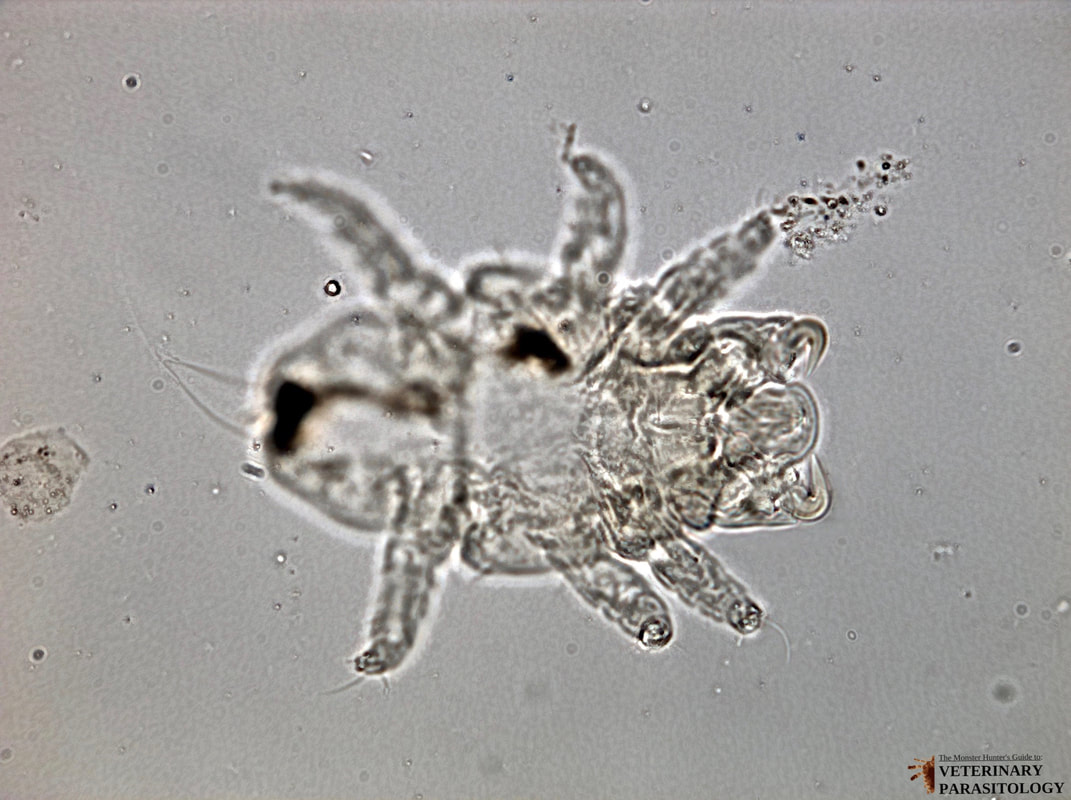
Image source: Web (fair-use with source credit)
If It Is Mites or Fleas
Don't panic. Both are treatable, but they need proper attention.
For Cheyletiella mites, you need a vet prescription. Topical treatments like selamectin or moxidectin are standard, but the trick is that mites live in the environment too. You'll need to treat your cat and their bedding, your carpets, and anywhere else your cat likes to lounge.
Wash everything in hot water and vacuum thoroughly more than once.
For fleas, year-round prevention is the only thing that actually works. Over-the-counter options exist, but many are less effective than prescription treatments. Talk to your vet about isoxazoline-based products like fluralaner or sarolaner.
They're oral, they last for months, and they kill fleas before they can bite.
The Usual Suspects: Allergies, Diet, and Environment
So you've ruled out parasites. Good. Now we look at the other big three: diet, environment, and allergies.
These are the most common causes of flaky skin in indoor cats, and they often overlap.
When Diet Is the Culprit
Your cat's skin health starts with what goes into their bowl. Cats need specific fatty acids to maintain a healthy coat and skin barrier. The most important ones are omega-3 (EPA and DHA) and omega-6 (linoleic acid).
If their diet is deficient in these, their skin gets dry, flaky, and itchy.
Here's what happens in a deficiency:
- The skin's moisture barrier weakens
- Water escapes, leaving skin dry and irritated
- The coat becomes dull and brittle
- Flakes appear, especially along the back
Many commercial cat foods don't contain enough omega-3 fatty acids. They often come from marine sources like fish oil, which is expensive, so cheaper brands skimp on it. If you're feeding a budget kibble, this is a very plausible cause.
What to look for in a food:
- Named animal protein as the first ingredient (chicken, turkey, salmon)
- Added omega-3 sources (fish oil, flaxseed)
- No artificial colors or preservatives
- AAFCO statement confirming complete nutrition
High-quality diets from brands like Royal Canin, Hill's, and Purina Pro Plan generally have these covered. But "high-quality" doesn't mean "most expensive." It means the right nutrient profile for your cat's life stage and health status.
The Supplement Option
If your cat is otherwise healthy and on a good diet, adding a fatty acid supplement can help. Fish oil is the most well-researched option. Per veterinary guidance, the typical dose is about 40 to 60 mg/kg of combined EPA and DHA per day.
A few tips on supplementation:
- Always use a cat-specific product
- Never give human fish oil without a vet's approval
- Look for products with vitamin E added to prevent oxidation
- Expect to wait 4 to 6 weeks for visible results
You're helping the skin barrier rebuild itself. That takes time, not overnight magic.
The Environment Factor
Indoor cats, especially in climates with cold winters, are prone to dry skin. It's the same reason your own legs get itchy and flaky in January. Home heating systems strip moisture from the air, and your cat's skin loses water faster than they can replace it.
A few easy fixes:
- Run a humidifier in the room where your cat spends most time
- Keep indoor humidity between 40 and 60 percent
- Brush your cat daily to distribute natural oils
- Avoid bathing your cat unless medically necessary
Bathing is a bigger problem than most owners realize. Cats have evolved to groom themselves. Bathing strips their skin of natural oils and disrupts the delicate microbiome.
Unless your vet specifically recommends a medicated shampoo, skip the baths.
Allergies: Food or Environment?
Allergies in cats typically show up as skin problems, not runny noses like in humans. The two big categories are food allergies and environmental allergies (atopy).
Food allergies in cats are almost always to the protein source, not the grains. The most common culprits are chicken, beef, and fish. If your cat has a true food allergy, they'll often have a history of chronic itching, recurring ear infections, or gastrointestinal issues alongside the flaky skin.
Environmental allergies are more seasonal. If the flaking gets worse in spring or fall, think pollen. If it's year-round, think dust mites or mold.
House dust mites are the most common environmental allergen in cats, and they're impossible to fully eliminate from a home.
The only way to definitively diagnose a food allergy is an elimination diet trial. This isn't a quick test. You'll feed your cat a prescription hydrolyzed diet or a novel protein diet for 8 to 12 weeks.
No treats, no table scraps, no other foods. If symptoms improve during that window, your cat has a food allergy.
An elimination trial is a serious commitment, but it's also the only definitive test. Blood and saliva tests for food allergies are not reliable. As of 2026, the veterinary consensus remains clear: allergy testing for food is unreliable, and environmental allergy testing with intradermal skin tests should only be performed by a board-certified veterinary dermatologist.
When It's Not Just Dry Skin: Underlying Health Conditions
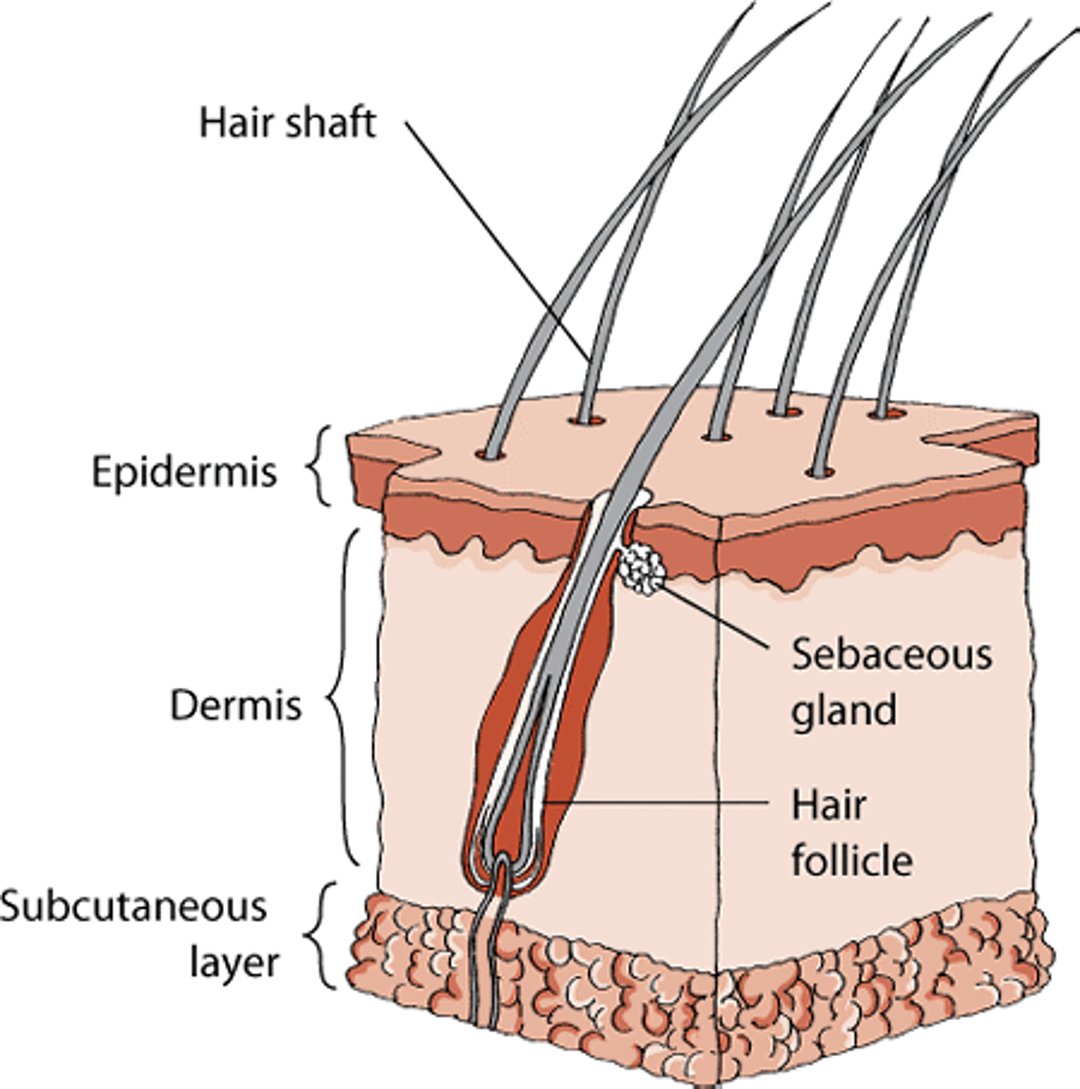
Image source: Bing (Web (fair-use with source credit))
Sometimes flaky skin is a symptom of something deeper. This is where things get more serious, and it's why you shouldn't just assume dry air is the culprit. Your vet will want to rule out several systemic conditions, especially if the flaking is accompanied by other symptoms.
Hyperthyroidism in Older Cats
Hyperthyroidism is one of the most common endocrine disorders in middle-aged and senior cats. It happens when the thyroid gland produces too much thyroid hormone, accelerating a cat's metabolism to an unhealthy degree.
Some cats with hyperthyroidism develop a greasy, scaly coat. The skin flakes feel oily, not dry, and there's often matted fur over the back and tail. This is called seborrhea oleosa, and it's a classic sign of an internal problem.
Other symptoms you might notice:
- Weight loss despite a good appetite
- Increased thirst and urination
- Vomiting, especially after meals
- Hyperactivity or restlessness
- Increased vocalization
If your cat is over seven years old and has flaky skin with any of these signs, ask your vet about a thyroid blood panel. Diagnosis is simple: a blood test for T4 levels. Treatment options include medication, prescription diet, radioactive iodine therapy, or surgery.
It's manageable, but you need early detection.
Diabetes Mellitus
Diabetes in cats affects how their body uses glucose, and it can have downstream effects on skin health. Diabetic cats are more prone to bacterial and fungal infections, which can present as flaking, crusting, and hair loss.
The classic signs of diabetes are:
- Excessive thirst and urination
- Weight loss with a normal or increased appetite
- Weakness in the hind legs (plantigrade stance)
- Unkempt coat
If you're seeing flakes alongside a ragged, unkempt coat and your cat is drinking more than usual, get their blood sugar checked. Diabetes is manageable with insulin therapy and dietary changes, but untreated diabetes leads to severe complications.
Ringworm: The Fungal Imposter
Despite the name, ringworm is a fungal infection, not a worm. It's highly contagious and can spread to humans, especially children and immunocompromised individuals. In cats, it often appears as:
- Circular patches of hair loss
- Crusting and scaling
- Red, inflamed skin
- Mild to moderate itching
Some cats, especially long-haired breeds, can carry ringworm spores without showing obvious symptoms. They just look slightly flaky and unkempt. If you suspect ringworm, your vet will use a Wood's lamp (ultraviolet light) as a preliminary screen, followed by a fungal culture for confirmation.
Ringworm requires aggressive treatment, including topical therapy, oral antifungal medication, and environmental decontamination. It's not something to ignore, especially in a multi-pet household.
Image source: Web (fair-use with source credit)
Seborrhea: A Condition, Not a Symptom
Primary seborrhea is a genetic condition that causes abnormal keratinization of the skin. It's rare, but it exists. Cats with primary seborrhea produce either too much scale (seborrhea sicca) or too much oil (seborrhea oleosa).
A cat with seborrhea sicca has a dry, flaky coat that looks like heavy dandruff. A cat with seborrhea oleosa has greasy, yellow-tinged flaking and a bad odor. Persian cats are overrepresented in this diagnosis.
Treatment for primary seborrhea focuses on management:
- Medicated shampoos with chlorhexidine or salicylic acid
- Fatty acid supplements
- Humidifier use
- Regular grooming to remove scale
Secondary seborrhea is much more common. It develops in response to another condition, like parasites, allergies, or endocrine disease. Treat the underlying issue, and the seborrhea resolves.
The Key Takeaway
If your cat has flaky skin and nothing else, you're probably dealing with a diet or environment issue. If they have flaky skin plus other symptoms like weight loss, increased thirst, or lethargy, you need to see a vet sooner rather than later.
Flaking is often one of the earliest visible signs of systemic disease. Catching it early makes treatment easier and more effective.
How to Tell the Difference: A Simple Home Exam
Alright, let's put this together. Before you book a vet appointment, you can do a quick assessment at home. This won't give you a diagnosis, but it will narrow the possibilities and give your vet better information.
Step 1: Locate the Flakes
Where exactly is the flaking? The location matters.
- Along the back and tail base: strongly suggests fleas or Cheyletiella mites
- On the lower back only: classic flea allergy dermatitis pattern
- Widespread, fine flakes: dry air or poor diet
- Greasy flakes with odor: could indicate seborrhea or an internal issue
- Focused on ears and face: possible ear mites, ringworm, or food allergies
Take note of whether the flakes are white and dry or yellow and oily. That's a clue your vet will ask about.
Step 2: Assess the Itch
Is your cat scratching? How much?
- No scratching at all: likely dry air or a mild dietary deficiency
- Occasional scratching: could be allergies or early parasite infestation
- Constant scratching, biting, and licking: almost certainly fleas, mites, or a significant allergy
Cats are stoic creatures. If they're visibly scratching, the problem is genuinely bothering them.
Step 3: Check the Environment
Think about recent changes:
- Did you turn on the heat for the first time this season?
- Have you switched cat foods in the last month?
- Have you used a new carpet cleaner or laundry detergent?
- Did you introduce a new pet or person into the home?
- Is it peak allergy season in your area?
Any of these could be the trigger. Sudden changes in flaking often trace back to a change in the home environment.
Step 4: Examine the Skin
Part the fur and look at the skin underneath:
- Healthy skin: pink, moist, no visible scale
- Red skin: inflammation, likely allergies
- Crusty patches: could be ringworm or bacterial infection
- Hair loss: dermatophyte or endocrine disease
- Black specks: flea dirt
- Small moving specks: Cheyletiella mites
Use a bright light and, ideally, a magnifying glass. And if you have a flea comb, use it. It's one of the few tools that genuinely helps.
Step 5: Consider Age and Breed
Your cat's age and breed matter:
- Kittens: ringworm is more common, as is weaning stress
- Seniors: endocrine diseases like hyperthyroidism and diabetes climb sharply after age seven
- Persians and other long-haired breeds: more prone to matting and seborrhea
- Sphynx and other hairless breeds: they have a different skin microbiome, and their "flaking" is often just oil buildup, not true dandruff
When the Home Exam Points to a Vet
Here are your red flags. If any of these apply, stop guessing and make an appointment:
- Weight loss alongside flaking
- Increased thirst and urination
- Lethargy or decreased appetite
- Visible hair loss or broken fur
- Red, inflamed, or bleeding skin
- A foul odor from the coat
- Flakes that you can see moving
Any of these can point to something systemic. Early intervention is always easier on you and your cat.
Step-by-Step: What to Do Before You Call the Vet
Let's be practical. You've done the home exam, and you're fairly confident it's not an emergency yet. Here's a step-by-step plan to try before you schedule a vet visit.
It's safe, low-risk, and helps you rule things out systematically.
Step 1: Brush Daily
This seems too simple, but it's genuinely effective. Daily brushing stimulates natural oil production and distributes those oils across the coat. It also lifts loose flakes so they don't cling to the fur and irritate the skin.
- Short-haired cats: use a soft bristle brush or grooming mitt
- Long-haired cats: use a slicker brush and follow up with a wide-tooth comb
- Sensitive cats: start with a few minutes and build up
Aim for 5 to 10 minutes per day. Many cats learn to love this ritual.
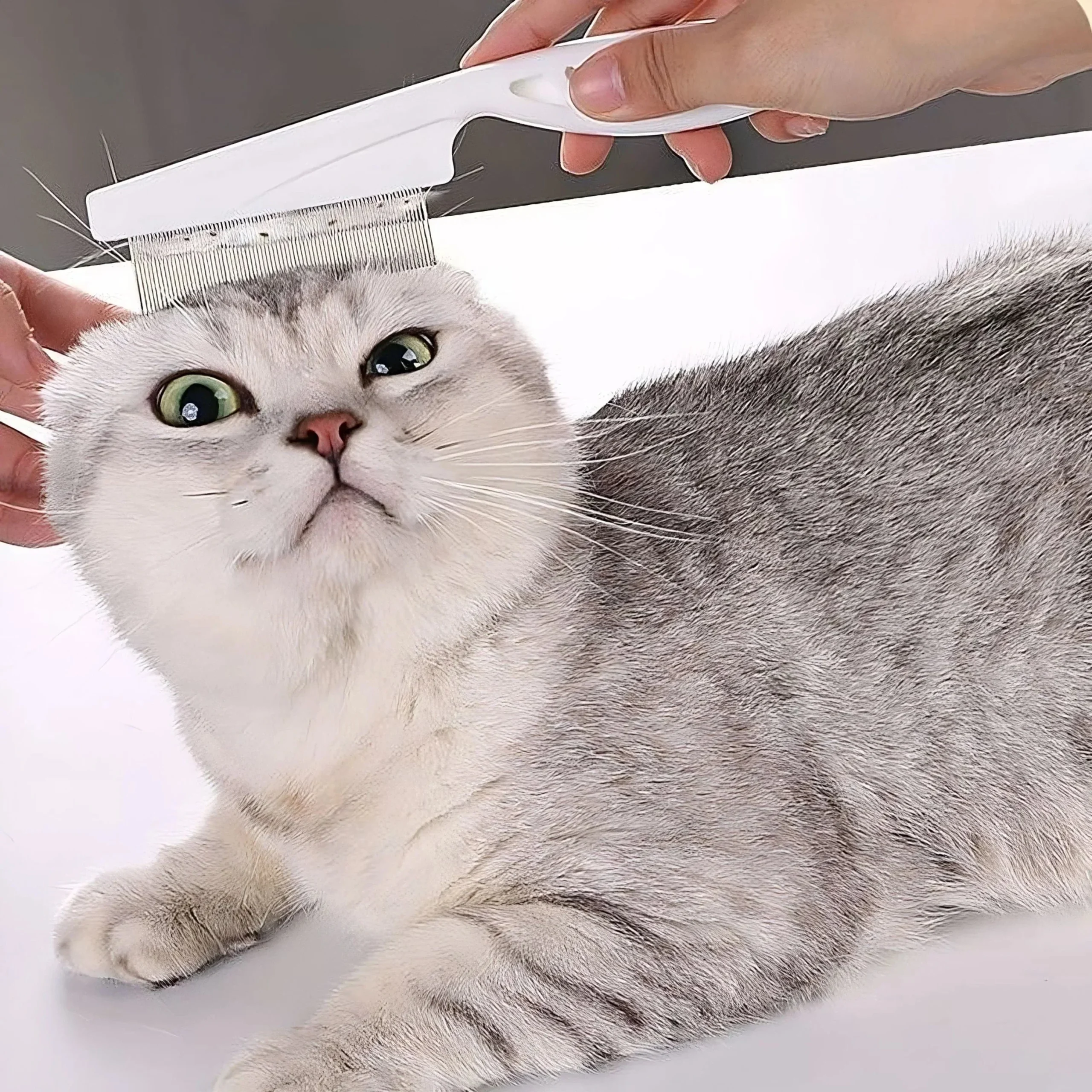
Image source: Web (fair-use with source credit)
Step 2: Add a Humidifier
If your home is dry, especially during winter, this is the easiest fix. Place a humidifier in the room where your cat spends the most time. Keep the humidity between 40 and 60 percent.
You can measure it with a cheap hygrometer from a hardware store.
The result isn't instant, but within a week or two, you should see a reduction in flaking in cats that were suffering from dry air.
Step 3: Review the Diet
Look at the ingredients in your cat's current food. Is there a named animal protein in the top three ingredients? Is there any mention of fish oil, flaxseed, or added fatty acids?
If not, consider switching to a food with a better fatty acid profile.
When you switch foods, do it gradually:
- Days 1 to 2: 25% new food, 75% old food
- Days 3 to 4: 50% new food, 50% old food
- Days 5 to 6: 75% new food, 25% old food
- Day 7: 100% new food
Sudden changes cause gastrointestinal upset, which adds another problem to the mix.
Step 4: Consider a Fatty Acid Supplement
If you're already on a good diet, add a supplement. Look for a product that lists EPA and DHA amounts on the label, not just "fish oil." Follow the dosing instructions based on your cat's weight.
Give it at least 4 to 6 weeks before judging results. Skin cell turnover takes time, and the barrier needs to rebuild.
Step 5: Rule Out Fleas, Again
You checked once already. Check again, but this time be more thorough:
- Use a flea comb on the tail base, lower back, and inner thighs
- Look for flea dirt rather than live fleas
- Check your cat's bedding for black specks
- Vacuum your carpets and furniture, then inspect the vacuum contents
If you find anything, start a prescription flea prevention product immediately. Don't wait for visible fleas. Off-label transmission and undetected infestations are the norm, not the exception.
Step 6: Track the Timeline
Keep a simple log:
- When did the flaking start?
- How severe is it on a scale of 1 to 10?
- Are there any patterns (worse after certain foods, seasonal changes)?
- Is your cat scratching more on some days than others?
This information is gold for a veterinarian. It narrows the diagnostic possibilities substantially and saves you money on unnecessary testing.
Step 7: When to Just Book the Appointment
If you've done all of the above for four weeks and the flaking hasn't improved, it's time for the vet. Also book immediately if you see any of the red flags we covered earlier.
Here's the thing: a lot of guilting happens in online cat communities. Purposely avoiding the vet to save money is a common talking point. But think of it this way.
The vet is not the first step for every flake, but it is the correct step when home management fails.
A standard dermatology workup includes:
- Physical exam
- Skin scrape and cytology
- Flea comb examination
- Fungal culture or PCR test for ringworm
- Blood panel for endocrine and metabolic disease
- Possibly a food elimination trial
The cost varies, but early diagnosis is almost always cheaper than managing a chronic, untreated condition. The longer you wait, the more expensive it gets.
Treatment Options: From Supplements to Prescriptions
Once you know what you're dealing with, treatment can begin. Here's a breakdown of the common approaches, from the simplest to the most involved.
Topical and Medicated Shampoos
Medicated shampoos are useful for seborrhea, fungal infections, and heavy scaling.
- Chlorhexidine shampoos: antibacterial and antifungal
- Salicylic acid shampoos: helps remove excess scale
- Ketoconazole shampoos: specifically for fungal issues
- Oatmeal shampoos: soothing for irritated skin
A quick word on bathing cats: it's stressful for everyone involved. If your vet prescribes a medicated shampoo, follow their schedule exactly. Usually that's once or twice a week for a limited period.
Rinse thoroughly. Leftover shampoo residue can cause further irritation.
Prescription Parasite Treatments
For mites, your vet will likely prescribe a topical or oral antiparasitic.
Common options include:
- Selamectin (Revolution): topical, applied monthly
- Moxidectin (Advantage Multi): topical, applied monthly
- Fluralaner (Bravecto): oral, lasts up to 3 months
- Sarolaner (Simparica): oral, monthly
Treatment usually needs to continue for several weeks, since it takes time to break the mite lifecycle. Environmental treatment is essential. Mites can live off the host for up to 10 days, so wash bedding in hot water and vacuum consistently.
For flea allergy dermatitis, the treatment is twofold. First, kill the fleas. Second, calm the skin reaction.
- Prescription flea prevention (oral is best)
- Corticosteroids for severe itching
- Antihistamines for mild cases
The fleas must go. No amount of topical cream will help if the fleas keep biting.
Corticosteroids
For allergic dermatitis that's causing significant scratching, your vet may prescribe corticosteroids.
These can be given:
- Orally (prednisolone)
- By injection (long-acting forms)
- Topically (sprays or creams)
Corticosteroids work fast, usually within days. But they're not for long-term use without monitoring. Side effects include increased thirst, urination, and appetite.
Long-term use can lead to diabetes and other metabolic issues.
Dietary Changes
If a food allergy is confirmed, the plan is simple: avoid the offending protein forever.
This means:
- Switching to a prescription hydrolyzed diet
- Selecting a novel protein diet (rabbit, duck, venison)
- Reading every label for hidden ingredients
- Avoiding all treats unless approved by your vet
This is a long-term commitment. There's no cure for food allergy. There's only avoidance.
Immune-Modulating Medications
For cats with severe environmental allergies that don't respond to standard therapy, newer options exist.
These include:
- Cyclosporine (Atopica): oral immunosuppressant, takes 4 to 8 weeks to work
- Oclacitinib (Apoquel): oral JAK inhibitor, works quickly, though it's used off-label in cats
Both are effective but not cheap. They're reserved for cats with significant allergy symptoms that affect quality of life.
The Long Game: Supplements and Maintenance
Once the acute issue is under control, the goal is maintenance.
Ongoing strategies:
- Daily brushing
- Humidifier use during dry months
- Omega-3 supplementation
- Year-round flea prevention
- Regular vet checkups
Consistency matters more than intensity. A stable routine keeps flares at bay.
Mistakes to Avoid: What Can Make It Worse
Some well-intentioned actions make the problem worse. Skip these mistakes entirely.
Using Human Dandruff Shampoos
Human shampoos are formulated for human skin pH, which is around 5.5. Cats sit closer to 6.2. More importantly, ingredients like salicylic acid in high concentrations can be toxic.
Human products also often contain artificial fragrances that trigger allergic reactions in cats.
Never use human dandruff shampoo on a cat. Full stop.
Over-Bathing
Some cats need baths for medical reasons. Most do not. Bathing strips natural oils, disrupts the skin barrier, and leaves the skin drier than before.
Unless your vet prescribes a schedule, don't bathe your cat for flaking.
Ignoring the Once-Monthly Flea Treatment
Indoor cats still get fleas. Fleas hitchhike on your shoes, your other pets, or through open windows. Skipping monthly prevention for three months is enough time for a full infestation.
Year-round prevention is the standard. There's no "flea season" when your home has central heating.
Feeding a Low-Quality Diet
You don't need to buy the most expensive food on the shelf. But you do need to buy food that supports skin health. If the first ingredient is "meat by-products" and there's no added fat source, your cat isn't getting the fatty acids they need.
Look for named protein and added omega fatty acids.
Treating Only the Cat, Not the Environment
Mites and fleas live in carpets, bedding, and furniture. If you treat your cat but not the environment, the parasites will re-infest them.
Wash bedding weekly in hot water. Vacuum thoroughly. Consider a home spray designed for fleas.
Assuming It's Just Dry Air
Dry air causes flaking. It also weakens the skin barrier, making allergies and parasites worse. But if flaking persists for more than a month despite humidifier use and brushing, it's time for the vet.
You can't diagnose systemic disease from the couch.
Skipping the Vet Because Costs Scare You
Here's the honest truth. A vet visit costs less than a month of emergency care for a serious condition you ignored. Diagnostic tests are expensive, but early intervention prevents bigger bills later.
If money is tight, call your clinic and ask about payment plans. Many offer them.
When You Absolutely Must See the Vet
Some things shouldn't wait. Here's the list.
Emergency Signs
Go to the vet immediately if you see any of these:
- Sudden, severe hair loss (large patches in 24 to 48 hours)
- Open sores, bleeding, or weeping wounds
- Swollen, red, or hot areas of skin
- Lethargy or reluctance to move
- Difficulty breathing, coughing, or wheezing
- Vomiting or diarrhea alongside skin symptoms
- A distended, painful abdomen
These can indicate a secondary infection, anaphylaxis, or a systemic disease. Don't wait for an appointment. Take your cat to an emergency vet.
Urgent Signs (Within 24 to 48 Hours)
Book a vet appointment within a day or two if you see:
- Weight loss with a normal or increased appetite
- Excessive thirst and urination
- Lethargy lasting more than 48 hours
- Flaking that you can see moving (Cheyletiella mites)
- Yellowness in the skin or eyes (jaundice)
- Recurring vomiting
These signs point to metabolic or endocrine disease that needs investigation.
What the Vet Will Do
Here's what a typical dermatology workup looks like:
- Physical exam: thorough, including ears, paws, and skin folds
- Skin scrape: checking for mites and other parasites under a microscope
- Cytology: looking for bacteria or yeast on the skin surface
- Fungal culture or PCR: confirming ringworm
- Blood panel: checking thyroid, blood sugar, and organ function
- Allergy testing: only after ruling out parasites and systemic disease
Depending on the results, your vet will design a treatment plan tailored to your cat.
How to Prepare for the Visit
Bring notes. Track the timeline, severity, and any patterns you've noticed. Bring a list of everything your cat eats, including treats.
Mention any recent changes in your home or routine.
The more information you provide, the faster the diagnosis.
Frequently Asked Questions
Is cat dandruff contagious to humans?
Some causes are. Cheyletiella mites and ringworm can both transfer to people. Flea bites will also target humans, leaving itchy welts.
If your cat has flaky skin and you're noticing itching, get to the vet quickly. These conditions respond well to treatment before they cause bigger problems at home.
Can I use olive oil or coconut oil on my cat's skin?
No. Topical oils sit on the coat and attract dirt, creating mats. They don't hydrate the skin, and coconut oil can cause greasy seborrhea in some cats.
Ingesting large amounts can cause stomach upset and pancreatitis. Skip home remedies. Use a vet-recommended supplement or treatment instead.
How long does it take to fix cat dandruff?
It depends on the cause.
- Dry air: 1 to 2 weeks with a humidifier and daily brushing
- Diet deficiency: 4 to 6 weeks after switching food or adding fish oil
- Mites or fleas: 2 to 4 weeks with proper treatment
- Allergies: 8 to 12 weeks for a proper food trial
- Systemic disease: depends on the underlying condition
Most cases show visible improvement within a month of correct treatment.
Why does my cat only have dandruff on the back?
Dandruff along the back, especially the lower back near the tail, is the classic pattern for fleas and flea allergy dermatitis. It's also where Cheyletiella mites prefer to feed. If the flakes are at the base of the tail specifically, suspect fleas first.
Can stress cause dandruff in cats?
Yes. Stress triggers over-grooming or under-grooming, both of which affect skin health. Stressed cats may stop grooming entirely, leading to a dull, flaky coat.
They may also groom obsessively, damaging the skin barrier. If you've moved, added a new pet, or changed routines, stress could be a factor.
Should I change my cat's food if they have flaky skin?
Only if the current food lacks named protein or added omega fatty acids. Don't switch to a random "sensitive skin" formula without checking the label first. If your cat is on a balanced diet, a supplement may be more effective than a food change.