
You're probably here because you've noticed your hedgehog looking a little rough, or maybe you've just caught a whiff of something that isn't exactly rosewater. The question "do hedgehogs need baths" is one of the most common searches from new owners, and the answer isn't as straightforward as a simple yes or no.
Here's the thing: the internet is full of conflicting advice. Some sources say bathe weekly, others say never. The truth, as with most things in exotic pet care, sits somewhere in the middle.
In our research, pulling from exotic veterinarian guidelines and breeder best practices, we've found that over-bathing is actually more dangerous than not bathing enough. As of 2026, standard exotic vet guidance recommends full baths no more than once a month, with foot baths being the real routine necessity. Let's break down exactly what your hedgehog needs, what it doesn't, and how to tell the difference before you ever turn on the tap.
Why This Matters More Than You Think
Hedgehogs are not like dogs or cats. They don't need weekly grooming sessions, and they don't enjoy water. In fact, a full bath is a stressful, potentially dangerous event for a hedgehog if done incorrectly.
The risks range from mild skin irritation to life-threatening respiratory infections.
Most new owners don't realize that a hedgehog's skin and quill health depends on a delicate balance of natural oils. These oils protect against dryness, bacteria, and parasites. Wash them away too often, and you strip the animal's first line of defense.
The result? Itchy, flaky skin, quill loss, and a miserable hedgehog.
Add to that the danger of temperature shock. Hedgehogs have a high surface-area-to-volume ratio, meaning they lose body heat fast. A wet hedgehog in a drafty room can quickly develop hypothermia, which can trigger a dangerous state called torpor.
This isn't something to gamble with.
The Quick Answer: Yes, But Probably Not How You're Imagining
Yes, hedgehogs need baths. But a "bath" for a hedgehog is rarely the full-body soak you're picturing. It's usually a foot bath.
Hedgehogs are messy eaters and walkers. They routinely step in their food, their water, and their own droppings. The most common grooming need is cleaning those little feet, a process owners affectionately call "poopy boots." This is a routine, low-stress procedure you'll do weekly.
A full-body bath, where you actually submerge the hedgehog up to its belly, is a different story. This is a monthly or even bi-monthly event, and only when truly needed. Most hedgehogs simply don't require a full soak that often.
Over-bathing strips essential oils, dries out the skin, and causes more problems than it solves. So yes, bathing is part of hedgehog care. The catch is learning which type of bath your hedgehog actually needs on any given day.
What's Really Causing That Smell?
Before you reach for the shampoo, you need to understand why hedgehogs smell in the first place. Most owners assume the odor comes from a dirty coat. That's usually wrong.
The primary source of that musky scent is the hedgehog's scent glands. These are located on the feet, the face, and near the tail. The glands secrete an oily, musky substance that is perfectly natural.
It's how hedgehogs mark their territory. Bathing won't wash this smell away because the glands keep producing. In fact, bathing too often can stimulate the glands and actually make the odor stronger.
A second scent source is the hedgehog's environment. Smelly cages, dirty wheels, and old substrate get absorbed into the animal's fur and quills. If your hedgehog smells bad, the fastest fix isn't a bath.
It's a cage cleaning. Change the bedding, scrub the wheel, and wash the food dishes. Nine times out of ten, that eliminates the odor.
Then there's the "poopy boots" issue. Dried feces on the feet is a smell magnet. A quick foot bath fixes that in minutes.
The key insight here is simple: if your hedgehog smells like its cage, clean the cage. If it smells like a hedgehog, that's just what a hedgehog smells like. Don't fight nature with soap and water.
The Risks: What Can Go Wrong
Bathing a hedgehog is not a casual activity. The potential for harm is real, and it's why so many exotic vets caution against frequent bathing. Let's walk through the big four risks.
Respiratory Infections
This is the big one, and it's frequently fatal. Hedgehogs have short nasal passages and no ability to clear water from their airways. If water gets up their nose, it can quickly lead to aspiration pneumonia.
Symptoms include sneezing, wheezing, clicking sounds when breathing, and lethargy.
Even water that doesn't go up the nose can be dangerous. A wet hedgehog that gets chilled is under stress. Stress suppresses the immune system, leaving the animal vulnerable to respiratory bugs.
A full bath should never last longer than ten minutes, and the hedgehog needs to be kept warm the entire time.
Stripped Natural Oils and Dry Skin
Hedgehog skin is sensitive. Human shampoo, dish soap, or even some pet shampoos are too harsh. They strip away the natural oils that keep the skin supple and the quills healthy.
The result is dry, flaky skin, excessive scratching, and quill loss. You can actually see the damage in the form of white, dandruff-like flakes at the base of the quills.
If you notice this, stop bathing. Give the skin time to recover its natural oil balance. In mild cases, a tiny drop of olive oil or coconut oil rubbed gently on the skin can help.
In severe cases, you need a vet.
Temperature Shock and Torpor
Hedgehogs lose heat fast. Water that's too cold drops their body temperature rapidly. A hedgehog in this state may become lethargic, unresponsive, and begin to cool to the touch.
This can trigger torpor, a hibernation-like state that is extremely dangerous for African pygmy hedgehogs. Their bodies aren't equipped to handle it, and it can be fatal.
The reverse is also true. Water that's too hot can burn their sensitive skin. You must test the water with your wrist, just like a baby bottle, and aim for lukewarm, around 85°F to 100°F.
Never use hot water straight from the tap.
Ear and Eye Infections
Water trapped in the ear canal is a one-way ticket to a painful ear infection. The same goes for the eyes. You must keep the hedgehog's head above water at all times.
When rinsing, pour water gently over the back and quills only. Never pour water over the face. If you need to clean the face, use a damp cotton swab instead.
| Risk | Cause | Prevention |
|---|---|---|
| Respiratory infection | Water in nose, chilling | Keep head above water, limit bath to 10 min |
| Dry skin/quill loss | Harsh shampoos, over-bathing | Use plain water, bathe max once a month |
| Temperature shock | Water too cold/hot | Test on wrist, aim 85°F–100°F |
| Ear/eye infection | Water trapped in head area | Never submerge head, rinse back only |
The Right Way to Give a Full Bath (When It's Actually Needed)
There will be times when a full bath is necessary. Maybe your hedgehog stepped in something sticky, rolled in its own waste, or has a skin condition requiring a medicated wash. Here's how to do it right, step by step.
Prepare Everything First
Before you even pick up your hedgehog, have everything ready. You need a sink or shallow plastic tub, lukewarm water, a soft-bristled toothbrush, a plain towel, and a warm, draft-free room. Test the water temperature on your wrist.
It should feel barely warm, not hot.
Set Up the Water
Fill the sink or tub with only two to three inches of water. That's enough to cover the feet and the lower belly, but no more. The hedgehog needs to be able to stand comfortably with its head well above the water line.
Lower the Hedgehog In Gently
Do not drop your hedgehog into the water. Lower it slowly, front feet first, letting it adjust to the temperature. Let it stand for a minute.
Most hedgehogs will hiss and curl into a ball initially. That's normal. Give it time to relax.
The Scrubbing Phase
Dip the toothbrush in the water and gently scrub the quills, working in a back-to-front direction. This loosens dirt and aligns the quills. If you're using a shampoo, use only a product specifically formulated for small animals or hedgehogs.
A pea-sized drop is plenty. Never use human shampoo. If your hedgehog has dry skin, skip the soap entirely and just use water.
Rinsing Without the Face
Rinsing is the trickiest part. Use a small cup or your hand to pour water over the back and quills. Keep the face and ears dry.
You want to remove all soap residue, as leftover shampoo causes itching.
The Drying Emergency
This is non-negotiable. As soon as the bath is over, wrap your hedgehog in a warm, dry towel. Hold it close to your body to transfer body heat.
Gently pat and rub the quills dry. A wet hedgehog gets cold fast.
Once the initial towel dry is done, you're not finished. Hedgehogs hold moisture at the base of their quills. You need to keep them warm until they are completely dry.
Use a heating pad set on low under a towel, or a warm (not hot) hair dryer on the lowest setting held at a distance. Do not put a damp hedgehog back in its cage. This is a leading cause of respiratory infections.
Post-Bath Observation
For the next 24 hours, watch your hedgehog for signs of distress. Sneezing, clicking, wheezing, or lethargy means a trip to the exotic vet is in order. Catch it early, and treatment is usually effective.
Delay, and the prognosis worsens.
The Foot Bath: The Routine Care You Actually Need

Image source: Bing (Web (fair-use with source credit))
If you take one thing from this guide, let it be this: the foot bath is your bread and butter. It's the gentle, low-stress way to keep your hedgehog clean without the risks of a full soak.
How to Spot "Poopy Boots"
Check your hedgehog's feet regularly, especially after it's been running on its wheel or walking through its litter area. Dried feces and litter clumps cling to the little toes and pads. Left unchecked, this debris hardens, causes skin irritation, and can even lead to sores.
It also drags bacteria around the cage.
The 5-Minute Foot Bath Process
The process is simple and quick. Fill a shallow dish or the sink with a half-inch of lukewarm water. That's enough to cover the feet but not the belly.
Gently hold your hedgehog and place its rear feet in the water. Let it stand for a minute or two.
Use a soft toothbrush or your fingers to gently loosen the debris. You can also use a cotton swab for the toes. Once the feet are clean, lift your hedgehog out and dry the feet thoroughly with a soft towel.
Pay special attention between the toes. Moisture trapped there leads to fungal infections.
How Often Should You Do This?
Most hedgehogs need a foot bath once a week to once every two weeks. It depends on how messy your hedgehog is and how tidy you keep its cage. Some owners find they only need to do it when they see visible buildup.
That's fine too. The key is to check regularly and address the problem before it becomes a bigger issue.
Unlike a full bath, the foot bath is low-stress and can even become a bonding activity. Your hedgehog gets used to being handled, and you get a clean pet without the anxiety of a full soak.
What to Use (And What to Absolutely Avoid)
Choosing the right products for your hedgehog's bath is critical. The wrong choice can lead to skin irritation, allergic reactions, or worse. Let's break down what's safe and what stays on the shelf.
Safe Options
For a full bath, plain lukewarm water is the safest choice. It cleans away dirt without stripping the natural oils. If you need a little more cleaning power, look for a shampoo specifically formulated for hedgehogs or small exotic animals.
These are pH-balanced for their sensitive skin.
Another option is an oatmeal soak for dry, itchy skin. Colloidal oatmeal is naturally soothing and gentle. You can buy an oatmeal-based small animal shampoo or make your own by blending plain, unflavored oats into a fine powder and mixing a tablespoon into the bathwater.
The "Avoid at All Costs" List
Some products are just off-limits. Human shampoos, conditioners, and body washes are too harsh. They contain fragrances, dyes, and detergents that destroy the natural oil barrier.
Dish soap, like dishwashing liquid, is even worse. It's designed to cut through grease and will completely dehydrate your hedgehog's skin.
Flea and tick shampoos are another danger. These contain powerful insecticides that are toxic to hedgehogs. Even a small amount can cause neurological damage or death.
Never use one on your hedgehog, regardless of what the label says.
Essential oils and "natural" products are also risky. Tea tree oil, in particular, is toxic to many small animals. Avoid any product with essential oils unless a vet explicitly recommends it.
| Product Type | Safe? | Why |
|---|---|---|
| Plain lukewarm water | Yes | Safest option, no chemicals |
| Hedgehog-specific shampoo | Yes | pH-balanced for their skin |
| Oatmeal soak | Yes | Soothes dry, itchy skin |
| Baby shampoo (tear-free) | Maybe | Only if fragrance-free and vet-approved |
| Human shampoo | No | Too harsh, strips natural oils |
| Dish soap | No | Dehydrates skin, removes all oils |
| Flea/tick shampoo | No | Toxic, can be fatal |
| Essential oil products | No | Can cause allergic reactions or toxicity |
How to Dry and Warm Your Hedgehog Safely
The drying phase is just as important as the washing phase, if not more so. A hedgehog that isn't dried properly is at risk for hypothermia, skin infections, and respiratory issues. Here's how to do it right.
The Towel Technique
Have a warm, dry towel waiting before you take your hedgehog out of the water. Wrap it snugly around the animal, like a burrito. This helps absorb the bulk of the water and keeps your hedgehog contained.
Gently pat the quills dry. Don't rub too hard. Rubbing can break quills and irritate the skin.
Hold your hedgehog close to your body for a few minutes. Your body heat helps raise its temperature back to normal. This is also a great bonding moment if your hedgehog is calm.
The Complete Dry Requirement
Hedgehogs hold moisture at the base of their quills, right where they attach to the skin. This area is a breeding ground for fungal infections if left damp. You need to make sure the hedgehog is completely dry before it goes back into its environment.
Using Heat Safely
After the initial towel dry, place your hedgehog on a heating pad set on low, covered with a towel. Or, put it in a warm room with a space heater. A hair dryer on the lowest, coolest setting can also work, but keep it at least 12 inches away and moving constantly.
Never leave a hedgehog unattended with a heat source. The goal is to warm the animal, not to bake it.
Signs That Your Hedgehog Is Still Too Cold
Touch the hedgehog's belly. It should feel warm, not cool. If your hedgehog is shivering, lethargic, or curling into a tight ball, it's still too cold.
Increase the ambient temperature and hold it close to your body for warmth. A cold hedgehog is an emergency. Act fast.
Common Bathing Mistakes Even Experienced Owners Make
Even seasoned hedgehog owners slip up sometimes. Here are the most common mistakes we see, so you can avoid them.
Bathing Too Often
The single biggest mistake is bathing too frequently. Weekly full baths are way too many. They strip the natural oils, causing dry, itchy skin and a host of other issues.
Remember: once a month is the absolute maximum for a full bath. Foot baths are the routine alternative.
Using Water That's Too Hot or Too Cold
It's tempting to use hot water to make the bath more comfortable, but it's a serious danger. Hot water burns sensitive skin. Cold water chills your hedgehog, triggering torpor.
Always test the water on your wrist. It should feel lukewarm, close to body temperature.
Not Rinsing Thoroughly
Soap residue left on the skin is an irritant. It causes itching, flaking, and even chemical burns in severe cases. Rinse thoroughly with clean, lukewarm water until every trace of shampoo is gone.
Skipping the Drying Phase
This is a fatal mistake. Putting a damp hedgehog back in its cage is like rolling out a welcome mat for respiratory infections. The animal gets cold, its immune system drops, and pneumonia can set in within days.
Ignoring the "No Face" Rule
Water and soap in the eyes and ears cause infections, irritation, and pain. Never pour water over your hedgehog's head. Clean the face with a damp cotton swab instead.
Using Harsh or Scented Products
Citrus-scented shampoos, deodorizing sprays, and human body washes all contain chemicals that damage a hedgehog's delicate skin. Stick to plain water or a product specifically formulated for small animals.
Skin Issues That Bathing Won't Fix
Sometimes, the problem isn't dirt. It's a deeper issue that a bath will only make worse. Here's how to tell the difference.
Dry Skin and Quill Loss
If you see excessive flaking, dandruff, or quills falling out, don't reach for the shampoo. This is often a sign of over-bathing, a poor diet, or low humidity. Bathing dries the skin further.
Instead, evaluate your hedgehog's environment and diet. A high-quality, insect-based diet provides the fatty acids that support healthy skin and quills.
Mites and Fungal Infections
Mites are a common problem for hedgehogs. They cause intense itching, quill loss, and visible scaly patches on the skin. Fungal infections, like ringworm, look similar.
Bathing won't cure these. It can actually spread the infestation or infection to other parts of the body. You need a vet for a proper diagnosis and treatment plan, which usually involves topical or oral medication.
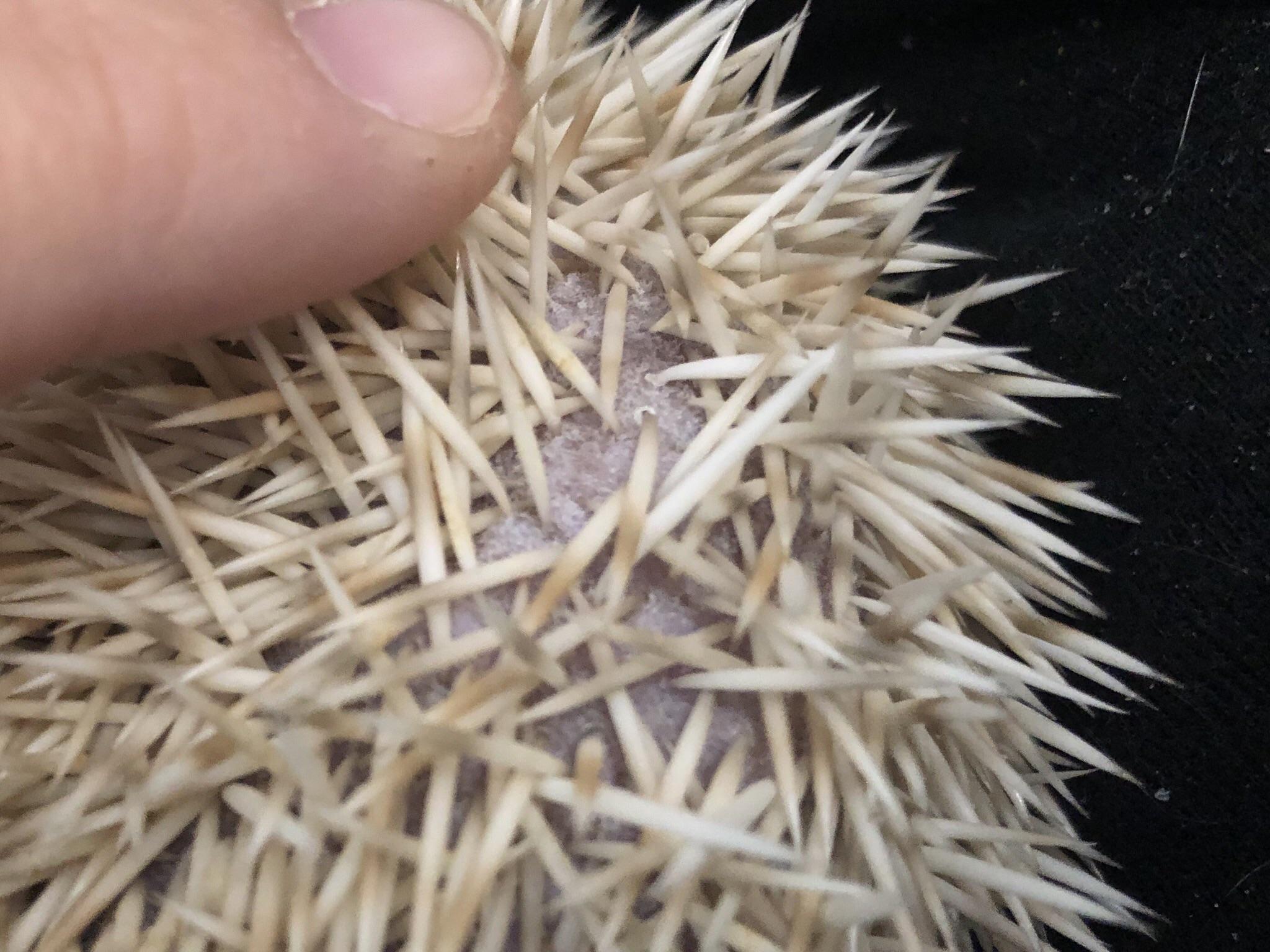
Image source: Bing (Web (fair-use with source credit))
The Danger of Self-Diagnosis
It's tempting to guess, but hedgehog skin issues are hard to diagnose visually. Mites look like dry skin. Fungal infections look like allergies.
The only way to know for sure is to get a skin scrape or cytology done by an exotic vet. Delaying treatment makes the condition worse and more painful for your hedgehog.
When a Bath Is Actually Needed
A bath is appropriate when the issue is surface-level dirt, debris, or a sticky substance. If you see healthy skin underneath a layer of grime, a gentle clean is fine. If the skin itself looks irritated, raw, or infected, it's a medical issue.
Put the soap away and call the vet.
The "Self-Anointing" Confusion
If you've seen your hedgehog frothing at the mouth and smearing saliva all over its quills, don't panic. You've just witnessed self-anointing. It's one of the strangest hedgehog behaviors, and it freaks out almost every new owner.
What It Actually Is
Self-anointing happens when a hedgehog encounters a new or strong scent. It tastes the smell, produces frothy saliva, and then uses its tongue to spread that saliva back over its quills. The exact purpose is still debated.
Some researchers think it's a defense mechanism to make the hedgehog distasteful to predators. Others think it's just a way to learn about a new environment.

Image source: Bing (Web (fair-use with source credit))
Does It Mean Your Hedgehog Needs a Bath?
No. Self-anointing is not a sign of dirt. It's a behavioral response to a scent.
Bathing right after anointing will just wash away the saliva, potentially stressing your hedgehog out. Let the behavior run its course. It usually passes in 10 to 20 minutes.
When to Leave It Alone
The best response to self-anointing is no response. Don't intervene. Don't wash it off.
Just let your hedgehog do its thing. It's a sign of a healthy, curious animal. If anything, it's a good sign.
It means your hedgehog is active, alert, and exploring its environment. It's not a hygiene issue in any way.
Realistic Bathing Schedule by Situation
Now that you know the techniques and risks, let's look at how to apply them in real situations. Different hedgehogs have different needs, and your schedule should adapt.
New Hedgehog Owners
If you just brought your hedgehog home, give it a week to settle in before any bath. The move is stressful enough. A bath adds more stress.
Focus on building trust through handling. After a week, check the feet and do a foot bath if needed. Hold off on a full bath unless there's a specific reason, like a dirty coat from the transport carrier.
Hedgehogs with Dry Skin
For these animals, reduce bathing frequency even further. A full bath once every two or three months is plenty. When you do bathe, skip the soap entirely.
Use plain water or an oatmeal soak. Add a humidifier to the room to help the skin. Apply a tiny drop of olive oil or coconut oil to the skin after the bath if the dryness is severe.
Elderly or Sick Hedgehogs
Older hedgehogs and those with medical conditions are more fragile. They chill faster and take longer to recover. Avoid full baths entirely unless a vet recommends one.
Stick to foot baths with plain water. Keep the room extra warm, and dry the animal thoroughly. If your hedgehog is ill, consult your vet before any bathing routine.
Hedgehogs with Chronic "Poopy Boots"
Some hedgehogs are just messier than others. If your hedgehog constantly has debris on its feet, don't escalate to more full baths. Instead, address the root cause.
Change the substrate to something less tracking, like paper-based bedding. Clean the wheel more often. Rearrange the space to separate the food and water from the sleeping area.
Combine these changes with weekly foot baths, and the problem usually resolves.
The Seasonal Factor
Humidity affects hedgehog skin. In dry winter months, skin gets drier. Scale back baths and focus on moisturizing.
In humid summer months, fungal growth can be more of a concern. Make sure your hedgehog is completely dry after any cleaning and that the cage isn't overly damp.
Frequently Asked Questions
Can I use baby shampoo on my hedgehog?
Tear-free baby shampoo is gentler than regular human shampoo, but it's still not ideal. It often contains fragrances and moisturizers that can irritate a hedgehog's skin. If you must use something, choose a fragrance-free formulation and use a very small amount, a pea-sized drop or less.
Plain water is always the safest choice. If you see any signs of irritation, stop using it immediately.
How do I clean the quills without a full bath?
You can spot-clean quills with a damp cloth or a soft toothbrush. Dip the brush in lukewarm water and gently brush the quills in a back-to-front direction. This removes dust and dander without soaking the skin.
For stubborn debris, you can use a cotton swab dipped in water. This method is much less stressful than a full bath and is perfect for routine maintenance.
My hedgehog hates baths. What do I do?
Don't force it. Forcing a hedgehog into water creates fear and stress, which makes future baths even harder. Try a foot bath instead.
Use a shallow dish with a half-inch of lukewarm water. Let your hedgehog stand in it for a couple of minutes. If it still panics, try a damp towel rubdown instead.
Pat the coat and quills with a wet, warm cloth. This cleans without triggering the panic response.
Can I use a hair dryer to dry my hedgehog?
Yes, but with extreme caution. Use the lowest heat and lowest fan setting. Keep the dryer at least 12 inches away from the hedgehog and move it constantly.
Never focus on one spot for more than a second. The noise and airflow can be scary, so watch for signs of stress. If your hedgehog is panicking, stop and use towels and body heat instead.
A heating pad on low under a towel is a quieter alternative.
How do I know if my hedgehog is too cold?
Feel the belly and the feet. They should feel warm to the touch. A hedgehog that's too cold is lethargic, shivering, and may curl into a tight, unresponsive ball.
It might also have cool, pale feet. In severe cases, it enters torpor, which looks like a deep sleep. If you see these signs, warm the hedgehog immediately with body heat and a warm (not hot) heating pad, and contact your exotic vet right away.