
If you've just brought home a Lionhead rabbit, you're probably staring at that glorious mane and wondering what you've gotten yourself into. The truth is, learning how to groom a Lionhead rabbit is the single most important skill you'll develop as an owner. This breed's signature woolly coat is beautiful, but it's also a magnet for mats, debris, and health complications that can turn deadly faster than you'd think.
Here's the hard truth: Lionheads carry a recessive wool gene that makes their fur more like Angora wool than typical rabbit fur. As of 2026, the American Rabbit Breeders Association recognizes both single and double mane varieties, and each requires a different level of commitment. Unlike short-haired rabbits that manage their own coats, Lionheads depend entirely on you for their survival.
A neglected coat leads to wool block, a form of fatal gastrointestinal stasis that kills more Lionheads than any other single cause.
Quick Answer
Groom your Lionhead rabbit two to three times per week. During heavy shedding seasons, groom daily. Use a slicker brush and fine-toothed metal comb.
Always support their hindquarters during handling. Never bathe them. Check for mats behind ears and under the chin.
Trim nails every four to six weeks. Watch for signs of wool block, like reduced appetite and small droppings. If you see those signs, call your exotic vet immediately.
Why Grooming a Lionhead Is Different (and Riskier Than You Think)
The Double Mane Problem: Why Their Signature Fluff Is Also Their Biggest Vulnerability
Lionhead rabbits aren't just fluffy for fun. That mane is the result of a specific genetic mutation that produces a wool undercoat beneath a longer guard coat. When breeders talk about a "double mane" Lionhead, they mean the rabbit carries two copies of the wool gene.
These rabbits have a much thicker, denser mane that extends around the head, cheeks, chest, and sometimes down the flanks. Single mane rabbits only carry one copy of the gene, so they have lighter furnishings and require less maintenance.
Here's what most breeders won't tell you when you buy that adorable ball of fluff: double mane Lionheads are essentially wool breeds in disguise. Their coat behaves more like an Angora's than a typical rabbit's. That means it felts, tangles, and mats at an alarming rate.
The wool fibers are fine, crimped, and interlock easily. Combine that with static electricity and constant movement, and you have a recipe for painful, skin-tightening mats that form within days, not weeks.
The risk isn't just cosmetic. Mats pull at the skin, causing pain, bruising, and eventually open sores. They trap moisture and urine, creating the perfect breeding ground for flystrike, a horrifying condition where flies lay eggs in soiled fur and the larvae eat into the rabbit's flesh.
Flystrike is fatal if not caught within hours.
Wool Block and GI Stasis: How Grooming Directly Prevents a Fatal Emergency
Here's the scenario that keeps exotic veterinarians up at night. Your Lionhead grooms itself constantly. Rabbits are fastidious cleaners.
The problem is that wool fibers are indigestible. Unlike a cat that can cough up hairballs, rabbits physically cannot vomit. Every strand of fur your rabbit ingests has to pass through their entire digestive system.
When a Lionhead ingests too much loose fur, those wool fibers bind together in the stomach, forming a dense, indigestible mass called a trichobezoar, or more commonly, wool block. This mass sits in the stomach and refuses to move. The rabbit stops eating, stops producing droppings, and within 24 to 48 hours, goes into gut stasis.
Without immediate veterinary intervention, the mortality rate is devastatingly high.
| Wool Block Warning Signs | What to Do |
|---|---|
| Reduced or no appetite | Call your exotic vet immediately |
| Small, sparse, or absent fecal pellets | Do NOT wait to see if it passes |
| Lethargy and hunched posture | Keep the rabbit warm during transport |
| Teeth grinding (pain indicator) | Bring recent food and hay samples |
| Stomach gurgling or bloating | This is a life-threatening emergency |
Aggregate veterinary research indicates that regular grooming is the single most effective preventive measure against wool block. Every time you brush your Lionhead, you remove loose fur before it reaches their stomach. You reduce the fiber load entering their digestive system.
You keep the gut moving. Grooming isn't vanity. It's life support.
What Most First-Time Owners Get Wrong Before They Even Pick Up a Brush
Let's talk about the mistake that causes more injuries than anything else. New owners typically reach for whatever brush they have lying around, grab the rabbit by the scruff like a kitten, and start brushing against the direction of the fur. Every single one of those choices is wrong.
First, scruffing a rabbit can cause them to panic and kick violently. A rabbit's hind legs are incredibly powerful. One sharp kick while the spine is unsupported can cause a fracture, leading to rear leg paralysis.
This is called a lumbar subluxation, and it's a common emergency room presentation at exotic vet clinics.
Second, brushing against the grain causes pain. The fur gets pulled at the roots, which hurts, and your rabbit learns to dread grooming. Once a rabbit associates the brush with discomfort, every future session becomes a battle.
The trust you need for safe handling erodes quickly.
Third, using the wrong brush can damage the wool fibers. Human brushes are too harsh. Cat brushes often have wire bristles that are too long and scratch the skin underneath.
The right approach is methodical, gentle, and entirely different from what most beginners assume. We'll cover the exact tools you need and the step-by-step handling technique in the sections that follow.
The Anatomy of a Lionhead Coat: What You're Actually Working With
Double Mane vs. Single Mane: How the Coat Type Changes Your Entire Routine
Understanding which coat type your Lionhead has isn't just trivia. It dictates how often you groom, which tools you use, and how aggressively you need to manage shedding.
Single mane Lionheads have a ruff around the head and neck that's noticeably lighter. They may have ear tufts and some chest fluff, but the rest of the body has normal, short rabbit fur. These rabbits need grooming two times per week during regular seasons and every two to three days during heavy shed.
Double mane Lionheads are a different story entirely. They feature a full, thick mane that wraps around the head, falls down the chest, and often extends along the flanks. Some double manes have what breeders call a "full roll," which creates a dramatic, layered look.
This coat type demands grooming every two to three days year round, and daily during molts. If you're not prepared for that commitment, a double mane might not be the right rabbit for you.
| Coat Type | Mane Density | Grooming Frequency | Shedding Severity |
|---|---|---|---|
| Single Mane | Light ruff, ear tufts | 2 times per week | Moderate seasonal shed |
| Double Mane | Full mane, chest and flank | Every 2-3 days year-round | Heavy seasonal shed |
| Double Mane (Full Roll) | Extreme density, full body | Daily during molts | Very heavy |
The High-Risk Zones: Behind the Ears, Under the Chin, and the Armpit Tangle
When experienced rabbit groomers look at a Lionhead, they don't just see a fluffy face. They scan specific trouble spots that are prone to severe matting. These zones share a common trait: friction, moisture, or both.
Behind the ears is the number one trouble zone. The fur there is extremely dense and fine, and your rabbit can't groom it herself. It rubs against the base of the ears constantly, creating friction that felts the wool into tight clumps.
These mats can form in a matter of days and often go unnoticed because they hide under the ear flaps.
Under the chin is the second hot spot. Rabbits drool occasionally, especially when eating or during dental issues. The moisture from saliva soaks into the wool, creating a damp, tangled mess.
This area tends to pick up food particles and hay debris, which act as seeds for mat formation.
The armpits, or axillary region, come in third. When a rabbit lies down, the front legs tuck in and the loose skin in the armpit folds against the wool. This friction zone is hidden from view and easy to miss entirely until a mat has already pulled tight against the skin.
Other high-risk zones include under the tail, between the back legs, and around the vent area. Urine staining in these areas causes urine scald, a painful skin infection. Keep these zones clean and dry at every session.
Seasonal Shedding Patterns and How They Dictate Grooming Frequency
Rabbits don't shed continuously like dogs or cats. They go through distinct molting cycles driven by daylight hours and temperature changes. Lionheads have two major sheds per year, typically in spring and autumn, though indoor rabbits with artificial lighting may shed more erratically.
During a heavy molt, the wool comes out in clumps. Leaving that loose fur on the rabbit is inviting disaster. The loose strands act as a base for new mats to form, and the rabbit ingests massive amounts of fur while self-grooming.
This is when wool block risk peaks.
You'll know your rabbit is molting when you can gently pull tufts of loose fur away from the coat. The fur comes out easily, like pulling cotton candy apart. That's your signal to switch from routine grooming to daily sessions.
Here's a practical tip from aggregate owner experience: keep a dedicated grooming journal or set a recurring calendar reminder. Season changes sneak up on you, and the difference between a smooth coat and a matted disaster is often just a few days of missed grooming.

Image source: Bing (Web (fair-use with source credit))
The Essential Lionhead Grooming Kit: What You Need and What to Skip
The Only Three Brushes That Matter (and the Ones That Will Hurt Your Rabbit)
Walk into any pet store and you'll face a wall of grooming tools. Most of them are wrong for a Lionhead. Our research consistently identifies three tools that experienced rabbit owners and breeders swear by.
The slicker brush is your primary tool. Look for one with fine, bent wire bristles and a padded base. These bristles are short enough to reach the undercoat without scratching the skin.
A medium-sized slicker is easier to control than a large one. The ProFlex Slicker Brush Set, a popular choice among rabbit owners, comes with multiple sizes and a comfortable grip, making it easier to get into tight spots without fatiguing your hand mid-session.
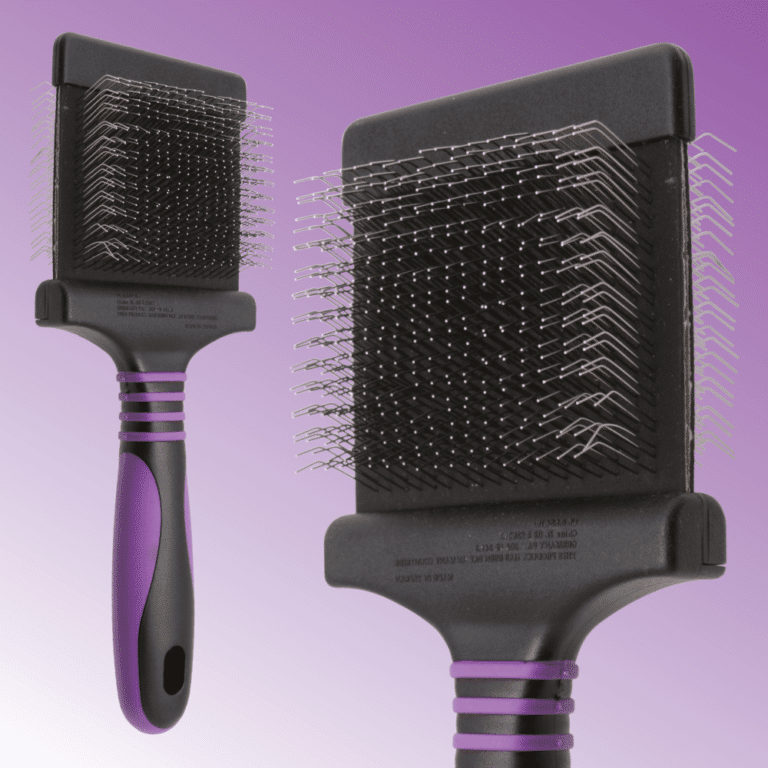
Image source: Bing (Web (fair-use with source credit))
The fine-toothed metal comb is your second essential tool. This is a properly narrow, densely toothed comb designed for working through mats and removing loose undercoat fur. A human fine-tooth comb might seem similar, but the metal version glides through wool without generating static, and the longer teeth reach deeper into the coat.
Use this for the mane, the skirt area, and around the ears.
The de-matting comb should be for emergencies only, and you should use it with extreme caution. These tools feature short, sharp blades that slice through mats, but they can also slice through skin. Use them on stubborn mats that the comb can't manage, but only with extreme caution, and keep them away from body parts where the skin is loose.
Flat-backed tools are safer than those with exposed blades. For truly severe mats, skip the DIY approach and schedule a professional groomer visit.
Scissors, Clippers, and Styptic Powder: The Safety Gear You Can't Skip
A blunt-tipped grooming scissors is essential. You will need to trim mats, tidy the eye area, and manage the fur around the rear. Straight blades with rounded tips are safer than pointed ones.
Keep them sharp; dull scissors crush the fur and hurt the rabbit.
Nail clippers designed specifically for small animals are critical. Look for guillotine style clippers with a small opening. These work well for rabbit nails, which are thin and delicate.
Use a human nail clipper only if your rabbit is a tiny breed with very fine nails.
Styptic powder belongs in every rabbit owner's kit. You will accidentally cut a nail too short at some point. When it happens, the nail bleeds profusely and you need the powder to stop the bleeding.
Silver nitrate sticks work too, but they sting. Styptic powder causes less pain. Keep it on hand, not buried in a drawer.
Skip the following tools entirely: shedding blades (too harsh), brushes with plastic balls on the bristle ends (useless on wool), grooming gloves (don't penetrate the undercoat), and human hairbrushes (too widely spaced).
Coat Conditioners and Waterless Options That Actually Work on Wool
Bathing a rabbit is strictly forbidden. They shock, chill, and die from the stress. But you still need to manage dry skin and keep the coat from becoming brittle.
Rabbit-safe waterless conditioners and grooming sprays solve this problem.
Look for a product specifically formulated for rabbits or for wool-bearing small animals. A light misting before brushing softens the fur, reduces static, and makes the brush glide through the coat. It also helps de-mat by lubricating the tangles.
Kelp powder added to your rabbit's food is another option that has gained attention in the rabbit community. A small pinch of this supplement supports healthy skin and fur, reducing itchiness that leads to over-grooming. While first-party veterinary studies are limited, aggregate owner reports suggest it has noticeable benefits.
Avoid products with alcohol, artificial fragrances, or harsh chemicals. The rabbit's skin is thin and sensitive, and the fur sits directly against the skin. Pump-style applicators are easier to control than aerosol sprays.
Never spray your rabbit's face from the spray, and never use the conditioner on their head. Use the damp cloth method of a cotton ball or soft cloth instead.
Building Your Grooming Station: What Setup Saves You Time and Stress
Before you start the actual grooming, you need a functional workspace. You don't need a professional table, but you do need consistency.
A small table with a non-slip mat works best. The surface should be at waist height so you don't bend over. The non-slip surface serves a dual purpose: it protects your rabbit from slipping, and it prevents the rabbit from bolting.
You'll also need a plastic container or garbage bag to collect the fur.
Keep all your tools within arm's reach. Don't leave the table mid-session to fetch something you forgot. Turning your back on a rabbit, even for a moment, is asking for trouble.
Good lighting is essential. You need to see the skin underneath the fur to spot parasites, skin irritation, or early mats. A small desk lamp works well.
Finally, have your rabbit's favorite treats ready. These serve two functions: distraction and reward. A small piece of banana or apple acts as a calming distraction during nail trims and a positive reinforcement after the session.
How to Handle Your Lionhead Safely Before You Ever Pick Up a Brush
The Correct Restraint Position That Protects Their Fragile Spine
You're now ready to hold the rabbit itself. And no amount of brushing skills matter if you can't safely restrain your rabbit. The handling technique is actually the most important safety skill you'll learn.
Let's address the one thing you must never do: never pick up a rabbit by its ears or the scruff of its neck. Scruffing causes genuine pain and terror in rabbits, causing them to panic and kick. The rabbit's spine is incredibly fragile, and a strong kick while their back is unsupported can fracture it, leading to immediate paralysis and permanent injury.
The correct way to handle a rabbit is an underhand scoop that fully supports the hindquarters. Place one hand under the rabbit's chest, just behind the front legs, and use the other hand to cup the hindquarters. Lift gently, keeping the spine in a natural, horizontal position.
Never let the back legs dangle. If the rabbit kicks, tuck them under your arm. If they kick hard, you're holding incorrectly.
Set the rabbit down slowly and reposition.
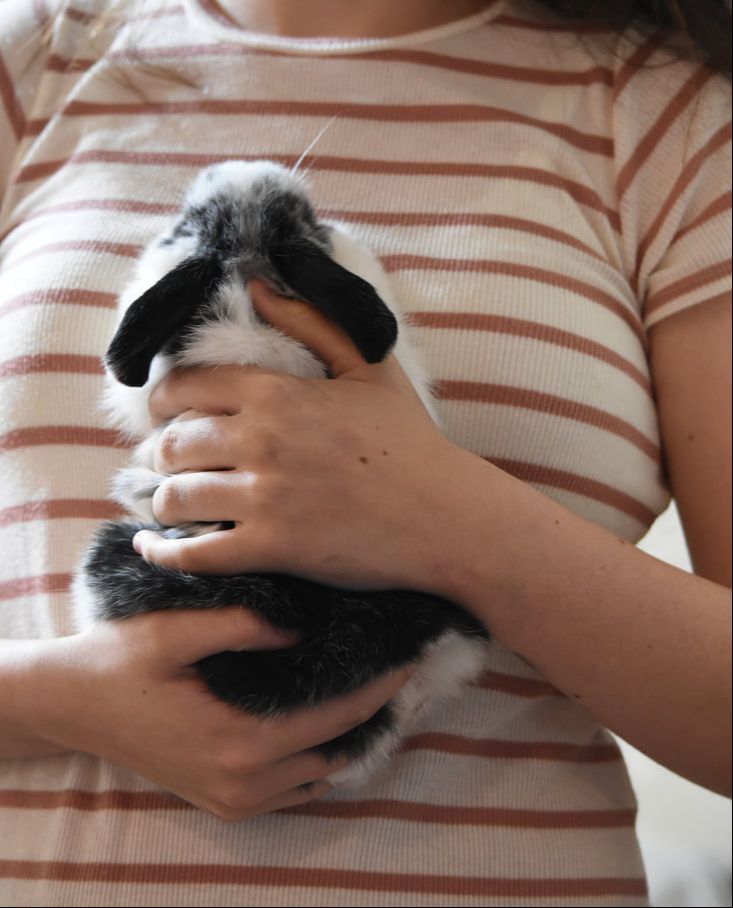
Image source: Bing (Web (fair-use with source credit))
On the grooming table, use what experienced groomers call the "football hold." Nestle the rabbit against your body with their head tucked under your arm. This position makes them feel secure and limits their ability to kick. It's the ideal position for brushing the rear, checking the vent, and trimming nails with the rabbit lying flat against your torso.
Reading the Stress Signals: When to Stop and Try Again Later
Rabbits are prey animals. They can't tell you they're stressed in words, but they broadcast it loud and clear through body language. Ignoring these signals is how sessions go from calm to chaotic to dangerous in seconds.
The earliest sign of stress is a change in breathing. Fast, shallow breaths or loud panting signal distress. When you're grooming, listen.
Stop and observe.
A rabbit that freezes, flattens its body against the table, or tucks its head down is trying to hide. This is fear behavior, and it can escalate quickly. Snorting, huffing, or growling are more obvious signals that the rabbit is uncomfortable.
If you hear these sounds, slow down and reassess.
Thumping a hind foot is the rabbit's alarm system. It means they perceive a threat. Continue at this point and the rabbit might try to bolt or lash out.
The goal isn't to force the rabbit through a grooming session. The goal is to make grooming a non-threatening experience, something the rabbit tolerates, and eventually accepts, even anticipates. If your rabbit shows signs of stress, stop, give them a treat, and try again later.
Even taking a few minute break can reset the situation.
Setting Up Your Grooming Station to Minimize Panic and Maximize Trust
You've got your tools and your handling technique. Now you need the right environment.
Quiet, calm, and familiar are the three keywords. A separate room with no other pets, no children running through, and no loud noises is ideal. Use the same room every time.
A rabbit's routine is everything; consistency reduces stress in their environment.
A dimmer light is better than a bright one. The rabbit feels exposed under harsh light. A corner of the room, where the rabbit feels more protected, is better than the middle of open space.
Play with your rabbit for a few minutes before you begin. Let them hop around and burn off some energy. This helps them relax and bonds the grooming session to a positive experience.
Once you start, move slowly and deliberately. Never grab. Never chase.
Let the rabbit come to you. The more you try to catch and pin them, the more they resist.
Step-by-Step Grooming Routine for a Lionhead Rabbit
The Pre-Grooming Health Check: What to Look For Before the First Brush Stroke
A full grooming session is also a health screening session. Before you start brushing, run through a checklist with your hands and eyes.
Check the eyes. Clear, shiny, no discharge. Cloudy eyes, squinting, or visible discharge are red flags.
Check the ears. They should be clean and pink on the inside. Excessive wax, debris, head tilting, or a strong odor indicate an ear infection.
Check the ear flaps carefully. These conceal mats and, occasionally, the early signs of flystrike.
Check the teeth. The front teeth should align properly and be of even length. Overgrown teeth, drooling, a wet chin, or a reduced appetite are signs of dental disease, which is common in Lionheads.
A wet chin also means the fur there is constantly damp, creating a mat risk.
Check the vent area and the sanitary area. These should be clean and dry. Soiling or slippery fur suggests digestive problems or an inability to clean itself.
This area is where flystrike starts.
Check the coat and the skin underneath. Part the fur in several spots. Look for flaky skin, red patches, bald spots, scabs, or insects.
Mites are common in rabbits with thick fur that traps moisture.
The Brushing Sequence: Direction, Pressure, and Stroke Patterns That Prevent Mats
The brushing itself follows a sequence. It's not random. It's deliberate.
Begin with a slicker brush on the body, starting from the back and working in sections. Brush in the direction the fur grows, moving in short, gentle strokes. Do not press hard.
The goal is to remove loose fur without pulling at the roots.
After the body, move to the mane. Use the fine-toothed comb here. Lift the mane in sections and comb through the base of the fur first.
Always work through a mat or tangle gently. A thick, dense mat can be pulled apart with your fingers first. Do not yank; you'll hurt the rabbit and cause them to fear grooming.
The head and ears need special attention. The fur around the ears is sparse and fine, and the ears themselves are delicate. Use a slicker brush with a light touch around the cheeks and chin.
Comb the ear tufts gently.
The belly and flanks are sensitive. Most rabbits hate having their bellies touched. Go slow.
A calm rabbit will often let you brush the belly if you give them time to relax.
How to Remove Mats Without Cutting Your Rabbit's Skin
The best strategy for mats is prevention. But if you're reading this because you've already got a mat problem, here's the safe removal method.
Never pull a mat. Never attempt to work a mat out with a force that causes the skin to lift. Pulling at the mat pulls on the skin, which is painful, and can cause bruising or tearing.
First, try to loosen the mat with your fingers. Slowly and gently pull it apart, section by section. For a mat that's tight, apply a waterless conditioner spray to soften the wool.
Use a de-matting comb as a last resort. If you must use it, slide the blade through the mat at a low angle, keeping it nearly parallel to the skin. Cut through the mat in small shavings.
If you can see the skin, stop. Always use scissors parallel to the skin. Never cut vertically into the mat, as this is how you accidentally cut the rabbit's skin.
Don't aim for perfect. If you get most of the mat away, leave the rest. The loose pieces will brush out over the next few days.
Better to leave a small tangle than to risk slicing your rabbit.
Safe Nail Trimming: The 4-6 Week Routine That Avoids the Quick
Your Lionhead needs nail trims every four to six weeks. If you hear clicking sounds on the floor when your rabbit hops, their nails are too long.
The safest way to trim nails is with a second person. One person holds the rabbit securely while the other trims. In the football hold, you can do it yourself if your rabbit is calm.
Look for the pink quick inside the nail. If you can see it clearly, you're dealing with a light-nailed rabbit. Clip just below the quick.
For dark-nailed rabbits, you can't see the quick. Clip only the tip. If you see a dark dot in the center of the cut surface, you're getting close to the quick.
Stop there.
Accidents happen. If you cut the quick, grab the styptic powder and press it into the bleeding nail. Hold pressure for about 30 seconds.
It stops the bleeding. If you don't have powder, cornstarch or flour works in a pinch, but they're less effective.
Cleaning the Eye Area and Preventing Tear Stains Without Bathing
Lionheads are prone to eye irritation because the fur around their eyes is long. These fur strands rub against the eyeball, causing tears to flow constantly. Those tears leave reddish-brown stains on the white fur.
Start by using a slightly damp cotton ball or a clean, damp cloth to gently wipe away any crusty discharge from the corners of the eyes. Use a fresh area of the cloth for each eye. This prevents cross-contamination.
For persistent tear staining, you can carefully trim the fur around the eyes with your blunt-tipped scissors and a steady hand. This helps keep the fur from irritating the eyeball. Gently brushing the fur away from the face and out from the corners of the eyes can also work.
Never use human tear stain removers or any chemical eyedrops. These products contain toxins that are dangerous to rabbits. If you notice persistent tears, swelling, or redness, schedule a vet visit immediately.
It could indicate a dental issue that's causing tear duct problems, or a foreign object in the eye.
The Do's and Don'ts of Lionhead Grooming
Why You Should Never Bathe a Lionhead Rabbit
Bathing a rabbit is one of the most dangerous things you can do. Rabbits panic in water. They thrash, and they can break their own spines in the struggle.
The shock of cold water can trigger a heart attack. Even warm water removes the natural oils from their coat, leaving the skin dry and vulnerable to infection.
If your Lionhead gets dirty, spot-clean the area. Use a damp cloth with warm water. For urine stains or sticky messes, use a rabbit-safe waterless shampoo.
Apply it to the soiled area, work it through the fur, and wipe it away with a clean cloth. Never submerge your rabbit. Never run water over their body.
Never use human shampoo, dog shampoo, or dish soap.
The only time a rabbit should get wet is under veterinary supervision. If your rabbit has a severe infestation or a medical condition requiring a bath, your vet will handle it with proper temperature control and drying equipment.
The Scruffing Myth: Handling Techniques That Break Trust and Spines
You've seen it in cartoons. You've seen it in movies. You've maybe even seen it in real life.
Someone picks up a rabbit by the loose skin on the back of its neck, and the rabbit goes limp. That limpness isn't calm. It's tonic immobility, a fear response where the rabbit's body shuts down because it believes it's about to be eaten.
Mother rabbits do carry their babies by the scruff, but only for the first few weeks of life, and only with a very light grip. Adult rabbits are too heavy for this handling method, and it damages trust, tears skin, and could cause muscle damage in the neck. It's a classic example of old advice that should stay in the past.
Per House Rabbit Society guidance, the safest way to pick up a rabbit is to place one hand under the chest and the other under the hindquarters, lifting with both hands simultaneously. The spine should stay horizontal. Support the feet at all times.
If a rabbit struggles, hold them against your body rather than gripping harder.
Common Product Mistakes That Cause Dry Skin and Irritation
The rabbit product aisle is full of items that look helpful but cause more harm than good. Our research and aggregate reviews point to a few recurring mistakes.
First, human grooming products are never safe for rabbits. Human shampoos, conditioners, and de-matting sprays contain chemicals and fragrances that strip the natural oils from rabbit fur. This leaves the skin dry, itchy, and prone to infections.
Second, dog and cat grooming sprays are often too strong. They may contain insect repellents or stain removers that are toxic to rabbits. Always look for a product label that explicitly says it's safe for rabbits.
Third, brushes with plastic balls on the bristle tips are a common mistake. Those plastic balls are designed for short-haired dogs and cats. They don't penetrate the wool undercoat of a Lionhead, so all you're doing is petting the top layer of fur while the undercoat mats underneath.
Fourth, human hair dryers are a risk. Heat burns rabbit skin, and the noise terrifies them. If your rabbit's fur gets damp, gently towel-dry and keep them warm until the fur is completely dry.
Mats, Tangles, and Wool Block: Troubleshooting the Big Three
Image source: Bing (Web (fair-use with source credit))
How to Identify a Mat Early Before It Tightens Against the Skin
Mats are easier to prevent than they are to remove. The key is catching them early, before they tighten against the skin and cause pain.
Run your hands over your rabbit's body every day when you interact. You're feeling for any area that feels different, lumpy, or rough. Mats often feel like small, hard balls under the fur.
They develop where the wool goes in different directions, like behind the ears, under the chin, and in the armpits.
A mat that's just starting will still have loose fur around it. You can often pull it apart with your fingers. A mature mat is tight against the skin and can cause the rabbit to flinch or pull away when you touch it.
An advanced mat is painful and may have skin irritation, redness, or a foul odor underneath.
If you find a mat, don't panic. Assess its size and tightness. If it's smaller than a pea and loose, work it out with your fingers.
If it's larger or tight, move to the removal technique in the next section.
Step-by-Step Mat Removal That Doesn't Hurt Your Rabbit
When you've got a mat that's too tight for finger separation, follow this sequence.
First, apply a waterless conditioner or grooming spray to the mat. This softens the wool and lubricates the fibers.
Second, try to separate the mat with your fingers. Work from the edges toward the center, pulling gently in opposite directions. This takes patience.
If the mat resists, don't force it.
Third, use the fine-toothed comb to work through the loosened sections. Comb from the outside of the mat inward, working in short strokes.
Fourth, if the mat still won't budge, use your blunt-tipped scissors. Slide the scissors under the mat, keeping them parallel to the skin. Cut through the mat horizontally, in the direction the fur grows.
This technique works the mat apart from the inside out without cutting the skin.
Fifth, if the mat is severely compacted or wrapped in skin folds, don't risk it. Use scissors only at the point where you can see the skin. If you can't see the skin, you can't see where you're cutting.
Take your rabbit to a professional groomer or vet.
Recognizing the Early Warning Signs of Wool Block and When to Call a Vet
Wool block is a life-threatening emergency. The sooner you recognize the signs, the better your rabbit's chances.
The earliest sign is a reduced appetite. Your rabbit may still eat their favorite treats but show less interest in hay. Next comes a decrease in fecal output.
The pellets become smaller, sparser, or disappear entirely. If you see small, misshapen pellets, your rabbit's gut is already slowing down.
By the time the rabbit stops eating completely, the situation is critical. The rabbit may sit hunched, grind their teeth, or show signs of abdominal pain. The stomach may feel firm or bloated.
Any of these signs means you call your vet immediately.
| Action | Timing |
|---|---|
| Increase grooming frequency | At the first sign of a heavy shed |
| Start daily brushing | If you see loose fur clumps |
| Call your vet | If appetite or fecal output drops |
| Emergency vet visit | If the rabbit stops eating entirely |
When to Call a Professional: Grooming Services and Vet Visits
Signs That At-Home Grooming Isn't Enough
Most Lionhead grooming happens at home, but there are times when you need professional help.
If your rabbit has severe matting that you can't safely remove, especially mats near the skin folds, call a professional. If your rabbit is aggressive or terrified during grooming, a professional can help with handling techniques. If you notice skin irritation, parasites, or signs of infection under the fur, your vet needs to see them.
If you're a new owner, a professional grooming session can be a learning experience. Watch how they handle the rabbit, how they use the tools, and how they calm a stressed animal. You'll pick up techniques that you wouldn't learn from reading about them.
How to Find a Rabbit-Savvy Groomer or Exotic Vet
Not every groomer knows how to handle rabbits. Regular dog and cat groomers may not have experience with rabbit safety, especially regarding spine handling and stress.
Search for a "rabbit-savvy" groomer or an exotic vet who offers grooming services. Ask the groomer about their experience with rabbits. Ask them how they handle a rabbit's spine.
Ask them how they manage stress. Ask them if they're familiar with the House Rabbit Society's guidelines.
Your vet will often know local groomers who work with rabbits. If you have an exotic vet, they may offer grooming services themselves. If not, they'll have a recommendation.
Look for warning signs. A groomer who picks up a rabbit by the scruff, uses a dog brush, or suggests bathing is not someone who should handle your rabbit.
What to Do If You Spot Mites, Parasites, or Skin Infections Under the Mane
Lionhead rabbits are prone to skin issues because their thick fur traps moisture and hides parasites. Mites, fleas, and skin infections are all common.
If you see small black specks in the fur, see bald patches, or notice your rabbit scratching excessively, it's time to see a vet. Your vet will perform a skin scraping to confirm the presence of mites or mites under a microscope.
Treat mites with a rabbit-safe product prescribed by your vet. Never use over-the-counter treatments meant for dogs or cats. They can be fatal to rabbits.
In the meantime, intensify your grooming routine. The combination of a proper brushing routine and veterinary treatment will resolve the issue.
Grooming as Bonding: Building Trust With Your Lionhead Over Time
How Regular Grooming Strengthens Your Relationship
Grooming is the best bonding tool you have with a Lionhead. When you groom your rabbit correctly, you're not just maintaining their coat. You're showing them that your hands mean no harm.
The rabbit learns that being handled doesn't lead to pain or fear, but to treats and comfort.
The key is consistency. Regular grooming sessions create a routine that rabbits love. They learn to associate the brush with a positive experience.
Over time, your rabbit will relax into the grooming session, maybe even close their eyes and enjoy it.
Every healthy grooming session is a deposit in the trust bank. The more positive interactions you have, the more bonded you become. A rabbit that trusts you is a rabbit that's easier to handle, easier to care for, and more interactive overall.
The Treat-and-Let-Go Routine: Finishing Every Session on a Positive Note
How you end a grooming session matters as much as how you begin. The last minute is what your rabbit remembers.
Always give a treat immediately after a grooming session. Rabbits learn by association. A treat after brushing teaches them that being brushed results in something good.
Try offering a small piece of banana, apple, or a pet-safe treat. Keep the treat portion small, just a taste.
After the treat, give your rabbit a moment to settle. Pet them gently, let them hop around, and let them feel like the grooming session is done. Don't immediately pick them up again or pull out the brush for one more stroke.
Let them go when they're ready, and they'll come back willingly next time.
Adapting Your Approach for Rescue Rabbits or Rabbits With Past Trauma
Rescue rabbits often come with baggage. They've been mishandled, neglected, or traumatized. They may be terrified of hands, of being picked up, or of the grooming brush.
Start slow. Spend days, or even weeks, simply sitting near your rabbit, allowing them to approach you. Offer treats from your hand.
Let them sniff you, and eventually let them groom you back.
Introduce the grooming brush slowly. Place it on the floor of their enclosure so they can investigate it. Once they're comfortable with its presence, start with a single, brief stroke on their back.
Give a treat immediately. Keep sessions short, and always end on a positive note.
Never force a rescue rabbit into a grooming session. Force breaks trust. Work at their pace, celebrate the small milestones, and let them learn that you're safe.
The trust you build with a rescue rabbit is worth every slow step.
Lionhead Grooming FAQs: Answers to the Questions Every Owner Asks
How Often Should I Groom My Lionhead Rabbit?
Groom your Lionhead two to three times per week. During heavy shedding seasons, groom daily. Double mane rabbits may need daily grooming year-round.
The key is checking for loose fur and mats. If you can pull out tufts of loose fur, it's time to brush.
Can I Use Human Hair Conditioner on My Rabbit?
No. Human conditioners contain chemicals and fragrances that are harmful to rabbits. They strip the natural oils from the coat and can cause skin irritation.
Use only rabbit-safe waterless conditioners or grooming sprays. If you're unsure about a product, ask your vet.
What Do I Do If My Rabbit Hates Being Brushed?
Start slow and keep sessions short. Offer treats during and after brushing. Use gentle, even strokes in the direction of fur growth.
Build a routine and include positive interactions around grooming. If your rabbit is extremely stressed, try brushing while they're eating their favorite treat. Over time, most rabbits tolerate, then enjoy, grooming.
Is It Okay to Shave My Lionhead in the Summer?
Shaving a Lionhead is generally not recommended. The coat provides insulation against heat, and shaving can lead to sunburn and temperature swings. Instead, brush more frequently to remove the loose undercoat that traps heat.
If you're concerned about overheating, keep your rabbit indoors in a cool, well-ventilated area.
Why Does My Rabbit Shed So Much Fur?
Lionheads shed heavily twice a year, in spring and autumn. Indoor rabbits with artificial lighting may shed more frequently. This is normal for the breed.
The key is managing the shed with daily grooming to prevent matting and wool block. If you notice bald patches or excessive scratching along with the shed, that's a red flag for mites.
Final Verdict: Your Weekly Lionhead Grooming Cheat Sheet
The Quick-Reference Routine for Busy Owners
Here's your no-nonsense weekly checklist.
| Day | Task | Time |
|---|---|---|
| Monday | Full body brush with slicker | 10 minutes |
| Wednesday | Mane comb + ear check | 5 minutes |
| Friday | Full brush + eye check | 10 minutes |
| Every 4-6 weeks | Nail trim | 5 minutes |
The Signs Your Grooming Routine Is Working
Your routine is on track if your rabbit's coat looks smooth and mat-free, if the skin underneath is pink and clean, and if your rabbit doesn't flinch or pull away when you brush. You should be able to run your fingers through the fur without hitting tangles. Your rabbit should have consistent, healthy fecal output.
No signs of wool block.
Your rabbit should seem relaxed during grooming sessions. A rabbit that tolerates grooming, or even enjoys it, is a sign that your handling is gentle and your routine is consistent.
When to Adjust Your Approach Based on Age, Health, and Coat Condition
As your rabbit ages, their grooming needs change. Senior rabbits may have arthritis, making it painful to groom themselves. You'll need to take over more of the cleaning duties.
Older rabbits also shed less, but their fur may become drier and more brittle.
During illness, grooming becomes even more critical. A sick rabbit may stop grooming itself entirely. Continue your regular grooming routine, but be extra gentle.
If your rabbit is in pain, skip the nail trim and postpone de-matting until they're feeling better.
Coat condition varies between individuals. Some Lionheads have thicker wool than others. You'll learn your rabbit's specific needs over time.
Trust what you see, and adjust your schedule accordingly.