
You're looking at a Weimaraner and wondering why the shedding never stops. Or maybe you've just brought one home and realized their short coat isn't as low-maintenance as everyone promised. Learning how to groom a Weimaraner properly makes a massive difference in your home, your dog's comfort, and how close you two become.
Trust me, this breed has a few quirks that'll catch you off guard if you're not ready.
The Weimaraner's double coat is the reason behind most grooming confusion. It's a dense, wiry topcoat over a soft undercoat that blows out twice a year, and understanding that structure changes everything about your approach. As of 2026, the American Kennel Club breed standard specifically notes the coat should be short, smooth, and sleek, but that doesn't mean it's maintenance-free.
Let's break down exactly what works, what doesn't, and how to keep that silver-gray coat looking glass-slick without driving yourself crazy.

Image source: Bing (Web (fair-use with source credit))
Quick Answer
Groom a Weimaraner with a rubber curry mitt weekly. Bathe every 6 to 8 weeks with oatmeal shampoo. Grind nails every 3 to 4 weeks.
Clean ears after every swim. Brush teeth three times weekly. Never shave the coat.
The Weimaraner Coat: Why It's Different From Other Short-Haired Dogs
Most people assume a short coat means zero grooming. That's the biggest misconception with this breed. The Weimaraner actually has a double coat, which changes everything about how you care for them.
The topcoat is dense, wiry, and close-lying. It gives them that sleek, athletic appearance most people picture when they think of the breed. But underneath that lies a softer, shorter undercoat that serves as insulation.
That undercoat is the real shedding culprit, and it's why you'll find silver hairs on literally everything you own.
Here's what makes them unique compared to other short-haired dogs:
- Double coat structure: Most short-haired breeds like Boxers or Dobermans have a single coat. Weims have two layers, which means more loose hair to manage.
- Seasonal blowouts: Twice a year, typically in spring and fall, they shed their undercoat heavily. This is called "blowing coat," and it's intense for roughly 2 to 3 weeks each time.
- Sensitive skin underneath: Their skin is thinner than many breeds, making them prone to irritation from harsh brushing tools or over-bathing.
- Natural oils matter: Those oils keep the coat waterproof and shiny. Strip them away with frequent bathing, and you'll end up with a dry, dull, itchy dog.
The double coat also means you should never shave a Weimaraner. Shaving destroys their natural insulation and temperature regulation. The coat often grows back patchy and stiffer, and in some cases, it never fully recovers its original texture.
This isn't just an aesthetic issue, it's a health and comfort issue for your dog.
Understanding the coat structure explains why your grooming routine looks different from what a Labrador owner does. You're not just brushing for appearance. You're maintaining a complex system that keeps your dog comfortable in both summer heat and winter cold.
The right tools and techniques work with that system, not against it.
The Grooming Kit: What You Need and What to Skip
You don't need a wall of fancy equipment to groom a Weimaraner well. In fact, most pet stores will try to sell you things this breed simply doesn't need. Let's keep it simple and practical.
Essential tools you actually need:
| Tool | Purpose | How Often You'll Use It |
|---|---|---|
| Rubber curry mitt or comb | Loosen and collect loose topcoat hair, distribute natural oils | 2-3 times weekly |
| Fine-toothed flea comb or shedding blade | Remove dead undercoat from feathers and tail | Weekly, daily during blowouts |
| High-velocity pet dryer | Blow out dead undercoat after bathing | Every bath |
| Nail grinder (Dremel-style) | Safely shorten nails without risking the quick | Every 3-4 weeks |
| Dog-safe ear cleaner and cotton balls | Remove moisture and debris from floppy ears | After every swim, weekly otherwise |
| Oatmeal-based dog shampoo | Clean without stripping natural oils | Every 6-8 weeks |
| Dog-specific toothbrush and toothpaste | Prevent dental disease | 3 times weekly |
The rubber curry mitt deserves special mention. It's the single most important tool in your Weimaraner grooming kit. Unlike slicker brushes that can scratch their sensitive skin, the rubber bristles gently lift loose hair while stimulating natural oil production.
This is what gives their coat that iconic glossy sheen.
A shedding blade is your second-best friend during blowout season. These metal tools look intimidating but work wonders on pulling out the dead undercoat that a mitt can't reach. Use it with light pressure, focusing on the back, hips, and thighs where the undercoat is thickest.
What to skip entirely:
- Slicker brushes: Too harsh for their thin skin, can cause micro-scratches and irritation.
- Furminator-style deshedding tools: These cut the coat rather than just removing loose hair. They're too aggressive for a Weimaraner's delicate coat structure.
- Human shampoo: The pH balance is completely wrong for dog skin and will cause dryness and itching.
- Cotton swabs for ears: You'll push debris deeper into the ear canal instead of removing it.
One piece of equipment worth investing in is a high-velocity dryer. These aren't cheap, but they're game-changers for this breed. After a bath, they blow out dead undercoat in minutes, cutting your shedding problem significantly.
Many owners rent one or use a self-serve dog wash station that has one built in.
Step-by-Step Grooming Routine
Brushing and Deshedding
Brushing a Weimaraner isn't about detangling, their coat rarely tangles. It's about removing dead hair before it ends up on your couch. The technique matters just as much as the frequency.
Start with the rubber curry mitt. Work in circular motions across the entire body, starting at the neck and moving toward the tail. The circular motion lifts dead hair from both coat layers without irritating the skin underneath.
Don't press hard. Let the mitt do the work, and let your dog's body language guide the pressure.

Image source: Bing (Web (fair-use with source credit))
After the mitt pass, switch to the fine-toothed comb for the feathering areas. These are the longer hairs on the backs of the front legs, the britches on the thighs, and the tail. These spots collect more debris and can develop small tangles even in short-coated dogs.
Gently comb through them, working from the skin outward.
For weekly deshedding, use the shedding blade on the back and hips. Hold it at a slight angle and pull in smooth, even strokes. You'll see gray hair accumulating on the blade almost immediately.
During shedding season, do this daily to stay ahead of the hair explosion.
Here's a visual guide to what your weekly brushing session should look like:
- Start with the rubber curry mitt, circular motions, whole body.
- Follow with the fine-toothed comb on feathers and tail.
- Finish with the shedding blade on back and hips.
- Wipe down with a damp microfiber cloth to catch remaining loose hairs.
The entire session should take 10 to 15 minutes. If your Weim is wiggly, break it into shorter sessions throughout the week rather than one long battle. Consistency matters more than duration.
Bathing and Drying
Bathing a Weimaraner is a balancing act. Too often strips essential oils, too rarely leaves them smelling like a swamp monster. The sweet spot is every 6 to 8 weeks, unless they've rolled in something that demands immediate action.
Use warm water, never hot. Their skin is thinner than most breeds, and hot water accelerates dryness. An oatmeal-based shampoo formulated for sensitive skin is your best choice.
It cleans effectively while soothing the skin barrier.
The rinse phase is where most people fail. Residual shampoo left on the skin causes irritation, itching, and that classic "Weimaraner itch." Rinse until the water runs completely clear, then rinse again just to be sure. I always recommend doing a final pass with clean water to guarantee zero residue.
Step-by-step bath process:
- Brush thoroughly before the bath to remove loose hair.
- Wet the coat completely with warm water.
- Apply shampoo diluted with water (diluted shampoo spreads easier and rinses cleaner).
- Work the lather from neck to tail, avoiding the eyes, ears, and nose.
- Let it sit for 3 to 5 minutes to actually clean.
- Rinse thoroughly until water runs completely clear.
- Rinse once more to be certain.
- Towel dry, then follow with a high-velocity dryer on cool or low-warm setting.
The high-velocity dryer does double duty. It dries the coat while simultaneously blowing out dead undercoat. Set it to cool or low-warm only.
Heat burns their thin skin easily. Use your rubber mitt while drying to slick the hair back and encourage that glossy finish.
Never use a human hair dryer. The concentrated heat and high settings are too dangerous for a Weimaraner's sensitive skin.
Nail Grinding and Trimming
Nail care is the most intimidating part of Weimaraner grooming, and for good reason. Their nails are typically dark or black, making the quick, the blood vessel inside, nearly impossible to see. One bad cut can cause significant pain and bleeding.
The safest approach is grinding rather than clipping. A Dremel-style nail grinder removes material in tiny increments, so you're far less likely to hit the quick. If you do nick it, the grinding action cauterizes the tip, minimizing bleeding.
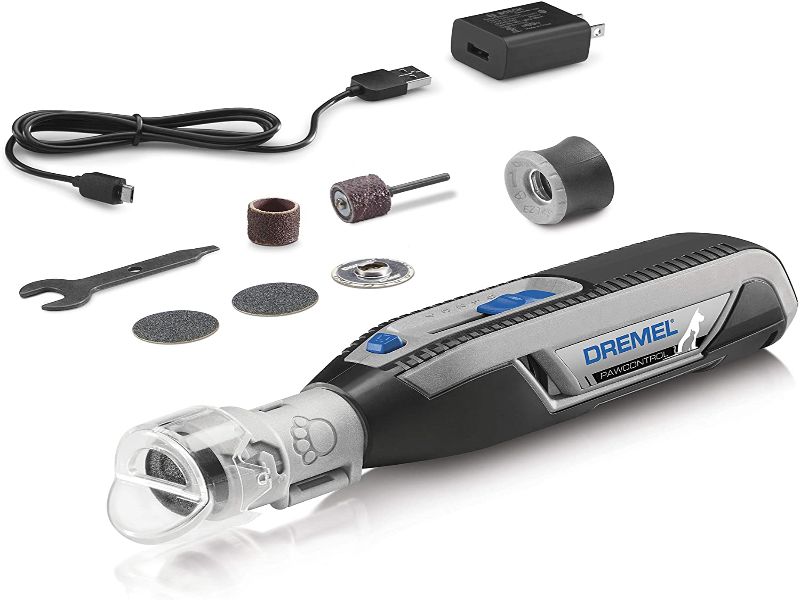
Image source: Bing (Web (fair-use with source credit))
For Weimaraners, I strongly recommend the grinder method. Here's why:
| Method | Risk Level | Speed | Skill Required |
|---|---|---|---|
| Grinder | Low | Slow | Beginner-friendly |
| Clippers | High | Fast | Experienced only |
If you use clippers, work with a partner. One person holds the dog, the other handles the nails. Cut tiny slices from the tip, examining the fresh cut surface after each one.
The moment you see a pale oval appearing in the center of the cut, stop. That's the start of the quick.
You can also grind until the nail looks like a blunt pencil point from underneath. When you see a small dark dot in the center of the cut surface, you've reached the quick's edge. Stop there.
Desensitization is critical. Many Weims hate the grinder's vibration and noise. Start by letting them sniff it while it's off. Then turn it on near them while giving treats.
Allow them to see it's not scary. Finally, touch it to their paw without cutting. This might take several sessions, but it's worth the patience.
Also, check the hair between their paw pads. It can grow long and collect ice balls in winter or mud and debris in summer. Use small, rounded scissors to trim this hair flush with the pad surface.
Ear Cleaning and Eye Care
Floppy ears are a signature Weimaraner feature, but they're also a health risk. The floppy shape traps moisture and limits air circulation, creating the perfect environment for bacterial and yeast infections. This is especially problematic because Weimaraners love swimming.
You should clean their ears weekly as a baseline, and after every swim or bath without exception. The process takes two minutes.
Proper ear cleaning technique:
- Fold the ear flap back to expose the inner ear.
- Saturate a cotton ball with vet-approved ear cleaning solution.
- Wipe the inner ear and the visible ear canal gently.
- Use a fresh cotton ball for the other ear.
- If the ears are wet from swimming, dry them with a dry cotton ball afterward.
Never use cotton swabs inside the ear canal. You'll push debris deeper and potentially damage the eardrum. Cotton balls are all you need.
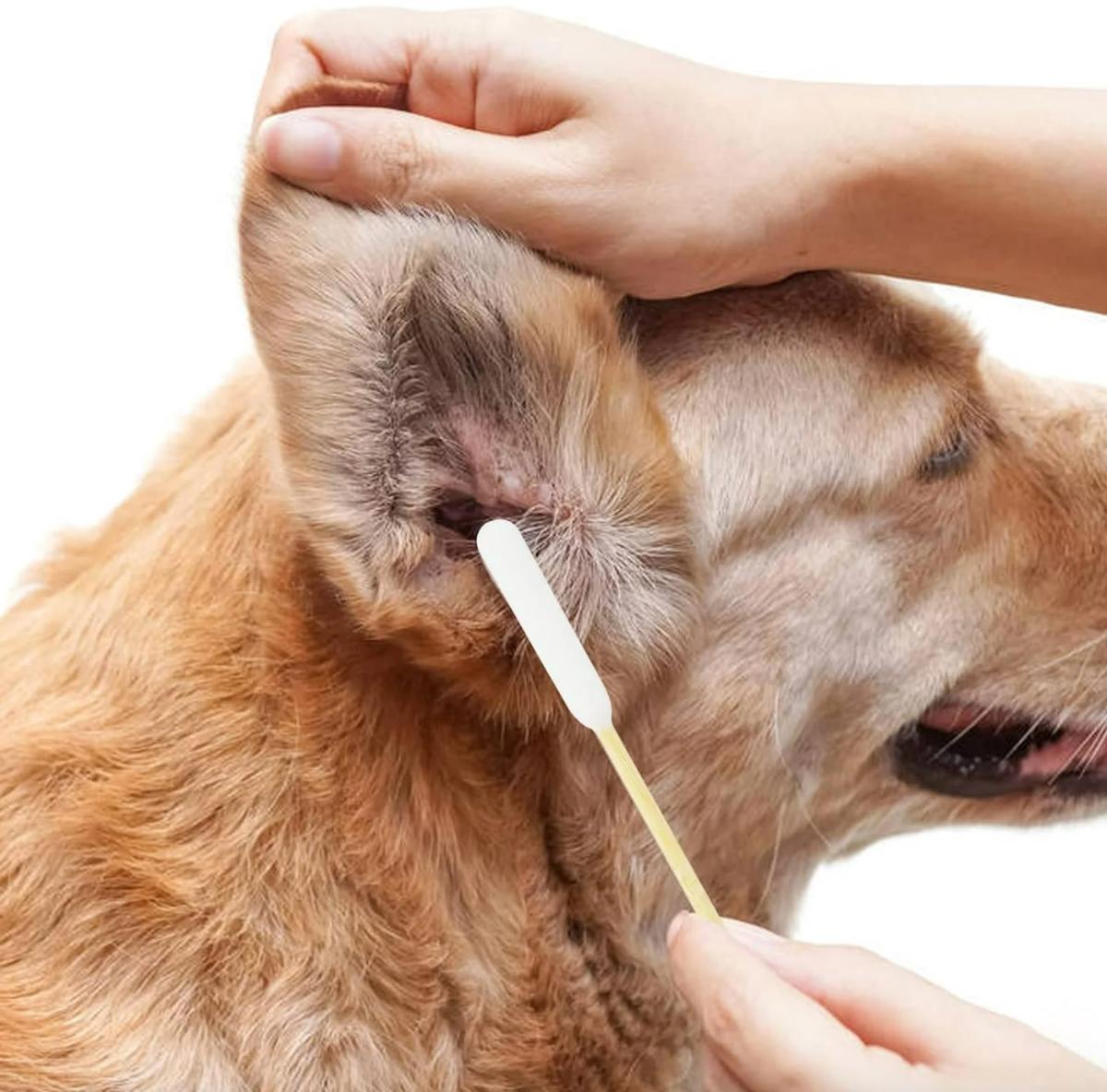
Image source: Bing (Web (fair-use with source credit))
Signs of an ear infection you should not ignore:
- Redness or swelling inside the ear
- Brown or yellow discharge
- Foul odor coming from the ear
- Head shaking or scratching at the ears
- Tilting the head to one side
If you notice any of these signs, visit your veterinarian. Ear infections don't resolve on their own, and delayed treatment makes them harder to clear.
Eye care is simpler. Weimaraners are active dogs that love running through brush, so they frequently get debris in their eyes. Wipe away any discharge or dirt with a damp cotton ball.
Watch for persistent redness, cloudiness, or excessive tearing, which warrant a vet visit.
Dental Care
Dental disease is the quiet health threat for Weimaraners. By age three, most dogs have some degree of periodontal disease, and this breed is no exception. The good news is that regular brushing completely changes that trajectory.
You need a dog-specific toothbrush and toothpaste. Human toothpaste contains fluoride and xylitol, both toxic to dogs. Never use it.
Brushing technique that works:
- Lift the lip to expose the outer surfaces of the teeth.
- Angle the bristles toward the gum line.
- Brush in small circles, focusing on the upper rear teeth.
- Aim for 30 seconds per side.
Brush three times weekly as a baseline. Daily is even better. If your Weim resists, start with just touching the teeth and work up slowly.
Use positive reinforcement, treats, and a calm voice.
Dental chews and toys supplement brushing but never replace it. They don't clean along the gum line effectively. Think of them as bonus cleaning, not your primary strategy.
If you notice persistent bad breath, yellow or brown buildup on the teeth, or bleeding gums, schedule a veterinary dental cleaning. This typically requires anesthesia, so your vet will guide you through the process and timing.
The Shedding Problem: How to Actually Manage It
Let's be honest about Weimaraner shedding. These dogs shed constantly, and no amount of brushing will ever eliminate it entirely. But you can manage it to a point where it doesn't drive you insane.
The key is understanding that Weimaraner shedding has two phases. The first is constant, low-level shedding year-round. The second is the seasonal blowout, where the undercoat comes out in clumps for 2 to 3 weeks each spring and fall.
During regular shedding periods, your weekly brushing routine is enough. The rubber curry mitt catches most of the loose hair before it lands on your furniture. A damp microfiber cloth wipe-down at the end catches the stragglers.
During blowouts, you need to level up your game. Brush daily, use the shedding blade more aggressively, and consider a high-velocity dryer session to blow out the dead undercoat. This is also the time when a professional groomer becomes worth the money, since they have industrial-grade dryers that can remove in minutes what takes you a week.
A few practical tips for managing shedding:
- Use a lint roller for your clothes, it's the fastest fix.
- Run an air purifier in your main living areas, it catches floating hair.
- Wash your dog's bedding weekly to prevent hair buildup.
- Vacuum with a pet-specific vacuum that doesn't clog on hair.
The seasonal aspect of Weimaraner shedding also means your grooming routine should adapt throughout the year. In spring, you're dealing with the winter undercoat coming out in clumps. In fall, you're clearing the summer coat that's thickened up for winter.
Your brushing frequency should increase during these periods rather than staying static.
One common misconception is that feeding your dog a raw diet or adding supplements will stop shedding entirely. That's not true. Good nutrition supports coat health, but even a perfectly healthy Weimaraner will shed.
The goal is managing the shedding, not eliminating it.
Mistakes to Avoid: Shaving, Over-Bathing, and Bad Nail Cuts
Never Shave a Weimaraner
This is the single biggest mistake you can make with this breed. Shaving a double-coated dog destroys their natural insulation system. The coat grows back patchy, stiffer, and often unevenly.
In some cases, it doesn't fully regrow at all.
Weimaraners have thin skin and loose-fitting coats. Shaving exposes that sensitive skin to sunburn, insect bites, and temperature extremes. The coat is there for a reason, and removing it causes more problems than it solves.
Over-Bathing Causes Skin Issues
You might think bathing your Weim weekly keeps them clean. In reality, you're stripping away the natural oils that protect their skin and coat. The result is dry, itchy skin, dandruff, and a dull coat that looks anything but sleek.
Bathe every 6 to 8 weeks unless your dog rolls in something foul. If you need to freshen them up between baths, use a waterless shampoo or just wipe them down with a damp cloth. Your dog's skin will thank you.
Bad Nail Cuts
Nail care mistakes cause pain, bleeding, and a dog that runs away the moment they see the clippers. Cutting into the quick is the most common issue, and it's easily avoided by using a grinder instead of clippers.
If you do hit the quick, stay calm. Apply styptic powder or cornstarch to the tip to stop bleeding. It will resolve in a few minutes, and your dog will recover quickly with positive reinforcement.
Using the Wrong Brush
Slicker brushes are far too harsh for a Weimaraner's thin skin. They can cause micro-scratches, irritation, and a dog that dreads brushing sessions. Stick to rubber curry mitts and shedding blades, which are gentler and just as effective.
Skipping Ear Care
Many owners forget about ear care entirely, then wonder why their Weim develops infections. Their floppy ears trap moisture and debris, creating a breeding ground for bacteria. Weekly cleaning and post-swim drying prevent the vast majority of ear problems.
Neglecting Dental Care
Dental disease is silent, progressive, and costly to fix. By the time you notice bad breath, the disease has already advanced. Regular brushing at home adds years to your dog's life and prevents painful dental procedures later.
With these mistakes avoided, you'll have a healthier, happier Weimaraner with a better coat, cleaner ears, and longer-lasting dental health.
Seasonal Grooming Adjustments: Winter Dryness and Summer Swimming
Weimaraners are adaptable dogs, but their grooming needs shift with the seasons. What works in August won't cut it in January, and vice versa.
Winter: Combat Dry Skin
Winter is the season of dry skin for Weimaraners. Indoor heating strips moisture from the air, which dries out their skin. You'll notice flakiness and more scratching than usual.
To manage winter dryness:
- Turn on a humidifier in the room where they sleep.
- Add a high-quality omega-3 fish oil supplement to their food.
- Reduce bathing frequency to every 8 to 10 weeks.
- Brush regularly to distribute oils across the coat.
The omega-3 supplement works from the inside out. It supports skin health and coat quality, reducing the itchiness that comes with dry winter air. You'll see results within 3 to 4 weeks of daily supplementation.
Summer: Manage the Water Dog
Weimaraners love water, whether it's lakes, rivers, or the backyard sprinkler. This creates two summer grooming challenges: moisture in the ears and wet dirt on the coat.
Make ear care non-negotiable after every swim. A quick dry with a cotton ball prevents the moisture buildup that leads to ear infections.
For the coat, a quick rinse with fresh water after a swim removes lake or river debris. Then towel dry and brush. This prevents dirt from settling into the coat and causing irritation.
You should also increase your flea and tick prevention in summer. These pests are more active in warm weather, and Weimaraners' short coats make them easy targets. Check for ticks after every outdoor adventure.
Spring and Fall: Blowout Season
These are the months your grooming routine gets intense. The undercoat is releasing, and you'll see hair everywhere. Brightening up your brushing routine during these periods is essential.
Brush daily during blowout season. Use the shedding blade more frequently, and consider adding a weekly high-velocity dryer session. This keeps the shedding under control and prevents mats from forming in the undercoat.
When to Call a Professional Groomer
Weimaraners are perfectly manageable at home for most grooming tasks. But there are situations where a professional groomer is the right call.
Consider a professional when:
- Your dog is aggressive or anxious about grooming, especially nail trimming.
- You're dealing with an extreme coat blowout that home brushing can't keep up with.
- You're preparing for competition and want a perfect finish.
- Your dog has a skin condition that needs careful handling.
- You physically can't manage a large, strong dog on your own.
A professional groomer can handle nail trimming that you're too anxious about, which is the most common reason owners seek help. They also have industrial-grade high-velocity dryers that make blowout management much faster. And for dogs that hate grooming, professional experience matters.
Professional grooming costs vary, but you can expect $50 to $90 for a full session. That usually includes brushing, deshedding, bathing, drying, ear cleaning, and nail trimming. It's worth it for the peace of mind, even if you handle the rest at home.
The most important message here is that professional grooming isn't a failure. It's simply another tool in your grooming toolbox. You can do the weekly maintenance at home, then bring in a pro for the harder tasks.
Grooming as Bonding: Handling the "Velcro Dog" Temperament
Weimaraners are famously called "velcro dogs" because they want to be attached to you at all times. This temperament has a huge impact on grooming. Done right, grooming becomes a bonding experience that strengthens your relationship.
Done wrong, it becomes a stressful battle that makes your dog avoid you.
The key is making grooming a positive experience from the start. Start sessions when your dog is calm, not when they're full of energy. A tired dog is a cooperative dog, so schedule grooming after a long walk or play session.
Use treats generously during grooming. Reward your dog for standing still, allowing paw handling, and tolerating brushes. This builds positive associations with the entire process.
A few techniques for a cooperative Weim:
- Start grooming sessions short and positive, even just 5 minutes.
- Speak in a calm, soothing voice throughout.
- Use peanut butter on a mat to distract them during nail grinding.
- Stop if your dog gets too stressed, then try again later.
- End every session with praise and a treat.
Weimaraners are sensitive dogs. They pick up on your energy and mood. If you're anxious about an activity, they'll be anxious too.
Staying calm and confident helps them stay relaxed.
The patience you invest in grooming builds trust that pays off everywhere else. A Weim that tolerates grooming is easier to handle at the vet, with children, and in social situations. It's well worth the effort.
Frequently Asked Questions
How often should I brush my Weimaraner?
Brush your Weimaraner 2 to 3 times weekly during normal periods. Increase to daily during spring and fall blowout seasons. Each session takes 10 to 15 minutes and prevents loose hair from ending up on your furniture.
Can I use a Furminator on my Weimaraner?
No. The Furminator's blade cuts the coat rather than just removing loose hair. This damages the Weimaraner's delicate double coat and thin skin.
Use a rubber curry mitt and shedding blade instead, which are gentler and just as effective.
Why does my Weimaraner have dandruff?
Winter dandruff comes from dry air and indoor heating. Add a humidifier to your dog's sleeping area and supplement their food with omega-3 fish oil. Reduce bathing frequency to every 8 to 10 weeks to allow natural oils to build up.
How do I clean my Weimaraner's ears safely?
Fold back the ear flap and wipe the inner surface with a cotton ball saturated in vet-approved ear cleaner. Never use cotton swabs, which push debris deeper. Clean weekly and after every swim to prevent ear infections.
How often should I bathe my Weimaraner?
Bathe every 6 to 8 weeks with oatmeal-based dog shampoo. More frequent bathing strips natural oils and causes dry, itchy skin. If your dog gets dirty between baths, use a waterless shampoo or wipe them down with a damp cloth.