
Rats get a bad rap when it comes to cleanliness. The truth is, they're fastidious groomers by nature, spending hours each day cleaning themselves and their cage mates. But even the most diligent rat needs a helping hand sometimes, especially when it comes to the things they can't reach or manage themselves.
Learning how to groom a pet rat isn't about vanity or making them "pretty" for Instagram. It's a critical part of responsible rat ownership that directly impacts their health, comfort, and lifespan. Grooming sessions are also your best opportunity for a hands-on health check, allowing you to catch early signs of tumors, mites, or respiratory issues before they become emergencies.
As of 2026, veterinary guidelines emphasize that regular at-home grooming is one of the most effective preventative care measures you can provide, potentially reducing the frequency of stress-related vet visits.
Quick Answer
Grooming a pet rat means trimming nails, cleaning ears and scent glands, and inspecting skin and fur. Use small animal nail clippers every 2 to 4 weeks. Wipe scent glands with a damp cloth several times weekly.
Bathe only in emergencies. Always pair grooming with a hands-on health check. Never use human shampoo or blow dryers.
When in doubt, do less rather than more.
Why Grooming Matters More Than You Think
The Difference Between "Pretty" and "Healthy" in Rats
A rat's grooming needs are fundamentally different from a dog's or cat's. You're not aiming for a show-ready coat. You're aiming for a clean, healthy animal that can breathe easily, move comfortably, and avoid skin infections.
A rat's natural self-grooming handles about 90% of the work. Your job is to manage the remaining 10%, specifically the areas they physically cannot clean properly or situations where their own efforts fall short.
The areas that matter most are the ones rats struggle with themselves. Their nails grow continuously and can curl into their foot pads if left untrimmed, causing pain and leading to bumblefoot. Their ears accumulate wax that they can't reach.
Male rats, in particular, develop a greasy buildup around their scent glands that needs regular wiping. These aren't cosmetic issues. They're health issues waiting to happen.
How Grooming Helps You Catch Illness Early
Rats are prey animals, and they hide illness masterfully. By the time a rat shows obvious signs of being sick, the condition is often well advanced. Regular grooming sessions give you a structured, hands-on opportunity to feel for lumps, check for skin irritation, and observe changes in body condition that might otherwise go unnoticed.
During a proper grooming session, you should be palpating your rat's belly for masses, checking their ears for redness or discharge, inspecting their fur for flakes or bald patches, and listening to their breathing for any wheezes or clicks. This isn't paranoia. It's the single most effective early detection system available to a rat owner.
Tumors in rats are incredibly common, especially in females, and catching one at pea-size rather than marble-size dramatically improves treatment options.
The Rat Grooming Essentials: What You Actually Need
Nail Clippers, Wipes, and Tools That Work
You don't need a fancy grooming kit. You need a few specific, reliable tools that are appropriately sized for a small animal. The right equipment makes the job safer and less stressful for both you and your rat.
| Tool | Purpose | Key Specification |
|---|---|---|
| Small animal nail clippers | Trimming overgrown claws | Guillotine or scissor-style, sized for rats, not cats or dogs |
| Styptic powder or styptic pen | Stopping bleeding if you cut the quick | Must be pet-safe, not human-grade |
| Cotton swabs or soft cloths | Cleaning ears and wiping scent glands | No cotton balls, they leave fibers |
| Unscented, alcohol-free pet wipes | Spot cleaning fur and tail | Check pH balance, avoid human baby wipes |
| Soft-bristled toothbrush | Gentle coat brushing for sensitive rats | Baby-sized or extra-soft |
Why Less Is More: The Minimalist Approach
The golden rule of rat grooming: when in doubt, do less. Over-grooming is a real problem, and it's almost always well-intentioned. Too many baths strip the natural oils from a rat's skin, leading to dryness, itching, and a rebound effect where the skin produces even more oil to compensate.
Too much ear cleaning can push wax deeper into the ear canal or damage the delicate tissue.
The minimalist approach means you intervene only when there's a genuine need. A healthy rat with normal access to dust-free bedding and clean cage conditions rarely needs a full bath. Nail trims are the exception, not the rule.
They need to happen regularly, usually every 2 to 4 weeks depending on how fast your rat's nails grow and what surfaces they walk on. Everything else is situational.
Products You Should Never Use on a Rat
This list is short but non-negotiable. These products can cause serious harm, and no amount of dilution or "gentle formula" marketing changes that.
- Human shampoo or soap. A rat's skin pH is different from ours. Human products strip their natural oils and cause severe dryness and irritation. Even "baby shampoo" is off the table.
- Dog or cat flea shampoos. The active ingredients are often toxic to rats, and the dosing is impossible to adjust safely for such a small animal.
- Alcohol-based wipes. These dry out and irritate sensitive skin, and the fumes can be harmful if inhaled.
- Essential oils. Even diluted, many essential oils are toxic to rats. Their respiratory systems are extremely sensitive, and inhalation can cause severe distress or pneumonia.
- Cornstarch or flour as a styptic substitute. These can introduce bacteria into an open wound and don't actually promote clotting effectively.
The Pre-Grooming Health Check: Always Do This First
Reading Your Rat's Eyes, Ears, and Breathing
Before you even pick up the clippers, take 60 seconds to assess your rat's overall condition. This isn't just a formality. It's a safety check that determines whether grooming is appropriate right now or whether you need to stop and seek veterinary advice instead.
Start with the eyes. They should be clear and bright, with no crusting or discharge. A reddish-brown substance around the eyes or nose, called porphyrin, is normal in small amounts, especially after sleep.
Excessive porphyrin staining is a red flag. It indicates stress or illness, and grooming should be postponed until you've addressed the underlying cause.
Next, listen to the breathing. Hold your rat near your ear and listen for any clicking, wheezing, or raspy sounds. Healthy rat breathing is silent.
Any audible respiratory noise is a warning sign, and respiratory infections are the number one killer of pet rats. If you hear anything concerning, skip the grooming session entirely and consult your vet.
When to Skip Grooming and Call a Vet Instead
Sometimes, the safest grooming decision is not to groom at all. Certain conditions require professional veterinary attention, and attempting to groom an animal in distress can worsen the situation.
Skip grooming and call your vet if you notice any of the following:
- Audible respiratory distress, including wheezing, clicking, or open-mouth breathing
- Visible wounds, abscesses, or bleeding
- Severe mite or lice infestation with extensive hair loss and raw skin
- Lethargy, hunched posture, or obvious pain
- Any mass or lump that has appeared suddenly or is growing rapidly
These aren't grooming issues. They're medical emergencies. Trying to bathe a rat with a respiratory infection can easily tip them into crisis, as the stress and temperature change exacerbate their condition.
How to Handle a Nervous or Wriggly Rat
A calm rat makes grooming infinitely easier. A stressed rat is more likely to squirm, bite, or injure themselves trying to escape. The key is to make grooming feel like a normal, positive part of your interaction, not a scary ordeal.
Start by grooming in a quiet, familiar environment. A tabletop or your lap works well, as long as the surface is stable and your rat feels secure. Offer a small treat before, during, and after the session.
Something like a piece of banana or a bit of plain yogurt works wonders for building positive associations. If your rat is particularly wriggly, wrap them gently in a soft towel, leaving only the limb you're working on exposed. This technique, sometimes called a "rat burrito," provides security and prevents sudden movements.
Step-by-Step: The Safe Grooming Routine
Nail Trimming Without the Drama
Nail trimming is the most frequent grooming task, and it's the one most owners dread. The fear of cutting the quick, the pink vein running through the nail, is legitimate. It bleeds, it hurts, and it makes future trims harder.
But with the right technique, it becomes a quick, routine task.
Here's how to do it safely:
- Identify the quick. In a rat with clear or white nails, the quick is visible as a pink line inside the nail. In rats with dark nails, it's much harder to see. Shine a bright light behind the nail to help identify where the quick ends.
- Hold the paw gently but firmly. Use your thumb and index finger to isolate the nail you're trimming. Never pull or twist the toe.
- Cut at a 45-degree angle. Trim just the tip of the nail, staying well below the quick. If you're unsure, take off less. You can always trim more, but you can't un-cut a nail.
- File the edge if needed. Some owners prefer to use a small nail file or emery board to smooth any rough edges. This isn't strictly necessary, but it can prevent the rat from snagging the nail on bedding or fabrics.
If you do cut the quick, don't panic. Apply styptic powder directly to the nail tip and apply gentle pressure for 30 seconds. The bleeding will stop.
Keep the rat calm and quiet for a few minutes afterward.

Image source: Bing (Web (fair-use with source credit))
Ear Cleaning That Actually Helps
Rat ears are delicate, and the ear canal is fragile. You shouldn't be poking around inside with anything. The goal is to clean the visible part of the outer ear and the opening of the canal, not to deep-clean the inner ear.
Use a cotton swab or a soft cloth slightly dampened with warm water. Gently wipe the outer ear and the folds around the opening. If you see a buildup of dark wax, you can carefully wipe it away, but stop at the first sign of resistance.
Never insert a swab into the ear canal itself. You risk pushing wax deeper or damaging the eardrum, both of which can lead to infections or hearing loss.
A small amount of earwax is normal and healthy. It protects the ear canal. You're only cleaning when there's visible buildup or when your vet has recommended it as part of a treatment plan.
Managing Scent Gland Buildup
This is the task that surprises most new rat owners. Male rats, and occasionally females, have scent glands that produce an oily, yellowish discharge. These glands are located in specific spots: the base of the tail, the chin, and sometimes the genitals.
In unneutered males, this buildup can become quite thick and sticky if not managed.
The buildup isn't harmful in itself, but it can become a breeding ground for bacteria if left unchecked, leading to skin infections. It can also cause discomfort and matting of the fur around the gland.
To clean the area, dampen a soft cloth with warm water and gently wipe the gland. You can use a drop or two of a gentle, unscented pet-safe cleanser if needed, but plain water usually does the trick. Don't scrub.
The skin in these areas is sensitive. A few gentle wipes should loosen the buildup. For stubborn buildup, let the damp cloth sit on the area for 30 seconds to soften it before wiping.

Image source: Web (Bing) / allanspetcenter.com (Web image (fair-use with source credit))
Coat Care for Different Fur Types
Most pet rats have a standard smooth coat that requires minimal intervention. A quick wipe with a damp cloth or a gentle brush with a soft-bristled toothbrush is usually enough to remove loose fur and dander. Some rats actually enjoy being brushed, and it's a great bonding activity.
Rex rats, with their curly, crinkled coats, need a slightly different approach. Their fur is more fragile and prone to breakage. Avoid vigorous brushing, which can damage the curl.
Instead, gently comb through the coat with your fingers or a very soft brush. The main concern with rex coats is dry skin, so focus on maintaining proper humidity and offering a diet rich in healthy fats.
Hairless rats, often called "naked" rats, have unique needs. They have no fur to absorb natural oils, which means their skin can become dry, flaky, and prone to irritation. They should never be bathed unless specifically instructed by a vet.
Instead, they benefit from a gentle moisturizing routine. A tiny amount of a rat-safe, fragrance-free moisturizer, such as a small dab of coconut oil, can be rubbed into their skin to prevent dryness. Always check with your vet first before using any product on a hairless rat.
The Bath Question: When You Actually Need Water
Why Most Rats Never Need a Full Bath
Healthy adult rats living in clean cages with dust-free bedding simply don't need regular water baths. Their own grooming habits, combined with spot cleaning and proper cage maintenance, handle everything a bath would accomplish. Water baths are stressful, they strip natural oils, and they carry a real risk of respiratory complications if not done perfectly.
The evidence is clear across veterinary guidance for small mammals. Bathing a rat is not a routine maintenance task. It's an intervention reserved for specific situations.
When you understand that, you'll stop viewing the bath as a regular chore and start treating it as what it actually is: a medical procedure with risks and benefits.
The Emergency Bath Protocol
So when does a rat actually need a bath? The short list includes exposure to toxic substances, severe feces or urine matting that spot cleaning can't resolve, and certain parasite treatments that require a rinse. In these cases, you need a protocol that minimizes stress and maximizes safety.
Here's the step-by-step emergency bath process:
- Fill a shallow container with warm water. The water should be tepid, around 85 to 90 degrees Fahrenheit. Never hot. Never cold. The depth should be no more than an inch, just enough to wet the fur without submerging the body.
- Use a rat-safe shampoo. If you must use soap, choose a small-animal-specific formula, not a cat or dog shampoo. Even then, use a tiny amount. A drop the size of a pea is plenty for a full rat.
- Wet the body, not the head. Keep the rat's head completely dry. Water in the ears or nose can cause infections or aspiration. Use a cup or your hand to gently pour water over the body.
- Lather and rinse thoroughly. Work the shampoo through the fur gently. Rinse until the water runs completely clear. Soap residue is a skin irritant, and if the rat grooms it off, it becomes a stomach irritant.
- Dry immediately and completely. This is the most critical step. Wrap the rat in a warm, dry towel and pat gently. Don't rub. Switch to a second dry towel when the first becomes damp. Keep the rat in a warm, draft-free room until the fur is fully dry.
How to Dry Without Risking Hypothermia
Hypothermia is the real danger after a rat bath. A wet rat loses body heat rapidly, and their small body mass makes it hard for them to regulate their temperature. A healthy rat can go into shock within minutes if drying isn't handled properly.
Never use a blow dryer. The noise alone is terrifying for a rat, and the hot air can easily burn their sensitive skin. The stress of the experience can trigger a respiratory crisis in susceptible animals.
Instead, rely on towel drying and a warm environment. Keep your rat in a heated room, around 75 to 80 degrees Fahrenheit, until completely dry. You can place them in a carrier with a warm water bottle wrapped in a towel for additional warmth.
Monitor them closely for the next hour. Shivering, lethargy, or labored breathing are emergency signs that require immediate veterinary attention.
The bottom line is simple. A bath should be the last resort, not the first instinct. If you're unsure whether your rat needs a bath, they probably don't.
Grooming by Coat Type: Rex, Hairless, and Standard
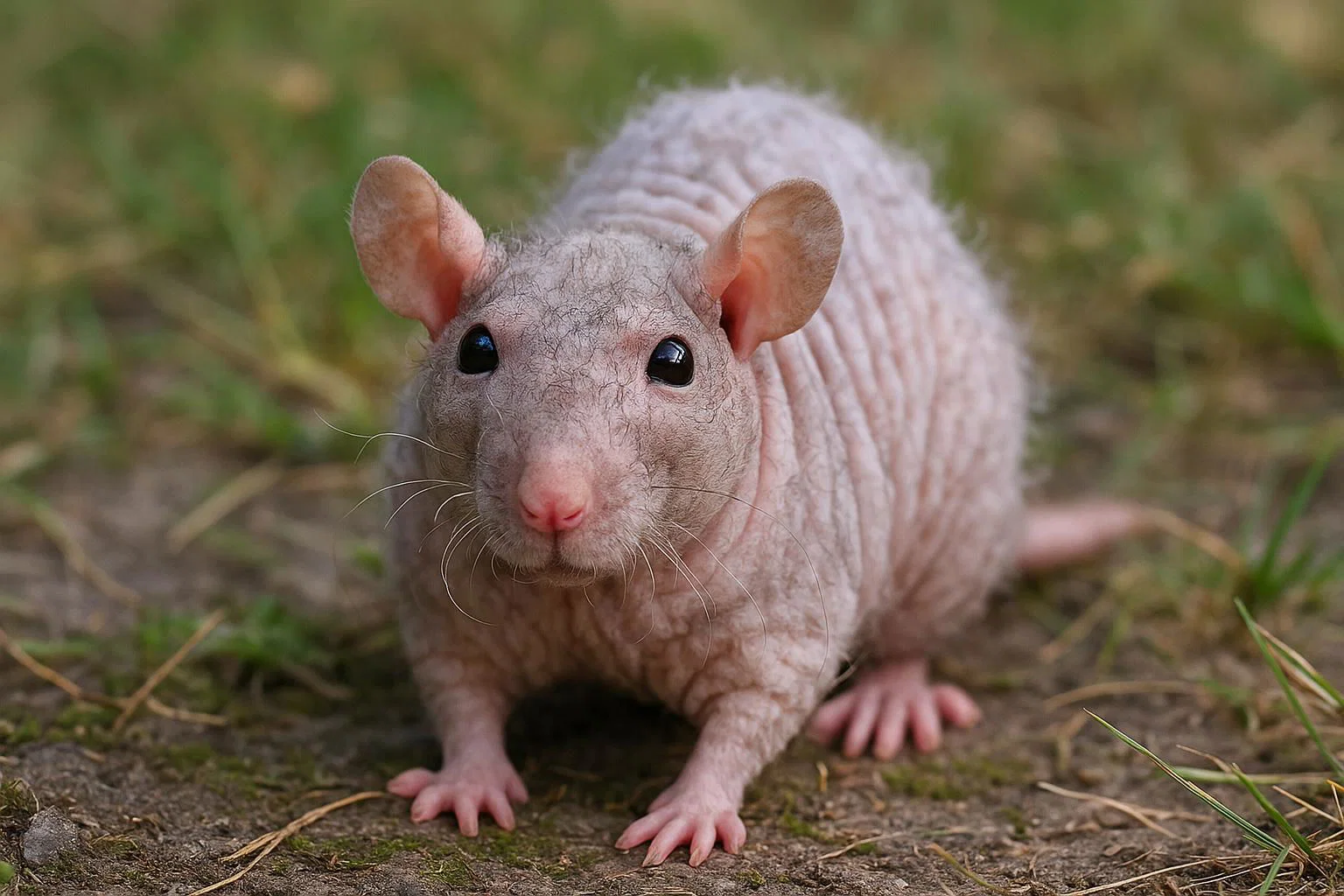
Image source: Bing (Web (fair-use with source credit))
Rex and Curly-Coated Rats: Extra Care
Rex rats are beloved for their soft, crinkly curls. Those same curls make their fur more fragile than a standard coat. Each hair is more prone to breakage, and the coat as a whole offers less insulation and protection than a smooth coat.
The biggest grooming concern for rex rats is dry skin. The curly fur doesn't distribute natural oils as effectively as straight fur, leaving patches of dryness, flakiness, and itchiness. Regular gentle brushing with a soft-bristled toothbrush can help redistribute those oils and remove loose fur before it mats.
Avoid over-brushing, which can pull at delicate hairs and cause breakage. A few gentle passes a couple of times per week is sufficient. Some rex rats develop patches of thinning fur or even temporary baldness as they age, which is normal and not typically a cause for concern.
If the skin looks red, inflamed, or crusty, that's a different story, and a vet visit is warranted.
Hairless Rats: Moisture, Not Water
Hairless rats take grooming to a completely different level. Without fur to protect their skin, they're exposed to the elements, prone to dryness, and vulnerable to scratches and irritation. Their skin produces oils that have nowhere to go, which can lead to buildup that looks like a waxy film over their body.
You should never give a hairless rat a full bath unless a vet explicitly instructs you to. Water strips what little natural protection they have, leaving their skin raw and vulnerable. Instead, grooming a hairless rat focuses on hydration and gentle cleaning.
Use a soft, damp cloth to wipe away any visible dirt or oil buildup. Follow up with a tiny amount of a rat-safe moisturizer, such as coconut oil or a fragrance-free lotion recommended by your vet. A dab the size of a grain of rice is plenty.
Rub it in gently, focusing on dry patches like the shoulders and back.
Standard Coats: Light Maintenance
If you have a standard smooth-coated rat, your grooming routine is remarkably simple. These rats have self-regulating coats that handle most maintenance on their own. Your role is limited to spot cleaning, nail trims, and periodic health checks.
A quick weekly wipe-down with a damp cloth removes surface dirt and dander. Some rats enjoy being brushed with a soft toothbrush, and it's a fine bonding activity, but it's not strictly necessary for coat health. The main things to watch for are sudden changes in fur condition, such as greasiness, thinning, or bald patches, which can signal illness, stress, or hormonal imbalances.
The standard coat is also the easiest to check for external parasites. Part the fur in several places and look for tiny moving specks, black or red in color, which indicate mites or lice. You're also looking for scabs, especially around the neck, shoulders, and base of the tail, which are classic signs of a mite infestation.
Senior and Special-Needs Rats: Adjusting Your Approach
Arthritis-Friendly Grooming Positions
As rats age, their grooming habits change. Older rats often struggle to reach their hindquarters, tails, and other areas they once cleaned effortlessly. Arthritis, muscle loss, and general stiffness make the contortions required for self-grooming painful or impossible.
That's where you come in. Senior rats need more hands-on grooming assistance, but they also need that assistance delivered in a way that doesn't cause them pain. Handling an arthritic rat requires care and patience.
Avoid holding them by the tail or scruff, which can strain their joints. Instead, support their full body weight with both hands, allowing them to rest on a flat, stable surface whenever possible. During grooming, work in short sessions of two to three minutes, and watch for signs of stress or discomfort.
If your rat flinches, squeaks, or tries to escape, stop and try again later.
Frequent spot cleaning becomes essential for senior rats. They may drag their hind legs or struggle to clean themselves after using the litter box, leading to urine scald or feces matting. A daily gentle wipe of the perineal area can prevent painful skin irritation.
Post-Surgery Hygiene Without Stress
Rats recover from surgery remarkably quickly, often bouncing back within days. But during that recovery window, their grooming habits need supervision. Surgical incisions must stay clean and dry, and a rat's natural instinct to groom can pull at stitches or irritate the wound.
Your vet will provide specific instructions for post-surgical care, so follow those first. Generally, you'll need to check the incision site daily for redness, swelling, discharge, or signs that your rat is chewing at the sutures. If you catch them over-grooming the area, a soft e-collar may be necessary, though many rats find these distressing.
For matted fur or debris near the surgical site, use a warm, damp cloth to gently dab the area without rubbing the incision. Never scrub or apply any product unless directed by your vet. Assist your rat with grooming the rest of their body by wiping down their coat with a soft cloth, as they may be too sore or restricted to do it themselves.
The key with special-needs rats is adaptability. Your grooming routine isn't a rigid schedule. It's a flexible practice that changes as your rat's needs change.
Common Grooming Mistakes and How to Avoid Them

Image source: Bing (Web (fair-use with source credit))
Over-Bathing and Skin Stripping
The most common grooming mistake is also the easiest to make: bathing too frequently. New rat owners often carry over habits from dog or cat ownership, assuming that regular baths are part of good hygiene. With rats, the opposite is true.
Each bath strips the skin of its natural protective oils. The skin responds by producing more oil to compensate, creating a greasy, uncomfortable coat that mats easily. The cycle of oily skin, then more baths, then more oil, is destructive and hard to break.
Affected rats develop dry, itchy skin, dandruff, and sometimes secondary bacterial infections.
If your rat is starting to smell, the solution isn't more baths. It's better cage hygiene. Spot-clean soiled bedding daily, do a full cage clean weekly, and address the source of the odor rather than washing the rat.
In most cases, proper cage maintenance eliminates the need for baths altogether.
Cutting the Quick: What to Do If You Bleed
Even experienced rat owners cut the quick occasionally. It happens. The nail bleeds, the rat squeaks, and if it's your first time, your heart drops.
Knowing what to do in that moment is the difference between a minor hiccup and a stressful emergency.
Apply styptic powder to the bleeding nail immediately. A styptic pen works well too. Hold gentle pressure on the nail tip for 30 seconds.
The bleeding should stop quickly. If you don't have styptic powder, a clean cloth with firm pressure can work in a pinch, though it takes longer.
After the bleeding stops, keep your rat calm and quiet. The nail will be tender for a little while. Offer a treat and let them settle.
Don't attempt another nail trim for a few days to let the nail heal and your rat's trust in you rebuild.
To minimize future risk, trim small amounts more frequently rather than large amounts less often. Twice a month, taking just the tips, is gentler and safer than a monthly deep trim.
Blow-Dryer Dangers You Didn't Consider
The blow dryer is an absolute no-go for rats. The risks are severe and the benefits are essentially zero. The noise alone is enough to cause extreme stress, heart palpitations, and distress calls.
The hot air can burn their skin, which is much thinner and more sensitive than human skin.
Even on the cool setting, the air pressure is startling and uncomfortable for a small animal. Rats have sensitive whiskers and ears that don't respond well to strong airflow. The whole experience is a sensory nightmare.
If a towel isn't enough to dry your rat after an emergency bath, use a warm, draft-free room and extra towels. Pat them dry gently, then let them finish air-drying in a cozy carrier with a warm water bottle. Patience beats panic.
Give them time to dry naturally, safely, and stress-free.
When Grooming Isn't Enough: Signs Something Is Wrong
Mites, Lice, and Skin Infections
Grooming can help you spot problems, but it cannot fix them. If your rat has mites, lice, or a skin infection, no amount of wiping, brushing, or bathing will resolve it. These conditions require treatment from a vet, and attempting to groom them away can actually make things worse.
Mites are the most common external parasite in pet rats. Symptoms include intense scratching, scabs, hair loss, and red, irritated skin. The classic symptom is scabbing around the neck and shoulders, sometimes confused with "barbering," though that's technically a different behavior caused by cage mates over-grooming each other.
Lice are less common but still possible. You can sometimes see them moving through the fur if you look closely. They cause similar symptoms to mites, including itching, scratching, and a rough, unkempt coat.
If you suspect either, do not bathe your rat. Bathing can spread mites to other parts of the body and cause systemic irritation. Instead, isolate your rat from any cage mates, wash all bedding and cage furnishings, and make an appointment with your vet.
Treatment is usually a topical or oral medication, and it's highly effective when caught early.
Porphyrin Staining: When Red Means Worry
Porphyrin is a reddish-brown pigment produced by the Harderian glands behind a rat's eyes. It's normal in small amounts. You'll often see it around your rat's eyes or nose after they wake up, and it's perfectly harmless.
Excessive porphyrin is a different story. Heavy staining around the eyes, nose, and sometimes the paws indicates stress or illness. Respiratory infections, pain, malnutrition, and environmental stressors all trigger increased porphyrin production.
It's essentially a physiological stress marker.
If you notice excessive porphyrin, don't just wipe it away and move on. Investigate the cause. Check for other signs of illness, like sneezing, lethargy, or loss of appetite.
Assess the environment for stressors, such as drafts, ammonia buildup in the cage, or conflicts with cage mates. If the staining persists or is accompanied by other symptoms, a vet visit is warranted.
The Vet Visit Checklist
Knowing when to stop grooming and call the vet is a skill every rat owner needs. Grooming is not a substitute for veterinary care. It's a complement to it.
Bring your rat to the vet if you notice any of the following during grooming:
- Any lump, bump, or swelling, especially in the abdomen, mammary tissue, or under the skin
- Open sores, bleeding, or crusty lesions that don't heal within a few days
- Visible parasites that persist after initial treatment
- Excessive scratching that disrupts eating or sleeping
- Sudden, patchy hair loss, especially if accompanied by red, inflamed skin
- Any respiratory symptom, including sneezing, wheezing, or audible breathing
When you call, describe what you've observed and mention your grooming findings. The more information you provide, the better prepared your vet will be. Early detection through regular grooming can make a significant difference in treatment outcomes, but only if you act on what you find.
Long-Term Grooming Habits: Setting a Schedule
Weekly vs. Monthly: What Actually Works
Consistency beats intensity when it comes to rat grooming. A short, regular routine is far more effective than a marathon session once a month. It keeps problems small, builds your rat's tolerance for handling, and makes each individual session less stressful for everyone involved.
Here's a practical schedule that works for most rat owners:
| Task | Frequency | Time Commitment |
|---|---|---|
| Visual health check | Daily | 1 to 2 minutes |
| Nail inspection | Weekly | 30 seconds |
| Scent gland wipe-down | 2 to 3 times weekly | 1 minute |
| Ear check and wipe | Weekly | 1 minute |
| Full coat and skin check | Weekly | 2 to 3 minutes |
| Nail trimming | Every 2 to 4 weeks | 5 to 10 minutes |
| Emergency bath | Only as needed | 15 to 20 minutes |
The daily visual check is the backbone of the whole system. You're not doing anything invasive. Just watching your rat move, eat, and interact.
You're looking for changes in posture, breathing, appetite, and energy. These are the earliest indicators of health problems.
Turning Grooming Into Bonding Time
Grooming shouldn't feel like a chore for you or an ordeal for your rat. When done right, it's a trust-building exercise that strengthens your bond. The key is to pair grooming with positive experiences from the very first session.
Start with handling alone. Spend a few minutes each day holding your rat, letting them climb on you, and offering treats. Once they're comfortable with being handled, introduce the grooming tools gradually.
Let them sniff the nail clippers. Let them investigate the soft brush. Every new object should be associated with treats and calm interaction.
During grooming sessions, maintain a calm, quiet voice. Move slowly. Avoid sudden movements that might startle them.
And always end on a positive note. A treat, a favorite activity, or some free-roam time in a safe area. Your rat will learn that grooming is just a prelude to good things.
Keeping a Health Journal for Your Rat
This tip separates the best rat owners from the average ones. Keeping a simple health journal gives you a baseline for your rat's normal condition, making it dramatically easier to spot abnormalities when they arise.
You don't need anything fancy. A notebook or a note-taking app on your phone works perfectly. Record basic observations after each grooming session:
- Weight (a small kitchen scale works great)
- Appetite and water intake
- Energy level and activity patterns
- Any new lumps, bumps, or skin changes
- Nail condition and trimming dates
- Any respiratory sounds or eye/nose discharge
The weight metric is especially valuable. A rat losing weight gradually is often the first sign of chronic illness, long before other symptoms appear. Tracking weight weekly gives you a clear trend line that can prompt early veterinary intervention.
Frequently Asked Questions
Can I Use Baby Wipes on My Rat?
No. Most baby wipes contain fragrances, moisturizers, and preservatives that are irritating to a rat's sensitive skin. Even the "unscented" and "sensitive" varieties often contain ingredients that are safe for human babies but questionable for small animals.
The label doesn't tell you everything that's in them.
If you need a wet wipe for spot cleaning, your safest bet is a plain, soft cloth dampened with warm water. It does the same job without introducing any chemicals. For situations where a wipe is genuinely necessary, look for pet-specific wipes that are labeled fragrance-free, alcohol-free, and pH-balanced for small mammals.
Even then, test a small area first and monitor for any reaction.
How Often Should I Trim My Rat's Nails?
Most rats need a nail trim every 2 to 4 weeks. The exact frequency depends on how fast your rat's nails grow, what surfaces they walk on, and their age. Young, active rats that climb on rough surfaces may naturally wear their nails down faster.
Senior rats that are less active often need more frequent trims.
The best indicator is the nail itself. When you see the nails starting to curve, to hook, or to catch on fabric, it's time for a trim. Ideally, you're trimming just the tip before they reach that point.
Regular inspection, even if you don't trim, helps you catch the right moment.
Is It Normal for My Rat to Groom Itself Constantly?
Yes. Healthy rats spend a significant portion of their waking hours grooming themselves and their cage mates. It's a natural, instinctive behavior that keeps their coat clean, distributes oils, and reinforces social bonds.
What's not normal is grooming that seems obsessive or self-destructive. If your rat is grooming to the point of hair loss, skin irritation, or open sores, that's a red flag. It can indicate stress, boredom, parasites, allergies, or a medical condition called over-grooming.
If you notice this behavior, consult your vet to rule out underlying health issues.
Should I Groom My Rat If They're Pregnant?
Pregnant and nursing rats need minimal grooming intervention. Their bodies are under significant physiological stress, and handling should be kept to a minimum, especially in the late stages of pregnancy and the first week after birth. Excessive handling can cause stress that leads to complications or even abandonment of the litter.
During pregnancy, you can continue spot cleaning and nail trims if your rat tolerates them well, but skip any extensive grooming. After birth, focus on keeping the cage clean and let the mother handle her own hygiene. Only intervene if you notice a specific problem, and consult your vet before doing so.
How Do I Clean My Rat's Tail Without Causing Stress?
A rat's tail is sensitive and covered in tiny scales. It's also a common accumulation point for oils, dirt, and dead skin cells. Cleaning it is straightforward, but it requires a gentle touch and a patient rat.
Use a soft cloth dampened with warm water. Gently wipe the tail from base to tip, moving in one direction. Don't scrub, don't twist, and never pull.
The tail is attached to the spine, and rough handling can cause injury. For stubborn buildup, let the damp cloth sit on the area for a few seconds before wiping again. Dry the tail thoroughly afterward to prevent irritation.
The Bottom Line: A Practical Grooming Routine for Any Owner
Your Quick-Reference Checklist
If you take nothing else from this guide, take this checklist. Print it out, stick it to the fridge, and refer to it during every grooming session. It covers the essentials without overwhelming you.
- Start with a 60-second health check: eyes, ears, breathing, and activity level
- Handle your rat gently, using a towel wrap if they're wriggly
- Trim nails every 2 to 4 weeks, staying well below the quick
- Wipe scent glands 2 to 3 times weekly, especially in males
- Check ears weekly and clean the outer area only
- Inspect the coat and skin for parasites, scabs, and lumps
- Bathe only in emergencies, and dry completely afterward
- End every session with a treat and positive interaction
- Record observations in your health journal
- Call your vet if anything looks or feels abnormal
When in Doubt, Do Less
This is the most important piece of advice in this entire guide. Most grooming mistakes come from doing too much, not too little. Over-bathing, over-brushing, over-cleaning, and over-handling all cause more harm than good.
Your rat is a capable self-groomer. Your role is to handle the edges, the nails, the ears, the scent glands, and to serve as a health detective. When you're unsure whether a grooming task is necessary, it probably isn't.
When you're unsure how to perform a task, wait until you've researched it or consulted your vet.
A healthy rat is a happy rat. A happy rat is one that's minimally stressed, well-fed, properly housed, and handled with care. Grooming supports that.
It doesn't replace it. Keep that perspective, and you'll be fine.