
You've just adopted a Shiba Inu, and your vacuum cleaner is already staging a protest. That glorious plush coat you fell in love with is now everywhere: your couch, your keyboard, your coffee mug. Learning how to groom a Shiba Inu isn't just about keeping them pretty, it's about survival.
The good news? You don't need a professional groomer for most of it. According to the American Kennel Club's breed standards, the Shiba's double coat is designed to be self-cleaning and weather-resistant.
Your job is mostly about managing the seasonal undercoat blowout with the right tools and technique. So let's walk through this step by step, from coat anatomy to nail trims.
Quick Answer
Groom a Shiba Inu by brushing with an undercoat rake twice weekly during normal seasons. Brush daily during spring and fall coat blowouts. Bathe every 6 to 8 weeks max.
Never shave the double coat. Trim nails weekly. Clean ears and teeth regularly.
Use a high-velocity dryer after baths to remove dead undercoat.
Why Grooming a Shiba Inu Is Different (And Why Accuracy Matters)
Shiba Inus aren't Labs. They aren't Poodles. Their coat is a completely different biological system, and treating it like a typical dog coat is where most owners go wrong.
The Shiba Inu has a double coat. That's two distinct layers with two distinct jobs. If you brush, bathe, or trim it incorrectly, you can cause permanent damage.
And this isn't a cosmetic issue. It's a health issue.
The coat keeps them warm in freezing temperatures and cool in summer heat. It repels water and dirt. It protects their skin from UV rays and insect bites.
When you destroy that system, you're not just ruining their looks, you're compromising their ability to regulate body temperature.
That's why accuracy matters so much with this breed. Generic grooming advice from a Lab owner's blog will lead you astray. The techniques that work for a single-coated dog can actively harm a Shiba.
Veterinary dermatology sources consistently warn that shaving a double-coated breed disrupts the hair growth cycle. The coat often grows back patchy, discolored, or not at all. Hair follicles can even become damaged permanently, leading to a condition called post-clipping alopecia.
So before we get into the tools and steps, understand this: grooming a Shiba Inu is a method, not a chore. You're working with their biology, not against it.
The Double Coat Explained: What You're Actually Working With
Let's start with the biology, because everything else flows from this.
A Shiba Inu's coat has two distinct layers. The topcoat, also called guard hairs, is coarse, straight, and water-resistant. It's what gives the breed that iconic fox-like appearance.
It shields the undercoat from moisture and debris.
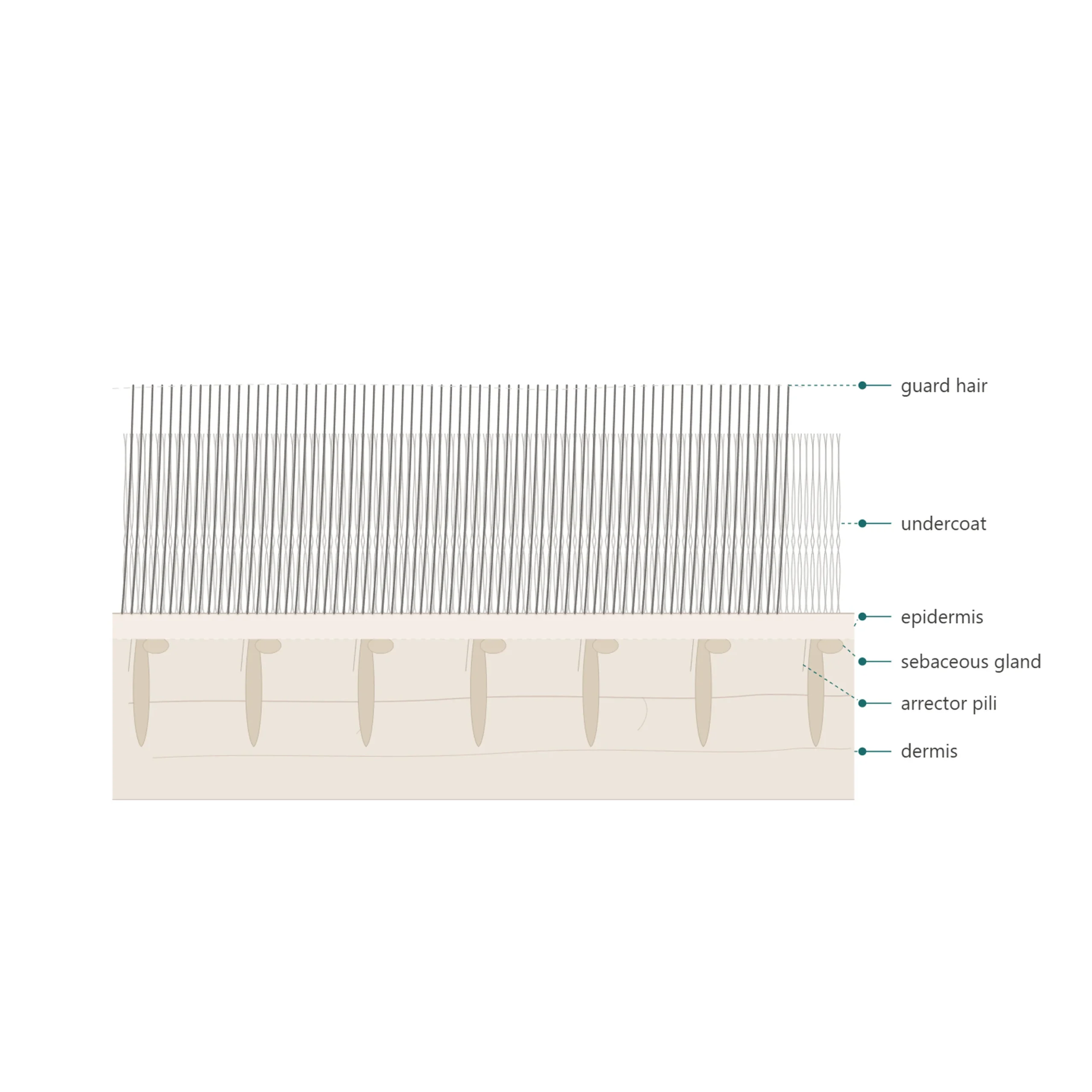
Image source: Bing (Web (fair-use with source credit))
The undercoat is the soft, dense, fluffy layer sitting underneath. This is your insulation. In winter, it traps body heat close to the skin.
In summer, it holds cool air against the body. All that fur has a purpose, and that purpose is temperature regulation.
What Is a Coat Blowout?
Twice a year, usually in spring and fall, your Shiba will "blow" their coat. That means the undercoat dies and sheds out in massive clumps over a 2 to 3 week period. It looks alarming the first time you see it.
Your dog looks like they've been attacked by a shredder. Old fur hangs off them in patches. You'll brush out enough hair to build a second dog.
Here's what's actually happening: the seasonal change in daylight triggers a hormonal response. The old undercoat releases from the hair follicles and new growth starts coming in. This is completely normal and healthy.
It's a sign your Shiba's coat cycle is working correctly.
Why Shaving Is Dangerous
Here's the golden rule, and it bears repeating: never shave a Shiba Inu. Not in summer, not for convenience, not because a groomer suggested it.
Shaving removes both the guard hairs and the undercoat. The guard hairs are slow-growing and may take over a year to regenerate. Even then, the new growth is often thinner, patchier, or a different texture than before.
Without the topcoat's protection, the undercoat loses its insulating design. Your dog becomes more susceptible to sunburn, heat stroke, and insect bites. Once the topcoat is damaged, the undercoat frequently stops growing the same way.
The result is a permanently compromised coat that looks rough for life.
The AKC breed standard explicitly states the Shiba's coat should be harsh and straight with a soft thick undercoat. Shaving directly violates that standard and harms the dog in the process.
How the Coat Changes With Seasons
The Shiba coat isn't static. It shifts with the weather.
- Winter: The undercoat thickens dramatically. Your Shiba looks rounder and fluffier. This is peak insulation mode.
- Spring: The undercoat sheds out over several weeks. You'll see the biggest hair volume loss here.
- Summer: The coat is thinner and lighter. Your Shiba looks sleeker and more streamlined.
- Fall: The undercoat grows back in preparation for winter. Another shedding phase occurs, usually less dramatic than spring.
Veterinary dermatology research confirms that this cycle is driven primarily by photoperiod, or daylight length, rather than temperature. That's why Shibas in warm climates still blow their coats on schedule. The coat cycle runs on sunlight, not thermometers.
The Only Tools You Need (And the Ones to Skip)
Now let's talk gear. You don't need a drawer full of gadgets. You need a handful of quality tools that do the job right, and you need to know when to use each one.
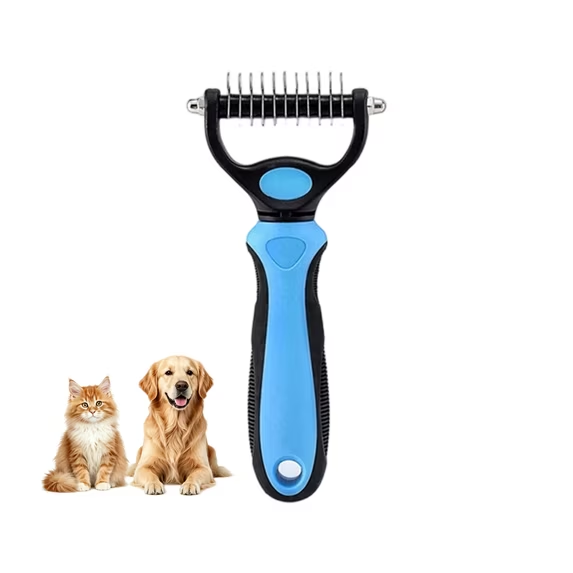
Image source: Bing (Web (fair-use with source credit))
The Essentials
| Tool | Purpose | How Often to Use |
|---|---|---|
| Undercoat rake | Reaches deep into the undercoat to pull out loose fur | 1 to 2 times weekly, daily during blowout |
| Slicker brush | Smooths topcoat, removes tangles and debris | After raking, every session |
| Grooming comb | Checks for mats, finishes detail areas | Every session |
| Deshedding tool | Removes undercoat during blowout only | 2 to 3 times per week during shedding season |
| Dog-specific shampoo | Cleans without stripping natural oils | Every 6 to 8 weeks |
| Dog-specific conditioner | Loosens dead undercoat, softens skin | Every bath |
| High-velocity dryer | Blows out dead undercoat after bathing | Every bath |
| Nail trimmer | Trims nails safely | Weekly |
| Dog toothpaste and brush | Maintains dental hygiene | 2 to 3 times weekly |
What to Look For in an Undercoat Rake
This is your most important tool. Don't cheap out.
Look for a rake with rotating, rounded metal pins. The rotation lets the pins glide through the coat without snagging or scratching the skin. Rounded tips prevent micro-tears on the skin surface, which can lead to irritation and infections.
Avoid rakes with sharp or pointed pins. Those can scratch your Shiba's skin and cause a negative association with grooming. If your dog starts flinching or pulling away, the tool might be the problem.
What to Look For in a Slicker Brush
A good slicker brush has fine, bent bristles that meet at a comfortable angle. The bristles should be firm enough to untangle matted fur but flexible enough not to drag painfully across the skin.
You also want a comfort grip handle. Grooming a Shiba takes time, and a slippery handle will cramp your hand halfway through a blowout session.
The Deshedding Tool: Use With Caution
Tools like the Furminator are popular, and they work. But they also come with a warning label that most owners ignore: use them sparingly.
Deshedding tools are aggressive. They cut and pull undercoat hairs simultaneously. That's great during an active blowout.
But overuse damages the topcoat and strips the undercoat faster than it can regenerate.
Use a deshedding tool only during the 2 to 3 week blowout window. Limit sessions to 2 to 3 times per week. Outside of that window, stick with the rake and slicker brush.
High-Velocity Dryer: The Secret Weapon
Professional groomers use high-velocity dryers because they work. The dryer blasts air at high speed, lifting the dead undercoat away from the skin and out of the coat.
You don't need the $500 professional model. A home-grade dryer in the $80 to $150 range is plenty for a Shiba. If that's outside your budget, a regular hair dryer on low heat works in a pinch.
Expect the process to take longer.
What to Skip
Walk past the scissors, clippers, and thinning shears. Unless you're doing show grooming, you shouldn't need them. Shaving or trimming a Shiba is rarely appropriate.
Skip the scented sprays and coat gloss products. Shibas have sensitive skin, and unnecessary chemicals can trigger allergic reactions. Plain water rinses work better than most fancy products.
Step-by-Step Grooming Routine
Let's get into the actual process. Here's the full step-by-step breakdown from pre-brush to finishing touches.
Step 1: The Pre-Brush (Always First)
Never bathe a Shiba without brushing first. Water makes mats worse, and brushing a wet coat breaks the hair shafts.
Start with the undercoat rake. Work in sections, going in the direction the hair naturally lies. This is called "with the grain," and it's less irritating for your dog.
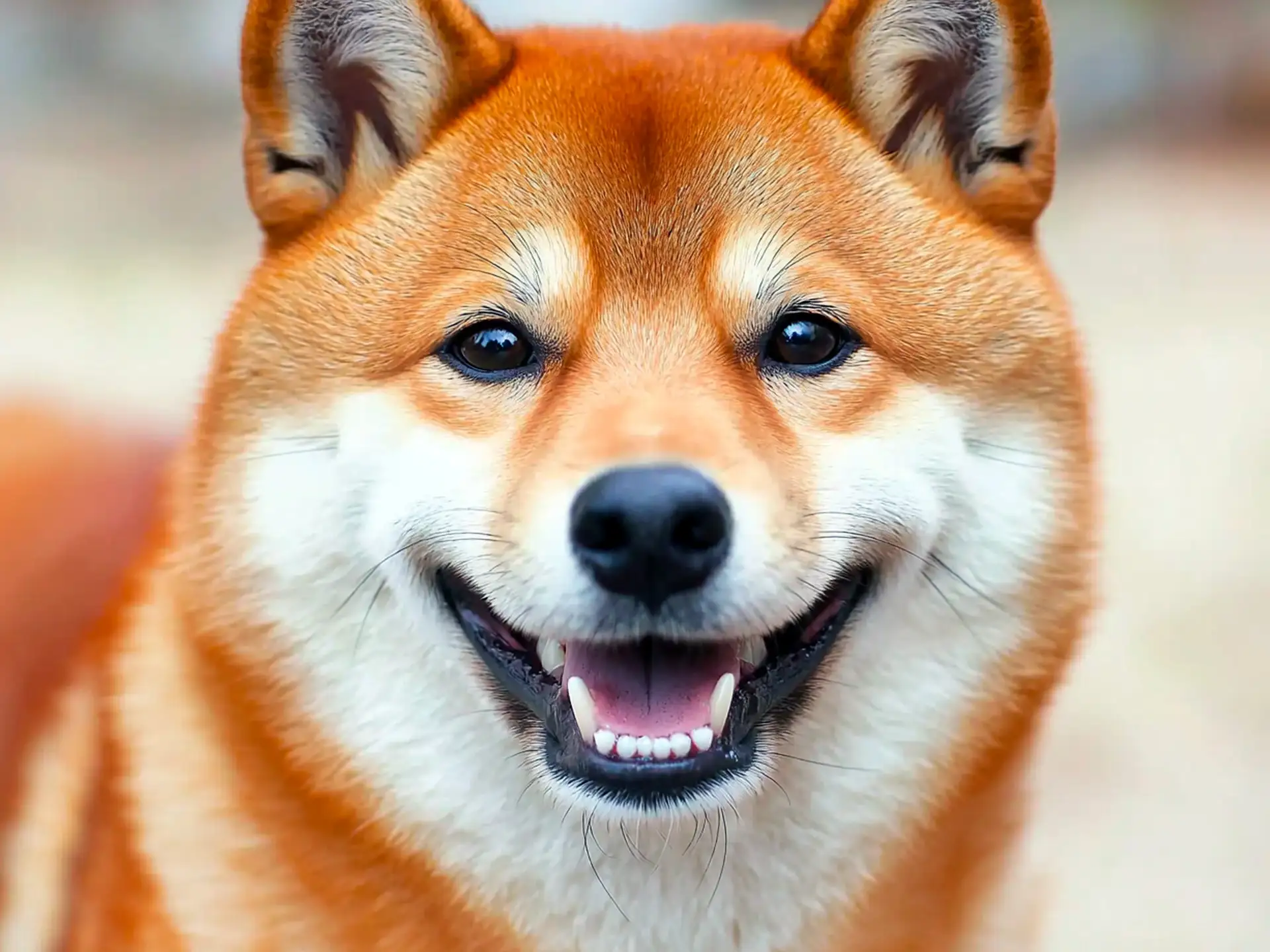
Image source: Bing (Web (fair-use with source credit))
Expect the rake to fill up fast. That's a good sign. It means you're pulling out the dead undercoat that's been shedding all over your furniture.
For the first session, keep it to five to ten minutes. Reward your Shiba with treats throughout. If they get restless or start mouthing, stop and try again later.
Pushing through a bad session creates negative associations that make every future groom harder.
Step 2: Slicker Brush Pass
Once the rake has pulled out the bulk of the undercoat, switch to the slicker brush. This smooths the topcoat and catches any tangles the rake missed.
Use light, sweeping motions. Don't press hard. Shiba skin is thin and easily irritated.
If the brush catches on a mat, go back to the rake or use your fingers to gently tease the mat apart before continuing.
Pay extra attention to the rear and tail area. This is where mats love to form, especially during blowout season. It's also the area where your Shiba is most likely to object.
Go slow. Be patient. Use high-value treats like chicken or cheese.
Step 3: Bathing Without the Battle
Here's the reality: Shibas don't like water. Most of them scream like they're being murdered the second water touches their paws. This is a breed trait, not a behavioral failure.
If your Shiba is utterly terrified of water, you have options. Waterless shampoo or a damp washcloth for spot cleaning works for most routine dirt. A full bath is rarely necessary more than a few times a year.
If you do bathe, follow these guidelines:
- Use lukewarm water. Hot water strips natural oils and irritates skin.
- Use a dog-specific shampoo. Human shampoo has a different pH and wreaks havoc on canine skin.
- Rinse thoroughly. Soap residue is a major cause of itchiness.
- Apply conditioner and let it sit for two minutes. This loosens dead undercoat and makes brushing after the bath dramatically easier.
- Rinse again completely.
Step 4: Drying the Right Way
Towel dry as much as possible first. Then use a high-velocity dryer on low heat or a regular blow dryer on a cool or low setting.
The airflow lifts dead undercoat and blows it out of the living coat. You'll see fur flying everywhere. This is exactly what you want.
Set up outside or in a bathroom you can sweep easily.
Most Shibas hate the dryer at first. Start on the lowest setting, point it away from their face, and reward calm behavior liberally. Over time, many Shibas learn to tolerate and even enjoy the warm air.
If you skip the dryer and let them air dry, be prepared for a mess. A wet Shiba is a shedding machine, and the dead undercoat will end up on every surface in your home.
Step 5: Nail Trimming Done Safely
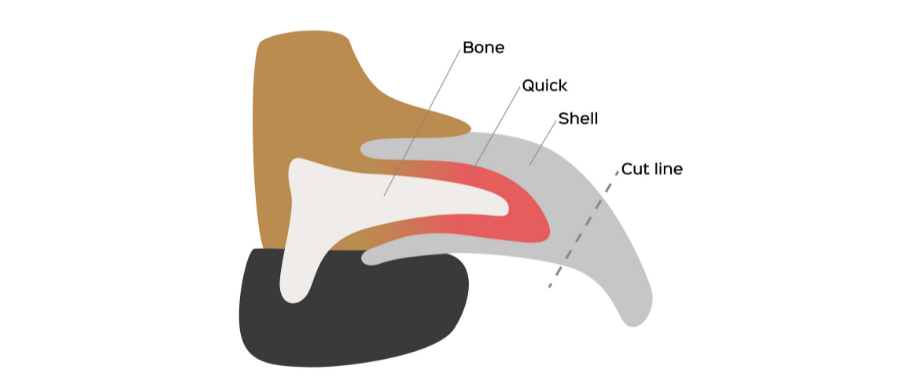
Image source: Bing (Web (fair-use with source credit))
Nail trimming is the grooming task that most Shiba owners dread. Shibas hate it, and owner anxiety makes it worse. But you can't skip it.
Long nails cause joint pain, splayed toes, and gait problems.
The key is understanding the quick, the bundle of nerves and blood vessels inside the nail. On light-colored nails, it's visible as a pink section toward the base. On dark nails, it's much harder to see.
When in doubt, trim tiny slivers at a time and stop at the first sign of a dark dot in the center of the cut surface.
You have two tool options:
- Guillotine trimmers: Sharp, precise, good for small dogs.
- Rotary grinders: Slower, less risky, great for beginners.
For beginners, grinders are safer. They remove tiny amounts at a time, and there's no risk of suddenly slicing off too much.
Make it a weekly ritual. Small, frequent trims keep the quick short and make the process easier over time. Treat heavily after each nail.
If you hit the quick, apply styptic powder immediately and don't react. Your calm response teaches your dog that nail trims are safe.
Step 6: Ears and Teeth
Ears and teeth are easy to forget if you're focused on the coat. They matter just as much.
Check ears once a week. They should be clean and pink inside, with a faint waxy smell. Redness, brown discharge, or a foul odor means an infection.
Call your vet.
Use a dog-safe ear cleaner and cotton balls. Never push a cotton swab into the ear canal. You're cleaning the visible inner ear, not the deep canal.
If your Shiba shakes their head aggressively during cleaning, stop and let your vet handle it.
For teeth, brush 2 to 3 times weekly with dog-specific toothpaste. Never use human toothpaste. Most brands contain xylitol, an artificial sweetener that is highly toxic to dogs.
Even a small amount can cause a dangerous drop in blood sugar, seizures, or organ failure. The American Veterinary Medical Association lists xylitol toxicity as a serious pet emergency.
Use a soft-bristled toothbrush or a silicone finger brush. Brush in small circles along the gum line. Focus on the back molars where plaque builds up fastest.
If your Shiba resists, start with just the front teeth and work your way back over several sessions.
Putting It All Together: The Full Routine Timeline
Here's what a complete grooming session looks like for a Shiba Inu:
| Step | Duration | Notes |
|---|---|---|
| Pre-brush with rake | 10 to 15 minutes | Daily during blowout, 2 to 3 times weekly otherwise |
| Slicker brush | 5 minutes | Focus on rear and tail areas |
| Ear check and teeth brushing | 5 minutes | Weekly ears, teeth 2 to 3 times weekly |
| Nail trim | 5 to 10 minutes | Weekly, small snips |
How Often to Groom: A Season-by-Season Breakdown
There's no universal grooming schedule that fits every Shiba. Your routine depends heavily on the season, your dog's coat condition, and your tolerance for fur on your furniture.
Here's a practical breakdown that works for most owners.
Normal Shedding Season (Off-Season)
During non-blowout periods, a Shiba's coat is relatively stable. You'll still see hair around the house, but nothing compares to the coat explosion that happens twice a year.
Brush once or twice a week during this time. A single session with the undercoat rake followed by a slicker brush pass is enough to keep loose fur under control. You shouldn't need a bath unless your dog rolled in something foul, which Shibas love to do.
Coat Blowout: Spring and Fall
When the coat blows, everything changes. Brush daily. No exceptions.
The undercoat releases in clumps over 2 to 3 weeks, sometimes longer depending on your climate and the individual dog. During this window, you'll pull out enough fur to stuff a pillow. Your Shiba will look ragged and patchy, and that's completely normal.
Increase your grooming sessions to 10 to 15 minutes daily. Use the rake first, then the slicker brush. If you have a deshedding tool, this is the time to break it out, but stick to 2 to 3 sessions per week to avoid over-stripping the coat.
Bathing during a blowout is actually helpful. The warm water and conditioner loosen the dead undercoat, making it easier to brush out afterward. Follow up with a high-velocity dryer to blow out the loose fur that brushing missed.
Summer: Lighter Coat, Lower Maintenance
After the spring blowout, your Shiba's coat settles into its summer state. It's thinner, sleeker, and requires less hands-on management.
A weekly brush is usually enough. Focus on the rear and tail areas where mats still form. Some owners report their Shibas prefer being brushed more often during summer because it helps them shed the last bits of dead undercoat and keeps their skin cooler.
Resist the urge to shave your Shiba for summer comfort. The double coat actually helps regulate their temperature by trapping cool air close to the skin. Shaving removes that protective layer and increases the risk of sunburn and heat stroke.
Winter: Thick Coat, More Maintenance
The fall blowout brings in the thick winter undercoat. Your Shiba will look noticeably rounder and fluffier. This is peak insulation mode, and it requires more grooming effort.
Brush 2 to 3 times per week to keep the dense undercoat from matting. Pay special attention to the areas behind the ears, under the collar, and around the rear. These are prime mat-forming zones.
Bathing during winter months should be minimal. Shibas don't need frequent baths, and overbathing strips the natural oils that keep their skin healthy in dry winter air. If a bath is necessary, condition thoroughly and dry completely.
Seasonal Grooming Schedule at a Glance
| Season | Brush Frequency | Bath Frequency | Special Notes |
|---|---|---|---|
| Spring | Daily during blowout | 1 bath during blowout | High-velocity dryer recommended |
| Summer | Weekly | Only if dirty | No shaving, ever |
| Fall | Daily during blowout | 1 bath during blowout | Watch for mats in dense undercoat |
| Winter | 2 to 3 times weekly | Every 6 to 8 weeks max | Extra conditioning for dry skin |
Adjusting for Climate and Environment
Your location changes the equation. A Shiba living in Florida experiences a shorter, less dramatic blowout than one in Minnesota. The photoperiod, or daylight length, drives the coat cycle, but temperature plays a secondary role.
If you live in a hot climate, your Shiba may blow their coat more gradually throughout the year rather than in one intense burst. That means year-round brushing at moderate intensity.
If you live in a cold climate, the winter undercoat comes in thicker and the fall blowout is more dramatic. Plan for daily brushing during those transition weeks.
Common Mistakes That Damage the Coat (And How to Avoid Them)
Even experienced dog owners make these mistakes with Shibas. The breed's coat is unlike most others, and what works for a Golden Retriever can actively harm a Shiba.
Shaving for Summer
We've covered this, but it's worth repeating: never shave a Shiba Inu.
Shaving damages the hair follicles and disrupts the natural coat cycle. The topcoat may grow back patchy, discolored, or not at all. The undercoat, without proper topcoat protection, loses its insulating properties.
Your dog becomes more vulnerable to sunburn, insect bites, and temperature extremes.
If you're struggling with shedding, address the problem with better brushing, not shaving.
Brushing Too Hard
More pressure doesn't mean better results. It means more pain for your dog.
Shiba skin is thin and sensitive. Aggressive brushing causes micro-tears, redness, and irritation. It also creates a negative association with grooming that makes future sessions harder.
Use long, gentle strokes. Let the tool do the work. If you're pulling or tugging, you're pressing too hard.
Overbathing
Shibas don't need frequent baths. Their double coat is designed to be self-cleaning, and the natural oils on their skin keep it healthy and water-resistant.
Bathing every 2 to 3 weeks strips those oils, leaving the skin dry and the coat brittle. This triggers a rebound effect where the skin produces excess oil to compensate, leading to a greasy, smelly coat.
As a rule of thumb, bathe every 6 to 8 weeks maximum. Between baths, use plain water rinses for muddy paws and waterless shampoo for spot cleaning.
Using Human Products
Human shampoo, conditioner, and toothpaste are all wrong for dogs.
Human shampoo has a different pH balance than canine shampoo. It disrupts the acid mantle on your dog's skin, leaving them vulnerable to infections and irritation. Human conditioner is even worse, as it doesn't rinse out properly from a dog's coat.
Human toothpaste is flat-out dangerous. Most brands contain xylitol, which is toxic to dogs. Even a pea-sized amount can cause hypoglycemia, seizures, or liver failure.
The American Veterinary Medical Association classifies xylitol toxicity as a medical emergency.
Always use dog-specific products for every part of the grooming routine.
Dealing With a Difficult Shiba: Grooming a Stubborn or Fearful Dog
Shiba Inus have a reputation for being independent and strong-willed. That reputation extends to grooming. Some Shibas tolerate the process calmly.
Others scream like they're being attacked the moment they see a brush.
If your Shiba is difficult, you're not alone. This is one of the most common complaints from Shiba owners, and it's a breed trait, not a behavioral failure.
Understanding Why Shibas Resist Grooming
Shibas have a sensitive startle reflex. Touch, especially in unfamiliar or unexpected ways, triggers a strong reaction. Grooming involves touching your dog in sensitive areas like the rear, tail, and paws, which many Shibas find alarming.
Their high prey drive also means they're easily distracted. Every noise, movement, and scent pulls their attention away from the grooming session.
And let's be honest, some Shibas are just dramatic. The "Shiba scream" is a well-known phenomenon. It's loud, piercing, and almost always an overreaction to a minor discomfort.
Recognizing the difference between genuine distress and protest is key.
Start Slow With High-Value Rewards
The most effective approach is counter-conditioning. Pair grooming with something your Shiba loves, like chicken, cheese, or freeze-dried liver.
Start with the brush near your dog without touching them. Reward calm behavior. Then touch the brush to their back briefly.
Reward. Build up gradually over several sessions.
Keep sessions short. Five minutes is plenty for the first few weeks. End on a positive note before your Shiba becomes overwhelmed.
Consistency beats intensity.
The Two-Person Technique
If your Shiba is particularly difficult, two people can handle the grooming while a third person holds a treat. One person brushes while a second person feeds small treats continuously. This keeps your dog focused on something positive instead of the brush.
The key is to position the treat-holder in front of the dog so they face away from the grooming. This relaxes their posture and reduces their urge to spin around.
What to Do About the Shiba Scream
First, check for actual pain. If your Shiba screams when you touch a specific body part, there could be an underlying medical issue like ear infection, skin condition, or joint pain. When in doubt, visit your vet.
If no medical issue exists, ignore the scream and continue calmly. Rewarding the scream with attention, treats, or stopping the session teaches your dog that screaming gets them out of grooming. That's the opposite of what you want.
The exception is genuine panic. If your Shiba is trembling, attempting to flee, or showing signs of distress beyond vocalization, stop the session. Take a break and try again later with a slower, gentler approach.
Professional Grooming for Difficult Dogs
If home grooming becomes a battle of wills every single time, consider a professional groomer. Look for a groomer experienced with double-coated breeds and preferably with Shibas specifically.
The groomer should never shave your Shiba without consulting you first. They should also be comfortable with vocal dogs. Many groomers turn away Shibas because of their reputation.
Finding the right one may take some asking around.
Long-Term Grooming Success: Consistency Is Key
Dogs thrive on routine. If you groom your Shiba on the same schedule, in the same location, with the same tools, they'll eventually learn what to expect. That predictability reduces anxiety and makes the process easier.
Shibas who receive regular grooming from puppyhood adapt much better than those whose first grooming experience happens during a stressful adult shed. But it's never too late to start. Even adult Shibas can learn to tolerate grooming with patience and positive reinforcement.
When to Call the Vet: Red Flags Beyond Normal Shedding
Most shedding is normal. But some symptoms indicate a deeper problem. Here's how to tell the difference.
Bald Spots and Excessive Hair Loss
A Shiba blowing their coat loses hair evenly across the body. You'll see patchy fur for a few weeks, but not actual bald spots.
If you see round, hairless areas, that could indicate a skin infection, ringworm, or allergies. If the hair loss is concentrated in one area, like the tail or the back, it might be a sign of hormonal issues like hypothyroidism. Both require veterinary attention.
Persistent Itching and Scratching
Some itching during a blowout is normal. The dead undercoat irritates the skin, and your Shiba might rub against furniture to relieve it. That stops once the undercoat is fully removed.
If your Shiba scratches obsessively, chews their paws, or rubs their face constantly, that's not normal. Allergies, fleas, mites, and dry skin are all potential culprits. Your vet can run tests to identify the cause.
Redness, Rash, or Bumps
Healthy skin is pink or lightly pigmented, with no visible inflammation. Redness, raised bumps, pustules, or scaling indicate a skin problem that needs treatment.
Bacterial infections, fungal infections, and autoimmune conditions all present with these symptoms. Overbrushing can also cause folliculitis, a painful inflammation of the hair follicles. If the skin looks angry, stop grooming and see your vet.
Foul Odor
A Shiba with a healthy coat has minimal odor. A musty, yeasty, or fishy smell indicates a problem. Common causes include ear infections, skin infections, and anal gland issues.
A strong odor that persists after bathing is especially concerning. When in doubt, call your vet. It's always better to get a professional opinion than to guess.
When to Make the Call
The general rule: if a symptom lasts more than 3 to 5 days, worsens, or appears suddenly, schedule a vet visit. Shibas are notoriously stoic, and by the time they show distress, the underlying issue is often advanced.
Keen observation during grooming serves as your earliest warning system. You're touching your dog's skin and coat regularly, so you're in the best position to catch problems early.
Urinary and Anal Gland Issues
Shibas are prone to anal gland problems, and grooming around that area will make any issue painfully obvious. Swelling, redness, or a fishy odor near the rear end warrants immediate attention. Impacted anal glands can rupture if left untreated, leading to a much more serious infection.
Similarly, if your Shiba is licking their genitals excessively or scooting their rear on the floor, that's a sign of discomfort. Book a vet appointment promptly. These issues rarely resolve on their own.
Skin Allergies and Environmental Triggers
Allergies are common in Shibas. Food allergies, pollen allergies, and contact allergies all present with skin symptoms: itchiness, redness, hives, and hair loss.
If you notice your Shiba's skin flaring up during certain seasons, that points to environmental allergies. If it flares after a food change, it points to a dietary trigger. Keep a log of symptoms and what your Shiba was exposed to around the time they appeared.
This information helps your vet narrow down the cause.
Your vet may recommend allergy testing, dietary changes, or medications like antihistamines or corticosteroids. Never give your dog human allergy medication without veterinary guidance. Dosages and active ingredients differ significantly between species.
The Takeaway
Grooming is care. Regular sessions give you a chance to inspect your Shiba's entire body from nose to tail. Make it a habit to run your hands over their skin as you brush, feeling for lumps, bumps, and tender spots.
You're not just managing a coat. You're managing your dog's overall health. That's the true purpose of a grooming routine that's done right.
Grooming at Home vs. Professional Groomers: What's Worth It?
You have two options for keeping your Shiba well-groomed: do it yourself or hire a professional. Both have merit, and many owners use a hybrid approach.
Home Grooming: Pros and Cons
| Pros | Cons |
|---|---|
| Cost-effective over time | Time-consuming, especially during blowouts |
| Builds bonding and trust | Risk of mistakes with unfamiliar tools |
| No transport stress for your dog | Requires learning proper technique |
| Flexible scheduling | Requires owning and storing tools |
The biggest advantage of home grooming is the bond it builds. Regular handling makes your Shiba more comfortable with touch in general, which helps at the vet and in daily life.
The biggest risk is improper technique. If you're unsure about raking correctly or trimming nails safely, you can cause pain or damage. Start slow, watch educational videos from reputable sources like the American Kennel Club, and practice on a calm day.
Professional Grooming: Pros and Cons
| Pros | Cons |
|---|---|
| Expertise with double coats | Expensive, especially monthly |
| Professional tools and equipment | Stress of transport and new environment |
| Saves you time and effort | Risk of unqualified groomers |
| Can handle difficult dogs | Less bonding opportunity for you |
The biggest advantage of professional grooming is expertise. A groomer experienced with Shibas knows exactly how to handle the coat, including the blowout phase. They also have high-velocity dryers and professional-grade tools that make the job faster and more thorough.
The biggest risk is hiring a groomer without Shiba experience. Some groomers are unfamiliar with double coats and might suggest shaving or use techniques that damage the coat. Always ask about the groomer's experience with double-coated breeds before booking.
The Hybrid Approach
You don't have to choose one or the other. Many Shiba owners handle routine maintenance at home and book professional sessions for specific needs:
- Every 6 to 8 weeks: Professional bath, blowout, and nail trim
- Seasonal blowouts: Professional de-shedding session to reduce fur volume
- Nail trims: Professional nail grinding if you're uncomfortable doing it yourself
This approach gives you the bonding benefits of home grooming with the thoroughness of professional care. It also reduces stress on your dog because they get groomed at home most of the time and only visit the groomer occasionally.
What to Look For in a Professional Groomer
Finding the right groomer takes effort. Look for:
- Experience with double-coated breeds, specifically Shibas
- Positive reviews from other Shiba owners
- A clean, well-equipped facility
- Transparent pricing with no hidden fees
- Willingness to answer questions and explain their process
Ask for a meet-and-greet before booking. Bring your Shiba in to see how the groomer interacts with them. Trust your instincts.
If something feels off, keep looking.
How Much Does Professional Grooming Cost?
Professional grooming for a Shiba Inu typically costs between $60 and $120 per session, depending on your location and the groomer's experience. Sessions include a bath, blow-dry, brush-out, nail trim, ear cleaning, and often a gland check.
In metropolitan areas, prices run toward the higher end. Rural areas are often cheaper. Some groomers offer package deals for regular clients, which can bring the per-session cost down.
Compare that to the one-time cost of home grooming tools: roughly $80 to $150 for a good rake, slicker brush, comb, nail trimmer, and deshedding tool. Over a year, home grooming saves you hundreds of dollars. But the time investment is real, especially during blowout season.
Frequently Asked Questions
How often should I brush my Shiba Inu?
Brush your Shiba Inu 1 to 2 times per week during normal shedding periods. During the spring and fall coat blowouts, brush daily for 10 to 15 minutes per session. This keeps loose undercoat from matting and dramatically reduces fur around your home.
Can I shave my Shiba Inu to keep them cool in summer?
No. Never shave a Shiba Inu. The double coat regulates their body temperature in both heat and cold.
Shaving destroys this system, damages hair follicles, and the coat often grows back patchy or not at all. Better brushing, not shaving, is the answer to summer shedding.
What's the best tool for removing Shiba Inu undercoat?
An undercoat rake with rotating, rounded metal pins is the most effective tool. It reaches deep into the undercoat without scratching the skin. Use it before the slicker brush for best results.
A deshedding tool like a Furminator works too, but only use it during active blowout periods.
How often should I bathe my Shiba Inu?
Bathe your Shiba Inu every 6 to 8 weeks maximum. Overbathing strips natural oils from their skin and coat, leading to dryness, itchiness, and a brittle coat. Between baths, use waterless shampoo or plain water rinses for spot cleaning.
Bathing during a coat blowout helps loosen dead undercoat.
Why does my Shiba Inu scream during grooming?
The "Shiba scream" is a breed trait, not a sign of serious pain. Shibas have a sensitive startle reflex and are naturally dramatic. If your Shiba screams, first rule out medical issues like ear infections or skin problems.
If no medical issue exists, ignore the scream and continue calmly with high-value treats for positive reinforcement.
How do I trim my Shiba Inu's nails safely?
Trim small slivers at a time and stop at the first sign of a dark dot in the center of the cut surface. That dark dot indicates you're reaching the quick, which contains nerves and blood vessels. For beginners, a rotary grinder is safer than clippers because it removes tiny amounts gradually.
Trim weekly to keep the quick short.
The Bottom Line: Your Shiba's Coat Is a System, Not a Chore
Getting this right takes some effort upfront. But once you understand how the double coat works, everything else falls into place.
You're not just brushing fur. You're maintaining a biological system that keeps your Shiba comfortable in every season. The coat protects them from heat, cold, moisture, and sun.
It's a marvel of natural engineering that deserves respect.
The tools matter. Get a quality undercoat rake, a slicker brush, a comb, and a deshedding tool for blowout season. Skip the scissors and clippers.
Add a high-velocity dryer to your bath routine, and you'll cut your shedding problem in half.
The schedule matters more than you think. Weekly maintenance during normal seasons. Daily brushing during blowouts.
Baths every 6 to 8 weeks max. Nail trims weekly. Ears and teeth on a consistent rotation.
That rhythm prevents most problems before they start.
The mistakes are avoidable. Don't shave. Don't overbrush.
Don't overbathe. Don't use human products. Each one of these errors damages the coat or harms your dog, and each one is preventable with the right knowledge.
And when something goes wrong, you'll know. Persistent itching, bald spots, redness, and foul odors are red flags that warrant a vet visit. Early intervention makes treatment simpler and more effective.
Whether you groom at home, hire a professional, or use a hybrid approach, the goal is the same: a healthy coat, a comfortable dog, and a home that isn't buried in fur. You have all the information you need to get there. Now go put it into practice.
Your Shiba will thank you, and so will your vacuum cleaner.