
Image source: Bing (Web (fair-use with source credit))
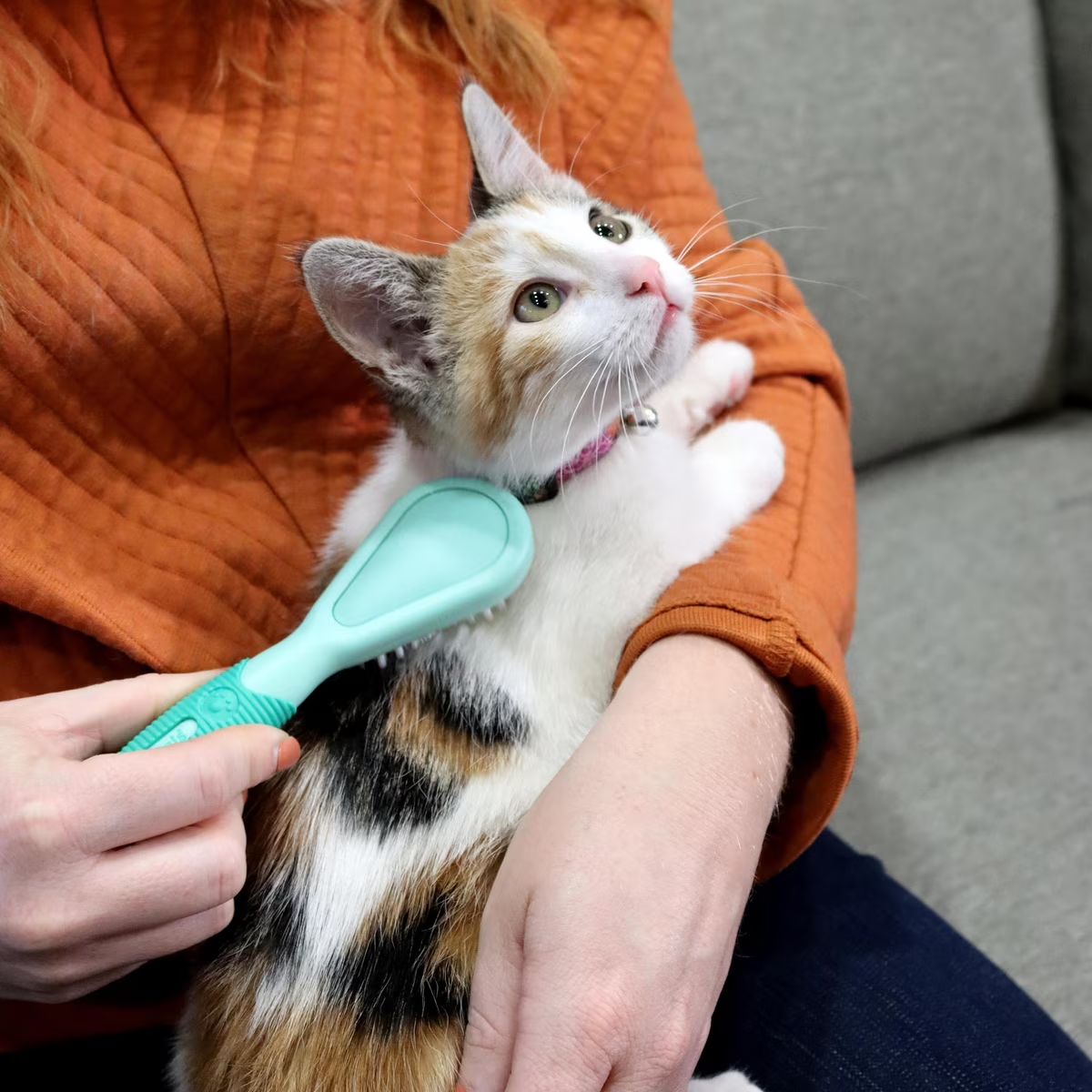
If you've just brought home a kitten and the sight of a brush sends it diving under the couch, you're in good company. That's the exact moment most owners wonder how to introduce a kitten to brushing without turning it into a daily battle. The good news?
You don't need a magic touch. You need a process, and it's simpler than you think.
Kittens have a critical socialization window between 8 and 16 weeks of age, as outlined by the American Veterinary Medical Association. During that window, their brains are wired to accept new experiences as normal. Brushing, when introduced correctly, becomes just another part of life.
When introduced poorly, it becomes a lifelong struggle. Let's fix that, starting right now.
Quick Answer
Introduce the brush slowly over 7 to 14 days using positive reinforcement. Let the kitten sniff the brush first. Give one stroke, then one treat.
Stop before the kitten gets bored or stressed. Repeat daily in 2 to 5 minute sessions. End every session on a positive note.
The goal is tolerance, not grooming perfection.
Why Your Kitten Hates the Brush (and Why It's Normal)
A kitten's reaction to a brush isn't personal. It's biological. Here's what's happening inside that tiny, hissing brain.
The Fear of the Unfamiliar
Your kitten's brain is hardwired to treat anything new as a potential threat. That plastic handle with metal pins? It looks nothing like a friendly hand.
The bristles make a soft swishing noise that registers as "unknown." Fear of novelty is a survival instinct, and kittens have it in spades.
- The brush is a new object with new smells
- The sound of bristles against fur is foreign
- The sensation of pins on the skin feels different from petting
Overstimulation and Sensory Overload
Kittens have highly sensitive nerve endings in their skin. A brush that feels gentle to you can feel like a thousand tiny pinpricks to a kitten. This is especially true for slicker brushes, whose fine wire pins can scratch if pressed too hard.
What you perceive as "a quick brush" is, to the kitten, an overwhelming wave of unfamiliar sensations.
Negative Past Handling Experiences
Rescue kittens and adopted older kittens often carry baggage. If a kitten has been grabbed, restrained, or accidentally hurt during handling, it learns to associate human hands and tools with discomfort. This isn't irrational.
It's learned behavior, and it takes time to unlearn.
Your Approach: Going Too Fast, Too Hard, or Against the Coat
This one's on us as owners. We want results. We want a shiny coat today.
So we push the brush firmly, we hurry through the session, and we chase the kitten when it runs. Every one of those behaviors reinforces the kitten's belief that the brush is a threat.
Key insight: If your kitten runs from the brush, the brush is the enemy. Your job is to make the brush the friend. That happens through repetition, patience, and treats, not force.
The Real Goal: Conditioning, Not Grooming
Here's the truth that changes everything: You are not trying to groom your kitten. Not yet. In the first few weeks, your real objective is to teach the kitten that the brush means good things.
That's conditioning.
Why the First 8-16 Weeks Matter More Than Any Other Period
The socialization window is a developmental phase where kittens are most receptive to new experiences. Experiences during this period shape how the cat will react to handling for the rest of its life. Per guidance from Cornell University's College of Veterinary Medicine, positive exposure during kittenhood reduces fear-based behavior in adult cats.
- Experiences before 16 weeks are "normalized" by the brain
- Experiences after 16 weeks require conscious unlearning
- Early positive exposure prevents future behavior problems
The Difference Between "Tolerating" and "Enjoying"
A kitten that tolerates brushing will sit still but remain tense. A kitten that enjoys brushing will lean into the brush, purr, and may even present its back for more. Your target is the second behavior.
Tolerance is the floor. Enjoyment is the goal.
How This Skill Transfers to Vet Visits, Nail Trims, and Flea Treatments
Here's the beautiful part. A kitten that learns to accept brushing also learns to accept being handled in general. The same conditioning process applies to nail trims, ear cleaning, and pill administration.
Every grooming session is a deposit into a bank of trust that pays off at the vet's office and during health checks.
What You Need (and What You Don't): Brush Guide for Kittens
Choosing the right brush makes or breaks the process. The wrong brush can hurt the kitten and immediately undo your progress. The right brush feels like a pleasant massage.
Here's what the research and manufacturer specifications suggest.
| Brush Type | Best For | When to Use It |
|---|---|---|
| Soft bristle brush | Shine and topcoat | Kittens under 6 months |
| Rubber curry comb | Loose fur and massage | Kittens who love being pet |
| Slicker brush (nubbed tips) | Tangles and mats | Long-haired kittens |
| Grooming glove | Very sensitive kittens | First introductions |
| Deshedding tool | Undercoat | Only after 6 months |
Soft Bristle Brush
This is your entry-level tool. Soft nylon or natural bristles are gentle on kitten skin and perfect for short-haired breeds. It removes loose surface fur without applying unnecessary pressure.
Look for densely packed bristles. They distribute pressure more evenly.
Rubber Curry Comb
A rubber curry comb is a forgiving option. The nubs feel like a back scratch against the skin while picking up loose fur. Kittens often mistake it for a fun massage session.
This brush works brilliantly for kittens that are nervous around metal pins. It's also easy to clean; just peel the fur off the rubber.
Slicker Brush (Nubbed Tips)
The slicker brush is the workhorse for long-haired kittens. Its fine wire pins get deep into the coat to remove tangles and mats. But it's also the easiest brush to misuse.
Always choose one with protective nubbed tips on the pins. Without those tips, the wire can scratch the kitten's delicate skin.
Grooming Glove
The grooming glove is the lowest threat option of all. It looks like a glove, not a brush. It feels like a hand.
For a severely fearful kitten, start with this. Let the kitten approach, rub the glove against its back gently, and reward with treats. It bridges the gap between petting and brushing.
Deshedding Tool (Wait Until 6 Months)
Deshedding tools like the FURminator are remarkably effective. They're also dangerously sharp for kittens. A kitten's coat under 6 months is still transitioning to its adult texture.
Using a deshedding tool too early can irritate the skin and pull out developing undercoat hairs. Wait until the kitten is at least 6 months old before introducing one.
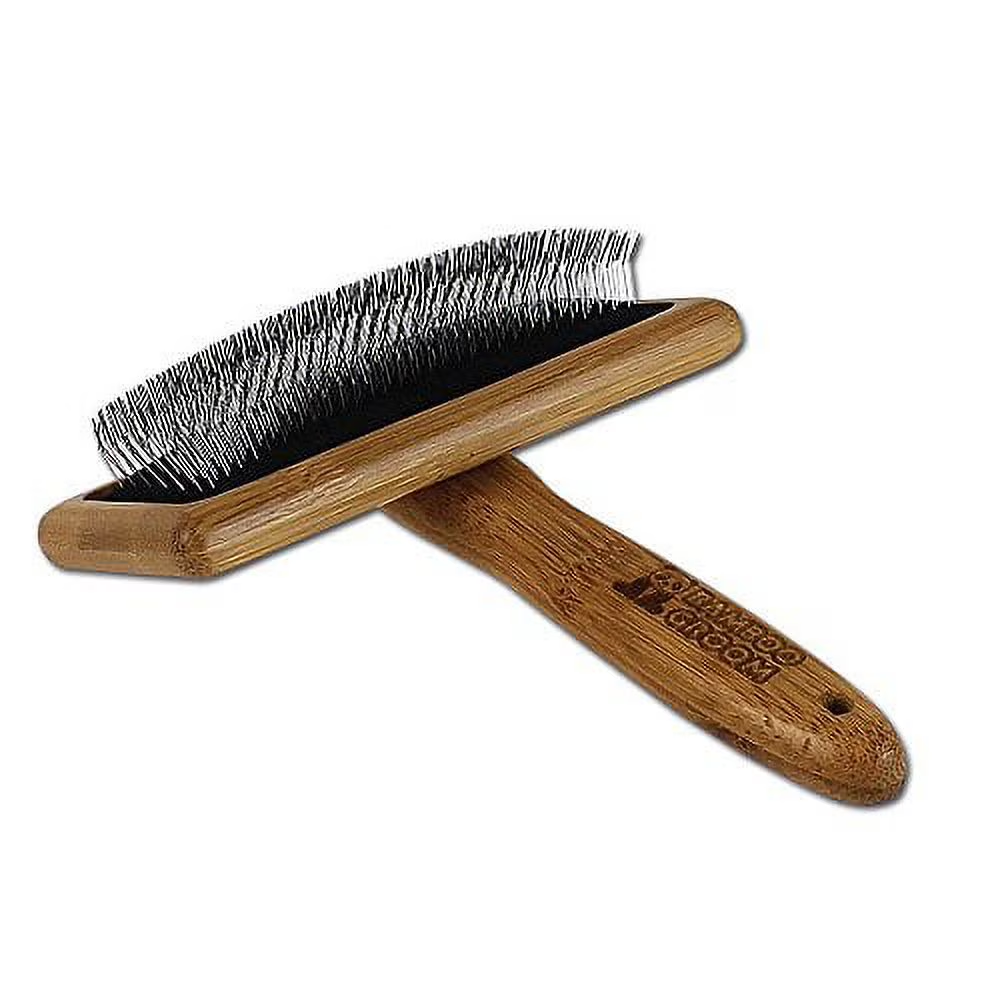
Image source: Bing (Web (fair-use with source credit))
Step-by-Step Training Plan: 7 Sessions to a Cooperative Cat
This plan works on a Decision Tree model. Each session builds on the previous one. Don't rush.
If your kitten shows fear, repeat the prior session until it's comfortable before moving forward.
Session 1: The Sniff Test (Day 1-2)
Hold the brush out to your kitten without touching it. Let the kitten sniff, investigate, and walk away. No brushing yet.
Reward every moment of curiosity with a treat. If the kitten bats at the brush with a paw, treat that too. It's interacting on its own terms.
Success check: The kitten can sniff the brush for 3 seconds without fleeing.
Session 2: Touch and Retreat (Day 3-4)
Now you can touch. Place the brush against the kitten's back for a single, gentle swipe. The moment the brush touches fur, pause.
Reward with a treat. Repeat this 2 or 3 times maximum. Then put the brush away entirely.
Session 3: The One-Stroke Rule (Day 5-7)
One stroke, one treat, stop. That's the whole session. This builds a powerful cause-and-effect loop in the kitten's brain: brush touches fur, treat follows.
Keep sessions under 2 minutes. Always end when the kitten is engaged and curious, not when it's struggling.
Session 4: Adding Baseline Duration (Week 2)
Gradually increase to 3 to 5 consecutive strokes before delivering a treat. Watch carefully for tail flicks or ear rotation. Those signal you're pushing your luck.
At that signal, pause and treat. Let the kitten's body language dictate the pace.
Session 5: Covering More Ground (Week 3)
Begin brushing down the sides and chest. These areas are more sensitive than the back. If the kitten squirms, go back to the back and reward that success.
Always brush in the direction of coat growth. Against the grain feels scratchy and unpleasant.
Session 6: The Full Body Flow (Week 4)
Introduce the belly and legs only if the kitten remains fully relaxed. Many cats never accept belly brushing. That's fine.
Know your individual cat. If the kitten's ears flatten, retreat to the back.
Session 7: Maintenance Mode (Month 2+)
By now, the kitten should run toward the brush as a prelude to treat time. Tie brushing to a consistent time of day, like after breakfast. Consistency turns the behavior into a habit.
Once the habit is solid, you can begin tapering treats. But for now, keep rewarding.
Reading Your Kitten's Body Language: When to Push, When to Stop
This section directly answers the most common question new owners have: How do I know if my kitten is stressed? The answer lives in the tail, ears, and body tension. As of 2026, veterinary behaviorists uniformly agree on recognizing these signals.
Green Light Signals
These mean your kitten is comfortable, and you can continue.
- Purring
- Relaxed body posture
- Tail held upright and still
- Leaning into the brush
- Kneading with front paws
Yellow Light Signals
These mean your kitten is getting uncomfortable, and it's time to slow down or stop soon.
- Tail flicking back and forth
- Ears rotating backward
- Tense muscles in the back
- Looking at your hand with wide eyes
- Skin rippling along the back
Red Light Signals
These mean stop immediately. Continuing will set your training back significantly.
- Hissing or growling
- Flattening ears against the head
- Swatting with claws
- Biting the brush
- Attempting to escape
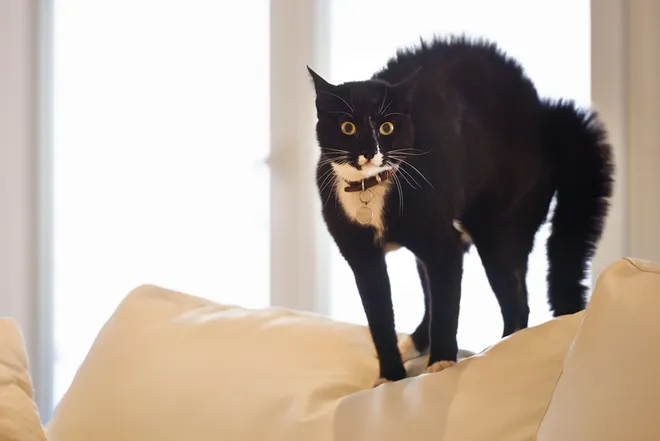
Image source: Bing (Web (fair-use with source credit))
The Rule: Always Stop at Yellow, Never Wait for Red
Stopping at yellow teaches the kitten that it can communicate discomfort without escalating. If you wait for red, the kitten learns that it must hiss and bite to be heard. Stop at yellow.
Reward the tolerance. End the session. That's how trust builds.
Common Mistakes That Ruin the Process
Even well-meaning owners make these errors. Here's what to avoid.
Chasing Your Kitten Around the House
If the kitten runs, you put the brush down. Chasing turns the brush into a predator-prey game. The kitten learns that running is the right response.
Never chase. Set the brush down, walk away, try again later.
Holding the Kitten Down or Scruffing
Scruffing is a fear response in adult cats. It's only appropriate for emergency medical situations. If you scruff the kitten during brushing, you're teaching it that the brush leads to being restrained.
That's the opposite of what you want.
Brushing Against the Coat Direction
Cats have a natural grain to their coats. Brushing against it feels scratchy and unpleasant. It also causes static and tangles.
Always brush in the direction the hair naturally lies. You'll get fewer mats and a happier kitten.
Pressing Too Hard on Sensitive Skin
Kitten skin is thin and delicate. A slicker brush pressed firmly can scratch the surface. Even a soft bristle brush can become irritating with heavy pressure.
Use light, gentle strokes. Multiple light passes beat one heavy one.
Ending the Session When the Kitten Is Already Stressed
Never end a session after a struggle. That teaches the kitten that fighting gets it out of brushing. Instead, end a moment before the kitten gets uncomfortable.
Stop, treat, and walk away. The kitten learns that calm behavior ends the session, not resistance.
Skipping Sessions for a Week and Expecting the Same Tolerance
Training is about repetition. If you skip 7 days, the kitten forgets the positive association. Consistency matters more than duration.
A 2 minute session every day beats a 30 minute session once a week.
What to Do If Your Kitten Bites the Brush
Biting the brush is one of the most common problems owners face. The good news? It's rarely aggressive.
It's play instinct.
Why Biting Happens: Play Instinct, Not Aggression
Kittens are predators. Anything that moves near their mouth is a toy. The brush swishes across their face and feels like prey.
Biting is a natural response, not a sign of hatred.
The Redirect Method
The moment the kitten bites the brush, freeze. Go completely limp. The brush stops moving, and the game stops being fun.
Then, swap in a toy. Let the kitten bite and kick the toy rather than the brush. This channels the energy harmlessly.
The "Nothing in Life Is Free" Tie-In
Only reward calm behavior. If the kitten is biting, put the brush down and walk away. If the kitten is relaxed, give treats.
The kitten quickly learns that calmness earns rewards, and biting ends the session.
When to Stop Entirely and Restart the Desensitization Process
If biting becomes the default response, you've moved too fast. Go back to Session 1. Let the kitten sniff the brush.
Don't touch its body with it. Rebuild the association from scratch. This isn't a failure.
It's a recalibration.
Long-Haired vs. Short-Haired Kittens: How the Plan Changes
The core training process stays the same. The frequency and tools shift depending on the coat. Here's how to adapt the plan.
Long-Haired Breeds: Persian, Maine Coon, Ragdoll
Long-haired kittens need daily brushing from day one. Their coats tangle quickly, and mats form fast. Pay extra attention to the armpits, hindquarters, and behind the ears.
These are the highest friction zones where mats love to form.
- Start with a slicker brush with nubbed tips
- Brush daily to prevent mat formation
- Use a detangling spray designed for kittens
- Check the sanitary area regularly for fecal matting
Short-Haired Breeds: Domestic Shorthair
Short-haired kittens don't need daily brushing. Every 3 to 4 days is fine. Your focus should be on desensitization and bonding rather than actual grooming.
A soft bristle brush or rubber curry comb works perfectly.
- Brush 2 to 3 times a week
- Focus on the back and sides
- Use a soft bristle brush or rubber curry comb
- Don't overbrush the sensitive belly area
Senior-Rescue Kittens with Anxiety
Rescue kittens over 12 weeks old may arrive with trauma. Give them double the timeline. Instead of 7 sessions, plan for 14.
Use a grooming glove for the first week before graduating to a brush. And go slow. Extremely slow.
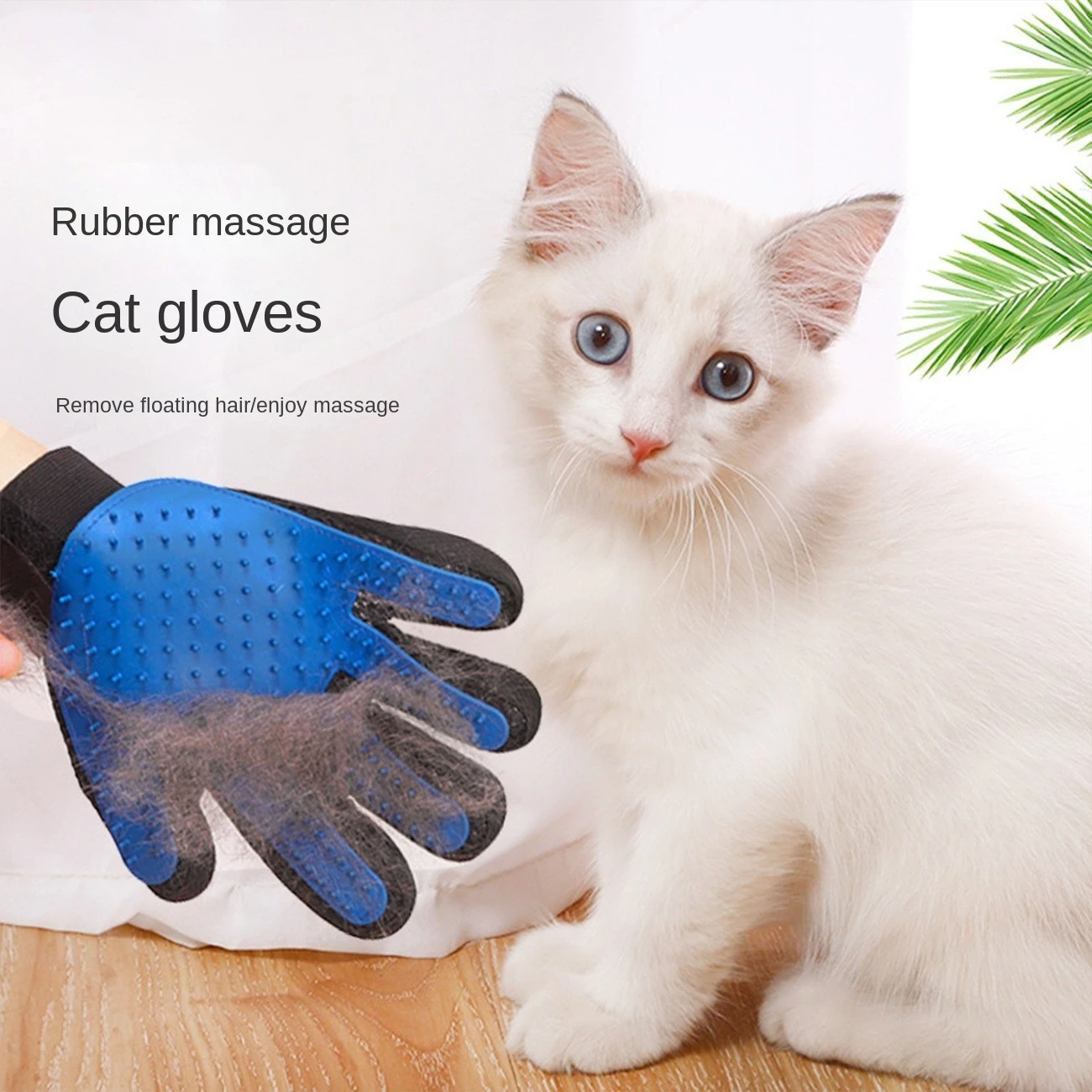
Image source: Bing (Web (fair-use with source credit))
How to Turn Brushing Into a Lifetime Habit
Once the kitten accepts brushing, your work shifts. Now you're building a habit that lasts into adulthood. Here's how to make it stick.
Tie Brushing to a Consistent Routine
Brush at the same time every day. After breakfast works well. The kitten learns to expect brushing as part of its morning routine.
Predicting the event reduces anxiety.
Use a Dedicated Grooming Station
Set up a specific spot for grooming. A non-slip mat on a table or counter works well. The kitten learns that when it sits on the mat, good things happen.
This environmental cue signals the behavior before the brush even appears.
Rotate Reward Types to Keep Sessions Interesting
Treats get boring after a while. Rotate between treats, catnip, and a quick play session. This keeps the kitten guessing and maintains engagement.
Gradually Phase Out Treats as the Behavior Becomes Automatic
Once the kitten happily accepts brushing, start tapering the treats. Shift to brushing every other day and rewarding intermittently. You want the kitten to accept brushing without expecting a treat every single time.
When to Worry: Signs You Need a Professional or a Vet
Most kittens adapt to brushing within a few weeks. Some don't. Here's when to escalate.
Persistent Terror After 6-8 Weeks of Consistent Training
If the kitten still hisses, runs, or bites after 8 weeks of daily training, something deeper is going on. This could indicate anxiety disorder or a painful physical condition. Per the American Veterinary Medical Association, persistent fear responses warrant professional evaluation.
Matting That You Can't Safely Brush Out
If your long-haired kitten develops mats close to the skin, stop brushing. Attempting to pull them out can tear the skin. A professional groomer has the tools and training to remove mats safely.
Skin Issues Revealed During Brushing
Brushing reveals what fur hides. If you spot redness, bumps, fleas, or dandruff, schedule a vet visit. These symptoms indicate underlying issues that brushing alone won't fix.
When to Call a Vet vs. When to Call a Professional Groomer
- Call a vet for skin issues, persistent anxiety, or pain responses
- Call a professional groomer for severe matting or coat neglect
- Call a veterinary behaviorist for extreme cases of fear-based aggression around handling
Frequently Asked Questions
How long does it take to introduce a kitten to brushing?
Most kittens accept brushing within 7 to 14 days of consistent daily sessions. The timeline depends on age, prior experiences, and temperament. Kittens in the 8 to 16 week socialization window adapt fastest.
Older rescue kittens may take 3 to 4 weeks.
Is it too late if my kitten is already 5 months old?
Not at all. Socialization becomes harder after 16 weeks, but it's still achievable. Double your timeline.
Spend extra time building positive associations. Use a grooming glove first. Consider a professional behaviorist if you hit significant resistance.
Can I use the same brush for my adult cat?
You can share brushes between cats only if you clean them thoroughly. However, a kitten needs a gentler brush with softer pins. Better to buy a dedicated kitten brush with nubbed tips to avoid scratching sensitive skin.
Why does my kitten purr while biting the brush?
Purring isn't always contentment. Cats purr when stressed, in pain, or overstimulated. Biting the brush while purring likely indicates mixed feelings.
The kitten enjoys the sensation but feels overwhelmed. Use the redirect method and slow down the session.
How often should I actually brush a short-haired kitten?
Every 3 to 4 days is sufficient. Focus on the back and sides. Don't overbrush the belly, which is a sensitive area.
The goal for short-haired kittens is more about bonding and desensitization than actual coat maintenance.
Final Verdict: Your 30-Day Reality Check
Here's your realistic timeline summary.
- Week 1: Tolerance. The kitten accepts gentle brushing without fleeing.
- Week 2: Cooperation. The kitten leans into the brush and purrs.
- Week 3: Full body. The kitten accepts brushing on sides and chest.
- Week 4: Habit. The kitten runs toward the brush at the sight of it.
If you've followed the steps and used the treats, you should have a kitten that runs toward the brush instead of away from it. If you don't, go back a step. There's no shame in repeating a session.
Every kitten learns at its own pace.
The brush is just a tool. Your patience is the real solution.