
Image source: Bing (Web (fair-use with source credit))
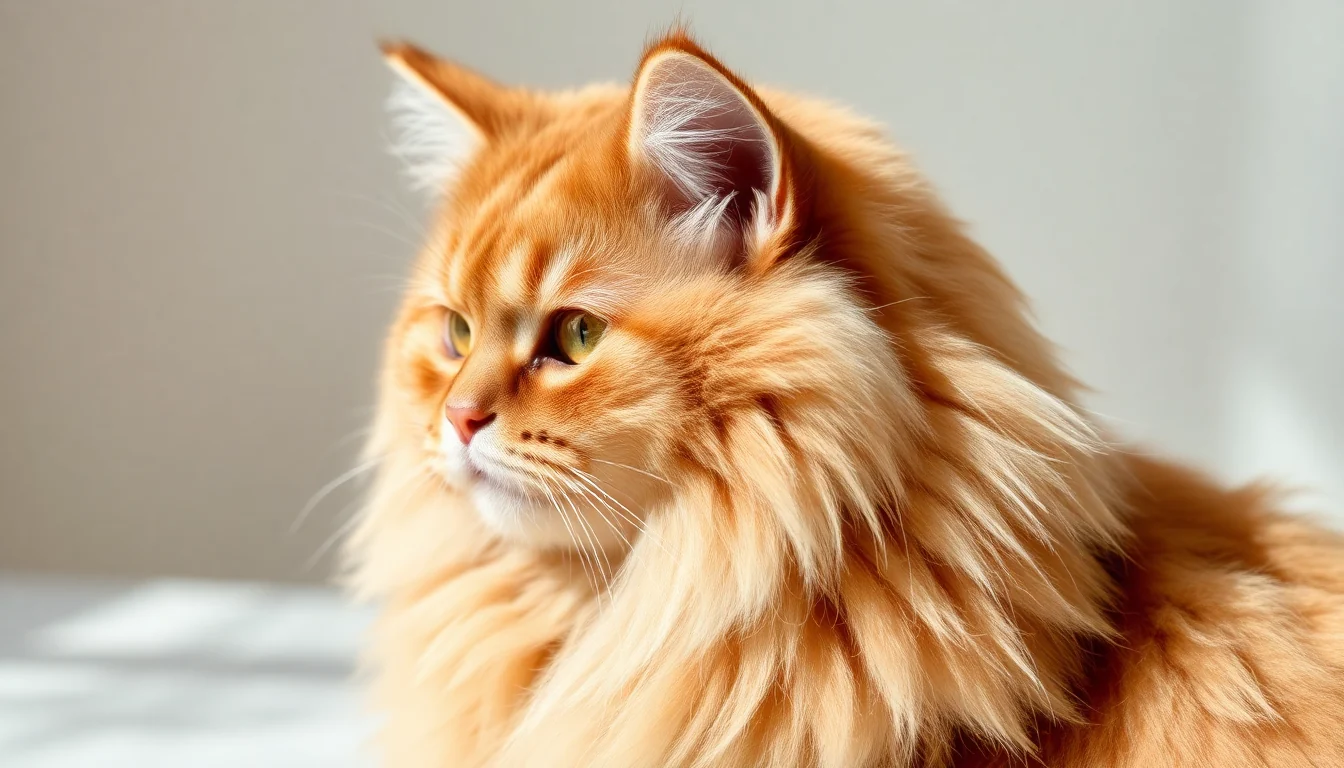
Your cat's coat looks dull. Maybe it's lost its luster over the past few weeks, or perhaps it's never been as glossy as you'd like. Either way, you're wondering how to make a cat's coat shiny, and the honest answer might surprise you.
It's rarely about the fancy grooming spray you saw at the pet store. It's almost always about what's happening inside their body, not on the outside.
In our research, veterinary sources consistently point to the same conclusion: a shiny coat is the visible result of balanced nutrition, proper hydration, and underlying health. Per WSAVA guidelines on pet nutrition, a deficiency in essential fatty acids or high-quality protein shows up on the skin long before any internal symptoms appear. As of 2026, the standard recommendation hasn't changed.
It starts with a vet visit, not a shopping spree. Let's break down what actually works, step by step.
Quick Answer
A shiny coat starts with a vet visit, not a grooming product. Rule out medical issues first. Then focus on diet, hydration, and stress reduction.
Add a pet-specific omega-3 supplement and brush regularly to distribute natural oils. Results take 4 to 8 weeks.
Why a Dull Coat Is a Red Flag (Not Just a Cosmetic Issue)
A dull coat isn't a beauty problem. It's a health report. When a cat's fur loses its shine, it means the skin barrier is struggling.
The sebaceous glands aren't producing enough oil, or the oil they produce isn't the right quality. That oil is what reflects light and gives fur that healthy gloss.
Think of it this way. Your cat's skin is their largest organ. It's constantly turning over new cells, growing hair follicles, and regulating temperature.
That process requires a steady supply of nutrients. When the body is short on protein, fatty acids, or vitamins, it prioritizes vital functions like heart and brain health. The skin and coat get whatever is left over, which usually isn't much.
Here's what a dull coat can indicate:
- Protein deficiency: Hair is about 95% protein. Without enough, fur becomes brittle and breaks off easily.
- Fatty acid imbalance: Omega-3 and Omega-6 fatty acids are anti-inflammatory and support oil production. An imbalance leads to flaky, dry skin.
- Dehydration: Cats are notorious for not drinking enough water. Chronic mild dehydration leads to dry, lackluster fur.
- Parasite burden: Fleas, ticks, and intestinal worms steal nutrients and cause skin irritation.
- Underlying organ issues: Kidney disease, hyperthyroidism, and diabetes all affect coat quality.
If your cat's coat has always been a bit dull, that's one thing. If it suddenly loses its shine, that's a different story. Sudden changes warrant immediate attention.
A gradual decline over months might point to a dietary issue. A rapid change, say over a few weeks, could signal something more serious.
Aggregate reviews from veterinary dermatologists suggest that many owners mistake a dull coat for a grooming problem. They buy brushes, sprays, and shampoos, when the real issue is metabolic. If the skin doesn't have the building blocks it needs, no external product will fix it.
That's why this article starts with health, not cosmetics. We're going to walk through the exact process of getting your cat's coat back to glossy, from vet visits to diet tweaks to grooming techniques. Forget the quick fixes.
This is the long game, and it works.
The Anatomy of a Healthy Coat: What "Shiny" Really Means
Let's talk about what's actually happening under all that fur. A healthy coat starts at the hair follicle, deep in the skin. Each follicle is connected to a sebaceous gland.
This gland produces sebum, a waxy, oily substance that coats each hair shaft. Sebum is the secret sauce. It waterproofs the fur, protects against bacteria, and gives it that natural shine.
The hair shaft itself has layers. The outermost layer, the cuticle, is made of overlapping scales. When these scales lie flat, light reflects evenly, and the coat looks glossy.
When they're raised, rough, or damaged, light scatters, and the coat looks dull. You can't see this with the naked eye, but it's happening at a microscopic level.
Here's what contributes to a healthy coat:
- Structured proteins: Hair is about 95% protein. It's built from amino acids like methionine and cysteine, which come from animal-based proteins.
- Essential fatty acids: Omega-3 (EPA and DHA) reduces inflammation. Omega-6 (linoleic acid) supports the skin barrier. Both are crucial.
- Vitamins and minerals: Vitamin E protects skin cells. Zinc supports cell turnover. B vitamins, especially biotin, help produce keratin.
- Hydration: Skin cells need water to function. Dehydrated skin doesn't produce healthy sebum.
The Hair Growth Cycle
Cats shed and regrow fur continuously. Each hair follicle goes through three phases:
- Anagen (growth): The hair actively grows.
- Catagen (transition): Growth slows and the follicle prepares to release the hair.
- Telogen (resting): The old hair is pushed out and the cycle starts again.
A healthy cat cycles through this constantly. Stress, illness, or poor nutrition can push follicles into the resting phase. This causes hair loss and dullness.
Healthy vs. Unhealthy Coat
Here's a quick reference:
| Characteristic | Healthy Coat | Unhealthy Coat |
|---|---|---|
| Appearance | Glossy, reflects light | Flat, matte, or greasy |
| Texture | Smooth and soft | Rough, brittle, or coarse |
| Shedding | Normal, seasonal | Excessive or patchy |
| Skin | Clear, no flakes | Dandruff, redness, or sores |
| Odor | Minimal | Unpleasant, musty |
When you run your hand over a healthy cat, the fur should fall back into place quickly. If it stands up, feels greasy, or leaves flakes on your hand, something's off. These aren't arbitrary observations.
They're diagnostic clues for your vet.
The First Step: Rule Out Medical Issues Before Changing Anything
Before you change a single thing about your cat's diet, you need to see a veterinarian. This is non-negotiable. A dull coat is a symptom, not a disease.
Treating it without a diagnosis is like taping over a check engine light.
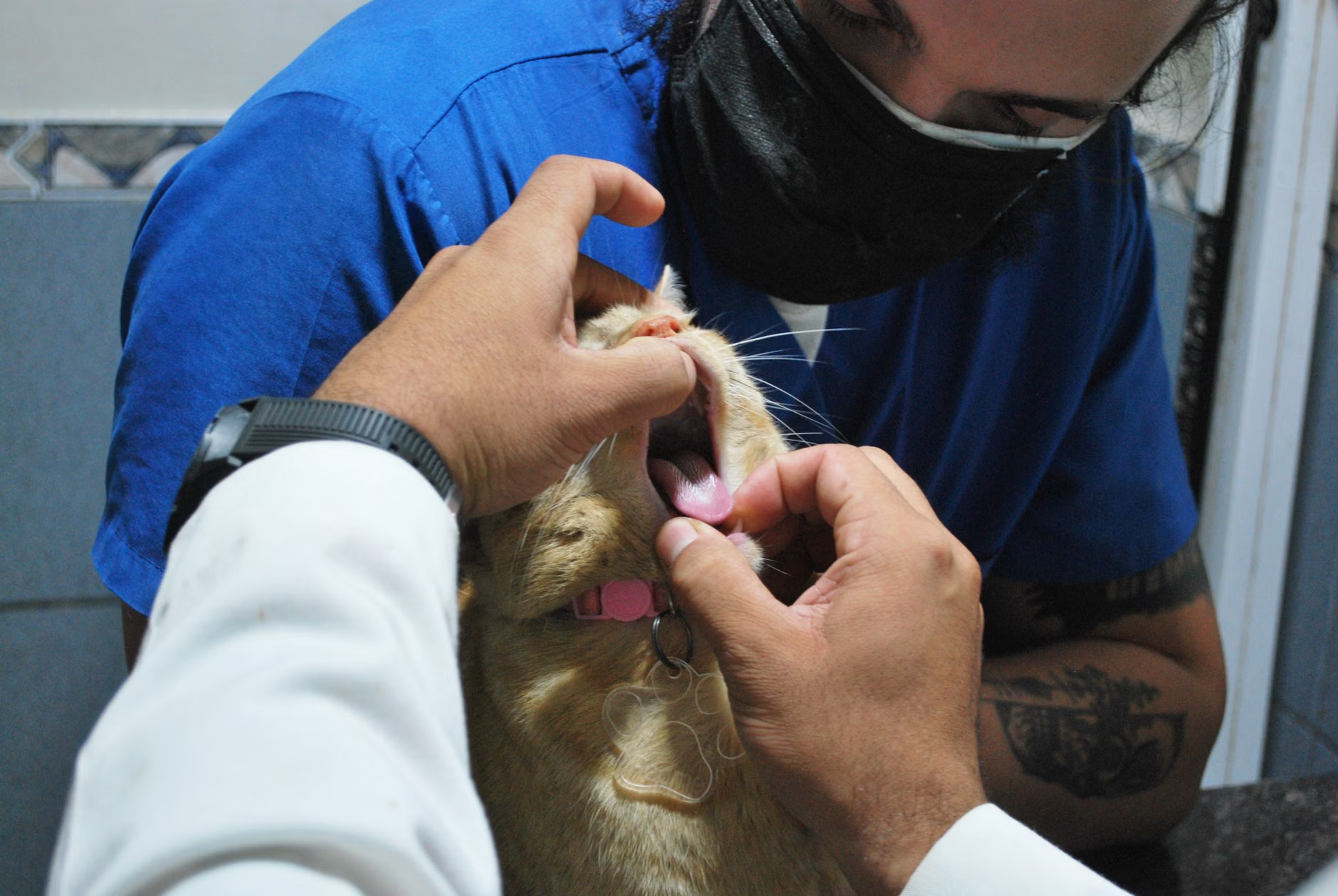
Image source: Pexels / Ermelinda Maglione
Here's why the vet visit matters. Several serious conditions present with poor coat quality as an early sign. Catching these early changes the outcome significantly.
Conditions That Cause Dull Fur
Chronic kidney disease (CKD) is common in senior cats. The kidneys filter waste and regulate hydration. When they fail, toxins build up in the blood, and the cat becomes dehydrated.
A dull, unkempt coat is often one of the first visible signs.
Hyperthyroidism occurs when the thyroid gland produces too much hormone. It causes rapid weight loss, increased appetite, and a greasy, matted coat. Paradoxically, some cats over-groom due to skin irritation, causing bald patches.
Dental disease is often overlooked. Painful teeth make it hard for cats to eat and groom. They stop grooming because it hurts.
The result is a dull, dirty coat. Your vet should always check the teeth during an exam.
Feline immunodeficiency virus (FIV) and feline leukemia virus (FeLV) suppress the immune system. They make cats vulnerable to secondary skin infections, which show up as dull, patchy fur.
Allergies, both food and environmental, cause skin inflammation. Cats scratch, bite, and over-groom, damaging the coat.
Parasites are the easiest to rule out. Fleas, mites, and worms all cause skin irritation and nutritional loss. A single flea bite can trigger a severe allergic reaction in some cats.
What to Expect at the Vet
During a wellness exam, your vet will:
- Palpate the skin and coat: Check for fleas, mites, dryness, or oiliness.
- Look at the ears and mouth: Rule out infections and dental disease.
- Listen to the heart: Detect murmurs or arrhythmias that might indicate hyperthyroidism.
- Take blood work: Check kidney and liver values, thyroid hormones, and blood sugar.
- Do a urinalysis: Evaluate kidney concentration ability and glucose levels.
If your vet finds nothing wrong, great. You can move forward with diet and grooming changes. If they find something, treatment starts immediately.
Either way, you now have a baseline.
When It's an Emergency
Most dull coat cases aren't emergencies. But some symptoms warrant a same-day visit:
- Sudden, severe hair loss (large patches within days)
- Open sores, bleeding, or crusty lesions
- Lethargy and loss of appetite
- Vomiting or diarrhea
- Difficulty breathing (could be a heart issue)
If you see any of these, don't wait for a regular appointment. Go to the emergency vet.
Questions to Ask Your Vet
Make the visit productive. Bring questions:
- "Is my cat's weight appropriate? How does that affect coat health?"
- "Are there any signs of parasites I should know about?"
- "What blood values indicate organ function?"
- "Do you recommend a specific diet for skin health?"
This isn't a waste of time or money. It's the most direct route to a shiny coat. Skip this step, and you risk chasing the wrong solution for months.
Diet Is 80% of the Battle: What Your Cat Actually Needs
Once your vet clears your cat, it's time to look at the food bowl. This is where most of the gains come from. In our research, veterinary nutritionists consistently say that diet accounts for roughly 80% of coat condition.
The remaining 20% is split between grooming, environment, and stress.
Cats are obligate carnivores. Their bodies are designed to get nutrients from animal tissue, not plants. This isn't a philosophy.
It's biology. Their digestive systems lack the enzymes to efficiently break down carbohydrates and plant proteins.
Protein Quality
Hair is keratin, a protein. If your cat isn't getting enough high-quality protein, their body prioritizes vital organs over hair growth. Look for foods where animal protein is the first ingredient, like chicken, turkey, salmon, or lamb.
The Association of American Feed Control Officials (AAFCO) sets minimum standards for pet food. For adult maintenance, they require at least 26% crude protein on a dry matter basis. But that's a minimum.
For optimal coat health, most veterinary nutritionists recommend 35-45% protein.
Here's what to look for on the label:
- Named protein source first: "Chicken" or "Chicken Meal" beats "Poultry" or "Meat Meal."
- Specific animal fats: "Chicken Fat" is fine. "Animal Fat" is vague and lower quality.
- Minimal fillers: Corn, wheat, and soy have little nutritional value for cats.
- Guaranteed analysis: Check the protein, fat, and moisture percentages.
The Fatty Acid Balancing Act
Omega-3 and Omega-6 fatty acids are critical for skin health. Neither is optional. They work together.
Omega-6 fatty acids, specifically linoleic acid, are structural components of the skin barrier. A deficiency causes dermatitis, scaling, and a dull coat. These are found in chicken fat, sunflower oil, and most commercial cat foods.
Omega-3 fatty acids, specifically EPA and DHA, have anti-inflammatory properties. They reduce itching and flaking. They're found in fish oil, krill oil, and flaxseed.
Cats convert plant-based Omega-3 poorly, so fish sources are more effective.
Most commercial cat foods have plenty of Omega-6 but are low in Omega-3. That's why supplementation is often beneficial.
Wet Food vs. Dry Kibble
This is a major factor in coat health. Dry kibble contains about 10% moisture. Wet food contains 70-80%.
Cats evolved to get most of their water from food. Their thirst drive is naturally low.
Chronic dehydration leads to dry skin, which leads to a dull coat. It also stresses the kidneys.
| Factor | Wet Food | Dry Kibble |
|---|---|---|
| Moisture content | 70-80% | 10% |
| Protein density | Lower (due to water) | Higher (on dry matter basis) |
| Carbohydrates | Lower | Higher (often 30-40%) |
| Cost per meal | Higher | Lower |
| Shelf life after opening | 2-3 days refrigerated | Several weeks |
The ideal approach is to feed a mix. Offer wet food at least once or twice a day, and leave dry food for grazing. This ensures better hydration without blowing up your food budget.
Supportive Nutrients
Beyond protein and fats, certain vitamins and minerals support coat health:
- Vitamin E: An antioxidant that protects skin cells from oxidative damage.
- Zinc: Involved in cell turnover and skin repair. Deficiency causes dermatitis and hair loss.
- Biotin (Vitamin B7): Supports keratin production. Deficiency is rare in cats eating balanced commercial diets.
- Taurine: An essential amino acid for cats. Deficiency causes heart disease and eye problems. It also affects general health, including skin and coat.
The bottom line: your cat's food is the foundation. If it's low quality, no supplement will compensate completely. If it's high quality, you might not need supplements at all.
The Supplement Question: What Works and What's a Waste of Money
The supplement market for pets is enormous, and it's mostly unregulated. The FDA doesn't approve pet supplements before they hit shelves. That means quality varies wildly between brands.
Some products contain what they claim; others don't. Some even contain harmful contaminants.
So, what actually works? Let's break it down by the most common supplement types.
Fish Oil (Omega-3)
This is the most studied and effective supplement for coat health. The active ingredients are eicosapentaenoic acid (EPA) and docosahexaenoic acid (DHA). Both are anti-inflammatory and support the skin barrier.
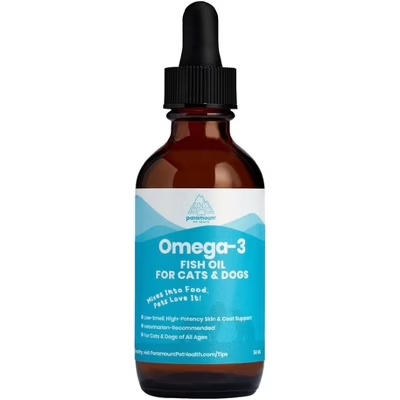
Image source: Bing (Web (fair-use with source credit))
Clinical studies show that omega-3 supplementation reduces itching in cats with allergies. It improves coat gloss and reduces flaking. Results typically appear within 4 to 8 weeks of consistent use.
Dosing: The standard veterinary recommendation is 10-20 mg/kg of combined EPA and DHA, once or twice daily. For an average 10 lb cat (4.5 kg), that's roughly 45-90 mg of EPA/DHA per dose.
Check the label for the EPA and DHA amounts, not just "fish oil." A typical 500 mg capsule of fish oil might contain only 180 mg EPA and 120 mg DHA. You need a product specifically formulated for pets to avoid over-dosing Vitamin A (present in cod liver oil).
Forms: Liquid, gel capsules, and chewable treats. Liquid is easiest to measure precisely. Capsules can be punctured and squeezed onto food.
Treats are convenient but often contain lower doses.
Storage: Omega-3s are prone to oxidation. Keep them refrigerated and sealed. If the oil smells rancid, throw it out.
Rancid oil does more harm than good.
Side effects: At proper doses, side effects are rare. Some cats get fishy breath or mild digestive upset. Large doses can interfere with blood clotting, so check with your vet if your cat has had surgery or has a bleeding disorder.
Krill Oil
Krill oil is an alternative to fish oil. It contains EPA and DHA, plus astaxanthin, a powerful antioxidant. The theoretical advantage is better absorption due to the phospholipid structure.
However, krill oil is significantly more expensive. Aggregate reviews show results comparable to fish oil, not meaningfully better. Unless your cat refuses fish oil, krill oil isn't the best value.
Coconut Oil
Social media loves coconut oil. It's cheap, smells good, and seems harmless. But the evidence for its benefits is thin.
Coconut oil is mostly medium-chain triglycerides (MCTs). These have anti-microbial properties and can improve skin barrier function in some species. But the evidence in cats is sparse.
The downside is more clear: coconut oil is calorie-dense and high in fat. Overfeeding causes weight gain and diarrhea.
If you want to try it, limit the dose to 1/4 teaspoon per day, mixed into food. Don't apply it topically. Cats groom, and they'll ingest whatever you put on their fur.
Olive Oil and Other Plant Oils
You'll see advice to add olive, sunflower, safflower, or walnut oil to your cat's food. These provide omega-6 fatty acids. Most commercial cat foods already contain plenty of omega-6.
Adding more tips the balance away from omega-3s, which can increase inflammation.
Unless your cat eats a severely homemade diet devoid of plant oils, skip the olive oil.
Biotin and B-Vitamin Complexes
Biotin supports keratin production. It's sometimes marketed as the "hair vitamin." However, studies show that biotin deficiency is rare in cats eating commercial diets. The gut bacteria synthesize biotin, and most foods contain it.
Adding more isn't harmful, but it's also unlikely to help.
What Works and What Doesn't
| Supplement | Effective? | Evidence Level | Risk | Bottom Line |
|---|---|---|---|---|
| Fish Oil (Omega-3) | Yes | Strong clinical evidence | Low | Best first choice |
| Krill Oil | Yes | Moderate, similar to fish oil | Low | Premium price, no real edge |
| Coconut Oil | Unproven | Anecdotal only | Moderate (fat/calories) | Skip it |
| Olive Oil | No | No specific benefit for coat | Low | Unnecessary |
| Biotin | Not in practice | Deficiency rarely exists | Low | Skip it |
When Supplements Are Not Safe
Supplements aren't harmless water. Some interact with medications or worsen existing conditions.
- Liver disease: Fish oil may impair coagulation, increasing bleeding risk.
- Pancreatitis: High-fat oils can trigger flare-ups.
- On medication: Fish oil can interact with blood thinners and some cardiac drugs.
Always get your vet's approval before starting any supplement. Blood work from your initial visit helps identify any of these concerns.
Grooming Techniques That Actually Stimulate Natural Oils
Grooming does more than remove loose hair. It distributes the natural oils (sebum) from the skin down the hair shaft. It also removes dead hair before it can tangle and cause skin irritation underneath.
And it's a bonding experience that reduces your cat's stress.

Image source: Bing (Web (fair-use with source credit))
The right technique and tool make all the difference. The wrong ones can damage the coat and hurt your cat.
Choosing the Right Brush
Not all brushes are created equal. The breed and coat type determine what works.
- Slicker brushes: Fine, closely spaced wire pins on a flat or curved head. Remove mats, tangles, and loose undercoat. Best for medium and long-haired cats.
- Bristle brushes: Natural boar bristles. Distribute sebum and add shine. Best for short-haired cats.
- Rubber curry brushes: Rubber nubs that attract loose hair via static. Excellent for massage and short-haired cats. Safe for sensitive skin.
- Undercoat rakes: Long, spaced teeth. Remove dense undercoat in breeds like Persians and Maine Coons.
- De-shedding tools: Metal blades that cut and pull loose undercoat. Use sparingly to avoid over-thinning the coat.
| Coat Type | Brush Type | Frequency |
|---|---|---|
| Short hair | Rubber curry or bristle | 1-2 times per week |
| Medium hair | Slicker, then bristle | 2-3 times per week |
| Long hair | Undercoat rake, then slicker | Daily |
| Mats/tangles | Slicker or mat splitter | As needed |
Proper Brushing Technique
Brushing isn't just dragging a brush over the fur. It's a specific motion that stimulates the skin and promotes oil distribution.
- Start slow and gentle: Let your cat sniff the brush first. Start with short, gentle strokes along the back, where cats are most tolerant.
- Follow the hair direction: Brush in the direction the hair grows, from head to tail.
- Use shorter strokes: Don't run the brush the full length of a long coat in one pass. Use 2-3 inch strokes, working through tangles gradually.
- Pay attention to pressure: You should be removing loose hair, not scraping the skin.
- Don't neglect the rear: The base of the tail, the hind legs, and the belly are prone to matting.
- Brush the legs and tail separately, not all in one pass.
The "Finish" with a Bristle Brush
Here's a pro trick that most owners skip. After removing loose hair with a slicker or curry, finish with a bristle brush. The natural boar bristles create static that helps distribute sebum from the skin to the hair tips.
This is what gives the coat that final polish.
A few slow passes with a bristle brush along the back and flanks. That's it. The coat looks glossier immediately.
How Often to Bathe
Here's the counterintuitive truth: cats don't need frequent baths. Bathing too often strips the skin of its natural oils, making the coat dull and dry. Cats have sensitive skin with a pH around 6.0.
Most human shampoos are too alkaline.
Unless your cat gets visibly dirty, has a medical condition, or has a flea infestation, bathing is unnecessary. Cats groom themselves effectively.
When a bath becomes necessary:
- Use a shampoo formulated specifically for cats
- Use warm water, not hot
- Support the cat's body and work quickly
- Rinse thoroughly. Shampoo residue causes itching
- Dry completely, then brush
Grooming as a Health Check
Grooming sessions are the perfect time to notice problems. Look for lumps, bumps, redness, fleas, or changes in skin pigmentation. Run your hands over the body.
A healthy cat tolerates touch. If they flinch or pull away, something hurts.
Regular grooming builds trust. A cat that trusts you is less stressed. Less stressed cats groom more effectively and have healthier coats.
The Hidden Culprits: Stress, Environment, and Habits
You've fixed the diet. You've started the right supplements. You've mastered the brushing technique.
And yet, your cat's coat still isn't gleaming the way you'd hoped.
Here's what many owners miss. The best nutrition and grooming routine in the world can be undone by stress, environmental factors, and daily habits that fly under the radar.
Stress and Its Effect on Fur
Cats are creatures of routine. They thrive on predictability. When that routine breaks, they don't just get sad.
They get physically sick. Stress triggers a cascade of hormones, primarily cortisol, which diverts energy away from non-essential functions like hair growth.
Here's what stress looks like in cats:
- Over-grooming: The cat licks and bites at its fur obsessively. This leads to bald patches, especially on the belly and inner thighs. The condition is called psychogenic alopecia.
- Under-grooming: The opposite. A stressed cat stops grooming entirely. The coat becomes greasy, matted, and dull.
- Hidden stress: Cats are experts at masking discomfort. Subtle changes in behavior, like hiding more or altered appetite, are clues.
Common stressors include:
- New pets or people in the household
- Moving to a new home
- Changes in routine
- Loud noises
- Dirty litter boxes
- Lack of vertical space
The Indoor Environment
Dry air is a major culprit. Heating systems in winter and air conditioning in summer both remove moisture from the air. Dry air pulls moisture from your cat's skin, leaving it flaky and dull.
Add a humidifier to the room where your cat spends the most time. Aim for a relative humidity of 30-50%.
Temperature extremes also matter. Overheated rooms cause excessive shedding. Cold drafts dry out the skin.
Maintain a consistent, moderate temperature.
Low-quality air is another factor. Airborne irritants like cigarette smoke, aerosol sprays, and strong perfume settle on your cat's fur. Your cat ingests these when grooming.
Smoking indoors is one of the worst things you can do for your cat's coat. It's also a known risk factor for feline lymphoma.
The Litter Box Connection
A dirty litter box is a major stressor for cats. They're fastidious creatures. If their box is dirty, smelly, or in a bad location, they get stressed.
Some cats over-groom. Others stop grooming entirely.
Keep the box clean. Scoop daily. Change the litter completely every 1-2 weeks.
Provide one box per cat, plus one extra. Some litters are dusty or contain fragrance. Try an unscented, low-dust variety if you suspect an issue.
Household Toxins and Chemicals
Many common household products are toxic to cats. When absorbed through the skin or ingested during grooming, they cause skin inflammation and systemic illness.
Be careful with:
- Essential oil diffusers: Many essential oils, including tea tree, eucalyptus, peppermint, and citrus, are toxic to cats.
- Cleaning products: Avoid strong chemical cleaners on surfaces where your cat walks or sleeps.
- Pesticides and herbicides: Keep your cat indoors for at least 24 hours after applying lawn or garden treatments.
- Certain houseplants: Lilies, philodendrons, azaleas, and many others are poisonous.
Seasonal Factors
Coat condition changes with the seasons. This is normal.
- Spring: Cats shed their heavy winter coat.
- Summer: The coat may feel slightly coarser due to sun exposure.
- Fall: The coat thickens in preparation for winter.
- Winter: Indoor heating dries out the skin. Expect more dandruff and static.
Seasonal changes aren't a problem unless you notice patchy hair loss, redness, or intense itchiness.
Mistakes That Make a Dull Coat Worse
You're trying. You really are. But some well-intentioned habits are quietly sabotaging your efforts.
Over-Supplementing Fat-Soluble Vitamins
This is the most dangerous mistake on this list. Vitamins A, D, E, and K are fat-soluble. Your cat's body stores them in the liver and fatty tissue.
Unlike water-soluble vitamins, which get flushed out in urine, fat-soluble vitamins accumulate to toxic levels.
Vitamin A toxicity is especially concerning. Cats can't convert beta-carotene (from plants) into active Vitamin A. They need preformed Vitamin A from animal sources.
But too much causes bone pain, joint stiffness, and skin lesions.
The signs of Vitamin A toxicity include:
- Lethargy
- Poor appetite
- Weight loss
- Joint stiffness
- Excessive grooming or hair loss
If you suspect over-supplementation, stop all supplements immediately and call your vet.
Using Human Hair Products
Human skin has a pH around 4.5-5.5. Cat skin has a pH around 6.0. Human products are formulated for human skin.
They disrupt the skin barrier, strip natural oils, and cause irritation.
Human shampoos also contain fragrances, dyes, and preservatives that are irritants. Cats groom themselves after bathing. They ingest whatever residue is on their fur.
The only products that belong on your cat's skin are specifically formulated for felines.
Skipping Parasite Prevention
Fleas, ticks, and mites are more than just an annoyance. They cause intense itching, which leads to scratching and over-grooming. They also transmit diseases and consume blood, leading to anemia and nutritional deficiencies.
Many owners skip parasite prevention because their cat is strictly indoor. But fleas ride in on your clothes. They come in through open doors and windows.
Indoor cats get fleas all the time.
Use a vet-recommended flea prevention year-round.
Abrupt Diet Changes
Cats have sensitive digestive systems. A sudden food change causes vomiting, diarrhea, and gastrointestinal upset. This leads to poor nutrient absorption, which leads to a dull coat.
The correct approach is a slow transition over 7-10 days:
- Days 1-2: 75% old food, 25% new food
- Days 3-4: 50% old food, 50% new food
- Days 5-6: 25% old food, 75% new food
- Days 7-10: 100% new food
Ignoring Water Intake
Cats don't drink enough water. Their low thirst drive is an evolutionary leftover from their desert-dwelling ancestors.
Signs of chronic dehydration include:
- Dry, tacky gums
- Dull, flat coat
- Reduced skin elasticity
- Constipation
- Strong-smelling urine
You can improve hydration:
- Add water or low-sodium chicken broth to wet food
- Provide multiple water sources around the house
- Use a pet water fountain
- Switch from kibble to wet food
Over-Bathing
Cats groom themselves for about 30-50% of their waking hours. They don't need human intervention to stay clean. Bathing strips the skin of natural oils.
It takes weeks for those oils to regenerate.
When is a bath actually necessary?
- The cat is visibly dirty
- The coat is greasy due to a medical condition
- There's a flea infestation
- The cat has a skin condition that requires medicated baths
- The cat is elderly, arthritic, or obese and cannot groom themselves
Ignoring Dental Health
Bad teeth cause dull coats. Dental disease causes chronic pain. Pain makes it difficult for cats to groom.
The coat becomes matted, dirty, and dull.
Dental disease also causes systemic inflammation. Bacteria enter the bloodstream and stress the liver, kidneys, and heart. The body prioritizes fighting infection over maintaining skin health.
The solution is regular dental care:
- Brush your cat's teeth with pet-specific toothpaste
- Use dental treats and water additives
- Schedule professional dental cleanings as recommended
Using Essential Oils or Fragrance Products
Cats lack a key liver enzyme called glucuronyl transferase. This enzyme breaks down certain compounds found in essential oils. Without it, these compounds accumulate to toxic levels.
Oils that are specifically dangerous include:
- Tea tree oil
- Eucalyptus
- Peppermint
- Citrus
- Cinnamon
- Clove
- Wintergreen
Even diffusers are problematic. Oil droplets settle on your cat's fur and get ingested during grooming. If you use an essential oil diffuser, stop.
The "More Is Better" Trap
Excessive omega-3s cause digestive upset and bleeding. Too much fat in the diet causes pancreatitis. Too many vitamins cause toxicity.
Follow the manufacturer's dosing instructions. Better yet, get specific dosing advice from your vet.
What to Do in the First 30 Days: A Practical Timeline
You have the knowledge. Now you need a plan. Here's a concrete, day-by-day calendar for the first month.
Week 1: Assessment and Veterinary Foundation
Day 1-2: Book the Vet Visit
Schedule a wellness exam. Ask for blood work and a urinalysis to rule out underlying organ issues.
Day 3: Environmental Audit
Walk through your home. Deep clean litter boxes. Unplug essential oil diffusers.
Move candles and air fresheners. Identify drafty areas near your cat's bed.
Day 4-5: Water Upgrade
Buy a pet water fountain. Place it away from the food bowl. Add a second water bowl in a different room.
Day 6-7: The Vet Visit
Bring questions about weight, parasites, blood work results, and food recommendations.
Week 2: Diet Transition and Supplement Introduction
Day 8-10: Food Transition Begins
Start the 7-10 day transition to the new food. Mix 75% old food with 25% new food for the first two days.
Day 11-13: First Supplement Introductions
Start with a half-dose of fish oil. Monitor for digestive upset. If your cat refuses food with the supplement, try puncturing a gel capsule and squeezing the oil on top.
Day 14: Mid-Transition Check-In
The ratio should be 50% old food and 50% new food. Watch for vomiting, diarrhea, reduced appetite, or lethargy. If any occur, slow the transition.
Week 3: Grooming Routine and Environment Optimization
Day 15-17: Establish the Grooming Routine
Buy the right brush. Start with 2-3 minute sessions. If your cat resists, try the "pet then brush" technique.
Day 18-20: Humidity and Temperature
Check your home's humidity. If below 30%, run a humidifier. Move your cat's bed away from drafts.
Day 21: Environmental Enrichment
Add cat trees, window perches, puzzle feeders, and rotating toys.
Week 4: Evaluation and Adjustment
Day 22-26: Observe and Photograph
Take photos of your cat's coat in the same lighting every few days. Track dandruff, texture, static, and grooming behavior.
Day 27-28: Review Diet and Supplement Dosing
Confirm you're at 100% new food. Confirm the full supplement dose.
Day 29-30: Progress Assessment
If you see no improvement after 6-8 weeks, return to the vet.
The First 30 Days at a Glance
| Week | Focus | Key Actions |
|---|---|---|
| 1 | Assessment | Vet visit, environmental audit, water upgrade |
| 2 | Diet | Food transition, supplement introduction |
| 3 | Grooming | Brush routine, humidity control, enrichment |
| 4 | Evaluation | Photo journal, progress check, adjust plan |
When to See the Vet Again (Red Flags After Changes)
You've followed the plan. You've been patient. But something still isn't right.
Here's the hard truth: not every dull coat is fixed with diet and grooming.
No Improvement After 6-8 Weeks
Fatty acid supplementation takes 4-8 weeks to show visible results. Diet changes take a similar amount of time. If you've been consistent for two months with zero improvement, something else is going on.
New Symptoms That Demand Attention
| Symptom | Potential Cause | Action |
|---|---|---|
| Sudden, patchy hair loss | Ringworm, mange, autoimmune disease | Vet visit within 48 hours |
| Open sores, bleeding, or crusty lesions | Infection, trauma, severe allergy | Emergency visit if severe |
| Intense itching | Fleas, allergies, mites | Vet visit within 1 week |
| Lethargy and reduced appetite | Systemic illness | Same-day vet visit |
| Vomiting or diarrhea lasting more than 24 hours | Dietary intolerance, infection | Vet visit within 24 hours |
| Difficulty breathing | Heart or lung issues | Emergency vet visit |
| Discolored skin | Liver failure, heart issues, anemia | Emergency vet visit |
Behavioral Changes You Shouldn't Ignore
- Hiding more than usual
- Reduced grooming (matted, greasy coat)
- Increased vocalization, especially at night
- Aggression when touched
- Changes in litter box habits
- Altered sleeping patterns
The Second Vet Visit: What to Bring
- Photo documentation showing no changes
- Food labels with ingredient lists
- Supplement labels with brands and doses
- A timeline of when you made changes
- Behavioral observations
What Your Vet Might Recommend
- Referral to a veterinary dermatologist for advanced diagnostics
- Hypoallergenic diet trial lasting 8-12 weeks
- Additional blood work or imaging to rule out organ issues
- Topical or systemic medications for allergies or infections
Trust Your Gut
If you feel something is wrong, you're probably right. You know your cat better than anyone. If they seem off, follow that instinct.
Many owners report that their vet initially dismissed coat issues as cosmetic. They pushed for further testing and discovered a serious condition.
The Reality Check
Some cats have naturally less glossy coats than others. Genetics play a role. If your cat has always had a slightly matte coat, and all tests are normal, that might just be their baseline.
Fixating on an unattainable standard of shine creates stress. And stress makes coats worse. Instead, focus on texture, skin health, and overall wellbeing.
A coat that's soft, dander-free, and even in color is healthy, even if it's not glossy enough to reflect light.
Frequently Asked Questions
Can I use olive oil or coconut oil on my cat's fur?
No. Both oils are high in fat and calories with little proven benefit for coat health. Coconut oil clogs pores and attracts dirt.
Olive oil provides omega-6 fatty acids, which most commercial diets already contain. If you must try coconut oil, limit it to 1/4 teaspoon mixed into food. Never use it on a cat with a history of pancreatitis.
Does frequent brushing reduce hairballs?
Yes, but only if you're using the right brush. Hairballs form when cats ingest loose fur during grooming. Brushing removes that loose fur before it reaches the stomach.
For long-haired cats, daily brushing makes a measurable difference. For short-haired cats, two to three sessions per week is usually enough.
Should I bathe my cat to improve coat shine?
No. Cats groom themselves for 30-50% of their waking hours. Bathing strips the natural oils that give fur its shine.
Unless your cat is visibly dirty, has fleas, or has a medical condition requiring medicated baths, skip it entirely.
Are grain-free diets better for coat health?
Not necessarily. Most cats with food allergies react to the protein source, usually chicken, beef, or fish, not the grains. The more important focus is protein quality and omega-3 content.
A diet with 35-45% named animal protein and added fish oil will outperform a grain-free diet with lower quality ingredients.
How long does it take for fish oil to improve a cat's coat?
Expect visible results in 4 to 8 weeks of consistent daily dosing. Fatty acids need time to incorporate into cell membranes and normalize skin barrier function. If you see no improvement after 8 to 10 weeks, the supplement may not be the right fix.
Can stress really cause a dull coat?
Absolutely. Stress triggers cortisol release, which diverts energy away from skin and hair maintenance. Some cats over-groom, creating bald patches.
Others stop grooming entirely. Improving environmental enrichment and maintaining a consistent schedule often resolves the coat issue within a few weeks.
Is it safe to give my cat human fish oil supplements?
It's not recommended. Human fish oil products vary widely in concentration and quality. Some contain Vitamin A levels that are safe for humans but toxic for cats.
Always use a supplement specifically formulated for pets.
What's the best way to add omega-3s to my cat's diet?
Liquid fish oil or a gel capsule punctured and squeezed onto food. Liquids allow precise dosing. Look for a product that specifies the EPA and DHA content, not just "fish oil." Store the oil in the refrigerator to prevent rancidity.
The Bottom Line: Your Verified Plan for a Shiny Coat
Let's bring it all together. You have the knowledge. You have the plan.
Now you need to execute it with consistency and patience.
Here's your verified, step-by-step plan:
- Schedule a veterinary wellness exam. Rule out medical issues before anything else.
- Evaluate the diet. Aim for 35-45% animal protein, adequate moisture, and named protein sources.
- Add a pet-specific fish oil supplement. Dose based on body weight. Allow 4-8 weeks for results.
- Improve hydration. Add wet food, a water fountain, and multiple water stations.
- Establish a grooming routine. Brush 2-3 times per week for short hair, daily for long hair.
- Reduce environmental stressors. Clean litter boxes daily, add vertical spaces, maintain routine.
- Monitor progress. Take photos weekly. Note any changes in texture, dander, or grooming behavior.
If you see no improvement after 8 weeks, return to the vet. Ask about allergy testing or a referral to a veterinary dermatologist.
Don't fixate on a mirror-like gloss. A healthy coat is soft to the touch, free of dander, and consistent in color. Those subtle changes in texture and condition are the real signs that your efforts are working.
The rewards extend far beyond looks. A shiny coat is evidence that your cat's digestive system is absorbing nutrients, their immune system is functioning, and their stress levels are manageable. That's not vanity.
That's a full-body health report written in their fur.
Start with the veterinary exam. It's the foundation everything else builds on. Then let the timeline guide you.
The first month is assessment and adjustment. The second month is observation and fine-tuning.
And when the coat finally catches the light the way you've been hoping it would, take a moment to appreciate what that means. Your cat's body has the nutrients it needs. Their skin is hydrated.
Their stress is manageable. You've built an environment where their health can flourish.
That's what a shiny coat really represents. It's the visible payoff of everything you've been doing right. Enjoy it.
You've earned it.
Now, go give your cat a good brush. They'll thank you for it, even if they pretend they don't. And if they give you that slow blink of contentment while you're at it, that's the closest a cat gets to saying "thank you." Take it.
It's the highest compliment they'll ever give you.