
Image source: Bing (Web (fair-use with source credit))
If you've ever searched for how to reduce pet dander at home, you already know the struggle. You love your dog or cat, but your nose doesn't. Sneezing fits, itchy eyes, and that post-cuddle congestion are enough to make anyone wonder if they have to choose between their pet and their breathing.
Here's the good news: you don't. Pet dander is manageable, and you can cut it dramatically without rehoming your best friend. The trick is understanding that dander isn't fur.
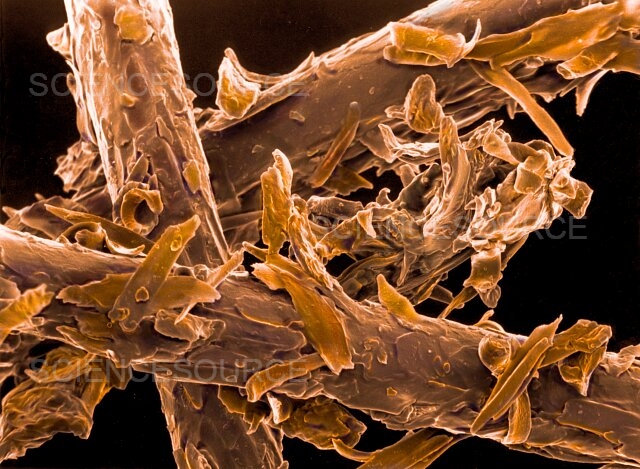
It's microscopic dead skin flakes that carry proteins like Fel d 1 (cats) and Can f 1 (dogs). These proteins trigger allergic reactions in sensitive people. Per EPA guidance on indoor air quality, dander particles range from 2.5 to 10 microns, small enough to stay airborne for hours and settle deep into carpets, upholstery, and bedding.
That's why the fix isn't one magic product. It's a system.
Quick Answer
Reduce pet dander by targeting where it lives, not just where your pet sleeps. Wash bedding weekly in hot water at 130°F or higher. Run a true HEPA air purifier continuously in your bedroom and main living area.
Vacuum twice weekly with a sealed HEPA vacuum. Groom your pet outdoors or in a contained space. Upgrade your HVAC filter to MERV 11 or higher.
Replace it every 30 to 90 days. Consistent steps beat expensive gadgets every time.
Why Pet Dander Is the Real Problem (Not the Fur)
Let's clear up the biggest misconception right now. Pet fur is not the allergen. People with pet allergies aren't allergic to hair.
They're allergic to proteins found in skin flakes, saliva, and urine. When your pet grooms themselves, saliva dries on their fur, flakes off, and becomes part of that fine dust you find on your coffee table.
Dander is microscopic. You can't see it floating in sunbeams, but it's there. It's light enough to stay suspended in the air for hours, and it clings to every soft surface it touches.
Your couch, your curtains, your bed, your carpet. That's why even people who don't own pets can walk into a pet-owning home and start sneezing within minutes.
The protein load matters too. Studies published in the Journal of Allergy and Clinical Immunology show that Fel d 1, the main cat allergen, is sticky and tiny. It travels on clothing, settles into mattresses, and stays active for months.
So removing dander isn't a one-time deep clean. It's an ongoing, layered strategy.
The Asthma and Allergy Foundation of America (AAFA) confirms that consistent allergen reduction practices can significantly lower symptom severity. The goal is to reduce your total allergen exposure below your personal trigger threshold.
That threshold is different for everyone. Some people react at very low levels. Others tolerate more.
But the approach is the same for everyone: reduce the total allergen load in your home, keep it low, and give your immune system less to react to.
How Pet Dander Moves Through Your Home
Understanding how dander travels changes how you clean. It's not just on your pet. It's everywhere, and it gets there through a few predictable routes.
The HVAC Factor
Your heating and cooling system is the main culprit. Every time the furnace or AC kicks on, air moves through the ducts and out the vents. That airflow picks up dander from floors, picks it up from furniture, and redistributes it into every room.
If you have a forced-air system, your whole house shares the same air. And without a good filter, that air gets recirculated over and over.
This is why upgrading your furnace filter matters. A basic fiberglass filter stops large dust bunnies but lets smaller particles pass through. A MERV 11 or MERV 13 filter captures far more of the fine particles that carry allergens.
As of 2026, these higher-rated filters are affordable and widely available. Just confirm your HVAC system can handle the airflow restriction. Check the manufacturer documentation for your unit.
Room-by-Room Transmission
Dander doesn't stay where your pet hangs out. Your pet walks into the bedroom, jumps on the couch, and sleeps on your pillow when you're at work. Every surface collects a layer of allergen.
Here's how it spreads:
- Your pet's bed sheds dander into the air and floor
- Pet hair carries dander on it as it drifts across rooms
- You transfer dander on your clothing when you pet your animal and then sit down
- Open floor plans allow air movement to push allergens between zones
- Draughts from windows and doors redistribute settled particles
The bedroom matters most because that's where you spend eight or more hours breathing while your body recovers. If you can keep the bedroom as a pet-free zone, you'll notice the biggest improvement in sleep quality and morning symptoms.
Room-by-Room Dander Reduction Plan
Now let's get practical. You can't deep-clean your entire house in one weekend and be done. But you can build a room-by-room routine that systematically lowers the allergen load where it matters most.
Bedrooms: Where You Sleep Matters Most
The bedroom is your sanctuary. It's also where you breathe for eight straight hours. This room gets top priority.
Start with the obvious rule: keep pets out. If your cat howls at the door or your dog gives you the saddest eyes, remember that your health comes first. Allergists consistently recommend a pet-free bedroom for anyone with moderate to severe allergies.
Next, protect the mattress and pillows. Allergen-proof covers with zippers block dander from getting into the core of your mattress. These aren't the crinkly plastic covers from decades ago.
Modern ones are breathable, quiet, and comfortable. Wash them every couple of months per the manufacturer's instructions.
Wash all bedding weekly in hot water. The National Institute of Allergy and Infectious Diseases (NIAID) recommends washing at 130°F (54.4°C) or higher to denature allergens. Standard warm water isn't enough.
If your washer doesn't reach 130°F, consider adding a laundry sanitizer that's safe for lower temperatures.
Curtains are another hidden reservoir. Heavy drapes collect dander like a filter. If possible, swap them for washable curtains and launder them monthly.
Blinds are easier, just wipe them with a microfiber cloth dampened with water.
And the floor. If you have carpet in the bedroom, vacuum it twice weekly with a sealed HEPA vacuum. Ideally, you'd remove carpet entirely from the bedroom.
But if that's not an option, the vacuum plan is effective.
Living Rooms: Tackling Upholstery and Carpet
The living room is where you spend the most waking hours. It's also where your pet probably has a favorite spot.
Treat furniture as a dander magnet. If your pet sits on the couch, the couch holds allergen. Weekly vacuuming of upholstery with a HEPA vacuum is a good start.
Consider washable slipcovers for a deeper clean. Steam cleaning upholstery every three to six months also works well and doesn't require harsh chemicals.
Carpet is the toughest challenge. It holds dander deep in its fibers where a vacuum can't always reach. Baking soda can help with odors, but it's not a cleaner.
For real dander removal, you need steam cleaning or a carpet shampooer every few months.
Let's be honest: carpet is the worst flooring choice for pet owners with allergies. If you have the budget, replacing carpet with hardwood, tile, or laminate floors makes a massive difference. These surfaces don't trap allergens, and you can easily mop them weekly.
Kitchens and Hard-Floor Areas: Simple Wins
Kitchens and bathrooms typically have hard floors, which are easier to keep clean. But dander still settles on countertops, window sills, and appliance tops.
Use a damp microfiber mop instead of a dry sweep. Dry sweeping just pushes particles around. Damp mopping traps and removes them.
Do this weekly in areas your pet can access.
Wipe down surfaces with a damp cloth. Dry dusting kicks particles back into the air. The same goes for electronics and entertainment centers that collect static dust.
Pet Zones: Managing Where Your Pet Spends Time
Give your pet their own space. Designate washable beds in the corners where they already like to relax. Choose beds with removable, machine-washable covers.
Wash them weekly with your other bedding.
Consider a water-resistant liner under the pet bed. It stops dander and hair from sinking into carpets or floorboards beneath. Grooming should happen in an easy-to-clean area like a bathroom or mudroom, or outside if the weather cooperates.
The Right Air Purifier and Filter Setup
This is the single most impactful piece of equipment you can add. A true HEPA air purifier reduces airborne allergens continuously. But not all purifiers perform the same.
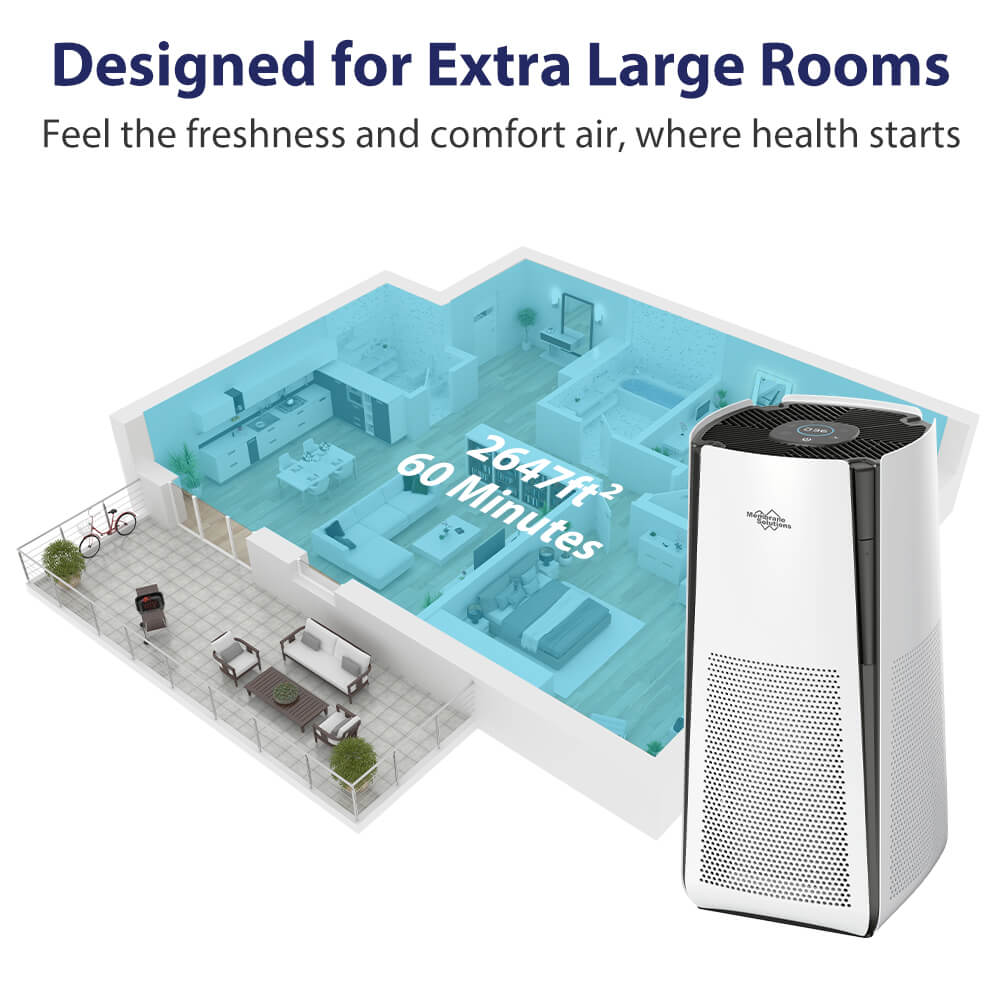
Image source: Bing (Web (fair-use with source credit))
True HEPA vs. "HEPA-Type" vs. Ionic
First, understand what HEPA actually means. A true HEPA filter captures 99.97% of particles at 0.3 microns. That's the standard set by the U.S.
Department of Energy. Pet dander ranges from 2.5 to 10 microns, which is well above that threshold. So a true HEPA filter catches dander easily.
Some manufacturers sell "HEPA-type" or "HEPA-like" filters. These don't meet the official standard. They may capture larger particles but let the fine ones through.
If you're buying an air purifier, look for explicit "True HEPA" branding and specifications that confirm the 99.97% efficiency rating.
Ionic air purifiers release charged ions to make particles stick to surfaces. They can be effective but often produce ozone as a byproduct. The California Air Resources Board (CARB) regulates ozone output from air cleaners.
Ozone can irritate airways and worsen asthma. If you go this route, verify CARB certification and check that ozone levels are below the safe limit.
What CADR Ratings Mean
Clean Air Delivery Rate, or CADR, measures how quickly a purifier cleans a specific room size. The higher the CADR, the faster the purification. The Association of Home Appliance Manufacturers (AHAM) certifies these ratings.
For dander reduction, match the purifier to the room. A small unit in a large open living space won't keep up. Here's a practical reference:
| Room Size (sq ft) | Minimum CADR Needed (CFM) |
|---|---|
| Up to 200 | 120+ |
| 200 to 300 | 200+ |
| 300 to 400 | 300+ |
| 400 to 500 | 400+ |
You don't need one massive unit for the whole house. Multiple smaller units work better. One in the bedroom and one in the main living area is the ideal setup.
MERV Ratings for HVAC Filters
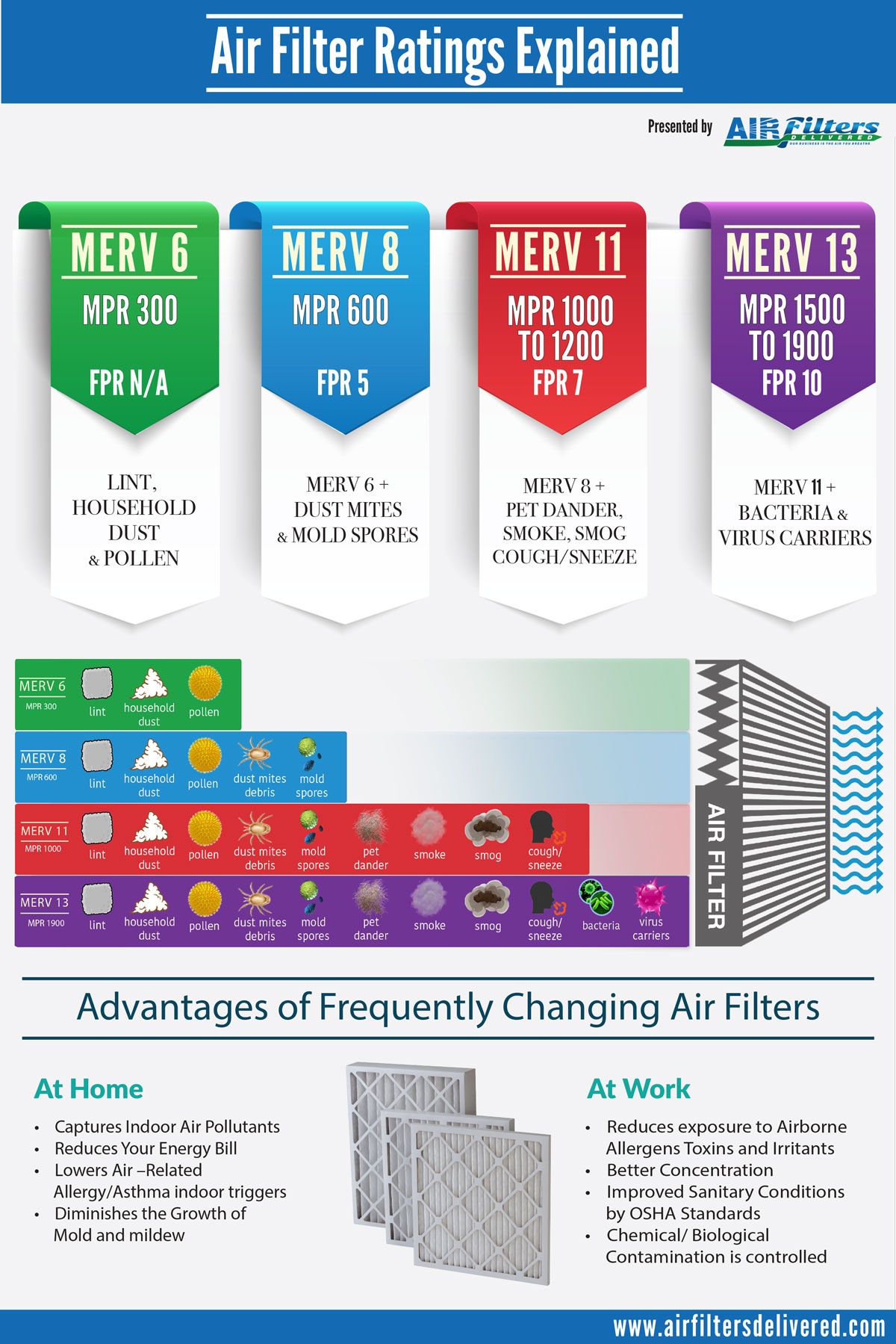
Image source: Bing (Web (fair-use with source credit))
Your HVAC filter does the heavy lifting for the entire house. The Minimum Efficiency Reporting Value (MERV) rating tells you how well it captures particles. Higher numbers mean better filtration.
For pet owners and allergy sufferers:
| MERV Rating | What It Captures | Best For |
|---|---|---|
| MERV 8 | Pollen, dust mites, mold spores | Basic protection |
| MERV 11 | Fine dust, pet dander, smoke | Homes with pets |
| MERV 13 | Bacteria, smoke, virus carriers | Severe allergies or asthma |
As of 2026, MERV 11 and MERV 13 filters cost between $20 and $50 each. For most residential HVAC systems, MERV 13 is the sweet spot. It captures dander without restricting airflow too much.
Check your furnace manual before buying. Some older units can't handle the higher airflow resistance of MERV 13. In that case, MERV 11 is safer.
Replace the filter every 30 to 90 days. With pets in the house, aim for the shorter end of that range. A clean filter keeps air moving efficiently and captures the most allergens.
A dirty filter becomes a breeding ground for mold and reduces airflow.
Placement matters too. Standalone air purifiers work best when they can pull air from the space where you spend the most time. Put them near seating areas or beds.
Avoid corners and keep them a few feet from walls so airflow isn't obstructed.
Vacuuming and Cleaning the Right Way
Most people vacuum wrong. Not "wrong" in the sense of missing spots, but wrong in the sense of stirring up more allergens than they remove. That's because not all vacuums are built to handle microscopic particles like dander.
Why Your Vacuum Might Be Making Things Worse
Standard vacuums use bags or filters that catch the big stuff: hair, crumbs, visible dust. But fine particles like dander slip right through the filter, get exhausted out the back, and land back on your floors and furniture. You're essentially spreading allergens around the room every time you clean.
The worst offenders are bagless vacuums without sealed filtration systems. When you empty the dust bin, a cloud of fine particles gets released into the air. That's a concentrated dose of allergen straight to your face.
The fix is a sealed HEPA vacuum. A sealed system means all the air that enters the vacuum passes through a true HEPA filter before being exhausted. Nothing escapes around the filter.
The dust stays trapped until you empty it.
Look for these features:
- "Sealed" or "whole-machine" HEPA designation
- HEPA filter confirmed at 99.97% efficiency at 0.3 microns
- A bagged model if you're allergy-prone
- High suction power to pull dander from deep carpet fibers
How Often to Vacuum
If you have pets and allergies, twice a week is the baseline. High-traffic areas where your pet spends the most time need daily attention. The bedroom needs special attention, especially if your pet doesn't sleep there.
Dander travels in on your clothing and settles into the mattress and carpet.
Vacuum slowly. Rush through it and the brush roll just skims the surface. Let it work for a few seconds over each section, especially carpet with a deep pile.
This gives the vacuum time to pull particles out from the fibers.
Don't forget the edges. Baseboards, corners, and under furniture collect dander because they're rarely touched. Use a crevice tool attachment to get into those spaces.
If you're able to move furniture and vacuum underneath it every few months, that's even better.
Mopping vs. Sweeping: What Works Better
Hardwood, tile, and laminate floors are easier to manage than carpet. But only if you clean them properly. Dry sweeping actually makes things worse.
It kicks particles up into the air, where you'll breathe them in before they settle again.
Use a damp microfiber mop instead. The moisture traps dander and dust rather than scattering them. Rinse out the mop head frequently as you go.
A saturated mop just pushes grime around.
Research on hard floor cleaning confirms that damp methods are consistently more effective for allergen removal than dry methods. A weekly damp mop in rooms your pet uses makes a measurable difference.
| Cleaning Method | Dander Removal | Airborne Particles |
|---|---|---|
| Dry sweeping | Low | Increases |
| Damp mop | High | Low |
| Standard vacuum | Medium | High (poor filtration) |
| Sealed HEPA vacuum | High | Low |
Curtains, Baseboards, and Walls
These are the forgotten dander reservoirs. Curtains catch airborne particles like a net. Baseboards collect the dust that settles along the floor.
Walls pick up a fine film of allergen, especially near air vents and pet sleeping areas.
Curtains should go in the wash monthly on a hot cycle. If they're dry-clean only, consider switching to washable curtains in the rooms where you spend the most time. Blinds can be wiped down with a damp microfiber cloth.
Baseboards and walls need attention too. A quick wipe with a damp cloth every month is enough. Pay special attention to areas near floor vents.
That's where dander-rich air exits your HVAC system and deposits over time.
Grooming and Bathing Your Pet: A Realistic Routine
This is where you can cut dander at the source. Grooming removes dead skin flakes and loose fur before they become airborne in your home. But there's a right way and a wrong way to do it.

Image source: Bing (Web (fair-use with source credit))
How Often to Bathe (and When to Stop)
Bathing your pet removes dander from their coat and skin. It also reduces the amount of Fel d 1 or Can f 1 protein they release into the environment. Weekly baths are ideal for allergy management in many cases.
But that's not always realistic or healthy.
Over-bathing strips natural oils from your pet's skin. Dry skin means more flaking. More flaking means more dander, which works against you.
Most veterinarians recommend bathing every 4 to 6 weeks with a gentle, vet-approved shampoo. If that's not enough for your allergies, talk to your vet about more frequent options.
Between baths, use pet wipes designed for allergen removal. These are safe to use 2 to 3 times per week. They're especially helpful for wiping your pet down after outdoor play or after a session on the couch.
Some brands are formulated to neutralize the Fel d 1 protein and show meaningful reductions when used consistently.
De-Shedding Tools That Actually Work
A good de-shedding tool removes loose undercoat fur before it falls onto your floors. That fur carries dander on its surface, so capturing it at the source is a win.
You want a tool specifically designed for undercoat removal. These often have stainless steel teeth that reach deep into the coat and pull out loose hairs. Use these outdoors, in a garage, or in a bathroom that's easy to wipe down.
Never groom your pet in the living room where the dander scatters into your air.
Frequency depends on your pet's coat. Short-haired pets need less attention. Long-haired or double-coated breeds like Golden Retrievers, Huskies, and Persian cats need 2 to 3 de-shedding sessions per week.
The Outdoor Grooming Strategy
Grooming outside is a game changer. It keeps the dander and fur out of your home entirely. Even a quick 5-minute brush session outdoors removes a significant amount of loose material.
If you can't groom outside, use a contained space that you can clean effectively afterward. A bathroom works well because you can wipe down surfaces with a damp cloth. Grooming over a designated sheet or tarp that you can fold up and wash also helps.
After grooming, wash your hands thoroughly. The dander on your hands transfers to everything you touch. Faucets, doorknobs, your phone, your face.
That's how allergens travel through your home beyond your pet's roaming area.
Pet Wipes and Dry Shampoos: Do They Work?
Yes, but they're a supplement, not a substitute. Pet wipes and dry shampoos help manage dander between baths. They won't deeply clean the coat like a full bath will.
Look for wipes that specify allergen reduction on the label. These typically contain ingredients that help neutralize or denature the Fel d 1 protein. Some products even have peer-reviewed studies behind their claims.
Applied 2 to 3 times weekly, they make a difference.
Dry shampoos are useful for pets that hate water or for situations where a bath feels like a major project. Apply the powder or foam, massage it into the coat, and brush it out thoroughly. Make sure you get the product out completely, as residue can irritate your pet's skin.
The Cost Breakdown: What You'll Actually Spend
Let's talk money. Reducing dander at home requires some upfront investment, but it doesn't have to break the bank. Here's a realistic picture of what you'll spend.
Budget-Friendly Basics Under $50
You can make meaningful progress without major purchases.
| Item | Price Range | Replacement Frequency |
|---|---|---|
| MERV 13 HVAC filter | $20 to $50 | Every 30 to 90 days |
| Allergen-reducing pet wipes | $10 to $20 | Every 2 to 4 weeks |
| De-shedding tool | $15 to $35 | Every few years |
| Washable pet bed cover | $15 to $40 | One-time purchase |
| Microfiber mop and cloths | $10 to $25 | Every few months |
That's a total of about $70 to $170 for the essentials. You can start with the HVAC filter and pet wipes and see improvement within a couple of weeks.
Mid-Range Investments: Purifiers, Vacuums, and Filters
This is where the real impact happens, but the costs get more significant. A good air purifier costs between $100 and $500 depending on the room size it covers. A sealed HEPA vacuum costs between $150 and $700.
If you have to choose, start with the air purifier for your bedroom. That's where you spend the most hours breathing. A unit rated for 300 to 400 square feet with a CADR of 200+ CFM is a solid target.
For vacuums, prioritize sealed systems over bagless convenience. Bagged models are easier to empty without releasing dust. If you go bagless, empty the bin outdoors or into a trash bag, not into your kitchen bin.
| Investment | Price Range | Expected Lifespan | Impact |
|---|---|---|---|
| HEPA air purifier | $100 to $500 | 5 to 10 years | High |
| Sealed HEPA vacuum | $150 to $700 | 5 to 10 years | High |
| Professional duct cleaning | $300 to $700 | Every 3 to 5 years | Medium |
| Steam cleaning service | $60 to $150 per room | Every 3 to 6 months | Medium |
When Professional Duct Cleaning Is Worth It
Duct cleaning gets debated in the allergy community. Some experts say it's overhyped. Others say it's essential for pet owners who've lived in their home for years with inadequate filters.
Duct cleaning makes sense if you've never changed your filters regularly, if you've lived with pets for several years, or if you've recently moved into a home with a previous pet owner's allergens. Expect to pay $300 to $700 for a whole-home cleaning. It's not a recurring cost.
Every 3 to 5 years is standard.
Same goes for steam cleaning carpets and upholstery. This penetrates deeper than vacuuming can reach. It's a service worth doing every 3 to 6 months if you have carpeted rooms that your pet uses heavily.
Common Mistakes That Worsen Allergies
Even with the best intentions, people make mistakes that undermine their efforts. Here are the most common ones we see in research and real-world feedback.
Over-Washing Your Pet
This is counterintuitive. Bathing your pet too often backfires. Strip their natural oils and their skin dries out.
Dry skin flakes off faster. You end up with more dander, not less.
Stick to a 4 to 6 week bathing schedule unless your vet recommends otherwise. Use pet wipes between baths to fill the gap.
Using the Wrong Vacuum Filter
A standard vacuum without HEPA filtration blows fine particles back into the air. You're trading visible dust for invisible allergens.
If your vacuum isn't sealed or doesn't have a true HEPA filter, consider upgrading. In the meantime, vacuum less aggressively to avoid kicking up particles.
Buying an Undersized Air Purifier
Air purifiers are rated for specific room sizes. A small unit rated for 150 square feet won't help your 400 square foot open living space. It will run constantly and never catch up.
Check the CADR rating against your room size. Buy bigger than you think you need, or use multiple units in different rooms. Manufacturer specs indicate that oversized units are more effective and not significantly more expensive.
Forgetting the Biggest Dander Reservoir: Your Mattress
Your mattress absorbs and holds dander for years. Even with a pet-free bedroom policy, dander travels on your clothes and settles into your bed. You spend a third of your life there.
An allergen-proof mattress cover breaks the cycle. These zip around the mattress entirely, creating a barrier between you and accumulated dander. Pair it with a pillow cover and wash all bedding weekly at 130°F or higher.
Ignoring Vertical Surfaces
Most people focus on floors and furniture. They miss walls, curtains, and blinds. Dander floats through the air and lands on every surface, including vertical ones.
Wipe down walls and baseboards monthly. Wash curtains regularly. If you're not doing this, you're missing a significant part of the allergen load in your home.
The Long-Term Maintenance Checklist
You've built your dander reduction system. Now you need to keep it running. Consistency beats intensity here.
A steady weekly routine outperforms a heroic deep-clean that happens twice a year.
Monthly Tasks
Some things need attention every 30 days. These keep your allergen load from creeping back up.
- Replace or clean your HVAC filter. With pets in the house, every 30 to 60 days is the sweet spot. Check it monthly and swap it when it looks dirty.
- Wipe down baseboards, window sills, and door frames. A damp microfiber cloth works best. These surfaces collect a film of dander that dry dusting just redistributes.
- Wash your pet's bedding and any washable throw blankets. Use the same hot water setting you use for your own bedding. The 130°F threshold applies here too.
- Empty and wipe out your vacuum's dust bin between uses if you have a bagless model. This prevents the buildup of fine particles that can escape when you open it.
- Wash or rinse out your air purifier's pre-filter. Many units have a washable pre-filter that captures larger particles before they reach the HEPA filter. Keeping it clean extends the life of the expensive HEPA one.
Quarterly Tasks
Every three months, go a little deeper. These tasks target areas where dander accumulates slowly and quietly.
- Vacuum upholstery thoroughly with the crevice tool attachment. Focus on seams, corners, and under the cushions. That's where dander and fur collect like lint in a dryer trap.
- Move large furniture pieces and vacuum underneath. You might be surprised at what's been hiding under the couch or bed. This is also a good time to check for any mold or moisture issues, which create their own allergy problems.
- Wash curtains or wipe down blinds. Curtains go on a hot wash cycle if they're machine washable. Blinds get a wipe with a damp cloth, slat by slat.
- Clean your air purifier's HEPA filter according to the manufacturer's instructions. Some are washable. Others need replacement every 6 to 12 months. Check your unit's documentation.
- Inspect your de-shedding tool. Clean out the caked hair and check for damage. A dull or dirty tool won't pull loose undercoat effectively.
Twice-Yearly Tasks
Every six months, tackle the deeper cleaning projects. These are the ones that make a visible difference in allergen levels.
- Steam clean carpets and upholstery. If you own a machine, this is a two-day project. If not, book a professional service. The goal is to extract the dander that vacuuming can't reach deep in the fibers.
- Consider professional duct cleaning. If you've never had it done, especially if you have pets, this is worth the investment. Ducts accumulate years of pet dander, dust, and sometimes mold that your filters never caught.
- Wash the exterior of your HVAC vents and registers. Remove the covers and give them a thorough wash. This is a simple task that people skip surprisingly often.
- Deep clean your mattress and pillows. Vacuum the mattress surface with your HEPA vacuum, then treat it with an allergen-neutralizing spray. Get your pillows professionally cleaned or replace them if they're older than 2 years.
- Evaluate your air purifier placement. As furniture gets rearranged or rooms change purpose, your purifier might need to move. Make sure it's still positioned where you spend the most time.
Seasonal Adjustments
Dander management isn't static. The seasons change how you need to approach the problem.
Winter
Heating systems dry the air and run constantly. Dry indoor air means more dust becomes airborne. It also means more static electricity, which makes dander cling to surfaces and then get released when you sit down or brush against a blanket.
Run a humidifier if your indoor humidity drops below 30%. A humidity level between 40% and 50% makes dander and other allergens heavier, causes them to settle faster, and keeps them out of your breathing zone. Just don't go above 60%, or you risk mold growth.
Spring and Summer
Your HVAC system runs less often, which means less natural air cycling. Windows get opened, and outdoor pollen mixes with indoor dander. If you have seasonal allergies on top of pet allergies, you're dealing with a double allergen load.
Run your air purifier more actively during this time. Check your HVAC filter more frequently if you're running the AC often. The system is pulling air through the filter more regularly, so it clogs faster.
Fall
Fall is prime season for mold and dust mites. These allergens overlap with pet dander, making symptoms worse even if your pet allergy hasn't changed.
Warm, humid fall days create conditions where mold thrives. This is a good time to check for damp spots in basements, bathrooms, and crawl spaces. Managing moisture during this season reduces the total allergen load in your home.
When Allergies Are Severe: When to See a Doctor
Home management goes a long way. But sometimes it's not enough. Severe allergies can cause chronic sinus infections, asthma flare-ups, or symptoms that disrupt sleep and daily life.
That's when professional help matters.
Signs You Need Medical Advice Beyond Home Changes
Some symptoms warrant more than just allergen reduction measures.
- Persistent congestion that lasts all year
- Wheezing, coughing, or shortness of breath
- Asthma attacks triggered by being near pets
- Frequent sinus infections
- Skin rashes or hives after contact with pets
- Antihistamines no longer controlling your symptoms
If any of these sound familiar, it's worth talking to an allergist. They'll run skin or blood tests to confirm exactly what you're reacting to. At-home allergy tests aren't reliable enough to guide treatment decisions.
The Difference Between Managing Symptoms and Treating Allergies
Managing symptoms means reducing exposure and taking medication when needed. Treating allergies goes deeper. Immunotherapy, either allergy shots or under-the-tongue tablets, gradually desensitizes your immune system to the specific allergen over 1 to 3 years.
For pet allergies, this is actually a viable path. The American College of Allergy, Asthma & Immunology (ACAAI) confirms that immunotherapy for cat and dog allergens reduces symptoms over time. It's not a quick fix, but it offers a long-term solution that allows you to keep your pet without suffering constantly.
Many people who complete immunotherapy can tolerate their pets with minimal ongoing symptoms. That's a meaningful improvement in quality of life. It's also worth noting that immunotherapy doesn't work for everyone.
Your allergist can help you understand realistic expectations based on your specific allergy profile.
When Rehoming a Pet Becomes a Serious Conversation
This is hard to talk about, but it's honest. If you've done everything, maximum effort, and your symptoms are still severe, rehoming might be the right call. Especially if someone in the household has uncontrolled asthma.
Current asthma guidelines from the National Heart, Lung, and Blood Institute (NHLBI) emphasize allergen avoidance as a primary strategy. In severe cases, that might mean making the hard decision about a pet. Your health and the health of your family members have to come first.
Talk to your allergist before making this choice. They can help you understand realistic expectations for symptom relief. They can also verify whether family members are allergic to the specific animal or if something else is going on.
If you do rehome your pet, get professional deep cleaning afterward. Carpets, ducts, and upholstery need thorough cleaning to remove years of accumulated allergens. Air purifiers should run continuously for several weeks after.
Don't rush this process. Allergen proteins can persist in a home for months without pets present.
The Final Verdict: Build Your Own Dander Reduction Plan
You now have the full picture. Every room, every tool, every habit. The next step is turning this information into a plan that fits your life.
The Simple Framework
Start with the highest-impact, lowest-effort changes. Layer on more as you build momentum.
Week 1: The Basics
- Upgrade your HVAC filter to MERV 11 or MERV 13
- Buy allergen-reducing pet wipes and start using them 2 to 3 times weekly
- Establish a pet-free bedroom policy and wash all bedding in hot water
- Begin weekly vacuuming with a sealed HEPA vacuum
Week 2: Equipment Upgrades
- Purchase a true HEPA air purifier for your bedroom
- Purchase a second unit for your main living area
- Replace any non-HEPA vacuum with a sealed system
- Add allergen-proof covers to your mattress and pillows
Week 3: Habits and Routine
- Start de-shedding your pet outside 2 to 3 times per week
- Set a monthly calendar reminder for HVAC filter replacement
- Schedule your first quarterly deep clean of upholstery and curtains
- Book a professional steam cleaning for carpets if needed
Week 4: Evaluate and Adjust
- Track your symptoms for a week before and after
- Check if morning congestion has improved
- Test whether symptoms flare in specific rooms after cleaning
- Adjust your routine based on what you observe
Expected Results Over 2, 4, and 8 Weeks
This is a gradual process, not an overnight fix. Here's a realistic timeline based on typical allergen reduction results.
| Timeframe | Expected Change |
|---|---|
| 2 weeks | Reduced visible dust and fur; some symptom improvement |
| 4 weeks | Noticeable drop in airborne dander; better sleep quality |
| 8 weeks | Significant reduction in allergy symptoms during most of the day |
Manufacturer specifications for HEPA purifiers and HVAC filters suggest that consistent operation for 4 to 6 weeks brings a household's allergen load to near steady state. That means you're seeing the full effect of your system by week 6, assuming you maintain the routine.
The Honest Truth About What You Can and Can't Fix at Home
Home dander management is highly effective. Research consistently shows that allergen avoidance measures reduce symptoms for many people. But it's not a cure.
It's a management strategy.
If your allergies are mild to moderate, you'll likely see dramatic improvement. If they're severe, you might need medication or immunotherapy on top of your home practices. That's not a failure of your cleaning routine.
It's just the reality of how severe allergies work.
You also can't make your home completely allergen-free. Dander is everywhere, and you'd need a lab-grade cleanroom to eliminate it entirely. What you can do is bring the level down below your personal threshold for symptoms.
That's the goal. Not perfection, but comfort. Not zero dander, but zero sneezing fits.
If your home feels comfortable and your symptoms are under control, you've done what matters.
The good news is that almost everyone who follows a consistent dander reduction routine sees meaningful improvement. It takes time, it takes consistency, and it takes a willingness to try multiple approaches. But it works.
And it means you get to keep your best friend without trading away your ability to breathe freely.
Frequently Asked Questions
How long does it take to reduce pet dander in a home?
Most people notice improvement within 2 to 4 weeks of consistent effort. The full effect typically shows up by week 6. That's when your HEPA filter and HVAC filter have processed enough air to bring the allergen load to a steady state.
Can air purifiers really help with pet dander?
Yes, if they use true HEPA filters. True HEPA captures 99.97% of particles at 0.3 microns, and pet dander ranges from 2.5 to 10 microns. Match the CADR rating to your room size and run the unit continuously.
Does washing my pet more often reduce dander?
Bathing every 4 to 6 weeks with a vet-approved shampoo helps. But bathing more often than that can dry out your pet's skin, which increases dander production. Use allergen-reducing pet wipes between baths instead.
Is it safe to use ionic air purifiers for pet dander?
Ionic purifiers can work, but some produce ozone as a byproduct. Ozone irritates airways and can worsen asthma. If you choose an ionic unit, verify it's CARB certified and that ozone output stays below safe limits.
What's the best way to remove dander from carpet?
A sealed HEPA vacuum twice weekly is the baseline. Steam cleaning every 3 to 6 months reaches deeper into the fibers. If you have severe allergies and can replace carpet with hard flooring, that's the more effective long-term solution.
Can I keep my pet if I have asthma?
Many people do, with careful management. Keep pets out of the bedroom, run HEPA purifiers in main living areas, maintain a strict cleaning schedule, and work with your doctor on an asthma action plan. If symptoms remain uncontrolled despite maximum effort, talk to your allergist about immunotherapy or other options.