
Every winter, the same question pops up in barns across the country: which clip does my horse actually need? It's not a one-size-fits-all answer. Clip the wrong pattern, and you're either dealing with a shivering horse or an overheated one that sweats through its rug and catches a chill.
Get it right, and your horse stays comfortable, dries off faster after work, and keeps its coat in good condition.
The types of horse clips explained in the sections below come down to a simple equation: workload, living situation, and climate. As of 2026, most equine veterinarians and professional grooms agree that a horse's clip should be tailored to its individual management. A horse living out on grass needs more coat than a stabled competition horse, plain and simple.
Let's break down every pattern, when to use it, and how to avoid the costly mistakes.
Quick Answer
The six main horse clips are the full clip, hunter clip, blanket clip, Irish clip, trace clip, and bib clip. Each removes a different amount of coat. Your choice depends on workload, turnout, and climate.
Trace clips suit horses in moderate work living out. Hunters suit stabled horses in heavy work. Bib clips suit light work or young horses.
Never clip more coat than your horse's situation requires.
Why the Clip You Choose Matters More Than You Think
Clipping isn't just about making your horse look tidy for winter shows. It's a thermoregulation tool. Horses grow a thick winter coat to stay warm in temperatures that can drop well below freezing.
That coat is excellent insulation, but it's also a disaster for a working horse. A horse in full winter coat can sweat heavily during exercise. That sweat soaks the dense hair, and the horse stays wet long after the ride ends.
In cold weather, a wet coat can take hours to dry, which risks chilling, muscle stiffness, and even respiratory issues.
The British Horse Society recommends clipping primarily to reduce sweating and drying time. A clipped horse cools out faster, meaning you can get it rugged and turned out much sooner. That's not just convenience.
It's a welfare issue.
Your horse's living arrangement changes everything. A horse living out on grass relies on its winter coat. Remove too much, and it burns more energy staying warm.
That horse needs rugs to compensate, which costs money and requires careful management. A stabled horse with a full winter coat sweats up just walking to the arena. It genuinely needs more hair removed.
The key is balance. You want to remove enough coat to prevent overheating during work but leave enough for warmth during turnout. There's a clip for every combination.
The 6 Main Horse Clip Types (And What They Look Like)
Before you pick up clippers, you need to understand the full menu. Each clip has a name, a specific pattern, and a purpose. Here's the rundown.
Full Clip
A full clip removes the entire coat from the whole horse. Head, neck, body, legs, everything. This is the most extreme option, and it leaves the horse with no natural insulation at all.
You'll see this clip on horses in serious competition work several times a week, like advanced eventers, top-level dressage horses, and racehorses in training.
Full-clipped horses must wear heavy rugs in winter and usually live in. They need a stable, a consistent rugging program, and protection from wind and rain. The upside: these horses dry in minutes, and they stay evenly cool without sweat patches.
The downside: zero margin for error. Miss a rug change, and your horse gets cold fast.
Hunter Clip
The hunter clip removes hair from the neck, chest, belly, and flanks. It leaves the legs fully coated and leaves a saddle patch over the back. This is the classic clip for horses in heavy work that need leg protection, which is especially useful for jumpers working in muddy fields.
The name comes from foxhunting, where horses work hard across rough terrain and need leg warmth and protection from thorns. Modern hunter clips suit show horses, eventers, and any horse in regular medium-to-heavy work. Leaving the legs in helps protect against knocks and cold.
The saddle patch prevents girth and saddle rubs, which also keeps the working area comfortable.
Blanket Clip
The blanket clip (often called a chaser clip) leaves a large patch of coat over the loins and back, resembling a rug or blanket. It removes hair from the neck, chest, belly, and flanks. The line runs from the withers down across the back and around the ribs to the flank.
This clip suits horses that lose condition or feel the cold on their loins, which is the most sensitive area for many horses. It's a popular choice for horses in moderate work that live out partially. The blanket of hair protects the kidneys area and keeps the horse warmer during turnout, while the clipped areas allow for quicker drying during work.
Irish Clip
The Irish clip is like a small blanket clip. It removes hair from the neck, chest, and a small portion of the belly. The line traces from the withers, down behind the elbow, and around to the flank.
It leaves the entire back, loins, and flanks fully coated.
This is a minimal clip, designed for horses in light work or those that are only ridden a few times a week. It also suits horses that hate clippers or are early in their clipping education. Because only the sweat-prone areas around the neck and chest are removed, the horse keeps most of its natural insulation.
Trace Clip
The trace clip is the most versatile of all the patterns. It removes hair from the underside of the neck, the chest, and the belly, with the top half of the neck, shoulder, and back left fully coated. There are three common variations.
- High trace clip: starts higher on the neck and runs down under the elbows and along the belly like an upside-down L.
- Medium trace clip: the line sits halfway down the side, covering the chest, belly, and part of the flank.
- Low trace clip: the minimal version. It removes just the chest and a slim line along the belly, leaving most of the body coat intact.
This clip suits horses in light to moderate work that live out mostly. It's the go-to for hacked leisure horses that go out two or three times a week.
Bib Clip
The bib clip is the smallest clip available. It removes a small bib-shaped patch around the throat, chest, and between the front legs. It's perfect for young horses, horses new to clipping, or those in very light work.
It targets the areas that sweat first during exercise.
Because it removes so little coat, a bib clip requires minimal rug changes and leaves the horse well equipped for cold weather. It's also an excellent starting point for horses that are nervous about clipper noise and vibration.
How to Choose the Right Clip: A Simple Decision Flow
Now for the fun part. You've got the map of every clip, but which one fits your horse? Let's walk through the four questions that matter most.
Question 1: How Heavy Is Your Horse's Workload?
Workload is the biggest factor in choosing a clip. A horse in full competition training five or six days a week produces serious sweat. That horse needs a full or hunter clip to dry quickly and avoid chills.
A horse hacked out for an hour three times a week builds less heat and needs far less coat removed.
If you're honest about your horse's workload, half the decision is already made. Over-clipping a light-work horse means you'll spend a fortune on rugs. Under-clipping a heavy-work horse means soggy, slow-drying coats after every session.
Question 2: Does Your Horse Live In or Live Out?
Living arrangements are the great equalizer. A stabled horse has a roof, walls, and warmth. It doesn't need a heavy winter coat.
Turnout is limited, so less insulation is fine. A horse living out on grass relies on its coat for warmth 24/7. Remove too much, and it burns energy just to stay warm, which causes weight loss.
For horses living out, choose clips that leave the back, loins, and much of the body intact. Low trace, bib, and Irish clips are the classic choices. For fully stabled horses, full and hunter clips work well.
Question 3: How Hairy Does Your Horse Actually Get?
Some horses grow thick, dense winter coats that look like a yak. Others grow a light, fine coat that barely changes. You need to account for this.
A hairy horse in light work might need a medium trace clip just to manage sweat, while a fine-coated horse in the same situation might get away with no clip at all.
Pay attention to how your horse dries after work in early autumn. If it stays wet for hours, you need a bigger clip. If it dries within thirty minutes, a minimal clip or none might be perfect.
Question 4: How Cold Is Your Winter?
Regional climate matters. A horse in southern Texas faces mild winters with daytime highs around 50°F. A horse in Minnesota deals with weeks below freezing.
You have to match your clip to your local weather, not just the calendar. In mild climates, you can get away with more hair removal because the horse won't face extreme cold. In harsh climates, leave more coat to minimize rugging requirements.
Matching Your Answers to the Right Clip
Here's a quick reference to put it all together.
| Scenario | Workload | Living | Recommended Clip |
|---|---|---|---|
| Competition horse in full work | Heavy (5-6 days/week) | Stabled | Full or Hunter |
| School horse working 4 days/week | Medium | Part-time turnout | Blanket or Irish |
| Hacking horse, 3 days/week | Light-medium | Mostly out on grass | Trace (medium or low) |
| Light hacking or young horse | Light | Out on grass | Bib or no clip |
| Any horse that lives out full-time | Any | Out 24/7 | Low trace or bib only |
Trace Clips, Explained by the Numbers
Trace clips deserve their own section because they're the most common and the most misunderstood. The name comes from the old harness trace lines, which ran diagonally from the withers down to the belly. Modern trace clips follow similar geometry.

Image source: Bing (Web (fair-use with source credit))
High Trace Clip
A high trace removes the most hair of the three trace variants. The line starts at the top of the neck, runs down the shoulder, and continues along the side of the barrel to the flank. The top half of the neck and the entire back remain coated.
This clip suits horses in moderate work that are stabled at night but turned out during the day.
A high trace is also the best option for horses that get sweaty across the chest and behind the elbows, which is where most horses sweat first. Because it leaves the loins covered, it provides better warmth for the kidneys, which many horses need during cold snaps.
Medium Trace Clip
The medium trace is the most balanced option. The line starts about halfway up the neck and runs down under the elbow, continuing along the belly to the flank. It removes a generous portion of the chest and belly while keeping the entire side and top of the body intact.
This clip works well for horses in light-to-moderate hack work, living out with a good rug. It reduces drying time dramatically without over-removing the coat.
Low Trace Clip
A low trace is the smallest of the three. It removes a slim line along the underside of the neck, the chest, and a narrow strip along the belly. The rest of the body stays fully coated.
This is ideal for horses in light work that live out full-time or for horses that simply don't sweat much.
Many owners use a low trace first and then adjust upward the following year if the horse still gets too wet during work. In our research, most horses in light hacking work need nothing more than a low trace, even in colder climates.
A quick note from the British Horse Society's guidance on clipping: always clip with the coat, not against it, and use smooth, even strokes to prevent clipper burn. If you're unsure which clip is right, start smaller than you think you need. You can always clip more, but you can't put the coat back.
Clip Styles Compared: Pros and Cons at a Glance
Now that you know what each clip looks like, it helps to see them side by side. Here's a straightforward comparison of the six main patterns.
| Clip Type | Hair Removed | Best For | Watch Out For |
|---|---|---|---|
| Full Clip | Everything | Heavy competition work, stabled horses | No natural warmth; heavy rugging needed |
| Hunter Clip | Neck, chest, belly, flanks; leaves legs and saddle patch | Jumpers, eventers in medium-heavy work | Saddle patch can rub if not fitted correctly |
| Blanket Clip | Neck, chest, belly, flanks; leaves back and loins | Horses that feel the cold on their loins | Line can look uneven as coat regrows |
| Irish Clip | Neck, chest, small belly patch | Light work, horses new to clipping | May not remove enough for sweaty horses |
| Trace Clip (all) | Underside of neck, chest, belly | Light-moderate work, horses living out | Line needs regular tidying every 2-3 weeks |
| Bib Clip | Small bib-shaped patch on chest | Young horses, very light work | Too small for moderate-heavy work |
Common Clipping Mistakes (And How to Avoid Them)
Even experienced horse owners make mistakes with clipping. Some are cosmetic. Others are welfare issues.
Here's what to watch for.
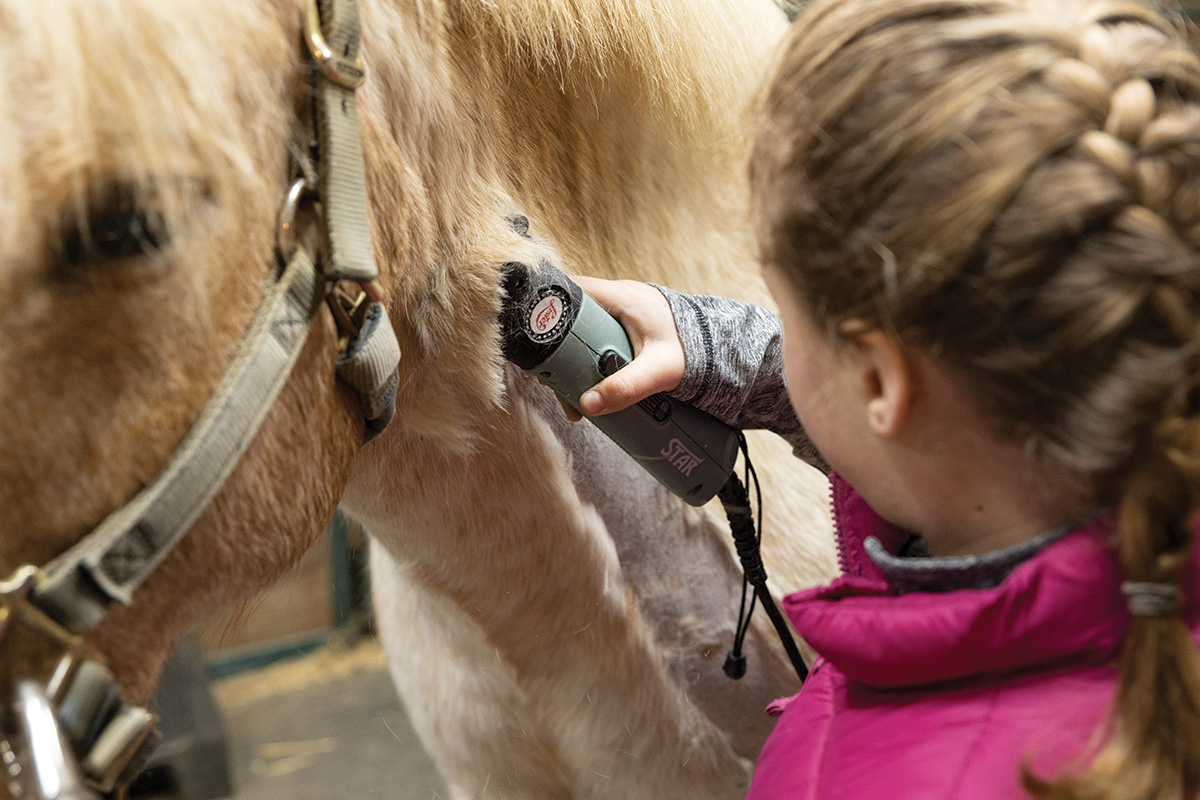
Image source: Bing (Web (fair-use with source credit))
Clipping a Dirty or Wet Coat
Clipping over dirt, mud, or sweat dulls your blades fast. It also pulls at the hair, which hurts the horse and increases the risk of clipper burn. Always bathe your horse and let it dry completely before you start.
If a full bath isn't possible, at least groom thoroughly until no dust comes off the coat.
Using the Wrong Blade for the Coat Thickness
Blades come in different sizes, and each one leaves a different length of hair. A coarse blade (marked #7 or #10) leaves a longer coat, which suits trace and bib clips. A fine blade (like a #30) leaves a very short clip, which is too close for most winter work.
Check your clipper manual to see which blade leaves what length before you touch your horse.
Going Too Short in Mild Climates
It's tempting to give your horse a full clip because it looks clean and professional. But if you live somewhere with mild winters, your horse doesn't need that much hair off. It will just stand around shivering between riding sessions.
Match the clip to your actual weather.
Forgetting to Plan for Coat Regrowth
Horse coats grow back at roughly an inch per month, but the growth is uneven. The clipped areas will look darker and shorter for weeks while the unclipped areas stay fluffy. This creates a distinct line that needs tidying every few weeks.
Budget for a second, smaller clip session about a month after your first one.
Clipping Over Sensitive Areas Too Quickly
The belly, behind the elbows, and between the hind legs are delicate. Even a calm horse can flinch or kick when the clippers hit these spots. Work slowly in these regions.
Stretch the skin flat with one hand and guide the clippers with the other. Never chase a moving horse.
Ignoring Clipper Maintenance
Dull or dirty blades overheat fast. A hot blade on sensitive skin causes clipper burn, which looks like a red, patchy rash and can take days to heal. Oil your blades every 10 to 15 minutes of use and keep them clean between horses.
Your Step-by-Step Clipping Workflow
A solid preparation routine makes clipping easier for you and your horse. Here's the workflow we recommend.
Step 1: Bathe and Thoroughly Dry
Wash your horse with warm water and a mild shampoo to remove all dirt and grease. Rinse well. Then dry thoroughly.
A wet coat clogs blades and cuts unevenly. Use a sweat scraper, then towels, then a cooler rug until the horse is completely dry. This can take a few hours in winter, so plan ahead.
Step 2: Mark Your Clip Lines
Use a piece of chalk or a washable marker to trace the line you want. This is especially helpful for trace clips, where the angle of the line matters. Stand back and check the marks from both sides before you start.
Once you clip, there's no undo button.
Step 3: Choose Your Blade
Match the blade to the coat thickness and the look you want.

Image source: Bing (Web (fair-use with source credit))
- A #10 blade is a good all-rounder for most winter clips.
- A #7 blade leaves a slightly longer coat, which is useful for trace clips.
- A #30 blade is very close and best left for show trims or sensitive areas like the face.
Check your clipper manufacturer's guide for which blade leaves what length. As a rule, coarse blades cut slower but pull less.
Step 4: Clip Technique That Looks Professional
Start with the neck and chest, moving with the lie of the coat. Long, smooth strokes look far better than short, choppy ones. Keep the clippers flat against the skin with even pressure.
For awkward spots like the elbows and girth area, stretch the skin with one hand and use the clippers gently.
Go with the coat direction for the main body. If you want a closer finish, you can go against the grain afterwards, but only on a clean, dry coat.
Step 5: Post-Clip Care and Rugging
Once you're done, brush away loose hair and check the skin for any nicks or irritation. Rinse with cool water if the horse is sweaty from the stress of clipping. Dry thoroughly and check for signs of clipper burn (red, sore patches).
Rug according to the amount of coat left. A full-clipped horse in a cold barn needs a heavyweight rug. A low trace clip might only need a medium weight.
Watch your horse's body language. Shivering means you need another layer.
Preventing Clipper Burn and Keeping Your Horse Comfortable
Clipper burn is the most common clipping injury, and it's entirely preventable. It happens when the blades overheat, the skin is dirty, or the clippers are pressed too hard against the skin. The result is a raw, red patch that can scab and take weeks to heal.
Here's how to avoid it.
Keep Oil on the Blades
Clipper blades need constant lubrication. Apply clipper oil every 10 to 15 minutes during use. This keeps the blades cool and reduces friction.
A hot blade is the number one cause of burns.
Don't Press Down Hard
You don't need to force the clippers into the horse's skin. The blades cut when they glide over the coat. Pressing down creates friction and irritation.
Let the weight of the clippers do the work.
Clip a Clean, Dry Coat Only
Dirt and moisture cake between the blades and cause drag. A clean, dry coat clips smoothly. If the horse starts sweating mid-clip, stop, dry the area, and continue.
Watch Sensitive Zones
The belly, flanks, and between the hind legs are the most sensitive areas. Clip these last, when the horse is used to the vibration. Use a cooler-running blade, like a #7, in these zones.
Go slow and watch for signs of irritation.
Check the Skin as You Go
After each large section, run your hand over the clipped area. It should feel smooth and even. If you feel rough patches, the blades may be dull or the coat was wet.
Stop and reassess before continuing.
Real-World Scenarios: What Other Riders Do
Sometimes the best way to understand clipping is to look at real setups. Here are three common scenarios and how experienced owners handle them.
The Competition Horse in Full Work
Imagine a dressage horse in heavy training five days a week, stabled at night, turned out for only a few hours in the day. This horse sweats heavily on the neck, chest, and between the hind legs. A hunter clip or full clip makes sense.
The horse lives under rugs most of the time, so losing its natural coat is fine. The owner keeps a heavyweight turnout rug and a stable rug on hand and adjusts based on temperature.
The Weekend Leisure Horse Living Out
Think of a happy hacker living out on grass with a field shelter, ridden on weekends and maybe once midweek. This horse doesn't need much hair off. The owner chooses a medium or low trace clip.
It removes the sweaty areas around the chest and belly but leaves the back and loins covered. The horse stays warm between rides and only needs a midweight rug in the coldest months.
The Easy Keeper Who Gets Fluffy Fast
Some horses, especially natives and cobs, grow an absurd amount of winter coat. Even in light work, they sweat buckets because the coat is just too thick. For these horses, a medium trace clip is often the best starting point.
If the horse still sweats too much, the owner moves to a high trace the next week. The key is adjusting gradually and watching how the horse responds.
Frequently Asked Questions
How often should I clip my horse in winter?
Most horses need a full clip done once at the start of winter, around October or November. Trace and bib clips may need tidying every 2 to 3 weeks to keep the lines clean as the coat regrows. Some horses in heavy work need a second full clip in January to maintain the benefit.
Can I clip a horse that lives out 24/7?
Yes, but you have to be careful. Horses living out full-time need most of their coat for warmth. A low trace or bib clip is usually the maximum.
Anything bigger requires heavy rugging, which means you need to monitor the weather constantly and adjust layers accordingly.
What temperature is too cold to clip a horse?
There's no exact number, but you should never clip a horse that's already cold or shivering. The clipping process itself generates some heat, but a cold horse will chill further while standing still. Aim to clip in a covered, draft-free area, and rug the horse immediately after you finish.
How long does it take to clip a horse?
A simple bib clip can take 30 to 45 minutes on a calm horse. A full clip can take 2 to 3 hours including preparation and cleanup. Trace clips usually fall somewhere between 1 and 2 hours.
Add extra time for young or nervous horses that need breaks.
Does clipping hurt the horse?
No, clipping doesn't hurt when done correctly. The blades cut the hair, not the skin. But poor technique, hot blades, or clipping over dirty skin can cause clipper burn, which is painful.
A well-maintained clipper with sharp, oiled blades on a clean, dry coat should be completely comfortable.
When should I stop clipping in spring?
Stop clipping when the horse starts shedding its winter coat naturally, usually around March or April. Clipping over shedding hair creates ragged lines and can pull actively growing new hair. By mid-spring, most horses are better off left unclipped to shed naturally.
Final Verdict: A Quick Reference Guide by Horse Type
If you take nothing else from this guide, remember this: clip for the work, the lifestyle, and the weather. Not for looks.
| Horse Profile | Recommended Clip |
|---|---|
| Stabled competition horse in heavy work | Full or hunter |
| School horse working 4-5 days/week | Hunter or blanket |
| Hacking horse living out, light work | Trace (medium or low) |
| Young or nervous horse | Bib clip |
| Native breed with thick coat, light work | High or medium trace |
| Horse living out 24/7, any workload | Low trace or bib only |
Start smaller than you think you need. You can always clip more. And when in doubt, ask your vet or an experienced groom.
A good clip keeps your horse comfortable all winter, and that's what matters most.