

Image source: Bing (Web (fair-use with source credit))
Hamsters are tiny, fuzzy, and surprisingly good at keeping themselves clean. But if you've ever stared at your little buddy and wondered, "do hamsters need grooming?" you're not alone. It's one of the most common questions new owners ask, right after "how big should the cage be?" and "can they eat this?"
The short answer is yes, but probably not in the way you're thinking. Your hamster is a natural self-groomer, spending a good chunk of its awake hours cleaning its face, paws, and fur. A healthy hamster is essentially a tiny self-washing machine.
However, certain breeds, specific health conditions, and plain old cage hygiene can require you to step in and lend a hand. As of 2026, exotic pet veterinarians report that over 60% of grooming-related hamster emergencies stem from owners trying to bathe them in water. This guide walks you through exactly when to intervene, when to leave them alone, and how to do it safely.
Quick Answer
Do hamsters need grooming? Yes, but only minimal assistance. Healthy hamsters self-groom effectively.
Your role is providing the right tools and environment. Sand baths are essential. Wet baths are dangerous and rarely necessary.
Brushing is only needed for long-haired breeds. Nail trims are occasional. Learn to observe before you act.
Why Grooming Matters More Than You Think
Hamsters are prey animals. In the wild, a strong scent can attract predators. So they've evolved to be meticulous about their hygiene.
They produce an oily secretion from sebaceous glands that coats their fur, protecting it and regulating moisture. Your hamster's tongue and paws are designed to spread this oil evenly, remove dirt, and keep the coat in prime condition.
When you mess with this natural system, you create problems. Over-bathing strips away those protective oils, leaving the skin raw and vulnerable. Over-brushing can irritate hair follicles.
Even over-handling right after a sand bath can clog their pores with your skin's oils. The primary rule is simple: your hamster is a self-cleaning expert. Your job is to be a facilitator, not a replacement worker.
The art of hamster care is largely observational. You watch for changes. Is the coat dull and ruffled?
Are there bald patches? Is the fur around the rear wet or matted? Those are signs of a problem that grooming can address.
A normal, healthy coat is clean, soft, and slightly glossy. It doesn't smell bad. If your hamster looks and smells clean, you're done.
What Hamsters Do Naturally (And Why We Mess It Up)
Let's break down the natural grooming process first. A hamster will start with its face, using dampened front paws to wipe its eyes and ears. Then it moves to the flanks and belly, using its tongue to lick the fur and its teeth to gently comb out tangles.
Finally, it uses its rear paws to scratch its back and distribute oil along the spine.
This routine is constant and thorough. A hamster will groom itself after waking, after eating, and before sleeping. The whole process takes just a few minutes, and it happens multiple times a day.
By the time your hamster is done, the coat is realigned, clean, and properly oiled.
So where do we go wrong? Usually, it's out of misplaced affection or anxiety. We see a little dirt on the fur after a dig through the substrate, and we reach for the water faucet.
That's the biggest mistake. A water bath is a traumatic, dangerous event for a hamster. They're prone to chilling, which can turn into a fatal respiratory infection.
The stress alone can trigger a condition like wet tail.
Why Our Instinct to "Help" Often Causes More Harm Than Good
We mean well, but our interventions often backfire. Remember, a hamster weighs just a few ounces. Losing even a tiny bit of body heat during a bath can be life-threatening.
Their skin is also incredibly delicate, far thinner than a cat's or dog's. Using a regular brush or human shampoo can cause micro-tears and severe irritation.
Instead of assuming your hamster needs a bath, ask yourself what's causing the dirt. A clean cage with proper bedding reduces the urge to "wash" your pet. A sand bath offers a natural, safe alternative that mimics their wild behavior.
The best thing you can do is learn to trust your hamster's instincts and only step in when there's a clear medical or breed-related need.
The Difference Between Hygiene and Intervention
This is the core distinction. Hygiene is about the environment. It's spot-cleaning the bedding, removing soiled food, and wiping down the cage walls.
You are the janitor. Intervention is about the hamster's body. It's trimming a toenail, brushing out a mat, or cleaning a wound.
That's you as a groomer.
Most of the time, maximizing your hygiene efforts eliminates the need for physical grooming. A clean cage means a clean hamster. A hamster that lives on clean, dust-free bedding rarely gets dirty enough to warrant a sand bath more than twice a week.
Always try to solve a "dirty hamster" problem by improving cage hygiene first.
Grooming Needs by Breed: Not All Hamsters Are Equal
Here's where things get interesting. A short-haired Syrian hamster has entirely different grooming needs than a long-haired "teddy bear" variety or a delicate Roborovski dwarf. You can't apply a one-size-fits-all approach.
Let's break down the differences.
Syrian Hamsters: The Long-Haired Cousins
Syrian hamsters are the most common pet species, and they come in two coat lengths: short and long. The short-haired Syrians are remarkably low-maintenance. They self-groom effectively and might only need a nail trim occasionally.
They rarely, if ever, need brushing.
Long-haired Syrians, often called "teddy bear" or "fancy" hamsters, are a different story. Their fur can grow up to several inches long, and it mats easily, especially around the hindquarters. They need a dedicated grooming routine.
This includes a gentle brushing every few days to prevent tangles, and a careful eye on the fur around the rear end, which can get soiled.
Dwarf Hamsters (Roborovski, Winter White, Campbell's)
Dwarf hamsters are tiny, fast, and generally excellent self-groomers. Their coat is denser but shorter than a Syrian's, and it doesn't oil up as much. In our research, we've found that dwarf hamsters rarely need brushing at all.
In fact, brushing a dwarf hamster is often more stressful than helpful, given their small size and skittish nature.
The main grooming need for dwarfs is the sand bath. Regular sand bathing helps them manage the oil in their coat and keeps their fur silky. They also need nail trims, but this requires a steady hand and a good towel wrapping technique.
You'll often be checking for overgrown nails that can curl and dig into their footpads.
Chinese Hamsters: The Often-Forgotten Middle Ground
Chinese hamsters are sometimes lumped in with dwarfs, but they're a distinct species. Their coat is similar to a short-haired Syrian, and their grooming needs are comparable. They're decent self-groomers and only need a sand bath a couple of times a week.
They don't need brushing, but routine nail checks are a must.
The key difference with Chinese hamsters is their tail. They have a slightly longer tail than other species, which can collect debris. Keep an eye on it, but don't actively clean it unless there's a visible issue.
The Sand Bath: Your Primary Grooming Tool
If there's one thing you should take away from this entire guide, it's this: your hamster needs a sand bath. Not a dust bath, mind you, a sand bath. This is their main grooming tool, and it's non-negotiable for their health and happiness.
In the wild, hamsters roll in sand to absorb excess oil, remove loose fur, and dislodge dirt. It's a full-body exfoliation treatment. A sand bath doesn't just clean their coat; it also helps them relax.
It satisfies a natural instinct, reducing stress and preventing stubborn behaviors.
Why Sand Beats Water Every Single Time
We've already touched on the dangers of water, but let's be clear. Water strips the skin of all its natural oils, leaving it dry, itchy, and prone to infection. A wet hamster is also at high risk of hypothermia.
Even a quick rinse can be fatal.
Sand, on the other hand, acts as a gentle absorbent. It pulls the excess oil and dirt off the fur without damaging the protective layer. It's completely safe, non-toxic, and the hamster does all the work.
You just provide the equipment.
Choosing the Right Sand: Particle Size, Dust-Free, No Additives
This is where you need to be a savvy shopper. Not all sand is created equal. You must avoid sand that's marketed for reptiles or birds, as it's often too coarse, sharp, or dusty.
The golden rule is to find sand specifically labeled for "small animals" like chinchillas or hamsters. It should be dust-free and have a fine, powdery texture.
Per manufacturer specifications, the ideal particle size is under 0.2mm. Anything larger can be irritating to their eyes and respiratory tract. Check the ingredients label.
Avoid any sand with added calcium, coloring, or deodorizers. You want pure, unscented, plain sand. A good brand will specify "dust-free" on the packaging.
This is non-negotiable; dusty sand can lead to respiratory issues.
How Often to Offer It (2-3 Times Weekly Maximum)
More is not better here. Offering a sand bath daily can actually dry out their skin. It strips away too much of the natural oil, causing the skin to produce even more oil to compensate.
This can lead to a greasy coat and itchy skin.
The sweet spot is 2 to 3 times a week. You can place the sand bath in the cage for 15 to 20 minutes at a time, then remove it. This prevents them from using it as a toilet constantly.
It also lets you supervise and ensures they're not ingesting too much of it. For long-haired Syrians, you might need it 3 times a week to manage the coat. For dwarfs, twice a week is usually fine.
The 15-Minute Supervised Session Rule
Always supervise the sand bath. Pop the container in, let your hamster roll and dig for 15 to 20 minutes, then take it out. This is a good practice for a few reasons.
It prevents the sand from getting soiled and staying in the cage. It prevents overuse. And it lets you spot any issues with your hamster's skin or coat while they're rolling around.

Image source: Bing (Web (fair-use with source credit))
When to Skip Grooming Altogether
This is the section that most other guides get wrong. They focus on how to groom, without telling you when not to. Sometimes, the bravest and most responsible thing you can do is leave your hamster alone.
If your hamster has a healthy coat, clear eyes, and no odor, you're done. Resist the urge to "freshen them up." You can cause more stress and health problems than you solve. There are a few specific scenarios where skipping the grooming is the only correct answer.
Healthy, Active Hamsters with Normal Coats
A healthy hamster is a self-cleaning machine. You should not need to actively groom a short-haired hamster who lives in a clean cage. If they're eating, drinking, and running on their wheel, they're almost certainly handling their own grooming.
If you notice a tiny bit of sawdust stuck to their fur, don't panic. It'll come off in their next sand bath.
The Self-Cleaning Hamster Myth vs. Reality
Some owners believe a hamster's self-grooming is enough to handle everything. That's mostly true, but it's not an excuse to let the cage become dirty. A hamster can't clean a cage.
They can't remove soiled bedding or moldy food. The myth is that "they clean themselves, so I don't need to clean the cage." That's backwards. The cleanliness of the cage directly determines how clean the hamster needs to be.
Signs Your Hamster Is Grooming Itself Just Fine
Here are the signs that your hamster has excellent hygiene. Their fur is smooth and glossy with no bald patches. Their eyes are bright, and there's no discharge.
Their ears are clean, and their rear end is dry and free of matted fur. They smell earthy but not unpleasant.
If you see all these signs, congratulations. You don't need to do a thing. Spend that time cleaning the cage or just watching them.
That's the best kind of hamster care.
The Stress Factor: When Handling Is Worse Than Dirt
Hamsters are easily stressed. A trip to the vet, a loud noise, or a new cage can all trigger stress. Adding a grooming session on top of that can push them over the edge.
If your hamster is new, unhandled, or showing signs of anxiety (biting, hiding, excessive freezing), skip the grooming. A little dirt is way less harmful than a stress-induced illness.
Wait until they're comfortable with you. Get them used to your scent first. Spend a week just offering treats through the bars.
Once they're climbing into your hand voluntarily, you can start thinking about nail trims or brushing.
Step-by-Step: Safe Grooming When It's Actually Needed
Let's be honest about something upfront. Most hamsters never need active grooming from you. But there are moments when you'll need to step in.
Maybe you've got a long-haired Syrian with a mat behind the ears. Maybe your senior dwarf can't reach its own back anymore. Or maybe those nails are curling into tiny hooks.
When those moments come, you need a calm, methodical approach. Rushing this is how injuries happen. A hamster that squirms at the wrong second can end up with a cut paw or a torn ear.
So let's walk through each grooming task the right way, step by step.
Step 1: Assess the Coat and Skin First
Before you pick up any tool, you need to look. Place your hamster on a flat, safe surface or hold them gently in your hands. Part the fur in a few places to check the skin underneath.
You're looking for redness, flaking, scabs, or tiny moving dots that could be mites.
If you find any open wounds, swelling, or unusual lumps, stop. Do not groom over an injury. You could make it worse or push bacteria deeper into the skin.
That's a vet visit, not a home grooming session. Per the PDSA's small animal guidance, any skin abnormality lasting more than 24 hours warrants professional advice.
If the coat looks healthy but just messy, you're clear to proceed. Remember to work in a quiet room with good lighting. Hamsters spook easily, so no loud TV or barking dogs nearby.
Keep the session short. Ten minutes is the maximum you should ever spend on any single grooming task.
Step 2: Brushing for Long-Haired Breeds (Only When Matting)
Brushing a hamster is very different from brushing a cat or dog. Standard pet brushes are way too harsh. Their bristles can scratch delicate hamster skin and pull out healthy fur.
You need something much softer.
Our research shows that a clean, soft-bristled baby toothbrush is the best tool for this job. It's gentle, small, and perfect for the tight spaces around a hamster's face and legs. You can also use a small pet comb with wide-set teeth, but only if the teeth are rounded and smooth.
Brush in the direction of fur growth. Start at the back and work toward the head, using short, light strokes. Never tug.
If you hit a mat, hold the skin taut with one hand and gently work the mat loose with your fingers before brushing. For stubborn mats, use blunt-nosed scissors to carefully snip them away. Keep the scissors flat against the skin, never pointing down.
Dwarf hamsters and short-haired Syrians should never be brushed. They don't need it. Their natural grooming plus a regular sand bath is more than sufficient.
Brushing them just adds stress without any benefit.
Step 3: Scent Gland Cleaning (Males and Pregnancy Context)
Here's something most owners don't know about. Hamsters have scent glands that produce a waxy, yellowish buildup. For Syrians, this gland sits on their flanks, those little dark patches on their hips.
For dwarf hamsters, the gland is on their belly, right around the belly button area.
This buildup is normal. Most hamsters clean it themselves during grooming. But older or overweight hamsters often can't reach these spots.
The wax can harden and become a breeding ground for bacteria.
If you notice a thick, crusty buildup, you can help. Dip a cotton swab or soft cotton ball in warm water. Wring it out so it's damp, not dripping.
Gently rub the area in small circles to soften and lift the wax. Never pick or scrape at it. If the area looks red, swollen, or the hamster flinches when you touch it, stop immediately and see a vet.
That could be an impacted gland requiring medical treatment.
Step 4: Nail Trimming Without Drawing Blood
Nail trimming is the scariest grooming task for most owners. It's also one of the most necessary. Overgrown nails can curl into the footpad, causing pain, infection, and difficulty walking.
A hamster with overgrown nails will often avoid using its wheel, which leads to weight gain and boredom.
You'll know it's time when you hear a clicking sound on the cage floor as they walk. You can also gently hold them and look at the nails. If they curve past the paw pad, they're too long.
Here's the safe method. Wrap your hamster in a soft towel, leaving one hind leg exposed. Have a helper hold a small flashlight under the leg to see the quick, the pink vein running through the nail.
Use small animal nail clippers, not human ones, and clip just the curved tip. If the nail is clear, you'll see the pink quick easily. If it's dark, only snip the very tip and be conservative.
Keep styptic powder nearby. A tiny dip on a cotton swab stops bleeding immediately if you clip too deep.
Step 5: Emergency Spot Cleaning (The "No Full Bath" Rule)
Sometimes your hamster gets into a mess that sand can't fix. Maybe they stepped in their water bowl and got mud all over their feet. Maybe they have diarrhea and the fur around their rear is caked.
In these cases, a full water bath is still a terrible idea. Spot cleaning is the answer.
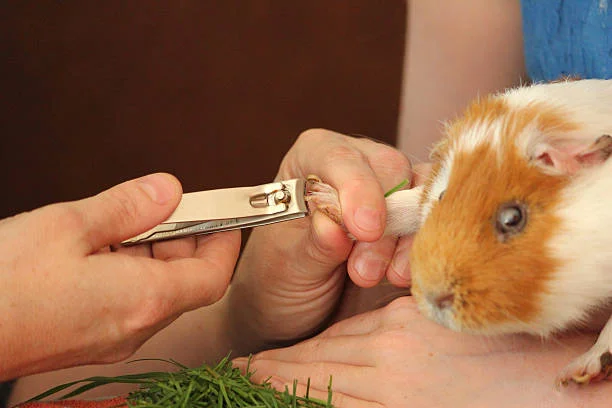
Image source: Bing (Web (fair-use with source credit))
Dampen a soft cloth or cotton ball with warm water. It should be barely damp, not soaking wet. Gently wipe the affected area, working from the clean edge outward.
Change the cloth or cotton ball frequently to avoid spreading dirt back onto the fur. For dried-on messes, hold the damp cloth over the area for a few seconds to soften it before wiping.
After cleaning, dry the area thoroughly with a separate, dry towel. Pat, don't rub. Any remaining moisture can chill your hamster quickly.
Keep them in a warm, draft-free room until they're completely dry. If you're spot cleaning due to diarrhea, monitor them closely. Persistent diarrhea in hamsters is a medical emergency, not just a grooming issue.
The Wet Bath Question: When (Almost) Never
You've probably seen videos online of people bathing hamsters in a sink. Maybe they're scrubbing a particularly dirty one with soap. Those videos are dangerous and irresponsible.
Data from veterinary emergency clinics shows that "routine" wet baths are a leading cause of sudden hamster deaths. The shock alone can be fatal.
So when is a wet bath ever justified? In our research, the answer is almost never. The only two scenarios that might warrant it are a severe chemical contamination, like a hamster that escaped and rolled in cleaning products, or a heavy parasite infestation that a vet has instructed you to wash away.
In both cases, you should be operating under explicit veterinary direction, not home improvisation.
The Hypothermia and Shock Risks
A hamster's body temperature regulation is delicate. Their small size means they lose heat incredibly fast. When their fur gets wet, that heat loss accelerates dramatically.
Within minutes, a damp hamster can become hypothermic.
Hypothermia in a hamster looks like lethargy, shivering, and a cool body temperature. Untreated, it leads to organ failure and death. You might not even notice the danger until it's too late.
That's why the "never bathe" rule exists. The risk simply isn't worth it.
The Only Two Scenarios Where a Wet Bath Is Necessary
The first scenario is toxic exposure. If your hamster has a substance on its fur that it could ingest while self-grooming, like paint thinner or a chemical cleaner, that's an emergency. You need to remove the toxin quickly, even with water.
Call your vet, tell them what happened, and follow their instructions precisely.
The second scenario is a severe external parasite problem. If your hamster has a heavy mite infestation and your vet prescribes a medicated wash, they'll give you specific instructions. Follow them to the letter.
Use lukewarm water, keep the session under two minutes, and dry your hamster thoroughly and immediately with a warm towel and a low-heat hairdryer held far away.
How to Do It If Absolutely Unavoidable (Temperature, Drying, Stress)
If you've cleared it with a vet and there's no alternative, here's the safest possible method. Fill a shallow bowl with lukewarm water. Around 90°F (32°C), which feels barely warm to your wrist.
Use only a tiny amount of fragrance-free, hypoallergenic small animal shampoo if absolutely necessary. Never use human shampoo, dish soap, or baby soap.
Keep the water level below your hamster's chin. Support their body with one hand while the other hand carefully applies water and shampoo. Keep the session under two minutes.
Rinse thoroughly, then wrap your hamster in a warm, dry towel. Change towels as they get damp. Use a hairdryer on the lowest heat and coolest setting, held at least 12 inches away, to finish drying.
Watch for signs of shaking the entire time.
Afterward, keep your hamster in a warm, quiet, draft-free environment for the rest of the day. Offer them a favorite treat and extra nesting material. Monitor them closely for 24 hours.
If they show any signs of lethargy, loss of appetite, or breathing trouble, call your vet immediately.
Grooming Mistakes That Harm or Kill Hamsters
Even well-meaning owners make mistakes. The good news is that most of these are entirely avoidable once you know what to look for. We've gathered the most common errors from veterinary forums, breeder communities, and expert guidance.
Learn these, and you'll avoid the vast majority of grooming-related emergencies.
Over-Bathing and Stripping Natural Oils
We've touched on this, but it deserves emphasis. Bathing a hamster in water, even once a month, strips the protective sebum layer from their skin. This leads to dry skin, itching, and excessive scratching.
It also removes the natural scent that helps the hamster navigate its environment.
You might notice the fur becomes dull and brittle after a water bath. That's the damage. The body then overcompensates by producing more oil, leading to a greasy coat.
It's a vicious cycle that only a sand bath can break. So skip the water entirely. Your hamster will thank you.
Using Human Shampoos, Soaps, or Dish Detergents
This one seems obvious, but it happens more than you'd think. People grab whatever's in the shower. That's a severe mistake.
Human shampoos have harsh detergents and fragrances that are toxic to hamsters. Dish soap is even worse.
These products strip every bit of oil from the skin. They can also be absorbed through the skin, causing systemic toxicity. Symptoms of shampoo poisoning include drooling, tremors, and seizures.
If you've accidentally used a human product on your hamster, wash them immediately with plain water and call your vet.
Cutting Nails Too Short (Quicking and Bleeding)
The "quick" is the pink area inside the nail that contains blood vessels and nerves. Cutting into it is painful and causes bleeding. It's the most common nail-trimming accident.
Even experienced owners do it occasionally.
The best prevention is light. Hold a small flashlight under the nail so you can see the quick clearly. For dark nails, where the quick is invisible, clip only the very tip.
If you do hit the quick, don't panic. Dip the tip of the nail into styptic powder, then apply firm pressure with a cotton ball for a minute. The bleeding should stop quickly.
Sand Bath Overuse Causing Eye and Respiratory Irritation
Sand baths are fantastic, but they can be overdone. Leaving a sand bath in the cage 24/7 is too much. It becomes a litter box, and it can dry out their eyes and respiratory tract.
Dusty sand is the main culprit.
Always use dust-free sand. If you see your hamster sneezing, rubbing its eyes, or having difficulty breathing after a sand bath, remove it immediately. Switch to a different brand.
These symptoms can also indicate an allergy to the sand itself, in which case you should stop using it entirely and consult your vet.
Mistaking a Dirty Rear for a Grooming Issue (Wet Tail Warning Signs)
A dirty rear end is not always a grooming failure. In fact, it's usually a symptom of a severe underlying illness. You should never try to wash away the mess before determining the cause.
Wet tail is a bacterial infection that causes severe diarrhea. It's highly contagious and often fatal without treatment. If your hamster has a wet, matted rear end, lethargy, and a hunched posture, that's a medical emergency.
Do not bathe them. Do not try to clean the area. Get them to a vet immediately.
Time is critical.
Grooming as a Health Check: What to Look For
Here's the secret that separates average hamster owners from truly great ones. Grooming time is examination time. Every time you help your hamster with grooming, you're also giving them a full-body health screening.
You should be actively looking for problems.
Most diseases in hamsters are caught late because they hide their symptoms instinctively. In the wild, showing weakness equals becoming prey. By checking their body during grooming, you bypass that defense mechanism and get a look at their true condition.
Lumps, Bumps, and Skin Lesions Under the Fur
Run your fingers gently over your hamster's body as you groom. Feel for any unusual bumps or swellings. A small, round lump under the skin could be an abscess, a cyst, or in older hamsters, a tumor.
Not all lumps are malignant, but they all need veterinary evaluation.
Skin lesions, like small scabs, red patches, or flaky skin, can indicate mites, fungal infections like ringworm, or allergies. If you notice recurring lesions, keep a record of when they appear and what your hamster ate that day. This can help your vet identify the trigger.
Bald Patches and What They Mean (Mites, Ringworm, or Stress Barbering)
Bald patches are never normal in a hamster. A healthy hamster has a full, dense coat. If you see thinning fur or bare skin, there are three main possibilities.
First, mites. These tiny parasites burrow into the skin, causing intense itching and hair loss. Second, ringworm.
This is a fungal infection that creates circular, scaly bald spots. Both require veterinary treatment. Third, stress barbering.
This is when a hamster over-grooms or chews its fur due to environmental stress. A too-small cage, a noisy room, or a new pet in the house can trigger it. Addressing the underlying stress usually resolves the issue.
Matting That Hides Wounds or Urine Scalding
Mats aren't just ugly. They trap moisture against the skin. This creates a perfect environment for bacterial growth and urine scalding.
A hamster with matted fur around its rear end is at serious risk of developing painful skin infections.
When you're brushing out a mat, check the skin underneath. If it's red, raw, or has an odor, that's a wound. Clean it gently with a damp cloth and a small amount of antiseptic solution recommended by your vet, and monitor it closely.
If it doesn't improve in 24 hours, seek veterinary care.
When the Vet Visit Beats Home Grooming
You need to know your limits. Home grooming can handle routine maintenance, but it cannot treat medical conditions. If you see any of the following, schedule a vet appointment rather than reaching for your grooming tools:
- Open wounds or bleeding
- Swollen, painful areas
- Persistent diarrhea or wet tail signs
- Excessive scratching with no visible cause
- Lethargy, loss of appetite, or difficulty breathing
- A lump that's rapidly growing or changing
These are not grooming problems. They are symptoms of illness. Trying to fix them at home delays proper treatment and can make the condition worse.
Don't risk your hamster's health out of a desire to handle things yourself.
How Grooming Fits Into Overall Cage Hygiene
Here's the truth that ties everything together. Your hamster's grooming needs are directly proportional to how clean their cage is. A spotless cage means a self-cleaning hamster.
A dirty cage means a hamster that needs constant intervention. You can't out-groom a dirty environment.
Think of it this way. Your hamster walks through its own waste, spills food, and drags bedding everywhere. If the cage is cleaned regularly, there's less mess to stick to their fur.
If the cage is neglected, your hamster is constantly walking in filth. No amount of brushing or sand bathing can fix that.
Why a Clean Cage Is Better Than Any Grooming Routine
A clean cage is the ultimate preventive measure. It reduces the amount of dirt your hamster encounters. It stops ammonia from urine buildup, which can irritate their skin and lungs.
It prevents the growth of mold and bacteria that cause skin infections.
The result is a hamster that stays naturally clean with minimal help from you. You'll find yourself doing fewer spot cleans and fewer sand baths. The cage does the heavy lifting, and your hamster's own grooming instincts handle the rest.
It's a far more sustainable and less stressful approach than trying to groom your way out of a dirty habitat.

Image source: Bing (Web (fair-use with source credit))
The Bedding, Humidity, and Temperature Factors That Affect Coat Condition
Let's get into the specifics. Bedding type matters enormously. Pine and cedar shavings are toxic to hamsters and can cause respiratory and skin issues.
They also strip the coat of its natural oils. Use paper-based or aspen bedding instead. These are dust-free and gentle on the skin.
Humidity is another factor. Hamsters thrive in low-humidity environments, around 30% to 40% relative humidity. High humidity can cause fungal growth in the bedding and on the hamster's skin.
If you live in a humid climate, consider using a dehumidifier in the room, especially during summer months.
Temperature matters too. The ideal range for a hamster is between 65°F and 75°F (18°C to 24°C). Temperatures above 80°F (27°C) can cause heat stress, leading to a greasy, unkempt coat.
Temperatures below 60°F (15°C) can trigger their hibernation instincts, which dulls the coat and reduces self-grooming. Keep the cage in a stable, draft-free spot.
Seasonal Changes and When to Adjust Your Approach
Your grooming routine should flex with the seasons. In the winter, indoor heating often dries out the air. This can make your hamster's skin dry and flaky.
You might need to offer the sand bath slightly less often, maybe once a week instead of twice, to let natural oils do their job.
In the summer, humidity and heat can make the coat greasy and attract dust. More frequent sand baths, up to three times a week, can help. You might also need to spot-clean more often if your hamster is burrowing in damp bedding.
Pay attention to these shifts. Adjusting your routine seasonally keeps your hamster comfortable and healthy year-round.
A Maintenance Checklist for the Long Haul
Here's a quick reference you can keep handy. This is a sensible weekly maintenance schedule for an average, healthy hamster.
| Day | Task | Notes |
|---|---|---|
| Monday | Spot-clean cage | Remove soiled bedding and uneaten fresh food |
| Tuesday | Sand bath session | 15 minutes, supervised |
| Wednesday | Check nails | Look for overgrowth or curling |
| Thursday | Spot-clean cage | Wipe down food bowl and water bottle |
| Friday | Sand bath session | 15 minutes, supervised |
| Saturday | Full cage refresh | Replace all bedding and clean the enclosure |
| Sunday | Full health check | Feel for lumps, check coat and rear end |
This isn't a strict schedule. Adapt it to your hamster's breed and individual needs. Long-haired Syrians will need brushing added on Tuesday and Saturday.
Hamsters with ongoing health issues may need more frequent checks. The point is to build a routine that keeps you consistent without stressing your hamster out.
Frequently Asked Questions
You've made it through the full guide. Now let's tackle the questions that still pop up most often. These are the queries we see daily in hamster owner forums, vet clinics, and community groups.
Each answer is short, practical, and based on the same expert guidance we've covered above.
Do hamsters need baths?
No. Healthy hamsters should never receive a water bath. They are self-grooming animals that keep themselves clean using their tongue, paws, and sand baths.
Water baths strip essential oils, cause stress, and create a severe risk of hypothermia and shock. The only exception is a specific veterinary instruction for a medical emergency. In that case, follow your vet's exact protocol and nothing else.
Can I use a regular human hairbrush on my hamster?
Never. Human hairbrushes have stiff bristles that are far too harsh for a hamster's delicate skin. They can scratch the skin, pull out healthy fur, and cause painful micro-tears.
The only safe brushing tools are a clean, soft-bristled baby toothbrush or a small pet comb with rounded, smooth teeth. And even then, brushing is only needed for long-haired Syrian hamsters.
Why does my hamster smell bad?
A persistent bad odor is not a grooming problem. It's usually a sign of a dirty cage, a health issue, or both. First, do a full cage clean to remove soiled bedding and stale food.
If the smell persists after a thorough cleaning, it could indicate an infection, wet tail, or an impacted scent gland. Check the rear end for matted, wet fur and the flanks for waxy buildup. Contact a vet if the odor continues.
How do I clean a hamster's bottom?
Spot cleaning is the correct method. Dampen a soft cloth or cotton ball with warm, barely lukewarm water. Wipe the soiled area gently, working from the clean edge toward the dirty fur.
Change the cloth frequently to avoid spreading bacteria. Pat the area completely dry with a separate towel afterward. If the mess is caused by diarrhea, that's a medical emergency.
Get your hamster to a vet immediately rather than just cleaning them up.
Is it safe to trim a hamster's teeth during grooming?
Never attempt to trim your hamster's teeth at home. This is an extremely delicate procedure that requires general anesthesia and specialized dental tools. Attempting it yourself can shatter the tooth, cause severe pain, or lead to a fatal infection.
If you notice overgrown teeth, difficulty eating, or excessive drooling, take your hamster to an exotic pet vet. They can safely file or trim the teeth under proper conditions.
How often should I give my hamster a sand bath?
Offer a sand bath two to three times per week, with each session lasting 15 to 20 minutes. This frequency works for most breeds, though long-haired Syrians might benefit from three sessions to manage the coat. Dwarf hamsters usually do well with two sessions.
Overusing the sand bath, such as leaving it in the cage permanently, can dry out the skin and cause eye and respiratory irritation.
The Bottom Line: Groom Less, Observe More
If you take one thing from this entire guide, let it be this. Your hamster is a self-cleaning marvel. They groom themselves constantly, and they're good at it.
Your job isn't to take over that process. Your job is to give them the tools to do it well and to spot problems before they become emergencies.
The best grooming routine is a passive one. It involves a clean cage, a quality sand bath offered a few times a week, and your own sharp observation skills. It means checking the coat, nails, rear end, and scent glands regularly.
It means knowing the difference between a normal mess and a symptom of illness.
Here's a quick checklist to keep on your fridge or in your phone notes. If you check these items consistently, you're doing better than most owners.
- Offer a sand bath 2 to 3 times weekly for 15 minutes per session
- Spot-clean the cage daily, full refresh weekly
- Check the coat for mats, bald patches, and skin lesions weekly
- Inspect nails monthly, trim only the curved tip
- Watch for wet rear, which signals a medical emergency, not a grooming need
- Keep the cage in a low-humidity, draft-free spot between 65°F and 75°F
- Never use water baths, human shampoos, or standard pet brushes
The Final Verdict on Grooming Frequency
For a healthy, short-haired hamster living in a clean cage, active grooming is almost never required. A sand bath routine plus routine nail checks covers everything. For long-haired Syrians, add a gentle brushing two to three times a week to prevent mats.
For elderly or overweight hamsters, be ready to assist with scent gland cleaning and hindquarter spot cleans.
Beyond that, leave them alone. Your hamster doesn't need a beauty regimen. They need a clean home, a proper diet, and an owner who knows when to step in and when to step back.
That's the real secret to a healthy, happy hamster.
Your Go-To Checklist for Coat and Skin Health
Use this as your final reference. Print it, screenshot it, do whatever works for you. This is the condensed version of everything we've covered, all in one place.
| Check | What to Look For | Action |
|---|---|---|
| Coat texture | Smooth, glossy, not greasy or dull | Sand bath 2 to 3 times weekly |
| Skin condition | No redness, flakes, scabs, or lumps | Vet visit if any skin issues persist |
| Bald patches | None present | Investigate mites, ringworm, or stress |
| Rear area | Dry, clean, free of matted fur | Wet rear equals veterinary emergency |
| Scent glands | Small, flat, no excessive waxy buildup | Gently clean with damp cotton swab |
| Nails | Short, not curling past the paw pad | Clip only the curved tip with small animal clippers |
| Behavior | Active, eating, drinking, grooming normally | Any sudden behavior change needs vet attention |
Stick to this plan, and you'll rarely reach for a grooming tool beyond the sand bath. You'll spend less time worrying about hygiene and more time enjoying your hamster's quirky, adorable personality. That's a win for both of you.