
If you've ever watched your hedgehog run through a mess in their enclosure and wondered how to bathe a hedgehog without turning the whole experience into a trauma session, you're in the right place. Trust me, this is one of those pet care tasks that looks simple from the outside but has a dozen small details that make or break it.
Hedgehogs are sensitive little creatures. Their skin is delicate, their ears are prone to infection, and their body temperature regulation is unforgiving. As of 2026, exotic pet veterinarians consistently report that improper bathing is one of the top three preventable reasons hedgehogs end up in emergency care.
The good news? Once you understand the mechanics, it's a straightforward 15-minute routine. Let's walk through it properly.
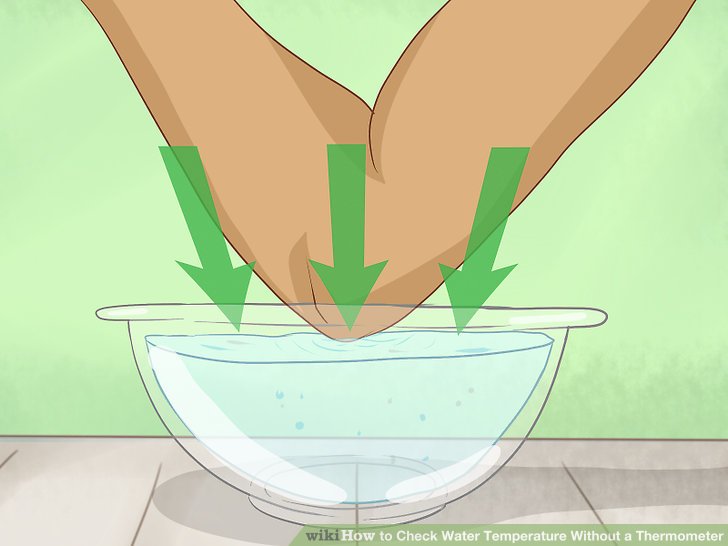
Image source: Bing (Web (fair-use with source credit))
Why Bathing a Hedgehog Isn't Like Bathing a Dog
Hedgehogs are not dogs. They're not cats, rabbits, or hamsters either. Their biology is genuinely different, and those differences matter the moment water enters the picture.
The Four Big Differences You Can't Ignore
Temperature sensitivity. A hedgehog's body temperature sits around 95-97°F. Water that feels "comfortably warm" to you can actually be too hot or too cold for them. If the water cools even slightly during the bath, their body starts trying to compensate, and that stress can trigger something called hibernation attempt.
That's a dangerous, sometimes fatal state where their body tries to shut down. The water needs to stay consistently between 85°F and 90°F from start to finish.
Ear placement. This is the big one. A hedgehog's ear canals are positioned low on their heads, almost at jaw level. Water that runs down their quills or drips off their forehead will flow straight into those canals.
The result is a painful ear infection that requires veterinary treatment. Preventing water from reaching the head area is not optional, it's the single most important rule of the entire process.
Skin acidity. Human shampoo is formulated for human skin, which has a pH around 4.5 to 5.5. A hedgehog's skin sits in a different range entirely. Using your own shampoo strips their natural oils, leaves their skin itchy and flaky, and can trigger excessive scratching that leads to open sores.
Even many pet shampoos designed for cats or dogs are too harsh.
The quill factor. Quills aren't hair. They're modified keratin structures that are hollow and connected to the skin at the base. Water that gets trapped beneath them takes forever to dry, and trapped moisture creates the perfect environment for fungal infections.
That's why "let them air dry" is terrible advice for hedgehogs. They need active, thorough towel drying every single time.
What Most Online Guides Get Wrong
A lot of the advice floating around treats bathing like a simple chore. "Just fill the sink, add some mild shampoo, scrub gently, rinse, and dry." That's dangerously oversimplified. It misses the prep work, the temperature management during the bath, the specific scrubbing technique, and the critical drying protocol.
It also fails to mention that baths should be rare events, not weekly routines.
Here's what we'll cover in this guide:
- Whether your hedgehog actually needs a bath right now
- The exact supplies that work (and what to avoid)
- A step-by-step process that minimizes stress
- The mistakes that send hedgehogs to the vet
- How often bathing should actually happen
Quick Answer: The 2-Minute Bathing Cheat Sheet
Fill a shallow tub with 1-2 inches of 85-90°F water. Let your hedgehog walk in on their own. Soak for 2-3 minutes.
Scrub quills with a soft toothbrush and oat-based shampoo. Rinse using a cup, never overhead. Wrap in a towel immediately.
Dry thoroughly for 10-15 minutes. Bath monthly at most.
| Step | What You Do | Time |
|---|---|---|
| Prep | Warm room, shallow tub, test water temp on wrist | 3 min |
| Soak | Let hedgehog walk in, relax in warm water | 2-3 min |
| Scrub | Toothbrush + oat shampoo, quill-direction strokes | 2 min |
| Rinse | Cup pour, keep water away from face and ears | 1-2 min |
| Dry | Towel wrap, absorb moisture fully | 10-15 min |
That's the whole routine in one glance. Now let's slow down and get every detail right.
Do You Even Need to Bathe Your Hedgehog?
Here's the honest truth: most hedgehogs don't need baths very often. Many exotic pet vets recommend bathing once a month at most, and some healthy, clean hedgehogs go two to three months between baths without any issues. Over-bathing is actually more common than under-bathing, and it causes more problems.
Signs Your Hedgehog Needs a Bath
- Visible dirt or debris stuck to quills. This is the most common reason. Hedgehogs run through their enclosures, and things like substrate, food residue, or bedding can stick to their quills.
- Dried feces on quills or feet. If your hedgehog has loose stool (a common issue with diet changes), it can end up caked onto their rear end and back quills. This needs prompt attention, not just for cleanliness but to monitor for ongoing digestive issues.
- A noticeably oily or greasy coat. Some hedgehogs produce more skin oil than others. If their quills feel slick or look dull, a bath can help reset things.
- A strong odor. Healthy hedgehogs have a mild, musky scent that's not unpleasant. If the smell is sharp, sour, or strongly ammonia-like, a bath can help, but you should also check their enclosure cleanliness and look for signs of illness.
- A vet-recommended medicated bath. If your hedgehog has mites, fungal infections, or certain skin conditions, your exotic vet may prescribe a specific shampoo and bathing schedule. Follow their instructions exactly.
When a Spot-Clean Beats a Full Bath
A full bath is stressful, even when done perfectly. If the issue is localized, you can skip the water entirely.
- Dirty feet only? Use a warm, damp washcloth or a soft baby wipe to wipe each foot individually. Let them air dry for a minute.
- Small debris on a few quills? Use a slightly damp toothbrush to brush the debris out, then wipe with a dry cloth.
- A patch of dried something on the rear? Hold a warm, damp washcloth against the area for 30 seconds to soften it, then gently wipe it away.
These spot-cleaning methods are kinder, faster, and perfectly effective for minor messes.
When to Skip the Bath and Call the Vet
This part is critical. Bathing can actively make some conditions worse.
Skip the bath and call your vet if you see:
- Excessive scratching, hair loss, or patchy quill loss. This strongly suggests mites or a fungal infection. Bathing with the wrong product can irritate things further. You need a proper diagnosis and prescription treatment.
- Open sores, redness, or flaking skin. Bathing an already irritated skin barrier can worsen inflammation and pain.
- Lethargy, loss of appetite, or unusual behavior. A sick hedgehog shouldn't be stressed by a bath. Get them to a vet.
- Dry, brittle, or broken quills. This can indicate nutritional deficiencies or underlying health problems that a bath won't fix.
- Signs of ear infection. If your hedgehog tilts their head, scratches near their ears, or you notice any discharge, don't bathe them. Water will make it worse.
If you're ever unsure whether a bath is appropriate, the safest answer is always to call your exotic vet first. A five-minute phone call can save you a $200 emergency visit later.
Step-by-Step: How to Bathe a Hedgehog Safely
Alright, you've confirmed your hedgehog actually needs a bath. Let's go through this slowly and methodically. Every step matters, and rushing any part of it increases stress for both of you.
Step 1: Set Up the Space
Before you even think about water, prepare the room and gather everything you need.
Choose a warm room with no drafts. Bathrooms work well because they're small and warm. Close the door to prevent cold air from circulating. If your home runs cool, turn up the heat slightly or use a space heater to warm the room to about 75-80°F before you begin.
Lay out your supplies:
- A sink or shallow plastic tub
- A dedicated cup or jug for rinsing
- A soft-bristled toothbrush (designate one specifically for your hedgehog)
- A clean washcloth
- Two or three large, absorbent towels
- Oat-based, tearless shampoo (baby shampoo works too)
Trim nails beforehand if needed. This is easier to do when your hedgehog is dry. Wet hedgehogs squirm, and it's much harder to see their small, dark nails. If you need a refresher on nail trimming technique, it's worth doing that task separately before bath day.
Step 2: Get the Water Right
This is where most issues start. The water needs to be warm but not hot, and shallow.
Temperature. Fill your sink or tub with lukewarm water and test it on the inside of your wrist. It should feel neither hot nor cold, just neutral. If you want to be precise, use a digital thermometer.
The target range is 85-90°F. Any cooler, and your hedgehog risks chilling. Any warmer, and you risk scalding their sensitive skin.
Depth. Add just enough water to reach your hedgehog's belly, roughly 1-2 inches for an adult. The water should never be deep enough that they need to swim or paddle. Hedgehogs can swim, but it's highly stressful and increases the risk of water entering the ears.
If their feet stay on the bottom comfortably, the depth is correct.
Step 3: Let Your Hedgehog Walk In
Do not pick up your hedgehog and drop them into the water. This immediately triggers a panic response. They'll huff, puff, and roll into a spike ball faster than you can react.
The right way: Gently place your hedgehog on the surface next to the water, or at the very edge of the tub. Let them investigate the water and walk in on their own terms. It might take a few seconds.
It might take a minute. Be patient.
Talking softly and keeping your movements slow helps. Once they're in the water, keep one hand resting lightly on their back. This provides a sense of security.
It also lets you feel their body temperature so you can tell if they're getting too cold.
Step 4: The Soak
Let your hedgehog stand in the warm water for 1-3 minutes. This softens any dried debris or feces stuck to their quills. You don't need to do anything during this time.
Just let them acclimate and relax.
The "poop bath" is completely normal. Many hedgehogs will poop in the bathwater. It's a stress response, and it's also just what happens when their rear end gets warm. Don't panic.
You'll need to change the water if this happens, but it's not a problem.
Step 5: Scrubbing Quills the Safe Way
Once the debris is softened, it's time to clean. This is the step where having the right technique matters.
Wet the toothbrush and apply a small drop of your oat-based shampoo. A pea-sized amount is plenty. Working in sections, brush in the direction the quills lie, using gentle circular motions.
Focus on:
- The back and sides, where debris accumulates
- The rear end, especially if there's dried feces
- The feet, using the toothbrush bristles to get between toes
Avoid the face, ears, and eyes. Do not scrub the head area. The quills there are just as dirty, but the risk of water entering the ears or eyes is too high. You can gently wipe the forehead with a damp washcloth if needed, but never pour water over the head.
Do not use the toothbrush to scrub the belly unless you see visible dirt. The belly skin is much thinner and more sensitive. Use your washcloth here if needed.
Step 6: Rinsing Without Disaster
Rinsing is the riskiest step, because this is where water most commonly ends up in ears.
Never pour water directly over the head. Instead, use your cup or jug and pour water gently over the back and sides only. Cup one hand around the side of their head, acting as a shield, while you pour. This redirects any water that runs upward.
Keep rinsing until the water runs completely clear. Shampoo residue left on the skin will dry out and irritate, so this step deserves patience. If you used a small amount of shampoo, this usually takes 3-4 rinse cycles.
Step 7: The Critical Drying Process
Never, ever let a hedgehog air dry. Their quills trap moisture close to the skin, and that creates the perfect environment for fungal infections. Drying is not optional, and it's not a quick afterthought.
Wrap immediately. As soon as the rinse is done, scoop your hedgehog into a large, dry towel and wrap them like a burrito. This stops the chilling process immediately.
Absorb, don't rub. Gently press the towel against their quills and body to absorb water. Rubbing can irritate their skin, and it also makes the quills press uncomfortably. Press and lift, press and lift.
Use a second towel. The first towel will get saturated quickly. Switch to a dry towel and continue absorbing moisture until the towel comes away dry. This typically takes 10-15 minutes of active drying.
Pay extra attention to the rear and the belly. Those areas have the densest quill coverage and hold the most moisture. Lift your hedgehog gently and pat these areas dry from underneath.
Check their temperature. After a thorough dry, your hedgehog's body should feel warm, not cool or cold. If they feel cold, increase the room temperature and keep them wrapped.
Step 8: Post-Bath Warm-Up
After they're dry, let your hedgehog explore a clean, warm space for a few minutes. This lets them calm down and re-establish their sense of security. Offer a small treat, like a mealworm, as a positive reward.
Then return them to their regular enclosure.
Choosing the Right Shampoo and Supplies

Image source: Bing (Web (fair-use with source credit))
The right supplies make a huge difference. The wrong ones cause problems. Here's what actually matters.
Shampoo: What's Safe and What's Not
| Type | Safe? | Notes |
|---|---|---|
| Oatmeal-based, tearless baby shampoo | Yes | Gentle, pH-balanced for sensitive skin |
| Plain water only | Yes | Best for routine maintenance baths |
| Diluted Castile soap | Maybe | Only if thoroughly diluted; verify concentration |
| Cat or dog shampoo | No | Wrong pH, contains harsh chemicals |
| Human shampoo | No | Strips natural oils, irritates skin |
| Dawn dish soap | No | Harsh detergents, only for specific mite protocols under vet orders |
| Anti-fungal human shampoo | No | Requires vet prescription and diagnosis |
| Essential oil or fragranced shampoos | No | Oils are toxic to hedgehogs |
Our recommendation: An oat-based, tearless baby shampoo, like Aveeno Baby, is the most widely recommended option among exotic pet owners and veterinarians. It's gentle, fragrance-free, and pH-balanced. A single bottle lasts for months because you only use a pea-sized drop per bath.
The Toothbrush: Your Best Grooming Tool
A soft-bristled toothbrush is the single best tool for cleaning hedgehog quills. The bristles reach between the quills, dislodge debris, and gently exfoliate the skin underneath. They're cheap, easy to clean, and easy to grip.
Designate one toothbrush strictly for your hedgehog. Don't use the same one you use for your own teeth. You can buy a pack of soft children's toothbrushes for a couple of dollars and keep one in your hedgehog's care kit.
The Washcloth: For Bellies and Faces
A soft washcloth is useful for the belly, feet, and occasionally the forehead. It's less abrasive than a toothbrush on those more sensitive areas. Keep one clean and dry with your other hedgehog supplies.
The Tub: Sink vs. Plastic Container
Both work. A sink is convenient because it has a built-in drain and you can control the water flow. A shallow plastic storage tub works better if you want to bring the water to your hedgehog rather than carrying them to the water.
Either way, make sure the surface is non-slip. A wet plastic or porcelain surface can be slippery, and a hedgehog that slips will panic. You can place a small, clean washcloth on the bottom of the tub to give them better footing.
Towels: The Non-Negotiable Essential
You need at least two large, clean, absorbent towels. One for the initial wrap and one for the final dry. They should be thick enough to absorb water quickly.
Avoid towels with loose threads or frayed edges, as they can catch on quills. You'll want to run your hand over them after drying to make sure nothing snagged.
Where to Get Your Supplies
Most of what you need is already in your house. The toothbrush, washcloth, towels, and plastic tub are all standard household items. The only thing you might need to buy is the shampoo, and that's available at any drugstore or supermarket.
There are also specialized hedgehog shampoos sold by exotic pet supply companies, and they work fine too. Just check the ingredient list and make sure the base is oat-based and tearless.
Routine Bathing Schedule: How Often Is Too Often?
The most common question we hear is some version of "how often should I bathe my hedgehog?" The answer is almost always less often than you think.
The Monthly Rule
The general consensus among exotic pet veterinarians is once a month at absolute most. Many healthy hedgehogs only need a bath every 6-8 weeks. If your hedgehog is clean, doesn't smell, and has no visible debris, there's no reason to force a bath just because the calendar says it's time.
Bathing too frequently strips the natural oils from their skin and quills. This leads to dryness, itching, and a condition called seborrhea, where the skin overproduces oil to compensate for the loss. The result is a hedgehog that's actually dirtier and smellier than before.
It's a counterproductive cycle that's hard to break once it starts.
Why Over-Bathing Happens
New owners are the most likely to over-bathe. They see a little dirt, worry about hygiene, and give a bath. They see another speck, and give another bath.
Three weeks later, they have a hedgehog with itchy, flaky, over-dried skin.
If you find yourself reaching for the bath supplies more than twice a month, step back and evaluate the root cause. Is the enclosure dirty? Is the wheel leaving debris on their feet?
Is their diet causing loose stools? Fixing the source of the mess is always better than repeatedly bathing the symptom.
Seasonal Adjustments
Your hedgehog's bathing needs can shift with the seasons.
Summer and warm months. Higher temperatures mean your hedgehog is more active, which often means more mess. The cage bedding gets tracked around more, the wheel sees more use, and the feet get dirtier faster. Slightly more frequent baths, maybe every 4-5 weeks, are reasonable.
Winter and cooler months. Hedgehogs are naturally less active in cooler weather. They sleep more, move less, and stay cleaner. Bathing every 8-10 weeks is usually fine.
The bigger concern is making sure the room is warm enough that a bath doesn't cause a serious temperature drop.
Quilling Sensitivity
Hedgehogs go through two major quilling phases: around 6-8 weeks old, and again around 4-6 months. During these periods, their skin is highly sensitive as new quills push through. Bathing during quilling can be genuinely painful.
If you have a young hedgehog that's in the middle of quilling, postpone the bath unless there's a medical need. Wait until the quilling is complete. You'll know it's done when you stop finding dropped quills around the enclosure and your hedgehog stops acting especially grumpy.
Building a Foot Bath Routine
The single best way to reduce full-bath frequency is to establish a regular foot bath routine. This targets the dirtiest part of a hedgehog, the feet, without subjecting the whole animal to a stressful full bath.
Several times a week, particularly if your hedgehog uses a wheel, take a soft baby wipe or a warm, damp washcloth and wipe each foot. It takes 30 seconds per foot. Doing this regularly prevents the buildup of dried debris that eventually migrates up the legs and onto the quills.
Real Scenarios: What Other Owners Experience
Reading about a process is helpful, but sometimes it helps to see how things actually play out in real situations. Here are three common scenarios we see from hedgehog owners, along with how to handle them if you find yourself in the same boat.
Scenario One: The Poop-Covered Hedgehog Emergency
The situation: You come home from work, check on your hedgehog, and find them covered in dried feces. They had loose stool overnight, walked through it, and kicked it up onto their quills and rear end.
What to do: Don't panic. This is incredibly common, especially if you've recently changed food or your hedgehog is stressed. If the feces is completely dry, place your hedgehog in a shallow warm bath first to soften it.
Let them soak for 3-5 minutes. The debris will loosen significantly. Then use your toothbrush to gently work the softened material free.
You may need to change the bathwater once if it gets contaminated.
The prevention: This scenario usually points to a dietary issue. Evaluate recent food changes, check for sudden treats or new foods, and monitor their poops for a few days. If loose stool persists beyond a day or two, call your vet.
A once-off incident is normal. Repeated incidents need investigation.
Scenario Two: The Hedgehog Who Absolutely Hates Baths
The situation: Your hedgehog huffs, puffs, and rolls into a spike ball the second they touch water. Every bath is a 20-minute battle that ends with both of you stressed.
What to do: First, accept that some hedgehogs genuinely hate water. They find the sensation overwhelming, and no amount of patience will change that. You still need to clean them, so you adapt.
Try the "dry bath" method instead:
- Lay a towel flat on a table in a warm room.
- Use a slightly damp, warm washcloth.
- Wipe your hedgehog down section by section, quill by quill.
- Focus on the dirty areas, using the washcloth to gently wipe away debris.
- Finish with a dry towel to absorb any moisture.
This takes longer than a water bath, but it produces far less stress. For hedgehogs that have an extreme fear of water, this is the better option. If you absolutely must give a water bath for medical reasons, do it in very shallow water, just 1 inch, and keep the session under 5 minutes.
The prevention: Some hedgehogs simply never get comfortable with baths. Accept that, and build your routine around spot-cleaning and dry baths instead of forcing the issue.
Scenario Three: The Mite Scare
The situation: You notice your hedgehog scratching constantly. Their quills are falling out in patches, and the skin underneath looks red, flaky, or crusty. You suspect mites.
What to do: Do not give a bath. Here's why. Mites are incredibly small and aggressive, and bathing can actually irritate the skin further.
More importantly, you will be treating the wrong thing with the wrong product. Mites require prescription treatment, either oral medication or a specific permethrin-based shampoo that a vet must prescribe.
Call your vet immediately. Take your hedgehog in for a skin scraping. The vet will confirm whether mites are present and prescribe the correct treatment. Once the medication has worked, you can resume a normal bathing routine.
The prevention: Mites often come from contaminated bedding or exposure to other animals. Freeze new bedding for 24 hours before use to kill any mites or eggs. Also, quarantine any new hedgehog before introducing them to your existing pet's space.
Mistakes That Send Hedgehogs to the Vet
Image source: Bing (Web (fair-use with source credit))
We've touched on several mistakes throughout this guide, but it's worth dedicating a full section to the most serious ones. These are the errors that end with a hefty veterinary bill and a miserable hedgehog.
The Water-Over-the-Head Disaster
The mistake: Pouring water directly over your hedgehog's head to rinse shampoo out of the top quills.
What happens: Water runs down the face and pours directly into the ear canals. Within 24 to 48 hours, the inner ear becomes wet, warm, and dark. The perfect breeding ground for bacteria.
The result is a painful ear infection that requires veterinary treatment. Symptoms include head tilting, scratching at the ears, and a wobbly walk.
The prevention: Always rinse from the back and sides. Shield the head with your hand or use a washcloth to clean the head separately. Never pour water over the head.
It's the number one cause of bathing-related ear infections.
The "Just a Little" Human Shampoo Mistake
The mistake: Using regular human shampoo because the hedgehog shampoo was out of stock.
What happens: Human shampoo is formulated for a different pH. It strips the hedgehog's natural skin barrier. Within a few days, the skin becomes dry, itchy, and flaky.
The hedgehog scratches aggressively, creating open sores that can become infected. The quill follicles also become irritated, leading to abnormal quill loss.
The prevention: Keep a backup bottle of oat-based baby shampoo in your hedgehog supply kit. If you're truly out, use plain warm water only. A water-only bath is always safer than using the wrong shampoo.
The Air-Dry Shortcut
The mistake: Towel-drying your hedgehog but not thoroughly. Then letting the remaining moisture evaporate naturally.
What happens: The dense quill layer traps the remaining moisture against the skin. Over the next 24 to 48 hours, the damp environment allows fungal spores to multiply. Your hedgehog develops ringworm or a bacterial skin infection.
Treatment requires medicated baths and oral antifungal medication.
The prevention: There's no shortcut. You must actively dry your hedgehog until the second towel comes away completely dry. This takes 10-15 minutes.
It's boring. It's necessary. Never skip it.
The Hair Dryer Danger
The mistake: Using a hair dryer to speed up the drying process.
What happens: Even on the "low" setting, hair dryers produce hot air that can burn a hedgehog's thin skin. The loud noise also terrifies them, triggering severe stress. Some owners have produced partial-thickness burns that required topical ointment treatment.
The prevention: The hair dryer is banned. Permanently. Towels only.
If you're in a cold room, warm the towels in the dryer for a few minutes first and use those.
The "Too Deep" Water Problem
The mistake: Filling the tub with 4-5 inches of water.
What happens: A hedgehog in deep water instinctively tries to swim. The panic response kicks in. Water splashes everywhere, including into the ears.
The hedgehog may inhale water, leading to respiratory infections.
The prevention: The water should never be deeper than the belly. If your hedgehog's feet can't touch the bottom comfortably, the water is too deep. A 1-2 inch depth is sufficient for adult hedgehogs.
The Cold-Room Rush
The mistake: Giving a bath in a cool room without pre-warming the space.
What happens: A hedgehog's body temperature drops rapidly during a bath. In a cool room, it drops even faster. The hedgehog may enter hibernation attempt, which involves becoming unresponsive, lethargic, and cool to the touch.
Owners often mistake this for relaxation. It's not. It's a medical emergency.
The prevention: The room needs to be 75-80°F before you even fill the water. Keep the bath short. Dry immediately and thoroughly.
If your hedgehog feels cold, wrap them in a warm towel and increase the room temperature right away.
The Supplies Checklist: Everything You Need Before You Start
Let's get practical. Nothing derails a bath faster than realizing you're missing a towel mid-rinse. Here's the complete checklist to gather before you even turn on the faucet.
The Essential List
| Item | Purpose | Where to Find It |
|---|---|---|
| Shallow plastic tub or clean sink | Bathing container | Kitchen or bathroom |
| Digital thermometer | Verify water temperature | Drugstore, $8-12 |
| Oat-based, tearless baby shampoo | Gentle cleaning | Drugstore or supermarket |
| Soft-bristled toothbrush | Quill scrubbing | Drugstore, dedicated for hedgehog use |
| Large absorbent towel #1 | Initial wrap and drying | Linen closet |
| Large absorbent towel #2 | Final drying | Linen closet |
| Plastic cup or small jug | Rinsing | Kitchen |
| Clean washcloth | Belly and face wiping | Linen closet |
That's it. Eight items, most of which you already own. The only things you might need to buy are the shampoo and a dedicated toothbrush.
What You Can Skip
There are a lot of products marketed specifically for hedgehog bathing. Some are excellent. Most are unnecessary.
Hedgehog-specific shampoos. Many reputable brands exist, and they work well. But they're not fundamentally different from a quality oat-based baby shampoo. If you already have Aveeno Baby, you don't need to spend extra on a specialty product.
Bathing gloves. Hedgehog quills aren't sharp enough to pierce skin during a bath. They're pointed, but they're not like porcupine quills. Standard bare hands work fine.
Gloves reduce your dexterity and make the whole process clumsier.
Waterproof aprons. Unless you're bathing a hedgehog that loves to splash, you don't need one. A regular towel draped over your lap catches stray drips just fine.
Scented grooming sprays. These add fragrance to the quills after bathing. Hedgehogs rely heavily on scent for orientation and comfort. Adding artificial fragrances can stress them and interfere with their ability to recognize their own territory.
Beyond Bathing: Alternative Cleaning Techniques
A full bath is the most thorough cleaning method, but it's not the only method. And honestly, it's not always the best one. Here are the alternatives to know.
The Dry Bath
This is exactly what it sounds like, a bath without water. It's ideal for hedgehogs that are terrified of water, or for quick touch-ups between full baths.
Materials: A dry towel, a soft washcloth, and a gentle brush or toothbrush.
The process:
- Lay the towel on a flat surface in a warm room.
- Place your hedgehog on the towel.
- Use the soft brush to gently work debris out of the quills. Move in the direction the quills lie.
- For stubborn spots, dampen the washcloth with warm water and wring it out thoroughly. It should be barely damp, not wet.
- Wipe the affected areas with the damp washcloth, then immediately follow with the dry towel to absorb any moisture.
- Finish with a dry brush-through to fluff the quills.
A dry bath takes longer than a water bath, maybe 10-15 minutes. But it produces virtually zero stress, and there's no risk of water getting into the ears.
The Foot Bath
This targets the feet specifically, which are the dirtiest part of most hedgehogs. It's the most common maintenance cleaning you'll do.
Materials: A shallow container, warm water, and a washcloth.
The process:
- Fill the container with about half an inch of warm water.
- Place your hedgehog in the container so their feet are submerged, but their belly is barely above water.
- Let them stand for 30 seconds. This softens any dried material.
- Lift them out and use the washcloth to wipe each foot individually.
- Dry the feet thoroughly with a towel.
This takes about 2 minutes, and it's much easier on your hedgehog than a full bath.
The Spot Clean
This is for isolated messes, like a single patch of stuck food or a spot of bedding that got glued to a quill.
Materials: A damp washcloth or a soft baby wipe (unscented, hypoallergenic).
The process:
- Hold the damp cloth against the dirty spot for 10-15 seconds to soften it.
- Gently wipe in the direction of the quills.
- Wipe the area again with the dry part of the cloth.
- Done. No water involved, no drying required.
This works for 80% of the messes you'll encounter. Make it your first option and reserve full baths for genuinely dirty situations.
When Each Method Is Best
| Method | Best For | Time | Stress Level |
|---|---|---|---|
| Dry bath | Hedgehogs that fear water, light dust | 10-15 min | Low |
| Foot bath | Wheel-running hedgehogs, dirty feet | 2-3 min | Low |
| Spot clean | Isolated debris, small messes | 1-2 min | Minimal |
| Full water bath | Heavily soiled quills, dried feces, needed medical baths | 15-20 min | Moderate to high |
Use this hierarchy. Spot clean first. Foot bath when needed.
Dry bath for hedgehogs that hate water. Only escalate to a full bath when the situation genuinely demands it.
Frequently Asked Questions
Can I use Dawn dish soap to bathe my hedgehog?
No. Dawn dish soap is a heavy-duty degreaser designed for cutting kitchen grease, not for animal skin. It strips all the natural oils from your hedgehog's skin and quills, leaving them dry, itchy, and prone to irritation.
The only context where Dawn is used is for oil spill cleanup on wildlife, which requires specialized protocols you should never attempt at home. Use an oat-based, tearless baby shampoo or plain warm water.
Why does my hedgehog poop in the bath?
It's a stress response, but it's also a physical response. Warm water stimulates the digestive tract, and the sensation of having their rear end submerged triggers defecation. It's completely normal.
Most hedgehogs do it. It doesn't mean your hedgehog is scared or hurt. Just change the water if it happens and continue with the bath.
What's normal quilling vs. a skin problem?
Quilling is the natural process where a young hedgehog replaces their baby quills with adult quills. During quilling, you'll see dropped quills scattered around the enclosure and your hedgehog will be more grumpy than usual. The skin between existing quills may look slightly red but shouldn't have scales, crusts, or bald patches.
If you see patchy hair or quill loss, flaking skin, or excessive scratching, that's not quilling. That's a potential mite or fungal issue, and it warrants a vet visit.
How do I dry a hedgehog without stressing them out?
The technique matters more than the speed. Start by wrapping your hedgehog in a towel burrito style. This contains them, provides warmth, and makes them feel secure.
Then gently press, rather than rub, sections of the towel against their quills. Press and lift, press and lift. Change to a dry towel when the first one becomes damp.
Talk softly and keep movements slow. Most hedgehogs tolerate this method well because the towel provides a secure, enclosed space.
Should I bathe my hedgehog right after I get them?
No. This is a common mistake from well-meaning new owners. A newly adopted hedgehog is already stressed from travel, a new environment, new smells, and new sounds.
Adding a bath on top of that is overwhelming and can severely damage the bonding process. Give them 3-4 days to settle into their new enclosure. Let them explore, eat, and get comfortable.
Only bathe them if there's a specific medical or hygiene need that can't wait.
What temperature should the water be?
The water should be between 85°F and 90°F. This is slightly below your own body temperature, so it will feel like neutral or barely warm to your wrist. Anything colder risks chilling your hedgehog.
Anything hotter risks scalding. Use a digital thermometer if you're unsure. It's a small investment that eliminates guesswork.
My hedgehog's feet are always dirty. Is there a way to prevent this?
Yes. The most common cause of perpetually dirty feet is a running wheel that accumulates debris. Clean the wheel surface daily or every other day with a damp cloth.
Also check your substrate. Some types of bedding, like fine paper bedding, tend to coat the feet more than others. Switching to a different absorbent bedding can reduce the mess.
Regular spot-cleaning with a baby wipe every few days also prevents buildup.
How cold is too cold for a hedgehog bath?
The room itself should be at least 75°F before you start. If the room is cooler than that, pre-warm it with a heater and wait for it to reach the target before filling the water. During the bath, monitor your hedgehog's body temperature by keeping one hand resting on them.
If they feel cool, end the bath immediately, dry them, and warm the environment.
Final Verdict: When to Wash, When to Wait, When to Call the Vet
Bathing a hedgehog isn't complicated, but it does require respect for their biology. The good news is that once you learn the routine, it becomes second nature. The even better news is that you probably don't need to do it as often as you think.
Here's the simple decision guide to keep in mind:
| Situation | What to Do |
|---|---|
| Visible dirt, debris, or odor | Bathe with oat-based shampoo, proper temperature |
| Dried feces on quills | Soak first to soften, then scrub gently |
| Dirty feet only | Spot-clean with a wet wipe, skip the full bath |
| Excessive scratching or patchy quill loss | Call the vet, skip the bath |
| Open sores or flaky skin | Call the vet, skip the bath |
| Lethargy or loss of appetite | Call the vet, skip the bath |
| New hedgehog arrival | Wait 3-4 days, let them settle first |
| Quilling phase | Postpone bath unless medically necessary |
The bottom line: A bath is a maintenance task, not a treatment. Use it for hygiene. Don't use it as a stand-in for veterinary care.
If you notice signs of illness or parasites, a bath will only delay proper treatment and potentially make things worse.
When you do bathe, take your time. Keep the water warm, the depth shallow, and the process calm. Dry your hedgehog completely every single time.
It's 15 minutes of effort that keeps your spiky little friend healthy, comfortable, and happy for months.
If you ever find yourself second-guessing whether a bath is appropriate, reach for the phone. A quick call to your exotic vet costs nothing and can save you from a mistake. Better to ask twice and bathe once than to rush into something that causes problems.
Take care of those quills, keep the baths rare, and your hedgehog will do just fine.