

Image source: Bing (Web (fair-use with source credit))
Your guinea pig is flattened in the corner of the cage, staring at you like you're a predator. You're holding a pair of nail clippers, wondering where it all went wrong. You've tried the towel burrito that lasted four seconds.
The calm voice that did nothing. The bribe of a perfect strawberry that got sniffed and rejected.
Learning how to groom a guinea pig isn't about mastering a complex skill. It's about understanding that you're working with a prey animal whose entire survival strategy is based on not being handled by large, unpredictable creatures. Get it right, and grooming becomes a quick, stress-free routine that keeps your pig healthy and bonded to you.
Get it wrong, and you're facing a bloody nail, a traumatized pet, and a vet bill.
This guide breaks down the entire process into manageable, safe steps. We'll cover nail trimming, coat care, bathing, sanitary trims, and the health checks you should be doing while you're at it. We'll also cover the mistakes that cause the most problems and exactly how to avoid them.
Quick Answer
Groom a guinea pig by trimming nails every 3 to 6 weeks, brushing short-haired coats weekly, and long-haired coats daily. Bathe only when visibly dirty. Use guinea pig-safe tools.
Never use human shampoo. Check the rear end for poop buildup. Watch for stress signals.
Stop if the pig is distressed. Consult a vet for serious issues.
Why Grooming Matters More Than You Think
Here's the uncomfortable truth about guinea pigs: they cannot groom themselves in all the places that matter. Their tongues and teeth reach their faces and front paws, but that's about where it stops. Everything from the middle of their back to their rear end is completely out of their reach.
That's your job now.
Skipping grooming isn't a cosmetic issue. It's a health issue with real consequences.
Let's talk about what actually happens when you let things slide. Nails that grow too long start to curl. They catch on fleece bedding, get snagged in cage grids, and eventually twist the pig's toes into painful positions.
A guinea pig with overgrown nails will start walking oddly, redistributing weight unnaturally. That leads to sore hocks, a painful foot condition that can become infected.
Matting is another serious problem, especially for long-haired breeds. The fur around the rear end mats worst of all because it's constantly exposed to urine and feces. Those mats pull on the skin, trap moisture, and create the perfect environment for bacteria.
If it gets bad enough, you're dealing with urine scald, skin infections, or worse.
The worst-case scenario is flystrike. Flies lay eggs in soiled, matted fur. The eggs hatch into maggots that eat the guinea pig's flesh.
It's a rapid, agonizing, and often fatal condition. It's also completely preventable with regular grooming.
The exotic pet veterinary consensus is clear: regular grooming is one of the most effective ways to keep your guinea pig healthy and catch problems early. As of 2026, this remains true across all breeds and age groups.
What You Need Before You Start
Preparation is half the battle. Every item on this list serves a specific purpose, and cutting corners on any of them makes the whole process harder and riskier. You don't need a fancy professional grooming kit, but you do need the right tools for the job.
The Essential Tools
Here's a breakdown of the core tools you need in your grooming kit.
- Small animal nail clippers. These come in two main styles: guillotine and scissor. Both work fine. What matters is that they're small and sharp enough to make a clean cut without crushing the nail. Human nail clippers are usually too thick and can crack the nail, causing pain.
- Styptic powder or cornstarch. This is non-negotiable. You will eventually nick the quick, and the quick is a blood vessel. Styptic powder stops the bleeding almost instantly. Cornstarch works in a pinch, but it's slower. Have it within arm's reach before you start.
- A soft-bristled brush. A baby toothbrush or a soft cat brush works well for short-haired pigs. For long-haired pigs, you'll want a wide-toothed comb and possibly a slicker brush for detangling.
- A damp washcloth. This is for cleaning the rear end, wiping away grease, and spot-cleaning dirty fur without a full bath.
- Blunt-nosed scissors. These are specifically for cutting out stubborn mats in long-haired pigs. The blunt tip prevents you from accidentally stabbing the skin underneath.
- Small animal shampoo. Only if you actually need to bathe. You must use guinea pig-specific shampoo. Human shampoo has the wrong pH and will strip their natural oils. Even cat or dog shampoo can be too harsh.
- Non-slip towels. Guinea pigs panic on slick surfaces. A thick towel on your lap or on a counter gives them traction and a sense of security. Use a second towel for the "burrito" wrap when doing nail trims.
The Setup
Where you groom matters almost as much as what you're using. A kitchen counter might seem convenient, but if it's slick and high up, your guinea pig will feel exposed and vulnerable. They'll spend the entire session trying to escape.
A low table or a spot on the floor works best. Warm, quiet, and free of other pets. If you have a cat or a dog, keep them in another room during grooming.
A guinea pig that's being stared at by a predator is not going to sit still for a nail trim.
Many owners find that grooming on their lap in a comfortable chair works well. The pig gets the warmth and smell of their owner, which can be calming. Just put a towel down first to protect your pants and to give the pig something to grip.
One more thing: have treats ready. Not just for after, but during. A small piece of carrot, bell pepper, or cilantro goes a long way in building positive associations.
Nail Trimming Without the Drama
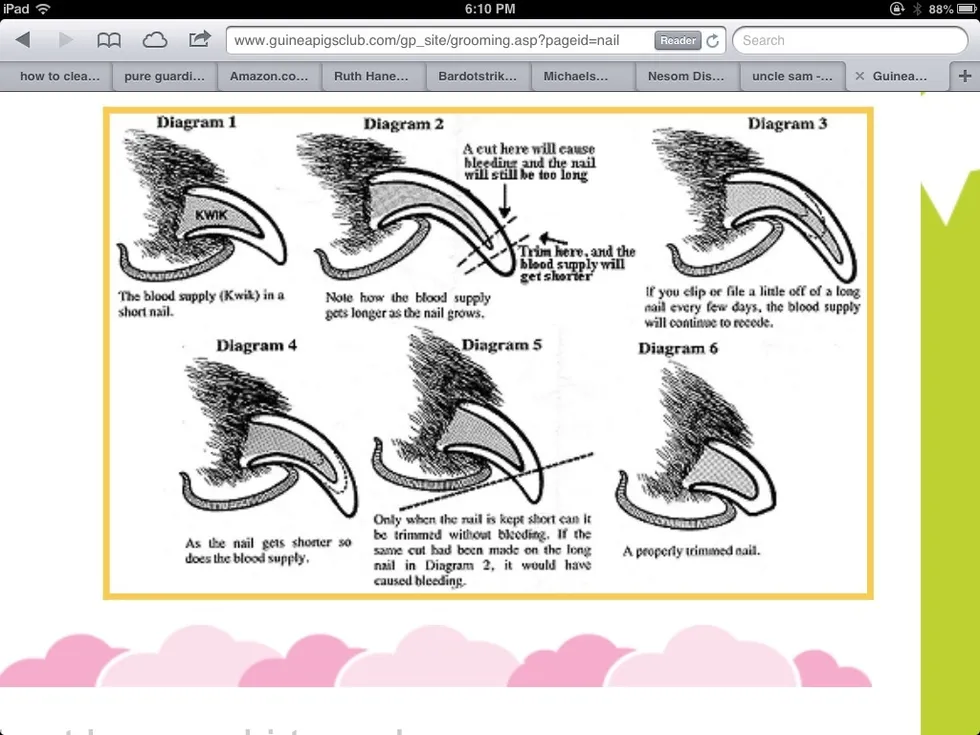
Image source: Bing (Web (fair-use with source credit))
This is the part every guinea pig owner dreads. It's also the most important part of the routine, so let's take it step by step.
How to Hold a Guinea Pig for Nail Trimming
The goal is to keep the pig contained without making them feel like they're being restrained. Guinea pigs are prey animals. They instinctively panic when their legs are grabbed.
But they also stay still when they're snugly wrapped.
The "towel burrito" is your best technique here. Lay a towel flat on your lap, place the guinea pig in the center, and fold the sides over their body. Leave the head exposed so they can see what's happening.
Tuck the towel snugly around them. This stops them from seeing your hands coming. It also applies gentle, even pressure that feels secure rather than suffocating.
Once they're wrapped, hold them against your chest with one hand, back resting against you. Extend one rear foot gently by holding just above the ankle. You're not squeezing.
You're just guiding the foot into position. If they pull back, wait a second and try again. Don't wrestle the foot out.
That's how you get that sharp squeal of panic.
Finding the Quick
The quick is the pink blood vessel running through the nail. Cut it, and you'll have bleeding, pain, and a guinea pig who will not trust you for a while.
On a light-colored nail, the quick is easy to see. It's the distinct pink line running from the base of the nail toward the tip. Cut just below where the pink ends.
On dark nails, it's harder. This is where a flashlight becomes your best friend. Shine the light from behind the nail.
The quick will appear as a shadow against the light. It's not perfect, but it gives you a much better idea of where to cut than guessing.
When in doubt, cut less. It's always better to trim a tiny bit and need another trimming session sooner than to cut too deep. You can't un-cut a nail.
The nail will grow back, but the trust takes much longer to rebuild.
The Cutting Technique
Hold the clipper perpendicular to the nail. Never angled, never sideways. A straight cut is a clean cut.
Take the nail in small slices. Don't try to take the entire tip off in one big snap. Small slices mean if you're wrong about the quick's location, you only lose a tiny bit instead of a chunk of the nail.
Start with the front paws. They're easier to see and guide. Then move to the back paws, which are usually harder.
Work slowly. If you find yourself getting frustrated or the pig is fighting you, stop.
Per manufacturer specifications for small animal nail trimmers, you should replace or sharpen your clippers when they start to crush the nail instead of cutting cleanly. A blunt clipper is a dangerous clipper.
When the Bleeding Won't Stop
You will cut the quick eventually. It happens to everyone. Even the most experienced owners do it sometimes.
The important thing is how you react.
Don't drop the pig. Don't scream. Both of those make the panic worse.
Keep the pig wrapped. Dip a cotton ball into the styptic powder and press it onto the bleeding nail tip. Hold for a few seconds.
The bleeding should stop almost immediately. If you're using cornstarch, apply it the same way, but know that it takes a bit longer and may need a second application.
A small amount of bleeding is normal. If the bleeding doesn't stop after a few minutes of firm pressure, that's a genuine emergency. You need to see a vet immediately.
Signs of Stress During Nail Trims
Learn to read your guinea pig's vocalizations. A low "wheek" during handling is common. It's a mild protest that usually passes quickly.
A sharp, repetitive "chutting" sound is a warning. A loud hiss means genuine fear.
If you hear the hiss, stop. Put the pig down. Let them regroup in their cage.
Try again later. Forcing the issue when the pig is in a full panic is how injuries happen. It also teaches them that handling means fear, which makes every future grooming session harder.
Brushing and Coat Care by Breed Type
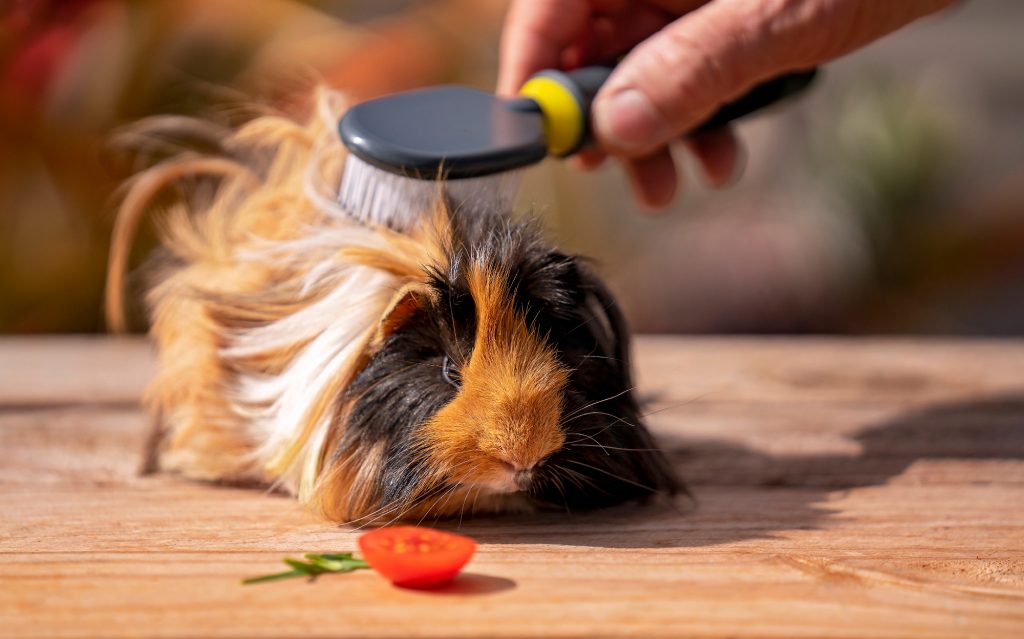
Image source: Bing (Web (fair-use with source credit))
Not all guinea pig coats are created equal. Your grooming routine depends entirely on what type of fur your pig has. Using the wrong approach can actually damage the coat and irritate the skin.
Short-Haired Breeds
American and Teddy guinea pigs fall into this category. Their coats are short, dense, and relatively low-maintenance. That doesn't mean they need nothing, but they're the easiest to handle.
A weekly brushing with a soft brush is enough for these breeds. It removes loose hair, distributes natural oils, and reduces the amount of fur flying around your house. It also gives you a chance to check the skin underneath, which is one of the main reasons to groom at all.
Short-haired pigs do molt. In the spring and fall, they lose significantly more fur than usual. During these times, brushing twice a week helps keep loose hair from building up.
It also prevents hair ingestion during their own grooming, which can cause digestive issues.
Per veterinary guidance, you should never use a comb on a short-haired pig. The teeth are too aggressive for the short coat and can cause skin irritation. A soft brush or even a baby's hairbrush is plenty.
Long-Haired Breeds
Peruvian, Silkie, and Texel guinea pigs are the high-maintenance members of the guinea pig world. Their long, flowing coats are beautiful, but they require a daily commitment. There's no way around it.
If you can't brush a long-haired pig every day, you shouldn't get one.
Daily brushing prevents mats from forming. Mats happen when loose hair tangles with itself and dirt. They start small, then grow quickly, pulling at the skin and creating painful pressure points.
Once a mat is tight, you can't brush it out. You have to cut it out.
Start with your fingers to gently separate any tangles. Then work through the coat with a wide-toothed comb, starting at the tips and working your way up toward the skin. Never start at the skin.
That just pushes the tangle tighter and causes pain.
If you find a mat, hold the skin taut around it with one hand. Then use your blunt-nosed scissors to carefully cut the mat out, sliding the scissors between the mat and the skin. This takes patience and a steady hand.
If the mat is close to the skin or you can't see what you're doing, let a vet handle it.
Long-haired pigs also need their sanitary trim. This is the hair around the rear end. Keep it cut short.
This prevents urine and feces from getting tangled in the fur, which is the leading cause of urine scald and flystrike.
Curly-Coated Breeds
Texel guinea pigs have curly coats that are prone to matting at the roots. They need the same daily attention as other long-haired pigs, but with even more care around the curls. Work slowly, use your fingers as much as the comb, and don't force tangles.
Bathing: When to Skip It and When You Can't
This is where a lot of new owners make their first mistake. They assume guinea pigs need regular baths, like dogs. They don't.
In fact, bathing a guinea pig too often is actively harmful.
The "Only When Dirty" Rule
Guinea pig skin produces a specific balance of natural oils that protect their coat and skin. Bathing strips those oils. Frequent bathing leaves the skin dry, itchy, and vulnerable to irritation.
It can also disrupt the natural bacterial balance on their skin, making them more susceptible to infections.
So when is a bath actually necessary?
- When the rear end is matted with feces and the fur is caked or sticky.
- When the pig has a skin condition and the vet has prescribed a medicated shampoo.
- When the pig has been exposed to something toxic and needs immediate decontamination.
That's basically it. A little dirt here and there is normal and harmless. A damp washcloth is usually enough for spot cleaning.
Most healthy guinea pigs go their entire lives without a single full bath. If you're bathing your pig every week because you like how they smell, you're causing them harm.
If You Really Need to Bathe
If you've determined a bath is truly necessary, you need to be careful. Guinea pigs do not swim. They are not natural water lovers.
They panic in water, and their small bodies lose heat quickly.
Bathing step by step:
- Use a shallow basin. Never a deep sink or a bathtub. Fill a basin with just an inch or two of lukewarm water. Test it with your wrist. It should feel neutral, neither hot nor cold. Aim for roughly 85 to 90 degrees Fahrenheit (29 to 32 degrees Celsius).
- Wet the pig gently. Use a cup or your hand to scoop water over the body. Never put their head underwater. Never pour water directly over their face. Guinea pigs can get water in their ears and respiratory tract easily.
- Use guinea pig shampoo only. A dime-sized amount is plenty. Lather gently, starting at the back and working toward the rear. Avoid the face and ears entirely.
- Rinse thoroughly. This is the most important step. Any shampoo residue left on the skin will cause severe itching and irritation. Rinse, then rinse again. Keep rinsing until every trace of soap is gone.
- Dry immediately. Guinea pigs cannot regulate their body temperature well. A wet pig can become hypothermic very fast. Wrap them in a warm, dry towel and pat them dry. Don't rub, just pat. Then move them to a warm, draft-free area.
- If you must use a hair dryer, use it on the lowest heat and lowest speed settings. Hold it at a distance. Most guinea pigs hate this. If they're flipping out, skip it and use towels only.
Bathing is a stressful event for a guinea pig. Even in the best case, it's a disruption to their natural state. Keep sessions short, warm, and decisive.
The faster it's over, the faster they can recover.
The Rear-End Check Every Owner Needs to Know
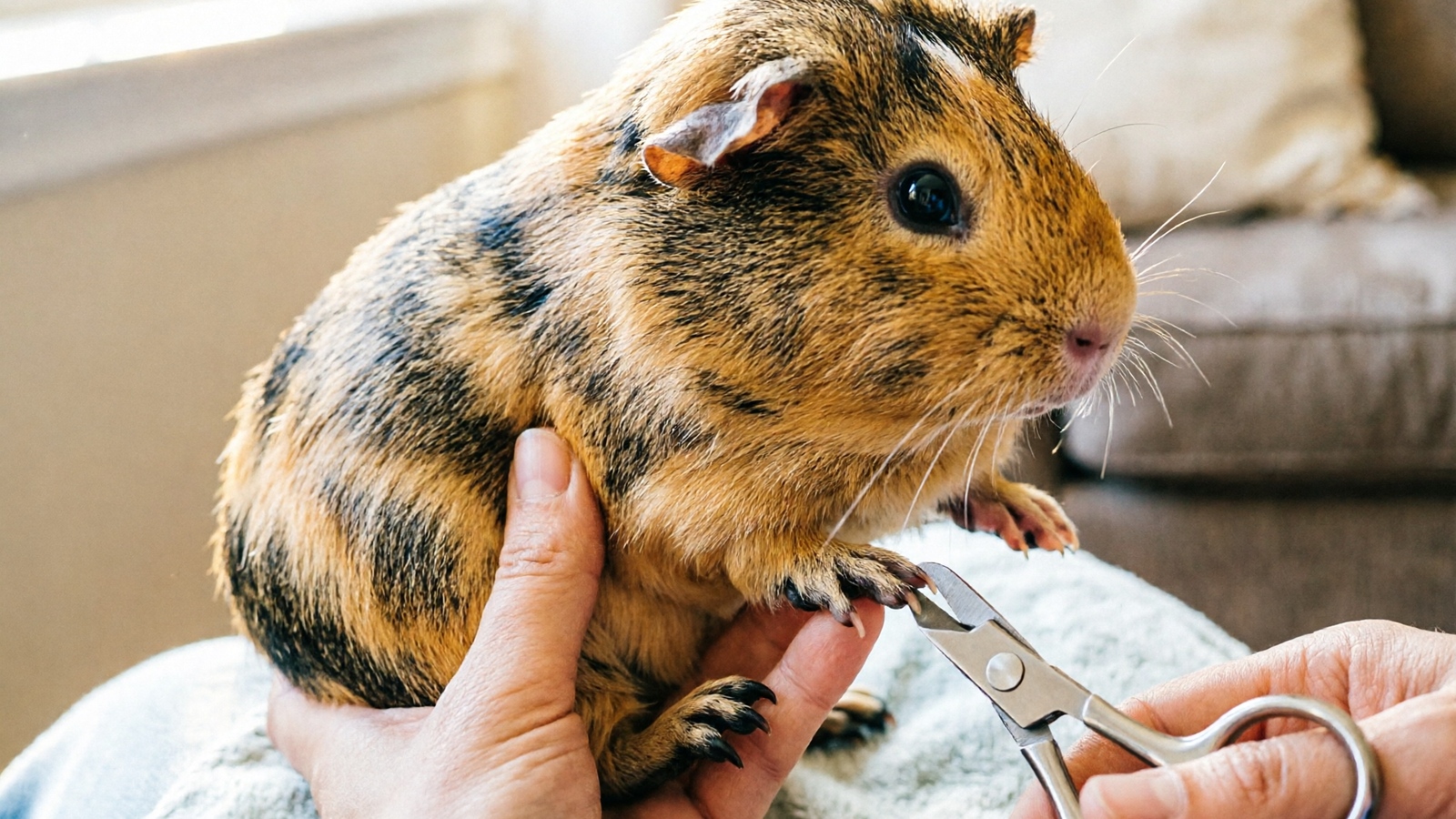
Image source: Bing (Web (fair-use with source credit))
This is the part that nobody talks about until you're standing there with a pile of dried poop stuck to your pig's back feet. It's not glamorous, but it's essential.
Guinea pigs deposit soft cecal pellets that they eat directly from their rear. Sometimes these pellets miss their mouths and end up matted into the fur around their backside. Over time, this creates a crust that pulls on the skin and traps bacteria.
Checking for Poop Boots
"Poop boots" is the nickname for dried feces that accumulate around the back feet and rear. They look exactly like the name suggests: little brown boots around the pig's toes. If you feel a hard lump around the foot during grooming, that's a poop boot.
These are more than just gross. Poop boots pull on the sensitive skin around the toes. They can cause inflammation, and because they trap moisture, they're a breeding ground for bacteria and fly larvae.
Take a damp, warm washcloth and gently hold it on the affected area for a minute. This softens the dried feces. Then work it free slowly with your fingers or a gentle wipe.
Never pull hard. The skin underneath is fragile.
For long-haired pigs, prevention is simple: keep that rear hair shaved short. A sanitary trim, where you carefully cut the fur around the anus and genitals down to a short length, makes cleanup much easier. It also keeps the area ventilated and dry.
Boar Grease Management
Male guinea pigs, called boars, develop a greasy, waxy buildup around their anal sac. This is completely normal. It's a combination of sebum, dead skin cells, and residual urine.
Some boars produce more than others, and some need regular cleaning.
Weekly, during your grooming session, check the area around the genitals and the anal sac. If you see a yellowish or brownish waxy substance, it's time to clean.
Use a damp washcloth or a cotton ball with a bit of warm water. Gentle wipe. You're not scrubbing.
You're just removing the excess buildup. If you're dealing with a severe buildup that seems infected, that's a vet visit, not a home grooming project.
Some boars produce so much grease that it stains their fur yellowish. That's called "boar grease" and it's most common on their rump and back. If your boar gets this, a damp cloth wipe-down usually does the trick.
Full baths are rarely needed.
The Sanitary Trim Technique
You'll need your blunt-nosed scissors and a good light source. Look at the fur around the rear end, from the anus down to the back of the legs. You want to cut the hair down to about a quarter inch in length.
Gently pull the hair away from the skin with one hand. Use your other hand to snip the hair, holding the scissors parallel to the skin. Never cut toward the skin.
Never cut in a direction where you could accidentally snip a fold of loose skin. Guinea pigs have very loose skin around their rear, which makes them especially vulnerable to accidental cuts here.
And again, if you're uncomfortable or the pig won't stay still, a vet or experienced groomer is the safer choice. You're not failing if you outsource this particular task. You're being responsible.
Health Checks to Combine With Grooming
Here's a secret that experienced owners know: grooming sessions are really health examinations in disguise. When you have your guinea pig in your lap, wrapped in a towel, and sitting relatively still, that's the perfect time to check them over for signs of trouble. You should never groom without using the opportunity to look at the rest of the pig.
Eyes and Ears
Healthy guinea pig eyes are bright, clear, and free of discharge. If you see crustiness, redness, or cloudiness, that's a problem. Runny eyes can indicate a respiratory infection, dental issues, or an irritant in the environment.
Make a note and watch it over the next day.
Ears should be clean and dry inside. If you see a dark, crumbly discharge that looks like coffee grounds, that's a classic sign of ear mites. Ear mites are highly contagious and require veterinary treatment.
You can't fix them with home remedies.
Teeth and Jaw
Guinea pig teeth grow continuously. They wear them down by chewing hay, but sometimes the alignment is off. If you notice a wet, crusty chin, that could be a sign of overgrown teeth preventing the mouth from closing properly.
This leads to drooling, which is never normal for a guinea pig. Check the jaw line for any lumps or swelling.
Feet and Toes
Beyond checking for poop boots, you should look at the bottom of the feet. Bumblefoot, also known as pododermatitis, appears as red, swollen, or crusty sores on the back feet. It's usually caused by living on wire flooring or in dirty, wet bedding.
It's painful and requires veterinary attention.
Healthy feet should have smooth, pink pads. Any open sore, scab, or swelling is a red flag. Catch it early, and it's treatable.
Let it go, and it becomes a serious, chronic condition.
Skin and Fur
Run your fingers through the fur and feel the skin underneath. You're looking for bumps, scabs, bald patches, or flaky skin. Bald patches behind the ears or on the back are often caused by mites or a fungal infection like ringworm.
Ringworm is zoonotic, which means you can catch it from your pig. Wash your hands thoroughly after handling.
Common Grooming Mistakes That Hurt Guinea Pigs
Even well-meaning owners make mistakes. Some of these are harmless, but others genuinely hurt the animal or set back your relationship with them. Here are the ones we see most often.
Using Human Nail Clippers
Human fingernail clippers are too thick and too blunt for guinea pig nails. They crush the nail before they cut it. That crushing sensation is painful, and it can cause the nail to splinter or crack.
Guinea pig nails are curved and oval-shaped. They need a sharp, small blade that makes a clean single cut. Invest in proper small animal clippers.
Bathing Too Frequently
We covered this, but it's worth repeating because it's the most common mistake we see. Guinea pigs don't need baths. They need spot cleaning.
Bathing strips their natural oils and leaves their skin dry and itchy. If your pig smells, fix the cage, not the pig.
Skipping the Rear Check
Some owners focus so much on the nails and the coat that they completely ignore the rear end. That's where the most serious problems develop. Urine scald, flystrike, and poop boots all start in the rear.
A two-minute check during every grooming session prevents all of them.
Forcing the Issue
This is probably the most damaging mistake of all. When a guinea pig is fighting, squealing, and trying to escape, some owners hold on tighter and push through. They think they need to get the job done no matter what.
Forcing a guinea pig through a grooming session teaches them that handling is scary. It also puts them at risk of injury, both physical and psychological. Guinea pigs are not dogs.
They don't need to be "shown who's boss." If they're panicking, the right move is to put them down and try again later.
Cutting the Quick and Not Preparing for It
Every owner cuts the quick eventually. The mistake is not being prepared for it. If your styptic powder is in another room and you're scrambling to find it while your pig is bleeding, you're making a stressful situation worse.
Keep the styptic powder right next to the clippers. Always.
Stress Management During Grooming
Understanding guinea pig stress is the difference between a quick, easy grooming session and a traumatic one. These animals communicate with clicks, squeaks, and body language. Once you learn to read them, you can adjust your approach in real time.
Reading the Signals
A relaxed guinea pig is relatively still, with soft, relaxed body posture. They might make a quiet, low "wheek" sound, which is more of a mild protest than actual panic. That's fine to work through.
A stressed guinea pig shows clear signs. They freeze completely, a classic prey animal response. They chatter their teeth, which is a direct threat signal.
They hiss, which means they feel genuinely threatened. They might also try to climb backward out of your grip or kick with their back legs.
The most extreme stress response is a sharp, high-pitched scream. This is a sound you will never forget once you hear it. It means the pig is in genuine distress or pain.
If you hear it, stop immediately. Assess what happened. Something went wrong.
The Towel Burrito Done Right
The towel wrap is the single most effective tool for managing a wiggly guinea pig during grooming. When done correctly, it provides gentle, even pressure that mimics the feeling of being in a burrow. That's calming for a prey animal.
Start with a clean hand towel laid flat on your lap. Place the pig on one end, facing away from you. Fold the side of the towel over their body first, then the other side.
Tuck the bottom edge under their chin. You want a snug fit, but not so tight that they can't breathe or move their head slightly.
The key is leaving the head exposed. The pig needs to see what's happening and where you are. Covering the eyes entirely increases panic because they lose the ability to track your movements.
Working With a Partner
Why wrestle when you don't have to? Having a second person makes nail trims dramatically easier, especially for stubborn pigs. One person holds the wrapped pig and feeds them small treats.
The other person focuses entirely on the nails.
The pig gets distracted by the treats and the comfort of being held. The nail trimmer gets two free hands and a clear line of sight. It's not cheating, it's smart.
Every experienced owner we know uses this method when they're dealing with a particularly resistant pig.
Timing Matters
Don't groom your guinea pig right after you bring them home from a car ride, during a move, or when there's a new pet in the house. They need to feel settled and safe first. Grooming should be a low-stress activity that happens when the environment is otherwise calm.
Also, consider the time of day. Guinea pigs are crepuscular, meaning they're most active at dawn and dusk. Some owners find that grooming during their pig's active period works better because the pig is more alert and responsive.
Others prefer grooming during the lazy afternoon snooze time when the pig is too sleepy to fight. Experiment and find what works for you and your pig.
When to Call the Vet Instead
There's a line between what you can handle at home and what genuinely needs professional medical care. Knowing where that line is protects your guinea pig from harm and saves you from a potentially dangerous situation.
Mats That Won't Budge
If you have a long-haired pig and a mat is so tight that you can't get your scissors between the mat and the skin, stop trying. You're at high risk of cutting the skin. A vet or professional groomer has better tools and more experience.
They also know how to handle a struggling pig safely.
Excessive Bleeding
A small nick on the quick that stops with styptic powder is manageable at home. If the bleeding hasn't stopped after several minutes of firm pressure, or if the nail is cracked and bleeding from the base, that's an emergency. Guinea pigs don't have much blood volume.
Significant blood loss is dangerous.
Signs of Infection
If you notice swelling, redness, pus, or a foul odor on any part of the skin during grooming, don't try to treat it at home. That's an infection. It needs veterinary antibiotics or antifungal medication.
Over-the-counter "small animal" creams are rarely appropriate and can actually make things worse.
Lumps and Bumps
Not every lump is cancer, but every new lump deserves a vet's eyes. Abscesses, tumors, and cysts all present as lumps under the skin. They can't be diagnosed by feel alone.
A vet needs to examine it and possibly take a sample.
Suspected Mites or Fungus
If you see bald patches, excessive scratching, or flaky skin, don't run to the pet store for a remedy. Guinea pig mites are species-specific, and the treatments are prescription-only in most cases. Over-the-counter treatments are often ineffective or harmful.
Your vet will need to confirm the diagnosis and prescribe the right treatment.
Behavioral Refusal
If your normally calm guinea pig turns into a screaming, biting, hissing menace every time you try to groom, that's a red flag. They might be in pain. Arthritis, skin sensitivity, or an undiagnosed injury could be making grooming genuinely painful.
Don't assume they're just "being difficult." Have a vet check for underlying health problems.
Building a Grooming Routine That Actually Sticks
Knowing how to groom is one thing. Making it a consistent habit is another. Life gets busy.
The pig hides in their hidey house when they see you approaching with the brush. It's easy to let a week slide, then two, then a month. Before you know it, you're dealing with mats and overgrown nails that need a vet visit.
The trick is building a routine that fits naturally into your existing schedule. Anchor your grooming sessions to something you already do daily or weekly. For example, many owners pair nail trims with their regular cage cleaning day.
You're already handling the cage, getting your hands dirty, and dealing with the mess. Adding a 10-minute grooming session to that block of time feels like less of a separate chore.
Consistency matters more than perfection. A 5-minute brushing session twice a week beats a 30-minute marathon once a month. Short, regular sessions also help your guinea pig build tolerance.
They learn that grooming is a normal, boring part of life, not a terrifying ordeal that happens occasionally.
Setting a Schedule That Works
Here's a realistic weekly schedule that many owners find manageable. Adjust it to fit your own life, but keep the frequency consistent.
| Day | Task | Time Commitment |
|---|---|---|
| Monday | Quick health check. Eyes, ears, feet, rear end. | 5 minutes |
| Wednesday | Brush short-haired coat. Sanitary trim check for long-hairs. | 10 minutes |
| Saturday | Nail trim (every 2nd or 3rd Saturday). Full health check. | 15 minutes |
This staggered approach means no single session feels overwhelming. The pig never has to endure a long, stressful ordeal. And nothing gets forgotten for weeks on end.
The Treat Strategy: Bribing Your Way to a Calm Pig
We mentioned treats earlier, but the strategy deserves more attention. Guinea pigs are highly food motivated. Pigs that normally fight like tiny tigers often turn into docile angel babies the moment a piece of cucumber appears.
The key is to use high-value treats that your pig only gets during grooming. If they get the same treats all day, every day, there's no special incentive to behave. Reserve the best stuff, like a small slice of strawberry, a piece of bell pepper, or a sprig of fresh cilantro, exclusively for grooming sessions.
Positive reinforcement works. Each time the pig allows you to touch a paw, clip one nail, or brush a section of fur, give them a tiny nibble of a treat. The association builds fast.
Suddenly, grooming means snacks, and snacks are good. Over time, many pigs start to tolerate, and even anticipate, grooming sessions because they've learned what follows.
Building Trust Outside of Grooming
If your guinea pig only ever experiences being picked up during grooming, they'll learn to associate your hands with stress. Fix that by handling them regularly outside of grooming time. Hold them on your lap for a few minutes while watching TV.
Let them sniff your hand in the cage. Offer a treat when they approach you voluntarily.
Trust is the foundation. A guinea pig that trusts you will stay calmer during grooming. A guinea pig that fears you will fight every interaction.
Invest time in building that bond, and every grooming session becomes easier.
Grooming Supplies: What to Buy and What to Skip
Let's talk about the actual products. The pet store aisle is full of grooming supplies, and a lot of it is junk you don't need. Here's what's worth your money and what's a waste.
The Must-Haves
| Tool | What to Look For | Price Range |
|---|---|---|
| Nail clippers | Small animal-specific. Sharp curved blades. Guillotine or scissor style. | $8–$15 |
| Styptic powder | Any brand. Check the label for zinc chloride, the active clotting agent. | $6–$10 |
| Soft brush | Baby toothbrush, soft cat brush, or a dedicated small animal grooming brush. | $4–$12 |
| Wide-toothed comb | For long-haired breeds. Metal teeth are more durable than plastic. | $5–$10 |
| Blunt-nosed scissors | For cutting mats and doing sanitary trims. | $5–$8 |
| Guinea pig shampoo | Only if needed. Look for pH-balanced formulas for small animals. | $8–$12 |
The Skip List
- Fancy grooming tables. Overpriced and unnecessary. Your lap with a towel works just as well.
- Perfumed wipes. The fragrance irritates sensitive guinea pig skin. Use a plain damp washcloth.
- Deshedding tools. These are designed for dogs and cats with different coat structures. They're too aggressive for guinea pig skin.
- Flea combs. Unless you have a confirmed flea problem, which is rare in indoor guinea pigs, you don't need them.
- Coat conditioners. Guinea pig skin is sensitive. Conditioners can clog pores and cause irritation.
Where to Buy
Your local pet store should carry small animal nail clippers and styptic powder. For specific brands of guinea pig shampoo, you might have better luck at a specialty small animal retailer or online. Check reviews before buying.
Aggregated owner feedback is often a better guide than the marketing on the package.
Grooming Different Coat Types: A Breed-Specific Guide
While the basics apply to all guinea pigs, specific breeds come with specific challenges. We touched on this earlier with short-haired and long-haired distinctions. Let's go deeper into the messy details of coat management, including the breeds that are best for beginners and the ones that demand a serious commitment.
The Texture Factor
Coat texture matters more than length. A Silkie has long, straight hair that parts down the middle of the back. A Peruvian has long, swirled hair growing from a central point on the face.
A Texel has tight, curly hair that mats like a wool sweater.
Curly coats are the most challenging. The curls create natural friction points where hair tangles easily. Owners of Texel guinea pigs report that brushing is a daily, slow, meticulous process that can take up to 20 minutes per session.
You can't rush it. Pulling through a tangle hurts the pig and makes them resist future sessions.
Trimming Techniques for Specific Breeds
For Silkies and Peruvians, the sanitary trim is essential. These breeds collect debris in their long rear hair constantly. Keep the entire rear section clipped short to about a half inch.
This dramatically reduces the mess and prevents flystrike risk.
For Texels, you need to be extra careful. Their texture makes mats form at the base of the hair where it meets the skin. When a mat forms here, brush it out gently or you risk tearing the skin.
Wetting the coat with a spray bottle filled with plain water can help loosen tangles before brushing.
Show Coat Maintenance
If you're showing guinea pigs, the rules are different. Show cavies require pristine coats. That means daily dedicated grooming with a fine-toothed comb, specialized conditioning treatments, and careful attention to coat oils.
Show grooming is a whole different level of commitment. Casual owners should focus on health and comfort, not ribbon-winning hair.
The "Rough Cut" Method
For owners who find daily long-haired brushing overwhelming, there's a pragmatic solution. Some experienced owners keep their long-haired pigs in a permanent "puppy cut." This means trimming the entire coat down to a short, even length all over the body. This eliminates mats, reduces grooming time to a quick weekly brushing, and makes the pig more comfortable.
It's not show-quality, but it's honest. Most guinea pigs don't seem to care about their hair length as long as they're healthy and comfortable. If you're struggling with daily brushing, consider the rough cut seriously.
Product Safety: What Not to Use on Your Guinea Pig
We've touched on this, but the dangers deserve specific attention. Guinea pigs have extremely sensitive skin and respiratory systems. Products that are perfectly safe for dogs or cats can be toxic to them.
Toxic Ingredients to Avoid
| Ingredient | Why It's Dangerous | Common Products |
|---|---|---|
| Pyrethrin / Permethrin | Neurotoxin to guinea pigs. Causes tremors, seizures, and death. | Flea shampoos, flea sprays for cats and dogs. |
| Tea Tree Oil | Highly toxic when absorbed through the skin. Causes weakness and neurological symptoms. | Natural flea treatments, some "organic" shampoos. |
| Benzocaine / Lidocaine | Local anesthetics that can cause methemoglobinemia. | Medicated shampoos, anti-itch sprays. |
| Sulfates (SLS/SLES) | Harsh detergents strip natural oils and cause dermatitis. | Many human and pet shampoos. |
| Artificial Fragrances | Irritate sensitive respiratory systems. | Scented wipes, scented shampoos, cage sprays. |
The "If in Doubt, Leave It Out" Rule
If a product doesn't explicitly say it's safe for guinea pigs on the label, don't use it. "Small animal safe" doesn't always include guinea pigs. Rabbits and guinea pigs have different sensitivities.
Check the label carefully. Look for guinea pig specifically mentioned on the package.
The "Colorant and Fragrance Free" Rule
Minimalism wins. The best grooming products for guinea pigs have short ingredient lists. If you can't pronounce an ingredient, it doesn't belong on your pig.
Simple, fragrance-free, colorant-free products are almost always the safest choice.
Airborne Risks
Guinea pigs have fragile respiratory systems. Spraying flea treatments, air fresheners, or even hairspray near your guinea pig can cause respiratory distress. Groom in a well-ventilated area.
If you're using any spray product, apply it away from the pig and let it settle before reintroducing them. If you have a pig with suspected mites, never use an over-the-counter spray. Take them to the vet.
When to Seek Professional Grooming
Some owners prefer to leave the messy work to the pros. That's a perfectly valid choice. Professional groomers who specialize in small animals exist, and they can handle everything from nail trims to full grooming sessions.
What a Professional Groomer Can Do
A good small animal groomer offers a range of services. They'll trim nails, brush out mats, perform sanitary trims, and clip long coats. They have experience with nervous animals and know how to handle them safely.
How to Find a Good Groomer
Not every groomer handles guinea pigs. Many cat and dog groomers won't touch them. Look for a groomer who explicitly advertises "small animals" or "exotic pets." Your exotic vet is a great resource.
Ask them for recommendations. Vets work with groomers and know who handles small animals properly.
The Cost of Professional Grooming
Pricing varies by region and the scope of the service. A basic nail trim might run you $15 to $25. A full groom with bath and coat trim for a long-haired pig can cost between $40 and $75.
It's not cheap, but it's often worth the peace of mind for owners who struggle with nail trims or have a pig that will not tolerate home grooming.
The Partnership Approach
You don't have to choose between home grooming and professional grooming. Many owners combine both. They handle the easy maintenance tasks, like brushing and health checks, at home.
They outsource the difficult tasks, like nail trims or mat removal, to a professional. This gives the pig a low-stress home routine and ensures nothing dangerous is attempted at home without the right skills.
Grooming for Special Situations
Not every guinea pig fits the standard grooming mold. Senior pigs, pregnant sows, baby guinea pigs, and pigs with health conditions all have unique needs. Standard techniques need adjustments.
Here's what you need to know for these special cases.
Grooming Senior Guinea Pigs
Older guinea pigs, typically over four or five years old, often develop arthritis. Their joints stiffen, and the towel burrito that used to work might now cause pain. Pay close attention to their reaction during handling.
If they squeal when you touch their back end or refuse to let you extend a leg, arthritis is likely a factor.
For senior pigs, modesty is key. Shorten grooming sessions. Take breaks.
Never force a leg into position if they resist. If arthritis is confirmed by a vet, ask about pain management. A comfortable pig will tolerate grooming much better than one in pain.
Senior pigs also tend to lose muscle mass. Their skin becomes thinner and more fragile. Be even more careful when brushing and washing.
A gentle touch is absolutely required.
Grooming Pregnant Sows
Grooming a pregnant sow is a delicate balance. The extra weight she's carrying makes her less mobile and more easily stressed. The added stress of handling can potentially affect the pregnancy.
For most of the pregnancy, gentle brushing and spot cleaning are fine. Nail trims become trickier as she gets heavier. If you're uncomfortable or she's struggling, focus on the nails that are most overgrown and leave the rest for after she gives birth.
Right around the due date, which is typically around day 63 to 68 of pregnancy, stop grooming entirely unless absolutely necessary. The handling stress could trigger premature labor. A soiled rear right after giving birth is manageable.
A stressed sow that miscarries is not.
Grooming Baby Guinea Pigs
Baby guinea pigs have delicate bones and soft nails. They're also hyperactive, which makes grooming a challenge. Start handling them gently from a young age to build trust.
Keep sessions very short, no more than a few minutes.
For nail trims on babies, you'll need a steady hand and a lot of patience. The nails are tiny and the quick is harder to see. Only trim the very tip of the nail.
It's better to trim more often with smaller amounts than to risk cutting the quick on a baby.
Grooming Guinea Pigs With Health Conditions
If your guinea pig has a skin condition, heart problems, or a respiratory illness, grooming needs to be adjusted. Check with your vet before grooming a pig with a known health condition. They can advise you on safe handling and any additional precautions.
For pigs with respiratory issues, avoid any products that produce dust or aerosols. Skip the hair dryer if you're bathing. Use towels only.
The stress and dust can worsen their breathing.
For pigs with skin conditions, follow the vet's instructions exactly. Sometimes they'll prescribe a medicated shampoo. Other times they'll recommend a specific topical treatment.
Never apply additional products without checking with the vet first.
If Your Guinea Pig Refuses to Be Groomed
Some guinea pigs are just difficult. They scream, bite, scratch, and generally make grooming a nightmare. If you've tried the towel burrito, the treats, the calm voice, and the patient approach, and nothing works, you need a different strategy.
The "Gradual Desensitization" Approach
This method takes time, but it works for most stubborn pigs. It's based on slowly building tolerance over days or weeks.
Start by placing the grooming tools near the cage without using them. Let the pig see them and get curious. Next, hold the brush in your hand and let the pig sniff it.
Offer a treat when they do. Next, move on to touching them with the brush for one second at a time, pairing each touch with a treat.
Progress is slow. You might spend a few days on each step. That's fine.
The goal is to change the emotional response from "this is scary" to "this means treats." Once the pig accepts the brush, move on to introducing the nail clippers the same way.
The "Two Sessions" Split
If a full grooming session is too much for your pig, split it into smaller pieces. Do front nails on Monday. Do back nails on Wednesday.
Brush the body on Friday. Each session is short and manageable. The pig never gets to the point of panic because the session ends before they get truly upset.
The Professional's Last Resort
If your pig is truly impossible to groom at home and the stress is causing more harm than the grooming is preventing, a professional groomer or your vet's office can do the job. They have experience with difficult animals. They also have proper restraint equipment and, in some cases, sedation options.
It's not a failure to outsource. It's a smart decision that protects your pig from stress and yourself from being bitten. The cost is worth it for the peace of mind.
Never, Ever Punish Your Pig
Here's the hard truth. Your guinea pig is not being difficult on purpose. It's a prey animal that's terrified of being handled.
Screaming, hitting, or squeezing your pig to force compliance will destroy any trust you've built. It can also cause injury or a heart attack from extreme stress.
If you feel yourself getting frustrated, put your pig down. Walk away. Take a few deep breaths.
Come back later with a calmer mindset. Your pig's well-being is always more important than getting the grooming done right this second.
Grooming Anxiety in Guinea Pigs: The Science of Fear
Understanding why guinea pigs react the way they do to grooming helps you approach it with more empathy and patience. Their behaviors aren't random. They're deeply rooted in biology.
The Prey Animal's Perspective
Guinea pigs evolved as prey. Their natural predators include birds of prey, foxes, snakes, and large rodents. Their defense strategies are straightforward: freeze to blend in, flee if the threat gets close, and fight if cornered.
When you pick up a guinea pig, you're mimicking the grip of a predator. Their instinct tells them they're being captured for consumption. That's why they freeze, which is a survival strategy.
It's also why they panic when you grab their legs. A predator would grab a leg to hold prey still.
Your pig is not being dramatic. They're acting exactly as evolution programmed them. Every grooming session is a battle against millions of years of instinct.
The Role of Stress Hormones
During a stressful event, a guinea pig releases cortisol. This stress hormone is useful in short-term danger. It increases heart rate, blood flow, and alertness.
But chronic stress is destructive.
Prolonged elevated cortisol suppresses the immune system. It impairs digestion. It can even change behavior.
A guinea pig that's chronically stressed during grooming may become withdrawn, aggressive, or depressed.
That's why keeping grooming sessions short and positive isn't just about being nice. It's about protecting your pig's health. A calm grooming session minimizes cortisol release.
A stressful wrestling match floods their system with stress hormones.
Learned Helplessness vs. Real Stress
Some pigs appear to give up during grooming. They go limp and stop fighting. Owners often interpret this as "finally submitting." It's not.
It's a coping mechanism called learned helplessness. The pig has learned that fighting doesn't work, so they shut down.
This is not a good sign. It indicates extreme stress. If your pig is going limp, that's a signal to change your approach.
Rethink your handling technique, shorten sessions, or seek professional help.
How to Use This Knowledge
Once you understand that your pig's panic is biological, not personal, it's easier to stay patient. It's also easier to design your approach around their biology.
Use the towel burrito to mimic the security of a burrow. Use treats to override the fear response with a positive one. Use short sessions to prevent cortisol buildup.
Work slowly. Your pig will never love grooming, but they can learn to tolerate it without genuine fear.
Grooming as Bonding: Creating a Connection
Grooming doesn't have to be a chore you dread. With the right approach, it can become a bonding ritual that strengthens your relationship with your guinea pig. The key is shifting your mindset from "task to complete" to "time to connect."
The Calm Energy Principle
Guinea pigs pick up on your emotional state. If you're anxious, rushed, or stressed, your pig will feel it. They'll become more anxious themselves.
If you're calm, patient, and relaxed, you create an environment where your pig can also relax.
Before a grooming session, take a few deep breaths. Clear your head. Set aside enough time that you're not rushing.
The health of your pig depends on your calm state.
The Art of Gentle Presence
During grooming, focus on your breathing and your touch. Use slow, deliberate movements. Let your weight rest comfortably so the pig feels held safely.
Speak in a low, soft voice. This kind of gentle presence has a measurable calming effect on prey animals.
Consistent, calm handling builds trust slowly. Each session deepens the bond. The trust you build during grooming carries over into the rest of your interactions.
Observing Your Pig's Preferences
Every guinea pig is an individual. Some prefer being held a certain way. Some like having a specific spot scratched.
Some are more comfortable with a partner present. Over time, you'll learn what makes your pig feel most at ease. Honor those preferences.
If you notice your pig relaxes when you brush their cheeks, spend a little extra time there. If they shake their head when you try to brush their ears, skip that area and come back to it later. Listening to your pig's feedback is a form of respect.
The Reward System Deep Dive
We've mentioned treats repeatedly. That's because they're powerful. They also carry a deeper message.
The message is this: grooming happens, and when it happens, good things follow. The treats are not just bribery. They're a promise of safety.
Over time, the pig learns that the experience might be unfamiliar, but it's associated with positive outcomes.
Choose treats that align with their dietary needs. A small piece of carrot, a grape slice, or a fresh basil leaf. Keep portions tiny.
You're creating an association, not feeding a meal. Consistent positive reinforcement transforms the grooming experience from a fight to a negotiation.
Dealing With the Mess: Cleaning Up After Grooming
Grooming a guinea pig is messy business. Nail clippings fly everywhere. Loose hair coats your lap.
That occasional poop or urine puddle happens. You need a cleanup plan ready.
Containing the Mess
Grooming on a towel makes cleanup easy. At the end of the session, fold the towel carefully and shake it out over a trash can. Then toss it in the laundry.
If you're working on your lap, lay out a waterproof picnic blanket under the towel. It protects your clothes and makes the whole transaction easier to clean up. For owners who groom on a table, a plastic mat under the towel gives the same protection.
Disinfecting Grooming Tools
Your grooming tools need regular cleaning. Disinfecting them prevents the spread of skin conditions and parasites.
After each use, wipe nail clippers with a cotton ball dipped in rubbing alcohol. Brush combs under warm water to remove hair and debris. Let them air dry completely before storing them.
Once a month, soak tools in a mild disinfectant solution. Rinse thoroughly and air dry. This is especially important if you have multiple guinea pigs or if one pig has been treated for a skin condition.
Handling the Unexpected
Guinea pigs sometimes bite, scratch, and urinate during grooming. That's all part of the experience. Keep a cup of water and a towel nearby for spills.
Keep a separate towel for wrapping. Having these ready reduces chaos and keeps you calm.
Keeping a Grooming Log
Tracking your grooming sessions is simple and surprisingly helpful. Note the date, what you did, and anything unusual you spotted. For example, record when you trimmed nails, when you last cleaned the boar grease, and when you last checked for mites.
A simple notebook or a note on your phone works. A grooming log helps you spot trends. This is useful if a health issue develops.
You can show your vet a history of what you've observed and when you first saw a change.
The Long-Term Grooming Schedule: Planning for a Lifetime
Guinea pigs live six to eight years on average. That's a long time to maintain a grooming routine. Building a sustainable schedule from day one makes the commitment feel manageable.
Year One: Establishing the Routine
The first year is about building trust and establishing habits. You're learning your pig's temperament, and they're learning to trust you. Start with gentle handling and a short daily health check.
Add grooming tasks gradually. If your pig is a baby, remember that their nails grow faster than an adult pig's. Expect to trim nails every two to three weeks.
| Age | Nail Trim Frequency | Other Grooming Tasks |
|---|---|---|
| 0–6 months | Every 2–3 weeks | Gentle brushing, daily health check |
| 6–12 months | Every 3–4 weeks | Weekly brushing, check ears and eyes |
| 1 year+ | Every 3–6 weeks | Full grooming routine per breed type |
| Senior (5+ years) | Every 3–6 weeks, as tolerated | Shorter sessions, extra gentleness, vet checkups |
Years Two Through Five: Maintaining Consistency
These are the golden years. Your bonded pig is comfortable with you, and you've established a groove. Continue your regular schedule.
Keep your eyes open for changes in their coat condition or temperament.
A sudden change in grooming behavior can be a sign of underlying illness. If your previously cooperative pig starts fighting back or resists being touched, schedule a vet checkup. Pain or discomfort might be the cause.
Years Six and Beyond: Adapting to Aging
As your pig ages, their grooming needs change. Coat care might become more important because they can't clean themselves as effectively. Nail trims might become harder because of arthritis.
Skin becomes more fragile, making grooming gentler.
Be flexible. If your senior pig can't handle a full morning session, break it up. Do a little bit every other day.
The goal is to keep them comfortable and healthy while respecting their physical needs. A senior pig that needs extra help with grooming is a sign that you're doing your job well as an owner.
Frequently Asked Questions
How often should I groom my guinea pig?
Brush short-haired pigs weekly and long-haired pigs daily. Trim nails every 3 to 6 weeks. Check the rear end and feet at least weekly.
Check the ears, eyes, teeth, and skin during every grooming session. A quick daily health check takes less than two minutes and catches problems early.
What happens if I don't groom my guinea pig?
Guinea pigs depend on their owners for grooming. Without it, nails overgrow and curl, causing pain. Fur mats, pulling the skin and trapping bacteria.
Urine and feces build up on the rear, leading to flystrike. Overgrown teeth can cause drooling and weight loss. Skipping grooming is dangerous.
Why does my guinea pig bite when I try to groom them?
Biting is usually a fear response, especially in guinea pigs that have had bad handling experiences. They might also bite if you are holding them too tightly, or if they are in pain and associate grooming with that pain. Build trust slowly.
Use positive reinforcement. Start with handling and treats, then introduce grooming tools gradually.
Should I take my guinea pig to a groomer or do it myself?
Both work. Many owners handle routine maintenance at home. They brush, check health, and trim nails carefully.
For difficult tasks, like severe matting, or for extremely anxious pigs, a professional groomer is safer. Some owners use a groomer for nail trims and handle everything else at home.
What should I do if I cut the quick?
Don't panic. Apply styptic powder to the bleeding nail tip with a damp cotton ball. Hold for a few seconds.
Bleeding should stop within a minute. If bleeding persists after a few minutes of pressure, contact your vet. Maintaining a calm demeanor helps keep your guinea pig calm while you address the issue.
Can I use cat or dog shampoo to bathe my guinea pig?
No. Guinea pig skin has a different pH balance than cats and dogs. Using cat or dog shampoo disrupts that balance and causes severe skin irritation.
Always use a shampoo specifically formulated for guinea pigs or other small herbivores. If you don't have guinea pig shampoo, skip the bath entirely and spot clean instead.
Can I use human nail clippers on my guinea pig?
You can, but you shouldn't. Human nail clippers are designed for flat, wide human nails. Guinea pig nails are curved, thick, and narrow.
Human clippers crush the nail before cutting it, which causes pain and can crack the nail. Small animal clippers have a sharper, narrower blade that makes a clean cut. They're inexpensive and worth the investment.
How do I know if my guinea pig is stressed during grooming?
Watch for clear stress signals. Freezing in place, chattering teeth, hissing, screaming, and desperate attempts to escape are all signs of genuine distress. A low, quiet "wheek" is a mild protest that's often fine to work through.
If you see the stronger signals, stop, let your pig regroup, and try again later. Never push through a panic response.
Should I brush my guinea pig's teeth?
No. Guinea pig teeth stay healthy through natural wear from chewing hay and roughage. You should never brush a guinea pig's teeth with a toothbrush or any abrasive tool.
It can damage the enamel and hurt the gums. What you need to do instead is check for signs of dental disease. Look for drooling, difficulty eating, weight loss, or visible overgrowth.
If you notice any of these signs, schedule a vet visit right away.
Is it normal for my guinea pig to shed a lot?
Yes, especially during spring and fall. Guinea pigs experience seasonal molts where they lose significantly more fur than usual. During these times, keep up with regular brushing to remove loose hair.
If you notice bald patches, excessive scratching, or skin irritation alongside the shedding, that's not normal molting. That could be mites, fungus, or another underlying issue that needs veterinary attention.
The Final Word on Grooming Your Guinea Pig
Grooming your guinea pig isn't a luxury or an optional chore. It's a core part of responsible pet ownership. It prevents painful conditions like nail overgrowth, matting, urine scald, and flystrike.
It also gives you a regular opportunity to catch health problems early, when they're most treatable.
The skills aren't hard to learn, but they take practice. You will cut the quick at some point. You will have a grooming session that ends with you and your pig both needing a break.
That's normal. What matters is that you keep sessions calm, keep them positive, and never force the issue.
Start slow. Do a little bit at a time. Use the towel burrito, the t
[trimmed for storage]