
Your cat let out a yelp, jumped off your lap, and now there's a tiny red dot on the towel. You clipped too close. Before you panic, take a breath, because what to do if a cat's nail bleeds is actually straightforward.
In most cases, you can handle it right at home with items you already have.
The bleeding looks dramatic, but a trimmed quick usually stops within a few minutes. In our research across veterinary sources, the average clotting time for a minor nail trim injury is 3 to 5 minutes with steady pressure. As of 2026, the standard first-aid protocol hasn't changed.
The techniques are well-established and proven. Let's walk through exactly what to do, step by step.

Image source: Bing (Web (fair-use with source credit))
Quick Answer
Apply firm pressure with a gauze pad for 3 to 5 minutes. Use styptic powder or cornstarch to help clotting. Keep the cat calm and still.
Clean the area with a pet-safe antiseptic. Monitor for re-bleeding. Call the vet if bleeding continues past 20 minutes.
Why This Happens: Understanding the Quick and Cat Nail Anatomy
Every cat nail has a core called the quick. It's a bundle of blood vessels and nerve endings that runs through the center of the claw, tapering toward the tip. In white or clear nails, it's the pinkish line you can see from the side.
In black nails, it's invisible, which is why trimming those is trickier.
The quick serves two purposes. It supplies blood to the growing nail and sends pain signals when the nail is damaged. When you trim a nail, the goal is to cut only the hard outer shell, called the keratin sheath, and avoid the quick entirely.
But accidents happen. A squirming cat, a dull clipper, or a misjudged angle can nick that blood-rich core.
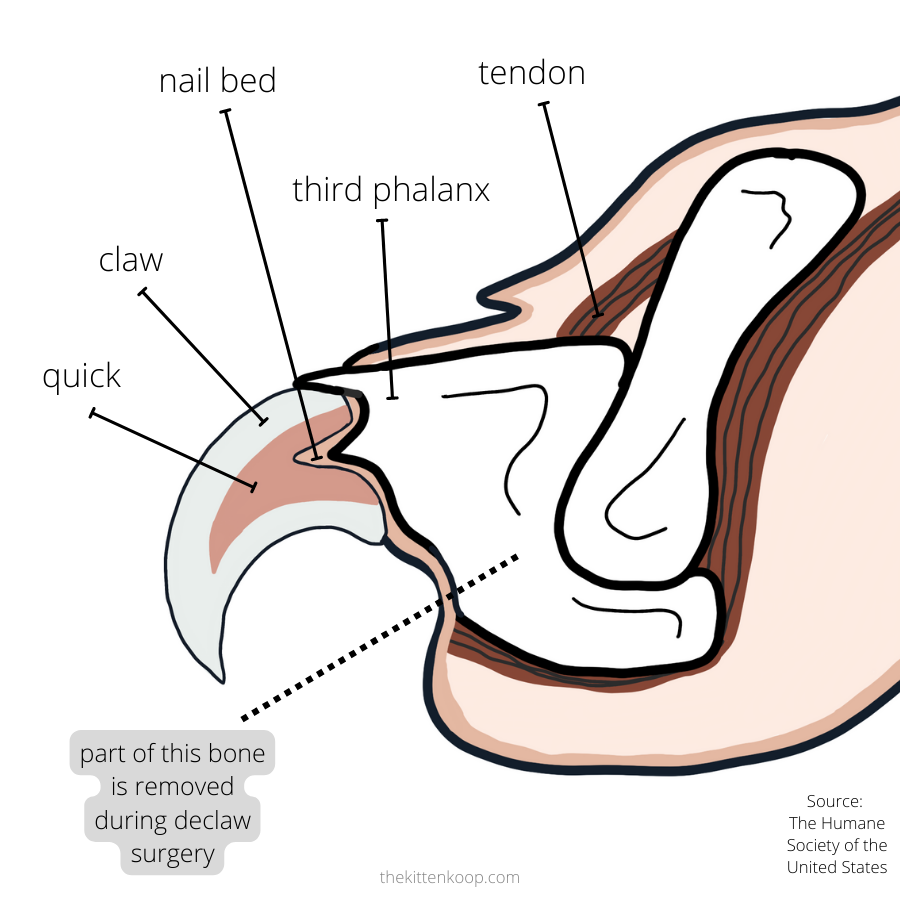
Image source: Bing (Web (fair-use with source credit))
When the quick is cut, blood flows freely because that tissue is highly vascular. It's not a sign of serious injury in most cases. It's a surface wound on a sensitive area.
The bleeding stops when the body's natural clotting mechanisms kick in, aided by the pressure you apply.
Here's what matters most: the amount of blood is usually less than it looks. A few drops can soak a cotton ball and look like a lot. Unless your cat has a bleeding disorder, the volume of blood lost from a clipped quick is rarely dangerous.
For cats with darker nails, the risk is higher. You can't see the quick, so you're working blind. The safest approach is to trim tiny slivers at a time.
Stop as soon as you see a dark dot in the center of the cut surface. That dot signals you're approaching the quick.
Assess the Severity: Minor Trim vs. Torn Nail vs. Emergency
Not all bleeding nails are the same. Before you grab the styptic powder, take a moment to look at what actually happened. The right response depends entirely on the type of injury.
A minor trim injury is the most common scenario. You clipped the nail, the tip is bleeding, and the nail itself is still intact. The bleeding is slow and oozing, not spraying.
This is a home-treatable situation.
A torn or split nail is more serious. This often happens when a nail catches on carpet, fabric, or a scratching post. The nail may be cracked vertically, hanging partially off, or broken at an angle.
The quick is exposed and bleeding more actively. You might be able to treat this at home if the nail fragment is cleanly removed, but it carries a higher infection risk.
A completely avulsed nail means the entire claw has been torn from the toe. This is painful and bleeds heavily. The nail bed is exposed, and there's a real risk of infection.
This requires veterinary attention.
An emergency is when bleeding doesn't slow after 20 minutes of pressure, when the cat is losing a significant amount of blood, or when multiple nails are bleeding at once. That last scenario can indicate a clotting disorder.
Here's a quick way to sort it out:
| Injury Type | What You See | Action Needed |
|---|---|---|
| Minor trim | Small ooze from nail tip, nail intact | Home treatment |
| Torn nail | Cracked or split nail, moderate bleeding | Home treatment if clean, vet if jagged |
| Avulsed nail | Entire nail missing, heavy bleeding, exposed nail bed | Vet visit required |
| Multiple nails bleeding | Several nails bleeding simultaneously | Immediate vet visit |
If you're unsure, err on the side of caution. A vet visit is always safer than watching a wound that might be worse than it looks.
Step-by-Step: How to Stop the Bleeding Fast
Once you've confirmed it's a minor trim injury, you can move quickly. Here's the exact process, in order.
Step 1: Restrain the cat safely. A panicked cat will make everything harder. Wrap them in a towel, leaving only the injured paw exposed. This is called a towel wrap or "purrito" technique.
It keeps you safe from scratches and keeps the cat still.
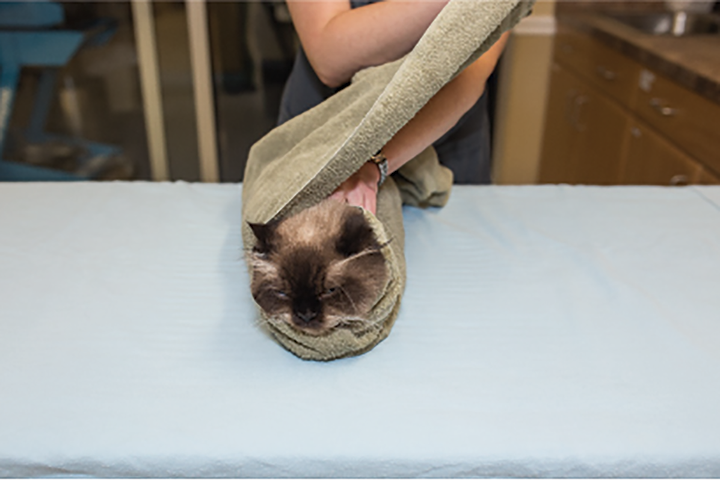
Image source: Bing (Web (fair-use with source credit))
Step 2: Apply direct pressure. Take a clean gauze pad or cotton ball and press it firmly against the bleeding nail tip. Hold it there for at least 3 to 5 minutes. Don't peek every few seconds to check.
Constant pressure is what triggers clotting.
Step 3: Apply a clotting agent. If the bleeding hasn't stopped after the initial pressure, apply styptic powder to the nail tip. You can dip the nail directly into the powder or press the powder onto the nail with a moistened cotton swab. If you don't have styptic powder, cornstarch or baking flour works as a substitute.
Press it onto the wound and hold for another minute.
Step 4: Clean the area. Once bleeding stops, clean the nail with a pet-safe antiseptic like dilute chlorhexidine solution. Avoid hydrogen peroxide and rubbing alcohol. They sting, and they can actually delay clotting.
Step 5: Monitor. Keep the cat calm and indoors for the next hour. Watch for re-bleeding, which happens if the cat starts running or climbing. If it re-opens, repeat the pressure and clotting agent steps.
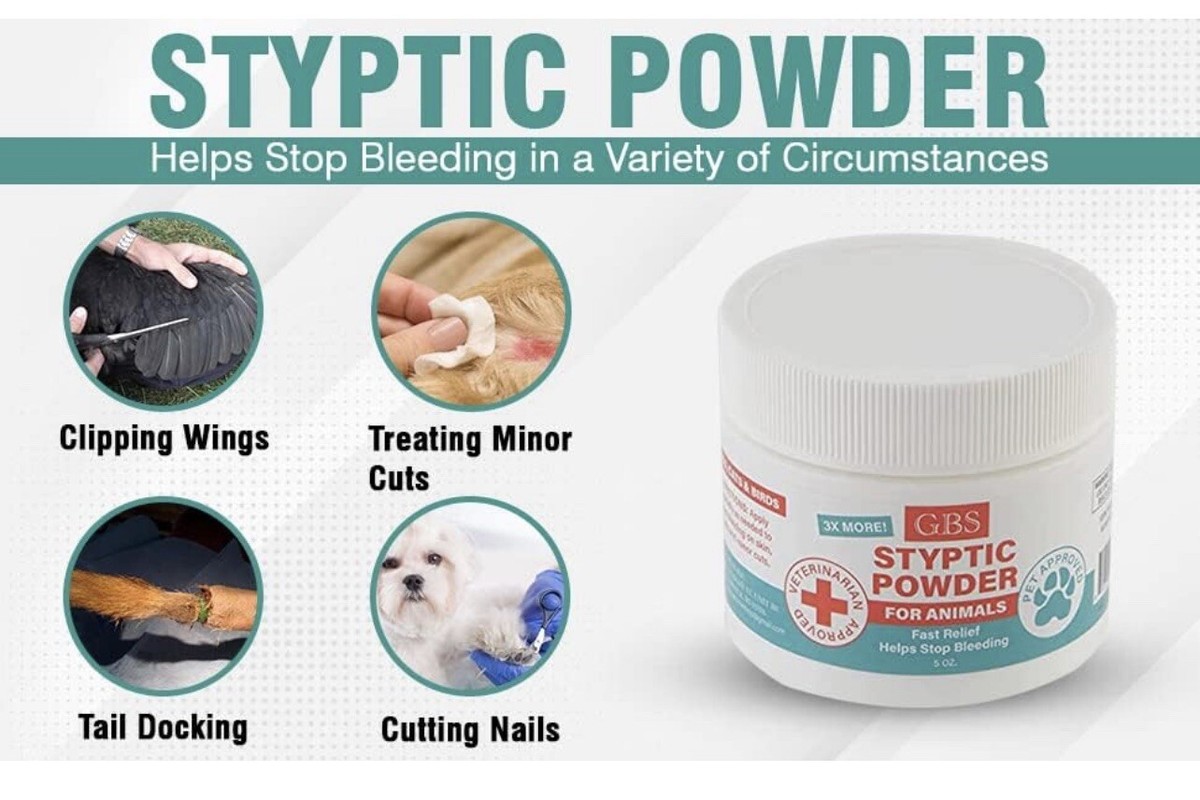
Image source: Bing (Web (fair-use with source credit))
One thing to remember: do not use human superglue on a cat's nail. It's a common internet suggestion, but it's dangerous. The chemicals in cyanoacrylate adhesives can cause tissue damage and chemical burns.
They're not designed for living tissue.
The Right Tools: Styptic Powder, Cornstarch, and What Actually Works
Your choice of clotting agent matters more than you might think. Not all options work equally well, and some are actively harmful.
Styptic powder is the gold standard. It contains ferric subsulfate or silver nitrate, compounds that constrict blood vessels and trigger clotting on contact. It's fast, effective, and designed specifically for this purpose.
It stings briefly, but it stops bleeding within seconds in most cases.
Cornstarch is the best household substitute. It's absorbent, neutral, and works by providing a surface for platelets to aggregate on. It's slower than styptic powder, but it works.
Press it onto the wound and hold for a minute.
Baking flour works the same way as cornstarch, though it's slightly less effective. It's a fine powder that absorbs moisture and helps a clot form. In a pinch, it's better than nothing.
Plain bar soap is an old groomer's trick. Rubbing the nail tip across a dry bar of soap can plug the bleeding quick with soap residue. It's messy and less reliable, but it does work when nothing else is available.
What to avoid:
| Product | Why It's a Problem |
|---|---|
| Hydrogen peroxide | Delays clotting, stings, damages tissue |
| Rubbing alcohol | Stings, delays clotting |
| Human superglue | Chemical burns, tissue damage |
| Antibiotic ointment | Can interfere with clotting, not a styptic |
| Ice | Constricts vessels but doesn't help clotting, painful |
When nothing works, and the bleeding continues past 20 minutes, that's a signal. Your cat may have a clotting disorder, or the cut may be deeper than you thought. This is when you call the vet.
Mistakes to Avoid: What NOT to Put on a Bleeding Cat Nail
The internet is full of bad advice about treating cat nail injuries. Some of it is harmless but useless. Some of it can make things worse.
Here's what to steer clear of.
Hydrogen peroxide is the most common mistake. It bubbles and fizzes, which looks like it's cleaning the wound, but it actually damages healthy tissue and delays clotting. The same goes for rubbing alcohol.
It stings intensely and doesn't help the blood coagulate.
Human antibiotic ointments like Neosporin are another issue. They're not formulated for cats, and some contain ingredients that are toxic if ingested. Cats lick their paws constantly, so anything you apply will likely end up in their stomach.
Plain petroleum jelly is safer if you need to protect the nail bed, but it won't stop bleeding.
Superglue deserves another mention because it keeps showing up in comment sections. The chemical reaction that makes superglue bond surfaces also generates heat and releases toxic fumes. Applied to living tissue, it can cause chemical burns and necrosis.
It is not the same as medical-grade tissue adhesive, which is a completely different product used only by professionals.
Ice is sometimes suggested as a way to constrict blood vessels. It can slow bleeding, but it's painful and doesn't promote clotting. You'll end up with a more stressed cat and a wound that still needs treatment.
Flour and cornstarch are safe, but they must be applied properly. Just sprinkling powder on the nail tip won't work. You need to press it into the wound and hold it there for at least a minute.
The powder needs contact with the bleeding tissue to form a plug.
Some additional mistakes worth avoiding:
- Skipping the pressure step. Going straight to clotting agents without holding pressure first is less effective.
- Using dirty tools. You need clean gauze or cotton. A used cloth from the laundry basket can introduce bacteria.
- Releasing the cat immediately. Even after bleeding stops, the clot is fragile. Give it a few minutes to firm up before letting the cat move around.
- Trimming more nails after an accident. Stop for the day. Your cat is stressed, and you're rattled. Continuing increases the chance of another cut.
When to Call the Vet: Red Flags and Warning Signs
Most nail trim accidents resolve at home. But some situations genuinely need a professional. Knowing the line between home care and vet care can save your cat from unnecessary pain and save you from an unnecessary emergency bill.
Call your vet immediately if:
- Bleeding continues for more than 20 minutes despite pressure and clotting agents.
- The nail is torn, split, or hanging partially off.
- The entire nail has been avulsed from the toe.
- You see blood pooling or dripping steadily, not just oozing.
- The cat is lethargic, pale, or hiding.
- Multiple nails are bleeding at once.
- Your cat has a known clotting disorder or is on blood-thinning medication.
Watch for signs of infection in the days following the injury:
| Symptom | What It Means |
|---|---|
| Swelling around the nail | Possible bacterial infection |
| Redness spreading up the toe | Infection or inflammation |
| Discharge, especially yellow or green | Active infection |
| Limping lasting more than 24 hours | Pain or deeper injury |
| The cat stops eating or grooming | Systemic illness |
If you notice any of these, schedule a vet visit. Nail bed infections can spread to the paw and, in severe cases, into the bloodstream. Early treatment is simple.
Advanced infection is not.
What to expect at the vet: For a torn nail, the vet will likely sedate the cat, remove the damaged fragment, clean the nail bed, and apply a bandage or antibiotic treatment. For persistent bleeding, they may use silver nitrate sticks or cautery to seal the vessel. They might also run blood work if they suspect a clotting problem.
The cost of these visits varies widely. In our research, a basic nail trim injury exam runs between $50 and $150 at most clinics. A torn nail with sedation and bandaging can run $150 to $300.
Emergency clinics charge more, sometimes doubling those numbers. The best thing you can do is call ahead, describe the situation, and ask for an estimate.
Aftercare and Monitoring: The Next 24–48 Hours
The bleeding has stopped. The cat has settled down. Your job isn't done yet.
Proper aftercare prevents infection and ensures the nail heals cleanly.
For the first 24 hours:
- Keep the cat indoors. Outdoor access increases the risk of debris getting into the wound.
- Use shredded paper or sand in the litter box instead of clay litter. Dust from regular litter can irritate the raw nail bed.
- Check the nail every few hours for re-bleeding. If the cat jumps off a high surface, the clot can break.
- Limit running and jumping where possible. Keep the cat in a single room if they tend to zoom around.
For the next 48 hours:
- Watch for limping. Some mild discomfort is normal for the first day. Limping past 24 hours is a red flag.
- Monitor the nail bed for swelling or discharge. A small amount of clear fluid is normal. Pus is not.
- Let the cat groom the area. Their saliva has antibacterial properties, but excessive licking can delay healing. If the cat won't leave it alone, an E-collar might be necessary.
Re-bleeding happens. It's common if the cat starts sprinting across the room or scratching a post. If it happens, repeat the pressure and clotting agent steps. Don't panic.
As long as the bleeding stops within a few minutes, you're fine.
Nail regrowth takes time. A trimmed quick will typically heal within 7 to 10 days. The nail itself regrows fully over 2 to 3 weeks. During that time, you might notice the nail looks slightly different, or a small scab forms at the tip.
That's normal healing.
When to resume nail trims: Wait at least 10 days after the injury. Give the nail time to seal completely. When you resume, use a sharper clipper and trim smaller amounts.
Long-Term Prevention: Trimming Tips to Avoid the Quick Again
The best treatment for a bleeding cat nail is preventing it in the first place. With the right tools and technique, you can minimize the risk dramatically.
Choose the right clippers. There are two main types. Guillotine clippers have a small slot that the nail slides into, and a blade that drops down to cut. Scissor-style clippers work like tiny pruning shears. Both work fine. The key is sharpness.
Dull clippers crush the nail instead of cutting it cleanly, which increases the chance of splitting into the quick.
Learn to identify the quick. On white nails, it's the pink area you can see through the translucent shell. On black nails, you need another method. Shine a bright light from behind or underneath the nail.
The quick appears as a dark shadow within the nail. When in doubt, trim less.
Use the sliver method. Trim tiny pieces, not big chunks. Each cut should be a thin sliver off the tip. After each cut, look at the cross-section.
If you see a solid dark dot in the center, you're at the quick. Stop.
Trim in good lighting. Natural light works best. Overhead lights can cast shadows that hide the quick's outline. Sit near a window or use a small flashlight.
Get help or use a towel wrap. For cats that squirm, the towel wrap isn't just for emergencies. It works for routine trims too. Wrap the cat, expose one paw at a time, and trim with the paw stabilized between your fingers.
Touch the paws regularly. Cats that are used to having their paws handled tolerate trims much better. Spend a few minutes each day touching your cat's toes, pressing gently on the pads, and extending the claws. This desensitizes them to the sensation.
Have a routine. Trim nails when the cat is relaxed, often during a nap or after a meal. Never force a struggling cat. If they resist, stop and try later.
A bad experience makes every future trim harder.
Keep supplies on hand. You don't want to be searching for cornstarch while blood is dripping. Keep a small kit ready: clippers, styptic powder, gauze, and pet-safe antiseptic. Store it where you trim the nails.
| Tool | What to Look For |
|---|---|
| Nail clippers | Sharp stainless steel blades, comfortable grip |
| Styptic powder | Contains ferric subsulfate or silver nitrate |
| Gauze pads | Sterile, 2×2 inch minimum |
| Antiseptic | Chlorhexidine solution 2% or less |
| Towel | Any absorbent towel dedicated to this purpose |
Cost Breakdown: Home Treatment vs. Vet Visit
Money is a real consideration. The good news is that most nail trim accidents cost nothing to treat at home if you already have basic supplies. Here's what you're looking at.
Home treatment costs:
| Item | Price Range |
|---|---|
| Styptic powder | $5 to $12 |
| Cornstarch | $2 to $4 |
| Gauze pads | $3 to $6 |
| Chlorhexidine solution | $10 to $15 |
| Total with supplies | $20 to $37 |
If you already have cornstarch and gauze, the cost of treating one incident is effectively zero. That's the beauty of home care for minor trim injuries.
Vet visit costs:
| Scenario | Price Range |
|---|---|
| Basic exam, minor trim injury | $50 to $150 |
| Torn nail with sedation | $150 to $300 |
| Bandaging and antibiotics | $50 to $100 extra |
| Emergency clinic after hours | $200 to $500+ |
The decision between home care and the vet shouldn't be based on cost alone. It should be based on severity. But understanding the numbers helps you make an informed decision.
Insurance coverage: If you have pet insurance, most plans cover accidental injuries, including nail trauma. Check your policy's deductible and reimbursement rate. Some plans cover nail trims as part of wellness care, but that's less common.
A note on "cheap" alternatives: You can save money by using cornstarch instead of styptic powder, but styptic powder works faster and more reliably. The $8 investment is worth it. Similarly, a $40 emergency visit for a nail that would have healed on its own is frustrating.
Trust your assessment of the injury severity.
Frequently Asked Questions
How long does a cat nail bleed after being cut?
A minor trim injury typically bleeds for 3 to 5 minutes with steady pressure. Without pressure, it can last 10 to 15 minutes or longer. If bleeding continues past 20 minutes, contact your vet.
For torn or avulsed nails, bleeding can be heavier and last longer, which is why those cases usually need veterinary care.
Can I use flour instead of styptic powder for a cat's nail?
Yes. Cornstarch and baking flour both work as household substitutes. They absorb moisture and provide a surface for platelets to aggregate, helping a clot form.
Press the powder firmly into the wound and hold for at least one minute. Styptic powder works faster, but flour is perfectly acceptable in an emergency.
Does styptic powder hurt cats?
Yes, it stings briefly. The active ingredients, typically ferric subsulfate or silver nitrate, cause a burning sensation when applied to raw tissue. The pain lasts only a few seconds.
Most cats will pull their paw back and may vocalize. The sting is temporary and preferable to prolonged bleeding.
What happens if a cat's nail bleeds too much?
Excessive bleeding from a single nail is rare in healthy cats. The quick is small, and the volume of blood is minimal. If bleeding continues beyond 20 minutes, or if multiple nails are bleeding, your cat may have a clotting disorder.
This requires veterinary attention. Look for other signs like bruising, pale gums, or lethargy.
Can I put Neosporin on my cat's nail?
No. Human antibiotic ointments contain ingredients that can be toxic to cats, especially if ingested. Cats lick their paws constantly.
If you need to protect the nail bed, use plain petroleum jelly or a pet-specific wound ointment. For bleeding, stick to pressure and styptic powder or cornstarch.
How long does it take for a cat's quick to heal?
A trimmed quick typically heals within 7 to 10 days. The nail itself regrows fully over 2 to 3 weeks. During healing, you might see a small scab at the tip or slight discoloration.
That's normal. Keep the nail clean and monitor for signs of infection, like swelling or discharge.