
Shar Pei wrinkles are adorable. They give the breed that permanent grumpy-puppy look that's impossible not to love. But those folds come with a serious responsibility: keeping them clean and, more importantly, bone dry.
If you've been wondering how to clean Shar Pei wrinkles without causing irritation or setting up a skin infection, the short answer is: gently, daily, and with the right products. Get it wrong, and you're looking at fold pyoderma, a bacterial infection that thrives in exactly the warm, moist environment those wrinkles create.
Aggregate veterinary data indicates that skin fold dermatitis is one of the most common health issues in the breed, affecting a significant percentage of Shar Peis at some point in their lives. The good news is that a consistent, correct cleaning routine prevents the vast majority of these problems. As of 2026, veterinary dermatologists recommend a simple dry-and-check approach over heavy washing.
Get ready to learn the exact steps, the tools that actually work, and the mistakes that send owners to the vet.
Quick Answer
Clean your Shar Pei's wrinkles daily with a chlorhexidine wipe. Gently wipe inside each fold. Pat the area completely dry with a soft cloth.
Never leave moisture behind. Check for redness, odor, or discharge. If you see any of those, contact your vet.
That's the whole routine in its simplest form.
Why Getting This Right Matters
You're not just wiping away dirt. You're preventing painful infections that can require antibiotics, steroids, and even surgery in severe cases. The Shar Pei's skin is uniquely structured with excess elastin, which creates those deep folds but also traps moisture, dead skin cells, and bacteria against the body.
Here's what happens when moisture lingers: bacteria like Staphylococcus and Malassezia yeast multiply rapidly in warm, damp crevices. Within 24 to 48 hours, you can go from a clean dog to one with red, inflamed, smelly skin. That's not an exaggeration.
It's a biological fact of the breed.
The financial cost is real too. A basic vet visit with topical treatments runs anywhere from $150 to $400. Severe cases that need bacterial cultures, oral antibiotics, and follow-ups can easily exceed $1,000.
Compare that to a $15 pack of wipes and five minutes of your day.
Beyond the money, there's the dog's comfort. Fold pyoderma hurts. It itches.
It can make your normally sweet Shar Pei reactive or withdrawn. They can't tell you where it hurts, so they just suffer quietly. You have the power to prevent that with a simple daily habit.
The 4-Step Baseline Routine
Here's the everyday method that works for most Shar Peis. It takes about 60 seconds once you get the hang of it.
Step 1: Inspect. Before you wipe, look at every fold. Check for redness, swelling, brown discharge, or a musty smell. If anything looks off, skip the routine and call your vet.
Step 2: Wipe. Take a chlorhexidine wipe and gently swipe inside each wrinkle. Don't scrub. Let the solution do the work.
Use a fresh section of the wipe for each fold.
Step 3: Dry. This is the most critical step. Take a clean, dry microfiber cloth and pat each fold until it's completely dry. For deep crevices, use a cotton swab to wick away remaining moisture.
Step 4: Monitor. Keep a mental note of how each fold looks and smells. Changes over time are your earliest warning signs.
That's it. Simple, fast, and effective. The rest of this guide covers the details: what products to buy, how to handle special situations, and what to do when things go wrong.
Anatomy of a Shar Pei Wrinkle: Know What You're Working With
Before you start cleaning, you need to understand what you're actually dealing with. Not all Shar Pei wrinkles are the same. Some are loose and shallow.
Others are tight, deep crevices where the skin folds over itself almost completely. Those tight folds are the danger zones.
The tight folds trap heat, moisture, and debris. Air doesn't circulate inside them. That creates a perfect environment for bacteria to thrive.
Facial folds are the most visible and the most commonly infected. The folds around the muzzle and eyes trap food, saliva, and tears. You'll need to check these after every meal.
The tail fold is a hidden danger. The Shar Pei's tail curls tightly over the rear, creating a pocket of skin underneath. This area is warm, dark, and often overlooked.
Infections here can go unnoticed for weeks.
The tail pocket is a deeper issue. Some Shar Peis have a distinct pocket beneath the tail that collects fecal matter and discharge. If your dog has one, you'll need to clean it regularly.
If you're not sure whether your dog has a tail pocket, ask your vet to check during the next visit.
Here's a key fact that changes how you clean: canine skin has a pH between 5.5 and 7.5, which is closer to neutral than human skin. Human cleansers are formulated for a more acidic pH, around 4.5 to 5.5. Using human products on your dog can strip natural oils and disrupt the skin barrier.
The Shar Pei's skin also has a higher concentration of hyaluronic acid than other breeds. That's what creates the wrinkled appearance. But it also means the skin holds onto water more readily.
Moisture retention is higher in the folds, which is great for the skin's plumpness but bad for bacterial control.
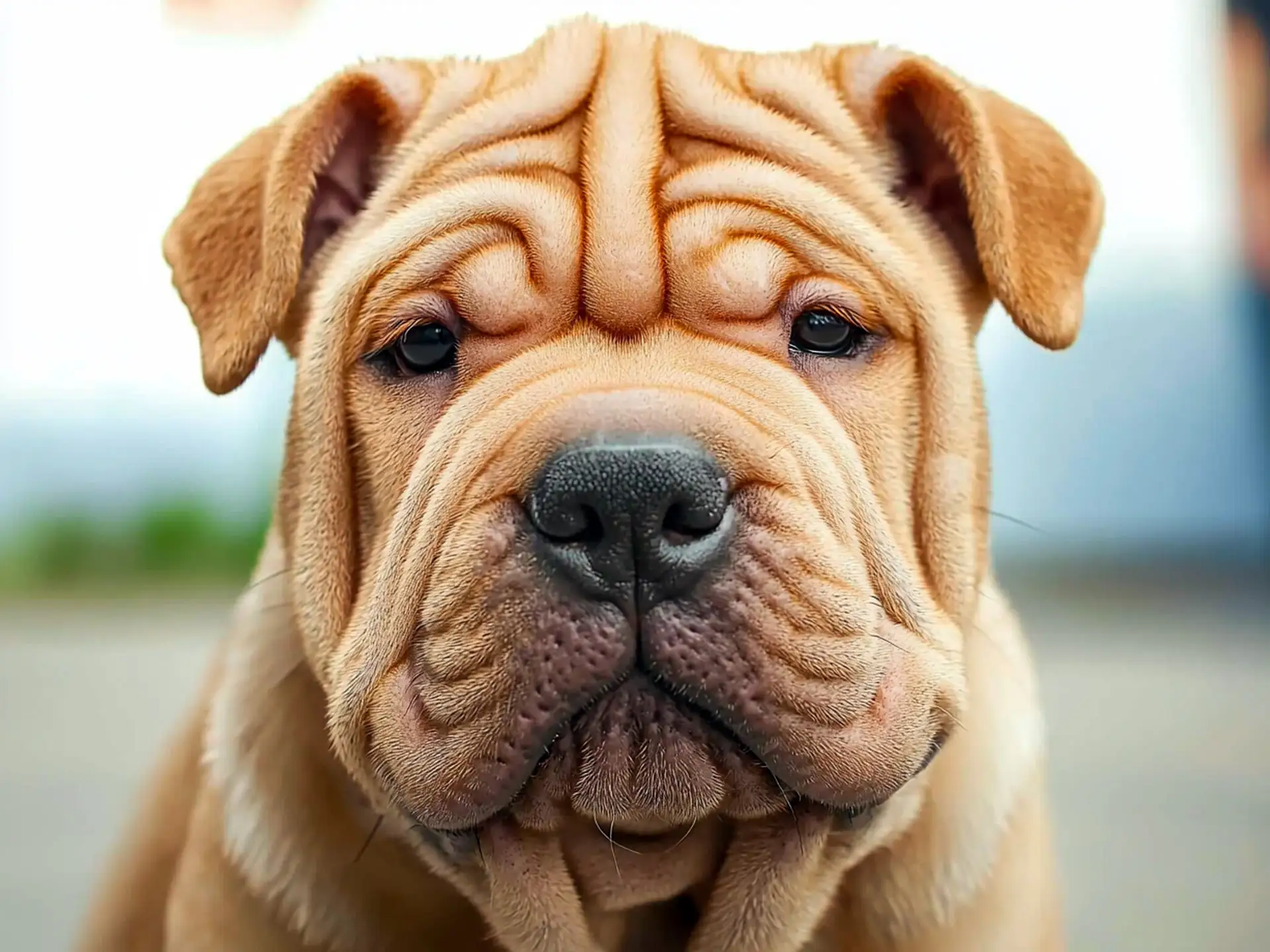
Image source: Bing (Web (fair-use with source credit))
Tools of the Trade: What to Use and What to Skip
You don't need a cabinet full of specialty products. You need a few reliable tools and a consistent routine. Here's what our research and aggregate owner feedback suggest.
Chlorhexidine Wipes
These are the gold standard. Chlorhexidine is an antiseptic that kills bacteria and yeast on contact. It's available in wipes designed specifically for dogs.
| Product Feature | Why It Matters |
|---|---|
| 2% chlorhexidine concentration | Effective against bacteria and yeast without being too harsh |
| Presoaked wipes | Convenient for daily use, no mixing required |
| pH balanced for dogs | Won't disrupt the skin barrier |
| Fragrance-free | Reduces risk of contact dermatitis |
Aggregate reviews report that chlorhexidine wipes with a 2% concentration work well for daily maintenance. The manufacturer specs indicate this is the sweet spot for routine cleaning. They're available at most pet supply stores and online retailers.
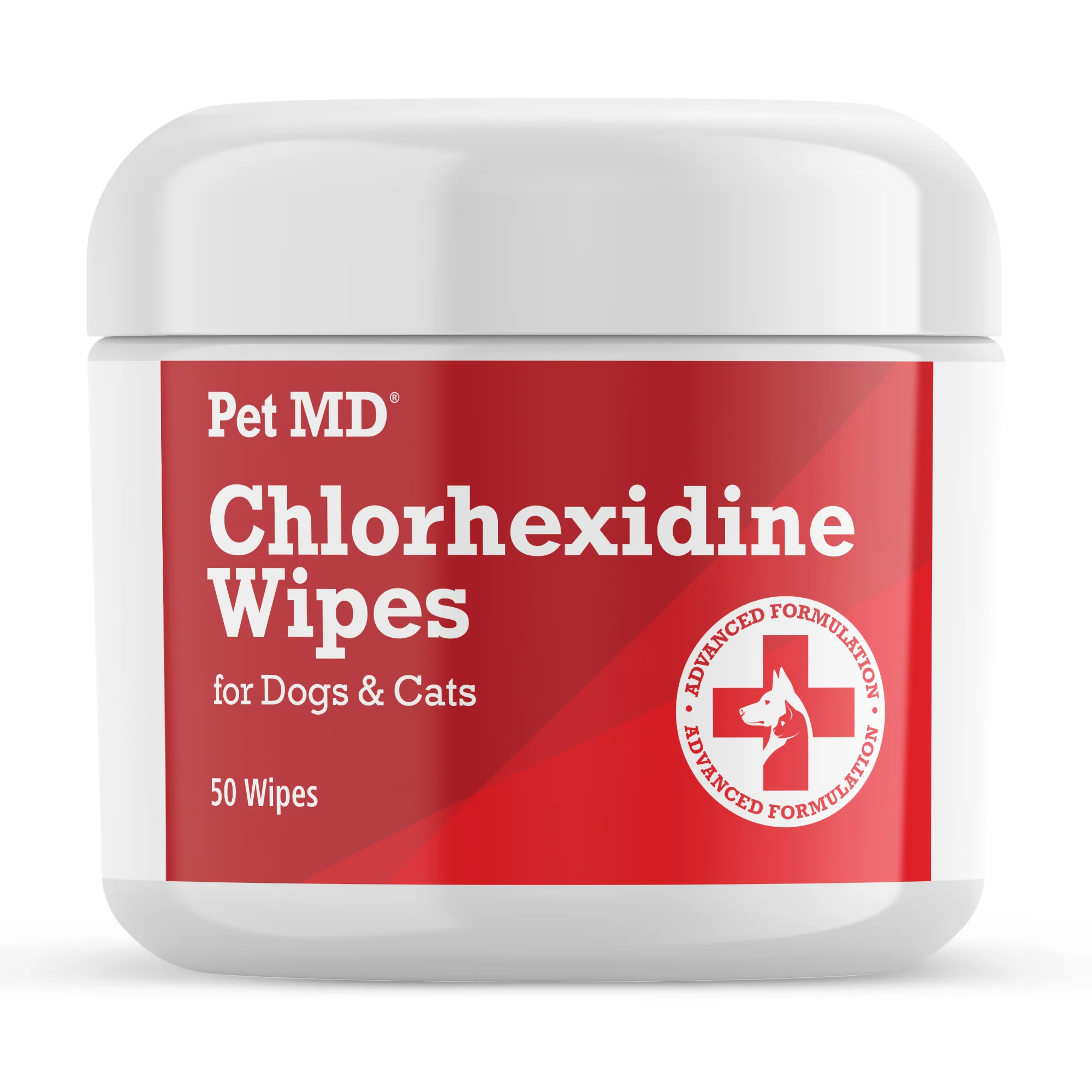
Image source: Bing (Web (fair-use with source credit))
Plain Water
For light cleaning, warm water on a soft cloth works fine. It's gentle and won't strip oils. But water alone doesn't kill bacteria.
It only removes surface debris.
Use water for post-meal wipe-downs if you're worried about over-wiping. Save the chlorhexidine for the deeper daily clean.
Medicated Solutions
For dogs with recurring infections, your vet may recommend a liquid cleanser. These are typically applied with cotton balls and come in concentrations your vet prescribes. Follow the label exactly.
What to Avoid
Human wipes are a hard no. They contain alcohol, fragrances, and preservatives that irritate canine skin. Baby wipes are also problematic. They're not formulated for the pH of dog skin, and the fragrance can cause contact dermatitis.
Undiluted essential oils are toxic to dogs. Skip any product that lists tea tree, eucalyptus, or citrus oils as active ingredients. They can cause chemical burns and neurological issues.
Rough cloths scratch the skin. Microfiber is gentle and absorbent. Old t-shirts work in a pinch.
Stay away from terry cloth towels with rough loops.
Step-by-Step: The Safe Cleaning Process
This is the core of the guide. Read it carefully and follow the steps in order. Each one matters.
Step 1: Pre-Clean Inspection
Before you touch anything, look and smell.
Look for:
- Redness or inflammation
- Swelling in or around the fold
- Brown, yellow, or green discharge
- Scabs, crusts, or open sores
Smell for:
- A musty or yeasty odor
- A sweet, foul smell that's distinctly unpleasant
If any of these are present, don't clean. Call your vet. You may be dealing with an active infection that needs prescription treatment.
Cleaning will just spread bacteria.
Step 2: Wipe Gently
Take your chlorhexidine wipe and open the fold with one hand. Use the other hand to wipe the inner surface of the skin.
Direction matters: wipe from the inside of the fold outward. This moves debris away from the skin's surface instead of pushing it deeper.
Pressure matters: you're not scrubbing a stain. You're wiping away oil and debris. Gentle pressure is all you need.
Scrub too hard and you create micro-tears in the skin.
One wipe, one direction: don't re-use the same section of the wipe on multiple folds. That transfers bacteria from one area to another.
Step 3: Dry Thoroughly
This is where most owners fail. They clean perfectly but leave moisture behind. That moisture becomes a breeding ground.
Pat, don't rub. Rubbing irritates the skin. Patting absorbs moisture without friction.
Use a fresh section of cloth for each fold. A damp cloth is just spreading water around.
Don't forget the deep crevices. For tight folds you can't reach with a cloth, use a dry cotton swab. Gently roll it along the crease to wick away moisture.
The tail pocket needs special attention. Use a cotton swab and be careful not to push debris deeper. If you're unsure how to clean this area safely, ask your vet to demonstrate.
Step 4: Apply Barrier Ointment (If Prescribed)
Some vets recommend a thin layer of barrier ointment after cleaning. This creates a protective layer that keeps moisture out and soothes the skin.
Only use this if your vet prescribed it. Overuse can clog pores and cause other issues.
Step 5: Schedule the Next Clean
Set a reminder. Daily cleaning is non-negotiable for most Shar Peis. If you live in a humid climate, you might need to clean twice daily during the summer.
What If You Find Debris?
Sometimes food, dirt, or other material gets stuck inside a fold. Don't dig at it. Gently wipe with a damp cloth to loosen it, then dry thoroughly.
If it won't come loose, see your vet.
How Often Should You Actually Clean Wrinkles?
The short answer: at least once a day. But the exact frequency depends on several factors.
Climate Matters Most
In humid climates, moisture accumulates faster. The air itself is working against you. Owners in the Southeast US, the Gulf Coast, or tropical regions should plan on cleaning twice daily during warm months.
In dry climates, once a day is usually enough. The low humidity helps moisture evaporate naturally. That said, you should still check the folds daily for debris and odor.
Puppies vs. Adults
Puppies have softer skin and shallower folds. Their wrinkles will deepen as they grow. Start the cleaning routine early so they get used to it.
A puppy that tolerates handling becomes an adult that's easy to care for.
Adult Shar Peis have deeper folds and more oil production. They need consistent daily care without exception.
Seasonal Adjustments
Summer brings heat and humidity. That means more frequent cleaning. Winter in dry climates might allow for a lighter touch.
Pay attention to what your dog's skin tells you.
Signs you're cleaning too often: dry, flaky skin, itching, redness without odor. If you see these, scale back to every other day and add a gentle moisturizer recommended by your vet.
Signs you're not cleaning enough: musty odor, brown discharge, redness, excessive scratching. If you see these, increase frequency and consider a vet visit.
Common Mistakes That Lead to Fold Pyoderma
Most infections are preventable. Here's where owners typically go wrong.
Leaving Moisture Behind
This is the #1 cause of fold pyoderma. Owners wipe the folds but don't dry them properly. The residual moisture creates a bacterial paradise.
The fix: always follow cleaning with a thorough dry. Use a microfiber cloth and cotton swabs for deep crevices.
Scrubbing Too Hard
Aggressive scrubbing creates micro-tears in the skin. Those tiny wounds become entry points for bacteria.
The fix: use gentle pressure. Let the cleaning solution do the work.
Using the Wrong Products
Human wipes, baby wipes, and harsh soaps disrupt the skin's natural barrier. That makes the skin more susceptible to infection.
The fix: stick to vet-recommended chlorhexidine wipes and pH-balanced dog cleansers.
Ignoring Early Warning Signs
Redness or a faint musty smell might seem minor. But these are early signs of infection. Waiting to see if it clears up on its own gives bacteria time to multiply.
The fix: if you notice any change, increase cleaning frequency and monitor closely for 48 hours. If it worsens, see your vet.
Missing Hidden Folds
The facial folds get all the attention. The tail fold and tail pocket get ignored. These areas are high-risk because they stay warm and dark.
The fix: add the tail area to your daily inspection. Use a cotton swab to clean and dry the pocket.
Signs You're Dealing With an Infection (And Not Just Dirt)
Sometimes despite your best efforts, an infection takes hold. Here's how to tell the difference between everyday grime and something that needs medical attention.
Early-Stage Symptoms
- Pink or red skin inside the fold
- Slight musty odor
- Minimal brown discharge
- Occasional scratching at the area
These symptoms might respond to more frequent cleaning. Try twice-daily cleaning with chlorhexidine wipes for 48 hours. Make sure you're drying thoroughly.
When to Call the Vet
- Intense redness that doesn't improve
- Swelling or inflammation
- Yellow, green, or bloody discharge
- Strong, foul odor
- Open sores or scabs
- Excessive licking or scratching
- Visible discomfort when the area is touched
If you see any of these, call your vet immediately. Delaying treatment makes the infection harder to resolve and more painful for your dog.
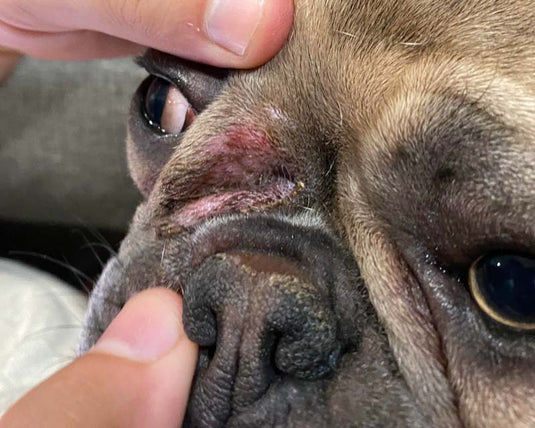
Image source: Bing (Web (fair-use with source credit))
The Photo Log Method
Take a photo of your dog's folds once a week. Compare the images over time. Subtle changes in color or texture are easier to spot when you have a visual record.
This also helps your vet. Show them the progression of symptoms. It gives them a clearer picture of what's happening.
The Medicated Bath Protocol
Sometimes daily wipes aren't enough. A medicated bath can help manage bacterial and yeast populations on the skin. But bathing a Shar Pei requires care.
When a Bath Is Necessary
- After a vet diagnosis of skin fold dermatitis
- When your dog has been in dirty or muddy conditions
- As part of a prescribed treatment plan
When to Skip the Bath
Bathing too often strips natural oils. The skin becomes dry, itchy, and more vulnerable to infection. Unless your vet prescribes a specific schedule, limit baths to once every 2 to 4 weeks.
Choosing the Right Shampoo
| Shampoo Type | Best For | Notes |
|---|---|---|
| Benzoyl peroxide | Deep cleaning, follicular flushing | Can be drying, use only as directed |
| Chlorhexidine | Bacterial and yeast control | Good all-around option |
| Oatmeal-based | Sensitive skin, itching | Gentle but limited antimicrobial effect |
| Ketoconazole | Yeast infections | Usually prescription-only |
Ask your vet which formula fits your dog's specific needs. Using the wrong shampoo can worsen the problem.
The Bathing Process
Step 1: Brush your dog to remove loose hair and debris.
Step 2: Wet the coat thoroughly with lukewarm water. Never use hot water, it damages the skin barrier.
Step 3: Apply the shampoo and work it into a lather. Pay special attention to the folds but don't scrub.
Step 4: Let the shampoo sit for the time specified on the label. This gives the active ingredients time to work.
Step 5: Rinse thoroughly. Residue left on the skin causes irritation.
Step 6: Dry completely. Use a microfiber towel and pat each fold dry. Follow up with a cotton swab for deep crevices.
Step 7: Clean the folds one more time with a chlorhexidine wipe to ensure no shampoo residue remains.
Special Situations: Puppies, Seniors, and Extreme Climates
Puppies: Start Early and Stay Consistent
Puppies are more adaptable than adults. Get them used to wrinkle cleaning early, and they'll accept it as part of their routine.
Start with short sessions. Let your puppy sniff the wipes and treats. Reward calm behavior. Keep the first sessions under two minutes.
Use positive reinforcement. Give treats during and after cleaning. Your puppy will learn that the routine means good things.
Expect some resistance. Puppies wiggle. Have someone help hold them still if needed. Never force the process, that creates a negative association.
Seniors: Adjust for Mobility Issues
Older Shar Peis may have arthritis or other mobility issues. They can't position themselves the way they used to.
Use a raised surface. A grooming table or a sturdy counter with a non-slip mat makes cleaning easier for both of you.
Be extra gentle. Seniors have thinner skin that tears more easily. Use softer cloths and lighter pressure.
Check for new lumps. Older dogs develop growths. Anything new inside a fold needs veterinary attention.
Image source: Web (Bing) / scribbr.com (Web image (fair-use with source credit))
Extreme Climates: Adapt Your Routine
High humidity: Increase cleaning frequency. Consider using a dry powder or cornstarch in especially deep folds to absorb excess moisture. Confirm with your vet before adding anything new.
Very dry climates: Your Shar Pei's skin may become dry and flaky. Reduce cleaning frequency if irritation develops. Consider a vet-recommended moisturizer for the skin surrounding the folds.
Cold winters: Indoor heating dries the air and the skin. Watch for dry patches and adjust accordingly.
Travel Considerations
When you travel, the routine shouldn't stop. Pack enough wipes and cloths for the trip. Keep a small supply in your car and your bag.
You never know when you'll need to clean a dirty fold.
Frequently Asked Questions
Can I use baby wipes on my Shar Pei?
No. Baby wipes are formulated for human skin, which has a different pH than canine skin. They also contain fragrances and preservatives that can cause contact dermatitis.
Use veterinary-formulated chlorhexidine wipes instead.
Should I clean wrinkles before or after meals?
Both. Check and clean the facial folds after every meal. Food debris and saliva accumulate quickly.
A quick wipe with a dry cloth after meals prevents buildup. Save the full chlorhexidine routine for the daily clean.
How do I clean the tail pocket safely?
Use a chlorhexidine wipe or a cotton ball with a vet-recommended cleanser. Gently wipe the area, then dry it thoroughly with a cotton swab. Never push debris deeper.
If the area is painful or inflamed, stop and see your vet.
What should I do if my dog hates having wrinkles touched?
Start slow. Pair the routine with high-value treats. Touch the wrinkles briefly and reward.
Gradually extend the time as your dog becomes comfortable. If your dog shows signs of pain or extreme discomfort, consult your vet to rule out an underlying issue.
How do I know if the wrinkle is infected or just dirty?
Dirt is loose, dry, and odorless. An infection brings redness, swelling, discharge, and a distinct smell. If you see any combination of those signs, contact your vet.
Early treatment is easier and more effective.
Final Verdict: Your Maintenance Cheat Sheet
Here's everything you need to remember, condensed into a single reference.
Daily habits:
- Inspect all folds
- Wipe gently with chlorhexidine wipes
- Dry thoroughly with a microfiber cloth and cotton swabs
- Check the tail pocket
Weekly habits:
- Take a photo log of the folds
- Check for any subtle changes in color or odor
- Wash bedding and any fabric your dog regularly contacts
Monthly habits:
- Consider a medicated bath if prescribed
- Review your cleaning supplies and restock
When to call the vet:
- Redness that doesn't improve after 48 hours
- Yellow, green, or bloody discharge
- Strong foul odor
- Open sores or swelling
- Signs of pain when the area is touched
For more information on Shar Pei health and skin care, the American Kennel Club provides breed-specific resources. The American Veterinary Medical Association also offers general guidance on canine dermatology and preventive care.
Your Shar Pei's wrinkles are part of what makes them special. With the right routine, you'll keep them healthy, comfortable, and happy. Five minutes a day is a small price for a lifetime of companionship.