
Your Basset Hound's droopy eyes and saggy cheeks are adorable, but those same features create a grooming challenge most dog owners never have to think about. Learning how to groom a Basset Hound properly isn't just about keeping your dog looking good. It's about preventing painful skin infections, chronic ear problems, and a whole list of vet bills you can avoid with the right routine.
Here's the honest truth: Basset Hounds are not high-maintenance in the way a Poodle is, but they are high-maintenance in ways that matter more. A 2023 survey from the Basset Hound Club of America found that over 60% of breed-specific veterinary visits involve ear infections or skin fold dermatitis. Both are largely preventable with consistent, correct grooming.
This guide walks you through every step, from the tools you need to the exact technique for cleaning those deep wrinkles, so your dog stays healthy, comfortable, and smelling fresh.
Quick Answer
Groom a Basset Hound by brushing twice weekly, cleaning facial wrinkles daily, and checking ears two to three times per week. Bathe every six to eight weeks. Trim nails every three to four weeks.
Dry all folds and ears completely. Never skip the drying step.
Why Basset Hound Grooming Is Different
Most dog breeds have flat faces or upright ears that let air circulate naturally. Basset Hounds have neither. Their anatomy works against them in every way when it comes to hygiene.
The Anatomy Problem: Folds, Ears, and Skin That Trap Everything
Basset Hounds carry loose, elastic skin all over their bodies. This was bred into them deliberately. The loose skin helps them track scents by trapping odor particles close to the ground.
But that same skin creates deep folds around the face, neck, and legs that collect moisture, dirt, and dead skin cells.
The ears are the bigger concern. A Basset Hound's ears can measure up to 10 inches long and hang down past the jawline. These long, heavy flaps block airflow into the ear canal.
When moisture gets trapped inside, which happens easily during baths, rain, or even heavy drooling, bacteria and yeast start multiplying. The result is otitis externa, an outer ear infection that ranks as the single most common health issue in the breed.
The skin folds create a similar problem. The deep wrinkles around the nose and eyes stay warm and humid all day. Food particles, tears, saliva, and environmental debris collect in those pockets.
The skin chafes together, creating inflammation and a breeding ground for yeast and bacteria. Veterinarians call this condition skin fold dermatitis or intertrigo, and it's completely avoidable with daily cleaning.
What Happens When You Skip the Basics
Neglecting Basset Hound grooming doesn't just mean a smelly dog. It means:
- Recurring ear infections that require prescription drops and sometimes surgery
- Skin fold infections causing hair loss, redness, and painful sores
- Overgrown nails that curl into the paw pads
- Anal gland impactions that rupture and require emergency care
- Chronic itching that leads to hot spots and secondary bacterial infections
- A dog that hates grooming because every session hurts or feels stressful
Skipping a few days of wrinkle cleaning might not cause visible problems immediately. But the infection develops silently. By the time you notice a bad odor or your dog starts shaking their head, the infection has already taken hold.
At that point, a trip to the vet is inevitable.
The Real Time Commitment
Here's what a proper Basset Hound grooming schedule actually looks like. The commitment is consistent, but it's small.
| Task | Frequency | Time Per Session |
|---|---|---|
| Facial wrinkle wipe-down | Daily | 2 to 3 minutes |
| Ear check and dry | 2 to 3 times weekly | 2 to 3 minutes |
| Full brushing | 2 to 3 times weekly | 10 to 15 minutes |
| Nail trim | Every 3 to 4 weeks | 10 to 15 minutes |
| Full bath | Every 6 to 8 weeks | 30 to 45 minutes |
That's roughly 20 minutes per week on average, not counting bath days. Any healthy adult can manage this. Skipping it costs far more time, money, and heartache later.
The Essential Basset Hound Grooming Kit
You don't need a professional grooming station or a drawer full of fancy equipment. But you do need the right tools for this specific coat and body type.
Brushes and Tools That Actually Work on a Double Coat
Basset Hounds have a short double coat. The topcoat is coarse and water-resistant, while the undercoat is soft and dense. That undercoat sheds heavily, especially in spring and fall.
A standard slicker brush alone won't penetrate deep enough to remove the dead undercoat.
The rubber curry mitt is your everyday brush. It lifts loose hair, massages the skin, and stimulates natural oil production. Most Bassets tolerate it well because it feels like a good rubdown.
The undercoat rake is your seasonal shedding weapon. Its long, rounded pins reach through the topcoat to pull out loose undercoat hair. Use this during heavy shedding periods, or you'll be vacuuming fur tumbleweeds for weeks.
A slicker brush works well for the feathering on the legs and the tail area. Just use gentle pressure. The skin on a Basset Hound is sensitive, and they'll let you know if you're brushing too hard.
A de-shedding tool like a shedding blade or a furminator-style tool works beautifully on the back and shoulders. Use it sparingly, though. Overuse can damage the topcoat and irritate the skin.

Image source: Bing (Web (fair-use with source credit))
Ear Cleaners and Wipes Worth Buying
The best ear cleaner for a Basset Hound is a drying-type solution, not just a plain saline rinse. Drying solutions contain ingredients like boric acid or salicylic acid that help evaporate trapped moisture and slightly acidify the ear canal. This makes the environment less hospitable to yeast and bacteria.
Look for a cleaner that's specifically formulated for dogs. Human ear cleaners use different pH levels and can irritate a dog's ear canal.
For wipes, choose plain, unscented pet wipes for everyday wrinkle cleaning. Medicated chlorhexidine wipes work better if your dog already has mild skin irritation or a history of yeast problems. Avoid wipes with heavy fragrances, alcohol, or harsh chemicals.
The skin around a Basset Hound's eyes is delicate, and you'll be using these daily.
Shampoos That Won't Strip Natural Oils
The Basset Hound coat has natural oils that protect the skin and repel water. Over-washing strips those oils, leaving the skin dry, itchy, and prone to infections.
Choose a pH-balanced, hypoallergenic dog shampoo as your standard. Look for oatmeal-based formulas if your dog has sensitive skin. If your Basset has recurring skin issues, a medicated shampoo from your vet is worth the cost.
Avoid anything labeled for humans. Human shampoos have a different pH and will disrupt the acid mantle of a dog's skin.
Nail Tools Designed for Thick, Dark Nails
Basset Hound nails are famously thick, dark, and fast-growing. You cannot see the quick, the blood vessel inside the nail, which makes clipping risky.
A nail grinder is the safer choice for most owners. The grinder removes nail material slowly, in small increments, so you're far less likely to hit the quick. The rotating head also creates a smooth edge instead of a sharp clip.
Guillotine-style nail clippers work, but they require confidence and precision. If you're new to this, the grinder is genuinely easier on your nerves and your dog's.
Keep a styptic powder or cornstarch on hand before you start. If you do hit the quick, you'll need it immediately to stop the bleeding.
What You Can Skip (and Save Money On)
- Fancy dog cologne does not solve odor issues. It just covers them up and sometimes irritates sensitive skin.
- Heated grooming tables are unnecessary for home use. A non-slip mat on the floor works just fine.
- Full grooming kits with 15 attachments are overkill. You need three brushes, not seven.
- Waterless shampoo sprays are handy for spot touch-ups between baths but shouldn't replace real bathing.
Step 1: Brushing and Coat Maintenance
Brushing a Basset Hound serves two purposes. It removes dead hair and debris, and it distributes natural skin oils across the coat for a healthy shine.
How Often to Brush (and What Happens If You Don't)
Brush your Basset Hound at least two to three times per week. During heavy shedding seasons, typically spring and fall, brush daily or every other day.
Skipping brushing comes with consequences. Dead undercoat hair builds up and mats against the topcoat. Those mats trap moisture and bacteria against the skin, causing irritation and hotspots.
The coat also looks dull and feels greasy because dead hair isn't being removed properly.
The Right Technique for a Short, Dense Double Coat
Start at the head and work your way back toward the tail. Brush in the direction of hair growth first to remove surface debris and loose topcoat hair. Then brush against the grain to lift the undercoat.
Here's the step-by-step:
- Use the rubber curry mitt in circular motions over the entire body. This picks up loose hair and stimulates blood flow.
- Use the undercoat rake on the back, shoulders, and hindquarters. Work in short, gentle strokes. Don't saw back and forth aggressively.
- Use the slicker brush on the legs, chest, and tail feathering.
- Finish with your palm or a damp cloth to wipe away any remaining loose hair.
Managing Seasonal Shedding Without Losing Your Mind
Basset Hounds blow their coats twice a year. During these periods, you'll wonder how such a short-haired dog can produce so much fur.
Increase brushing frequency rather than bathing more often. Bathing loosens dead hair temporarily, but it also strips oils and dries the skin. Brush daily during shedding season and use the de-shedding tool once or twice a week.
Why the Belly and Rear Legs Get Matted
The belly and rear legs have slightly longer, softer hair than the rest of the body. This hair is prone to tangling because it rubs against grass, dirt, and your dog's own urine as they squat.
Check these areas after every walk. Wipe the belly and rear with a damp cloth to remove debris. A quick brush every few days prevents small tangles from becoming painful mats.
If mats do form, use a de-matting comb gently. Severe mats might require shaving, which you should leave to a professional groomer.
Step 2: Cleaning Those Deep Facial Wrinkles
This step is non-negotiable. If you remember nothing else from this guide, remember to clean your Basset Hound's wrinkles daily.
The Daily Wipe-Down Routine (Yes, Daily)
Veterinarians and breed experts agree that daily wrinkle cleaning is the single most important grooming habit for Basset Hound owners. The folds around the nose and eyes accumulate moisture, tears, food particles, and environmental debris all day long. That combination creates the perfect environment for bacterial and yeast overgrowth.
Which Folds Need the Most Attention
Every fold matters, but some are worse than others:
- The nose folds sit directly over the nostrils and collect discharge, food crumbs, and moisture from drinking.
- The eye folds catch tears continuously, creating damp pockets that become red and irritated.
- The jowl folds around the mouth trap saliva and food residue.
- The neck folds are often overlooked but can collect sweat and debris, especially in warm weather.
How to Dry Folds Properly
Cleaning the folds removes the debris. Drying the folds prevents the infection. Both steps matter equally.
Here's the correct daily routine:
- Fold back each wrinkle gently to expose the skin inside.
- Wipe with a soft, dry cloth or a pet-safe wrinkle wipe.
- Use a separate clean cotton ball or cloth to dry each fold thoroughly.
- Pay extra attention to the deepest pockets where moisture hides.
- If the skin looks damp after wiping, use a dry cotton ball to absorb the moisture.
Wetness is the enemy. An infection cannot start if the skin stays dry and clean.

Image source: Bing (Web (fair-use with source credit))
Signs of Fold Dermatitis: What to Look For
Catch these early signs before they become serious:
- Redness inside the folds, beyond normal pink skin
- A sour, yeasty odor coming from the face
- Oily, greasy discharge inside the wrinkles
- Brown or black crusty buildup
- Hair loss around the folds
- Your dog rubbing their face on the floor or furniture
- Pus or scabbing, which indicates a progressed bacterial infection
If you notice any of these, increase cleaning frequency to twice daily and keep the area scrupulously dry. For mild irritation, a chlorhexidine wipe can help. If the area doesn't improve within a few days, or if you see open sores and pus, contact your veterinarian immediately.
Step 3: Ear Care for Those Long, Heavy Ears
Basset Hound ears are iconic. They're also the breed's greatest weakness. The long, heavy flaps create a dark, warm, poorly ventilated environment where yeast and bacteria thrive.
Why Basset Ears Are Infection Magnets
The anatomy of a Basset Hound's ear makes it uniquely vulnerable. The ear flap, called the pinna, hangs down and seals off the ear canal from airflow. Combined with the narrow L-shaped ear canal that all dogs have, moisture that gets inside stays there.
Basset Hounds also produce more ear wax than many breeds. This is partially genetic. The excess wax, combined with trapped moisture, creates a perfect breeding ground for infection.
The most common culprits are:
- Malassezia yeast which causes a distinctive sweet or musty odor
- Staphylococcus bacteria which causes redness, swelling, and discharge
- Otodectes mites which are less common but highly contagious
The Correct Cleaning Technique (Never Use Q-Tips)
Cotton swabs are dangerous for any dog's ears. They push debris and wax deeper into the ear canal, compacting it against the eardrum. This can cause pain, worsen infections, and even perforate the eardrum.
Here's the safe method:
- Lift the ear flap straight up so the vertical ear canal opens.
- Squeeze a generous amount of veterinarian-approved ear cleaner into the ear.
- Massage the base of the ear for 30 seconds. You should hear a squishing sound.
- Let your dog shake their head. This helps loosen debris from deep inside.
- Wipe away the loosened wax and debris with a cotton ball or soft cloth.
- Repeat until the cotton ball comes out clean.
- Dry the ear flap thoroughly with a fresh cotton ball.
How Often to Clean, Based on Your Dog's Lifestyle
| Lifestyle | Cleaning Frequency |
|---|---|
| Indoor-only, dry climate | Every 7 days |
| Regular outdoor walks | Every 5 to 7 days |
| Swims or plays in water | After every water session |
| History of ear infections | Every 3 to 4 days |
| Floppy-eared breed with allergies | Every 3 to 4 days |
Adjust based on what you see. If you notice wax buildup, odor, or dirt inside the ear, clean sooner than scheduled.
Red Flags: What to Look For
- Head shaking or tilting to one side
- Scratching at the ears or rubbing them on furniture
- A sour, yeasty, or foul odor
- Redness or swelling inside the ear
- Dark brown, yellow, or black discharge
- Pain when you touch the ears
- Hair loss or crusting around the ear flap
- Balance issues or circling

Image source: Bing (Web (fair-use with source credit))
If you see any of these, don't wait. Visit your veterinarian. Ear infections only get worse without treatment.
An untreated infection can spread to the middle and inner ear, causing permanent hearing damage.
Step 4: Bathing the Right Way
Basset Hounds have a distinct odor. It's part of the breed's charm, but sometimes it's too much. Bathing helps, but you need to do it correctly to avoid stripping natural oils and causing skin problems.
How Often to Bathe
Most Basset Hounds need a bath every six to eight weeks. Bathing more frequently strips the coat of protective oils and dries out the skin. The skin then produces more oil to compensate, which makes the odor worse.
Some Bassets need more frequent bathing due to allergies or skin conditions. Your veterinarian can recommend a schedule that fits your dog's needs.
Pre-Bath Brushing: Why It's Non-Negotiable
Always brush your Basset Hound before bath time. Brushing removes loose hair, dead skin, and debris that would otherwise sit on the skin during the bath. Wetting the coat tightens mats and tangles, making them harder to remove later.
Brush away every visible tangle. Pay extra attention to the areas behind the ears, the belly, and the rear legs. A clean coat absorbs water and shampoo more evenly.
Keeping Water Out of Ears
Water in the ear canal is the leading cause of ear infections in Basset Hounds. You must protect the ears before and during the bath.
Place a large cotton ball gently in each ear. Don't push it deep. The cotton ball sits at the opening of the ear canal and absorbs any water that runs down the head.
After the bath, remove the cotton balls and dry the ears thoroughly with a towel. Follow up with your ear-cleaning routine to remove any remaining moisture.
Shampoo Selection and Dilution
Choose a pH-balanced shampoo formulated for dogs. Dilute the shampoo with water before applying. Concentrated shampoo is difficult to spread evenly and can irritate sensitive skin.
Work the shampoo into a lather starting from the neck and moving backward. Don't scrub the face with shampoo. Use a damp washcloth to gently clean around the eyes and muzzle.
Rinse thoroughly. Shampoo residue left on the skin causes itching and irritation. Rinse until the water runs completely clear, then rinse one more time.
The Drying Process: The Step Most Owners Rush
Drying is the most critical part of bathing a Basset Hound. Most owners rush it, and their dogs pay the price with skin infections and hot spots.
- Towel dry first. Use large, absorbent towels to remove as much water as possible. Press and pat, don't rub. Rubbing creates friction and tangles in the coat.
- Use a low-heat blow dryer if your dog tolerates it. Keep the dryer moving and at least 6 inches from the skin. High heat can burn sensitive skin.
- Pay special attention to the folds and ears. Use a cotton ball or towel corner to dry deep into each wrinkle. The base of the ears and the skin underneath each ear flap need extra attention.
- Check every fold again. If you see dampness, dry it again. Moisture trapped in these pockets is the root cause of infection.
Step 5: Nail Trimming Without the Drama
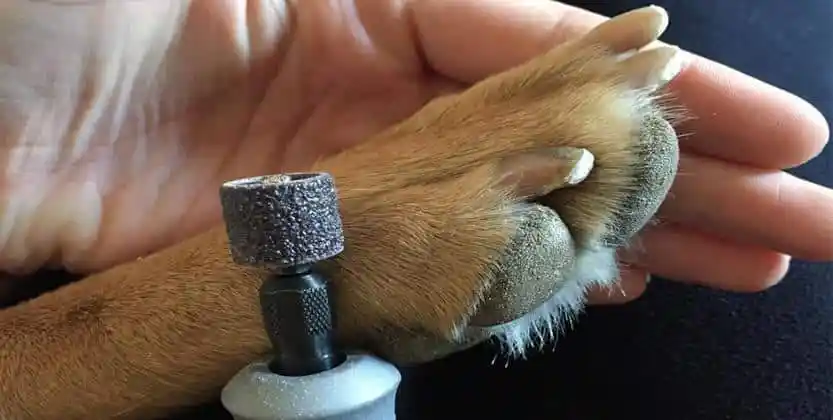
Image source: Bing (Web (fair-use with source credit))
Basset Hounds have thick, dark, fast-growing nails that most owners dread trimming. Here's how to handle it safely and stress-free.
Why Basset Nails Are Tricky
The nails are thick and dark, making it impossible to see the quick inside. The quick grows alongside the nail, so trimming too much causes significant pain and bleeding. Bassets also tend to squirm and pull, which increases the risk of injury.
Clippers vs. Grinders: Which Is Safer
| Tool | Pros | Cons |
|---|---|---|
| Nail grinder (Dremel-style) | Slow, controlled removal; smooth edges; less risk of hitting the quick | Noisy; takes longer; some dogs fear the vibration |
| Guillotine clippers | Quick; easy to use in one hand | Higher risk of cutting the quick; leaves sharp edges |
For Basset Hounds, the grinder is the safer choice. The slow controlled removal lets you stop before reaching the quick. Many Bassets get used to the sound and vibration with gradual introduction.
The Slow-and-Steady Method
- Settle your dog in a comfortable, quiet space. A non-slip mat under their paws helps them feel secure.
- Hold the paw firmly but gently. Press slightly on the pad to extend the nail.
- If using a grinder, touch the tool to the nail for just a second at a time. Work in short bursts.
- Stop when you see a small dark dot in the center of the nail cross-section. That's the quick beginning.
- If using clippers, make small cuts at a 45-degree angle. Take off tiny slivers, not big chunks.
- After each nail, reward with a treat and praise.
What to Do When You Hit the Quick
It happens to everyone. Stay calm and follow these steps:
- Keep styptic powder or cornstarch nearby before you start.
- Dip the bleeding nail into the powder or apply it directly with a cotton ball.
- Apply firm pressure for 30 to 60 seconds.
- If bleeding doesn't stop, apply more powder and pressure for another few minutes.
- Contact your vet if bleeding continues beyond five minutes.
Step 6: Paws, Tail, and the Messy Bits
The job isn't done when the brushing and bathing are over. Several other areas need regular attention to keep your Basset Hound healthy and comfortable.
Cleaning Between Paw Pads
Basset Hounds have thick, fleshy paw pads with deep grooves. Dirt, mud, pebbles, and debris collect in these grooves after every walk. Over time, this buildup causes chafing and irritation.
Wipe between the paw pads with a damp cloth after every walk. Check for foreign objects like small stones, grass seeds, or ice balls in winter. Trim any hair growing between the paw pads.
This reduces debris collection and improves traction on smooth floors.
Understanding Anal Gland Issues in Bassets
Basset Hounds are prone to anal gland problems. Their glands, located on either side of the anus, produce a foul-smelling liquid that dogs use for marking. Normally, these glands empty naturally during defecation.
But soft stool, obesity, or infection can clog them.
Signs of anal gland problems include:
- Scooting their rear along the floor
- Excessive licking or biting at the rear area
- A strong, fishy odor
- Pain or sensitivity when touched near the tail
- Swelling or redness around the anus
If your dog shows these signs, see your veterinarian. Do not attempt to express the glands yourself unless a vet has shown you the proper technique. Incorrect expression can cause more harm.
The "Everywhere Else" Check
During grooming sessions, take a few minutes to run your hands over your dog's entire body. This isn't just bonding. It's the best way to catch problems early.
Feel for:
- Lumps or bumps that feel new or growing
- Hot spots or areas of irritated, moist skin
- Ticks or fleas, especially around the ears, neck, and tail
- Sores, scabs, or hair loss
- Asymmetry or swelling in the limbs or abdomen
- Discharge from the eyes, nose, or any other opening
Common Grooming Mistakes That Send Bassets to the Vet
Many preventable health issues in Basset Hounds trace back to these common errors.
Over-Bathing and Stripping Natural Oils
Bathing too frequently removes the natural oils that protect the skin and coat. The skin becomes dry and itchy, which leads to scratching and secondary infections. The coat loses its water-resistant quality.
Your dog will smell worse, not better.
Leaving Folds Damp "to Air Dry"
Some owners believe that air drying is enough after cleaning wrinkles. It's not. The deep pockets of skin hold moisture for hours, even in dry climates.
That moisture creates the perfect environment for infection. Always dry folds manually with a cloth or cotton ball.
Skipping Ear Cleaning for Weeks
Neglecting ear cleaning is one of the most expensive mistakes you can make. Ear infections require multiple vet visits, prescription medications, and sometimes surgery. A routine cleaning routine costs pennies and takes minutes.
Using Products Not Meant for Dogs
Human shampoo, baby wipes with fragrance, and household cleaners can all disrupt the pH balance of a dog's skin and cause irritation. Always choose products formulated specifically for canine use.
Rushing the Process and Creating a Grooming-Resistant Dog
If you push through grooming sessions quickly, ignoring your dog's stress signals, you'll create a dog that resists grooming. This makes the job harder and may lead to injury for both of you. Slow down, keep sessions positive, and stop before your dog gets overwhelmed.
Puppy Grooming: Building a Routine That Sticks
Starting early is the key to a Basset Hound that tolerates grooming without issue. The more you expose your puppy to these procedures, the more normalized they become.
Desensitizing Your Puppy Early
Start touching your puppy's ears, feet, and face from day one. Make these touches gentle and brief, then follow with a treat. Your goal is for your puppy to associate handling with positive experiences.
Short Sessions, High Rewards
Keep initial grooming sessions to five minutes or less. End on a high note with plenty of praise and treats. Gradually increase session length as your puppy becomes comfortable.
The Puppy vs. Adult Grooming Checklist
| Task | Puppy (under 6 months) | Adult |
|---|---|---|
| Wrinkle cleaning | Daily, with gentle handling | Daily |
| Ear checks | 2 to 3 times weekly | 2 to 3 times weekly |
| Brushing | 2 to 3 times weekly | 2 to 3 times weekly |
| Nail handling | Daily brief touch | Trim every 3 to 4 weeks |
| Bathing | Every 4 to 6 weeks | Every 6 to 8 weeks |
When to Call a Professional
You can handle most grooming at home, but certain situations call for professional help.
Signs You Need a Groomer
- Severe matting that you can't gently brush out
- Overgrown nails that you're uncomfortable trimming yourself
- A Basset that becomes aggressive during grooming
- You lack the time or physical ability to do the job properly
Groomer vs. Home Grooming: The Real Trade-Off
| Factor | Professional Groomer | Home Grooming |
|---|---|---|
| Cost | $40 to $80 per session | Initial tool cost, then minimal |
| Convenience | Drop off and pick up | No scheduling, no transport |
| Bonding | Minimal | Significant |
| Stress level | Varies by dog | You control the environment |
| Consistency | Depends on appointment availability | You set the schedule |
When to Go Straight to the Vet
- Severe ear infection with discharge, swelling, or pain
- Open sores or pus in the skin folds
- Anal gland impaction that won't resolve
- Nail bleeding that won't stop
- Lumps or growths that appear suddenly or grow quickly
Frequently Asked Questions
Do Bassets Smell Even When Clean?
Basset Hounds have a natural musky odor that is part of the breed. Regular cleaning manages the smell, but it doesn't eliminate it entirely. The most common cause of strong odor is trapped moisture or an existing yeast or bacterial infection.
If the smell persists despite regular grooming, see your vet.
Can I Use Baby Wipes on My Dog's Wrinkles?
No. Baby wipes contain fragrances and pH levels designed for human skin, not canine skin. They can cause irritation and disrupt the delicate pH balance of your dog's skin folds.
Use wipes specifically formulated for pets, or simply use a soft cloth with lukewarm water.
How Do I Stop My Basset From Shedding So Much?
You can't stop the shedding entirely. Bassets shed year-round and blow their coats heavily in spring and fall. Regular brushing with a rubber curry mitt and an undercoat rake will remove loose hair before it ends up on your furniture.
Bathing helps, but only when done as part of a consistent routine.
What's the Best Ear Cleaner for a Basset Hound?
Look for a veterinarian-approved drying solution. These contain ingredients like boric acid or salicylic acid that help evaporate moisture and acidify the ear canal. Ask your vet for a specific recommendation, as some Bassets need stronger formulas depending on their ear health.
Is It Safe to Shave a Basset Hound in Summer?
No. The Basset Hound's coat provides protection from both heat and cold. Shaving removes that protection and exposes the skin to sunburn, insect bites, and irritation.
It also damages the coat's texture, which may not grow back as before. Regular brushing and indoor access are far better ways to manage summer heat.