
Your cat stopped grooming last Tuesday. You noticed a small mat behind their ear this morning. Now you're wondering if you should call a groomer or just let it work itself out.
Knowing when to take a cat to a groomer isn't always obvious. Cats hide discomfort well, and thick coats can conceal problems until they're serious. The answer depends on breed, age, health, and how well you manage home care.
As of 2026, professional cat grooming has become more specialized, with dedicated cat-only salons and certified feline groomers in most major cities.
We've pulled together research from veterinary sources, grooming standards like those from the National Cat Groomers Institute of America (NCGIA), and real-world groomer feedback to give you a clear decision framework. No fluff. No guesswork.
Just practical guidance on when your cat genuinely needs professional help and when you can handle things at home.
Quick Answer
Take your cat to a groomer when you can't safely manage their coat at home. This includes visible matting, pelted fur, or overgrown claws you can't trim. Long-haired breeds need professional grooming every 4 to 6 weeks.
Short-haired cats may only need help seasonally. Senior or overweight cats often need more frequent care. If in doubt, schedule a consultation before the problem worsens.
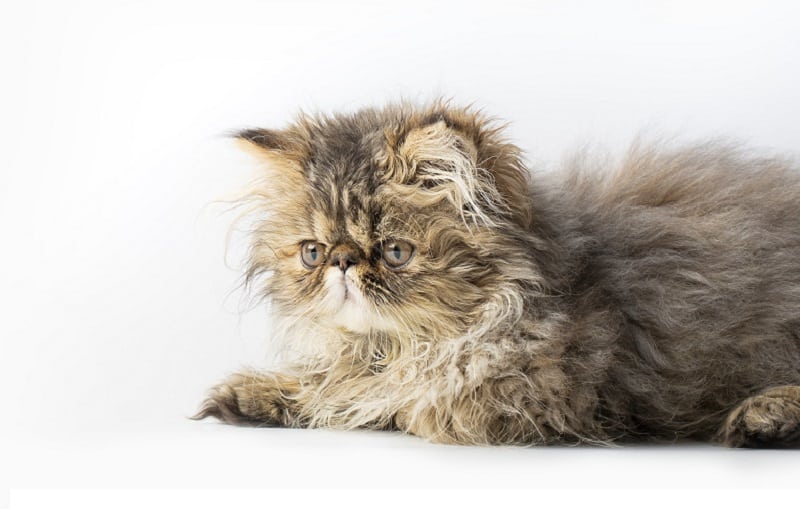
Image source: Bing (Web (fair-use with source credit))
Why This Matters More Than You Think
The hidden health risks behind matted fur are worse than they look. A small tangle on the surface isn't an emergency. But when mats tighten against the skin, they pull with every step.
They trap moisture, create a breeding ground for bacteria, and restrict blood flow to the area. In severe cases, a pelted coat tears the skin before the groomer even touches it.
There's also the pain factor. Cats in pain hide it brilliantly. That's their survival instinct.
By the time you notice matting, your cat has likely been uncomfortable for weeks. They might still eat, play, and use the litter box normally. But their skin is constantly pulled and irritated underneath that fur.
Regular professional grooming catches these issues early. It also gives a trained pair of hands a chance to feel for lumps, bumps, and skin abnormalities you'd never spot during a casual pet. An experienced groomer handles dozens of cats every month.
They know what healthy cat skin should feel like, and they'll flag unusual findings immediately.
Beyond the medical side, there's the emotional toll on your cat. Grooming isn't vanity. A clean, mat-free coat helps your cat regulate body temperature, move comfortably, and engage in normal self-grooming behavior.
Cats that feel physically comfortable are calmer, sleep better, and show more affection.
Why Cats Can't Always Self-Groom
Cats are fastidious by nature. Most spend 30 to 50 percent of their waking hours grooming. But self-grooming has limits.
Some areas are simply out of reach. The back, the base of the tail, and the rear quarters are difficult for many cats to access fully, especially as they age.
Here's what cats can't handle alone:
- Back and spine, The tongue can't reach the middle of the back effectively
- Under the chin, A notoriously tricky spot for cats to clean
- The rear end, Flexible cats manage this, but older or overweight cats can't
- Matted fur, Once a mat forms, the tongue makes it worse by licking around it
- Shedding undercoats, Dead undercoat fur can't be removed by licking alone
Certain breeds struggle even more. Persians, Himalayans, and Maine Coons have dense double coats that trap shed fur against the skin. The tongue's barbs only push loose fur deeper into the coat.
That's how small tangles become tight mats, and tight mats become pelted skin. Each stage is increasingly painful and harder to reverse.
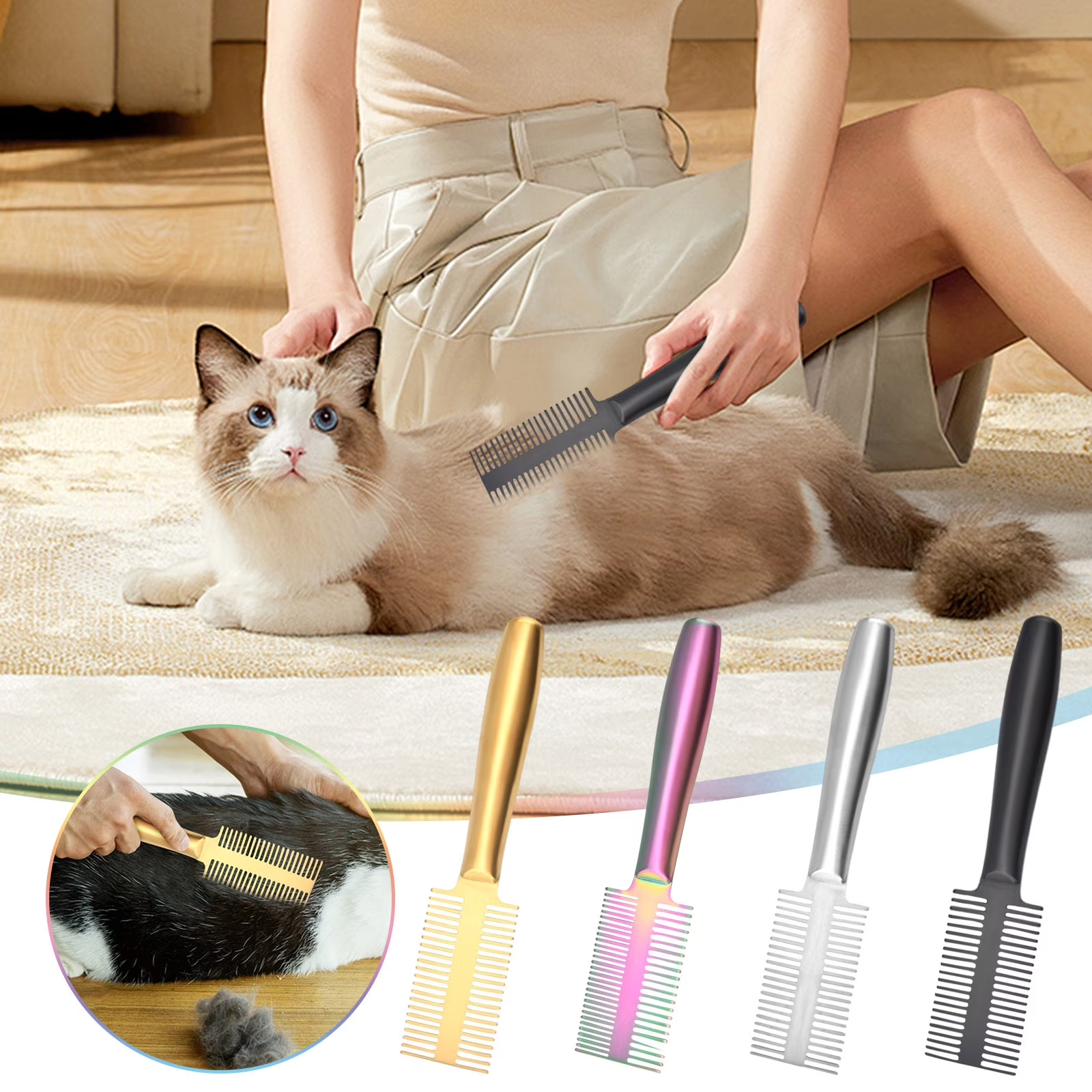
Image source: Bing (Web (fair-use with source credit))
The 5 Signs Your Cat Needs a Groomer
The five signs that your cat needs professional grooming are: visible mats, the comb test failure, changes in self-grooming, overgrown claws, and skin issues like dandruff or greasiness.
The Comb Test
The comb test is the most reliable way to check your cat's coat at home. Take a wide-toothed metal comb and run it through your cat's fur from head to tail. Start with light pressure, then increase gradually.
A healthy coat allows the comb to pass smoothly with minimal resistance. If the comb snags, catches, or stops completely, you've found matting that needs professional attention.
Try this test right now. Comb the chest, belly, back legs, and base of the tail. These are the highest-risk areas for matting.
If the comb gets stuck on any section, don't pull. Stop and assess. Surface-level tangles can sometimes be worked out with a slicker brush, but tight mats that stay in place after brushing need a groomer's intervention.
Visible Matting or Pelted Fur
Examine your cat's coat visually. Hold them in good lighting and look for clumps of fur that appear denser, flatter, or different in texture from the surrounding coat. These are mats.
A single mat smaller than a coin is manageable with home brushing if your cat cooperates. Multiple mats, or one that's grown to the size of a golf ball, require professional care.
The real danger is pelted fur. This happens when multiple mats merge into one solid layer against the skin. You can't see the skin through a pelt, and you often can't even part it with your fingers.
The skin beneath becomes irritated, moist, and prone to infection. A groomer will typically need to shave a pelted cat, which can be shocking to owners who weren't prepared for it.
Changes in Self-Grooming Behavior
Your cat's grooming habits tell you a lot. Take note if they've stopped grooming entirely, or if they're over-grooming a specific spot. A cat that stops grooming may have dental pain, arthritis, obesity, or a systemic illness.
A cat that obsessively licks one area might have allergies, parasites, or skin irritation. Both scenarios warrant a vet visit before a grooming session.
Conversely, if your cat is grooming more aggressively than usual, they might be trying to remove something they can't reach. What appears as excessive grooming often signals matting that the cat is actively trying to work out with their tongue. Since licking can't remove mats, the cat gets increasingly frustrated, and the area becomes more irritated.
Overgrown Claws
Cat claws grow continuously, and indoor cats don't wear them down naturally. When claws get too long, they curve and grow into the paw pads. That's genuinely painful.
It changes the way your cat walks and can lead to lameness or infection.
So, how do you know when it's beyond home care? If you can see the claw curving noticeably when your cat is standing, it's time for a trim. If your cat resists at-home nail trims, or if previous attempts ended in scratches, a groomer can handle it safely with proper restraint techniques.
Groomers are also better equipped to deal with dark claws, where the quick is harder to see.
Dandruff, Grease, or Odor
A cat's coat should be clean, soft, and odor-free. If you notice visible dandruff flakes, a greasy sheen, or an unpleasant smell even after regular brushing, it may not be a grooming issue. Underlying skin conditions often cause these symptoms.
Before booking a groomer, check with your vet to rule out fungal infections, bacterial overgrowth, or dietary deficiencies. If the vet clears your cat, a professional bath with medicated shampoo can help reset their skin health.
Coat Types and Grooming Needs by Breed
Different coats have different grooming demands. A short-haired tabby and a long-haired Persian live in completely different grooming realities. Understanding your cat's coat type is the first step to knowing when to take a cat to a groomer.
Long-Haired Breeds: The 4 to 6 Week Rule
Long-haired cats are the primary candidates for professional grooming. Their coats are high-maintenance, and even diligent owners struggle to keep up at home. This category includes Persians, Himalayans, Maine Coons, Ragdolls, and Birman cats.
These breeds need professional grooming every 4 to 6 weeks. Some owners go longer, but the risk of matting increases dramatically after the 6-week mark.
The challenge is their double coats. They have a soft, dense undercoat that sheds continuously and a longer topcoat that traps the shed fur. When the undercoat sheds against the topcoat, it creates tangles that quickly progress to mats.
Professional groomers use high-velocity dryers and undercoat rakes to remove deep shed fur that home brushing can't reach.
Double-Coated Breeds: Why You Should Never Shave Them
Some breeds, like British Shorthairs and Siberians, have double coats that respond poorly to shaving. These coats provide insulation against both cold and heat. When you shave a double-coated cat, the undercoat grows back faster than the topcoat, often resulting in a patchy, uneven appearance.
More importantly, the sun can damage the newly exposed skin, and the cat loses its natural temperature regulation.
So, what should you do for these cats? Regular deshedding is key. A professional deshedding treatment every 8 to 12 weeks will manage shedding and prevent mats.
This process removes dead undercoat fur with specialized tools, leaving the topcoat intact. It also reduces the amount of fur your cat sheds around the house.
Hairless Breeds: The Bathing Paradox
Sphynx cats are hairless, but that doesn't mean they're maintenance-free. Their skin produces more oil than skin with fur can absorb. Without regular bathing, that oil builds up and leaves a greasy film on furniture and clothing.
Most Sphynx owners bathe their cats every 1 to 2 weeks. Some manage this at home; others prefer to have a groomer handle it on a monthly basis.
The paradox is that Sphynx cats need bathing, but they're also more sensitive to temperature changes and can dislike getting wet. A professional groomer with a warm, quiet environment and cat-safe products is often a better bet than wrestling a slippery, stressed Sphynx in a home bathtub.
Short-Haired Cats: When They Still Need Professional Help
Short-haired cats have lower grooming needs, but they're not off the hook entirely. A healthy short-haired cat needs brushing once or twice a week and can often go without professional grooming. However, there are exceptions.
- Seasonal shedding spikes, Spring and fall coat blowouts can overwhelm home brushing
- The rear end, Overweight or senior cats struggle to keep this area clean
- Skin conditions, Flaky skin, dandruff, or allergies may respond to professional treatments
- Nail trims, Some cats simply won't let their owners touch their paws
The Age and Health Factor
Your cat's age and overall health play a major role in determining their grooming needs. A healthy two-year-old and a fifteen-year-old cat with arthritis have very different requirements. Here's how to adjust your approach based on what's happening with your cat.
Kittens: Socialization Versus Stress
Introducing a kitten to grooming early has long-term benefits. The more comfortable they are with being handled, brushed, and bathed as kittens, the easier future grooming sessions will be. Most experts recommend starting between 8 and 16 weeks of age.
That said, you need to balance socialization with stress. A grooming session that terrifies a kitten does more harm than good. Start with short, positive sessions at home.
Handle their paws, ears, and tail gently while offering treats. If you plan to use a professional groomer, book a "kitten groom" that focuses on desensitization rather than a full service.
Senior Cats: Mobility Loss and the Inability to Self-Groom
As cats age, their ability to groom diminishes substantially. Hardening arthritis, muscle loss, and reduced flexibility make it physically painful to twist and reach the way they used to. Many senior cats develop matting on their backs, hips, and rear ends because they can no longer reach those areas.
Grooming becomes even more critical for senior cats. You shouldn't wait for mats to form before taking action. Our research and veterinary guidance suggest scheduling a grooming session every 4 to 6 weeks for senior long-haired cats, and every 8 to 12 weeks for short-haired ones.
A groomer can also monitor skin elasticity, muscle mass, and overall coat condition, alerting you to changes that warrant a veterinary visit.
Overweight Cats: Why They Stop Reaching Their Backs
Like seniors, overweight cats have physical limitations. The extra weight makes it difficult to twist and turn, and the reduced flexibility limits their grooming range. Without effective grooming, these cats develop mats along their spines and rear ends.
Plus, the less they groom, the more dander and oil their coats collect.
A groomer can help manage an overweight cat's coat, but this should never replace a veterinary weight management plan. Grooming addresses the symptom; the root cause is something your vet needs to address as well.
Cats with Skin Conditions
Certain skin conditions require attention from both a vet and a groomer. Cats with allergies, seborrhea, or fungal infections often have flaky, itchy, or greasy skin. Professional grooming with medicated shampoos can provide relief, remove dead skin cells, and improve the effectiveness of topical treatments.
Remember that sudden changes in coat or skin condition signal a need for veterinary evaluation first. If the vet clears your cat for grooming, ask them to recommend a groomer who has experience with your cat's specific condition. Not all groomers are comfortable handling cats with skin issues, so find one who is.
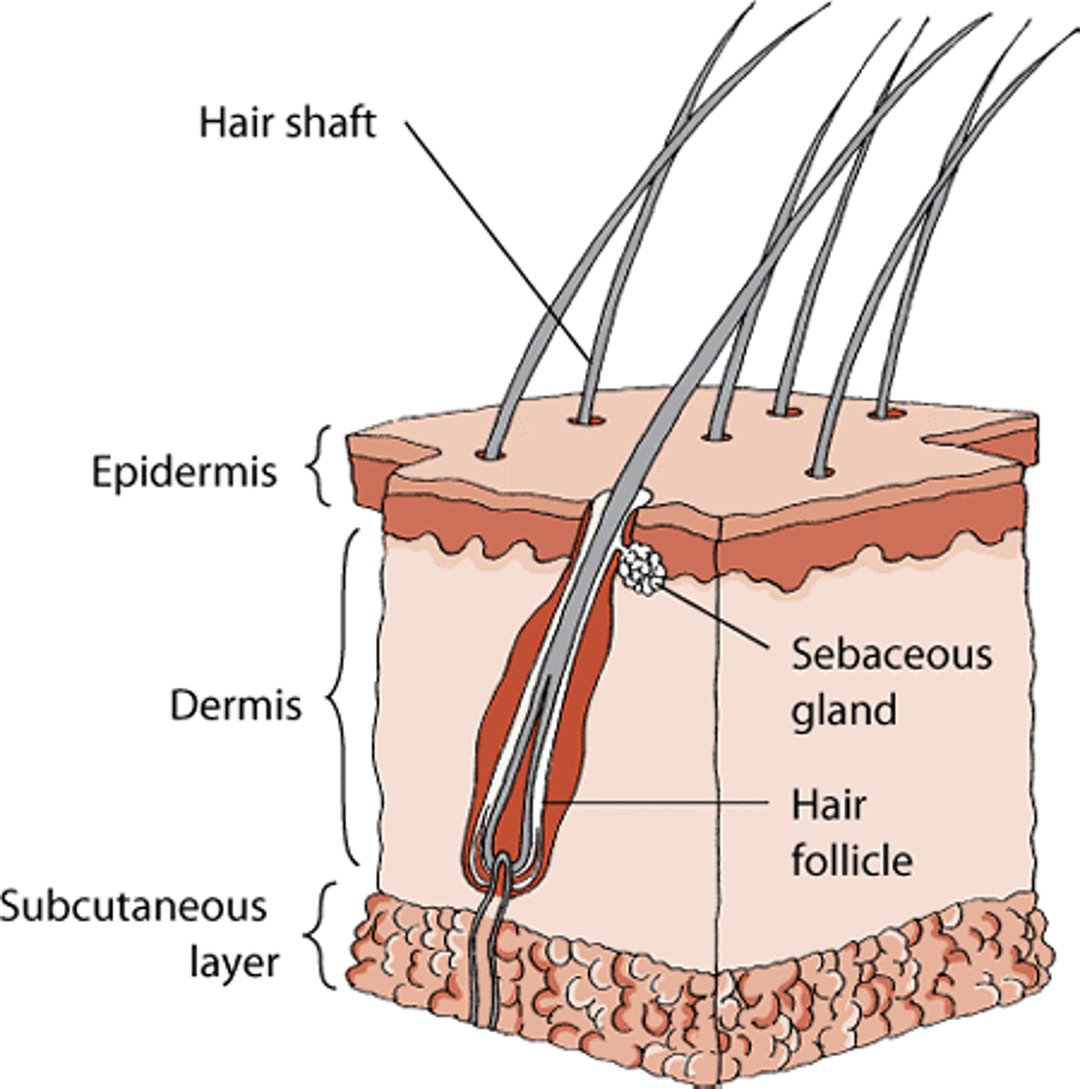
Image source: Bing (Web (fair-use with source credit))
The Real Risks of Not Grooming
The consequences of skipping professional grooming go far beyond aesthetics. For cats with coats that need maintenance, neglect can become a serious medical issue. Here's what actually happens when fur is left without proper care.
Matting and Pelted Skin
The most obvious risk is matting. A mat is compacted fur that has become tangled and pressed against the skin. Over time, mats grow tighter, pulling on the skin with every movement.
When the skin can't breathe beneath the mat, moisture gets trapped. Bacteria thrive in that warm, moist environment, leading to dermatitis and skin infections.
Pelted fur is the severe stage of matting. A pelt is a solid, tight mass that covers a large portion of the body. It prevents the skin from moving normally and can cut off circulation in extreme cases.
Groomers describe these as "shave downs" because the only safe way to remove a pelt is to shave the entire coat. When a groomer says your cat needs a lion cut or full shave, this is why.
Hairballs and Gastrointestinal Blockages
When your cat grooms themselves, they swallow loose fur. Most of it passes through the digestive system normally. But excessive fur ingestion from heavy shedding or matting can lead to hairballs and, in severe cases, gastrointestinal blockages.
Cats with matted fur often lick the surrounding area obsessively. This grooming behavior increases the amount of fur they swallow. Long-haired cats face a higher risk of hairball-related vomiting and constipation.
Regular grooming removes the loose fur before your cat has the chance to ingest it.
Skin Infections from Trapped Moisture and Debris
Trapped moisture beneath a mat creates an environment where bacteria and fungi flourish. This leads to painful skin infections that require veterinary treatment. Antibiotics, antifungal medications, or medicated baths may be necessary depending on the severity.
Debris also accumulates in matted fur. Dirt, litter, flea feces, and other particles get trapped against the skin, causing further irritation. This is particularly common in long-haired cats with matted rear ends.
Overgrown Nails and Paw Problems
When nails grow too long, they push against the paw pads with each step. This can cause significant discomfort and contribute to chronic pain. Overgrown nails are also more likely to catch on carpet, furniture, or fabric, potentially tearing or splitting.
If you've ever seen a cat with a broken or ingrown nail, you know how painful that can become.
Groomers are skilled at trimming claws correctly. They know how to avoid the quick, the blood vessel inside the nail. Keeping nails properly trimmed prevents injuries and infections, especially for cats with an active lifestyle outdoors.
When a Vet Is the Right Call Instead of a Groomer
There are times when grooming should take a back seat to veterinary care. Certain conditions require a vet's attention before you even think about a groomer.
Schedule a vet appointment if your cat has any of these issues:
- Sudden, unexplained hair loss, This can signal thyroid disease, allergies, or stress
- Open sores, wounds, or visible parasites, A groomer can't treat these
- A cat that has completely stopped grooming, This is a red flag for systemic illness
- Severe matting with skin lesions, This may require sedation
Between grooming sessions, continue monitoring your cat's behavior and coat condition. A sudden change in grooming habits is often the first sign that something is wrong internally. Trust your instincts.
If your gut tells you something is off, it's worth a vet visit, even if you can't pinpoint the cause.
What to Expect at a Professional Cat Grooming Session
If you've never taken a cat to a groomer, the experience can feel mysterious. Here's a realistic walkthrough of what happens during a professional session, so you know exactly what to expect.
Step 1: The Initial Health Check
A professional groomer starts by examining your cat from nose to tail. They'll check for mats, skin abnormalities, parasites, and any signs of illness. This health check helps them decide which techniques are safe for your cat and which areas need extra attention.
The groomer will also assess your cat's temperament. Anxious cats need a slower approach. Confident cats can handle more thorough handling.
This initial assessment shapes the entire session. A good groomer won't push a frightened cat past their comfort zone.
Step 2: Brush-Out and Dematting
The brush-out phase is where most of the work happens. The groomer uses slicker brushes, undercoat rakes, and dematting tools to remove loose fur and work through tangles. This is also the most physically demanding part of the process, especially for cats with thick or matted coats.
If your cat has surface-level tangles, the groomer may be able to work them out with the right tools and technique. Tight mats that won't comb out require a different approach. The groomer may need to shave those sections, which is why you might spot a partially shaved cat in the weeks following a grooming session.
Step 3: Bathing and Drying
Most cats don't enjoy getting wet. The bathing phase is usually the most stressful part of the entire session. Professional groomers use calm techniques, lukewarm water, and cat-safe shampoos to minimize anxiety.
They'll also protect your cat's ears from water getting inside.
Drying is equally important for cats with thick coats. A high-velocity dryer removes trapped moisture from the undercoat, preventing skin irritation and bacterial growth. For long-haired cats, the dryer also helps separate and fluff the fur after brushing.
Step 4: The Sanitary Trim and Nail Care
The sanitary trim is a grooming service that keeps the rear end and surrounding area clean and tidy. This is especially important for long-haired cats, as urine, feces, and debris tend to accumulate there. The trim reduces the risk of infections and makes litter box maintenance easier.
Nail care is typically the final step. The groomer trims the claws and may file them smooth for extra comfort. If your cat has dark claws, the groomer will use their expertise to avoid cutting the quick.
Step 5: Post-Groom Inspection
A thorough groomer will do a final inspection after the session. They'll check for razor burns, nicks, or any signs of irritation. They'll also note any unusual findings on the skin or coat and report them to you.
This final check is a valuable health screening that you don't get with at-home grooming.
How Long It Takes and What It Costs
A complete cat grooming session typically runs 1.5 to 3 hours depending on coat condition and temperament. Cats that are calm and well-maintained finish faster. Cats with severe matting take longer because the groomer must be extra careful.
Expect to pay between $60 and $120 for a full groom, with prices varying by region and the level of service. Mobile grooming services typically add $20 to $50 to the base price. Cats with severely matted coats may incur extra charges for the additional time and effort required.
Mobile Grooming vs. Salon Grooming
You have two main options when choosing a professional groomer for your cat: mobile grooming or a brick-and-mortar salon. Each has its strengths and weaknesses.
Mobile Groomers: Less Stress for Anxious Cats
Mobile grooming services bring the salon to your driveway. A fully equipped van with a grooming tub, dryer, and tools arrives at your home, and your cat is groomed inside the vehicle. This eliminates the stress of car rides and waiting rooms, making it an excellent option for anxious cats.
Mobile grooming is also ideal for cats that become aggressive in unfamiliar environments. The groomer works one-on-one with your cat with no other animals nearby. This focused attention often makes the experience calmer and more manageable.
Salon Groomers: More Equipment and Space
Salon grooming offers access to a wider range of equipment and a dedicated grooming space. Salons typically have professional tubs, dryers, and tables designed specifically for large or heavy cats. They also have a team of groomers, which can be helpful if one groomer is sick or unavailable.
Salons may also offer more services, like medicated baths, or have relationships with local veterinarians for emergency situations. If your cat needs special attention, a salon can often accommodate those needs more easily than a mobile groomer.
Which One to Choose Based on Your Cat's Temperament
The right choice depends largely on your cat's personality.
- Anxious or fearful cats, Mobile grooming is usually the better option
- Cats that tolerate car rides well, Salons work fine
- Cats with severe matting, Salons have better equipment for these cases
- Homebody cats that hate carriers, Mobile grooming eliminates the carrier struggle
Cost Comparison and Availability
Mobile grooming costs more. The convenience and one-on-one attention justify the higher price, but you should know what you're paying for. Here's a quick breakdown:
| Service | Mobile Grooming | Salon Grooming |
|---|---|---|
| Full groom | $80 to $140 | $60 to $120 |
| Sanitary trim only | $30 to $50 | $20 to $40 |
| Nail trim only | $15 to $25 | $10 to $20 |
| Additional travel charge | $20 to $50 | N/A |
Availability varies by location. Mobile grooming services often book out days or weeks in advance, especially during peak shedding seasons. If you live in a rural area, your options may be limited to one nearby salon.
Plan ahead and book early whenever possible.

Image source: Bing (Web (fair-use with source credit))
Preparing Your Cat for Their First Groomer Visit
A little preparation goes a long way. Your cat's first grooming experience shapes how they feel about future sessions. Here's how to make it as smooth as possible.
Desensitization at Home
Start desensitizing your cat weeks before the appointment. Touch their paws, ears, and tail gently during calm moments. Offer treats and praise throughout.
This gets your cat comfortable with human handling, which makes the groomer's job much easier.
Introduce brushing into your routine if you haven't already. Use a slicker brush or a grooming glove and make it a positive experience. The more your cat associates brushing with treats and affection, the more cooperative they'll be at the salon.
Making the Carrier a Safe Space
Your cat needs to be comfortable entering their carrier. Leave it out in the open with a soft blanket inside and maybe a treat or two. Let them explore it on their own terms.
The carrier should become a regular part of your home, not just the scary box that appears before vet visits.
On grooming day, place your cat in the carrier calmly. Cover it with a towel to reduce visual stimulation during transport. This helps keep your cat settled on the way to the groomer.
What to Tell the Groomer
Communication is key. Before the appointment, share the following with your groomer:
- Your cat's medical history, Any conditions, medications, or allergies
- Their temperament, Whether they're anxious, aggressive, or calm
- Any known sensitivities, Sensitive paws, ears, or coats
- What happened last time, If you've had a previous grooming experience
This information helps the groomer tailor their approach to your cat's specific needs.
What to Bring
Bring your cat's medical records, including proof of vaccinations. Some grooming facilities require this documentation. Also include any medications your cat takes and a comfort item like a favorite blanket or toy.
Mistakes Owners Make That Turn Grooming Into a Nightmare
Most grooming disasters are preventable. Here are the most common mistakes owners make, and how to avoid them.
Waiting Too Long Between Appointments
The biggest mistake is waiting until the coat is severely matted before booking. A groomer can easily maintain a healthy coat, but a severely matted coat requires shaving. That's stressful for your cat, expensive for you, and completely avoidable with regular scheduling.
Book your next appointment before you leave the current one. This ensures you stay on schedule and keeps your cat's coat in the best possible condition.
Attempting to Shave Matted Fur at Home
Never use scissors to cut mats out of your cat's fur. Cats have thin, delicate skin that tears and punctures easily. A scissors slip near a mat can result in a serious wound that requires emergency veterinary care.
Even professional groomers use clippers, not scissors, for mat removal.
If you're tempted to shave your cat at home, resist. Pet clippers require proper technique and safety precautions. A wrong move can burn, cut, or irritate your cat's skin.
Leave the shaving to professionals.
Choosing a Dog Groomer Who "Also Does Cats"
Cats and dogs have different grooming needs. A dog groomer who occasionally handles cats may not have the right equipment, training, or temperament for feline clients. Cats are more sensitive to stress and require gentler handling.
A groomer who mainly works with dogs might not understand these nuances.
Look for a groomer with specific cat training. Organizations like the National Cat Groomers Institute of America (NCGIA) certify groomers in feline-specific techniques. Check for these credentials before booking.
Skipping the Post-Groom Follow-Up Routine
The groomer's work doesn't last forever. A few minutes of brushing every day keeps your cat's coat healthy between appointments. Skipping this routine means more mats, more shedding, and more stress at the next grooming visit.
Ignoring Signs of Stress After Grooming
Some cats experience mild stress after grooming. Hiding, reduced appetite, or temporary litter box issues can occur. These usually resolve within 24 to 48 hours.
However, if these symptoms persist for more than a few days, contact your vet. Prolonged stress can signal a deeper issue.
Building a Maintenance Routine Between Groomer Visits
Between professional grooming appointments, you have a job to do. A consistent home grooming routine keeps your cat comfortable, reduces shedding, and extends the benefits of professional care.
The 10-Minute Daily Brush Rule
Long-haired cat owners should brush their cats every day for at least 10 minutes. This routine prevents tangles from forming and removes loose fur before it ends up on your furniture. Divide the coat into sections and brush from head to tail, gently working through any tangles you find.
Short-haired cats need less frequent brushing. Two to three times per week is usually sufficient to control shedding. Use a soft-bristle brush or grooming glove to keep their coat shiny and remove loose hair.
How to Properly Use an Undercoat Rake
An undercoat rake is a specialized tool designed for cats with double coats. Unlike a regular brush, the rake has long, widely spaced teeth that penetrate the dense undercoat and pull loose fur to the surface. This tool is essential for managing shed during seasonal coat blowouts.
Use the rake with gentle pressure in the direction of hair growth. Overuse can irritate your cat's skin, so focus on problem areas like the back, hips, and thighs. If your cat shows signs of discomfort, switch to a smoother brush and try again later.
Nail Trimming Frequency at Home
Nail trims should happen every 2 to 3 weeks, depending on how quickly your cat's claws grow. You'll know it's time when the claws start to look visibly long or curve slightly. Trimming at home is possible if your cat is cooperative, but it requires patience and the right technique.
Use cat-specific clippers and have styptic powder on hand for accidental cuts. If your cat resists, don't force it. Book a nail trim with your groomer instead.
When to Bathe a Cat (and When Absolutely Not To)
Bathing a cat at home is usually unnecessary. Cats are self-cleaning animals, and frequent baths strip their skin of natural oils, leading to dryness and irritation. Only bathe your cat when necessary, such as hairballs, fleas, or contact with a toxic substance.
If you do need to bathe your cat, use cat-specific shampoo and lukewarm water. Keep the session short and calm, and dry your cat thoroughly afterward. If your cat becomes stressed or aggressive, stop and consider a professional groomer instead.
Red Flags: When to Fire a Groomer
Not all groomers are created equal. If your cat had a bad experience, it might be the groomer's fault, not the grooming process itself. Here are red flags that indicate you should look for someone else.
Signs of Excessive Stress During Pickup
When you pick up your cat, check their demeanor. Some fatigue is normal, especially for senior or anxious cats. But extreme lethargy, trembling, or unusually aggressive behavior suggests a traumatizing experience.
A good groomer should be able to complete the session without seriously distressing your cat.
Razor Burns, Nicks, or Cuts
A professional groomer should never leave your cat with visible injuries. Razor burns, nicks, or scratches indicate careless technique or improper equipment. These injuries are painful and can become infected if not treated.
Document any injuries with photos and report them to the grooming facility.
Groomers Who Push Sedation or Heavy Restraint
Sedation should only be administered by a veterinarian. Any groomer who suggests sedating your cat or uses aggressive restraint techniques to get through the session should be avoided immediately. This is a safety issue for your cat's well-being and a legal issue for the groomer.
Trusting Your Gut: Your Cat's Behavior After the Appointment
Your cat's behavior speaks volumes. If they hide from you for days after grooming, refuse to eat, or show signs of distress when you mention the carrier, they may be associating grooming with trauma. That doesn't mean all groomers are bad.
It might just mean this groomer isn't the right fit for your cat.
Trust your instincts. Choose a groomer who respects your cat's limits and works at their pace. A gently handled session builds trust over time, making future appointments easier for everyone involved.
Final Verdict: The Grooming Schedule That Works
There's no one-size-fits-all schedule for cat grooming. But research and practical experience point to clear patterns that work for most cats.
Long-Haired Cats: Every 4 to 6 Weeks
Long-haired breeds like Persians, Himalayans, and Maine Coons need professional grooming every 4 to 6 weeks. This frequency prevents matting, manages shedding, and keeps the coat healthy. Regular sessions also allow the groomer to monitor your cat's skin and overall condition.
Short-Haired Cats: As Needed, Typically Every 2 to 3 Months
Short-haired cats have more flexible grooming needs. A healthy short-haired cat may only need professional grooming every 2 to 3 months. Trim their nails and maintain home brushing in between visits to keep them comfortable.
Senior or Special-Needs Cats: More Frequent, Shorter Sessions
Senior cats and cats with health conditions often benefit from more frequent grooming sessions. A grooming session every 4 to 6 weeks for long-haired seniors is beneficial. Short-haired seniors may need sessions every 6 to 8 weeks.
Shorter, more frequent sessions are less stressful for cats with mobility issues or chronic conditions.
The Cost-Benefit Reality Check: Grooming vs. Vet Bills
Regular grooming is an investment in your cat's health. A grooming session costs $60 to $120. A matted cat that requires shaving can easily cost $150 to $250.
A skin infection from neglected grooming can rack up hundreds of dollars in vet bills. In our research, the math is clear: consistent grooming is significantly more affordable than emergency veterinary care.
Frequently Asked Questions
Will my cat hate me after a groomer visit?
Most cats don't hold grudges. They might act distant for a few hours after a grooming session, but this is usually a response to stress, not resentment. Give your cat space, offer treats, and let them come to you.
Within a day or two, they'll return to their normal behavior.
Can I groom my cat myself to save money?
Yes, for basic maintenance. Brushing, nail trims, and occasional baths are doable at home for most cats. However, professional grooming is necessary for severe matting, thorough deshedding, and cats that resist home care.
Ask your groomer for tips on handling your cat's coat between visits.
What if my cat is aggressive at the groomer?
A professional groomer should be trained to handle aggressive cats safely. They may use a restraint bag, muzzle, or calming techniques to protect both themselves and your cat. If your cat becomes severely aggressive, the groomer may stop the session and recommend sedation through your vet.
Never be embarrassed about your cat's behavior. Groomers work with challenging cats regularly.
Is sedation ever a safe option?
Sedation for grooming should only be administered by a veterinarian. Your vet can prescribe a mild anti-anxiety medication or perform the grooming at the clinic under proper medical supervision. Groomers are not legally allowed to sedate animals, and any groomer who suggests it should be avoided immediately.
How do I find a real cat groomer, not a dog groomer?
Ask your vet for recommendations. Check the groomer's credentials and look for specific cat grooming certification from organizations like the National Cat Groomers Institute of America (NCGIA) or the International Professional Groomers (IPG). Read reviews from cat owners.
A true cat groomer will have experience, training, and a space designed with feline comfort in mind.