

Image source: Bing (Web (fair-use with source credit))
So you've just brought home a ferret, and you've noticed that it smells. Not bad, exactly, but distinct. You're probably thinking about giving it a bath.
Maybe you already tried, and the little guy went berserk. Maybe you bathed it last week, and now the smell is worse than before.
Here's the honest truth: learning how to bathe a ferret correctly is less about soap and water and more about understanding what you're actually working with. Ferrets have sensitive skin, a delicate pH balance, and a scent system that backfires when you mess with it too much. The standard advice you'll find online, the kind that says "just use baby shampoo and bathe them weekly," is actively harmful to your pet.
As of 2026, the veterinary consensus is clear: most ferrets need far fewer baths than owners think, and the way you bathe matters just as much as how often.
In our research across veterinary sources and ferret care organizations, the most common mistake isn't using the wrong product, it's bathing too frequently. Exotic animal vets consistently recommend bathing only when truly necessary, which for most ferrets means every few months, not every week. Let's break down why, and then walk through the exact process that keeps your ferret clean, healthy, and actually less smelly in the long run.
Quick Answer
Bathe your ferret only when it's visibly dirty or has a specific need. For most ferrets, that works out to once every two to three months.
Use a ferret-specific, pH-balanced shampoo. Fill the sink or tub with two to three inches of lukewarm water at 90 to 100°F. Wet the ferret from the back down, never the head.
Rinse until the water runs completely clear. Towel dry thoroughly in a warm, draft-free room.
Never bathe weekly. It strips natural oils, triggers a rebound stink effect, and dries out the skin. Brush regularly, wash bedding weekly, and clean the litter box daily instead.
Why Bathing a Ferret Is Riskier Than You Think
The core problem is that most owners bathe too often, use the wrong products, and accidentally make the smell worse. The pattern is almost universal.
Here's what happens: a new ferret owner brings their pet home. They notice the musky smell, which is natural and normal for ferrets. They decide to give a bath.
The bath removes the natural oils. The ferret's skin dries out. The scent glands detect the dryness and kick into overdrive, producing even more oil.
Within a few days, the ferret smells stronger than before. The owner assumes they didn't use the right shampoo, so they bathe again. The cycle repeats, and the ferret ends up with flaky, irritated skin and a smell that's noticeably worse than when they started.
It's counterintuitive, but bathing a ferret to reduce odor is like trying to fix an oil leak by draining the engine. The problem isn't the oil. The problem is overproduction, and bathing triggers more of it.
The real odor factor for most ferrets comes from diet, not dirt. A low-quality kibble with high plant protein makes a ferret smell stronger. Their bedding holds onto oils.
Their litter box needs frequent cleaning. When you address those factors, the smell drops significantly without a single bath.
That said, there are legitimate reasons to bathe a ferret. Maybe they dug into something nasty. Maybe they have fleas and need a medicated rinse.
Maybe they got into a sticky or toxic substance. Maybe a shelter ferret smells of poor food and stress and needs a fresh start. In those cases, a proper bath is the right call.
The key is doing it rarely, correctly, and with the right products.
Core Facts: Ferret Skin, Oils, and the Rebound Stink Effect
Ferrets have two types of scent glands: anal glands and sebaceous glands in the skin. The anal glands produce a strong, temporary musking smell, usually released when the ferret is scared or excited. The sebaceous glands produce a continuous oil that coats the fur.
That oil is where most of the everyday ferret smell comes from.

Image source: Web (Bing) / deviantart.com (Web image (fair-use with source credit))
When you wash that oil off with shampoo and water, the skin instantly knows. The sebaceous glands receive a signal that oil levels are low. They start producing more oil to compensate.
This is called the rebound effect, and it's the reason your ferret smells stronger three days after a bath than they did before it.
The rebound effect is worse with harsher shampoos. Human shampoos, dish soap, and even some cat shampoos strip more oil than a ferret's skin can tolerate. The glands panic and overproduce.
The result is a paradox: a cleaner-looking ferret with a stronger smell.
Ferrets also have thin skin with a fragile pH balance. The natural pH of ferret skin sits around 6.5 to 7.5, which is different from both humans (around 5.5) and cats and dogs (around 6.0 to 7.5). A shampoo formulated for cats can therefore be too acidic for a ferret.
This is why product selection isn't about personal preference. It's a physiological need.
How Long Does the Rebound Effect Last?
For a ferret that's only been bathed once or twice, the rebound effect typically lasts three to seven days.
For a ferret that's been bathed weekly for months, the rebound effect can last several weeks. The glands need time to reset their production levels.
If you're currently in a rebound loop, stop bathing immediately. Focus on diet, bedding, and brushing instead. Give your ferret's skin time to heal.
You'll see the smell drop noticeably within two weeks.
Before You Bathe: What You Need and How to Prep
Preparation prevents panic, both yours and the ferret's. A calm bath depends on everything being within arm's reach, the room being warm, and the water being at the right temperature before the ferret enters the tub.
The Only Safe Shampoo Types
Use a shampoo specifically formulated for ferrets. That's the only truly safe option.
Ferret-specific shampoos are pH-balanced for ferret skin, which typically sits between 6.5 and 7.5. They also use mild surfactants that don't strip all the natural oils. Brands like Marshall's and 8in1 make ferret-specific formulas that are widely available and reasonably priced.
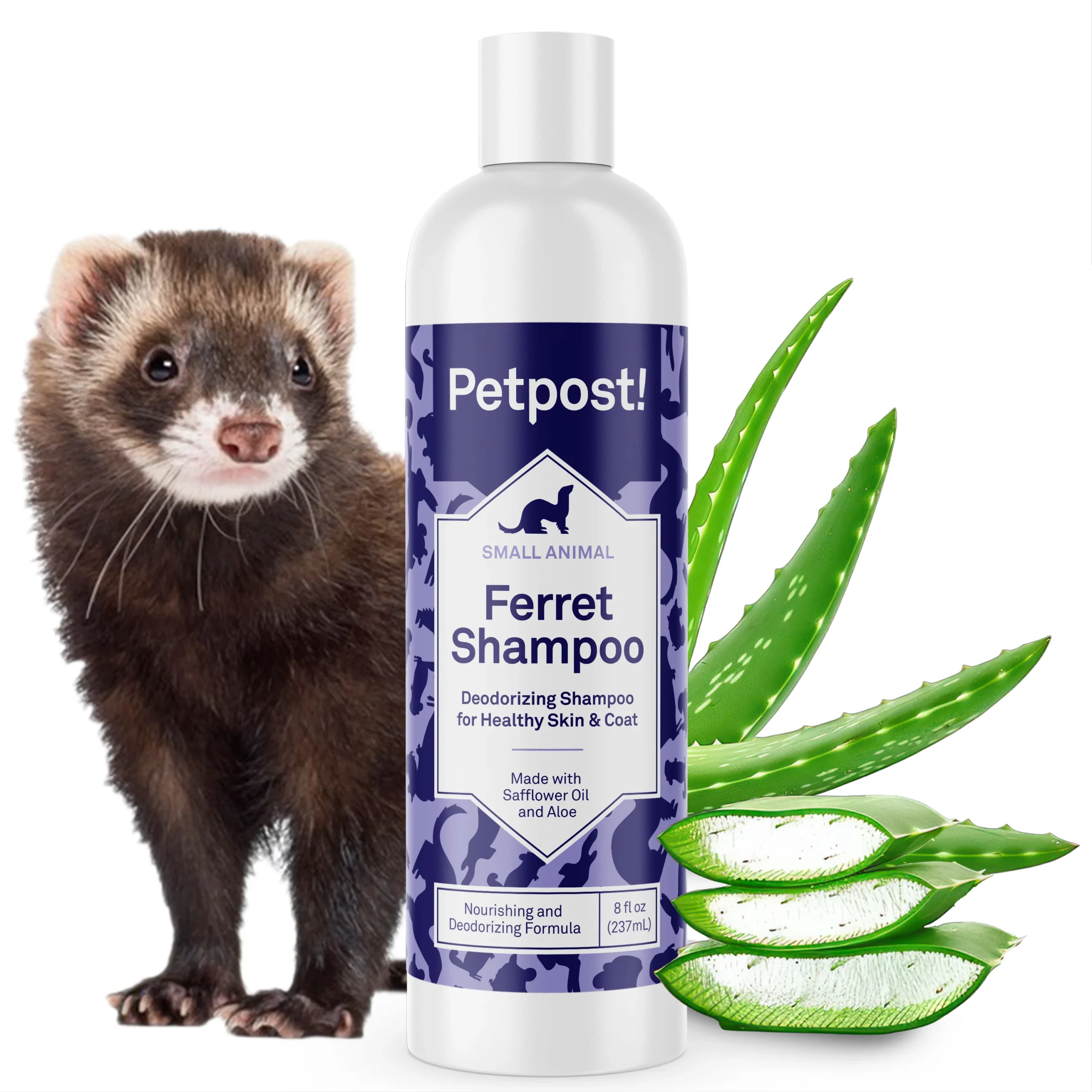
Image source: Bing (Web (fair-use with source credit))
Oatmeal-based shampoos are a close second, provided they're labeled for small animals. Oatmeal is naturally soothing and helps with itchy, dry skin. If you have a ferret with sensitive skin, an oatmeal formula might be your best bet.
Avoid cat or dog shampoo entirely. There's a widespread misconception that kitten shampoo is "gentle enough" for ferrets. It's not.
The pH is wrong, and the detergents are still too strong. You're better off using water alone than risking a wrong-pH shampoo.
Human shampoo, dish soap, and bar soap are all off the table. Dish soap especially. Dawn dish soap strips oil incredibly well, which is why it's used on oil-soaked wildlife.
That's exactly why it's the worst possible thing for your ferret. It will leave the skin feeling squeaky clean, then the rebound stink will hit harder than ever.
Gear Checklist
Before you start, gather everything so you don't have to leave the ferret unattended.
| Item | Purpose |
|---|---|
| Ferret-specific shampoo | Safe, pH-balanced cleaning |
| Two large towels | One for initial drying, one for wrapping |
| Non-slip tub mat or washcloth | Gives ferret a secure footing |
| Lukewarm water (90–100°F) | Prevents chills and burns |
| Treats, preferably meat-based | Positive reinforcement |
| Cotton balls or pads | For ear cleaning afterward |
| A small cup or plastic jug | For rinsing without splashing |
The room should be warm and draft-free. Ferrets chill easily when wet. If your bathroom is cold, run a space heater or close the vents.
The water temperature is critical. Too hot and you'll burn their skin. Too cold and they'll panic.
Aim for 90 to 100°F, which is a bit warmer than lukewarm, similar to bath water for a baby.
The tub should have no more than two to three inches of water. Ferrets aren't swimmers by choice, a slippery, deep tub is terrifying for them. A non-slip mat in the bottom lets them stand confidently and reduces the struggling instinct.
When to Skip the Bath Entirely
Sometimes the best bath is no bath at all. Here's your decision guide:
- If the ferret has a mild smell and no visible dirt, skip the water. Brush them with a soft slicker brush to remove loose fur and distribute the natural oils.
- If they have a small dirty patch, such as a soiled foot or tail, spot-clean just that area with a damp washcloth.
- If they have general body odor but clean fur, use a waterless foam shampoo for small animals. It cleans the fur, reduces odor, and doesn't trigger the rebound effect.
- If the ferret is sick, lethargic, or recovering from surgery, skip the bath entirely. A stressed, wet ferret is at risk for hypothermia and respiratory issues.
Ferrets also self-groom frequently, like cats. They don't need a bath because they're "due" for one. They need a bath when they're genuinely dirty.
The Step-by-Step Bathing Process
The actual bathing process breaks down into six steps. Each one keeps the ferret calm and the experience as stress-free as possible.
Step 1: Trim Nails and Brush Out Loose Fur First
Trimming before the bath is non-negotiable. Ferrets have sharp claws, and when they try to climb out of the tub, those claws dig into your skin. A frustrated, clawing ferret can leave deep scratches in seconds.
Trim the nails a few minutes before the bath. If you're not comfortable trimming alone, have someone else hold the ferret while you clip. Use a small-animal nail trimmer and avoid the quick, the pink vein inside the nail.
When in doubt, clip less.
After the nails, do a quick brush-through with a slicker brush. This removes loose fur and dander that would otherwise end up in the bathwater. It also lets you spot any fleas, ticks, or skin issues before you get the ferret wet.
Step 2: Set the Water Temperature and Depth
Check the water temperature with your wrist or a thermometer. It should be slightly warm. Comfortable to the touch.
Fill the sink or tub so the water is two to three inches deep. No deeper. The ferret's chest should be above water when standing.
Ferrets don't swim for fun, and deep water scares them. Shallow water keeps their head high and reduces distress.
Close the bathroom door to keep drafts out. Lay the towels on the floor within arm's reach. Keep the shampoo bottle open and ready.
Once the ferret is wet, you want to be fast and efficient.
Step 3: Wet the Ferret From the Back Down
Put the ferret in the water. Use your hand or a cup to gently scoop water over the back, hindquarters, and legs.
Do not pour water over the head. Ferrets have sensitive ears and eyes that are prone to infection. Water in the ears can quickly lead to an ear infection.
Water in the eyes causes stinging and panic.
If the ferret needs its head cleaned, use a damp washcloth and wipe gently over the top of the head and face. Avoid the eye area. Avoid the ear openings entirely.
Let the ferret stand in the water for a few seconds before you start lathering. Some ferrets need a minute to adjust. If they're frantic, stop.
Talk in a calm voice. Let them settle.
Step 4: Lather, Rinse, and Repeat the Right Way
Dilute the shampoo in your hand before applying it to the ferret. This helps it spread evenly and reduces the concentration of cleaning agents hitting one spot.
Work the shampoo into the fur along the back, sides, and tail. Use gentle, circular motions. Avoid the face, ears, and belly if the skin is sensitive.
Focus on the oilier zones, which are the back and the base of the tail.
Here's the critical part: rinse until the water runs completely clear. Shampoo residue left in the fur will dry out the skin and cause itching. The ferret will then scratch and groom excessively, which redistributes oil and makes the smell stronger.
Rinsing takes longer than most owners expect. Use a cup or small plastic jug for this step. Pour clean water over the back and sides repeatedly until you're certain no soap remains.
The fur should feel clean and slightly squeaky between your fingers, not slippery.
If you used a medicated shampoo for a skin condition, check with your vet on whether to repeat the lather or let it sit for a specific time. Follow the instructions on the bottle precisely.
Step 5: Towel Dry Thoroughly in a Warm, Draft-Free Room
The moment the rinse is done, you need to get the ferret dry.
Lift the ferret out of the water and immediately wrap them in a towel. A ferret in a towel will instinctively burrow and wiggle, which actually helps with the drying process.
Use a second towel to soak up as much remaining water as possible. Some owners use a third towel. The goal is to get the ferret from dripping wet to damp.
Keeping the ferret in the warm room is essential. A cold, damp ferret can develop respiratory issues. Keep the room warm, and keep the ferret wrapped in a towel until they're mostly dry.
A low-heat hairdryer can be used on the back, but it often causes more stress than it saves. Most ferrets hate the noise and the air current. If you want to try it, use the lowest heat and speed setting, hold it at least twelve inches away, and never point it at the face.
You'll know within five seconds whether the ferret tolerates it. If not, skip it.
Ferrets will finish drying themselves by grooming, the same way cats do. This also helps redistribute oils and regulate the skin.
Step 6: Ear Cleaning and Post-Bath Care
After the fur is mostly dry, check the ears.
Ferrets are prone to ear mites, and bathing can make mites more active or wash debris deeper into the ear canal. Unless your ferret has visibly clean ears, a quick ear cleaning is a smart addition to the after-bath routine.
Use a cotton ball or pad dampened with a vet-approved ear cleaner for small animals. Never use water. Never insert a cotton swab into the ear canal.
Wipe the outer ear and the visible part of the canal. If you see significant dark, crumbly wax or the ferret is shaking its head frequently, take them to the vet. That's a sign of ear mites or an infection.
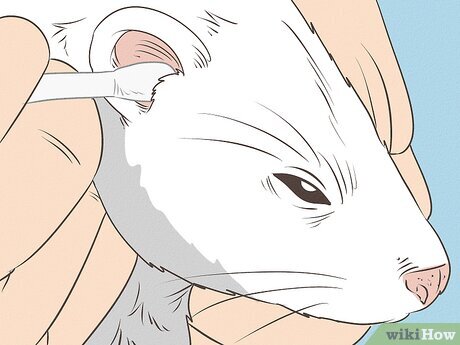
Image source: Bing (Web (fair-use with source credit))
Finally, give a treat. Your ferret should associate bath time with a positive outcome. A piece of cooked chicken, a ferret treat, or a bit of plain egg is enough to create a connection.
Then let them have their "post-bath zoomies." Most ferrets will run around like maniacs after a bath. That's normal. It's their way of shaking off stress and re-establishing their scent.
Let them.
Mistakes to Avoid: What Most Owners Get Wrong
Even with the right steps laid out, most ferret owners still stumble on a handful of recurring pitfalls. Here's what we see most often across vet forums and owner reports.
Bathing Too Often
This is the big one. The single most common mistake is owners bathing their ferret weekly, sometimes even more frequently. The logic seems sound: the ferret smells, so wash the ferret.
But that logic backfires hard.
The rebound effect kicks in, the smell gets worse, and the owner gets frustrated. Then they bathe again. It's a vicious cycle that leaves the ferret with dry, flaky skin and a stronger odor than when it started.
If you find yourself reaching for the shampoo more than once a month, stop. Reassess your ferret's diet, bedding, and litter box habits. The answers are almost always there, not in a bottle.
Using the Wrong Shampoo
Human shampoo, dish soap, and even cat shampoo are all too harsh for ferret skin. The pH is wrong, and the detergents strip away everything good.
Dawn dish soap is the worst offender. It's so effective at removing oil that wildlife rescue teams use it on oil-spill victims. That kind of oil-stripping power is exactly what your ferret's skin doesn't need.
Stick with a ferret-specific shampoo. It's made for their pH balance and their delicate skin. The extra few dollars are worth every cent.
Forgetting to Trim Nails First
A wet ferret is a slippery ferret. A slippery ferret will grab onto anything for traction, and that anything is usually your hands and arms.
Without trimmed nails, those claws dig in hard and leave deep scratches. It hurts, it's distracting, and it makes the next bath harder because you'll be nervous and your ferret will sense it.
Trimming nails first takes two minutes and saves you from looking like you fought a tiny, furry cactus.
Ignoring Water Temperature
Some owners use cold water because they think it's gentler. Others use hot water to "relax" the ferret. Both are wrong.
Cold water causes chilling and panic. Hot water can scald thin ferret skin within seconds. The sweet spot is 90 to 100°F, which feels barely warm to your wrist.
If you're not sure, err on the side of slightly cooler. A warm bath is better than a scalding one.
Pouring Water Over the Head
The head is the most sensitive part of a ferret's body. The ears are deep and prone to infection. The eyes are delicate.
Pouring water over the head terrifies most ferrets. It also creates a direct avenue for water to enter the ear canal, which can easily trigger an infection.
Wash the face only if absolutely necessary. Use a damp washcloth. Avoid the ears and eyes entirely.
Rinsing Too Quickly
Soap residue is a silent killer of healthy ferret skin. It dries out the coat, triggers itching, and causes the ferret to groom excessively, which redistributes oil and makes the smell worse.
Most owners rinse for about four seconds and call it done. You need to rinse until the water runs completely clear, with no trace of suds.
Use a cup or a plastic jug to pour clean water repeatedly over the back, sides, and tail. It takes longer, but it's non-negotiable.
Bathing in a Cold Room
A wet ferret loses body heat fast. If the room is cold, the ferret will shiver, panic, and potentially develop respiratory issues.
Before you start, close the windows, turn off the AC, and make sure the bathroom is warm. A space heater on low works well if your bathroom runs cold.
Keep the ferret wrapped in a towel immediately after the bath. Do not let them wander around wet.
Letting the Ferret Air-Dry
Ferrets cannot air-dry safely. Their coats are dense and hold moisture close to the skin, creating a perfect environment for chills and skin irritation.
You need to towel-dry vigorously until the ferret is damp, not wet. If the ferret tolerates it, a low-heat hairdryer held at a distance can help, but most ferrets hate the noise.
When in doubt, use more towels. You can never dry a ferret too much.
Giving Up After One Bad Experience
Your first bath might go terribly. That's normal. Some ferrets thrash, claw, and scream like you're trying to drown them.
Don't conclude that bathing is impossible. Adjust your approach. Use less water.
Bribe with treats. Move faster. Try a different room.
Many ferrets who hate baths in a sink tolerate them better in a shallow tub where they can stand firmly.
Bathing a Sick Ferret
Never bathe a ferret that is sick, lethargic, or recovering from surgery. The stress alone can set back recovery or worsen the condition.
If your ferret is ill and dirty, wait. The illness takes priority. A little dirt won't hurt them, but hypothermia or stress could.
Bathing vs. Alternatives: Which Is Right for Your Situation?
You've got options beyond the full bath. Each one serves a different purpose, and knowing which to choose prevents you from over-bathing.
Full Bath
A full bath with water and ferret-specific shampoo is only for genuinely dirty ferrets. Think digging in mud, rolling in something sticky, or getting into a substance you don't want them licking off.
Best for heavy dirt, toxins, flea treatments, and post-adoption deep cleans.
Waterless Foam Shampoo
Waterless foam is a spray or mousse that you work into the fur and then towel off. It cleans surface dirt, neutralizes odor, and leaves the natural oils intact.
Best for routine freshening, mild odor, elderly ferrets that can't handle the stress of water, and ferrets that panic at the sight of a tub.
To use it, apply a small amount to the back and sides, work it in with your fingers, and wipe off with a dry towel. It takes about five minutes and causes minimal stress.
The trade-off is that foam doesn't do deep cleaning. It won't remove caked-on mud or oil. For that, you still need water.
Spot Cleaning
A damp washcloth is the gentlest option of all. It's perfect for small dirty patches, like a soiled foot, a messy tail, or a food stain on the chest.
No shampoo needed. Just warm water and a soft cloth. Wipe the area, then dry it with a separate towel.
Dry Brushing
Brushing with a slicker brush removes loose fur, dander, and debris. It also distributes the natural oils through the coat, which keeps it shiny and reduces odor.
Best for weekly maintenance, shedding seasons, and ferrets that smell mild but aren't dirty.
This is the healthiest option for your ferret and the one you should use most often.
Letting Them Self-Groom
Ferrets groom themselves extensively, just like cats. They clean their paws, faces, and fur multiple times a day.
Best for ferrets that are healthy, clean, and not visibly dirty. This is the baseline. You don't need to interfere if the ferret is managing fine on its own.
How to Choose
Use this quick filter:
- If the ferret has caked-on dirt or contamination, use a full bath.
- If the ferret smells musky but has clean fur, use dry brushing or waterless foam.
- If the ferret has one small dirty patch, use spot cleaning.
- If the ferret is healthy and clean, let them self-groom and just maintain the environment.
Your default should be the least invasive option. Work your way up only when the ferret is genuinely dirty.
Building a Grooming Routine That Reduces Smell Without Bathing
The real secret to a fresh-smelling ferret isn't bathing. It's a consistent grooming routine that works with your ferret's natural oils instead of stripping them.
Weekly Brushing
A slicker brush removes loose fur, dander, and debris from the coat. It also distributes the natural oils evenly across the fur, which keeps the coat shiny and reduces odor.
Brush your ferret once or twice a week for five minutes. Start at the back and work forward. Be gentle around the belly and tail.
You'll notice less loose fur around the cage, and your ferret's coat will look healthier. Brushing also gives you a chance to check for fleas, ticks, or skin issues early.
Daily Litter Box Cleaning
Ferrets are clean animals, but their litter box habits can make an entire room smell if neglected. Scoop the litter box every day, and deep-clean it weekly with a mild detergent.
A clean litter box prevents ammonia buildup, which is one of the biggest contributors to a smelly ferret enclosure.
Weekly Bedding Wash
Ferret bedding absorbs oils, dead skin cells, and urine. Over time, that bedding holds onto odors that no amount of bathing can fix.
Wash all bedding and hammocks weekly with a fragrance-free, hypoallergenic detergent. Avoid fabric softeners, which leave a residue that can irritate ferret skin.
Rotate between two sets of bedding so one is always clean and ready.
Monthly Ear Checks
Clean ears smell better. Dirty ears, especially with wax buildup or mites, contribute to a musty odor and can lead to infections.
Check your ferret's ears monthly. Wipe the outer ear with a cotton ball dampened with vet-approved ear cleaner. If you spot dark, crumbly wax, that's ear mites, not just dirt.
That requires a vet visit.
Monthly Nail Trims
Long nails trap dirt and debris, which can contribute to odor. Trimming nails monthly keeps your ferret's paws clean and reduces the chance of scratches.
It also makes grooming sessions easier, since your ferret won't associate handling with discomfort.
Occasional Waterless Foam
If you notice a mild odor between proper grooming sessions, use a waterless foam shampoo designed for small animals. Work it into the fur on the back and sides, then towel off.
This freshens the coat without stripping oils, making it a safe middle ground between brushing and a full bath.
Diet: The Overlooked Odor Factor
Diet is the number one factor in ferret odor.
Low-quality kibbles with high plant protein, corn, or wheat cause ferrets to produce more waste and stronger-smelling oils. High-quality, meat-based ferret foods are more expensive, but they reduce odor at the source.
Look for a ferret kibble with at least 35% protein and 20% fat, with meat as the first ingredient. Avoid anything with corn, wheat, soy, or artificial colors.
Environmental Factors
The room where your ferret lives matters too. Poor ventilation traps odors. A cracked window or an air purifier helps keep the air moving.
Also, consider where the cage is placed. Avoid putting it near a heater, which can dry out the skin and increase oil production. A cool, well-ventilated spot is best.
Grooming Routine Comparison Table
| Component | Frequency | Purpose | Best For |
|---|---|---|---|
| Brushing | 1-2 times weekly | Removes loose fur, distributes oils | All ferrets |
| Litter box cleaning | Daily | Reduces ammonia smell | All ferrets |
| Bedding wash | Weekly | Removes absorbed oils and odors | All ferrets |
| Ear check | Monthly | Catches mites and infections early | All ferrets |
| Nail trim | Monthly | Keeps paws clean, prevents scratches | All ferrets |
| Waterless foam | As needed | Freshens between baths | Ferrets that hate water |
| Full bath | Every 2-3 months or as needed | Deep cleaning for genuine dirt | Dirty, contaminated ferrets |
| Diet check | Every few months | Reduces odor at the source | Ferrets on low-quality kibble |
Safety First: Warnings and Red Flags
Some warnings deserve their own dedicated attention. These are the red flags that require immediate action.
Lethargy or Collapse After a Bath
A ferret that is sluggish, unresponsive, or collapsing after a bath needs veterinary attention immediately. This is not normal post-bath tiredness.
The cause could be hypothermia, shock, or aspiration of water into the lungs. Get the ferret warm and wrapped in a towel on the way to the vet.
Persistent Shivering
Some shivering is normal in the immediate moments after a bath. But shivering that continues after you've towel-dried the ferret and moved to a warm room is a red flag.
Wrap the ferret in a warm towel and add a heat source, like a hot water bottle wrapped in another layer. If the shivering doesn't stop within ten minutes, call your vet.
Water in the Lungs
If you hear any coughing, gagging, or rattling sounds from the ferret during or immediately after the bath, treat it as a potential aspiration emergency.
Hold the ferret with its head tilted downward for a few seconds to help clear any water. If the coughing continues or worsens, seek veterinary care right away.
Skin Burns
Ferret skin is extremely thin. A bath that's too hot can cause second-degree burns within seconds.
Signs of burns include redness, peeling, blistering, or the ferret crying out in pain when touched. This is a veterinary emergency.
Ear Infections
If you suspect water got into your ferret's ears, address it immediately. Tilt the ferret's head to the side and gently dry the outer ear with a cotton ball.
Watch over the next 48 hours for signs of infection: head shaking, scratching at the ears, redness, discharge, or an unpleasant odor. Ear infections can escalate quickly and require veterinary treatment.
Chemical Poisoning
If you used a shampoo that isn't ferret-safe, watch for signs of poisoning. Symptoms include excessive drooling, vomiting, diarrhea, tremors, and lethargy.
Wash the ferret immediately with plain water to remove any remaining shampoo residue, then contact your vet.
Overheating During Drying
If you use a hairdryer, be careful about overheating. Holding the dryer too close for too long can cause burns, particularly on the belly and inner thighs where fur is thinner.
Always keep the dryer at least twelve inches away, use the lowest heat setting, and keep it moving. Never leave it in one spot for more than two seconds.
How to Tell If the Bath Hurts
Ferrets can't tell you when something is wrong, so you need to read their signals.
A ferret that's simply annoyed will hiss or make a low "dooking" sound. A ferret that's in pain will screech or scream. If you hear a scream, stop whatever you're doing immediately and assess the situation.
When to Call the Vet
Call your vet if you notice any of the following within 24 hours of a bath:
- Persistent scratching that continues for more than a day
- Red, inflamed, or flaking skin
- Hair loss
- A strong, unusual odor coming from the skin
- Lethargy or appetite loss
- Any signs of respiratory distress
Most of the time, a bad bath is just a stressful event that doesn't require medical intervention. But when something goes wrong, it can go wrong fast. Trust your gut and make the call.
Seasonal Considerations for Bathing and Grooming
Ferrets go through seasonal changes just like any other animal. Their coats and oil production shift based on daylight and temperature.
Spring Shedding
As days get longer, ferrets shed their thick winter coats. This is a high-shedding period. Increase brushing to two to three times a week.
Do not increase bathing. The loose fur will come out with brushing, not water.
Summer Heat
Hot weather can tempt owners to bathe ferrets to "cool them off." Don't. Bathing in hot weather doesn't help with temperature regulation and can dry out the skin.
Instead, keep ferrets in a cool room, provide fresh water, and use a damp cloth on the ears and paws if they seem overheated.
Fall Coat Growth
As days shorten, ferrets grow their winter coats. They may look fluffier and may shed more as the new coat comes in. Continue regular brushing.
Winter Dryness
Indoor heating in winter dries out the air and ferret skin. If you notice flakiness, don't bathe. Use a humidifier in the room.
That addresses the root cause.
Daylight Changes
Ferrets are sensitive to daylight changes. Reduced daylight in fall can trigger hormonal changes and increased oil production. This is normal.
Don't fight it with bathing.
Real Scenarios: What Other Ferret Owners Face
We've covered the theory and the steps. Now let's look at real situations owners encounter, because that's where the knowledge actually gets applied.
The Digging Incident
One owner let her ferret loose in a backyard while leashed. The ferret immediately found a freshly watered flower bed and rolled around in it until it was coated in mud.
She let the ferret dry first, then brushed off the loose dirt before bathing. She used a ferret-specific shampoo, kept the water shallow, and dried thoroughly.
The bath was justified because the ferret was genuinely covered in soil. Two baths in one year, and the ferret stayed healthy.
The Shelter-Ferret Rescue
A rescue ferret arrived at a new home smelling strongly of stress, poor diet, and an unclean environment. The new owner wanted to bathe immediately to "start fresh."
She waited three days before bathing. Then she used a regular pet shampoo from the grocery store, assuming it was fine.
The ferret developed dry skin within a week. A switch to ferret-specific shampoo and a better diet fixed the issue in about a month.
The lesson is that shelter smells come from the inside, not the fur. Diet changes and clean bedding do more than any bath.
The Flea Emergency
A ferret came home with fleas from a visit to a friend's house with an infested dog. The owner panicked and bathed the ferret three times in one week with a flea shampoo meant for cats.
The flea shampoo was too harsh, and the repeated baths stripped the ferret's skin completely.
The fleas still weren't gone. The fix required a vet-prescribed topical treatment and a single oatmeal bath for the irritated skin.
Flea control is a medical issue, not a bathing issue. Baths don't kill fleas reliably, and harsh shampoos make the situation worse.
The "Smelly Ferret" Myth
One owner was convinced his ferret was "unusually smelly" and bathed it biweekly for two months. The smell got progressively worse. He was ready to rehome the ferret.
He never considered the diet angle.
The ferret was on a low-quality kibble with high plant protein and corn fillers. Switching to a high-protein, meat-based ferret kibble reduced the odor by about 70 percent within three weeks. Brushing twice a week handled the rest.
No bath was needed at all. The smell was coming from what the ferret was eating, not what was on its skin.
The Water-Phobic Ferret
Some ferrets simply despise water. One owner had a ferret that would scream and thrash at the mere sight of a filled sink.
She switched to waterless foam entirely.
The ferret tolerated the foam application well. It stayed clean, the smell stayed manageable, and the stress disappeared. The only full bath in that ferret's life was a medicated one prescribed by the vet for a skin infection.
The lesson is to work with your ferret's temperament. Forcing a full bath on a water-phobic ferret only teaches them to fear you.
The Post-Bath Zoomies
Almost every ferret goes a little crazy after a bath. They sprint around the room, darting into corners and rubbing against rugs and furniture.
The ferret is literally trying to replace the scent you just washed away. Rubbing against surfaces deposits new oil and picks up familiar smells from the environment.
Let it happen. It's harmless and actually helps the ferret feel secure again. Make sure the room is warm, the ferret is dry, and there are no hazards like exposed wires or open doors.
The post-bath zoomies are the ferret's way of saying, "I smell like me again," and that's a good thing.
Expert Tips for a Calm Ferret
You can make the whole process smoother with a few pro-level tricks. These come from experienced ferret owners, breeders, and exotic veterinarians.
Use a Two-Towel System
Don't dry with a single towel that gets soaked in the first ten seconds. Use one towel to get the ferret from dripping wet to just damp. Then use a second, dry towel to finish the job.
This is faster, more effective, and keeps the ferret from getting chilled during the process.
Keep Treats Nearby
Have treats ready before you start. Give one after the bath, immediately after the ferret is towel-wrapped.
Constant association matters. If the ferret learns that baths end with a delicious piece of chicken or a freeze-dried liver treat, they'll tolerate the process much better next time.
Move Slowly and Speak Softly
Sudden movements and loud noises amplify a ferret's panic. Move deliberately. Let the ferret see your hands before you pick them up.
Speak in a calm, low voice.
Many experienced owners hum or talk gently during the bath. The constant low-frequency sound has a soothing effect on the ferret.
Never Grab the Scruff Mid-Bath
Grabbing a ferret by the scruff of the neck is a common restraint technique for vet visits, but it's the wrong approach in the tub.
The ferret's feet leave the ground, they lose their sense of control, and they panic harder. Instead, support them with both hands, one under the chest and one under the hindquarters. This keeps their feet near the surface and gives them a sense of stability.
Use a Non-Slip Surface
Line the sink or tub with a rubber mat or a folded washcloth. Ferrets need traction to feel secure. Slippery surfaces trigger the panic instinct and make them scramble for the edge.
The extra two seconds it takes to lay down a mat can be the difference between a calm bath and a wrestling match.
End the Bath With Positive Touch
After the ferret is dry, spend a few minutes holding them against your chest under a warm towel. Speak softly and let them settle.
This transitions the ferret from high-alert mode to calm bonding mode. It also gives you a chance to check their ears, nose, and eyes for any signs of irritation.
Watch the Ferret's Body Language
A relaxed ferret during a bath will stand still or gently explore the water with its paws. A stressed ferret will do the following, in order:
- Look for escape routes
- Try to climb the walls of the tub
- Defecate or urinate in the water
- Pant or cough
- Go limp
The moment you see signs two or three, the bath is over. Get the ferret out, dry them off, and try again another day. Pushing through the stress only creates a worse association.
Don't Bathe Multiple Ferrets Together
It sounds efficient, but bathing ferrets together doubles the chaos. They splash, they climb on each other, and you can't give either one proper attention.
Bathe ferrets individually. One at a time. Warm the water fresh for each one.
Keep the Bath Short
Everything you need to do, from wetting to lathering to rinsing, can happen in under ten minutes. The longer a ferret is in the water, the more stressed they become.
Move efficiently. The goal is not to savor the experience. The goal is to get in, get clean, and get out.
Use a Cup for Rinsing Instead of Running Water
Running tap water is loud, splashes unpredictably, and can startle a nervous ferret. A cup or a small plastic jug gives you controlled water flow exactly where you need it.
You'll also waste less water and keep the bath quieter for your ferret's sensitive ears.
Dry in the Same Room
Don't carry a wet ferret to a different room for drying. Keep the towels in the same warm bathroom where the bath happened. The transition between rooms can cause the ferret to squirm and panic.
Dry in place. Keep everything contained in one warm, draft-free space.
Consider the Time of Day
The best time to bathe a ferret is when they're already sleepy. A drowsy ferret is a calm ferret. Schedule baths for right after a nap, when they're less likely to fight you.
Ferrets are naturally crepuscular. Mid-morning or early afternoon baths tend to work best.
Learn Your Ferret's Quirks
Some ferrets will stand quietly in the water if you support their chest. Others relax if you let them grip a washcloth or a folded towel in their front paws. Some prefer the sink over the tub, or vice versa.
You won't know what works until you try. Pay attention to what calms your particular ferret and double down on that approach next time.
Prep the Towel Ahead of Time
Lay out a towel within arm's reach of the tub before you start. Fumbling for a towel with one hand while holding a wet ferret in the other is a recipe for disaster.
The same applies to the shampoo bottle. Unscrew the cap and have it ready.
Trust Your Instincts
No guide, no matter how detailed, can cover every ferret's personality. You'll read your own ferret's signals better than any article can.
If something feels off, stop. If the ferret seems dangerously stressed, end the bath. There's no shame in trying again another day.
FAQs: Quick Answers to Common Bathing Questions
Can I use cat shampoo on a ferret?
No. Cat shampoo has a different pH balance than ferret skin requires. The detergents are still too strong and will strip natural oils.
Use only ferret-specific shampoo. If that's not available, use plain water or waterless foam.
How young is too young to bathe a ferret?
Avoid bathing a kit under eight weeks old. Their skin and immune systems are still developing. The stress of a bath can also be overwhelming for such a small animal.
If a young kit needs cleaning, use a damp washcloth for spot cleaning instead.
Why does my ferret's fur still look greasy after a bath?
If you're leaving shampoo residue behind, the fur will feel greasy and look dull. The shampoo residue attracts dirt and oil. Rinse longer.
It's also possible the water temperature was too cold, which prevents the shampoo from lifting the oils properly.
Should I bathe my ferret before or after trimming its nails?
Always trim nails before the bath. A wet ferret is harder to hold still during nail trims because it's trying to escape. Trimming first also prevents scratches during the bath itself.
Can I use a hair dryer on a ferret?
Yes, but with caution. Use the lowest heat and speed setting, hold it at least twelve inches away, and never point it at the face. If the ferret shows signs of stress or tries to escape, skip the hair dryer and stick with towels.
How long does a ferret take to dry?
A proper towel-dry takes five to ten minutes. The ferret will continue drying themselves through grooming for the next hour. If the ferret is still wet after two hours and the room is warm, it's likely grooming itself and should be left alone.
Is it safe to put a ferret in a bath with another ferret?
No. Bathe ferrets individually. Bathing them together doubles the stress, makes it harder to control both animals, and increases the risk of one ferret accidentally drowning.
Why does my ferret smell worse after a bath?
That's the rebound effect. The bath strips the natural oils, which signals the sebaceous glands to produce more oil to compensate. The new oil has a stronger smell.
Over-bathing creates this cycle.
Final Verdict: When Bathing Is Worth It
Bathing a ferret is less about routine and more about judgment. It's an occasional necessity, not a weekly chore.
The real secret to a fresh-smelling ferret has almost nothing to do with shampoo. It's a combination of quality diet, clean bedding, regular brushing, and a well-maintained litter box. Get those right, and you'll hardly ever need to reach for the shampoo.
Reserve baths for the moments that genuinely demand them: mud, toxins, fleas, and shelter rescue transitions. For everything else, let the ferret's natural grooming system do its job.
Your ferret doesn't want to smell like flowers or citrus. It wants to smell like itself. That musk is its identity, its way of knowing its own territory and recognizing its own family.
Respect that. Work with it. And only intervene when the situation truly calls for it.
Bathe rarely. Brush often. Clean the cage.
Feed them well. That's the whole craft.
Your ferret will thank you with healthy skin, a glossy coat, and a calm, trusting demeanor that no amount of bathing could ever buy.
If you ever find yourself staring at a bottle of shampoo, second-guessing whether today is the day, pause. Ask yourself one final question: what problem am I actually trying to solve?
If the answer is "my ferret smells like a ferret," put the bottle down. Walk away. The smell is working as intended.
If the answer is "my ferret rolled in something toxic" or "my ferret has caked-on mud," then you have a green light. Gather your supplies, warm the room, trim those nails, and get to work.
Either way, you're now equipped with the knowledge to handle it correctly. You know the right products, the right temperature, the right depth, and the right mindset.
Bathing a ferret doesn't have to be a battleground. It doesn't have to be a trauma for you or your pet. It can be a rare, calm, purposeful event that solves a specific problem and leaves both of you feeling better.
That's the goal. Not a squeaky-clean ferret that smells like a perfume counter, but a healthy, comfortable ferret with resilient skin and a stable coat.
The musk will stay. It always does. And now you know that's a good thing.
It's the sign of a healthy endocrine system, a functioning coat, and a ferret that's living the way it evolved to live. Trying to scrub that away only creates more problems than it solves.
So go ahead. Put the shampoo at the back of the cabinet. Pull out the slicker brush.
Give your ferret a good brush-down, clean their bedding, and scoop the litter box. Those small, consistent actions will keep your ferret fresher than any bath ever will.
And when the rare moment comes that a real bath is necessary, you'll be ready. You'll know exactly what to do, what to avoid, and how to keep your ferret calm through the whole process.
Trust the process, trust your ferret, and trust that less really is more when it comes to bathing.
That trust is the foundation of everything else. Your ferret relies on you to make good decisions about its health, comfort, and wellbeing. Knowing when not to bathe is just as important as knowing how to bathe.
You now have the complete picture. The science of ferret skin, the right products, the step-by-step process, the mistakes to avoid, the alternatives, the grooming routine, the safety warnings, and the seasonal considerations.
There's nothing left to second-guess. When the situation calls for a bath, you'll handle it. When it doesn't, you'll know that too.
Go enjoy your ferret. Brush that coat. Clean that cage.
And let that musk be exactly what it's supposed to be: the signature of a healthy, happy, well-cared-for companion.
That's the end of the guide. But it's really the beginning of a better relationship with your ferret.
You're no longer guessing. You're no longer relying on outdated advice or convenience-store shampoo. You're making informed decisions based on how ferret skin actually works and what your specific ferret actually needs.
That makes all the difference. Not just for the smell, but for the trust between you and your pet.
A ferret that feels safe during grooming is a ferret that bonds deeper. It's a ferret that lets you handle its paws without flinching. It's a ferret that curls up in your lap instead of hiding in its favorite tunnel when it sees you coming.
That bond doesn't come from a bottle of shampoo. It comes from showing your ferret, again and again, that you're a safe, predictable presence in its life.
Every brush stroke, every clean litter box, every well-washed hammock, every carefully timed bath that happens only when truly needed, they all add up. They tell your ferret that you understand it. That you respect it.
That you've got its back.
And in return, you get a companion that's healthy, happy, and comfortable in its own skin. Musk and all.
That's the real payoff. Not a ferret that smells like a meadow. A ferret that trusts you completely, even when you're doing something it doesn't love, like trimming nails or giving the occasional bath.
Your ferret might not understand why you're doing it. But it will understand that you're calm, that you're gentle, and that you always let it go when the ordeal is over. That consistency builds a bond that no shampoo aisle can replicate.
So the next time your ferret gives you that suspicious look from across the room, remember: you're not just another human with a bottle of soap. You're the one who gets it. You're the one who knows that less is more, that musk is normal, and that a healthy ferret doesn't need to smell like a candle store.
You're the one who's doing it right.
Now, go do it right.
Give your ferret a good brush. Change that bedding. Scoop that litter box.
And if a bath is truly needed, you know exactly what to do.
You've got everything you need. The knowledge, the steps, the warnings, and the confidence.
Your ferret is lucky to have you. And honestly, you're pretty lucky to have them too.