
If you've landed here, you probably just realized that grooming a Vizsla isn't quite like grooming the Lab down the street. Their coat is short, sure. But that doesn't mean you can grab any old brush and start scrubbing.
In fact, doing that is one of the fastest ways to irritate their sensitive skin and ruin the natural oils that keep their coat shiny.
Learning how to groom a Vizsla correctly comes down to understanding one thing: this breed has a single coat with almost no undercoat. That changes everything about brushing, bathing, and even sun protection. As of 2026, the American Kennel Club still classifies the Vizsla under its sporting group.
The breed standard calls for a short, smooth, dense coat that lies close to the body. That means your grooming toolkit should be minimal, but your technique needs to be precise. Let's walk through exactly what that looks like, step by step.
Quick Answer
Groom a Vizsla weekly with a rubber curry comb or hound glove to distribute oils and remove loose hair. Bathe every 4 to 6 weeks using a dog-specific oatmeal shampoo. Trim nails every 2 to 4 weeks.
Clean ears bi-weekly or after swimming. Dry thoroughly after baths. Never use stiff brushes or human shampoo.
Why Grooming a Vizsla Is Different from Grooming Other Dogs
Most dog owners are used to dealing with double coats. Golden Retrievers, Huskies, and German Shepherds have a dense undercoat that sheds in clumps and requires constant raking. Vizslas don't work that way.
Their coat is a single layer of short, dense hair that sits flush against the skin. There's no fluffy undercoat to strip out, no heavy matting to fight, and no need for those aggressive de-shedding tools that work wonders on thick-coated breeds.
That sounds easier, right? In some ways, it is. But it also creates a unique set of challenges that generic grooming guides completely miss.
First, the Vizsla's skin is more exposed than most breeds. With such a thin coat, there's very little barrier between their skin and the environment. That means sunburn is a real risk, especially on their nose, ears, and belly.
It also means their skin is more vulnerable to irritation from harsh grooming tools. A stiff bristle brush or a metal shedding blade can scratch the surface of their skin, leaving red marks and causing discomfort.
Second, Vizslas produce natural oils that keep their coat healthy and water-resistant. These oils are distributed when you brush them with the right tools. But if you over-bathe them, or use a shampoo that strips oils aggressively, you'll dry out their skin.
That leads to flakiness, itching, and sometimes even hot spots. The fix isn't more bathing. It's less bathing, with the right products.
Third, Vizslas are famously sensitive. Both physically and emotionally. They're Velcro dogs that want to be near you constantly, and they pick up on stress easily.
If you approach grooming with anxiety or frustration, they'll feel it. That makes the grooming session harder for both of you. A calm, confident, and consistent routine goes a long way with this breed.
Here's the key difference to remember:
- Double-coated breeds need raking, undercoat removal, and frequent de-shedding tools.
- Vizslas need gentle surface brushing to distribute oils, not strip them.

Image source: Bing (Web (fair-use with source credit))
The Quick Answer: Your Minimalist Vizsla Grooming Routine
Let's be real. You didn't get a Vizsla because you wanted a high-maintenance grooming project. This is one of the easiest breeds to maintain, provided you know what to do.
Here's your baseline routine.
Weekly maintenance (15 minutes total):
- Brush their entire body with a rubber curry comb or hound glove.
- Check their ears for dirt, redness, or odor.
- Wipe their face with a damp cloth to remove any eye discharge.
- Run your hands over their body to check for ticks, burrs, or skin bumps.
Every 4 to 6 weeks:
- Give them a full bath with a dog-specific oatmeal shampoo.
- Dry them thoroughly with a microfiber towel.
- Trim their nails.
- Clean their ears with a vet-approved solution.
Seasonal extras:
- During shedding season (spring and fall), brush daily to manage loose hair.
- In summer, apply pet-safe sunscreen to their nose, ears, and belly before long outdoor sessions.
That's genuinely it. No fancy tools. No expensive trips to the groomer.
Just consistency and the right technique.
If you want to keep things even simpler, here's what you actually need to buy:
| Tool | Purpose | How Often to Use |
|---|---|---|
| Rubber curry comb or hound glove | Distributes natural oils, removes loose hair | 2–3 times per week |
| Microfiber towel | Fast, gentle drying after baths | After every bath |
| Dog-specific oatmeal shampoo | Cleans without stripping oils | Every 4–6 weeks |
| Vet-approved ear cleaner | Prevents moisture buildup and infections | Bi-weekly or after swimming |
| Dog nail grinder or clippers | Maintains nail length, prevents cracking | Every 2–4 weeks |
| Pet-safe sunscreen | Protects exposed skin from UV damage | Before outdoor activity in strong sun |
| Dog-specific toothbrush and toothpaste | Maintains dental health | 2–3 times per week |
Now, let's break down each part of this routine so you understand not just what to do, but why it matters for your Vizsla specifically.
Understanding the Vizsla Coat and Skin
The Vizsla's coat is one of its defining features. It's short, dense, and lies flat against the body. The breed standard describes it as "short, smooth, dense, and close-lying." There's no undercoat, which is why they shed less than double-coated breeds.
But they still shed, and if you don't manage it properly, that fine hair will work its way into your couch, your clothes, and everything else.
Here's what you need to know about their coat structure:
- Single coat: One layer of hair. No fluffy undercoat. This means less shedding overall, but also less insulation.
- Density: The hair is dense but fine. It feels almost like velvet when you run your hand over it.
- Natural oils: Their coat produces oils that keep it shiny and water-resistant. These oils are essential for skin health.
- Skin sensitivity: Because the coat is thin, their skin is more exposed and more vulnerable to irritation.
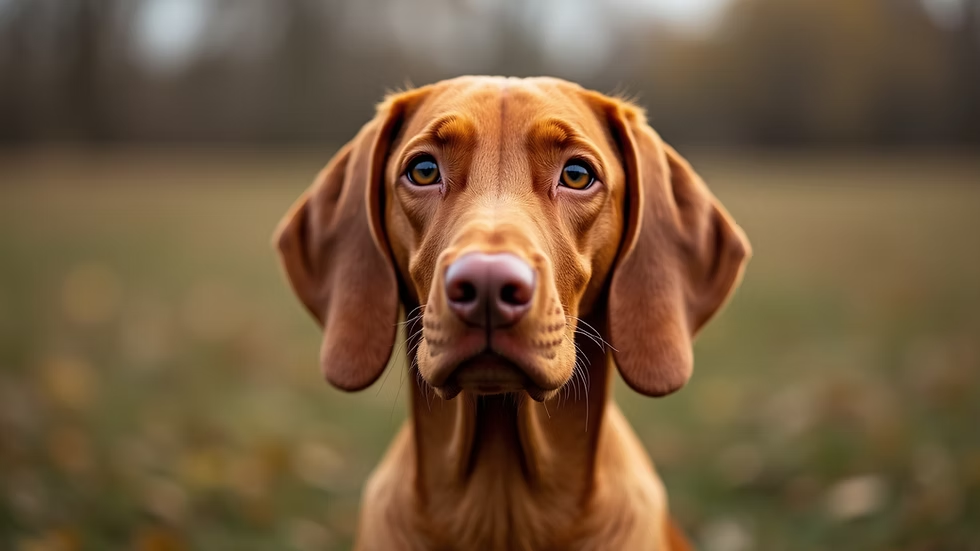
Image source: Bing (Web (fair-use with source credit))
When you look at a Vizsla up close, you can often see their skin through the coat. That's completely normal. It's also the reason why you need to be so careful about grooming tools.
A brush that works fine on a Golden Retriever's thick coat can scratch a Vizsla's exposed skin without you even realizing it.
Vizslas are also prone to dry skin, especially in winter when indoor heating removes moisture from the air. If you notice your Vizsla scratching more than usual, or if their coat looks dull and flaky, it's usually a sign that their skin is dry. The fix is often simpler than you'd think.
Add a small amount of fish oil to their food after checking with your vet. Use a humidifier in your home during dry months. Avoid over-bathing.
Ensure they're drinking enough water.
One more thing to understand: Vizslas have sensitive skin that reacts to environmental allergens. Pollen, dust mites, and even certain fabrics can cause irritation. If you notice your Vizsla developing red patches or breaking out in hives, it's worth mentioning to your vet.
It may not be related to grooming at all, but it's something to watch.
The takeaway here is simple. Respect their coat. It's not designed to handle aggressive grooming.
It's designed to protect them while keeping them nimble and fast. And it only works well when the skin underneath stays healthy.
The Essential Vizsla Grooming Kit
You don't need a closet full of grooming supplies for a Vizsla. In fact, buying too many tools is a common mistake. More tools means more temptation to over-groom, and over-grooming is exactly what you want to avoid.
Here's what our research suggests for a well-stocked but minimal kit:
Brushes and Combs
- Rubber curry comb: This is your workhorse. The rubber bristles are gentle on the skin while effectively loosening and collecting dead hair. Look for one with medium-density bristles that you can easily wash off. Use it in a circular motion to massage the skin and distribute oils.
- Hound glove: A glove with soft rubber tips that fits over your hand. It does the same job as a curry comb but feels more like a petting session to your dog. This is excellent for Vizslas that are sensitive about being brushed.
- Soft bristle brush: Optional, but useful for the finishing pass. Look for one with natural boar bristles that are gentle on the skin. Use it only for a light sweep after the curry comb.
What to avoid:
- Metal shedding blades or rakes designed for double-coated breeds.
- Stiff nylon brushes.
- Furminator-style tools. They work by removing undercoat, which Vizslas don't have in abundance. Using one is overkill and can irritate the skin.
Nail Care
Nail trimming is the part that most owners dread. But it's essential for your Vizsla's comfort and joint health. Long nails can cause the toes to spread, leading to pain and difficulty walking.
They can also catch on furniture or crack painfully.
You have two main options:
| Tool | Pros | Cons |
|---|---|---|
| Nail clippers (guillotine or scissor style) | Fast, quiet, inexpensive | Higher risk of cutting the quick if you're not careful |
| Nail grinder (rotary tool) | More precise, less risk of quicking, smoother edges | Noisier, takes longer, requires habituation |
Manufacturer specifications and aggregate user reviews suggest that grinders are safer for Vizslas, especially if your dog has dark nails where the quick is hard to see. The downside is the noise. Many dogs are initially scared of the whirring sound.
You'll need to spend time desensitizing your Vizsla to the grinder before using it for real.

Image source: Bing (Web (fair-use with source credit))
Bathing Supplies
- Dog-specific oatmeal shampoo: Look for a formula designed for sensitive skin. Oatmeal is naturally soothing and helps maintain moisture balance. Avoid human shampoos entirely. Their pH balance is different and can disrupt your dog's skin barrier.
- Dog conditioner (optional): A lightweight conditioner can help maintain coat softness. If you live in a dry climate or your dog has dry skin, it can help.
- Microfiber towels: These are far more absorbent than regular towels and gentler on the skin. Have at least two on hand for bath day.
- Non-slip bath mat: Place this in the tub so your Vizsla feels secure. A dog that slips on a wet tub floor will start resisting bath time.
Ear and Dental Care
- Vet-approved ear cleaning solution: This should be alcohol-free and designed for dogs. Avoid using hydrogen peroxide or vinegar solutions, which can irritate the ear canal.
- Cotton balls or rounds: Use these to apply the ear cleaner. Never use cotton swabs, as they can push debris further into the ear canal and damage the eardrum.
- Dog-specific toothbrush and enzymatic toothpaste: Never use human toothpaste. It contains fluoride and can be toxic to dogs. Enzymatic toothpaste is designed to break down plaque effectively.
Sun Protection
- Pet-safe sunscreen: This is non-negotiable for Vizslas. Their thin coat and exposed skin make them highly vulnerable to sunburn. Look for a sunscreen formulated specifically for dogs. Human sunscreen can contain zinc oxide or other ingredients that are toxic to dogs.
Here's the thing to remember about a grooming kit: you're not collecting items for the sake of having them. Every tool should serve a clear purpose. If you're not using it, it's just clutter.
And with Vizslas, less clutter means less stress for both you and your dog.
Step-by-Step: How to Groom Your Vizsla at Home
Now let's put it all together. Here's the full grooming process, from start to finish, the way it should actually happen in your home.
Step 1: Pre-Brushing
Start with a dry coat. Run your rubber curry comb or hound glove over your Vizsla's entire body in gentle circular motions. This loosens dirt, removes loose hair, and stimulates the natural oil production in their skin.
Pay extra attention to the neck, where friction from collars can dull the coat, and the hindquarters, where shedding is most noticeable.
You'll be surprised how much hair comes off a "short-haired" dog. That's normal. It's dead hair that would otherwise end up on your furniture.
Step 2: Bathing
Bathing a Vizsla isn't about scrubbing hard. It's about gentle, thorough cleansing without stripping their natural oils.
Use lukewarm water, around 95 to 100 degrees Fahrenheit. Anything hotter will dry out their skin. Wet your dog completely from the neck down.
Don't pour water directly over their head. Use a damp cloth to clean their face instead.
Dilute the shampoo in a cup before applying. This ensures even distribution and prevents a concentrated blob from sitting on one spot of their skin. Work the shampoo from the neck down, using your hands to massage it into the coat.
Let it sit for a minute to do its job, then rinse thoroughly. Rinse twice. Residual shampoo can cause itching and flakiness.
Step 3: Drying
This is where most owners make their first mistake. They let their Vizsla air dry. Don't do that.
A damp coat can lead to skin irritation and, in cooler weather, can make your dog uncomfortably cold.
Use a microfiber towel and press it against the coat to absorb moisture. Don't rub vigorously. That can cause tangles and irritate the skin.
If your Vizsla tolerates a blow dryer, use it on the lowest heat setting and keep it moving constantly. Keep it at least 12 inches away from their skin.
Step 4: Brushing After Drying
Once the coat is completely dry, do a second pass with your rubber curry comb. This is when the coat looks its best. The oils have been distributed, the hair is clean, and the natural shine comes through.
This pass also helps remove any remaining loose hair that the bath loosened.
Step 5: Nail Trimming
The moment everyone dreads. Here's how to do it safely.
Start with the hind paws. Vizslas are often less sensitive about their back feet. If your dog has clear or white nails, you can see the quick as a pinkish line running through the nail.
Trim just below it. If your dog has dark nails, trim small amounts at a time. Look at the tip of the nail after each cut.
When you see a small dark dot in the center of the cut surface, you're close to the quick.
If you're using a grinder, hold it at a 45-degree angle and work in short bursts. The friction can heat the nail, so don't hold the grinder on one nail for more than three seconds at a time.
Keep styptic powder on hand. If you do hit the quick, apply it to the nail tip with light pressure. It stops the bleeding and reduces pain.
Step 6: Ear Cleaning
Use a cotton ball soaked in a vet-approved ear cleaner. Lift your Vizsla's ear flap and gently wipe the visible part of the ear canal and the inner surface of the ear flap. Don't push the cotton ball deeper into the ear.
You're cleaning, not digging.
If you notice a strong odor, redness, or excessive wax, that's a sign of a potential ear infection. Contact your vet rather than trying to treat it yourself.
Step 7: Dental Care and Nose Protection
Brushing your Vizsla's teeth 2 to 3 times a week with enzymatic dog toothpaste prevents plaque buildup and keeps their breath fresh. Use a dog-specific toothbrush or a finger brush if your dog tolerates it.
After grooming, apply a small amount of pet-safe sunscreen to their nose and the tips of their ears if they'll be spending time outside. This is especially important in summer or in high-altitude areas where UV exposure is stronger.
Common Grooming Mistakes That Hurt Vizslas
Even experienced dog owners make these mistakes with Vizslas. Here's what to avoid.
Mistake 1: Over-Bathing
Bathing more than once every 3 weeks strips the natural oils from your Vizsla's skin. This leads to dryness, itching, and a dull coat. The breed doesn't have an odor problem like some other dogs, so they simply don't need frequent baths.

Image source: Bing (Web (fair-use with source credit))
The exception is when they roll in something messy or develop a skin condition that requires medicated baths. In that case, follow your vet's instructions.
Mistake 2: Using the Wrong Brush
Stiff bristle brushes, metal shedding blades, and Furminator-style tools can scratch a Vizsla's exposed skin. These tools are designed for thick, double-coated breeds with a protective undercoat. Vizslas don't have that buffer.
Stick to rubber curry combs and hound gloves. Your dog will thank you.
Mistake 3: Hitting the Quick
Nail quicking is painful and bloody. It can make your Vizsla fearful of nail trims permanently. If you're not confident about clipping, use a grinder.
It removes tiny amounts of nail at a time and is far more forgiving.
Mistake 4: Ignoring Ear Moisture
Vizslas love water. They'll swim in lakes, puddles, and anywhere else they can find. But moisture trapped in their long, floppy ears creates the perfect environment for bacterial and yeast infections.
Dry their ears thoroughly after every water session.
Mistake 5: Skipping Sunscreen
Most owners don't think about sunscreen for their dogs. Vizslas need it. Their thin coat and exposed skin, particularly on the nose, the ears, and the belly, make them prone to sunburn.
Repeated sunburn increases the risk of skin cancer. Apply pet-safe sunscreen before extended outdoor time.
Mistake 6: Using Human Shampoo
Human shampoo has a different pH level than dog shampoo. Using it disrupts your Vizsla's skin barrier, leading to dryness, itching, and flakiness. Always use a dog-specific shampoo.
It's formulated to match canine skin pH.
Mistake 7: Rushing the Process
Vizslas are sensitive creatures. If you rush through grooming, they'll feel it. They may squirm, whine, or resist future sessions.
Take your time. Make it a positive experience with treats and praise. The 15 minutes you spend once a week will build trust that lasts a lifetime.
How Often Should You Groom a Vizsla? A Practical Schedule
Consistency matters more than intensity. Here's a simple schedule that works for most Vizsla owners:
| Grooming Task | Frequency | Time Needed |
|---|---|---|
| Full body brushing (curry comb) | 2–3 times per week | 10–15 minutes |
| Nail trimming | Every 2–4 weeks | 5–10 minutes |
| Ear cleaning | Every 2 weeks or after swimming | 5 minutes |
| Bathing | Every 4–6 weeks | 20–30 minutes |
| Dental brushing | 2–3 times per week | 2–3 minutes |
| Face wiping | As needed | 1 minute |
| Full coat check (ticks, bumps, burrs) | After every outdoor session | 2–3 minutes |
Adjust based on your dog's lifestyle. A Vizsla that runs through fields daily will need more frequent tick checks and baths than a city dog that sticks to sidewalks.
When to Skip DIY Grooming and Call a Professional
You don't need a professional groomer for routine Vizsla maintenance. The breed is too low-maintenance to justify regular appointments. But there are situations where you should seek help.
- Skin issues: If your Vizsla has persistent rashes, hot spots, or flaky skin despite proper care, see your vet first. Don't try to treat it with grooming products.
- Nail anxiety: If your Vizsla becomes aggressive or extremely fearful during nail trims, a professional groomer or your vet's office can handle it. They have experience with anxious dogs.
- Matted fur (rare): While Vizslas rarely mat, it can happen in areas of friction, like around the collar. A professional can safely remove mats without damaging the skin underneath.
- Anal gland issues: If your Vizsla is scooting or licking excessively, their anal glands may need expressing. This is a job for a vet, not a groomer.
Expert Tips for Making Grooming Easier and More Enjoyable
Grooming shouldn't feel like a chore. It should feel like bonding time. Here's how to make that happen.
Start Young
If you have a puppy, handle them every day. Touch their paws, their ears, their tail. Make it a game.
Puppies that grow up comfortable with being handled are far easier to groom as adults.
Use Positive Reinforcement
Give your Vizsla treats throughout the grooming session. Small, high-value treats work best. This teaches them that grooming leads to good things.
Over time, they'll actually look forward to it.
Keep Sessions Short
Don't try to do everything at once. If your dog is restless, do a brush today and nails tomorrow. Short positive sessions beat long stressful ones every time.
Match Your Energy
Vizslas are mirrors. If you're calm, they'll be calm. If you're anxious, they'll pick up on it.
Take a deep breath before you start. Play soft music if it helps. Make grooming a peaceful ritual.
Make It Routine
Dogs thrive on predictability. If you groom at the same time each week, your Vizsla will learn the rhythm and know what to expect. That reduces anxiety for both of you.
Frequently Asked Questions
Do Vizslas need to be clipped or shaved?
No. Vizslas have a short, single-layer coat that doesn't require clipping or shaving. Their coat naturally stays short and dense.
Shaving offers no benefit and removes their natural protection against sun and insects.
Why does my Vizsla shed so much if they have a short coat?
Vizslas shed year-round, but significantly more during spring and fall. The short hairs are fine and can work into fabrics easily. Daily brushing during these periods helps manage the loose hair.
Can I use human shampoo on my Vizsla?
Never. Human shampoo has a different pH level, typically around 5.5, while dog skin is closer to 7.5. Using human shampoo disrupts the natural acid mantle of your dog's skin, causing dryness, itching, and irritation.
Always use a dog-specific shampoo.
How do I get burrs and debris out of my Vizsla's coat after hunting?
Let the coat dry completely first. Burrs come out much easier when they're dry. Use a rubber curry comb to work through the hair and remove loose debris.
For stubborn burrs, gently work them free with your fingers. Don't cut the burr out unless it's severely tangled.
How do I know if my Vizsla has an ear infection?
Signs include persistent scratching at the ears, head shaking, redness inside the ear flap, a strong odor, or dark brown or yellow discharge. If you notice any of these symptoms, contact your vet for treatment rather than attempting home remedies.
Is a nail grinder or clippers better for a Vizsla?
A nail grinder is generally safer for Vizslas. It's more precise and less likely to hit the quick, especially on dark nails where the quick is hard to see. The downside is the noise.
Spend time desensitizing your dog to the sound before using it.