
If you've just brought home an Akita, you're probably staring at that thick, plush coat and wondering what you've gotten yourself into. Fair question. Learning how to groom an Akita isn't just about keeping your house presentable.
It's a core part of keeping the dog healthy. This breed's double coat does serious work, regulating temperature and protecting the skin from the elements. The way you care for it makes all the difference.
Getting it wrong can cause permanent damage. Shaving an Akita ruins the guard hairs and can lead to lifelong coat and skin problems. As of 2026, the American Kennel Club breed standard is explicit: the coat should never be altered.
Understanding the structure of that coat is the first step to building a grooming routine that works for both of you. Let's break it down.
Quick Answer
Groom an Akita by brushing weekly with a metal undercoat rake and slicker brush. Bathe every 8 to 12 weeks with dog-safe shampoo. Never shave the coat.
During shedding season, brush daily to control loose fur. Trim nails monthly. Clean ears and brush teeth regularly.
That routine keeps the coat and skin healthy.
Why Grooming an Akita Is Different (and Why It Matters)
Most dogs have a single coat. Akitas have a double coat, and that changes everything about grooming. The outer layer is made of coarse, straight guard hairs.
Underneath sits a dense, soft undercoat that acts as insulation. Together, they protect the dog from heat, cold, and moisture.
The problem is that undercoat sheds. A lot. Not just in spring and fall, but continuously throughout the year.
If you only brush the top layer, the loose undercoat stays trapped near the skin. That's how mats form, and mats are painful. They pull at the skin, trap moisture, and can hide skin infections.
There's also a temperament factor. Akitas are independent and often not thrilled about being handled. A rushed, rough grooming session can turn into a battle of wills.
The breed is known for being stubborn, so grooming needs to be a calm, cooperative experience. That's why the right technique and tools matter as much as the frequency.
This isn't a breed where you can wing it with a generic brush from the supermarket. You need a strategy. You need the right tools.
You need to understand what the coat is doing and why. That's what we're going to cover here, in detail, so you can avoid the mistakes that ruin coats and damage trust.
What the Double Coat Actually Does
The guard hairs are the first line of defense. They repel water and dirt and protect the skin from UV rays. The undercoat is the insulation layer.
It traps air close to the body, keeping the Akita warm in winter. In summer, it actually helps keep them cool by insulating against outside heat.
When you brush an Akita, you're not just removing loose fur. You're helping that insulation system work. You're allowing air to circulate through the coat and reach the skin.
You're preventing the undercoat from matting into a felt-like layer that holds heat and moisture against the body.
A healthy double coat is also a sign of overall health. Dull, brittle fur or excessive shedding outside of seasonal cycles can indicate nutritional deficiencies, parasites, or skin disease. Grooming time doubles as a health check, which is why the weekly session is so valuable.
Why Wrong Grooming Causes Permanent Damage
Here's the hard truth. The guard hairs on an Akita do not grow back the same way after they're cut. Once shaved, the coat often regrows patchy, thin, and in some cases, it may not regrow at all.
This is called post-clipping alopecia, and it's a well-documented issue in double-coated breeds.
The guard hairs are slow-growing and delicate. When you shave them off, the hair follicles can go into a resting phase. Some never recover.
The result is an Akita that looks scraggly and has lost its natural protection from the elements.
Even brushing wrong can cause damage. Using a bladed deshedding tool, like a Furminator, cuts through the guard hairs while pulling out the undercoat. Over time, this thins the protective outer layer.
The coat loses its texture and its ability to repel water. You end up with a dog that gets cold, hot, and dirty much faster.
The stakes are real. A damaged coat is a health issue, not just an aesthetic one. The good news is that with the right education, you can avoid all of it.
That starts with understanding exactly what tools you need.
The Akita Coat: What You're Actually Working With
Before you pick up a brush, you need to know what you're dealing with. The Akita coat isn't just thick. It has a specific structure, texture, and shedding cycle that dictates your entire grooming approach.
The guard hairs are stiff and straight. They can be a bit coarse to the touch, which is normal. They're designed to stand up and shed water.
The undercoat, on the other hand, is soft, woolly, and incredibly dense. It's the undercoat that sheds in clumps during blowout season.
Coat Texture and Density
An Akita's coat feels different depending on where you touch. The neck and shoulders tend to have the thickest fur. The legs and face have shorter, finer hair.
The tail is heavily coated and curls over the back.
The density is remarkable. When you part the coat, you shouldn't immediately see the skin. You should see a thick layer of soft undercoat.
This density is what keeps the dog warm in freezing temperatures and protects against wind and rain.
This density also means that dirt, debris, and loose fur can get trapped deep in the coat, close to the skin. If you don't brush regularly, that trapped material can cause irritation and skin problems. Mats, which start as small tangles, can quickly become dense, painful clumps that need to be shaved out.
The Seasonal Shedding Cycle
The Akita "blows" its coat twice a year, typically in late spring and early fall. This is a dramatic process. The undercoat essentially dies and sheds out in large clumps over several weeks.
During this time, it's not unusual to brush out enough fur to stuff a pillow.
This is a natural process. It's regulated by daylight hours, not temperature. Indoor Akitas, exposed to artificial light, may shed more continuously throughout the year.
Their bodies don't get the same seasonal triggers as dogs living mainly outdoors.
During blowout season, daily brushing is essential. If you skip even a few days, the dead undercoat compacts and mats. It's during these periods that many owners panic and consider shaving the dog.
Don't. You just need a more intensive brushing schedule.
How Indoor Living Affects Shedding
Dogs that live exclusively indoors tend to shed more consistently. Central heating dries out the skin, which can increase flaking and itching. Artificial light disrupts the natural cycle, so you might see moderate shedding year-round instead of two big blowouts.
This doesn't change your grooming routine. It just means more frequent light brushings between the major seasonal sheds. A quick 15-minute session every few days will keep the loose fur under control and prevent it from settling into your furniture and carpets.
You'll also want to pay attention to your dog's skin. Dry indoor air can make the skin flaky, and brushing helps distribute the natural oils across the coat. Just don't over-bathe, which strips those oils and makes the problem worse.

Image source: Bing (Web (fair-use with source credit))
Grooming Tools You Actually Need (and What to Skip)
Walking into a pet store can be overwhelming. There are brushes, rakes, combs, and deshedding tools for every imaginable purpose. For an Akita, you don't need much.
But what you do need has to be the right kind.
The wrong tools can damage the coat. The right tools make grooming sessions quick and effective. Here's what belongs in your grooming kit and what you should leave on the shelf.
The Essential Toolkit
| Tool | Purpose | How Often to Use |
|---|---|---|
| Metal undercoat rake | Removes loose undercoat deep in the coat | Weekly; daily during blowout |
| Slicker brush | Finishes the topcoat, removes small tangles | Weekly; daily during blowout |
| Wide-tooth comb | Checks for mats, works through the tail and leg fur | Every session |
| Dog-safe shampoo and conditioner | Cleans and moisturizes the coat and skin | Every 8 to 12 weeks |
| High-velocity dryer | Dries the coat quickly, blows out loose undercoat | After baths |
| Nail clippers or grinder | Trims nails safely | Every 4 to 6 weeks |
| Dog-specific ear cleaner | Prevents moisture buildup and infections | Monthly |
| Dog-safe toothpaste and brush | Maintains dental health | Several times per week |
The Metal Undercoat Rake
This is the most important tool you'll own. A metal rake with long, sturdy pins reaches deep into the coat and pulls out the dead undercoat without cutting the guard hairs. Look for pins that are about 1.5 to 2 inches long, with a rotating head that follows the contour of the dog's body.
You'll use this tool the most. It's the one that makes the biggest difference in controlling shedding. During blowout season, you'll pull out massive clumps of fur with each stroke.
That's exactly what you want.
The Slicker Brush
A slicker brush has fine, short wires set closely together on a flat or curved base. It's used to remove loose hair and mats from the top layer of the coat and to smooth the fur after raking. It's also useful for the longer fur on the tail and the backs of the legs.
Be gentle with the slicker. Pressing too hard can scratch the skin, especially if your Akita has sensitive skin. Use light, sweeping strokes and let the brush do the work.
Tools to Avoid at All Costs
The biggest offender is the bladed deshedding tool, such as the Furminator. These tools are designed with a steel blade edge that cuts through the coat. While they do remove undercoat, they also cut the guard hairs.
Over time, this thins the protective outer coat and ruins its texture and water resistance.
Avoid clippers and scissors for the body unless your veterinarian specifically recommends them for a medical reason. Akitas are a natural-coated breed. Shaving is never a grooming option.
Avoid human shampoo and cheap "2-in-1" dog shampoos. These strip natural oils from the skin, leading to itchiness and flaking. Use a high-quality dog shampoo formulated for double-coated breeds or sensitive skin.

Image source: Bing (Web (fair-use with source credit))
Step-by-Step Akita Grooming Routine
Now that you have the right tools, let's walk through the actual grooming process. The goal here is a calm, efficient session that keeps your Akita comfortable and your house relatively fur-free.
The entire process, excluding nail trimming and bathing, should take about 30 to 45 minutes. During blowout season, you'll spend more time because there's simply more fur. That's normal.
The key is to be consistent and patient.
Pre-Grooming Inspection
Before you bring the brush anywhere near your dog, take a few minutes to look them over. Part the fur in several spots and check the skin for redness, flaking, lumps, bumps, or signs of parasites like fleas or ticks. This is your best chance to catch skin issues early.
Run your hands over the entire body. Feel for mats, especially in these high-friction areas:
- Behind the ears
- Under the collar
- In the armpits
- On the backs of the thighs
- Around the tail base
If you find a mat, don't panic. You can work it out with your fingers and a comb, but only if it's small and loose. Large, tight mats close to the skin should be handled by a professional groomer or veterinarian.
Line-Brushing Technique
Forget brushing the top of the coat in circles. That doesn't reach the undercoat. You need to use a technique called line-brushing.
It's more methodical, but it's the only way to properly remove undercoat and prevent mats.
Here's how it works:
- Part the hair with your fingers or the end of a comb to expose the skin.
- Brush that exposed line of fur from the skin outward, using your rake.
- Move your part over by an inch or two.
- Repeat until you've worked across the entire body.
This section-by-section approach ensures every part of the coat gets brushed down to the skin. It takes longer than a quick pass-over, but it's what prevents the trapped undercoat from matting.
Bathing the Right Way
Akitas don't need frequent baths. Every 8 to 12 weeks is plenty, unless the dog gets into something messy. Over-bathing strips the natural oils that keep the coat healthy and the skin moist.
When it's time for a bath, use lukewarm water, around 90 to 100 degrees Fahrenheit. Hot water irritates the skin and can cause itching. Cold water won't clean effectively.
Wet the coat thoroughly. Apply a dog-specific shampoo and work it into a lather, massaging gently down to the skin. Rinse completely.
Any shampoo residue will cause itching and flaking.
Follow with a conditioner designed for dogs. Let it sit for a couple of minutes, then rinse thoroughly. The conditioner helps detangle the coat, reduces static, and leaves the fur soft and shiny.
Drying Without Damaging the Coat
The hardest part of bathing an Akita is drying them. Their dense undercoat holds moisture for a long time. If left to air dry, the damp coat can develop a sour smell and the skin can become irritated.
A high-velocity dryer is the best tool for the job. It blows the water out of the coat and speeds up drying significantly. You can also use it to blow out loose undercoat, reducing shedding for a few weeks after the bath.
If you don't have a high-velocity dryer, use towels to absorb as much moisture as possible, then let the dog dry in a warm room. Make sure they're completely dry before going outside in cold weather.
Nail Trimming and Paw Care
Long nails are painful for dogs. They change the way the dog walks and can cause joint problems over time. Check your Akita's nails every few weeks.
If you hear them clicking on the floor, they're too long.
Use a nail grinder or clippers designed for dogs. Cut just below the quick, the pink area inside the nail that contains blood vessels and nerves. If you're not sure where the quick starts, trim a little at a time.
Also, check the paw pads for cracks, cuts, or debris. In winter, ice and salt can collect between the toes. In summer, hot pavement can burn the pads.
Regular inspection keeps problems from becoming serious.
Ear and Dental Care
Akitas have thick, erect ears that don't get much airflow. That makes them prone to moisture buildup and infection. Clean the ears monthly with a dog-specific ear cleaner and cotton balls.
Don't use cotton swabs, which can push debris deeper into the ear canal.
Dental care is often overlooked, but it's critical for overall health. Brush your Akita's teeth several times a week with a dog-specific toothpaste. Dental disease can lead to tooth loss and infections that spread to the heart and kidneys.
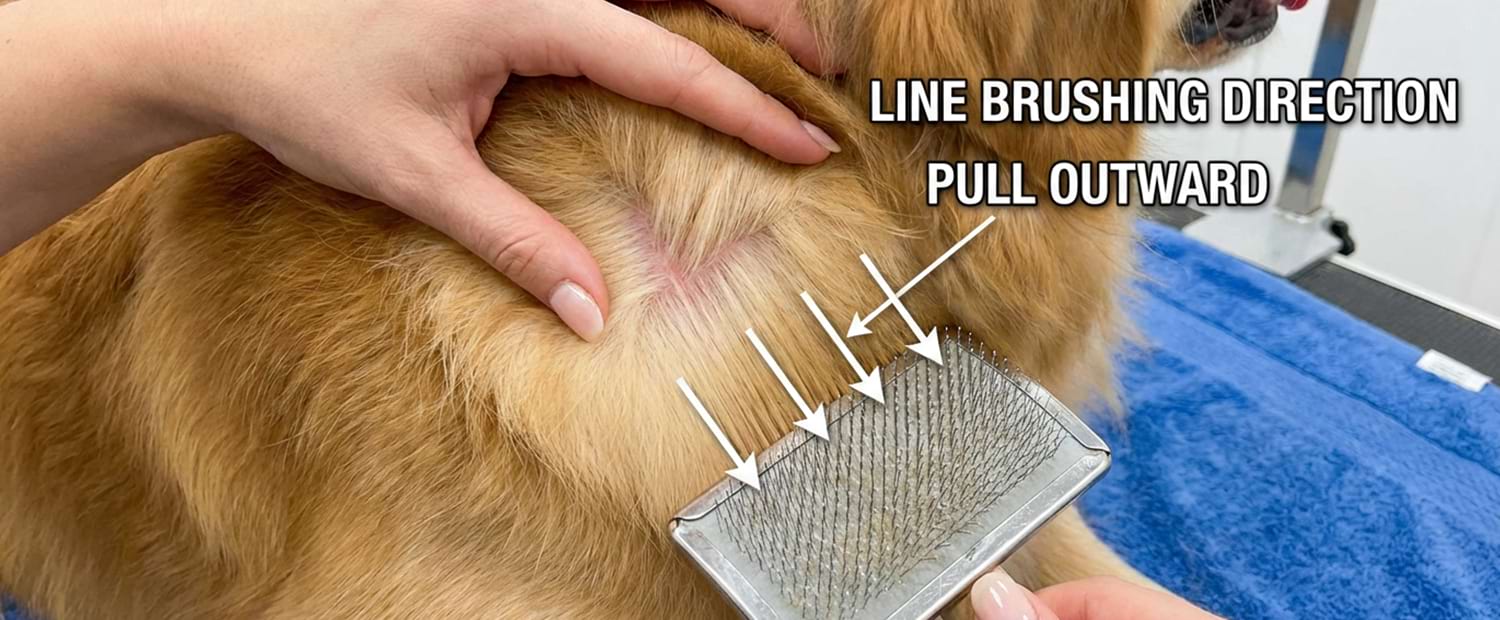
Image source: Bing (Web (fair-use with source credit))
How Often Should You Groom an Akita?
Consistency is everything with an Akita. Miss a few weeks of brushing, and you'll be dealing with mats that take hours to untangle. Stick to a schedule, and grooming becomes a quick, manageable part of your weekly routine.
The schedule changes with the seasons. Here's a breakdown of what to expect and when.
Weekly Maintenance Schedule
During most of the year, a thorough brushing once a week is sufficient. This session should take about 30 to 45 minutes and should include:
- A full line-brushing with your undercoat rake
- A pass with your slicker brush to smooth the topcoat
- A quick check for mats, especially behind the ears and under the collar
- A visual check of the skin for any issues
This weekly session keeps the undercoat from building up and keeps your house mostly fur-free. It's also the time to check nails and ears, though those need less frequent attention.
Blowout Season Protocol
Twice a year, usually in spring and fall, the undercoat sheds dramatically. During this period, which can last three to six weeks, you'll need to brush daily. Each session can take up to an hour, depending on how much fur is coming out.
Don't skip days during blowout. The loose undercoat forms mats quickly when it compacts against the skin. Daily brushing also prevents the fur from ending up all over your house, which is a major benefit for anyone who values a fur-free couch.
Bathing Frequency and Natural Oils
There's a balance to strike with bathing. Too much, and you strip the natural oils that keep the coat waterproof and the skin healthy. Too little, and the dog smells and gets dirty.
Here's a simple guideline:
- Normal schedule: Bath every 8 to 12 weeks
- Heavy shedding: Bathing can help loosen and remove dead undercoat, but don't do it more than every 6 weeks without a good reason
- After messy activities: Spot-clean or rinse with water instead of doing a full shampoo bath
Always use a high-quality, pH-balanced dog shampoo and follow with a conditioner. This replenishes moisture and keeps the coat in top condition.
Nail, Ear, and Dental Intervals
These routine care items have their own schedules:
| Task | Frequency | Notes |
|---|---|---|
| Nail trimming | Every 4 to 6 weeks | Trim more often if nails click on the floor |
| Ear cleaning | Monthly | Check for redness, odor, or discharge |
| Teeth brushing | 2 to 3 times per week | Daily is best to prevent dental disease |
Catching nail and ear issues early prevents painful problems down the line. An Akita with an ear infection is miserable, and a dog with overgrown nails limps.
Mistakes That Ruin an Akita's Coat Permanently
Some grooming mistakes are cosmetic setbacks. Others cause permanent damage. Knowing the difference can save your Akita's coat and your wallet.
Here are the mistakes that do real, lasting harm.
Shaving or Clipping the Coat
Shaving an Akita is the single most damaging thing you can do. The guard hairs are slow-growing and delicate. Cutting them off can push the hair follicles into a resting phase.
Some follicles never recover.
The result is a condition called post-clipping alopecia. The coat regrows patchy, thin, and discolored. In severe cases, it doesn't regrow at all.
This is why every responsible groomer and veterinarian will tell you to never shave a double-coated breed.
The coat is also functional. It regulates temperature and protects the skin from sun, wind, and moisture. Shaving removes that protection entirely.
The dog loses its ability to stay warm in winter and avoid heat stroke in summer.
Over-Bathing and Skin Damage
Bathing too frequently strips the skin of its natural oils. Those oils keep the coat waterproof and the skin healthy. Without them, the skin becomes dry, flaky, and irritated.
The cycle is vicious. Dry skin itches. The dog scratches and licks, which damages the skin further.
The skin produces more oil to compensate, which makes the coat greasy and smelly. The owner responds by bathing more, and the cycle continues.
Stick to the 8 to 12 week schedule. If your Akita gets dirty between baths, spot-clean with a damp cloth or use a waterless shampoo designed for dogs.
Brushing Only the Top Layer
Brushing the top of the coat makes it look nice, but it does nothing for the undercoat. The loose undercoat stays trapped near the skin, where it mats and causes discomfort.
Mats are not just ugly. They pull at the skin, restrict movement, and trap moisture against the body. That creates the perfect environment for bacterial and fungal infections.
Proper grooming means line-brushing all the way down to the skin. It takes longer, but it's the only way to remove the undercoat and prevent mats.
Using Bladed Deshedding Tools
Tools like the Furminator have a steel blade edge that cuts through the coat. They're effective at removing undercoat, but they also cut the guard hairs. Over time, this thins the protective top layer.
A damaged guard coat loses its water resistance and its ability to repel dirt. The coat texture changes, becoming softer and more prone to matting. For a breed standard that calls for a coarse, straight topcoat, this is a real problem.
Skip the bladed tools. A heavy-duty undercoat rake does the same job without damaging the coat.
Aggressive Brushing and Brush Burn
Brushing too hard can cause brush burn, a painful skin abrasion. Along with scratches and raw patches, aggressive brushing creates open skin that can become infected. It also makes the dog hate grooming.
Most Akitas will tolerate grooming if it's calm and gentle. They'll also tell you when they've had enough. Pay attention to signs like lip licking, yawning, or trying to move away.
Respect those signals and end the session.

Image source: Bing (Web (fair-use with source credit))
Akita Grooming by Season: Adapting to Climate and Shedding
Grooming isn't a one-size-fits-all routine. The seasons change, and your Akita's coat changes with them. Adapting your approach keeps the coat healthy year-round.
Spring and Fall Blowout Protocols
Spring and fall are the heavy shedding seasons. The undercoat blows out in large clumps over three to six weeks. This is the most demanding time for grooming.
Brush daily during blowout. Use your undercoat rake to remove the dead undercoat. Follow with a slicker brush to smooth the topcoat.
Bathing at the start of blowout can help loosen dead fur and speed up the process.
Summer Care Without Shaving
In summer, your instinct might be to shave the coat to keep the dog cool. That's exactly the wrong thing to do. The double coat actually insulates against heat.
The undercoat traps cool air near the skin and blocks out the sun's heat. Remove that layer, and the sun can hit the skin directly, which can cause sunburn and overheating. Keep the coat intact and provide plenty of shade and water.
Winter Grooming and Dry Indoor Air
Winter brings its own challenges. Central heating dries out the skin, causing flaking and itching. The coat can become static-prone, which makes brushing less effective.
Use a humidifier to add moisture back into the air. Continue brushing weekly to distribute natural oils through the coat. In colder climates, the undercoat thickens, requiring more frequent brushing to manage the extra fur.
When to Call a Professional (and How to Choose One)
Some grooming tasks are best left to the pros. Knowing when to hand over the job can save your dog a lot of discomfort.
Signs You Need a Professional
- You find large, tight mats close to the skin
- Your Akita becomes aggressive or extremely anxious during grooming
- You can't trim nails safely due to dark nails or a wiggly dog
- You need a deep blowout but don't have the right dryers
- Your dog has fleas, ticks, or a skin condition you can't identify
A professional groomer has the equipment and experience to handle these situations safely.
Finding a Groomer Experienced with Double-Coated Breeds
Not every groomer understands double-coated breeds. Some will reach for a bladed deshedder or suggest shaving. Interview potential groomers and ask about their experience with Akitas.
Ask to see examples of their work. Check reviews from owners of double-coated breeds. A good groomer will be happy to explain their process and should never suggest shaving an Akita for non-medical reasons.
Groomer Safety and Muzzle Training
Akitas have a reputation for being difficult at the groomer. If your Akita is stressed or has shown signs of aggression, muzzle training before the appointment is wise.
A basket muzzle allows the dog to pant and drink water, while keeping the groomer safe. Start muzzle training weeks before the appointment. Use treats and positive reinforcement to create a positive association.
Building a Grooming Routine Your Akita Will Tolerate
Grooming a stubborn, independent dog isn't about forcing them. It's about creating a routine that feels safe and predictable. Trust is everything.
Desensitization and Cooperative Care
Cooperative care is the philosophy that your dog has a choice in handling. Instead of forcing your Akita to accept grooming, you teach them to participate willingly.
Start by touching your dog's paws, ears, and tail for a few seconds at a time. Reward with treats and praise. Gradually increase the duration.
Pair each step with positive reinforcement, and the dog learns that being handled isn't a threat.
Reading Your Dog's Stress Signals
Akitas are expressive if you know what to look for. Subtle signs of stress include:
- Lip licking
- Yawning
- Whale eye (showing the whites of the eyes)
- A tight, stiff body
- Tucked tail
End the grooming session if you see these signs. Push a stressed dog too far, and you risk a bite. Short, positive sessions build trust over time.
Making Grooming a Bonding Experience
The goal is simple: grooming should be a positive interaction, not a battle. You want your Akita to associate being brushed with treats, praise, and calm time together.
Keep sessions short and end on a positive note. Give a high-value treat after every session. The more your dog trusts you, the easier every future grooming session becomes.
Frequently Asked Questions
Can I use a Furminator on my Akita?
No. The Furminator is a bladed deshedding tool that cuts through the coat. It removes undercoat, but it also cuts and thins the guard hairs.
Over time, this damages the protective outer layer and ruins the coat texture. A heavy-duty metal undercoat rake is the right tool for the job.
Is it safe to shave an Akita in summer?
Never shave an Akita. The double coat insulates against heat, not just cold. Shaving exposes the skin to sunburn and overheating.
It also damages the guard hairs, which may not regrow properly. This causes permanent coat damage and can lead to post-clipping alopecia.
Why does my Akita smell even after a bath?
The dense undercoat holds moisture and odor. If the coat wasn't completely dried, bacteria can grow, which creates a sour smell. This is why high-velocity drying is so important.
Also, rule out ear infections or skin conditions, both of which produce noticeable odors.
How do I handle mats close to the skin?
Large, tight mats close to the skin are dangerous to cut. You can easily nick the skin with scissors or a razor. Stop and call a professional groomer.
For small, loose mats, work them out gently with your fingers and a wide-tooth comb, starting at the edges and working inward.
What's the best way to manage fur around the house?
The best answer is prevention. Brush your Akita outside or in a garage during heavy shedding periods. Use a high-velocity dryer outdoors after baths to blow out loose undercoat.
Inside, a robot vacuum and lint rollers are your best friends. Just don't expect to eliminate fur entirely.
Final Verdict: Your Akita Grooming Cheat Sheet
Grooming an Akita comes down to consistency and the right tools. Build a routine that works for both of you, and it becomes a bonding experience rather than a chore.
| Frequency | Task |
|---|---|
| Daily (during blowout) | Full line-brushing with undercoat rake |
| Weekly | Line-brushing, slicker pass, mat check |
| Every 8 to 12 weeks | Bath with dog-safe shampoo and conditioner |
| Every 4 to 6 weeks | Nail trimming |
| Monthly | Ear cleaning |
| 2 to 3 times per week | Teeth brushing |
The most critical rules are simple: never shave, never use bladed deshedders, and always brush down to the skin. Follow those, and your Akita can keep a healthy, functional coat for life. You do that, and your grooming sessions become a win for both of you.