
You're staring at a wall of brushes, combs, and picks in the tack store, and every single one claims to be essential. The truth is simpler than the marketing suggests.
Building your horse grooming kit essentials doesn't require a second mortgage or a wall of gadgets you'll never touch. It requires understanding what each tool actually does, how your horse's coat type changes the equation, and which purchases genuinely earn their spot in your tack trunk. As of 2026, the market is flooded with options, but the fundamentals haven't changed.
Let's cut through the noise and build a kit that works.

Image source: Bing (Web (fair-use with source credit))
Quick Answer
The essential horse grooming kit includes a rubber curry comb, a dandy brush, a soft body brush, and a sturdy hoof pick. These four tools cover daily maintenance, coat health, and hoof care. Add a shedding blade and slicker brush for seasonal coat changes.
Skip the gimmicks. Buy quality on the core four, and you're set.
The Core Four: Breaking Down Each Essential Tool

Image source: Bing (Web (fair-use with source credit))
Every grooming routine starts here. These four tools are the foundation, the non-negotiables, the tools you'll reach for daily. If you buy nothing else, buy these.
Rubber Curry Comb
The rubber curry comb is your warm-up act. It's the first tool that touches your horse's body, and its job is to loosen dirt, lift dead hair, and stimulate the skin's natural oil production.
Here's what makes a good one: flexible rubber with firm, rounded teeth. The flexibility matters because it conforms to your horse's curves. The rounded teeth matter because sharp edges scratch skin.
How to use it correctly:
- Work in circular motions, starting at the neck
- Apply firm but comfortable pressure
- Move methodically down the body, section by section
- Avoid the spine, hips, and other bony areas
- Use lighter pressure on sensitive horses
Manufacturer specifications suggest a medium-firm rubber compound for most horses. Softer rubber suits thin-coated breeds or sensitive skin. Harder plastic combs work for thick winter coats but risk irritation on bare skin.
Who is it best for? Every horse, every day. There's no substitute.
Dandy Brush
The dandy brush is your dirt remover. It comes after the curry comb, and its job is to flick away the loosened dust and hair that the curry lifted.
The bristles are stiff, usually synthetic or natural fiber set into a wooden or plastic base. The stiffness is the point. It needs to penetrate slightly into the coat without scratching the skin underneath.
The critical technique: flicking, not scrubbing.
- Hold the brush with a relaxed wrist
- Use a quick, snapping motion at the wrist
- Flick the dirt off the coat, don't drag it
- Work from the neck to the tail in the direction of hair growth
Aggregate reviews of grooming techniques report that scrubbing with a dandy brush pushes dirt deeper into the coat and flattens the hair. Flicking lifts it out cleanly.
Who is it best for? Horses that live outdoors, get muddy, or sweat heavily during work. If your horse lives in a pristine stall and rarely rolls, you'll use this less.
Body Brush
The body brush is the finisher. It's soft, dense, and its job is to distribute natural oils through the coat, creating that healthy sheen you see on well-groomed horses.
This is the brush that touches every inch of your horse, including the face. The bristles are fine and close together, often with a cushioned backing.
Why it matters:
- Distributes oils evenly for a natural shine
- Removes fine dust that the dandy brush missed
- Provides a gentle, bonding experience for sensitive horses
- Stimulates blood flow near the skin surface
Use long, sweeping strokes following the lie of the coat. On the face, switch to a gentler touch and shorter strokes.
Who is it best for? Every horse. This is the brush that makes your horse look finished, not just clean.
Hoof Pick
The hoof pick is the tool you'll use most often, period. Every ride starts and ends with hoof picking. Every stable visit includes a quick check.
Stones, mud, and manure pack into hooves constantly, and ignoring them leads to bruising, thrush, and lameness.
What to look for:
- A sturdy metal hook that won't bend
- A comfortable handle that fits your hand
- No sharp edges that could gouge the frog
The American Association of Equine Practitioners recommends hoof picking as part of daily hoof care to prevent common issues like thrush and stone bruises.
The proper technique:
- Run your hand down the leg to signal your horse
- Lift the hoof and support it on your thigh
- Clean from heel to toe, hooking out debris
- Pay special attention to the grooves around the frog
- Check the sole for heat, odor, or unusual sensitivity
Who is it best for? Every horse, without exception. Skip this tool and you're asking for trouble.
The Serious Grooming Tier: When to Add More Tools

Image source: Bing (Web (fair-use with source credit))
The core four handles daily maintenance. But seasons change, coats change, and some horses need more. This tier covers the tools that earn their place during shedding season and for specific coat types.
Shedding Blade
Spring hits, and suddenly your horse looks like a fur factory exploded. The shedding blade is your answer.
This metal loop with small teeth pulls dead hair out in clumps, dramatically speeding up the shedding process. It's aggressive, and that's the point.
When to use it:
- Spring and early summer, when winter coats are blowing
- On horses with thick or double coats
- After a long winter of heavy coat growth
When NOT to use it:
- On the face, legs, or bony protrusions
- On thin-coated horses with sensitive skin
- On sunburned or irritated skin
Technique matters:
- Use short, firm strokes in the direction of hair growth
- Apply moderate pressure, letting the teeth grab the loose hair
- Work in sections, brushing off accumulated hair frequently
- Stop if the horse shows signs of discomfort
Per manufacturer guidelines, shedding blades come in single-sided and double-sided variants. The double-sided versions offer a finer tooth option for more sensitive areas.
Who is it best for? Horses with thick winter coats, anyone dealing with spring shedding, and owners who want to cut grooming time dramatically.
Slicker Brush
The slicker brush looks unassuming, but it's a powerhouse for deep cleaning. Fine, bent wire bristles penetrate the coat to lift dirt, dander, and loose hair that standard brushes miss.
Where it shines:
- Thick coats, drafts, and cobs
- Winter coat maintenance
- Removing dander and dust from deep in the coat
- Preparing the coat before showing
How to use it:
- Short, gentle strokes
- Follow the direction of hair growth
- Apply minimal pressure to avoid scratching
- Use on the body, mane, and tail
The wire bristles are effective, but they demand respect. Too much pressure, and you'll irritate your horse's skin. Test pressure on your own arm first to calibrate.
Who is it best for? Owners of thick-coated breeds, horses that live outdoors, and anyone dealing with persistent dander.
Mane Comb
Mane and tail care is a separate category entirely. The mane comb is your primary tool for detangling and maintaining these long hairs.
What to look for:
- Wide teeth for detangling
- Smooth, polished surfaces that won't snag
- Durable material that won't crack or bend
Avoid cheap plastic combs with visible seam lines. Those seams catch and rip hair. A quality wide-toothed comb or a sturdy metal pick works best.
Proper technique:
- Start at the bottom and work upward
- Hold the hair above the comb to prevent pulling
- Use your fingers for major tangles first
- Apply detangler spray for stubborn knots
Who is it best for? Every horse with a mane and tail worth protecting.
Grooming Sponges
You need two sponges, and they must never cross paths. One for the face, ears, and muzzle. One for the sheath, udder, and dock area.
Why two? Hygiene. Bacteria from the genital area can cause eye infections if transferred to the face. This is a non-negotiable rule.
Selection criteria:
- Natural sea sponges or soft synthetic options
- Absorbent material that holds water well
- Easy to rinse and air dry
Replace sponges every one to two months. They harbor bacteria no matter how well you rinse them.
Who is it best for? Every horse. Face cleaning is essential for daily health, and genital cleaning prevents irritation and infection.
What You Can Skip: Overhyped Products That Waste Money
The horse product industry loves selling you solutions to problems you don't have. We've researched the market, and these products consistently underdeliver.
Hoof Conditioners
The shelf of hoof care products looks impressive, but most horses don't need them. Healthy hooves come from regular trimming, proper nutrition, and consistent exercise. External conditioners are largely cosmetic.
When they're actually warranted: Specific conditions diagnosed by your vet or farrier, like brittle hooves, cracks, or thrush.
Scented Sprays and Shine Products
Some spray-on shine or scented products promise a dazzling coat, but they're usually silicone-based. Silicone coats the hair shaft, which does create shine. It also clogs pores and attracts dust like a magnet.
The result? A shiny horse that's dirty within hours. A white or light-colored horse that looks dull and dingy by evening.
The safer alternative: A drop of baby oil on a soft rag creates the same show-ring shine without the residue problems.
Glove Groomers
These rubber gloves with grooming nubs look convenient. They're not terrible, but they're slow and don't penetrate the coat effectively.
The appointment: They work for a quick once-over before a lesson or a gentle groom for a sensitive horse. They don't replace a curry comb and body brush.
Fancy Hoof Picks with Attachments
The hoof pick with a built-in brush, light, and bottle opener is a novelty, not a tool. The attachments add bulk and fail regularly. A simple, sturdy metal pick wins every time.
The Luxury Upgrade: Is an Electric Vacuum Groomer Worth It?
Electric vacuum groomers like the Grooma have gained serious traction in recent years. They promise a dust-free, friction-free grooming experience, and for many horses, they deliver.
What It Actually Does
A vacuum groomer combines suction with a grooming head. It pulls dirt and dander off the skin while a brush head massages the coat. No dust flies into your face.
No brushing friction irritates sensitive skin.
What Are the Real Benefits?
- Suction removes deep dirt: It reaches dust that manual brushing leaves behind
- Reduced grooming time: A full groom takes 10 to 15 minutes, not 30
- No dust clouds: Great for allergy sufferers and indoor barns
- Gentle on sensitive horses: No pressure or pulling
The Costs and Drawbacks
The price range for a reputable vacuum groomer is $200 to $400, depending on the model and included attachments. Replacement parts and filters add ongoing costs.
Drawbacks to consider:
- Loud noise: Some horses are terrified of the sound
- Cord management: Most require a power outlet nearby
- Maintenance: Filters and hoses need regular cleaning
Manufacturer specifications indicate that the Grooma models are designed for daily use and come with multiple grooming head attachments for different coat types. The horse grooming market has embraced this technology, and aggregate reviews report high satisfaction rates among owners of sensitive or heavy-shedding horses.
Who Should Buy One?
- Owners of horses that hate traditional brushing
- Horses with skin conditions that make friction painful
- Professional barns with multiple horses
- Owners who groom in indoor, dust-sensitive environments
Who Should Skip It?
- Budget-conscious owners with cooperative horses
- Trail riders who groom outdoors anyway
- Owners without convenient power access in the barn
The Grooma is a luxury, not an essential. But for the right horse and owner, it's a game-changer.
Step-by-Step: The Daily Grooming Routine That Works
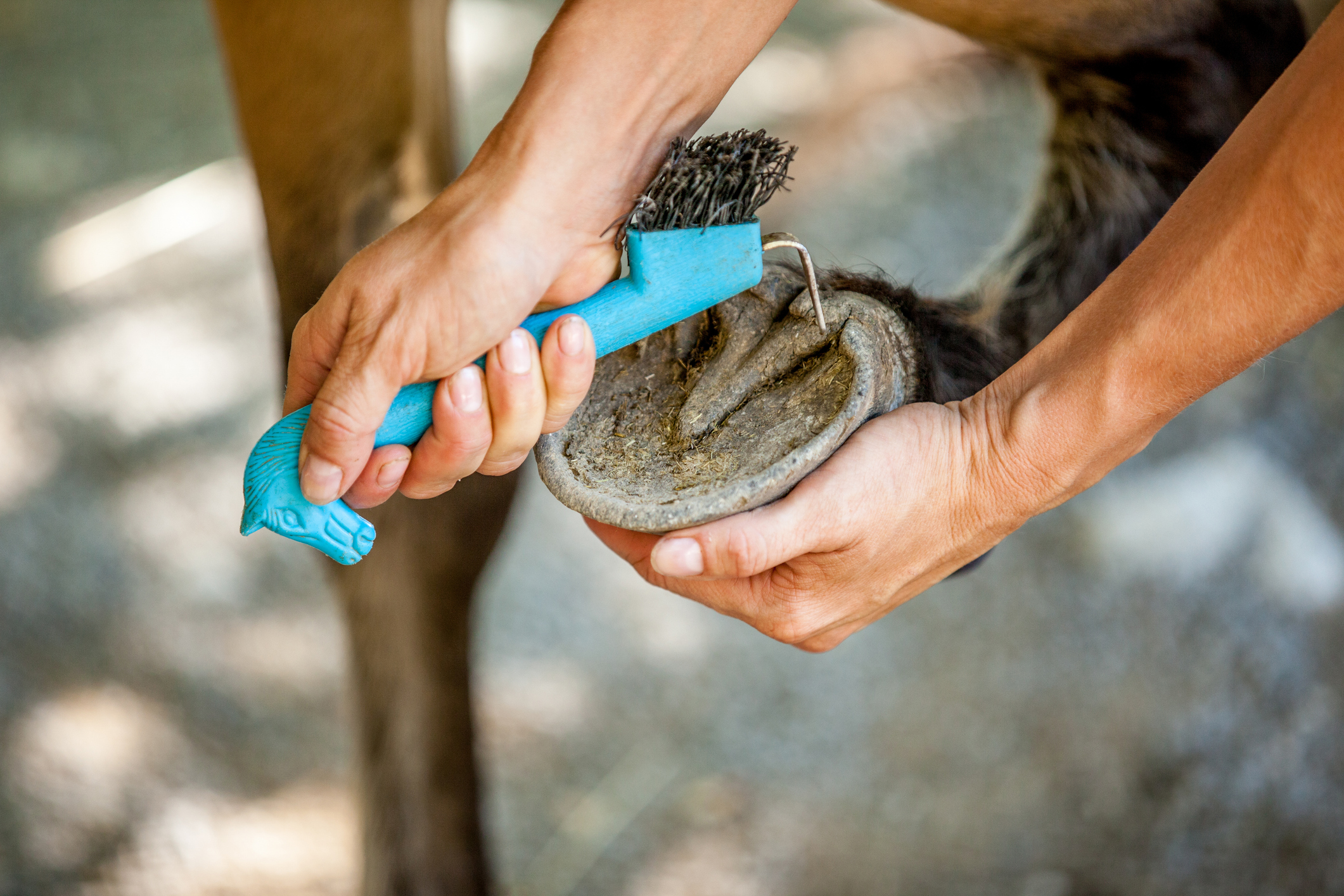
Image source: Bing (Web (fair-use with source credit))
A consistent routine beats a perfect kit every time. This sequence takes 10 to 20 minutes and covers everything your horse needs daily.
Step 1: Pick the Hooves First
Always. Before any brushing, before any other grooming, pick the hooves. This is non-negotiable.
Why first?
- Stones and debris can cause bruising if left in place
- You'll spot heat, odor, or sensitivity early
- It's the most important health check you'll do daily
The routine: All four hooves, heel to toe, checking the frog and sole. Run your hand down each leg before lifting.
Step 2: Curry Comb Warm-Up
Start at the neck and work your way back. Use circular motions with moderate pressure. The goal is to loosen dirt and stimulate the skin.
Time budget: 3 to 5 minutes.
Step 3: Dandy Brush Dirt Removal
Follow the curry with the dandy brush. Flick away the loosened dirt with a snapping wrist motion. Work in the direction of hair growth.
Time budget: 2 to 3 minutes.
Step 4: Body Brush Polish
Finish the body with long, sweeping strokes from the soft body brush. This distributes oils and creates that healthy sheen.
Time budget: 2 to 3 minutes.
Step 5: Face and Sensitive Areas
Switch to the face sponge. Clean the eyes, muzzle, and ears gently. Use a separate sponge for the sheath or udder area.
Pro tip: Keep your face sponge damp, not dripping wet. Excess water runs into eyes and ears and causes irritation.
Step 6: Mane and Tail Detangling
Use your fingers first to break up major tangles. Then work through the mane and tail with a wide-toothed comb, starting at the bottom and working up.
Time budget: 2 to 5 minutes depending on length and condition.
Step 7: Final Check
Run your hands over your horse's body. Check for heat, swelling, cuts, or sensitivity. Grooming is your best opportunity to catch injuries early.
The full routine: 10 to 20 minutes, depending on coat condition and your horse's patience level.
Adjusting the Routine by Season
Spring and summer: Add the shedding blade after the curry comb. Extra attention on the neck and flanks where winter coats persist.
Fall: Focus on removing mud and debris that accumulate in longer coats. Use the slicker brush more heavily.
Winter: Minimize full grooming on freezing days. Use a dry curry comb to remove dried sweat and mud. Avoid exposing your horse to cold drafts during grooming.
Adjusting the Routine by Coat Type
| Coat Type | Curry Pressure | Shedding Blade | Slicker Brush | Body Brush |
|---|---|---|---|---|
| Thin (Thoroughbred, Arabian) | Light-medium | Skip or use rarely | Gentle, optional | Essential |
| Medium (Quarter Horse, Warmblood) | Medium | Seasonal use | Useful weekly | Essential |
| Thick (Draft, Cob, Pony) | Medium-firm | Essential in spring | Essential | Essential |
Common Grooming Mistakes That Harm Your Horse
Grooming seems straightforward, but small errors compound into real problems. Here are the most common mistakes we've identified through research and aggregate user reports.
Scrubbing with the Curry Comb on Bony Areas
The spine, hips, and shoulder blades have minimal tissue between the surface and bone. Scrubbing these areas causes pain and can lead to a horse that flinches or refuses grooming.
The fix: Use the curry comb only on muscular areas. Switch to a soft brush or your hand for bony protrusions.
Using the Dandy Brush Like a Scrubbing Brush
The dandy brush is built for flicking, not scrubbing. Scrubbing flattens the hair, pushes dirt deeper into the coat, and can irritate the skin.
The fix: Practice the wrist flick. It takes a few sessions to develop the feel, but it makes a visible difference in coat condition.
Shedding Blades on Legs and Faces
The teeth on a shedding blade are aggressive. Using it on thin-skinned areas causes abrasions, especially on the fine hair of the lower legs.
The fix: Use the shedding blade only on the body, neck, and upper legs. For the face and lower legs, switch to a soft brush.
Over-Bathing and Stripping Natural Oils
Bathing strips the coat of natural protective oils. Too frequent bathing leads to dry, brittle hair and irritated skin.
The fix: Most horses need a full bath only when showing or after heavy mud exposure. Otherwise, manual grooming handles the job.
Soap Residue Causing Itchy Skin
Horse shampoos require thorough rinsing. Residual soap traps dirt and irritates the skin. It also dulls the coat.
The fix: Rinse until the water runs completely clear. Then rinse one more time.
Sharing Sponges Between Face and Body
Bacteria from the sheath, udder, or dock area transfers to the face if you use the same sponge. This can cause serious eye infections.
The fix: Two separate sponges, clearly marked, stored apart. Never let them touch.
Grooming a Wet Coat with a Curry Comb
Curry combs on wet coats create friction and pull hair. Wet hair is more fragile and prone to breakage.
The fix: Allow the coat to dry before full grooming. Use a sweat scraper to remove excess water after bathing, then let the coat air dry.
Tool Care and Maintenance: Making Your Kit Last
Your grooming tools work hard. They deserve basic maintenance, and it extends their lifespan significantly.
Cleaning After Each Use
Brushes: Tap them firmly against a wall or fence post to dislodge hair and dust. Use a cleaning spur or a comb to pull hair from bristle bases.
Curry combs: Rinse with warm water and allow to air dry. A buildup of hair and dander reduces effectiveness.
Hoof picks: Wipe clean with a rag. Check for sharp edges or bends.
Sponges: Rinse thoroughly, squeeze dry, and air out. Never store wet sponges in a closed bag.
Deep-Cleaning Routine
Monthly, give your tools a proper wash:
- Fill a bucket with warm water and a few drops of mild dish soap
- Soak brushes and combs for 15 to 20 minutes
- Scrub bristles with an old toothbrush to remove embedded dirt
- Rinse thoroughly
- Lay brushes bristle-down on a towel to dry
Warning: Do not soak wooden-backed brushes for extended periods. The wood can warp or the glue can dissolve.
Replacing Worn Tools
| Tool | Lifespan | Wear Signals |
|---|---|---|
| Rubber curry comb | 1 to 2 years | Cracks, brittle rubber, broken teeth |
| Dandy brush | 1 to 3 years | Bent bristles, hair loss, loose head |
| Body brush | 2 to 5 years | Splayed bristles, flattened cushion |
| Hoof pick | Indefinite | Bent hook, cracked handle |
| Shedding blade | 2 to 3 seasons | Dulled teeth, rust, bent frame |
| Slicker brush | 1 to 2 years | Bent wires, rust, loose bristles |
| Sponges | 1 to 2 months | Odor, discoloration, degraded texture |
Storage Tips
- Keep tools in a breathable grooming bag or tack trunk
- Avoid sealed containers that trap moisture
- Store brushes with bristles facing upward or sideways
- Keep sponges separate and dry
- Clean tools before storing for winter
Costs and Budget: Building Your Kit Over Time
You don't need to drop hundreds of dollars on day one. Building a quality kit over time is smarter and more sustainable.
Starter Kit: $40 to $80
| Tool | Price Range | Notes |
|---|---|---|
| Rubber curry comb | $10 to $20 | A good one lasts a year or more |
| Dandy brush | $10 to $15 | Middle-of-the-road quality suffices |
| Body brush | $15 to $25 | Invest in the softest you can afford |
| Hoof pick | $5 to $10 | A simple metal pick is fine |
Total: around $60 for quality basics. This covers daily grooming for most horses.
Mid-Tier Kit: $100 to $150
| Tool | Price Range | Notes |
|---|---|---|
| Starter kit (above) | $60 | Core tools |
| Shedding blade | $15 to $30 | Worth upgrading to a double-sided model |
| Slicker brush | $10 to $20 | Look for wire-gauge suited to your horse's coat |
| Mane comb | $5 to $10 | Wide-toothed, quality material |
| Detangler spray | $10 to $15 | Useful if your horse has a long mane or tail |
Total: around $120 to $140. Covers seasonal needs and long-haired breeds.
Premium Setup: $300 and Up
| Item | Price Range | Notes |
|---|---|---|
| Mid-tier kit (above) | $140 | Full manual kit |
| Electric vacuum groomer | $200 to $400 | The big-ticket luxury item |
| Replacement filters | $20 to $50 | Ongoing cost to factor in |
Total: $350 to $550. For owners with sensitive horses, multiple horses, or indoor grooming needs.
What to Upgrade First
Start with the body brush. It touches your horse's coat most frequently, and quality makes a visible difference. The curry comb is next, especially if you're using a hard plastic version that causes discomfort.
What to never skimp on: The hoof pick. A solid metal hook costs less than $10 and lasts indefinitely. Replace it the moment it bends or develops sharp edges.
What to avoid overpaying for: Shine sprays, scented products, and novelty grooming gadgets.
Frequently Asked Questions
How often should I groom my horse?
Daily grooming is ideal, but realistically, most horses need full grooming before and after rides. A quick daily once-over keeps coats healthy and catches injuries early. Horses living outdoors need more frequent grooming than stalled horses.
Can I share grooming tools between horses?
Yes, but only with strict hygiene practices. Fungal infections, skin conditions, and bacteria transfer easily through shared tools. Disinfect brushes between horses, or maintain separate kits for separate horses.
What does a horse grooming kit include?
The essentials are a rubber curry comb, a dandy brush, a soft body brush, and a hoof pick. Add a shedding blade, slicker brush, mane comb, and grooming sponges for seasonal needs and coat types.
How do I groom a horse that hates being brushed?
Start with the softest brush you have and avoid sensitive areas. Use gentle pressure and stop frequently. Some horses respond well to a vacuum groomer or a glove groomer.
Others simply need time and consistency to build trust.
How do I clean a shedding blade?
After use, pull the accumulated hair off the blade with your fingers or a comb. Rinse under warm water and dry thoroughly. Wipe with a light oil coating to prevent rust.
Store dry, away from moisture.
What is the difference between a body brush and a dandy brush?
A dandy brush has stiffer bristles and is meant for removing dirt and mud. A body brush has soft, dense bristles and is used for finishing, oil distribution, and sensitive areas like the face.
The right kit doesn't have to be complicated. Four core tools handle daily needs. A few seasonal additions cover the rest.
Your horse's coat type and lifestyle determine what matters most. Skip the shelf of gimmicks, invest in quality basics, and stick to a consistent routine. Your horse will thank you with a healthy, shiny coat and a calmer grooming experience for years to come.