
Every pet owner knows the dread. You drop your dog or cat off at a new grooming salon, and suddenly you're standing in the parking lot wondering if you just made a terrible mistake. Will they be gentle?
Will they notice that lump on the shoulder? Will your anxious rescue actually make it through the session without a panic attack? Learning how to choose a groomer for any pet isn't just about finding someone who can wield clippers.
It's about finding a partner who treats your animal like family.
The pet grooming industry is largely unregulated in the United States. No federal license is required to open a salon and start accepting clients. As of 2026, the National Dog Groomers Association of America reports that fewer than 30% of working groomers hold formal certification through recognized programs.
That means your vetting process matters more than you might think. A bad grooming experience can cause physical injuries, lasting behavioral trauma, or serious health complications. Here's exactly how to separate the professionals from the amateurs before you hand over your leash.
Quick Answer
Choose a groomer who passes a facility walkthrough, answers the "danger question" correctly, and specializes in your pet's coat type. Visit the salon before booking. Check for clean ventilation, non-slip tables, and proper tool sanitization.
Ask what they do when a pet gets scared. If they say "we get through it," leave. Look for breed-specific experience and a calm, patient philosophy.
Why This Decision Matters More Than You Think
Grooming isn't a luxury spa treatment. For many pets, it's a medical necessity that directly impacts their comfort and health.
Matted coats cause painful skin traction, restrict movement, and hide infections, parasites, or developing tumors underneath. Overgrown nails can literally deform a dog's foot structure over time, altering their gait and causing chronic joint pain. Impacted anal glands, which groomers often express during a full-service session, can rupture if left untreated.
This is medical-adjacent work happening on a routine basis.
The problem is that most pet owners treat grooming like getting a haircut. They check a few reviews, look at price, and book the earliest available slot. That approach works fine until it doesn't.
When it fails, it fails hard.
Injury statistics in professional grooming are notoriously underreported, but veterinary literature documents the risks clearly. Clipper burns, nicks, cuts, and even fractures from restraint incidents send pets to emergency clinics every single day. A 2023 survey published in the Journal of Veterinary Behavior found that nearly 40% of dogs display signs of stress or fear during grooming visits.
That number jumps to over 60% for dogs with a history of a single negative grooming experience.
The emotional fallout matters just as much as the physical. A dog who gets traumatized on the grooming table once may never tolerate being brushed at home again. A cat who panics during a bath might become aggressive toward anyone who tries to handle her paws.
You're not just choosing someone to trim nails. You're choosing someone who will shape your pet's relationship with handling and touch for years to come.
What a Professional Groomer Actually Does (Beyond the Bath)
Most people assume grooming is washing, drying, and cutting hair. In reality, a skilled groomer performs a full-body wellness assessment on every single pet that comes through the door.
The Skin and Coat Check
A good groomer runs their hands over your pet's entire body before the bath. They're feeling for lumps, bumps, hot spots, and areas of sensitivity that might indicate an underlying issue. They check for fleas, ticks, and skin infections that can hide under a thick coat.
They assess the condition of the skin itself, noting dryness, oiliness, or flakiness that could signal allergies or hormonal imbalances.
The Ear and Eye Assessment
Groomers check inside the ears for redness, discharge, odor, or excessive wax buildup. These can be early signs of ear infections, which are painful and common in breeds with floppy ears like Cocker Spaniels and Labradors. They also look at the eyes for discharge, cloudiness, or signs of irritation that might warrant a vet visit.
The Nail and Paw Evaluation
Beyond simply trimming nails, a professional examines the paw pads for cracks, cuts, or foreign objects lodged between the toes. They check nail length and angle, looking for signs that the quick has grown too far forward, which makes safe trimming harder.
The Coat-Specific Knowledge
Here's where breed expertise becomes critical. A Poodle coat grows continuously and requires regular clipping to prevent matting. A Husky's double coat sheds seasonally and needs deshedding treatments rather than shaving.
A wire-coated terrier needs hand-stripping to maintain proper coat texture. A groomer who only knows how to run a clipper over everything will eventually damage a coat that requires breed-specific care.
The best groomers know when to refer out. If they spot a suspicious lump, a severe skin infection, or a pet in obvious pain, they'll recommend a veterinary visit before proceeding with the groom. They won't risk making a condition worse by bathing or clipping over an injury.
The Search: Where to Find the Right Groomer
Finding a groomer starts before you ever walk through a salon door. The quality of your search determines the quality of your options.
Start with Word of Mouth
Personal recommendations are worth more than a hundred online reviews. When you're at the dog park, at the vet's office, or walking your neighborhood, ask other pet owners directly. Specifically ask people with the same breed or coat type as yours.
A Great Dane owner's experience won't help you much if you have a Bichon Frise.
Ask these specific questions:
- "Who do you use and how long have you been going there?"
- "How does your pet act when you arrive? Excited or reluctant?"
- "Have they ever had to reschedule or turn your pet away?"
- "Have you ever seen them handle a nervous pet?"
The Breeder Connection
If you got your dog from a reputable breeder, ask them who they recommend. Breeders are typically obsessive about coat health and have often vetted local groomers extensively. They know who understands their breed's specific coat structure and who doesn't.
Veterinary Referrals
Your vet sees the aftermath of bad grooming regularly. They know which local groomers send in pets with clipper burns, ear infections, and unexplained injuries. Ask your vet's front desk staff for their honest recommendation.
They hear the complaints that never make it into online reviews.
Decoding Online Reviews
Online reviews are useful, but only if you know how to read them. Look for patterns rather than individual stars. If multiple reviews mention the same groomer by name as being gentle or skilled, that's a strong signal.
If multiple reviews mention long wait times, rushed appointments, or pets coming home stressed, that's a red flag regardless of the overall rating.
Here's what aggregate review analysis actually reveals:
| Review Pattern | What It Actually Means |
|---|---|
| Frequent complaints about pricing | Usually a good sign. Means they don't cut corners and price for quality. |
| One bad review describing rough handling | Major red flag. Grooming injuries are underreported, not overreported. |
| Consistent praise for a specific groomer | Strong positive signal. That groomer likely handles the bulk of the work. |
| Reviews mentioning "my pet was scared" repeatedly | The facility is probably too noisy, chaotic, or rushed. |
| Complaints about scheduling or communication | Management issues that often trickle down to how pets are handled. |
Mobile Groomers vs. Salon Groomers
Both options have legitimate places in the market, and the right choice depends on your pet's specific needs.
| Factor | Mobile Grooming | Salon Grooming |
|---|---|---|
| Stress Level | Lower for anxious pets, no unfamiliar kennel | Higher for shy pets, more noise and smells |
| Convenience | Comes to your driveway | You travel to them |
| Socialization | Minimal contact with other animals | Regular exposure to other pets |
| Cost | Typically 20-40% higher | Baseline pricing |
| Equipment | Smaller space, but fully equipped | Full-size tables, tubs, and dryers |
For a senior pet, a cat, or a dog with severe anxiety, mobile grooming is often the gentler choice. They stay in their own driveway, skip the stressful car ride, and avoid the chaos of a busy salon. For a young, social dog who enjoys new experiences, the salon visit can actually be part of the enrichment.
The Facility Walkthrough: What to Look For
Never book a first appointment without visiting the facility in person. This is non-negotiable. A five-minute walkthrough can reveal more than a hundred online reviews ever will.
The Smell Test
Walk through the front door and take a deep breath. What do you smell? A clean facility should smell like wet dog, mild shampoo, or at worst, nothing at all.
If you smell heavy perfume masking something underneath, that's a red flag. If you smell urine or feces, turn around and leave immediately.
Ventilation Check
Grooming products contain chemicals. Shampoos, conditioners, deshedding treatments, and finishing sprays all release volatile compounds into the air. A well-ventilated facility will have visible air movement, open windows where possible, or a functioning HVAC system that keeps the air fresh.
If the air feels heavy, warm, or chemically saturated, that's a problem for both the animals and the staff.
The Table and Tub Inspection
Look at the grooming tables. They should have non-slip rubber matting on top. A dog standing on a slick metal or plastic surface is at high risk of slipping and injuring their legs.
The groomer should also use a grooming loop, a padded strap that secures the dog around the neck and waist, for safety.
Check the bathing tubs. They should be raised for the groomer's back, have non-slip surfaces, and feature a handheld shower attachment. The tub needs a ramp or steps for senior pets or small dogs who can't jump.
The Drying Station
This is where many grooming injuries happen. High-velocity dryers are loud and can frighten pets who aren't used to them. A good facility will have dryers with variable speed settings and groomers who know how to introduce the noise gradually.
Cage dryers, which blow warm air into a kennel while the dog is inside, are controversial. They can overheat a pet if left unmonitored. Ask if they use cage dryers and how they monitor temperature.
The Holding Area
Where do pets wait while their groom is in progress? If the facility keeps dogs in wire crates stacked in a busy hallway, that's stressful. Look for a separate, quieter holding area with solid-sided crates where pets can decompress without watching every other dog come and go.
The Observation Window
Many top-tier facilities have a viewing window or a mostly-open floor plan. This isn't just for your entertainment, it's a sign of confidence. A groomer who is happy to have you watch their work has nothing to hide.
If the grooming area is completely hidden behind closed doors with no visual access, ask yourself why.

A properly equipped grooming station features a non-slip table surface, a supportive grooming arm, and tools organized within reach.
The Sanitation Question
Ask to see their tools. Literally point at the clippers and ask how they sanitize the blades between pets. The answer should involve a barbicide solution or an approved disinfectant, not just wiping them off with a cloth.
Brushes and combs should go through the same treatment. If the groomer looks confused by the question, that's your answer. Walk out.
The "Danger Question"
Here's the single most revealing question you can ask during a facility tour: "What do you do if my pet gets too scared or starts thrashing?"
The answer you want to hear is: "We stop, take a break, and reassess. Sometimes we reschedule if the pet isn't having it."
The answer that should make you leave: "Oh, we get through it. We're quick."
That second answer is a warning sign. A groomer who prides themselves on speed over safety is a risk. Accidents happen when groomers hurry or use restraint techniques out of frustration rather than necessity.
The Interview: Questions You Must Ask
Once the facility passes your walkthrough, it's time for a conversation with the actual groomer who will handle your pet. This isn't a casual chat. It's an interview, and you're the hiring manager.
Ask About Experience and Training
- "How long have you been grooming professionally?"
- "Do you have formal certification or are you apprentice-trained?"
- "What breeds do you work with most frequently?"
- "Have you handled pets with my breed's specific coat type?"
Certification matters, but it's not the only qualifier. Many excellent groomers learned through rigorous apprenticeships. What matters is demonstrated competence and a commitment to continuing education.
Ask about the last seminar, workshop, or conference they attended. A groomer who invests in their own skills cares about their craft.
Ask About Handling Philosophy
- "How do you introduce a nervous dog to the table and clippers?"
- "What's your policy on muzzles and restraint?"
- "How do you handle a pet who refuses to cooperate mid-groom?"
The right answers focus on patience, gradual exposure, and knowing when to stop. The wrong answers focus on dominance, "showing them who's boss," or forcing through a session no matter what.
Ask About Their Relationship with Local Vets
A professional groomer should have a working relationship with at least one local veterinary clinic. They should know when to refer a pet for medical issues they spot during grooming. They should also take direction from vets regarding pets with health conditions that affect grooming safety.
Ask About Scheduling Policies
- "How many pets are on your books each day?"
- "Is my pet getting dedicated one-on-one attention?"
- "Do you double-book grooming slots?"
A groomer who schedules eight to ten pets per day for a single person is rushing. A safe, humane workload for one groomer is six to eight pets per day, depending on breed and coat condition. Anything beyond that means your pet is getting split attention or a rushed session.
Ask to See a Live Groom
If the facility allows it, ask to observe a groom in progress before you commit. Watch how the groomer handles the pet. Are they talking calmly?
Are their movements smooth and confident? Does the pet seem relaxed or tense? A live observation is worth a thousand words of marketing copy.
Price vs. Value: What Your Money Should Buy
Grooming prices vary wildly depending on where you live, the size of your pet, coat condition, and the level of service provided. Understanding what drives pricing helps you spot both overpriced mediocrity and suspiciously cheap deals.
The Pricing Tiers
| Price Point | What It Usually Means |
|---|---|
| Suspiciously Cheap | Fast turnover. The groomer is pushing high volume to make a living. Less time per pet means more risk of accidents. |
| Mid-Range | The sweet spot. Typically $45-$80 for small dogs, $75-$150 for large breeds. This usually covers a thorough job by an experienced groomer. |
| Luxury Pricing | Spa treatments, organic products, one-on-one attention, extended session times. You're paying for extra time and premium products, but that doesn't guarantee better safety. |
What Your Money Should Include
A standard full groom includes a bath, blow-dry, nail trim, ear cleaning, and a haircut or style. It may also include anal gland expression, teeth brushing, or paw pad trimming, depending on the salon's service list. Ask exactly what's bundled into the base price so you can compare apples to apples.
Where the Real Costs Hide
- Matting surcharges: Heavily matted coats take significantly longer to demat or shave down. Expect a $20-$50 surcharge depending on severity.
- Behavioral surcharges: Some salons add fees for aggressive or extremely anxious pets. This covers the extra time and risk involved.
- Breed-specific pricing: Large breeds, double-coated breeds, and breeds with complex grooming requirements typically cost more. A standard Poodle trim costs more than a Lab bath and brush.
- Add-on services: Deshedding treatments, flea baths, and specialty shampoos usually cost extra. Always ask for an itemized estimate before you confirm the appointment.
The Walk-Away Moment
If a groomer quotes you a suspiciously low price for your large, double-coated dog, walk away. They're either about to rush your pet, cut corners on safety, or hit you with surprise surcharges at pickup. The cheapest groomer in town is rarely the cheapest after you factor in vet bills from an injury.
The Tipping Question
Tipping is standard practice at grooming salons. Plan on 15-20% of the total bill for a job well done. If you have a particularly difficult pet or a complex coat that required extra time, tip toward the higher end.
Groomers rely on tips as a significant portion of their income.
Cats Are Not Small Dogs: Special Considerations
If you have a cat, this section is non-negotiable. Taking a feline to a groomer who primarily handles dogs is a recipe for disaster.
Why Cats Need Different Handling
Cats have entirely different skin elasticity, stress responses, and handling needs compared to dogs. Their skin is thinner and more fragile, making them more prone to nicks and cuts from clipper blades. They also have a harder time regulating body temperature during the bathing and drying process.
Most importantly, cats are wired for flight, not fight. When a dog gets scared on a grooming table, they usually freeze or try to pull away. When a cat gets scared, they become a blur of claws and teeth faster than any human can react.
The Cat-Specific Groomer Red Flags
- A general groomer who says "I do cats too" without specific feline training.
- A facility that can't guarantee isolation from dogs.
- A groomer who has never worked with a "spicy" cat and has no plan for handling one.
What to Look For Instead
Seek out a groomer who specifically advertises feline services. Ask how many cats they groom per week. Ask how they handle cats who panic during the bath.
A cat specialist will have a calm, low-stress protocol that involves pheromone sprays, quiet spaces, and the ability to stop mid-groom if the cat becomes overwhelmed.

A feline-friendly groomer keeps cats separate from dogs, in quiet spaces where they can decompress without unnecessary stress.
The Isolation Requirement
Cats should never be kept in a kennel where they can see or hear barking dogs. The cortisol spike from that stress alone can make a cat dangerously reactive. A proper facility has a separate cat area with solid-sided carriers or kennels that block visual access to dogs.
When to Talk to Your Vet First
If your cat is senior, has heart disease, or is severely matted, consider a veterinary consult before booking a groomer. Some cats require light sedation for grooming to be safe. A groomer should never administer sedation themselves.
That's a vet's job, and any groomer who suggests otherwise is operating outside their scope.
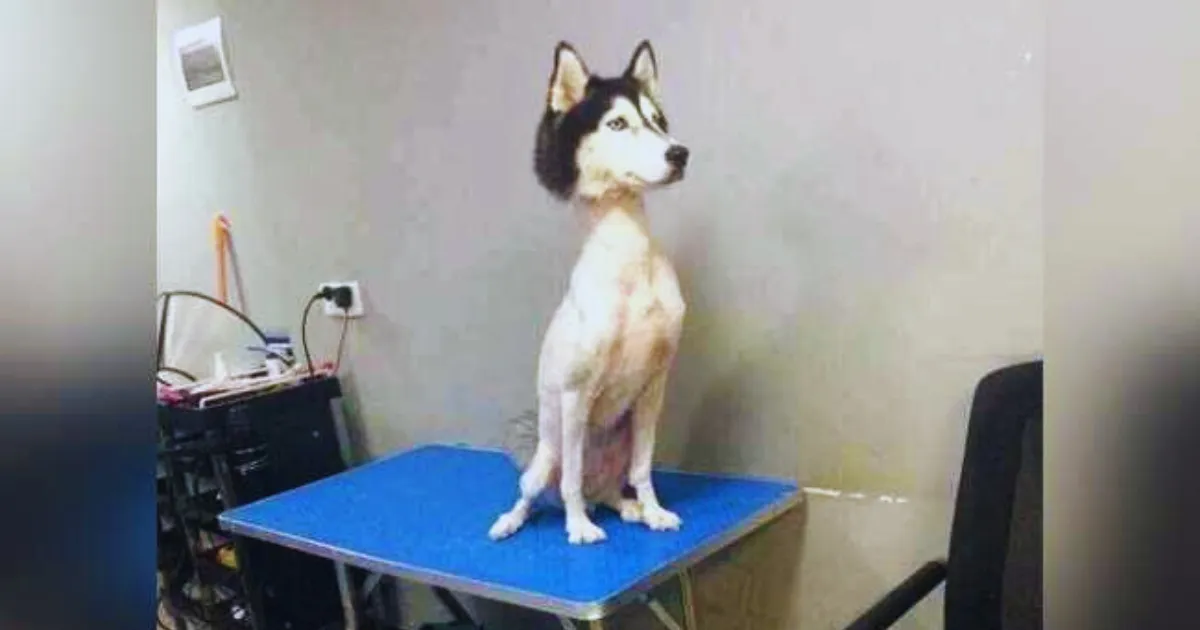
A shaved double coat grows back unevenly and dangerously, disrupting the dog's natural temperature regulation and exposing skin to sun damage.
Red Flags and Common Mistakes
Even with a thorough vetting process, mistakes happen. Knowing what to look for can save your pet from unnecessary pain and save you from a hefty vet bill.
The Double-Coat Shaving Disaster
The most common grooming mistake is shaving a double-coated breed like a Husky, Golden Retriever, or German Shepherd to help them "cool down." It's a myth that shaving keeps these dogs cooler. In reality, their double coat insulates them from both heat and cold. Shaving it destroys the coat's structure, often permanently, and exposes the dog's skin to sunburn and insect bites.
If any groomer suggests shaving your double-coated dog to help with shedding or heat, fire them on the spot. There is no legitimate reason to do this, and a knowledgeable groomer will never recommend it. The only time a double-coated dog should be shaved is for medical reasons, like severe matting that cannot be safely dematted, and that decision belongs to a veterinarian.
Groomer's Ear
This is the industry term for ear infections caused by improper drying after a bath. Water that sits in a dog's ear canal creates a perfect breeding ground for bacteria and yeast. A good groomer thoroughly dries the ears after every bath.
A bad groomer skips this step or uses cotton balls that push debris deeper.
Symptoms appear one to three days after grooming: head shaking, scratching at the ears, redness, or a foul odor. If you notice any of these, contact your vet and inform the groomer.
Clipper Burn and Razor Burn
Clipper blades generate significant heat from friction. A groomer who runs a hot blade across your pet's skin will cause burns that look like a sunburn or, in severe cases, like open wounds. This is intensely painful and can become infected.
Always check your pet's belly, armpits, and groin area after a groom. If you see red, irritated skin in areas that were clipped, that's clipper burn. Report it to the groomer immediately and consider whether to return.
Nail Quicking
A "quick" is the blood vessel inside the nail. Cutting into it causes significant bleeding and pain. This happens to even the best groomers occasionally, but a groomer who frequently quicks nails is careless or rushing.
If your pet comes home with multiple nails that were cut too short or with visible bleeding, that's a problem.
The Speed-First Attitude
Groomers who brag about how quickly they finish a groom are prioritizing throughput over safety. The safest groomers take their time, especially with nervous pets. The best groom at a reasonable pace beats the rushed groom that traumatizes your pet.
The Overbooking Problem
Some facilities accept more pets than they can safely handle. This results in animals being left in crates for extended periods, groomers rushing through sessions, and an overall chaotic environment. Ask how many pets your groomer handles per day.
If the number seems too high to allow individual attention, trust your gut.
The First Groom: What to Watch For
The first groom is a test run. It tells you everything you need to know about whether this groomer is right for your pet long-term.
Before the Appointment
- Confirm the price estimate in writing
- Confirm the pickup time
- Tell the groomer about any medical conditions, behavioral quirks, or sensitivities your pet has
- Bring along your pet's vaccination records if required
Signs of a Successful Session
- Your pet greets you happily at pickup, rather than cowering in the corner
- The groom is even, with no visible nicks, cuts, or irritation
- Nails are smooth, not jagged
- Ears are clean and dry
- Your pet seems relaxed, not exhausted or frantic
The Post-Groom Inspection Checklist
Do this immediately in the parking lot or as soon as you get home:
- Check the ears for redness, discharge, or excessive moisture
- Check the belly and armpits for clipper burn
- Check the nails for bleeding or cuts
- Check the paw pads for cleanliness
- Check around the tail and rear for any signs of improper hygiene work
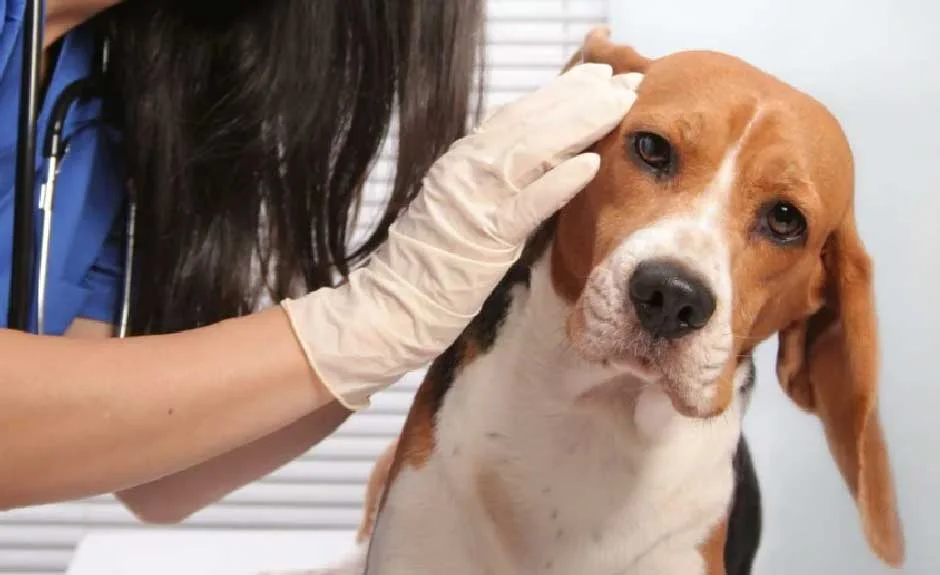
After the first groom, examine your pet's ears closely for signs of improper drying or irritation.
What If Something Looks Wrong
Call the groomer immediately and describe what you see. A good groomer will apologize, offer to examine the pet, and take corrective action. A bad groomer will tell you it's normal or blame your pet's skin.
That defensive response is your signal to find a new groomer.
What If Your Pet Seems Traumatized
Sometimes the groom goes fine physically, but your pet acts differently afterward. They may hide, refuse to eat, or flinch when touched. This happens with even the best groomers sometimes, especially for pets who are new to the experience.
Don't overreact. Give your pet a few days to decompress. Offer extra treats, gentle brushing, and reassurance.
If the fear persists or worsens after multiple visits to the same groomer, consider switching to a lower-stress option like mobile grooming.
Building a Long-Term Relationship with Your Groomer
Finding a good groomer is only the first step. Keeping that relationship healthy requires effort from both sides.
Communication Is a Two-Way Street
Tell your groomer when something changes with your pet. A new medical diagnosis, a change in medication, or a traumatic event at the dog park can all affect how your pet handles grooming. The more your groomer knows, the better they can adjust their approach.
When to Schedule
The frequency of grooming depends entirely on coat type:
| Coat Type | Ideal Grooming Interval |
|---|---|
| Short-haired breeds (Labs, Beagles) | Every 6-8 weeks |
| Double-coated breeds (Huskies, GSDs) | Every 8-12 weeks |
| Curly-coated breeds (Poodles, Doodles) | Every 4-6 weeks |
| Wire-haired breeds (Terriers) | Every 6-8 weeks |
| Hairless breeds (Xolos, Sphynx) | Every 2-4 weeks |
Puppies should have their first grooming session between 8 and 16 weeks of age to build positive associations early. Senior pets may need more frequent sessions if they have mobility issues that make self-grooming difficult.
The Tipping and Loyalty Question
If you find a groomer who handles your pet with care, consistency, and skill, tip them well and book ahead. Good groomers are booked out weeks in advance. Once you establish a good relationship, you're not just a customer, you're a priority.
When It's Time to Switch
Even with a great relationship, sometimes circumstances change. If you notice these signs over multiple visits, it may be time to move on:
- Your pet starts showing fear or resistance when you pull into the parking lot
- The quality of the groom declines consistently
- The groomer is increasingly rushed or distracted
- Health issues emerge that the groomer doesn't acknowledge or address
Trust your instincts. Your pet can't tell you when something is wrong, but their behavior always does.
Real Scenarios: What Happened to Other Pet Owners
Sometimes the best way to understand what to look for is to see what happens when things go wrong. These scenarios are based on aggregate reviews and veterinary reports from real grooming incidents.
The Husky Who Got Shaved
Sarah brought her Siberian Husky, Max, to a new grooming salon that advertised the cheapest deshedding treatment in town. The groomer recommended shaving Max's coat down "to help with shedding." Sarah agreed without thinking. Within a week, Max developed painful sunburn on his exposed skin and his coat began growing back unevenly, patchy, and tinged a different color.
Two years later, his coat still doesn't look the same.
What Sarah should have done: Asked why the groomer was recommending shaving instead of a deshedding treatment. A reputable groomer would never suggest shaving a double coat and would have explained why.
The Cat Who Needed a Specialist
Jennifer took her elderly Persian cat, Mr. Whiskers, to a general dog-and-cat groomer because she was in a hurry. The groomer had never handled a Persian with severe matting.
Mr. Whiskers became so stressed during the session that he bit the groomer, which led to a panicked physical struggle. He was returned to Jennifer trembling, with a small cut on his leg and an aversion to being touched that lasted months.
What Jennifer should have done: Found a groomer who specifically advertised feline services and had experience with heavily matted coats. For senior cats with medical conditions, a vet visit before grooming is sometimes the safest choice.
The Anxious Rescue Who Learned to Love Grooming
Tom adopted a rescue Pit Bull mix named Daisy who was terrified of everyone and everything. Her first grooming attempt at a busy chain salon resulted in her hiding under the table and refusing to move. Tom found a mobile groomer who specialized in fearful dogs.
The groomer spent ten minutes just sitting with Daisy, feeding her treats, and letting her sniff the clippers before turning them on. It took three sessions before Daisy allowed a full groom, but now she gets excited when the mobile van pulls up.
What Tom did right: He recognized that a busy salon was the wrong environment for Daisy's specific needs. He found a groomer who prioritized patience over speed and was willing to work at Daisy's pace.
Frequently Asked Questions
How do I know if a groomer is certified?
Certification isn't required by law in most states, but voluntary certification exists through organizations like the National Dog Groomers Association of America and the International Professional Groomers. Ask your groomer directly if they hold certification and from which organization. Also ask if they attend continuing education, as standards and techniques evolve over time.
Mobile grooming vs. salon: which is better for my pet?
The answer depends on your pet's temperament. Mobile grooming eliminates the stressful car ride, unfamiliar environment, and exposure to other animals. It's ideal for anxious pets, senior pets, and cats.
A salon works well for social dogs who benefit from regular exposure to new people and can handle the chaos. Mobile grooming typically costs 20-40% more than a salon visit.
What should I do if my pet comes home with an injury after grooming?
First, document the injury with photos and contact your veterinarian for guidance. Then contact the groomer immediately. A professional groomer will take responsibility, ask about your pet's condition, and cover any necessary medical costs.
If the groomer is defensive or blames you or your pet, file a complaint with your local licensing authority and the Better Business Bureau.
Can I groom my pet at home instead of hiring a professional?
For some pets, home grooming works well. You'll need quality clippers, appropriate blades for your pet's coat, shears, a nail grinder, and patience. However, certain tasks like anal gland expression, dematting heavy coats, and grooming around sensitive areas like the face and paws require training and experience.
Many owners also find that their pet behaves better for a neutral professional than for a family member who may be hesitant or inconsistent.
How often should I schedule grooming appointments?
Coat type determines frequency. Curly-coated breeds like Poodles and Doodles need sessions every 4-6 weeks to prevent matting. Double-coated breeds like Huskies need grooming every 8-12 weeks.
Short-haired breeds may only need a bath and nail trim every 6-8 weeks. Senior pets often need more frequent nail trims and sanitary trims to stay comfortable.
What if my pet is aggressive at the groomer?
Always disclose behavioral issues upfront when booking. Many groomers are trained to handle anxious or reactive pets using fear-free techniques, muzzles, and sedation referral when necessary. A groomer who uses force or intimidation is not skilled enough for the job.
If your pet's aggression is severe, ask your vet about anti-anxiety medication or consider mobile grooming where the environment is more controlled.