
Black trousers, a clean wash, and the fur is still there. If you're trying to work out how to remove cat hair from clothes, the problem usually isn't your technique. It's the order you're doing things in.
Wash first, and you'll spread hair across every item in the drum.
Cat hair measures roughly 25 to 60 microns across, and the downy undercoat sits at the thin end of that range. Those fine hairs slip between fabric threads and lock in place, which is why a normal 40 °C cycle barely touches them. The fix is a sequence, not a single tool.
Here's how it actually works.
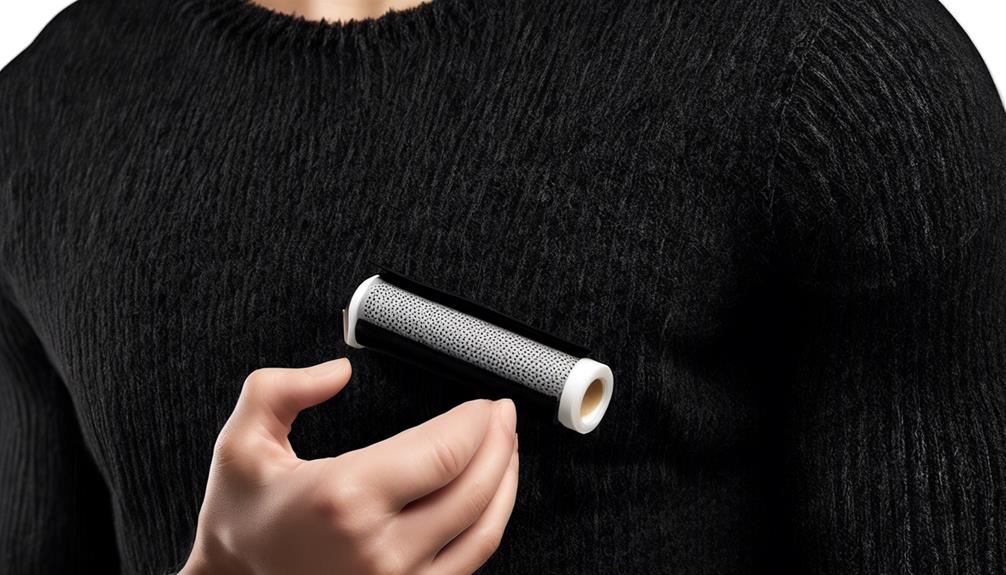
Image source: Bing (Web (fair-use with source credit))
Quick Answer
Remove cat hair from clothes dry, before you wash them. Use a lint roller, damp rubber glove, or velvet nap brush. Then tumble the garment for 10 minutes on no heat.
Clean the lint filter, then wash separately with white vinegar. Do a final roller pass once the clothes are dry.
Why Cat Hair Survives a Full Wash Cycle (And Comes Out Worse)
Most people assume water and detergent will float the hair away. They won't. Water makes fabric fibres swell and grip harder, so hair that was sitting loosely on the surface gets pulled deeper into the weave.
Then there's the redistribution problem. One hairy fleece in a load of eight items doesn't get cleaned. It shares.
You pull out a whole wash covered in fur and wonder what went wrong.
Barbed Hair Shafts vs. Woven Fabric
Cat hair isn't smooth. The outer layer of the shaft, the cuticle, is made of overlapping scales that point in one direction, a bit like roof tiles. That's what makes hair behave like a tiny fish hook once it's worked into a knit or a napped surface.
Push a hair one way and it slides. Push it the other way and the scales catch. This is why one-directional brushing works and scrubbing back and forth doesn't.
Guard hairs (the long, coarse outer coat) sit on top and come off easily. Undercoat is the real enemy. It's thin, soft and short, and it burrows into loops of wool or the raised pile of fleece where no roller can reach.
Shedding volume swings by breed and season too. Double-coated cats like Maine Coons, Siberians and Ragdolls drop huge amounts of undercoat in spring and autumn. Cornell's College of Veterinary Medicine publishes solid guidance on feline coat care, and the short version is that indoor cats under artificial light often shed steadily all year rather than in tidy seasonal bursts.
The Static Problem Nobody Warns You About
Static is doing half the damage, and nobody talks about it. Synthetic fibres like polyester, fleece and nylon pick up an electrical charge through friction. That charge holds hair to the surface, and it's why you can roll a fleece clean and watch fur reappear thirty seconds later.
Dry air makes it worse. Indoor humidity below about 30 % RH, which is normal in a centrally heated home in January, turns every jumper into a magnet. Get the room closer to 40 to 50 % RH and static drops noticeably.
Three quick static facts worth knowing:
- Natural fibres (cotton, linen, wool) hold far less charge than synthetics.
- Moisture dissipates static, which is why a lightly damp glove outperforms a dry one.
- Fabric softener and white vinegar both reduce charge, but they work differently. Softener coats the fibre. Vinegar relaxes it.
The One Rule That Changes Everything: Dry-Remove Before You Wash
If you take one thing away, take this: get as much hair off as you physically can while the garment is dry. Every method that follows works better after this step.
Washing hairy clothing straight away is the most common mistake in a cat household. The drum agitates loose fur into a slurry, it clings to wet fabric, and a hot dryer cycle then bakes it in. At that point you're not removing hair anymore.
You're excavating it.
Here's the logic in plain terms:
- If the garment is dry and the hair is on the surface, remove it now with a roller, brush or glove.
- If you've already washed it and it's still hairy, don't wash it again. Dry it fully, then dry-remove, then re-wash if you must.
- If it's already been through a hot dryer, expect a partial result. Heat sets hair into synthetics and some of it won't come out.
A useful test: run your hand across the fabric. If hair lifts and moves, it's surface hair and a roller will clear it in under a minute. If it stays put and looks almost woven in, it's embedded, and you'll need friction or suction instead of adhesive.
Work Out Your Situation First: The Four Variables That Decide Your Method
There is no universal method, and anyone telling you to just use a lint roller hasn't tried it on a lambswool jumper. Four variables decide what you should do. Check them in order.
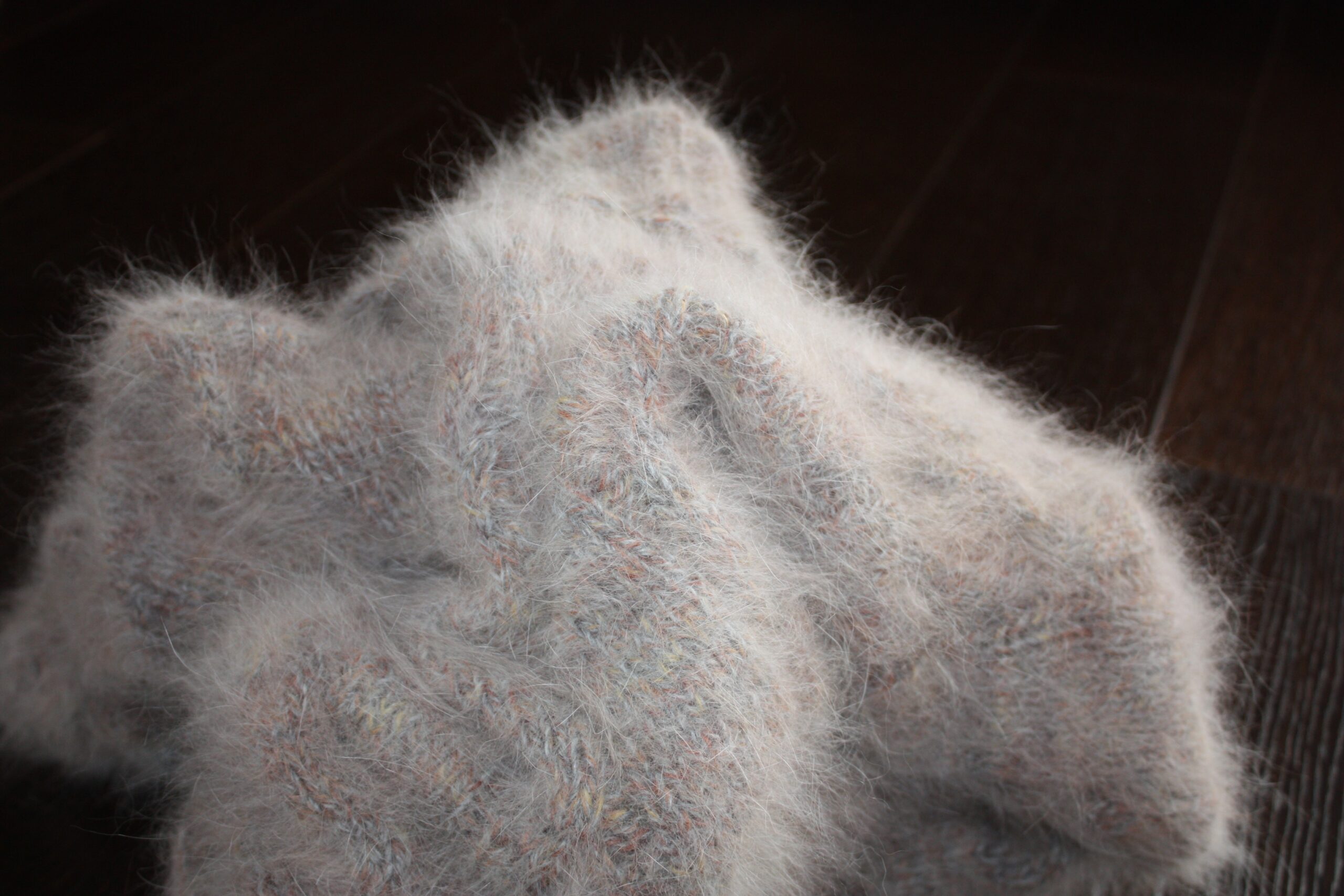
Image source: Bing (Web (fair-use with source credit))
Variable 1: What Fabric Are You Dealing With?
Fabric is the biggest branching factor by a mile. Check the care label first, because it also tells you whether the garment can survive a tumble cycle at all.
Care labels across the UK, EU and much of the world follow the ISO 3758 textile care labelling standard, with the same five symbol families: wash, bleach, tumble dry, iron, professional care. A crossed-out square with a circle inside means no tumble drying, which knocks out one of the most effective steps in the whole workflow.
Broadly, fabrics fall into three camps:
- Smooth and low-grip (cotton poplin, denim, silk, leather): hair sits on top, easy win.
- Napped and high-grip (fleece, sherpa, velvet, corduroy, teddy lining): hair lodges in the pile, hardest to clear.
- Looped and delicate (wool knits, cashmere, merino, mohair): hair works into the loops, and aggressive tools damage the garment.
Variable 2: Is the Hair Sitting on Top or Worked Into the Weave?
Surface hair and embedded hair need opposite approaches. Adhesive works on surface hair. Friction and suction work on embedded hair.
Hold the garment up to a window or a bright lamp. Surface hair lies across the fabric and catches the light in loose strands. Embedded hair looks flat, dull and part of the cloth itself.
On dark fabrics you'll often see short white flecks that won't move no matter how many times you roll.
If a sticky roller lifts nothing after two passes, stop rolling. You've hit embedded hair, and more rolling just wastes sheets.
Variable 3: Has It Already Been Through a Hot Dryer?
Heat is the point of no return for synthetics. Polyester and polyester blends soften slightly in a hot dryer, and hair pressed against a softening fibre bonds into it as it cools.
If that's happened, adjust your expectations. You can still get most of it out with a stiff rubber tool plus a vacuum, but you probably won't reach 100 %. A fleece that's had three or four hot cycles with hair on it is usually never coming fully clean.
Natural fibres are more forgiving. Cotton and wool don't soften with heat the same way, so hair stays mechanically trapped rather than fused, and patient brushing still pays off.
Variable 4: Do You Actually Own a Tumble Dryer?
This changes the whole workflow, and it's the reason generic advice fails so many readers. Plenty of UK households line dry or use an airer, while vented tumble dryers are near-universal in the US.
- If you have a dryer, a 10 to 15 minute no-heat air-fluff cycle is your best single tool. The airflow lifts hair off the fabric and the lint screen catches it.
- If you don't have a dryer, replace that step with a vigorous outdoor shake and a second dry-removal pass. Slower and less thorough, but it works.
- If you use a shared launderette, do the dry-removal at home. Never dump a fur-covered load into a communal machine and leave it for the next person.
The Decision Tree: Pick Your Path by Fabric Type
This is the core of it. Find your fabric, follow that branch, and skip the rest.
| Fabric | First tool | Tumble step | Avoid |
|---|---|---|---|
| Cotton, denim, jersey | Adhesive lint roller | 10 min no heat | Nothing, it's forgiving |
| Fleece, sherpa, teddy | Rubber glove or pumice stone | 15 min no heat + dryer balls | Adhesive rollers (barely work) |
| Wool knitwear, cashmere | Damp rubber glove or nap brush | None if label says no tumble | Sticky tape, fabric shaver |
| Suiting, wool coats | Velvet nap brush, with the nap | Steam instead of tumble | Cross-grain scrubbing |
| Velvet, corduroy | Directional brush, tape blotting | None | Rolling back and forth |
| Silk, satin, delicates | Soft brush, anti-static spray | None | Any friction tool |
| Polyester, nylon, activewear | Static control first, then roller | 10 min no heat | Fabric softener on wicking kit |
Cotton, Denim and T-Shirts: The Easy Path
Roll it, wash it, done. Cotton has a tight enough weave that hair rarely embeds, and a standard adhesive roller clears a T-shirt in about 30 to 60 seconds per side.
Wash separately from towels and fleece. That single habit prevents most repeat problems.
Fleece, Sherpa and Teddy Linings: The Hardest Surface
Fleece is the worst-case scenario, and you should expect 80 to 90 % removal rather than perfection. Adhesive rollers skate over the pile without gripping what's underneath.
Use a slightly damp rubber glove or a pumice-style sweeper instead. Work in one direction only, shoulder to hem, and roll the collected fur into a ball as you go. Follow with a 15 minute no-heat tumble and two or three rubber dryer balls to knock the rest loose.
Wool Knitwear and Cashmere: Handle With Care
Never put a sticky roller on a loose-knit wool jumper. The adhesive grabs the yarn loops, not just the hair, and it lifts fibre out of the knit. That's how you get fuzzing and premature pilling.
Use a velvet nap brush or a barely damp rubber glove, moving in one direction with the grain of the knit. A sweater comb handles anything genuinely tangled in. Skip the fabric shaver entirely on loose knits, because the blade will cut a hole faster than you'd believe.
Suiting, Wool Coats and Tailoring: Brush With the Nap
Worsted wool has a direction to it, and brushing against the nap forces hair deeper. Run your palm over the sleeve. One direction feels smooth, the other feels slightly rough.
Brush the smooth way.
A natural bristle clothes brush plus a handheld steamer is the professional combination. Steam relaxes the fibres and lifts the hair proud of the surface, then the brush sweeps it off. Finish with a low-tack roller if anything remains.
Velvet, Corduroy and Napped Fabrics: Direction Matters
Pile fabrics trap hair between the tufts. Rolling back and forth pushes it further in.
Blot with tape rather than rolling. Press the tape down, lift straight up, repeat. For corduroy, work along the wales (the ridges), never across them.
Silk, Satin and Delicates: Static Only
Hair doesn't really grip silk, so if it's clinging, static is your only problem. A light mist of anti-static spray held 30 cm away, or a quick wipe with a slightly damp microfibre cloth, sorts it.
Don't use tape, rollers or any friction tool. Silk snags.
Activewear, Polyester and Nylon: Kill the Charge First
Treat the static before you touch the hair, or you'll be rolling the same garment three times. Anti-static spray, a damp hand run over the fabric, or a few seconds of tumbling with a wool dryer ball will all discharge it.
One caution: don't use liquid fabric softener on moisture-wicking sportswear. It coats the fibres and kills the wicking function you paid for.
The Full Workflow: Dry Remove, Tumble, Wash, Finish
Once you know your fabric branch, the overall sequence stays the same. As of 2026, this is still the most reliable order we've found across manufacturer guidance and aggregate user reports.
- Dry-remove first. Use the tool your fabric branch calls for. Two to three minutes per garment.
- Shake it out. Outdoors, or over a bin. This alone releases a surprising amount of loose fur.
- Kill the static. Anti-static spray or a damp cloth wipe, especially on synthetics.
- No-heat tumble, 10 to 15 minutes. Add two or three wool or rubber dryer balls. Skip this if the care label forbids tumble drying.
- Clean the lint screen immediately. It'll be full. Skip this and the next cycle puts hair straight back.
- Sort the load properly. Pet-hair items go together. Never with towels, fleece or anything else that sheds.
- Load to two-thirds, not full. Hair needs room to float free. Overloading defeats the whole exercise.
- Add 120 ml (½ cup) white vinegar to the fabric softener dispenser. It relaxes the fibres and cuts static, and it won't leave a smell once dried.
- Wash at 30 to 40 °C unless the label says otherwise.
- Tumble dry with dryer balls, cleaning the lint screen mid-cycle and again at the end.
- Final roller pass on the dry garment. There's always a little left.
- Store it properly. Closed wardrobe or garment bag, in a room the cat can't get into.
Timing at a Glance
| Step | Time | Why it matters |
|---|---|---|
| Dry removal | 2 to 3 min per item | Removes the bulk of the hair |
| No-heat tumble | 10 to 15 min | Airflow lifts what tools missed |
| Wash cycle | 40 to 90 min | Vinegar relaxes fibres, releases the rest |
| Lint screen clean | 15 sec, twice | Stops hair returning to the load |
| Final inspection | 30 sec per side | Catches seams, cuffs and pockets |
Two spots people always miss on that final pass: inside the cuffs and along the seam allowances. Hair collects there because the stitching creates a ridge, and rolling across the flat panels won't reach it. Pinch the seam open and roll along it directly.
Choosing Your Removal Tool: What Actually Works on What
Every tool here uses one of three principles: adhesive transfer, mechanical friction, or suction. Match the principle to the problem and you'll stop wasting money on gear that doesn't suit your wardrobe.
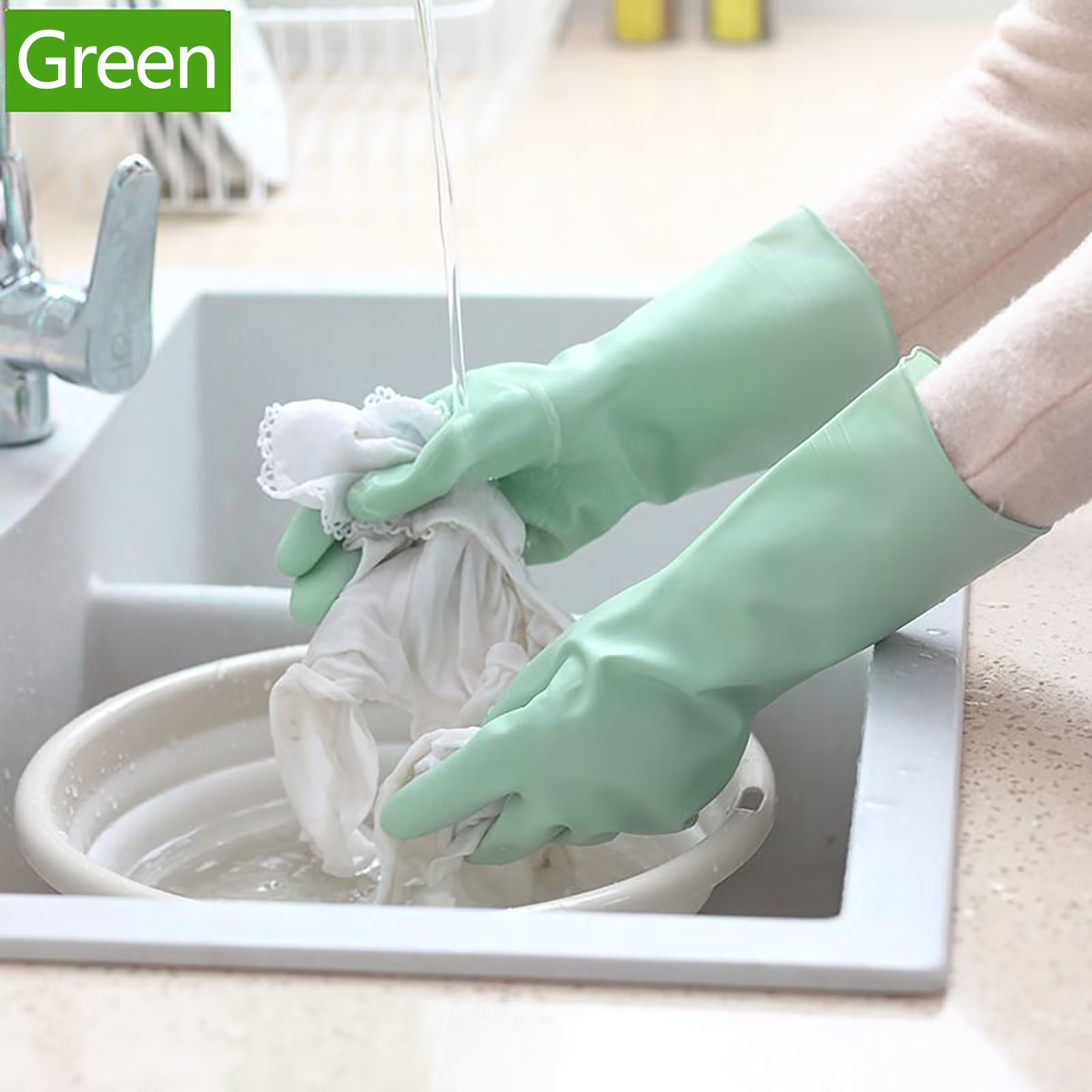
Image source: Bing (Web (fair-use with source credit))
| Tool | Principle | Best on | Weak on |
|---|---|---|---|
| Adhesive lint roller | Adhesive | Cotton, denim, suiting, smooth weaves | Fleece, sherpa, loose knits |
| Rubber glove (damp) | Friction + static | Fleece, upholstery, wool knits | Silk, satin, sequins |
| Pumice or lava stone | Friction | Fleece, carpet, car seats, canvas | Anything delicate |
| Velvet nap brush | Directional friction | Wool coats, suits, velvet, corduroy | Deeply embedded undercoat |
| Handheld vacuum | Suction | Heavy coats, pockets, seams, bags | Lightweight or draping fabric |
| Fabric shaver | Cutting | Pilled cotton and tight-woven blends | Loose knits, cashmere, mohair |
| Sweater comb | Gentle lifting | Merino, lambswool, cashmere | Fast bulk removal |
Lint Rollers: Disposable vs. Reusable
Disposable adhesive rollers are the fastest option for smooth fabrics, and nothing beats them for a quick pre-work pass. A standard roll runs 60 to 95 perforated sheets, and a typical head is around 10 cm (4 in) wide.
The catch is running cost and waste. A heavy-shedding household can get through a roll a month.
Reusable gel and sticky rollers rinse clean under warm water and go again once dry. Our research across aggregate user reviews shows they perform close to disposables on cotton but noticeably worse on fleece. They also lose tack for a few minutes right after rinsing, so you need two if you're doing a full wardrobe.
Tack level matters more than people realise:
- High-tack sheets grip embedded hair better but can pull loops on knitwear.
- Low-tack sheets are the right choice for wool, silk blends and anything you paid real money for.
- Test on a hem or inside seam first if you're unsure how a fabric will react.
Rubber Gloves, Pumice Stones and Silicone Tools
A damp rubber washing-up glove is the best value tool in this entire guide, and it costs about the price of a coffee. Friction plus a touch of moisture pulls hair into a rollable clump you can lift off in one piece.
Technique matters. Dampen the glove lightly, not wet, then sweep in one direction with firm pressure. Rinse the glove when it stops picking up.
Pumice and lava stone sweepers are more aggressive. They excel on fleece, canvas and car upholstery, but they will fuzz anything soft. Keep them well away from wool and knitwear.
If you've got a latex allergy, nitrile gloves work identically. Silicone grooming blocks are a gentler middle ground and won't shed rubber crumbs the way a cheap pumice block does.
Velvet Nap Brushes and Sweater Combs
A velvet nap brush is the tailoring world's answer, and it's criminally underrated. The bristles lie at an angle so the brush only grips in one direction, which means it lifts hair out of a suit without dragging fibre with it.
Most have a self-cleaning base. Sweep one way to collect, then the opposite way over the base to release. No refills, no waste, and it lives happily in a coat pocket.
Sweater combs are different. They're for hair that's genuinely tangled into a knit, plus pilling. Work slowly in short strokes, and support the fabric with your other hand so you're not stretching the knit.
Handheld Vacuums and Upholstery Attachments
Suction is the only method that reaches into seams, pockets and the corners around buttons. For heavy winter coats, a handheld cordless vacuum with a brush attachment beats any roller.
Two rules make this work. Lay the garment flat on a table, never hold it up. And use the brush tool, not the bare nozzle, because bare suction on loose fabric just pulls the cloth into the intake.
A HEPA-filter vacuum is worth it if anyone in the house reacts to cats. It captures the fine dander particles that carry Fel d 1 rather than blowing them back into the room.
Fabric Shavers: When They Help and When They Ruin a Jumper
A fabric shaver removes pills, not hair, and confusing the two ruins garments. It's the right call when hair has matted into a pilled ball on a cotton or poly-cotton item.
Never use one on loose-knit wool, cashmere, mohair or anything with a visible open stitch. The blade catches a yarn, cuts it, and you get a hole that grows every wash.
If you do use one, set the guard to its highest clearance, lay the fabric flat and taut, and unplug the unit before you empty the blade chamber.
In-Wash and In-Dryer Helpers: Vinegar, Dryer Balls, Softener and Hair Catchers
These don't replace dry removal. They stop the hair you missed from spreading and settling back on.
Why White Vinegar Works Better Than Fabric Softener
White distilled vinegar relaxes fabric fibres so trapped hair releases during the rinse. Add 120 ml (½ cup) to the fabric softener dispenser, never directly onto clothes.
Softener works differently. It coats fibres with cationic surfactants that reduce static, but that coating builds up over time and gives new hair something to cling to. It also ruins towel absorbency and kills the wicking in sportswear.
Two hard rules:
- Never mix vinegar and chlorine bleach in the same cycle. That combination releases chlorine gas.
- Check the guidance on children's flame-resistant sleepwear before using softener, since coatings can affect how the treatment performs.
Dryer Balls: Wool vs. Rubber
Wool dryer balls (typically 45 to 60 g each, XL up to about 70 g) bounce through the load and separate garments so airflow reaches every surface. They also cut drying time, which saves energy.
Rubber and silicone dryer balls have raised nubs that physically grab hair. They're louder and less pleasant in a small flat, but they collect more fur.
Use three to six per load. Fewer than three and they just orbit in one spot.
| Aid | What it does | Dose or quantity | Watch out for |
|---|---|---|---|
| White vinegar | Relaxes fibres, cuts static | 120 ml per load | Never with bleach |
| Baking soda | Softens water, deodorises | 60 ml with detergent | Can clog dispensers |
| Wool dryer balls | Separates load, speeds drying | 3 to 6 per load | Felt down and lose bounce eventually |
| Rubber dryer balls | Grabs and holds hair | 2 to 4 per load | Noisy |
| Dryer sheets | Reduces static only | 1 per load | Residue on the lint screen |
| Hair catcher discs | Traps hair in the wash | 1 to 2 per load | Can snag delicates |
Are Dryer Sheets Any Good for Pet Hair?
They help with static, and that's about it. A dryer sheet won't lift hair off fabric, but by discharging the static it lets the airflow and the lint screen do their jobs.
Aggregate user feedback consistently rates dryer balls above sheets for hair specifically. Sheets also leave a waxy film on the lint screen over time, which restricts airflow. Scrub the screen under warm water with a soft brush every few months if you use them.
Washer-Mounted Catchers vs. In-Drum Catchers
In-drum hair catcher discs float in the wash and snag loose fur before it resettles. They're cheap and they genuinely reduce what's left on clothes.
Some washing machines now ship with a pet-hair cycle that combines extra rinses with a filtered drain. Manufacturer specifications from brands including LG, Samsung, Beko and Miele confirm these cycles target pet hair, though they still assume you've dry-removed first.
One warning worth heeding: check your warranty terms before adding aftermarket accessories to the drum. Some manufacturers exclude damage caused by third-party items.
Emergency Fixes: No Tools, Ten Minutes, and You're Out the Door
Interview in twenty minutes and the cat has been sleeping on your suit. Here's what works with nothing but what's already in the room.
- Damp hands. Wet your palms, shake off the excess, then sweep firmly in one direction. Rinse and repeat. Crude, but effective on smooth fabrics.
- Packing or parcel tape. Wrap a strip around your hand, sticky side out, and press-and-lift. Don't drag it.
- A damp sock or flannel. Wrap it over your hand and sweep one way. Works well on trousers and coat sleeves.
- The rubber sole of a shoe. Lightly dampened, dragged across a car seat or a coat, it pulls fur into a ridge you can pick up.
- A balloon. Rub it on your sleeve, then hold it near the fabric. Static lifts loose hairs. Fiddly, but it's saved people at weddings.
- Bathroom steam. Hang the garment near a hot shower for five minutes, then brush it down with your hand. Steam relaxes the fibres and moisture kills the static.
Priority order when you're short on time: clear the front panels, then the shoulders, then the sleeves. Those are the three areas anyone actually looks at. Skip the back and the inside of the trouser legs unless you have time to spare.
Keep a travel-size roller (usually around 6 cm wide) in a bag, a desk drawer and the car. That single habit removes most of these emergencies from your life permanently.
Mistakes That Make Cat Hair Worse
Most fur problems in a cat household trace back to a handful of repeated habits. Fix these and the workload drops sharply.
Laundry Sequence Mistakes
- Washing hairy clothes straight away. The number one error. Fur redistributes across the whole load.
- Washing pet-hair items with towels. Towels shed lint, hairy clothes shed fur, and they trade with each other. Never combine them.
- Running a hot dryer cycle before dry-removing. Heat sets hair into synthetics. Some of it will never come out.
- Overloading the drum. Fill to two-thirds. Packed clothes can't tumble, so hair can't lift free.
- Skipping the lint screen between loads. A full screen returns hair to the next batch and cuts airflow.
- Cold-only washes on heavy fur loads. 30 to 40 °C helps release hair, where 20 °C often doesn't. Always defer to the care label.
Tool and Fabric Mistakes
- Sticky roller on loose-knit wool. Pulls the loops and starts pilling.
- Fabric shaver on cashmere. Cuts holes.
- Tape on silk or anything sequinned. Snags and leaves adhesive residue.
- Brushing against the nap on suiting or corduroy. Drives hair deeper.
- Scrubbing back and forth with a rubber glove. The hair cuticle catches one way and releases the other. Always work in a single direction.
- Too much fabric softener. Residue builds up and attracts more hair than it repels.
Household Mistakes That Undo Everything
The garment is only half the problem. Clean clothes pick up new fur the moment they leave the machine.
- Storing clean laundry in a room the cat sleeps in. Instant recontamination.
- Leaving the wardrobe door open. Cats love hanging fabric.
- An open laundry basket. It's a bed as far as the cat is concerned.
- Ignoring the washer door gasket. Front loaders collect a fur mat in the rubber seal that transfers to every subsequent load.
- Never brushing the cat. Grooming at source cuts the total workload more than any tool in this article.
One troubleshooting pattern comes up constantly. If hair keeps reappearing on clean clothes with no obvious cause, check three places in this order: the dryer lint screen, the washer gasket, and wherever the clean laundry sits before it gets put away. It's nearly always one of those three.
What This Costs: Tools, Doses and Time Benchmarks
You don't need everything on this list. Most households do fine with a roller, a rubber glove, some dryer balls and a bottle of vinegar, which comes to under £25 or $30 total.
| Item | Typical UK price | Typical US price | Worth it for |
|---|---|---|---|
| Disposable lint roller (60 to 95 sheets) | £4 to £10 | $5 to $12 | Everyone |
| Refill sheets (multi-pack) | £5 to £12 | $6 to $15 | Heavy users |
| Reusable sticky or gel roller | £8 to £15 | $10 to $18 | Cutting waste and running cost |
| Velvet nap brush | £6 to £14 | $8 to $16 | Suits, coats, tailoring |
| Pumice or lava stone sweeper | £5 to £10 | $6 to $12 | Fleece and car seats |
| Rubber gloves (pair) | £2 to £4 | $3 to $5 | Best value tool here |
| Wool dryer balls (set of 6) | £8 to £16 | $10 to $20 | Every dryer household |
| Rubber dryer balls or hair catchers | £6 to £12 | $8 to $15 | Long-haired cats |
| Fabric shaver | £10 to £30 | $12 to $35 | Pilled cotton, not knitwear |
| Handheld cordless vacuum | £30 to £120 | $40 to $150 | Coats, seams, car interiors |
| Deshedding brush for the cat | £15 to £40 | $18 to $45 | The highest-leverage purchase |
| Professional dryer vent clean | £60 to £150 | $100 to $200 | Safety, every 6 to 12 months |
Running Costs Over a Year
Disposable rollers are where the money quietly goes. A household getting through one roll a month spends roughly £60 to £120 a year, or $70 to $145.
A reusable roller plus a pair of rubber gloves covers most of the same ground for under £20 one-off. Dryer balls last hundreds of cycles before they felt down and lose bounce.
White vinegar is the cheapest input of all. At 120 ml per load, a 5 litre bottle covers about 40 washes.
Doses and Timings Worth Memorising
- White vinegar: 120 ml (½ cup) per load, in the softener drawer
- Baking soda: 60 ml (¼ cup) with the detergent
- No-heat tumble: 10 to 15 minutes
- Dryer balls: 3 to 6 per load
- Drum load: two-thirds full maximum
- Cat brushing: 5 to 10 minutes, 2 to 4 times a week, daily during a coat blow
- Washer drum clean cycle: monthly
- Washer drain filter check: every 1 to 3 months
- Dryer vent duct clean: every 6 to 12 months
The best return on time is the grooming session. Ten minutes with an undercoat rake twice a week removes fur before it reaches your wardrobe, and it cuts hairball frequency for the cat at the same time.
Dryer Lint, Vent Safety and Care Label Limits
Pet hair loads put more lint through a dryer than almost anything else. That turns a laundry chore into a fire safety issue, and it's the one part of this workflow with real stakes.
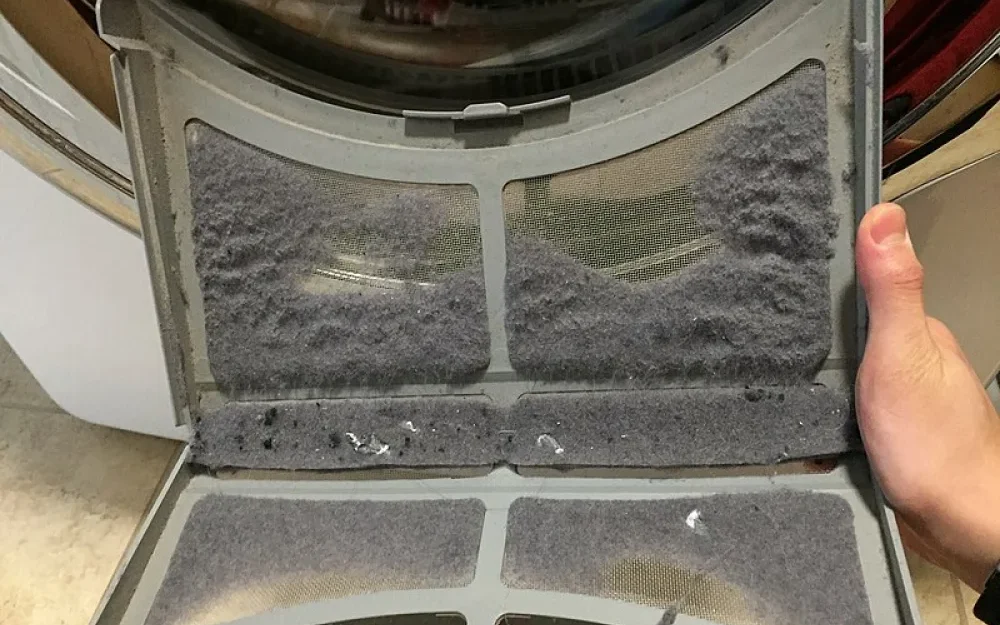
Image source: Bing (Web (fair-use with source credit))
Why the Lint Screen Matters More in a Cat Household
Clothes dryers are a recognised cause of residential fires, and lint build-up is the leading contributor. Guidance from the U.S. Fire Administration is blunt about it: clean the lint filter before or after every load, and keep the vent duct clear.
Cat hair compounds the problem. It mats into a denser, more tightly packed layer than fabric lint alone, so it blocks airflow faster.
Signs your dryer is struggling with hair build-up:
- Clothes take two cycles to dry when they used to take one
- The drum or cabinet feels unusually hot
- Very little air comes out of the exterior vent hood
- A faint burnt or musty smell during a cycle
- Lint appearing on clothes that weren't hairy going in
The Full Dryer Maintenance Routine
Do the screen every single load. It takes fifteen seconds and it's the difference between a working dryer and a slow one.
- Every load: peel the lint mat off the screen. On heavy pet-hair loads, check again halfway through.
- Monthly: wash the screen under warm water with a soft brush. Dryer sheet residue leaves an invisible waxy film that restricts airflow.
- Every 3 to 6 months: vacuum the lint trap housing (the slot the screen sits in) with a crevice tool.
- Every 6 to 12 months: clear or have the vent duct cleaned. More often with long-haired cats or a long duct run.
- Check the exterior vent flap opens fully when the dryer runs. Nesting birds and crushed flexible ducting are common culprits.
Never run a dryer with the lint screen missing or damaged. And use rigid metal ducting over flexible foil or plastic where you can, since it traps far less lint.
Care Label Limits You Cannot Ignore
Some garments can't take the no-heat tumble step, and forcing it costs you the garment. Read the label before you start.
| Symbol | Meaning | What it means for hair removal |
|---|---|---|
| Square with a circle | Tumble dry allowed | No-heat tumble step is fine |
| Crossed-out square with circle | Do not tumble dry | Skip the tumble, use brushing plus steam |
| Circle with a P or F | Professional dry clean only | Dry-remove at home, let the cleaner do the rest |
| Hand in a tub | Hand wash only | No machine steps at all |
| Crossed-out triangle | Do not bleach | Never combine vinegar with any bleach product |
Dry-clean-only wool coats, tailored jackets and structured garments should never go in a dryer, even on air fluff. The tumbling distorts the canvas and shoulder padding.
For those, the correct sequence is dry removal, then steam, then brush, then hang. If the coat also needs cleaning, tell the dry cleaner it's a pet-hair job. Most have a dedicated tumble and brush process for it.
The Washing Machine Side
Front loaders hide fur in the rubber door gasket. Pull the seal back gently and wipe right around the fold with a damp cloth after any pet-hair load.
Check the drain pump filter every one to three months. It's usually behind a small hatch at the bottom front. A filter clogged with hair and lint causes slow draining and eventually a pump failure.
Run a hot maintenance cycle monthly with the drum empty. Most manufacturers, including Bosch, Miele and Whirlpool, specify this in their manuals, and it clears the biofilm that traps hair and holds odour.
Stop It at the Source: Grooming, Storage and Laundry Habits
Everything above is reactive. This is where you actually reduce the workload, and it's the part most people skip.
Brushing Schedules by Coat Type
Hair you catch on a brush never reaches your wardrobe. That's the whole principle, and nothing else here comes close for return on effort.
| Coat type | Example breeds | Frequency | Best tool |
|---|---|---|---|
| Long double coat | Maine Coon, Norwegian Forest, Siberian, Persian | Daily, 5 to 10 min | Undercoat rake, then slicker brush |
| Semi-long | Ragdoll, Birman, Turkish Angora | 3 to 4 times a week | Slicker brush, wide-tooth comb |
| Short double coat | British Shorthair, Russian Blue | 2 to 3 times a week | Rubber curry comb, deshedding tool |
| Short single coat | Siamese, Bengal, Burmese | Once or twice a week | Grooming glove |
| Curly or sparse | Devon Rex, Cornish Rex, Sphynx | Weekly wipe-down | Soft cloth, no brush needed |
Double the frequency during a coat blow. Spring and autumn are the classic peaks, though indoor cats under artificial lighting often shed steadily year round instead.
A few practical notes on technique:
- Brush in the direction the coat lies, never against it
- Undercoat rakes reach the downy layer that causes the real clothing problems
- Keep sessions short. A calm five minutes beats a stressful fifteen
- Wipe the cat down with a slightly damp microfibre cloth afterwards to catch the last loose hairs
Wardrobe, Laundry Basket and Clean-Clothes Storage
Clean clothes pick up new fur the second they leave the machine. Fix the storage and half your problem disappears.
- Close the wardrobe door. Hanging fabric is a cat magnet, and an open wardrobe undoes an hour of work.
- Use a lidded laundry basket. An open basket is a bed with a good view.
- Fold and put away the same day. A pile of clean laundry on a chair is the most reliable way to recontaminate everything.
- Garment bags for the good stuff. Suits, coats and interview clothes live in breathable covers, not out in the open.
- Pick one cat-free room for drying and folding if you can. A spare room or bathroom works.
- Washable throws on the sofa, bed and car seats. Wash them weekly, and your clothes stop collecting fur secondhand.
If you can't keep a cat out of the bedroom, at least keep them off the bed where your pyjamas and dressing gown live. Give them a heated bed elsewhere. Cats reliably choose warmth over furniture.
Washer Gasket, Drain Filter and Drum Maintenance
Machine hygiene closes the loop. A washer full of hair puts hair back on clean clothes, and no amount of pre-rolling fixes that.
- Wipe the door gasket fold after every pet-hair load, 20 seconds
- Leave the door ajar between washes so the seal dries out
- Check and clear the drain pump filter every 1 to 3 months
- Run a hot empty drum-clean cycle monthly
- Wipe out the detergent drawer where residue and hair collect
- On top loaders, check under the agitator cap and around the drum lip
If you're on a shared launderette machine, run a quick empty rinse cycle before your load. You don't know what the last person washed, and it's usually dog blankets.
Real Scenarios: Interview Suit, Black Work Trousers, Allergic Guest
Three situations come up constantly. Here's how the decision tree plays out in each.
Scenario One: Navy Wool Suit, Interview in 90 Minutes
The suit is dry-clean only, so the dryer is off the table. The label decides your route before anything else.
- Hang the suit and check the label. A circle with a P means no tumble, no wash.
- Steam it for two to three minutes with a handheld steamer, or hang it in a steamy bathroom for five.
- Brush with a velvet nap brush, following the nap. Test the direction with your palm first.
- Do the shoulders, lapels and front panels before anything else. Those are what people see.
- Finish with a low-tack roller on the sleeves and trouser fronts.
- Hang it in a garment bag until you leave. Do not lay it on the bed.
Expected result: near total removal on smooth worsted wool. Steaming is what makes the difference, since it relaxes the fibres and pushes the hair up where the brush can catch it.
Scenario Two: Black Work Trousers, Every Single Day
Black polyester or poly-wool trousers are the worst daily offender, because every pale hair shows. Static is the real culprit here, not the hair itself.
The routine that fixes it permanently:
- Mist the trousers lightly with anti-static spray after they come out of the dryer
- Roll them once before hanging, not just before wearing
- Wash them with 120 ml white vinegar, never with liquid softener
- Store in a closed wardrobe, in a garment bag if the cat has bedroom access
- Keep a travel roller in your bag for the walk-to-car pickup
If you're still fighting it, check your indoor humidity. Below 30 % RH, synthetics keep grabbing hair no matter what you do. Getting a room to 40 to 50 % RH makes a visible difference in winter.
Scenario Three: Visiting an Allergic Friend or a Newborn
Clothing is a genuine allergen carrier, not just a cosmetic issue. The Fel d 1 protein sits on dander and saliva-coated hair, and fine particles stay airborne for hours after they're disturbed.
Research summarised by the National Institute of Environmental Health Sciences confirms that pet allergens travel readily into homes with no pets. Clothing is one of the main routes.
If someone in the household reacts badly, go further than normal:
- Store the outfit in a sealed garment bag in a cat-free room, ideally overnight
- Wash it fresh rather than wearing something that's been hanging in the house
- Dry-remove, then wash at 40 to 60 °C if the label allows. Higher temperatures remove more allergen
- Change at your destination if the reaction is severe
- Vacuum your car seats with a HEPA machine, since the car re-coats you on the drive over
Rolling alone removes visible hair. It does very little for dander, which is why a proper wash matters when allergies are involved.
Frequently Asked Questions
Does washing clothes remove cat hair?
Not on its own, and it often makes things worse. Water swells the fabric fibres and grips hair tighter, while the drum spreads loose fur across every item in the load. Wash only after you've dry-removed with a roller, glove or brush.
Adding 120 ml of white vinegar to the softener drawer helps release what's left.
Why is there still cat hair on my clothes after the dryer?
The lint screen is almost certainly full. A blocked screen stops airflow, so hair can't lift off the fabric and gets pushed back onto the load. Clean it before every cycle and again midway through heavy pet-hair loads.
Overloading the drum causes the same problem, since packed clothes can't tumble freely.
What removes cat hair from fleece?
A slightly damp rubber glove or a pumice-style sweeper, worked in one direction only. Adhesive lint rollers skate across fleece pile without gripping the hair underneath. Follow up with a 15 minute no-heat tumble and two or three rubber dryer balls.
Expect around 80 to 90 % removal, since fleece rarely comes fully clean.
Does vinegar really get pet hair out in the wash?
Yes, white distilled vinegar relaxes fabric fibres so trapped hair releases during the rinse. Use 120 ml (½ cup) in the fabric softener dispenser, never poured directly onto clothes. It also cuts static, which stops hair resettling.
Never combine it with chlorine bleach in the same cycle.
Can I use a lint roller on a wool jumper?
Only a low-tack one, and carefully. High-tack adhesive grabs the yarn loops as well as the hair, which pulls fibre out and starts pilling. A velvet nap brush or a barely damp rubber glove is safer on merino, lambswool and cashmere.
Never use a fabric shaver on loose-knit wool.
How do I stop cat hair sticking to clothes in the first place?
Attack it at three points. Brush the cat two to four times a week (daily during shedding season) with an undercoat rake. Store clean clothes in a closed wardrobe or garment bag in a room the cat can't access.
Keep indoor humidity near 40 to 50 % RH so static stops pulling hair onto synthetics.
Your Quick Decision Guide: Fabric In, Method Out
Check the care label, identify the fabric, then follow the matching row. That's the whole system.
| If you have | Then do this first | Then | Skip |
|---|---|---|---|
| Cotton or denim | Adhesive lint roller | 10 min no-heat tumble, wash with vinegar | Nothing |
| Fleece or sherpa | Damp rubber glove, one direction | 15 min tumble with rubber dryer balls | Sticky rollers |
| Wool knit or cashmere | Nap brush or damp glove | Hand wash or dry clean, dry flat | Tape, shavers, tumble drying |
| Suit or wool coat | Steam, then brush with the nap | Low-tack roller, garment bag | Any machine step |
| Velvet or corduroy | Tape blotting along the wales | Hang and air | Back-and-forth rolling |
| Silk or satin | Anti-static spray or damp cloth | Normal wash per label | All friction tools |
| Polyester or activewear | Kill the static, then roller | Tumble no heat, vinegar in wash | Fabric softener |
| Already hot-dried synthetics | Pumice stone plus handheld vacuum | Accept partial removal | Repeat hot cycles |
Three rules override everything else. Dry-remove before you wash. Clean the lint screen every load.
And brush the cat, because ten minutes on the sofa with an undercoat rake saves you an hour at the wardrobe.