
Image source: Bing (Web (fair-use with source credit))
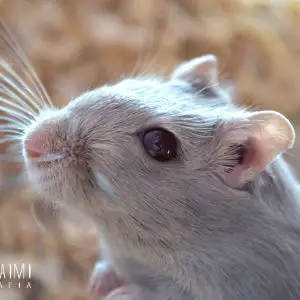
So, you've brought home a gerbil, and now you're wondering: do gerbils need grooming? The short answer is no, not in the way you might think. Unlike dogs that need regular brushing or rabbits that need occasional trims, gerbils are meticulous self-cleaners that have evolved to maintain their own coats without any human help.
In fact, the more you try to intervene with brushes, combs, or water, the more likely you are to cause harm. As of 2026, veterinarian guidance remains consistent: gerbils require almost zero grooming assistance from their owners. The one exception is a sand bath, which we'll cover in detail below.
For now, take a breath and relax. Your gerbil has this handled.
Quick Answer
No, gerbils do not need grooming. They are naturally self-cleaning animals that maintain their fur through daily grooming behaviors. The only grooming-related item you need to provide is a sand bath for occasional use. Water baths are dangerous and should be avoided unless specifically directed by a veterinarian.
Nail trimming may be needed for elderly gerbils. Watch for coat changes as early warning signs of health issues.
Why Gerbils Don't Need Brushing or Bathing
Gerbils are desert animals. Their entire biology is built around surviving in arid, dusty environments where water is scarce and every drop counts. That evolutionary history shapes how they handle hygiene.
The Self-Cleaning Desert Adaptation
In the wild, Mongolian gerbils live in the steppes and semi-deserts of Central Asia. They don't have rivers or ponds to swim in. What they have is a highly refined self-cleaning system that uses fine sand and their own natural oils.
Here's what happens when your gerbil grooms itself:
- They spread natural oils evenly. Their sebaceous glands produce oils that keep their fur waterproof and insulated. Grooming distributes these oils across every hair shaft.
- They remove loose fur. Gerbils shed continuously in small amounts. Their grooming removes dead hairs before they can mat.
- They regulate body temperature. Clean, well-oiled fur traps air and insulates against both heat and cold. Matting destroys that insulation.
- They control their scent profile. A strong smell makes a gerbil a target for predators. Grooming keeps their scent subtle.
Your gerbil isn't just being fastidious. It's literally surviving.
The frequency of self-grooming is impressive. Observational studies of small rodents show they spend up to 30 percent of their waking hours grooming. That's documented behavior across multiple murid species, including gerbils.
Allogrooming: How Gerbils Groom Each Other
If you have two or more gerbils living together, you'll see another layer of their grooming system: allogrooming. This is when one gerbil grooms another.
This social grooming serves several purposes:
- Strengthens social bonds. Gerbils in a bonded pair groom each other regularly. It reinforces their relationship.
- Establishes hierarchy. The dominant gerbil often grooms subordinates more than the reverse. It's gentle but meaningful.
- Reaches impossible spots. Gerbils can't groom the tops of their own heads easily. A cage mate helps.
- Reduces stress. Grooming releases calming hormones for both the groomer and the recipient.
If you notice your gerbils grooming each other, that's a positive sign. It means they're comfortable and bonded. If you see one gerbil aggressively pulling fur from another, that's different.
That's called barbering, and we'll cover it in the problems section.
The takeaway here is simple: gerbils have a complete grooming system built into their species. They don't need brushes, combs, or shampoo. They need each other, sand, and a clean enclosure.
The Only Grooming Tool You Need: The Sand Bath
If there's one thing you should buy for your gerbil's hygiene, it's a sand bath. This is the single grooming tool that gerbils genuinely require.
How Sand Baths Mimic the Desert Floor
In the wild, gerbils roll in loose, fine sand to clean their coats. The sand absorbs excess oil, lifts away dirt, and removes loose fur. It works like dry shampoo, but better.
A sand bath isn't a luxury. It's a biological necessity. Without access to sand, a gerbil's coat can become overly oily, which leads to skin irritation and matting.
In our research, most exotic pet veterinarians recommend offering gerbils a sand bath at least two to three times per week.
Here's what a proper sand bath looks like:
| Component | What to Use | What to Avoid |
|---|---|---|
| Sand type | Fine chinchilla sand, no added calcium or dyes | Chinchilla dust (too powdery, causes respiratory issues) |
| Container | Heavy ceramic bowl or glass ramekin | Light plastic dishes that tip over |
| Duration | 15 to 20 minutes per session | Leaving it in the cage full-time |
| Frequency | 2 to 3 times per week | Daily sessions that dry out skin |
How to Choose the Right Sand (and What to Avoid)
Not all sand is created equal. This is where a lot of new owners make their first mistake.
The correct choice: Fine chinchilla sand. This is commercially available at most pet stores. It's milled to a consistent particle size that's small enough to absorb oils but large enough not to be inhaled.
The wrong choice: Chinchilla dust. Despite the similar name, dust is much finer than sand. It has the consistency of talcum powder.
When your gerbil rolls in dust, they inhale fine particles. Over time, that can cause respiratory irritation and infections.
Also avoid:
- Playground sand (too coarse, may contain pathogens)
- Construction sand (contains sharp particles and chemicals)
- Sand with added calcium (gerbils may ingest it)
- Scented or colored sands (artificial additives can be toxic)
Check the label before you buy. If it says "dust" or "powder," keep looking. If it says "sand" and lists no additives, you're good.
Sand Bath Frequency and Duration
You don't need to leave sand in the cage all the time. In fact, you shouldn't.
Gerbil experts recommend the following schedule:
- Frequency: 2 to 3 times per week
- Duration: 15 to 20 minutes per session
- Timing: Evening hours when gerbils are most active
Why not leave it in permanently? Because gerbils will treat it as a litter box. Sand that's soiled with urine is a health hazard.
Plus, constant access can dry out their skin, causing itching and flaking.
Set a routine. Put the sand bath in, let them roll and dig, then remove it. Your gerbil will learn the pattern quickly.
Step-by-Step: Setting Up a Safe Sand Bath Session
Here's the exact process we recommend based on manufacturer guidelines and veterinary advice:
Choose your container. Pick a heavy ceramic bowl or glass dish that can't be tipped. It should be deep enough to allow digging, at least 2 to 3 inches deep, but not so tall that your gerbil can't climb in.
Add 1 to 2 inches of sand. You want enough for burrowing and rolling, but not so much that it spills everywhere.
Place it in the enclosure. Put the bath on the cage floor, away from food and water dishes.
Let your gerbil explore. Don't force them in. They'll investigate, climb in, and start rolling on their own. This is normal.
Wait 15 to 20 minutes. Watch for rolling, digging, and kicking behavior. This is the sand doing its job.
Remove the bath. Empty any soiled sand into the trash. Rinse the container if needed and let it dry before the next use.
That's it. Simple, safe, and effective.
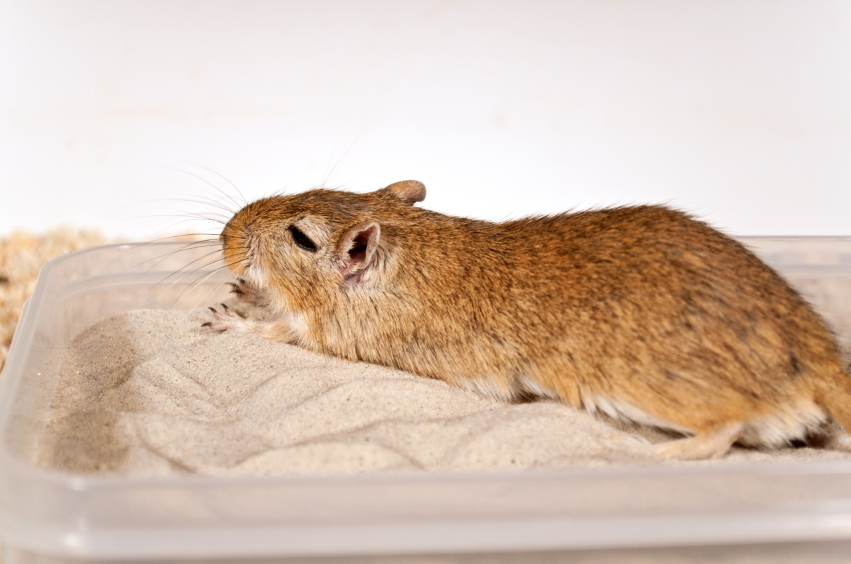
Image source: Bing (Web (fair-use with source credit))
Water Baths: Why They're Dangerous and When a Vet Might Suggest One
Let's address the elephant in the room. You might have seen videos of people bathing hamsters or guinea pigs in water. Maybe you've wondered if your gerbil needs the same.
The answer is a firm, emphatic no.
The Physiological Risks of Water Baths
Gerbils are desert animals. Their bodies are not designed to handle immersion in water. Here's what happens when you give a gerbil a water bath:
- Their body temperature drops rapidly. Gerbils have a high metabolism and a small body mass. Water conducts heat away from their bodies about 25 times faster than air. Even lukewarm water can cause dangerous heat loss.
- They can go into shock. The stress of being submerged, combined with the temperature change, can trigger a physiological shutdown. This can be fatal.
- Their fur loses insulating properties. Wet fur clumps and loses the trapped air that keeps gerbils warm. Even after drying, the oils have been stripped away.
- They're at risk for respiratory infections. Water in the ears or nose can lead to infections. Wet bedding afterwards compounds the problem.
When a Vet Might Recommend a Water Bath
There are extremely rare cases where a veterinarian might recommend spot-cleaning with water. These include:
- Toxic substance exposure. If your gerbil gets a chemical or toxic substance on their fur, a vet may direct you to carefully rinse the affected area. This is always under specific veterinary guidance.
- Severe mite infestations with crusting. In some cases, removal of heavy crusts might require gentle wiping.
- Medical procedure prep. If a vet needs a clean area for an exam or treatment.
In these cases, follow the vet's instructions exactly. They'll tell you how, what temperature, and for how long. Never improvise.
The Safe Alternative: Spot Cleaning
If your gerbil has a sticky spot on their fur, like a bit of fruit or honey, you don't need a full bath. Here's the safe spot-cleaning method:
- Dampen a cotton swab with warm water. Squeeze out any excess. It should be just barely damp, not dripping.
- Gently work the spot. Hold your gerbil securely but gently in one hand. Use the swab to loosen and lift the sticky substance.
- Dry thoroughly. Use a dry cotton swab or soft cloth to remove all moisture from the fur.
- Provide a sand bath. After the spot is clean and dry, let them use the sand bath to restore their coat's oils.
This method takes patience. It's not fun for you or the gerbil. But it's hundreds of times safer than a water bath.
When "Grooming" Means Something Is Wrong
Here's where things get interesting. In most cases, you'll never need to groom your gerbil. But sometimes, changes in their coat or grooming behavior are the first warning signs of an underlying health problem.
Your job isn't to fix these problems. Your job is to spot them and get veterinary help.
Porphyrin Staining: The Red Crust That Signals Stress or Illness
One of the most alarming things a new gerbil owner can see is reddish-brown crust around their gerbil's eyes or nose. You might think it's blood. It's not, exactly.
This substance is called porphyrin. It's produced by the Harderian glands, which sit behind the eyes. Gerbils produce porphyrin regularly, but they normally groom it away.
When you see visible crust, it means your gerbil is either producing too much or not grooming enough.
Porphyrin staining is a well-documented stress indicator in small rodents. It can be triggered by:
- Respiratory infections (most common cause)
- Stress from loud noises, new environments, or handling
- Pain from injury or dental issues
- Illness affecting the kidneys or other organs
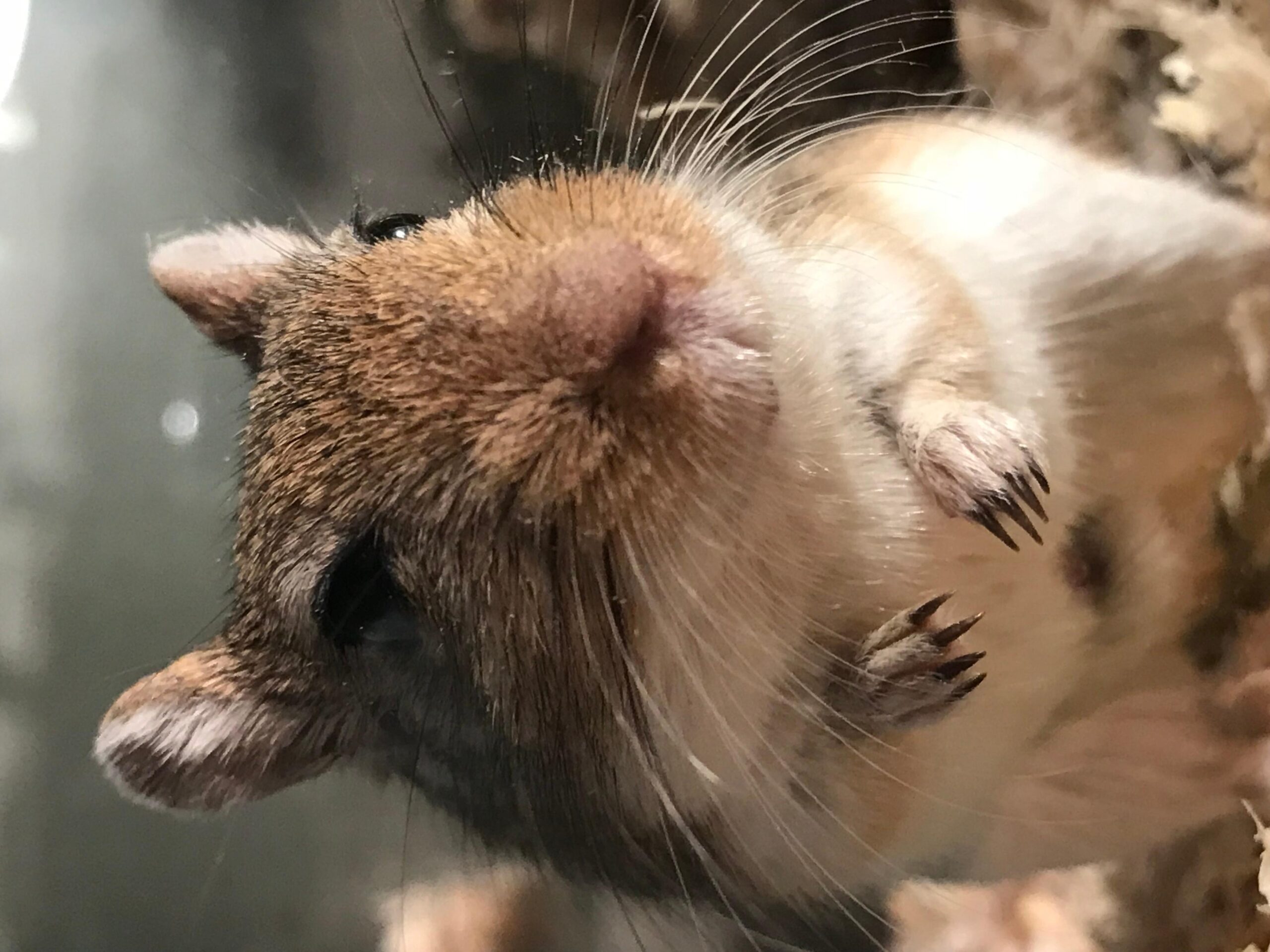
Image source: Bing (Web (fair-use with source credit))
What to do: If you see porphyrin staining, don't try to wash it off. It's a symptom, not the problem. Take your gerbil to an exotic veterinarian.
They can diagnose the underlying cause and prescribe appropriate treatment.
Bald Patches and Over-Grooming: Mites, Fungus, or Barbering
Hair loss in gerbils is never normal. If you notice bald patches, it's a sign that something is wrong. The cause might be parasitic, fungal, or behavioral.
Mites and fungal infections are the most common medical causes. They cause itching, which leads to over-grooming and fur loss. You might also see flaky skin or redness.
A veterinarian can examine skin scrapings under a microscope to confirm the diagnosis. Treatment usually involves anti-parasitic or anti-fungal medications.
Barbering is a behavioral issue. One gerbil chews or pulls the fur off another gerbil, usually on the face, head, or back. It's a dominance behavior, a stress response, or a sign of boredom.
Unlike mite-induced hair loss, barbering typically leaves the skin intact and healthy. The fur is just missing.
What to do: Separate the gerbils temporarily if barbering is aggressive. Check the enclosure for stressing factors like overcrowding or lack of hiding spots. Add enrichment.
And always see a vet first to rule out mites and fungus before assuming it's behavioral.
Matted Fur in Senior Gerbils: A Mobility Red Flag
A young, healthy gerbil never gets matted fur. If you see clumps or tangles, it means grooming has stopped. That's a red flag.
In senior gerbils, matted fur often signals:
- Arthritis. Painful joints make grooming difficult, especially reaching the back and flanks.
- Obesity. An overweight gerbil physically can't reach certain areas.
- Dental disease. Painful teeth make grooming uncomfortable.
- Systemic illness. A sick gerbil loses energy for grooming.
What to do: If you notice matting in an older gerbil, it's time for a vet visit. Don't try to brush out the mats. That will hurt.
Address the underlying health issue, and the grooming behavior will likely return.
Nail Trimming: The One Grooming Task You May Face
Out of all the grooming-related tasks, nail trimming is the one you're most likely to need. But even this is rare for most gerbils.
Why Most Gerbils Never Need Nail Trims
In the wild, gerbils wear down their nails naturally through digging. They're burrowing animals. Their claws constantly grind against soil, sand, and rocks.
In captivity, the equivalent wear comes from:
- Burrowing in deep bedding. Gerbils need at least 6 to 8 inches of bedding to dig and tunnel. This naturally files their nails.
- Running on hard surfaces. A solid exercise wheel helps wear nails down.
- Digging in sand baths. The sand acts as a gentle abrasive.
If your gerbil has these things, their nails will likely stay at a healthy length for most of their life.
How to Tell If Nails Are Too Long
Here's the simple test: listen.
If you can hear your gerbil's nails clicking on the cage floor as they walk, they're too long. Healthy nails don't make contact with the ground when walking normally.
In our research, we found that nail overgrowth is most common in:
- Senior gerbils who are less active and may have arthritis
- Gerbil pairs kept on soft, fleece bedding with no digging substrate
- Gerbils with genetic nail abnormalities (rare)
Safe Trimming Technique (or When to Call the Vet)
If you do need to trim your gerbil's nails, proceed with extreme caution. Gerbil nails are tiny and their toes are fragile.
Signs you should NOT do it yourself:
- You've never trimmed a small animal's nails before
- Your gerbil is squirmy or doesn't tolerate handling
- The nails are black or dark, making the quick (blood vessel) hard to see
- You don't have styptic powder on hand
If you decide to proceed:
- Gather supplies. You'll need small animal nail clippers (designed for ferrets, rabbits, or birds), styptic powder, and a bright light source.
- Restrain gently. Hold your gerbil with one hand, supporting their body. Use a towel if needed, but never grip too tightly. You can feel their ribs through their chest; that's already too hard.
- Identify the quick. In gerbils, the quick is visible as a dark line running through the translucent nail. In dark nails, this may be impossible to see.
- Trim conservatively. Cut only the very tip, well away from the quick. A tiny sliver of nail is enough.
- Apply pressure if bleeding. Dip the nail tip in styptic powder and hold for a few seconds. This is the emergency protocol.
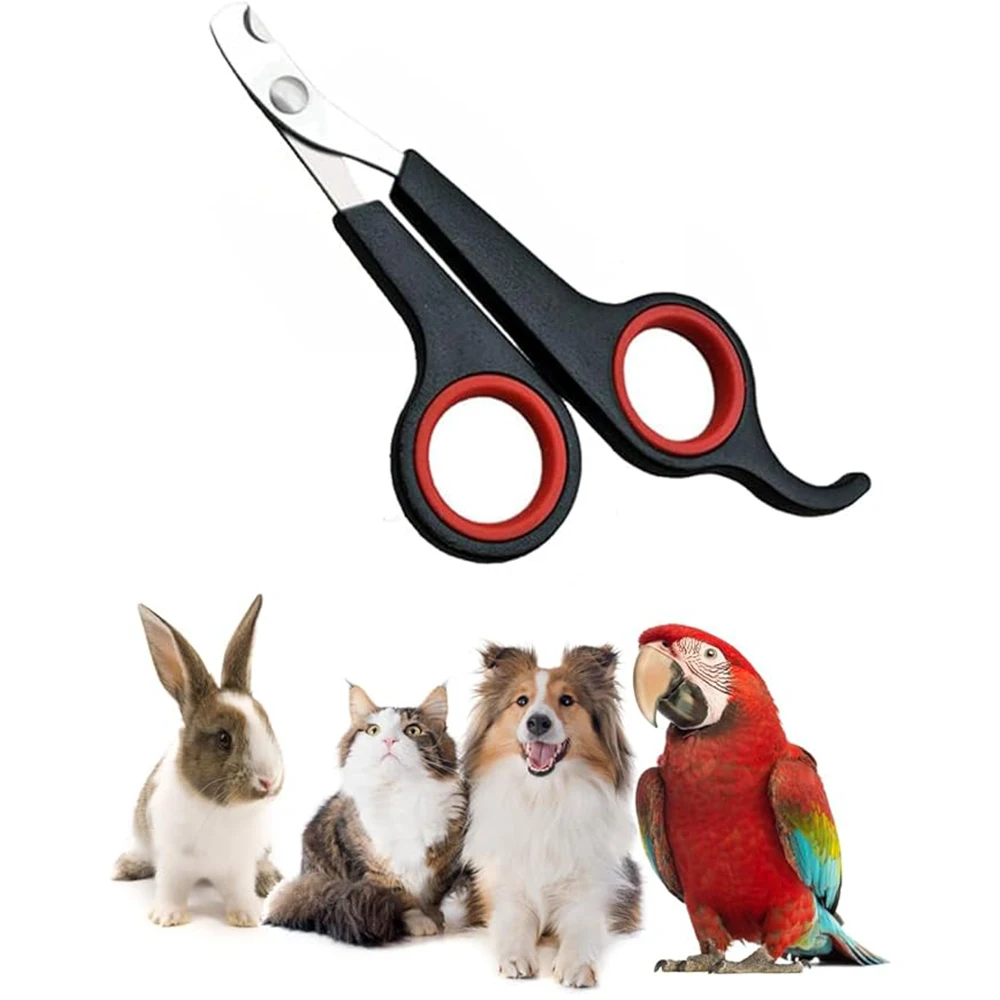
Image source: Bing (Web (fair-use with source credit))
The safer path: Many owners, even experienced ones, skip DIY trimming. A brief visit to an exotic vet or a qualified small animal groomer can handle this in minutes. The cost is minimal compared to the risk of a broken toe or a bitten owner.
If you're not confident in your ability, don't risk the injury. Call the vet.
Teeth and Chews: Dental Maintenance You Can't Skip
While you'll never brush your gerbil's teeth, dental care is still part of the grooming picture. Gerbils have open-rooted incisors that grow continuously throughout their lives. That's right, their front teeth never stop growing.
In the wild, constant gnawing on tough desert vegetation keeps those teeth worn down. In captivity, you need to provide the equivalent. This isn't optional.
It's a matter of health, not just aesthetics.
Why Overgrown Teeth Are Dangerous
When a gerbil's incisors grow too long, they can curl and grow into the gums, the roof of the mouth, or the lips. This is painful, and it prevents your gerbil from eating. A gerbil that can't eat will lose weight rapidly and can die within days.
The Merck Veterinary Manual lists dental disease as a common health problem in pet rabbits and rodents, including gerbils. Signs of dental trouble include:
- Drooling or wet fur around the mouth
- Difficulty eating or dropping food
- Weight loss despite a normal appetite
- Visible overgrowth of the incisors
What to Provide for Natural Dental Wear
Your job is simple: give your gerbil things to chew on that are safe and appropriately hard. Per veterinary guidelines, the following options work well:
| Chew Material | How It Works | Notes |
|---|---|---|
| Untreated wood blocks | Provides resistance for gnawing | Apple, willow, and aspen are safe |
| Hay cubes | Fibrous, encourages grinding | Timothy hay cubes are widely available |
| Cardboard | Soft but useful for wear | Avoid printed or glossy cardboard |
| Pumice stones | Abrasive surface | Look for pet-safe versions |
| Hard biscuits (unsalted) | Edible, adds variety | Sparingly, as a treat |
The important thing is that your gerbil is chewing every day. Check their teeth roughly once a week. If you see the lower incisors extending past the upper incisors significantly, or if the upper incisors are curving outward, seek veterinary help.
Overgrown teeth that need trimming should only be addressed by a professional. Never attempt to clip teeth yourself. You can break the tooth, cause infection, or injure your gerbil's jaw.
Common Grooming Mistakes Owners Make
Even with the best intentions, owners make mistakes. Some are harmless oversights. Others can be genuinely dangerous.
Here are the most common grooming-related errors we see in our research and what to do instead.
Using Chinchilla Dust Instead of Sand
This is the #1 mistake we encounter. It's understandable. The products are right next to each other in the store, and the packaging looks similar.
But the difference matters enormously.
Chinchilla dust is ground to a fine powder, almost like talc. Its purpose is to absorb oils from the dense chinchilla coat. For a gerbil, that fine powder is a respiratory hazard.
They inhale it while rolling, and the particles can irritate their lungs and nasal passages.
Sand, on the other hand, has larger particles that don't become airborne as easily. They tumble through the fur and absorb oil without entering the respiratory tract.
The fix: Read the label carefully. If it says "dust" or "powder," skip it. If it says "sand" and has no additives, it's safe for your gerbil.
When in doubt, check the texture with your fingers. Sand should feel gritty, not silky.
Leaving the Sand Bath In Full-Time
You might think that giving your gerbil constant access to sand is generous. It's not. It's a problem.
When sand is available 24/7, gerbils will:
- Use it as a litter box (soiled sand is a health hazard)
- Over-bathe, drying out their skin
- Kick so much sand into their food and water dishes that they contaminate them
Our recommendation stands: offer the sand bath 2 to 3 times per week, for 15 to 20 minutes at a time. This gives your gerbil the benefit of sand while avoiding the downsides.
Forcing Handling and Restraint
Some owners think they need to "groom" their gerbil by brushing them or picking them up frequently to check their coat. Forcing handling is one of the fastest ways to break your gerbil's trust and cause stress.
Gerbils are prey animals. Their natural response to being restrained is fear. If you force handling, you'll:
- Increase stress levels, which can trigger porphyrin staining
- Increase the risk of bites
- Risk a tail slip injury, where the skin of the tail tears off the bone
The fix: Handle your gerbil gently and on their terms. Let them climb into your hand rather than grabbing them. Keep handling sessions short, 5 to 10 minutes at first.
Build trust gradually.
Wiping Away Porphyrin
Porphyrin is a symptom, not a dirty spot. Wiping it off does nothing for the underlying problem.
If you wipe it away, you might feel like you're helping. You're not. You're simply hiding the evidence of a potential health issue while the actual cause goes untreated.
The fix: Leave the porphyrin alone. Take your gerbil to an exotic veterinarian for a proper diagnosis. In the meantime, reduce stressors in the environment.
This might help slow the production until you can get professional care.
Ignoring the Environment
Grooming isn't just about the animal. It's about the environment they live in. A dirty cage, or one with the wrong bedding, can undo all your gerbil's self-grooming efforts.
Here's what we mean:
- Dusty or aromatic bedding like pine or cedar can irritate the respiratory system
- Dirty substrate harbors bacteria that can cause skin infections
- A cramped enclosure increases stress, which disrupts normal grooming behavior
The fix is straightforward: spot-clean the cage daily, change the substrate weekly, and use paper-based or aspen bedding. A clean environment makes grooming easier for your gerbil.
How to Spot a Healthy Coat: A Quick Weekly Check
You don't need to groom your gerbil, but you should inspect them. A quick weekly visual check takes 30 seconds and can catch problems early.
Here's what a healthy gerbil coat looks like:
- Smooth and flat. The fur lies flat against the body. It doesn't stand up in patches.
- No visible flakes or scabs. The skin beneath is clean and uniform in color.
- No bald patches. Except for the scent gland, which is naturally sparse. That's normal.
- No crusting or discharge. Around the eyes, nose, or ears.
- Normal grooming behavior. You should see your gerbil grooming regularly, both alone and with cage mates.
The Scent Gland: What's Normal and What's Not
Male gerbils (and some females) have a scent gland on their belly. It looks like a small, oval patch of yellowish or brownish skin with sparse fur. This is completely normal.
The scent gland produces oils that gerbils use for marking territory. You might notice it looks slightly greasy or has a strong odor. That's normal.
However, if the scent gland becomes red, swollen, or develops a crusty surface, that can indicate a problem. Scent gland tumors are a known health issue in older male gerbils. If you notice any change in this area, get it checked.
The 30-Second Weekly Check
Here's the routine we recommend:
Watch your gerbil in their enclosure. Observe their grooming behavior for a minute. Are they grooming normally? Are they active?
Check the coat visually. Look for bald patches, matting, or flaking. Pay attention to the face and back.
Inspect the eyes and nose. Look for porphyrin staining or discharge. A small amount of crusting in the morning is normal, but persistent crust is not.
Feel the body gently. Run your finger along their back and sides. The coat should feel smooth. Any lumps, bumps, or scabs need attention.
Check the scent gland. Look for redness, swelling, or crusting.
Listen for respiratory signs. Sneezing, wheezing, or clicking sounds are red flags.
If everything looks good, you're done. If you spot something concerning, don't wait. Book a vet appointment.
When to See an Exotic Vet (Not Google)
We've mentioned veterinary care several times. Now let's get specific. Gerbils are not like dogs or cats.
A regular veterinarian may not have the knowledge or equipment to treat them properly. You need an exotic animal veterinarian.
Why a General Vet Isn't Always Enough
General vets are trained for cats, dogs, and sometimes farm animals. They may not be familiar with gerbil anatomy, physiology, or medication dosing. A wrong dose of a common medication can be lethal to a small rodent.
An exotic vet has specialized training in small mammals, birds, reptiles, and other non-traditional pets. They know how to:
- Safely handle and restrain gerbils
- Diagnose species-specific conditions like scent gland tumors
- Dose medications correctly based on body weight
- Perform procedures like tooth trimming or nail trims safely
Red Flags That Require Immediate Veterinary Care
Some signs are easy to dismiss. Don't dismiss these. They warrant prompt professional attention.
| Red Flag | What It Might Indicate |
|---|---|
| Porphyrin staining around eyes or nose | Respiratory infection or stress |
| Open-mouth breathing or wheezing | Respiratory distress, requires urgent care |
| Refusal to eat or drink | Dental disease, systemic illness, or gastrointestinal stasis |
| Lethargy and fluffed fur | General illness; gerbils hide sickness until it's severe |
| Blood in urine or on bedding | Urinary tract infection or reproductive issues |
| Seizures or tremors | Neurological issues, toxicity, or severe infection |
| Sudden loss of balance | Stroke-like event or inner ear infection |
| Excessive scratching | Mites, fungal infection, or allergies |
How to Find an Exotic Vet Near You
Finding the right vet takes a little effort, but it's worth it. Here's how to locate one:
- Ask your breeder or rescue. They usually have a trusted vet they work with.
- Contact your local veterinary association. They can provide a list of exotic pet vets.
- Call and ask directly. Call practices and ask, "Do you treat gerbils?" Don't assume that "small animals" includes them. Some practices only see rabbits and guinea pigs.
- Check for certification. The American Board of Veterinary Practitioners (ABVP) certifies vets in exotic companion mammal practice. This is a strong indicator of expertise.
When to Call Immediately
Some situations are emergencies. Don't wait for an appointment. Call your vet or an emergency clinic right away if:
- Your gerbil is bleeding
- Their teeth are visibly overgrown and they can't eat
- They are struggling to breathe
- They have collapsed or are unresponsive
- They are showing signs of severe pain, like vocalizing or excessive hiding
The Cost of Exotic Vet Care
Let's be upfront about cost. Exotic vet care is more expensive than standard vet care for common pets. This is due to the specialized training and equipment involved.
Based on aggregate industry data, typical costs are:
| Service | Typical Cost Range |
|---|---|
| Office visit / consultation | $60 to $120 |
| Nail trim | $15 to $30 |
| Fecal exam for parasites | $30 to $60 |
| Skin scrape for mites | $40 to $80 |
| Dental check and trim | $100 to $200 |
| Basic diagnostic imaging | $100 to $250 |
These are estimates, and prices vary by region and clinic. But it's wise to budget for at least one vet visit per year for a general checkup. Catching problems early is cheaper than treating them late.
Prevention Is Cheaper Than Treatment
The best way to avoid expensive vet bills is to prevent health problems in the first place. This circles back to what we've covered:
- Provide a proper sand bath
- Keep the environment clean
- Offer appropriate chew toys
- Watch for early warning signs
- Reduce stress
If you do these things consistently, you'll minimize the need for vet visits. And when you do need one, you'll catch the issue early, when it's most treatable.
Grooming Myths Debunked
We've covered a lot of ground. Let's clear up some persistent myths that float around pet forums and social media. These misconceptions cause real harm when owners act on them.
Myth 1: Gerbils Need Regular Brushing
You'll see cute videos of people brushing hamsters with tiny combs. It looks adorable. It's also unnecessary for gerbils.
Gerbils have short, dense fur that doesn't mat or tangle under normal conditions. A brush does nothing that their own grooming doesn't already accomplish. Worse, brushing can remove the natural oils that keep their coat healthy and waterproof.
The truth: A brush is a prop for videos, not a grooming tool for gerbils. Save your money and your time.
Myth 2: A Water Bath Is Fine If You're Careful
This is the most dangerous myth. Some owners believe that a gentle lukewarm bath is acceptable as long as they dry the gerbil thoroughly afterward.
The problem isn't just the temperature. It's the shock of immersion. A gerbil's body is wired for desert survival.
Being submerged triggers an instinctual panic response that can cause cardiac arrest or stroke even in warm water.
The truth: Water baths kill gerbils. There is no safe way to give a gerbil a water bath at home.
Myth 3: Sand Baths Cause Respiratory Problems
Some owners avoid sand baths entirely, believing that all sand is dusty and dangerous. This is a misunderstanding.
The issue isn't sand. It's dust. Properly milled chinchilla sand has particle sizes large enough to avoid becoming airborne.
It's the fine dust that causes respiratory irritation, not the sand itself.
The truth: A quality sand bath is safe and necessary. Skipping it causes oily fur and skin issues. Choose the right sand and you'll have no problems.
Myth 4: You Should Brush Your Gerbil's Teeth
Dental hygiene is important for gerbils, but brushing their teeth isn't the way to handle it. Gerbil teeth are tiny and fragile. Attempting to brush them will stress your pet and risk injury.
The truth: Chew toys and a proper diet handle dental wear naturally. If teeth overgrow, a vet will trim them. Leave the brushing to your own dentist.
Myth 5: Gerbils That Groom Excessively Are Just Clean
Not exactly. Occasional grooming is normal. Constant, frantic grooming is a sign of stress, boredom, or skin irritation.
If your gerbil is grooming to the point of creating bald patches or raw skin, that's over-grooming. It's a behavioral response to an issue that needs addressing.
The truth: Excessive grooming is a red flag, not a virtue. Check for mites, review stress levels, and enrich the environment.
Regional and Housing Differences in Gerbil Care
Not all gerbil care looks the same. Where you live and how you house your gerbil affects their grooming and hygiene needs. Let's break down the variables.
The Climate Factor
Gerbils are desert animals, but pet gerbils live in human homes across every climate zone. Your local humidity impacts their coat health.
In dry climates or heated winter homes:
- Skin can become dry and flaky
- Sand baths can be slightly more frequent, up to 4 times weekly
- Watch for static electricity in the fur, which signals dryness
In humid climates or summer months:
- Excess humidity can make the coat feel greasy
- Sand baths help absorb extra moisture
- Keep the sand bath in a dry area of the cage
- A dehumidifier in the room can help if humidity stays above 60 percent
The Bedding Factor
What you put on the cage floor matters more than you might think. Bedding affects claw wear, fur condition, and respiratory health.
| Bedding Type | Effect on Grooming | Recommendation |
|---|---|---|
| Paper-based | Soft, low dust, good for burrowing | Best overall choice |
| Aspen shavings | Natural, absorbs well | Good, second choice |
| Pine or cedar | Aromatic oils cause respiratory issues | Avoid entirely |
| Corncob | Abrasive, dusty | Not recommended |
| Fleece liners | No dust, but no burrowing | Acceptable if other digging substrate is provided |
Paper-based bedding is the safest bet for most owners. It provides the deep burrowing substrate gerbils need while keeping dust levels low. This supports natural grooming behaviors and keeps claws worn down.
The Cage Size Factor
A small cage means more stress. More stress means disrupted grooming behaviors. That's a direct link.
The American Veterinary Medical Association emphasizes that proper husbandry, including adequate space, is fundamental to preventing disease in exotic pets. Minimum cage size for two gerbils is typically cited at 10 gallons per gerbil, but larger is always better. Aggregated owner reviews across forums consistently report that gerbils in larger enclosures show fewer stress-related behaviors, including over-grooming and porphyrin staining.
The practical takeaway: More space equals healthier, better-grooming gerbils.
Environmental Enrichment and Its Role in Grooming
We've touched on stress and grooming. Let's dig deeper into enrichment, because it's the most underrated tool in gerbil care.
Why Bored Gerbils Groom Poorly
A bored gerbil is a stressed gerbil. A stressed gerbil grooms ineffectively or excessively. The cycle feeds itself.
Gerbils are intelligent, curious animals. In the wild, they spend their days digging, foraging, and exploring. In a bare cage, they have nothing to do.
That's when grooming becomes obsessive or stops entirely.
Enrichment Ideas That Promote Healthy Grooming
The goal is to mimic natural behaviors. Here are enrichment strategies backed by exotic pet husbandry recommendations:
Deep substrate for digging. Provide at least 8 to 12 inches of paper-based bedding. Gerbils are natural burrowers. This is their most essential enrichment.
Tunnels and hideouts. Cardboard tubes, ceramic hides, and wooden tunnels give them places to explore and hide.
Sand bath as enrichment. The sand bath itself is enrichment. It encourages rolling, digging, and foraging behaviors beyond cleanliness.
Foraging toys. Scatter food or hide treats inside cardboard tubes or paper balls. This encourages natural food-searching behaviors that busy their minds.
Chew variety. Offer different wood types, hay cubes, and pumice stones. Rotating the options keeps things interesting.
Wheel access. A solid-surface wheel, not wire, provides exercise. It also helps wear down nails naturally.
How to Tell If Enrichment Is Working
You can judge enrichment success by observing your gerbil's behavior. Healthy, enriched gerbils:
- Groom regularly but not obsessively
- Burrow and dig in their substrate
- Rearrange nesting material
- Interact with cage mates positively
- Show curiosity when you offer new items
If your gerbil is active, curious, and grooming normally, you're on the right track.
Grooming Over a Gerbil's Lifespan
Gerbils live two to four years on average. Their grooming needs change as they age. Being prepared for each stage helps you catch problems early.
Baby Gerbils (0 to 6 Months)
Baby gerbils groom constantly while learning from their parents or cage mates. They're naturally self-sufficient in this regard. Their nails are small and sharp.
Provide plenty of digging substrate to prevent scratches.
At this age, they may be skittish. Heavy handling for grooming checks can backfire. Instead, observe them in the cage for signs of healthy grooming.
Adult Gerbils (6 Months to 2 Years)
This is the golden period. Adult gerbils have established grooming routines and a stable environment. Weekly visual checks usually suffice.
Their nails will naturally wear down from digging. Sand baths on the 2-to-3-times-per-week schedule maintain their coat properly.
Senior Gerbils (2 Years and Up)
This is when grooming needs your attention. Senior gerbils face:
- Arthritis that makes grooming painful
- Dental disease that makes chewing difficult
- Reduced mobility that prevents reaching all body areas
- Vision and hearing loss that increases stress
In our research, senior gerbils are the most likely to need human intervention. Nail trims become more common. Matted fur might appear on the lower back where they can no longer reach.
For senior gerbils:
- Provide softer bedding that's easier to navigate
- Place food and water close to their favorite resting spots
- Check nails monthly rather than quarterly
- Spot-clean any matted fur gently with a damp cotton swab
- Consider a vet visit if you see excessive matting or fur loss
End-of-Life Grooming Cessation
When a gerbil stops grooming entirely, it's often a sign that the end is near. This isn't a grooming problem. It's a quality-of-life issue.
If your senior gerbil has stopped grooming and is also demonstrating other signs like weight loss, lethargy, or difficulty breathing, consult your vet about palliative care options.
The Gerbil Marketplace: What You Need to Know About Grooming Products
Let's be honest about the pet industry. There's a lot of money to be made from confused owners. Grooming products for gerbils range from genuinely useful to actively harmful.
Here's a buyer's guide grounded in research and manufacturer specifications.
Products Worth Buying
Fine chinchilla sand. This is the one grooming product you genuinely need. Look for brands that advertise "no dust" and "no added fragrance." Typical cost is around $8 to $15 for a bag that lasts months.
Small animal nail clippers. If you plan to trim nails yourself, invest in quality clippers designed for birds or small mammals. Expect to pay $10 to $20.
Styptic powder. This is a safety essential. A small container costs around $5 to $10 and can stop bleeding if you accidentally cut the quick.
Heavy ceramic bowl. Any deep, weighted dish works as a sand bath. You don't need a branded "gerbil sand bath" product. A ceramic ramekin from a thrift store costs a dollar and works perfectly.
Products to Avoid
"Gerbil grooming kits." These typically include a comb, a brush, and scissors. They're unnecessary. Your gerbil doesn't need them.
Water-based shampoos or sprays. Some brands sell dry shampoos or deodorizing sprays for small animals. These aren't safe for gerbils. They disrupt natural oil balance and can cause skin irritation.
Scented sand products. Any sand with added perfume is a risk. The scent chemicals can irritate your gerbil's respiratory system and skin.
Human nail clippers. Don't use these on gerbil nails. They're too large and imprecise for such tiny toes.
Price Comparison by Product Type
| Product | Budget | Mid-Range | Premium |
|---|---|---|---|
| Chinchilla sand (2kg) | $8-$10 | $12-$15 | $15-$20 |
| Small animal clippers | $8-$12 | $12-$18 | $18-$25 |
| Styptic powder | $5-$7 | $8-$10 | $10-$15 |
| Ceramic bowl | $1-$3 | $3-$6 | $6-$10 |
The total upfront cost should be under $30. Anything significantly more expensive is carrying unnecessary markup.
Where to Buy Grooming Supplies
Most pet stores stock chinchilla sand in the small animal section. Look for established brands that publish clear specifications for particle size and purity.
For clippers and styptic powder, the ferret or guinea pig section usually has what you need. Online retailers offer broader selection but check shipping costs. A $4 bag of sand can cost $15 to ship.
One sourcing tip: Local breeders and exotic pet rescues often have spare supplies. They can point you to the most affordable local sources.
The Hidden Cost of Getting It Wrong
Buying the wrong products costs more than money. It costs your gerbil's health.
- A bag of dust instead of sand costs $10. Respiratory illness costs $100 in vet bills and untold suffering.
- Water bath supplies cost nothing. A dead gerbil costs everything.
Invest in the right sand. Skip the rest. Your gerbil doesn't care about brands.
Troubleshooting Common Grooming Problems
Sometimes, despite your best efforts, something goes wrong. Here's how to troubleshoot the most common grooming-related issues.
Problem: My Gerbil Has Oily, Greasy Fur
Possible causes:
- No sand bath provided recently
- Sand bath left in cage too long and became contaminated
- Overactive sebaceous glands from a hormonal issue
- Diet too high in fat
Troubleshooting steps:
- Check your sand bath routine. Is it clean? Is it fresh sand?
- Provide a sand bath immediately. Let your gerbil roll for 20 minutes.
- Review their diet. Too many seeds and nuts can cause oily fur.
- If the problem persists beyond two weeks, consult a vet.
Problem: My Gerbil Has Dry, Flaky Skin
Possible causes:
- Over-bathing with sand
- Low humidity environment
- Nutritional deficiency
- Mites or fungal infection
Troubleshooting steps:
- Reduce sand baths to once per week temporarily.
- Add a humidifier if the room is very dry.
- Boost nutrition with fresh vegetables and a quality gerbil pellet.
- If flaking continues or spreads, book a vet appointment for a skin scrape.
Problem: My Gerbil's Fur Is Stained Yellow
Possible causes:
- Urine staining from sleeping in a wet corner
- Scent gland discharge
- Age-related yellowing in white gerbils
Troubleshooting steps:
- Clean the cage more frequently. Fix any water bottle leaks.
- Check the bedding. If it's wet, remove the damp sections immediately.
- White gerbils naturally yellow as they age. This is cosmetic and harmless.
Problem: My Gerbil Smells Bad
Possible causes:
- Scent gland overactivity, especially in males
- Dirty cage and soiled bedding
- Respiratory infection causing odor
- Dental disease causing bad breath
Troubleshooting steps:
- Check the cage first. Dirty enclosures are the #1 cause of odor.
- Clean the scent gland area gently with a damp cotton swab if it looks crusty.
- If the smell comes from the mouth, dental disease is likely. Call a vet.
- Persistent bad smell despite a clean cage always warrants a vet check.
Problem: My Gerbil Is Over-Grooming and Pulling Fur Out
Possible causes:
- Stress or boredom
- Mites or skin irritation
- Barbering by a cage mate
- Allergies
Troubleshooting steps:
- Watch your gerbil. Is the fur loss on their own body or their cage mate's?
- If it's self-directed, examine the skin for redness, flakes, or parasites.
- Add enrichment to reduce stress. More substrate, more hides.
- Separate gerbils temporarily if you suspect barbering.
- If no cause is obvious, visit the vet within a few days.
Problem: My Gerbil Won't Let Me Check Their Coat
Possible causes:
- Not habituated to handling
- Pain or illness
- Natural fear response
Troubleshooting steps:
- Slow down. Build trust over weeks with short, gentle sessions.
- Offer a treat during handling to create positive associations.
- If your gerbil suddenly becomes resistant to handling, that's new behavior. It could signal pain. A vet check is warranted.
Problem: My Gerbil Has Matted Fur on Their Belly
Possible causes:
- Urine or wet bedding staining
- Decreased grooming due to arthritis or obesity
- Saliva staining from a dental issue
Troubleshooting steps:
- Gently spot-clean with a damp cotton swab.
- Check the bedding for dampness. Fix any water bottle leaks.
- If your gerbil is older, consider softer bedding and a veterinary check.
- If you see wet fur around the mouth, dental disease is likely. Vet visit required.
Maintaining Optimal Coats Through Nutrition
Grooming isn't just what happens on the outside. It's a reflection of what's happening on the inside. Diet plays a massive role in coat health.
The Nutritional Building Blocks
A gerbil's coat needs specific nutrients to stay glossy and healthy:
| Nutrient | Function in Coat Health | Key Sources |
|---|---|---|
| Protein | Keratin production for hair shafts | Pellets, seeds, insects (mealworms) |
| Omega-3 fatty acids | Skin hydration and shine | Flaxseed, chia seeds |
| Vitamin A | Sebum production, skin cell turnover | Carrots, sweet potato, dark leafy greens |
| Biotin (Vitamin B7) | Hair growth and strength | Yeast, cooked egg, nuts |
| Zinc | Hair follicle health and repair | Pumpkin seeds, whole grains |
Commercial gerbil pellets are formulated to meet basic requirements. However, a diet of pellets alone is boring and nutritionally incomplete for optimal coat condition.
The Right Diet for a Healthy Coat
Staple: A high-quality gerbil pellet mix, forming about 80 to 90 percent of their daily intake. Look for a protein content of 14 to 16 percent.
Supplement: Small amounts of fresh vegetables daily. Think broccoli, carrots, cucumber, and leafy greens. These provide vitamins and moisture.
Treats: Occasional mealworms or a pinch of seeds provide protein and healthy fats. Keep these under 10 percent of the diet to prevent obesity.
Foods That Harm Coat Health
- Sugary treats cause inflammation and dull fur.
- Excess fat leads to oily coats and skin problems.
- Citrus fruits can cause digestive upset and skin irritation in some gerbils.
- Processed human food contains salt and preservatives that harm overall health.
A healthy diet shows within weeks. Shiny, sleek fur follows balanced nutrition.
Hydration and Coat Health
Dehydration is a silent coat killer. A dehydrated gerbil has dry, brittle fur and flaky skin. Check their water bottle daily.
Clean it weekly. Refill with fresh water every day.
Water intake is especially important for gerbils eating a mostly dry seed diet. Ensure the water bottle is accessible and dripping freely.
The Connection Between Grooming and Gerbil Wellness
Grooming is not a standalone activity. It's deeply connected to your gerbil's overall wellness. This is why we pay attention to it.
Grooming as a Vital Sign
In veterinary medicine, grooming behavior is a vital sign for small mammals. It's as important as appetite, activity level, and waste production.
A gerbil that stops grooming is telling you something is wrong. A gerbil that over-grooms is also telling you something. Your job is to listen.
The Stress-Grooming Loop
Stress disrupts normal grooming in two directions:
- Hypo-grooming: A severely stressed gerbil may stop grooming entirely. Their coat becomes ruffled, oily, or matted.
- Hyper-grooming: A stressed gerbil may groom obsessively, creating bald patches or skin wounds.
Both extremes point to environmental problems, social conflict, or illness. Reducing stress restores normal grooming.
Practical Wellness Checks
Incorporate these checks into your weekly routine:
- Monday: Check water bottle and food supply
- Wednesday: Observe grooming behavior for 2 minutes
- Friday: Full visual coat check
- Weekend: Sand bath session
Consistent observation helps you catch problems early. Catching problems early means simpler, cheaper treatment.
Frequently Asked Questions
How often should I give my gerbil a sand bath?
Offer a sand bath 2 to 3 times per week, for 15 to 20 minutes each session. This schedule keeps their coat clean without over-drying their skin. If you live in a humid climate, you can increase frequency to 4 times weekly.
In dry climates, stick to the lower end of the range.
Can I use regular playground sand for my gerbil?
No. Playground sand is too coarse and may contain pathogens, dust, or sharp particles. It's not milled to the consistent particle size that chinchilla sand provides.
Always use commercially prepared chinchilla sand with no added dyes, fragrances, or calcium.
Why does my gerbil smell bad even though they groom themselves?
Persistent odor usually points to a dirty cage, not a dirty gerbil. Check for soiled bedding, a leaking water bottle, or a contaminated sand bath. If the cage is clean and the smell persists, inspect the scent gland.
A crusty or swollen scent gland can produce strong odors. If you notice this, or if the smell comes from the mouth, consult a vet.
Should I brush my gerbil's fur?
No. Gerbils have short, dense fur that doesn't need brushing. A brush removes the natural oils that keep their coat healthy and waterproof.
It can also cause unnecessary stress. Your gerbil's self-grooming and sand baths are all they need.
Do gerbils need their nails trimmed?
Usually not. Gerbils wear down their nails naturally through digging in deep bedding and running on solid exercise wheels. You may need to trim nails in senior gerbils or those kept on soft, non-abrasive bedding.
If you can hear their nails clicking on the cage floor, they're too long.
What does porphyrin staining look like?
Porphyrin appears as a reddish-brown crust around the eyes, nose, or mouth. It looks like dried blood but is actually a natural secretion that becomes visible when a gerbil is stressed, ill, or not grooming properly. Do not try to wipe it off.
It's a sign that you should consult a veterinarian.
Is chinchilla dust safe for gerbils?
No. Chinchilla dust is too fine and can cause respiratory irritation in gerbils. The particles become airborne easily and are inhaled during rolling.
Always choose chinchilla sand, which has larger particles that are safe for respiratory health.
How can I tell if my gerbil's grooming behavior is normal?
Watch for several signs. Normal grooming is periodic and methodical. Your gerbil should groom themselves and cage mates regularly.
They should appear relaxed, not frantic. Their coat should look smooth, flat, and free of bald patches or matting. If grooming becomes obsessive, stops entirely, or is accompanied by other symptoms like weight loss or lethargy, seek veterinary advice.
What should I do if my gerbil stops grooming altogether?
A sudden halt in self-grooming is a red flag for underlying illness, pain, or stress. Check for signs of dental disease, arthritis, or respiratory infection. Review any recent changes to the cage, diet, or routine.
If the behavior persists for more than 48 hours, book a vet appointment.
How do I clean my gerbil's scent gland?
The scent gland rarely needs cleaning. Healthy gerbils maintain it themselves. If you notice a crusty or greasy buildup, gently wipe the area with a slightly damp cotton swab.
Never scrub or use any cleaning products. If the gland looks red, swollen, or painful, consult a vet.
Can I give my gerbil a water bath if they get dirty?
No. Water baths are extremely dangerous for gerbils. They can trigger shock, hypothermia, and respiratory infections.
If your gerbil has a sticky spot on their fur, spot-clean with a damp cotton swab and follow up with a sand bath. If they have a hazardous substance on their coat, contact a vet immediately for specific instructions.
What bedding is best for gerbil coat health?
Paper-based bedding is the best overall choice for coat and respiratory health. It's low-dust, absorbent, and supports natural burrowing. Aspen shavings are a good alternative.
Avoid pine and cedar entirely due to their aromatic oils and respiratory risks.
How long do gerbils live as pets?
Pet gerbils typically live 2 to 4 years with proper care. Some reach 5 years with excellent genetics and husbandry. Grooming needs change as they age, so adjust your monitoring and care routine accordingly.
Do gerbils need a companion to groom each other?
Gerbils are social animals and benefit from living with a compatible companion. Allogrooming is a natural behavior that strengthens bonds and helps them groom hard-to-reach areas. If you keep a single gerbil, you'll need to be more attentive to their coat condition, especially on their head and back.
What are the signs of a respiratory infection in gerbils?
Respiratory infections in gerbils are serious and require prompt veterinary care. Key signs include sneezing, wheezing, open-mouth breathing, nasal discharge, lethargy, and porphyrin staining around the eyes and nose. If you notice any of these, isolate the affected gerbil and consult an exotic vet immediately.
When should I take my gerbil to the vet for grooming concerns?
Seek veterinary care if you notice any of the following: persistent porphyrin staining, bald patches, matted fur, excessive scratching, overgrown teeth, overgrown nails with visible discomfort, or any sudden change in grooming behavior. Early intervention is key to successful treatment.
Final Verdict: Your Gerbil's Grooming Routine (Do This, Skip That)
We've covered a lot of ground. Let's pull it together into a clear, actionable routine. This is everything you need to do, and everything you should never do.
The Complete Gerbil Grooming Checklist
Here's the full picture:
| Task | Frequency | When to Do It | Do or Don't? |
|---|---|---|---|
| Offer sand bath | 2 to 3 times weekly | For 15 to 20 minutes per session | Do |
| Water bath | Never | Only under explicit veterinary direction | Never |
| Brushing | Never | Not needed; disrupts natural oils | Never |
| Nail trimming | As needed | Only if nails click on cage floor or curl | Do with caution, or vet |
| Dental checks | Weekly | Visual check for overgrowth or discomfort | Do |
| Coat observation | Weekly | Look for matting, bald patches, porphyrin | Do |
| Scent gland check | Monthly | Look for redness, swelling, or crusting | Do |
| Cage cleaning | Daily spot, weekly full | Keep bedding dry and fresh | Do |
The Do's and Don'ts Summary
Let's make this crystal clear. No ambiguity.
What you should do for your gerbil:
- Provide a sand bath 2 to 3 times per week with chinchilla sand
- Offer 8 to 12 inches of paper-based bedding for digging
- Give chew toys to maintain dental health
- Observe grooming behavior as a wellness check
- Spot-clean sticky spots with a damp swab
- Keep the cage clean and dry
- Handle your gerbil gently and build trust
What you should never do:
- Never give a water bath
- Never brush, comb, or use grooming tools
- Never wipe away porphyrin staining (it's a symptom)
- Never use chinchilla dust instead of sand
- Never trim nails without proper tools and confidence
- Never leave a sand bath in the cage full-time
- Never ignore sudden changes in grooming behavior
What All This Means for You
Owning a gerbil is wonderfully low-maintenance when it comes to grooming. You don't need a grooming kit. You don't need a schedule of baths and brushings.
You need to provide the right materials and observe your pet.
Your gerbil already knows how to clean itself. You just need to give them the tools to do it well.
Why This Matters So Much
Small animals hide illness remarkably well. In the wild, a sick gerbil is an easy meal for predators. That survival instinct doesn't disappear in a cage.
Your gerbil will hide their problems for as long as possible.
By paying attention to grooming behavior, you become their safety net. You can catch problems before they become emergencies. That vigilance is the real difference between a good gerbil owner and a great one.
Your Takeaway
Keep it simple:
- Set up a sand bath routine and stick to it.
- Watch your gerbil's coat and grooming habits weekly.
- Provide deep bedding and chew toys.
- Never bathe them in water.
- Call a vet when something looks wrong.
That's it. That's all the "grooming" your gerbil will ever need. Your part is to provide, observe, and respond.
Their part is to do what they've evolved to do: stay clean, stay healthy, and be your wonderful, curious, self-sufficient companion.