
You know that moment when your cat curls up on your chest, purring, and you go in for a nuzzle, only to be hit with a wave of breath that makes you recoil? Yeah, we've all been there. If your cat breath smells bad, it's easy to write it off as "just how cats smell." But here's the thing: it's not normal.
Not really.
Healthy cat breath should be fairly neutral, maybe a little "cat-food-ish" right after eating. Persistent, noticeable halitosis is a red flag that something's off in their mouth or deeper in their body. In our research, veterinary sources consistently report that dental disease affects the majority of cats over three years old, making it the top cause of bad breath.
But it's not the only one. Fruity breath can signal diabetes, and an ammonia-like smell points toward kidney trouble. So let's figure out what your cat's breath is telling you, and when you should stop googling and call the vet.
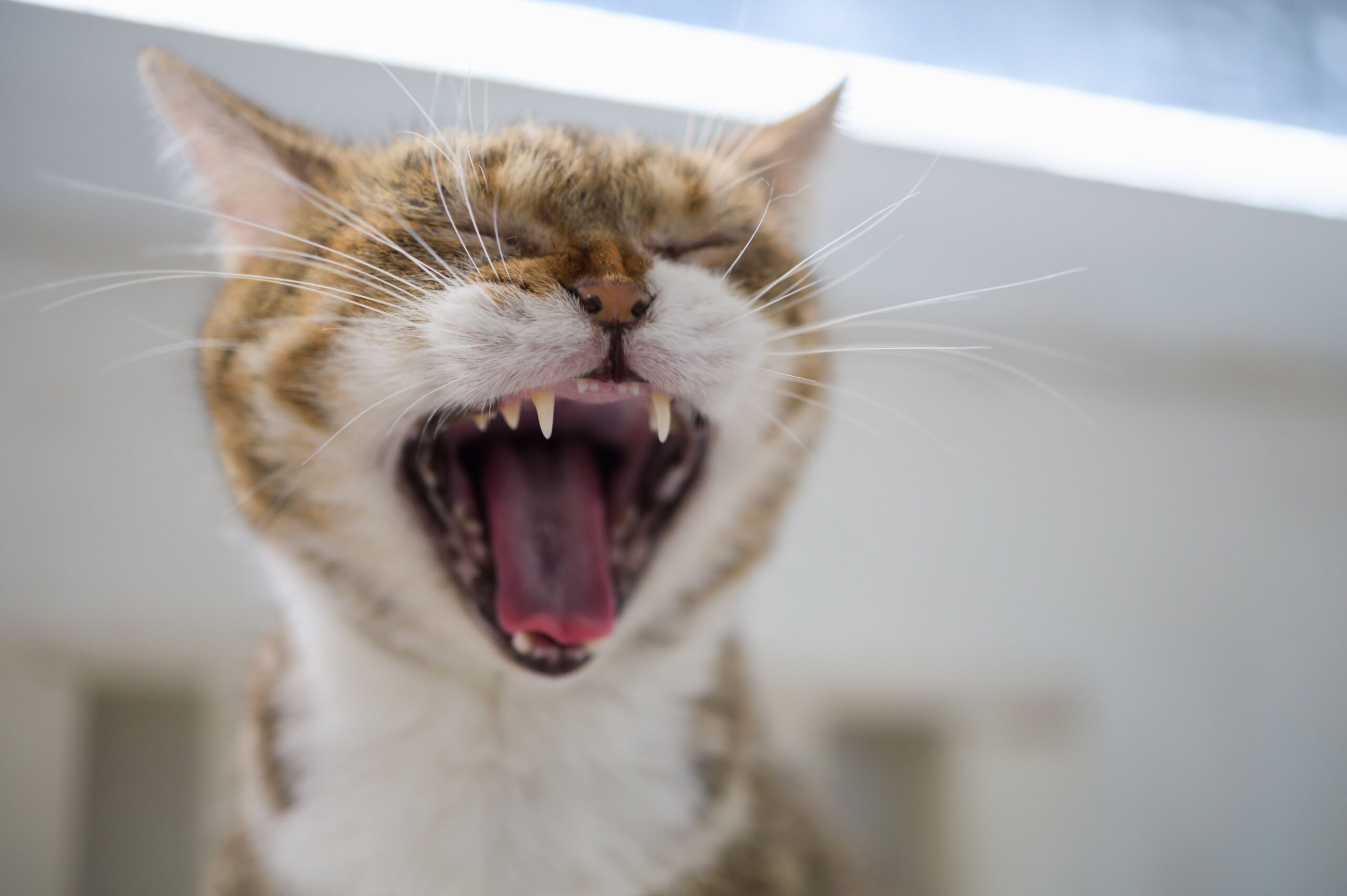
Image source: Bing (Web (fair-use with source credit))
Quick Answer
Bad cat breath almost always means dental disease. Plaque hardens into tartar, which irritates the gums and traps bacteria. That bacterial buildup is what smells.
Fruity breath can mean diabetes. Ammonia breath can mean kidney disease. If the breath is suddenly foul, check the mouth and call your vet.
Why Your Cat's Breath Smells Bad (And When to Worry)
Before we dive into the deep end, let's establish a baseline. What does "normal" cat breath even smell like? It's not minty fresh, that's for sure.
But it also shouldn't make your eyes water.
Normal cat breath has a mild, somewhat neutral odor. It might smell faintly of their food, especially in the hour after a meal. It should not smell like rotten meat, fish left in the sun, acetone (think nail polish remover), or urine.
If you're getting any of those strong, distinctive scents, it's time to pay attention.
The key here is change. If your cat's breath has always been mild and suddenly turned rank, something new is happening. That's your cue to investigate.
A cat's mouth is home to hundreds of species of bacteria. When the balance tips, or when bacteria find a foothold in plaque and diseased gums, the odor ramps up fast.
The Smell Type Cheat Sheet
Different odors point to different underlying problems. Here's a quick reference table so you know what you're dealing with:
| Smell You Notice | Likely Culprit | What To Do |
|---|---|---|
| Fishy or rotten | Dental disease, plaque, tartar, gingivitis | Schedule a vet dental check |
| Sweet or fruity (acetone-like) | Diabetes (ketones) | Vet visit ASAP, bloodwork needed |
| Urine or ammonia-like | Kidney disease | Vet visit ASAP, bloodwork needed |
| Metallic or bloody | Oral ulcers, stomatitis, trauma | Vet visit within 24 hours |
| Extremely foul, with drooling | Foreign body, tumor, severe infection | Emergency vet visit |
Notice how two out of four of those serious smells point to systemic diseases, not mouth issues. That's the part most owners miss. Bad breath isn't always about the teeth.
Why Age Matters: Kittens vs. Seniors
Age is a big clue when figuring out why your cat's breath stinks.
Kittens and young cats (under 3 years) rarely have significant dental disease. If a kitten has bad breath, it's more likely from a retained baby tooth, a foreign object stuck in the gums, or a viral infection like calicivirus causing mouth ulcers. These are all treatable, but they need a vet's eyes.
Senior cats (7 years and up) are a different story. By this age, dental disease is nearly universal if they haven't had regular cleanings. Plus, older cats are at higher risk for kidney disease, diabetes, and oral tumors.
So when a senior cat develops bad breath, the risk profile is much higher. You shouldn't wait and see. You should get them checked out sooner rather than later.
The Link Between Breath Odor and Systemic Disease
Here's the part that surprises a lot of owners. The mouth and the rest of the body are not separate systems. The bacteria that cause gum disease don't just stay in the mouth.
They can enter the bloodstream, travel to the heart, and cause endocarditis (inflammation of the heart lining). They can stress the liver and kidneys, which filter out bacterial toxins.
Research from the American Veterinary Dental College highlights that periodontal disease is a source of chronic inflammation and pain. It also notes that treating dental disease can improve overall health outcomes for cats with other conditions. So that bad breath isn't just a cosmetic problem.
It's a possible driver of long-term health issues you'd never associate with a stinky mouth.
This is why we take halitosis seriously. It's often the first visible sign of a much bigger problem brewing.
What Cat Breath Odors Actually Tell You
Let's get forensic about that stink coming from your cat's mouth. The specific smell profile is a diagnostic clue that vets use, and you can learn to recognize it too. Your nose is actually a useful medical tool here.
Breaking Down the Specific Smells
We covered the cheat sheet above, but let's go deeper into each smell so you know exactly what you're smelling and why.
Fishy or Rotten Smell
This is the most common bad breath complaint from cat owners. It smells like decay, and that's exactly what it is. Bacteria in the mouth break down food particles and dead tissue, releasing volatile sulfur compounds.
That's the scientific name for the stink. This is overwhelmingly caused by dental disease. Plaque calcifies into tartar, which pushes under the gumline.
Pockets form between the gums and teeth, collecting more bacteria and debris. The whole thing festers, and that festering smell is what hits your nose.
Sweet or Fruity Smell
This one is trickier because it doesn't smell "bad" in the traditional sense. It might smell sweet, slightly acetone-like, or reminiscent of nail polish remover. That's the smell of ketones.
When a cat with diabetes can't use glucose for energy, their body breaks down fat instead, producing ketones as a byproduct. These ketones are excreted through the breath. If you smell this, it's a medical emergency, especially if your cat is also lethargic, drinking a lot, or urinating frequently.
This can indicate diabetic ketoacidosis, which is life-threatening.
Urine or Ammonia Smell
This is another systemic clue. When the kidneys fail, they lose the ability to filter out urea from the blood. Urea is then broken down into ammonia, and some of it is breathed out through the lungs.
If your cat's breath smells like ammonia, it's a strong indicator of kidney disease. Chronic kidney disease is extremely common in senior cats, and bad breath is often one of the early signs owners notice. Combine that with increased thirst and weight loss, and you're looking at a kidney diagnosis.
Metallic or Blood-like Smell
A metallic, iron-like smell suggests there's blood in the mouth. This could be from a bleeding tooth socket, severe gum inflammation, a tumor that's ulcerated, or stomatitis (a painful, inflammatory condition). If you see blood on toys or in the water bowl, don't wait.
This needs a professional exam.
Why Age Matters: Kittens vs. Seniors
We touched on this above, but the age factor deserves its own spotlight. It genuinely changes how quickly you should react.
For kittens, bad breath is uncommon. If you notice it, look inside their mouth first. Is there a baby tooth that didn't fall out, leaving a gap where food gets trapped?
Is there a piece of string or thread wrapped around a tooth? Is there a visible ulcer or sore? Kittens explore the world with their mouths, so foreign objects are common.
A quick vet visit can resolve these issues safely.
For seniors, bad breath is a much bigger deal. We're not just talking about dental disease, though that's likely. We're talking about the possibility of systemic disease.
Senior cats hide illness incredibly well. They don't complain. They just quietly get sick.
Bad breath might be the first obvious symptom of kidney failure or diabetes, both of which need immediate management. So if your older cat's breath turns foul, skip the home remedies and go straight to the vet for bloodwork.
The Link Between Breath Odor and Systemic Disease
This deserves emphasis because it changes the entire conversation. Halitosis is not a standalone issue. It's a symptom that connects to bigger systems.
Bacterial infections in the mouth are particularly dangerous for cats with existing health problems. If your cat has diabetes, the high blood sugar impairs their immune response. They can't fight off oral bacteria as effectively, which means dental disease progresses faster.
Conversely, the inflammation from dental disease can worsen insulin resistance, making diabetes harder to manage. It's a vicious cycle.
Similarly, kidney disease and dental disease often coexist in senior cats. The kidneys are stressed by filtering out bacterial toxins from the mouth. And when the kidneys fail, the ammonia smell on the breath gets worse.
It's a feedback loop.
This connection is why vets will often recommend a dental cleaning before major surgery or when managing chronic conditions. They know that cleaning up the mouth reduces the bacterial load on the rest of the body. It's not just about fresh breath.
It's about protecting the heart, kidneys, and overall health.
As of 2026, veterinary dentistry has become a standardized part of wellness care, and the evidence for its systemic benefits is stronger than ever.
The #1 Culprit: Dental Disease in Cats
Let's dive into the most common reason your cat's breath smells like a dumpster. Dental disease is the top cause, and it's so widespread that some veterinary studies estimate 50% to 90% of cats over four years old have some form of it. That's a huge number.
If you're a cat owner, you'll likely deal with this at some point.
How Plaque Becomes Tartar Becomes Periodontal Disease
Let's trace the progression so you understand what's happening in your cat's mouth.
It starts with plaque, a sticky film of bacteria that forms on teeth within hours of eating. If plaque isn't removed, it mineralizes into tartar, which is hard, yellow or brown, and visible along the gumline. Tartar is rough and provides the perfect surface for more plaque to build up.
Once tartar pushes below the gumline, the real trouble begins. The gums become inflamed, a condition called gingivitis. You'll see redness, swelling, and bleeding along the gumline.
If left untreated, the inflammation spreads deeper, forming pockets between the teeth and gums. This is periodontal disease. These pockets collect food, bacteria, and pus.
The infection destroys the ligaments and bone holding the teeth in place. Eventually, the teeth loosen and may fall out.

Image source: Bing (Web (fair-use with source credit))
That image above shows exactly what tartar looks like on a cat's teeth. Notice the heavy brown buildup along the gumline. That's not just cosmetic.
That's an active bacterial infection causing pain and systemic inflammation.
Tooth Resorption: The Painful Condition Most Owners Miss
Tooth resorption is less well-known than dental disease, but it's incredibly common in cats. In this condition, the body's own cells start breaking down the tooth structure, essentially dissolving it. It's a painful, progressive disease that causes significant discomfort.
You might notice your cat drooling, dropping food, or being reluctant to eat hard food. You might also see small pink or red spots on the teeth where the enamel is eroding. Bad breath often accompanies this because the exposed dentin becomes sensitive and traps bacteria.
Veterinary dental specialists note that tooth resorption is one of the most common reasons cats need extractions. The painful teeth don't always look obviously bad, which is why dental X-rays are so important. X-rays reveal resorptive lesions hidden below the gumline that you can't see with the naked eye.
Gingivitis and Stomatitis: When Gums Are the Real Problem
Gingivitis is the early stage of gum disease. It causes red, swollen gums that bleed easily. It's reversible with a professional cleaning and good home care.
Stomatitis is a different, much more severe beast. It's an intense inflammatory response to the plaque on the teeth. In cats with stomatitis, the immune system overreacts, causing severe pain, ulceration, and inflammation throughout the mouth.
Gums, cheeks, tongue, and back of the throat can all be affected. This is one of the most painful conditions in veterinary medicine.
Cats with stomatitis often have horrendous breath, drool constantly, and may refuse to eat completely. Treatment often requires full-mouth extractions, which sounds drastic but is actually the most effective way to relieve the pain and restore quality of life. Studies show the majority of cats with stomatitis improve significantly after extractions.
Why Cats Hide Dental Pain Until It's Severe
Here's a brutal truth about cats: they are masters at hiding pain. In the wild, a cat showing weakness is a target. So domesticated cats retain that instinct.
They will endure significant oral pain while still eating, grooming, and acting relatively normal.
This means you can't rely on your cat to tell you when something is wrong. You have to look for subtle signs. Does your cat flinch when you touch the side of their face?
Do they chew on one side of their mouth? Do they prefer wet food over dry? Do they swallow food whole without chewing?
These are all signs of dental discomfort.
Bad breath is often the only externally obvious sign. So treat it as the valuable diagnostic clue that it is. Your cat can't tell you their mouth hurts, but their breath is screaming it.
Beyond the Mouth: Fruity Breath and Diabetes
We're moving past dental issues now. If your cat's breath smells sweet or fruity, this is a completely different ball game, and it's one you need to take seriously.
What Fruity or Sweet-Smelling Breath Means
Fruity breath in cats is often described as smelling like acetone or nail polish remover. Some people describe it as sweet or slightly fermented. The smell comes from ketones being exhaled through the lungs.
Here's how it works. In a healthy cat, the body breaks down carbohydrates into glucose for energy. Insulin helps move that glucose into cells.
But in a diabetic cat, either the body doesn't produce enough insulin, or the cells stop responding to it. Glucose builds up in the bloodstream because it can't enter the cells.
Without access to glucose, the body needs another fuel source. It starts breaking down fat for energy. An unfortunate byproduct of fat metabolism is the production of ketones.
These ketones accumulate in the blood and are exhaled through the breath. That's the sweet, fruity scent you're picking up.
Ketones and Ketoacidosis: The Emergency You Need to Know About
Ketonemia (having ketones in the blood) is a serious condition. If it becomes severe, it progresses to diabetic ketoacidosis (DKA). DKA is a life-threatening medical emergency.
It's characterized by dangerously high blood sugar, severe ketone buildup, and metabolic acidosis (your blood becomes too acidic).
Cats with DKA are typically very sick. They're lethargic, dehydrated, vomiting, and often have a poor appetite. The fruity breath smell is one of the clinical signs vets look for.
If you notice this smell and your cat seems unwell, get to an emergency vet immediately.
Do not wait to see if it resolves itself. DKA requires aggressive fluid therapy, insulin, and electrolyte management. The earlier it's treated, the better the outcome.
Other Early Diabetes Signs to Watch For
Feline diabetes doesn't usually happen overnight. There are early signs you can watch for, and recognizing them can catch the disease before it becomes an emergency.
The classic triad of feline diabetes signs is:
- Increased thirst (polydipsia): You might notice your cat camped out by the water bowl more often.
- Increased urination (polyuria): More visits to the litter box, and bigger clumps. You might also notice accidents outside the box.
- Increased appetite (polyphagia): Your cat seems hungry all the time, even though they may be losing weight.
That last one is the cruel irony of diabetes. The body can't use glucose for energy, so the cat feels starved. They eat more but still lose weight because the calories aren't being utilized.
If you notice these signs alongside bad breath, especially in an older or overweight cat, make an appointment with your vet for bloodwork and a urinalysis. The earlier diabetes is diagnosed, the more likely you can achieve remission with insulin and dietary changes.
Ammonia Breath and Kidney Disease
If your cat's breath smells like ammonia or urine, that's a major red flag. This isn't a mouth problem. It's a kidney problem.
Why Kidney Failure Causes That Urine-Like Smell
Healthy kidneys filter waste products from the blood and excrete them in urine. One of those waste products is urea, a nitrogen-containing compound. When the kidneys start to fail, they can't filter urea effectively.
Urea builds up in the bloodstream, a condition called uremia.
When urea levels get high enough, the body tries to expel it through other routes. Some of it is excreted through the skin and some through the lungs. When you breathe out, you release trace amounts of ammonia, which is a breakdown product of urea.
The higher the urea concentration in the blood, the stronger that ammonia smell on the breath.
BUN and Creatinine: What Those Blood Tests Measure
When your vet suspects kidney disease, they'll run bloodwork to check two key values: BUN (blood urea nitrogen) and creatinine.
BUN measures the amount of nitrogen in the blood that comes from urea. Healthy cats typically have a BUN between 16 and 33 mg/dL. When the kidneys fail, BUN levels climb.
Creatinine is a waste product from muscle breakdown. It's filtered by the kidneys and excreted in urine. Normal creatinine levels in cats are roughly 0.8 to 2.4 mg/dL.
Higher levels indicate reduced kidney function.
Both values are used together to stage kidney disease. Your vet will also check urine specific gravity to see how well your cat's kidneys can concentrate urine.
Recognizing Kidney Disease Early in Senior Cats
Chronic kidney disease (CKD) is one of the most common conditions in senior cats. It's estimated that up to 30% of cats over 10 years old have some degree of kidney disease. The tricky part is that symptoms are subtle in the early stages.
Watch for these signs:
- Increased thirst and urination: The kidneys can't concentrate urine, so the cat drinks more to compensate.
- Weight loss: Toxins build up and suppress appetite.
- Poor coat quality: A dehydrated cat doesn't groom as well.
- Bad breath: The ammonia smell gets stronger as BUN climbs.
- Lethargy: Your cat seems tired and sleeps more.
If you notice any combination of these, especially in a cat over 7, ask your vet for a senior blood panel. Early detection gives you more treatment options. You might be able to slow the disease progression with a kidney-friendly diet and subcutaneous fluids.
The ammonia breath smell is often what pushes owners to finally make that appointment. It shouldn't be ignored. It's not an old-age quirk.
It's a sign that the kidneys are struggling.
Less Common Causes: Foreign Objects, Tumors, and Infections
Sometimes bad breath isn't about teeth or systemic disease. Sometimes there's a physical culprit stuck in your cat's mouth or growing where it shouldn't be.
What's Stuck in the Mouth: Thread, Grass, or Debris
Cats are curious creatures, and they use their mouths to explore. That means they occasionally get things stuck between their teeth, under their tongue, or wrapped around their gums.
Common culprits include:
- String or thread: Cats love playing with these, but they can easily wrap around the base of a tooth and cut into the gum.
- Grass blades: A blade of grass can get wedged between teeth or in the back of the throat.
- Splinters or wood fragments: Chewing on sticks or toys can leave debris embedded in the gums.
- Small bones: Fish or chicken bones can lodge between teeth.
These foreign objects cause localized inflammation and infection. The trapped debris breeds bacteria, producing a strong, often fishy or rotten smell. You might also notice your cat pawing at their mouth, drooling, or shaking their head.
If you can see the object clearly and can safely remove it with tweezers, do so gently. But if it's deeply embedded, or if the gums are bleeding heavily, don't mess with it. A vet can sedate your cat and remove it safely without causing further damage.
Oral Tumors and When to Request a Biopsy
Oral tumors are more common in senior cats, though they can occur at any age. The most frequently diagnosed oral malignancy in cats is squamous cell carcinoma, an aggressive cancer that invades the mouth, tongue, and jaw.
Early signs of an oral tumor include:
- A visible lump or mass in the mouth
- Difficulty eating or dropping food
- Excessive drooling, sometimes with blood
- Weight loss
- A persistent, foul odor from the mouth
Any suspicious lump should be biopsied. Some owners hesitate because they're afraid of bad news, but early detection dramatically improves treatment options. Surgery and radiation can be effective if caught early.
Remember, not all oral masses are malignant. Some are benign growths or abscesses. A biopsy gives you answers, and answers are always better than guessing.
Calicivirus and Other Infections That Cause Mouth Ulcers
Feline calicivirus is a common respiratory virus that causes oral ulcers, especially in kittens and unvaccinated cats. These ulcers can develop on the tongue, gums, and the roof of the mouth. They're painful and can cause severe bad breath.
Cats with calicivirus may also have:
- Sneezing and nasal discharge
- Eye discharge or conjunctivitis
- Fever
- Reluctance to eat due to mouth pain
If you suspect calicivirus, isolate the cat from other cats, as it's highly contagious. Treatment is supportive, including soft food, pain relief, and sometimes antiviral medication.
Other infections, like severe tooth root abscesses, can also cause bad breath. An abscess is a pocket of pus that forms at the root of a tooth. It can swell the face, cause pain, and produce a truly awful smell.
When to See the Vet Right Now (Red Flags)
We've covered a lot of ground. Let's distill it into a clear action plan. Some situations are urgent.
Others can wait a few days for a regular appointment.
The Signs That Mean "Stop Reading, Go Call the Vet"
Here's a list of red flags that require immediate veterinary attention:
- Labored breathing or open-mouth breathing
- Complete refusal to eat for more than 24 hours
- Visible swelling on the face or jaw
- Bleeding from the mouth that doesn't stop
- Lethargy, weakness, or collapse
- Vomiting, especially if paired with a fruity breath smell
- Seizures or tremors
- Inability to close the mouth or obvious jaw fracture
If your cat shows any of these, call your vet or an emergency clinic right now. Don't wait to see if it improves. These are signs of a serious condition that needs immediate intervention.
Losing Weight, Drooling, Not Eating, Hiding
These signs might not be as dramatic as the ones above, but they're still concerning. They indicate that your cat is in pain or systemically unwell.
- Weight loss: Especially if your cat is eating normally or even more than usual.
- Drooling: Excessive drooling in a cat that doesn't normally drool is a sign of mouth pain or nausea.
- Not eating: Cats can develop hepatic lipidosis (fatty liver disease) if they go without food for too long, so don't let this go on.
- Hiding: Cats who feel sick or in pain will seek out quiet, dark places to hide.
If these signs are present alongside bad breath, don't wait for them to pass. Book a vet appointment within the next day or two. Early intervention is always easier on your cat and your wallet.
What to Expect at a Veterinary Dental Appointment
If you're taking your cat to the vet for bad breath, here's what to expect.
The Physical Exam
First, the vet will do a full physical exam. They'll check your cat's overall health, feel their abdomen, and listen to their heart. Then they'll look at the mouth.
They may or may not need sedation for a close exam, depending on how cooperative your cat is.
Bloodwork
Pre-anesthetic bloodwork is standard before any dental procedure. It checks kidney and liver function, blood sugar, and blood cell counts. This is non-negotiable for senior cats.
It identifies underlying issues that could make anesthesia dangerous.
The Dental Cleaning
If your cat's teeth need cleaning, they'll need to be put under anesthesia. The vet will scale the teeth to remove plaque and tartar, both above and below the gumline. Then they'll polish the teeth to smooth the surface and slow future plaque buildup.
X-rays
Dental X-rays are a critical part of the procedure. They reveal problems below the gumline that you can't see with the naked eye. Tooth resorption, root abscesses, and bone loss all show up on X-rays.
The Treatment Plan
After the cleaning and X-rays, the vet will discuss findings with you. If extractions are needed, they may happen during the same appointment or require a follow-up visit. Your vet will give you a detailed estimate before starting any extra treatment.
What You Can Do at Home (And What's a Waste of Time)
Now for the practical part. What can you actually do at home to manage cat bad breath?
Brushing Your Cat's Teeth: Realistic Tips That Actually Work
Yes, you can brush your cat's teeth. And no, it's not as impossible as it sounds. It takes patience, but it's the single most effective thing you can do at home to prevent dental disease.
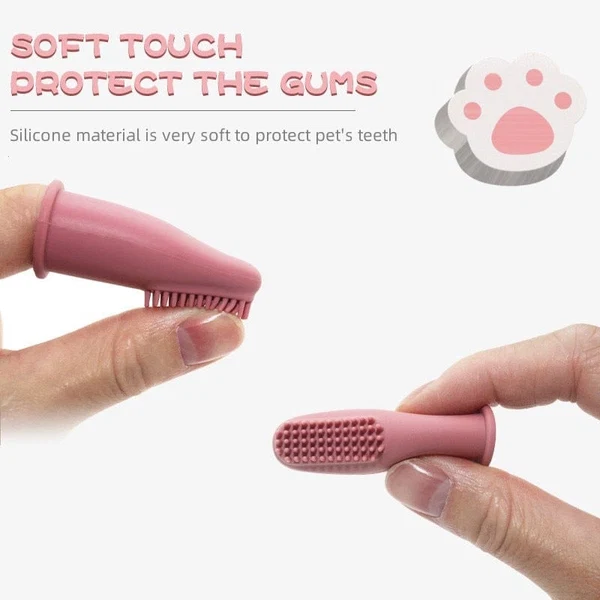
Image source: Bing (Web (fair-use with source credit))
Getting Started
- Start slow. Don't expect to do a full brushing on day one.
- Choose the right tools. Use a finger toothbrush, a small pet toothbrush, or a piece of gauze wrapped around your finger.
- Use pet-specific toothpaste. Human toothpaste is toxic to cats. Xylitol, a common sweetener in human toothpaste, causes a dangerous drop in blood sugar and can be fatal.
- Let them taste it first. Let your cat lick the toothpaste off the brush before you try anything else.
- Introduce the brush gradually. Gently lift the lip and brush one or two teeth at a time. Keep the session short and positive.
- Reward them. Give treats and praise after each session.
The Reality Check
Most cats will only tolerate brushing for a few seconds. That's fine. Short, frequent sessions are better than long, stressful ones.
Aim for a few times a week. Even twice a week makes a meaningful difference in plaque buildup.
Dental Treats, Gels, Water Additives, and Prescription Diets
If brushing is a non-starter, you have alternatives. They're not as effective as brushing, but they still help.
Dental Treats
Several brands make dental treats specifically formulated to reduce plaque and tartar. Look for products with the Veterinary Oral Health Council (VOHC) seal of approval. This seal means the product has been tested and shown to reduce plaque or tartar in animals.
Dental Gels and Sprays
These are applied to the gums and teeth. Some contain enzymes that help break down plaque. Others contain chlorhexidine, an antibacterial agent.
They're easy to apply but less thorough than brushing.
Water Additives
You add a small amount to your cat's water bowl. They're designed to reduce bacteria in the mouth. They're low-effort but least effective, because cats often don't drink enough for the product to make a big impact.
Prescription Dental Diets
Your vet can recommend foods like Hill's Prescription Diet, Royal Canin Veterinary Diet, or Purina Pro Plan Veterinary Diets that are specifically designed for dental health. These use a special kibble texture that mechanically scrubs the teeth as the cat chews.
Here's a quick comparison:
| Option | Effectiveness | Ease of Use | Cost |
|---|---|---|---|
| Brushing | Highest | Low | Low |
| Dental treats (VOHC) | Medium | Medium | Moderate |
| Gels and sprays | Medium | Medium | Moderate |
| Water additives | Low | High | Moderate |
| Prescription diet | Medium | High | High |
Why At-Home Scaling Is Dangerous and Ineffective
Please. Don't. Buy those at-home dental scaling kits you see online.
They are a terrible idea.
Amateur scaling does more harm than good for these reasons:
- You can't see below the gumline. The most harmful tartar is hidden where you can't reach or see it.
- You can damage the enamel. Metal scalers are sharp. A slip can scratch and permanently damage the teeth.
- You can injure your cat. Cats don't sit still for dental work. A sudden movement can cause the scaler to slice the gums or tongue.
- It spreads bacteria. Without proper cleaning, you're just pushing bacteria deeper into the gums.
At-home scaling also gives you a false sense of security. The visible tartar might be gone, but the disease below the gumline is still there, silently progressing.
Building a Daily Routine With a Resistant Cat
If your cat despises brushing, here's a realistic strategy:
- Start with handling. Get your cat used to you touching their face and lips. Do this daily while petting them.
- Introduce tastes. Put a dab of pet toothpaste on your finger and let them lick it off. Do this for a week.
- Use gauze. Wrap a piece of gauze around your finger and gently rub the teeth. No toothpaste needed.
- Progress to a brush. Try a finger brush with toothpaste. Keep it under 10 seconds if needed.
- Stay consistent. Consistency beats intensity. A quick scrub every other day is better than a full brushing once a month.
If your cat absolutely won't tolerate any of this, lean on dental treats, regular vet cleanings, and close monitoring. You can't force a cat to cooperate. You can only set them up for success.
What a Professional Dental Cleaning Involves
If your vet recommends a dental cleaning, don't be nervous. It's a routine procedure that's done under anesthesia. It's safe, and it's the single best way to treat and prevent dental disease.
Why Anesthesia Is Non-Negotiable
Some clinics offer "anesthesia-free" dental cleanings, and I cannot stress this enough: these are a marketing gimmick.
Here's why anesthesia is necessary:
- Pain control: Dental disease is painful. Cleaning teeth without anesthesia causes stress and pain.
- Safety: A cat that moves suddenly during a dental procedure can be seriously injured, both the cat and the vet.
- Complete exam: Anesthesia allows the vet to do a full oral exam on all surfaces of every tooth.
- X-rays: Dental X-rays require the cat to be completely still. That's impossible without anesthesia.
- Thorough cleaning: The vet can clean below the gumline, where the real disease lives.
Anesthesia-free cleanings only remove visible tartar above the gumline. They give you a false sense of security while the underlying disease continues.
A proper anesthesia plan includes pre-anesthetic bloodwork, IV fluids to support blood pressure, intubation to protect the airway, and continuous monitoring throughout the procedure.
X-Rays: What They Catch That the Naked Eye Misses
We touched on this already, but it deserves more detail. Dental X-rays are not optional. They are essential for a complete dental evaluation.

Image source: Bing (Web (fair-use with source credit))
X-rays reveal:
- Tooth resorption: Lesions below the gumline that look normal from above.
- Root abscesses: Pockets of infection at the root tips.
- Bone loss: The degree of deterioration in the jawbone.
- Fractured roots: Teeth that have broken off below the gumline, which can become infected.
- Impacted teeth: Teeth that haven't erupted properly.
Without X-rays, your vet could be missing significant disease. Always ask to confirm that your cat's dental procedure includes radiographs (X-rays).
The Procedure Step by Step
Here's what happens during a typical professional dental cleaning:
- Pre-op: The cat is fasted overnight. Bloodwork is done beforehand. An IV catheter is placed for fluids and medications.
- Anesthesia induction: The cat is sedated and an endotracheal tube is placed to deliver anesthesia gas and protect the airway.
- Full oral exam: The vet examines every tooth and records any findings.
- X-rays: Full mouth radiographs are taken to evaluate teeth below the gumline.
- Scaling: An ultrasonic scaler removes plaque and tartar from all surfaces of every tooth, above and below the gumline.
- Polishing: The teeth are polished to smooth the surfaces, which slows future plaque attachment.
- Flushing: The mouth is flushed with a dental rinse to remove debris.
- Extractions (if needed): Diseased or painful teeth are removed. This is done only with your consent and with appropriate pain medication.
- Fluoride application: Some vets apply a fluoride or barrier sealant to help reduce sensitivity.
- Recovery: The cat is monitored in a warm, quiet area until they're awake enough to go home.
Recovery and Aftercare
After a dental cleaning, your cat may be groggy for a day. That's normal.
Your vet will likely prescribe:
- Pain medication: Especially if extractions were done.
- Antibiotics: If there was significant infection.
- Soft food: Recommended for a few days if extractions were done.
Most cats bounce back within 24 to 48 hours. Full recovery after extractions can take up to two weeks. During that time, stick to soft food, keep the mouth clean if your cat allows it, and monitor for any signs of swelling or bleeding.
Follow-up visits may be recommended to check healing, especially after complicated extractions.
Common Mistakes Owners Make With Bad Cat Breath
Let's look at the biggest mistakes owners make when dealing with cat bad breath. Learn from these so you don't repeat them.
Ignoring It as "Just How Cats Smell"
The single most common mistake is dismissing bad breath as normal.
Cats have naturally neutral-smelling breath. If it's noticeably foul, something is wrong. That "it's just a cat smell" mindset is what leads to months of silent suffering for the cat.
The problem is that cats hide pain really well. They don't limp visibly. They don't wince audibly.
They just quietly stop eating harder foods or groom themselves a bit less. By the time you notice something's off, the dental disease is often advanced.
Treat bad breath as you would a fever. It's a warning sign that deserves attention, not dismissal.
Using Human Toothpaste (Xylitol Is Toxic)
This is a potentially fatal mistake. Never use human toothpaste on a cat.
Human toothpaste contains ingredients that are harmful to pets. The most dangerous is xylitol, an artificial sweetener. Even a small amount of xylitol can cause a rapid and dangerous drop in blood sugar, leading to seizures, liver failure, and death.
If you've accidentally used human toothpaste on your cat, call your vet or the ASPCA Animal Poison Control Center immediately.
Always use toothpaste specifically formulated for cats. These are safe to swallow and often come in flavors cats like, such as poultry or malt.
Switching Foods Hoping It Fixes the Problem
It's understandable to hope that a diet change will solve bad breath. Sometimes, it's the only tool you know about.
Food changes can help reduce future plaque buildup. Prescription dental diets, in particular, are effective. But they cannot fix existing dental disease.
Once tartar has hardened and the gums are inflamed, food won't reverse the damage. The plaque below the gumline needs to be physically removed by a professional. That requires anesthesia and a proper cleaning.
A new food might mask the problem for a while, making the breath smell slightly less offensive, but it won't cure the underlying disease. Don't use food as a substitute for veterinary care.
Waiting Until the Cat Stops Eating
Many owners wait until their cat stops eating before they take dental issues seriously. That's a dangerous mistake.
Cats can't go without food for long. They're at risk for hepatic lipidosis, a potentially fatal liver condition, if they stop eating for more than a few days. By the time a cat stops eating due to mouth pain, the situation is already dire.
Act early. If your cat's breath is bad, and they're chewing carefully or swallowing food whole, don't wait for a full loss of appetite. Get them to the vet.
A Special Note on Home Dental Scaling
We mentioned this earlier, but it deserves repetition. At-home dental scaling kits are not a safe alternative to professional care. They're dangerous, ineffective, and a waste of money.
Don't attempt to scrape visible tartar off. You'll miss the root cause, and you could harm your cat in the process.
What Costs to Expect
Let's talk dollars. Veterinary dental care isn't cheap, but it's important to know what you're getting into.
Exam and Bloodwork Costs
The first step is an exam and bloodwork.
| Service | Typical Price Range |
|---|---|
| Office visit / exam | $50 – $80 |
| Pre-anesthetic bloodwork | $75 – $150 |
| Urinalysis (if needed) | $30 – $60 |
| Senior panel (extended) | $150 – $250 |
These are the diagnostic costs. They're necessary to assess the overall health of your cat and to determine if anesthesia is safe.
Professional Dental Cleaning Pricing
Here's what you can expect to pay for a professional dental cleaning:
| Service | Typical Price Range |
|---|---|
| Dental cleaning (includes anesthesia, scaling, polishing) | $300 – $500 |
| Anesthesia and monitoring (often included above) | Included |
| Dental X-rays (full mouth) | $150 – $300 |
| Pain medication | $20 – $50 |
| Total for a standard cleaning | $400 – $750 |
The actual cost varies based on where you live and whether your vet itemizes services or bundles them into a single fee.
Extractions and How They Change the Bill
Extractions add significant cost to a dental procedure. The complexity of the extraction matters.
| Extraction Type | Typical Price Per Tooth |
|---|---|
| Simple extraction (visible tooth) | $50 – $100 |
| Surgical extraction (root below gumline) | $100 – $300 |
| Full mouth extraction (stomatitis cases) | $800 – $2,000+ |
If your cat needs multiple extractions, the bill can climb quickly. Always ask for an itemized estimate before the procedure begins. Many vet clinics will quote a range and let you approve additional charges if unexpected issues are found.
Long-Term Costs for Managing Systemic Diseases
If bad breath turns out to be a symptom of kidney disease or diabetes, the costs don't end with diagnosis.
Kidney Disease Management:
- Prescription kidney diet: $40, $80 per month
- Subcutaneous fluids (if needed): $30, $60 per month (supplies)
- Regular bloodwork: $150, $300 every 3-6 months
Diabetes Management:
- Prescription diabetic diet: $40, $80 per month
- Insulin: $50, $120 per month
- Syringes: $15, $30 per month
- Glucose monitoring: $100, $200 for a glucose meter, plus test strips
These conditions require lifelong commitment. But they're manageable, and early intervention can actually reduce long-term costs by slowing disease progression.
Pet Insurance as a Cost-Saver
If your cat doesn't have pet insurance yet, now is a good time to consider it.
Most pet insurance plans cover dental cleanings and extractions with no waiting period after a 14-day policy start. Unlike many other products, a pet insurance policy can keep your overall costs predictable, covering 70% to 90% of eligible veterinary expenses.
Take note that most plans cover dental disease arising after the policy start date. Preexisting conditions, like advanced gum disease diagnosed before enrollment, are typically not covered. So enrolling early matters.
Frequently Asked Questions
Is it normal for kitten breath to smell?
No. Kitten breath should be mild and inoffensive. If a kitten has bad breath, it's usually from a retained baby tooth, a foreign object stuck in the gums, or a viral infection like calicivirus.
These are treatable but need a vet's eyes.
Do cats need their teeth cleaned like dogs?
Yes, hygienic growing cats with teeth just like any other animal including dogs. The frequency varies with age and breed. Over 50% of cats over four have dental disease.
Regular professional cleanings under anesthesia are the standard of care.
Can I use mouthwash for my cat?
No. Human mouthwash is toxic to cats. It contains alcohol, fluoride, and other ingredients that are dangerous if swallowed.
Use veterinary-approved oral rinses or gels if needed.
Will insurance cover dental work?
Most pet insurance plans cover dental cleanings and extractions. However, plans vary widely in reimbursement rates and exclusions. Preexisting conditions are typically not covered.
Always read the policy's specifics before enrollment.
How much does a cat dental cleaning cost?
The cost ranges from $300 to $750, depending on location and the clinic's pricing structure. Additional costs for X-rays and extractions can add $150 to $2,000 or more.
Is bad breath a sign of kidney failure in cats?
Yes, bad breath that smells like ammonia or urine can be a sign of kidney failure. Urea builds up in the blood when the kidneys can't filter it, and it's released through the lungs. This is more common in senior cats.
Final Takeaway: What to Do This Week
Take a deep breath. You've got a plan now. Here's how to act on it.
The 3-Step Plan to Assess Your Cat's Breath Today
- The Sniff Test: Get close to your cat's face and take a gentle whiff. Is the smell neutral, fishy, fruity, or ammonia-like?
- The Look Test: Lift your cat's lip gently and look at the teeth. Do you see yellow or brown tartar? Are the gums red or swollen? Do you see any visible damage or debris?
- The Behavior Check: Has your cat's eating, drinking, grooming, or energy changed? Watch for drooling, chewing on one side, or avoiding hard food.
Based on what you find, you'll know which path to follow.
When to Book a Vet Visit and What to Ask For
If you notice any of the signs below, call the vet this week:
- Visible tartar or red gums
- Persistent bad breath
- Signs of discomfort while eating
- Any of the systemic smells (fruity, ammonia)
When you call, ask for a "dental consultation" and mention the bad breath. Request a full oral exam and pre-anesthetic bloodwork. Ask about dental X-rays as part of the cleaning.
Confirm the estimate before the procedure.
Staying on Top of Oral Health Long-Term
Prevention is always better than treatment.
- Brush regularly: Even a few times a week makes a difference.
- Use VOHC-approved treats: These are proven to reduce plaque and tartar.
- Feed a dental diet: Ask your vet about prescription options.
- Schedule annual cleanings: Keep your cat on a professional cleaning schedule based on your vet's recommendation.
- Monitor for changes: Pay attention to breath odor, eating habits, and energy levels.
Your goal is to catch problems early, when they're cheaper to treat and easier on your cat. Bad breath isn't just an odor. It's a signal.
Listen to it.