
If you've just brought home a Birman or you're considering one, you've probably wondered how to groom a Birman cat without turning it into a battle. Here's the good news: these cats are among the easiest long-haired breeds to maintain, provided you understand their unique coat and temperament from day one.
Birmans have a single-layer, silk-textured coat that lacks the dense undercoat found in Persians and Maine Coons. Per the Cat Fanciers' Association breed standard, this means significantly less shedding and matting, but it also means standard grooming advice often misses the mark. As of 2026, most owners report that a consistent 10-minute routine, two to three times per week, is all it takes to keep their Birman looking show-ready.
Let's walk through exactly what that routine looks like, starting with the tools you'll need and the techniques that actually work for this specific breed.
Quick Answer
Groom a Birman cat two to three times weekly. Use a wide-tooth metal comb first. Follow with a soft slicker brush.
Trim nails every two to three weeks. Check ears weekly. Bathe only every four to six months.
Always brush in the direction of hair growth. Stop if your cat shows stress signals.
Why Grooming a Birman Is Different (and Easier Than You Think)
Most long-haired cat owners brace themselves for daily brushing marathons, mat-removal surgery, and a constant snowstorm of loose fur. That's the reality for Persian and Himalayan owners. But Birmans break that mold entirely.
The key difference comes down to coat architecture. A Birman is a single-coated breed. That means they have one layer of fine, silky hair rather than the two-layer system (a soft undercoat plus a coarser guard coat) that makes other long-haired breeds so high-maintenance.
Without that dense undercoat, there's simply less hair to shed, fewer tangles to form, and less debris trapped against the skin.
This doesn't mean grooming is optional. The silkiness that makes their coats so beautiful also creates a unique challenge: the hair is so smooth that it slips right through cheap brushes without catching loose fur or small tangles. You need the right tools and a deliberate technique to get any real work done.

Image source: Bing (Web (fair-use with source credit))
The Temperament Factor
Birmans are famously gentle, affectionate, and people-oriented. They're not the type to hiss and scratch during grooming sessions, but they also have a sensitive side. They respond to calm, consistent handling and absolutely shut down if you force them into uncomfortable positions.
Think of grooming as a trust-building exercise rather than a chore. Every session is an opportunity to reinforce that you're a safe, reliable presence. Do it right, and your Birman will start looking forward to grooming time.
Do it wrong, and you'll have a cat that bolts under the bed the moment you pick up a brush.
What This Means for Your Routine
The practical takeaway is straightforward. You're looking at about 10 minutes per session, two to three times a week. That's it.
Compare that to the daily brushing a Persian demands, and you'll understand why Birmans are often recommended for people who want a beautiful long-haired cat without the full-time job of maintaining it.
Your focus areas will be the spots where friction happens: behind the ears, under the chin, the fluffy "britches" on the back legs, and the plumed tail. These are the zones where tangles develop first and where you'll need to be most attentive with your comb.
The Essential Birman Grooming Kit
Before you start, gather the right equipment. Using the wrong tools on a Birman's fine, silky coat isn't just ineffective; it's counterproductive. Cheap brushes slip through without catching loose hair, which means you're spending time without actually grooming.
Here's what you need and why each piece matters.
| Tool | Purpose | Why It Matters for Birmans |
|---|---|---|
| Wide-tooth metal comb | Primary detangling tool | Gets through silky hair without snagging; catches tangles early |
| Soft slicker brush | Removes loose hair and debris | Gentle on fine coat; doesn't scratch sensitive skin |
| Mat splitter (safety blade) | Breaks up stubborn mats | Allows safe dematting without scissors |
| Cat-safe nail clippers | Trims claws every 2-3 weeks | Prevents snagging and overgrowth issues |
| Cotton balls or pads | Ear and eye cleaning | Soft, disposable, and gentle |
| Cat-safe ear cleaner | Cleans outer ear canal | Vet-recommended solution; safe if ingested or licked |
| High-value treats | Positive reinforcement | Builds trust and makes grooming a positive experience |

Image source: Bing (Web (fair-use with source credit))
Choosing the Right Comb
Your wide-tooth metal comb is your workhorse. Look for a greyhound-style comb with teeth spaced widely enough to glide through fine fur without pulling. Stainless steel is the standard choice because it doesn't create static and stays smooth over years of use.
Avoid plastic combs. They bend, create static electricity, and can develop rough edges that snag and irritate your cat's skin. A good metal comb is a one-time investment that will last a decade or more.
The Slicker Brush Question
A slicker brush with fine, bent wire bristles helps remove loose hair and smooth the topcoat after combing. The key word here is "soft." A stiff slicker brush can scratch a Birman's delicate skin and make grooming sessions miserable.
Test the brush on your own forearm before using it on your cat. If it feels scratchy or painful against your skin, it's too harsh for your Birman.
Nail Clippers
You have two main options: scissor-style clippers (like small shears) or guillotine-style clippers (where the nail slides into a hole and a blade comes down). Both work. The choice comes down to your comfort level.
Scissor-style clippers give you more visual control, which is helpful for beginners. Guillotine-style clippers are faster but require more precision to avoid cutting the quick. Whichever you choose, make sure the blades are sharp.
Dull blades crush the nail instead of cutting it, which causes pain and splintering.
Don't Forget the Extras
Cotton balls, a vet-approved ear cleaner, and high-value treats round out your kit. The treats are arguably the most important item on this list. Birmans respond to positive reinforcement, and a small crunchy reward after each grooming step builds a strong association between brushing and good things.
The Step-by-Step Grooming Routine
Now we get to the actual process. This routine works best when you follow it in order. Each step builds on the previous one, and skipping ahead can make the whole session harder on both of you.
Step 1: Set Up Your Grooming Station
Pick a quiet room with no distractions. Lay down a non-slip mat or towel on a stable surface. A wobbly table will make your cat nervous, so choose a solid counter, table, or even your lap if that's where your Birman feels safest.
Have all your tools within arm's reach before you bring your cat over. Once you're holding a squirming cat, you don't want to be digging through drawers for a comb.
Step 2: Start With the Wide-Tooth Comb
Begin by combing through your Birman's coat section by section, just like you'd detangle your own hair. Start at the head and work your way down the body. Use your free hand to gently lift sections of fur so you can see the skin and check for any hidden tangles.
Work in the direction of hair growth. Combing backward pulls the hair and irritates the skin. If you hit a tangle, don't yank it.
Hold the fur at the base near the skin with your fingers, then gently work the comb through the knot from the outside in.
Step 3: Follow With the Soft Slicker Brush
Once the coat is tangle-free, use the slicker brush to remove loose hair and smooth everything out. Use light, short strokes. You're not scrubbing a carpet; you're polishing a silk scarf.
Pay special attention to the problem zones: the britches on the back legs, the tummy (which may take some patience), the tail, and the ruff around the neck. These areas collect the most loose hair and are where mats are most likely to form.

Image source: Bing (Web (fair-use with source credit))
Step 4: Trim Nails Every Two to Three Weeks
Nail trimming is often the most dreaded part of grooming, but Birmans are usually tolerant if you stay calm. Here's the technique:
- Sit your cat in your lap, facing away from you.
- Gently press on a paw pad to extend the claw.
- Look for the pink "quick" inside the nail. Only cut the white tip below it.
- Make one clean cut. Don't saw back and forth.
- Give a treat immediately after each paw.
If you hit the quick, apply styptic powder to stop the bleeding and don't panic. Your cat will forgive you faster than you'll forgive yourself. Just be more careful next time.
Step 5: Clean Ears and Eyes
Birmans' pointed coloring extends to their ears and around their striking blue eyes, which means these areas need regular attention.
- Eyes: Use a damp, soft cotton pad to gently wipe away any crusties or tear stains. Use a fresh pad for each eye to prevent spreading infection.
- Ears: Check weekly. Wipe the outer ear flap with a dry cotton pad. If you see black debris resembling coffee grounds, that could indicate ear mites. Call your vet.
Step 6: Bathing (Yes, It's Rare)
Here's the truth: Birmans need baths far less often than most people assume. They're meticulous self-groomers. A bath every four to six months is plenty, unless your cat gets into something sticky or dirty.
When you do bathe, use lukewarm water and a cat-specific shampoo. Human shampoo disrupts a cat's skin pH balance. Rinse thoroughly, then towel dry.
Skip the blow dryer unless your cat is exceptionally calm around it.
How Often Should You Groom Your Birman?
The short answer is two to three times per week for brushing. But the ideal frequency depends on several factors that vary by season, environment, and your cat's individual coat.
The Maintenance Baseline
For most Birmans, a thorough brushing session every three to four days keeps the coat in excellent condition. This prevents tangles from forming, removes loose hair before it ends up on your furniture, and distributes natural skin oils evenly through the coat.
| Grooming Task | Frequency |
|---|---|
| Brushing (maintenance) | 2-3 times per week |
| Nail trimming | Every 2-3 weeks |
| Ear checks | Weekly |
| Eye wiping | Every 2-3 days, or as needed |
| Bathing | Every 4-6 months |
| Dental check | Annually (via vet) |
When to Increase Frequency
Shedding season happens twice a year, typically in spring and fall. Even though Birmans shed less than other long-haired breeds, they still go through coat turnover. During these periods, bump your brushing up to every other day to stay ahead of loose hair.
Signs You Might Be Under-Grooming
Watch for these warning signs:
- Mats forming behind the ears or under the chin
- Excessive hair on your furniture and clothing
- A dull, lackluster coat
- Bald patches or irritated skin
If you notice any of these, ramp up your grooming frequency and check that you're using the right technique. Sometimes a matted spot means you're not brushing deeply enough to reach the skin.
Common Grooming Mistakes That Hurt Your Birman
Even well-meaning owners make mistakes. Some are minor and easily corrected. Others can cause real harm or create long-term behavioral problems.
Here's what to avoid.
Mistake 1: Brushing Against the Grain
Brushing backward feels thorough, but it pulls the hair follicles and irritates sensitive skin. It also creates static electricity, which makes the coat frizzy and harder to manage.
Always brush in the direction of hair growth. If you need to check the skin, lift the fur with your free hand and comb through the lifted section. Don't reverse the brush direction.
Mistake 2: Pulling Mats
When you find a tangle, your instinct might be to yank it out. Resist that urge. Pulling a mat hurts, and it damages the hair follicle at the root.
Instead, hold the mat at its base near the skin with your fingers. Then gently tease it apart with your fingertips or the wide-tooth comb, working from the outside inward. If it won't budge, use a mat splitter with safety blades to slice through it carefully.
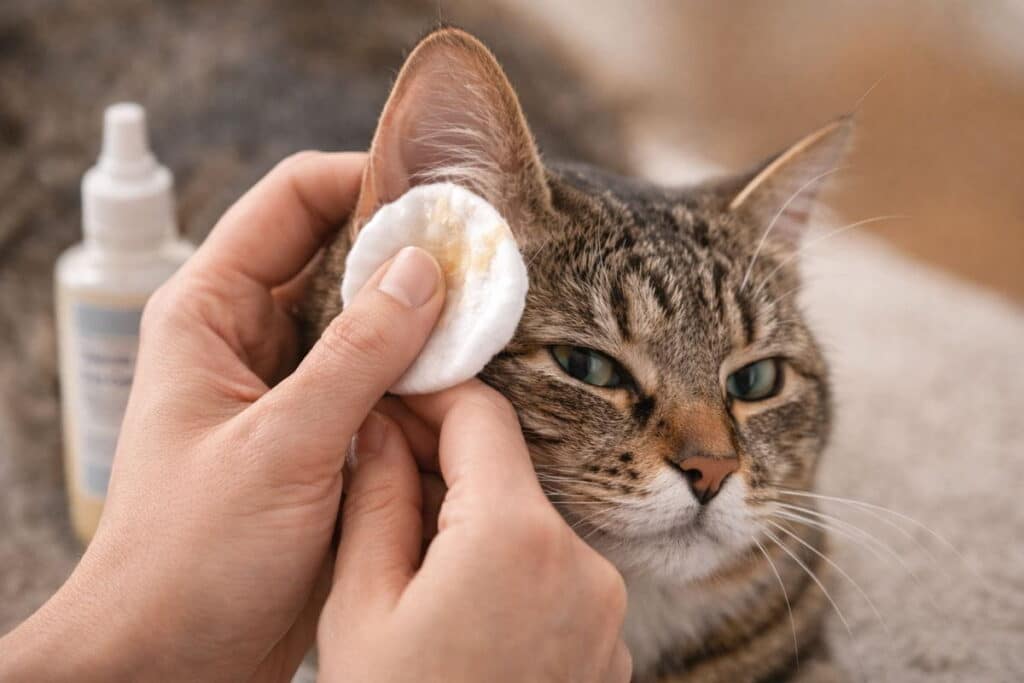
Image source: Bing (Web (fair-use with source credit))
Mistake 3: Using Scissors Near the Skin
This is the most dangerous mistake you can make. Scissors near a cat's skin can cause severe injury, especially if your cat moves suddenly. The skin on a cat's abdomen and legs is paper-thin, and a single slip can require emergency vet care.
If you have a mat that you can't safely remove with a comb or mat splitter, call a professional groomer or your vet. They have the tools and expertise to shave it off safely. A quick shave is far better than a serious cut.
Mistake 4: The Cotton Swab Ear Trap
Cotton swabs might seem like the obvious tool for cleaning cat ears. They're not. They push wax and debris deeper into the ear canal, which can cause infections and even damage the eardrum.
Use a cotton ball or pad to wipe the outer ear flap only. Never insert anything into the ear canal itself. If you notice excessive wax, redness, or a bad odor, that's a sign to call your vet.
Mistake 5: Over-Bathing
Bathing strips the natural oils that keep a Birman's coat healthy and shiny. Over-bathing leads to dry, flaky skin and a dull coat. It also increases shedding as the skin tries to compensate for lost moisture.
Stick to the four-to-six-month schedule. If your cat gets dirty between baths, spot-clean with a damp cloth or use a waterless cat shampoo.
Mistake 6: Forcing a Grooming Session
If your Birman is squirming, growling, or trying to escape, forcing the session will backfire. You'll create negative associations that make future grooming harder and more stressful for both of you.
Stop. Give your cat a treat and some space. Try again later with a calmer approach.
Sometimes a cat just isn't in the mood, and that's okay.
When to Call a Professional (or Your Vet)
Most grooming tasks are perfectly manageable at home. But there are situations where professional help is the safer, smarter choice. Here's when to hand over the reins.
Severe Matting You Can't Safely Resolve
If mats have gotten too tight or too close to the skin, don't risk it. A professional groomer can safely remove them, often with a quick shave. Waiting only makes the problem worse, as mats pull at the skin and cause painful irritation.
Ear Debris That Looks Like Coffee Grounds
Small dark flecks in your cat's ears could be ear mites. This requires veterinary treatment, not just cleaning. Your vet can prescribe appropriate medication to eliminate the mites and soothe any secondary infection.
Skin Irritation, Redness, or Bald Patches
If you notice red, inflamed skin, hair loss, or unusual bumps while grooming, schedule a vet visit. These could indicate allergies, parasites, fungal infections, or other underlying health issues that need professional diagnosis.
Nail Trimming Anxiety That Never Improves
Some cats simply won't tolerate nail trimming at home, no matter how patient you are. Your vet or a professional groomer can handle it quickly and safely. Don't feel like a failure; some cats are just more sensitive about their paws.
When to Call Your Vet Immediately
- Bleeding that doesn't stop after applying styptic powder
- A cut or laceration from grooming tools
- Sudden behavioral changes, like aggression during handling
- Lethargy or decreased appetite after grooming
These warrant a call to your veterinarian as soon as possible.
Real-World Grooming Scenarios
Every Birman is different. Here are three common scenarios and how to handle them.
Scenario 1: The "I Hate Being Brushed" Birman
Some Birmans actively resist brushing, especially if they weren't socialized to it as kittens. They'll squirm, whine, or make a run for it the moment the comb appears.
The solution: Rebuild the association slowly. Start with a single pass of the comb, then immediately offer a treat. Do this a few times a day without trying to complete a full grooming session.
Over several weeks, your cat will learn that the comb predicts good things.
Keep sessions short and positive. Two minutes of brushing followed by treats beats twenty minutes of stress. Gradual, patient exposure works far better than force.
Scenario 2: The Shedding Season Panic
Spring and fall coat turnover means more loose hair. Some owners panic and start daily brushing, which can actually over-stimulate the skin.
The solution: Keep an even keel. Bump up to every other day brushing and use a rubber grooming mitt to collect loose hair without over-brushing. Increase bathing frequency by one session during the peak of shedding season if needed.
Scenario 3: The Senior Birman
Aging cats lose flexibility and may struggle to groom themselves properly. This is especially true for senior Birmans with arthritis or other joint issues.
The solution: Take over the areas your cat can no longer reach. Focus on the back, the tail, and the britches. Be extra gentle around sensitive joints.
If your cat experiences pain during grooming, consult your vet about arthritis management.
Expert Tips for a Stress-Free Grooming Session
These are the small adjustments that separate a peaceful grooming routine from a weekly battle.
Tip 1: Choose the Right Time
Birmans are most relaxed after meals and during their sleepy morning or evening hours. A well-fed, drowsy cat is far more tolerant of handling than an alert, energetic one.
Plan your grooming sessions for these windows. Consistent timing helps your cat know what to expect and reduces surprise-related stress.
Tip 2: Use Treats Strategically
Treats aren't just a nice gesture; they're a training tool. Give a small reward after each step in the grooming process. This teaches your cat that grooming predicts good things.
Use high-value treats that your cat doesn't get at any other time. This makes them more motivating and reinforces the specialness of grooming sessions.
Tip 3: Watch Body Language
Your cat will tell you when they've had enough. Learn to read these signs:
- Tail thumping or lashing
- Ears flattening against the head
- Growling or hissing
- Dilated pupils
- Sudden stillness or tension
The moment you see these, stop. Give your cat a treat and some space. Pushing through a tantrum only reinforces that grooming is a negative experience.
Tip 4: Make It a Bonding Ritual
The best grooming sessions feel less like a chore and more like mutual care. Talk to your cat in a soothing voice while you brush. Scratch behind the ears when they're cooperative.
Let them sit in your lap and purr.
This isn't just about keeping the coat healthy. It's about building a relationship based on trust and positive interaction. That's what makes grooming enjoyable rather than stressful.
Safety, Health, and Long-Term Maintenance
Grooming is about more than looks. It's a window into your Birman's overall health, and it plays a role in their long-term well-being.
The Health Check During Grooming
Every grooming session is an opportunity to check for problems you might otherwise miss. Run your hands over your cat's body while brushing. Feel for:
- Unusual lumps or bumps
- Scabs, cuts, or sores
- Areas of hair loss
- Flea dirt (small black specks) or actual fleas
- Changes in skin texture or moisture
Early detection makes treatment easier and more effective. Regular grooming helps you catch issues before they become serious.
Skin and Coat Nutrition
A healthy coat starts from within. The Cat Fanciers' Association recommends a high-quality, protein-rich diet to support skin and coat health. Omega-3 and omega-6 fatty acids play a key role in maintaining that silky texture Birmans are known for.
Check the ingredient list on your cat's food. Quality animal protein should be the first ingredient. If you're unsure whether your cat's diet supports coat health, consult your veterinarian.
They can recommend supplements if needed.
Hydration Matters
Dehydration affects skin and coat quality. Make sure your Birman always has access to fresh water. Some cats prefer running water, so a cat water fountain can encourage more drinking.
Environmental Factors
Dry indoor air, especially during winter, can make your cat's coat drier and more prone to static. A humidifier helps maintain coat moisture. Regular brushing also distributes natural oils, which provides a protective layer against dryness.
Frequently Asked Questions
Do Birman cats need baths?
No, not frequently. Birmans are meticulous self-groomers. A bath every four to six months is usually sufficient, unless your cat gets into something messy.
When you do bathe, use lukewarm water and a cat-specific shampoo to avoid stripping natural skin oils.
Can I use a Furminator on a Birman?
You can, but it's not necessary. The Furminator is designed to remove undercoat, and Birmans don't have one. Using it too aggressively can irritate their sensitive skin.
A wide-tooth metal comb and soft slicker brush are more appropriate for this breed.
How do I get rid of tear stains safely?
Wipe the area daily with a damp, soft cotton pad. Use a fresh pad for each eye to prevent spreading any potential infection. For stubborn stains, ask your vet about a safe, cat-approved eye wipe.
Keep hair around the eyes trimmed by a professional to reduce irritation. Never use human tear stain removers, as they can harm your cat.
What if my Birman hates being touched on the paws?
This is common, and it's not a behavioral flaw. Paws are highly sensitive. Start by touching your cat's paws during relaxed moments, without attempting to trim nails.
Pair each touch with a treat. Gradually build up to gentle pressure on the paw pads, then introduce clippers.
How do I know if my cat has ear mites?
Ear mites leave behind black, crumbly debris that resembles coffee grounds. You might also notice your cat shaking their head, scratching their ears, or holding their head at an angle. If you see any of these signs, call your vet.
They'll confirm the diagnosis and prescribe appropriate treatment.
What should I do if I accidentally cut the quick?
Apply styptic powder or cornstarch to the nail to stop bleeding. Apply gentle pressure for a few seconds. Don't panic; your cat will likely forgive you quickly.
If bleeding doesn't stop within a few minutes, contact your vet for guidance. Keep styptic powder in your grooming kit so you're prepared next time.