
If your Shar Pei is constantly scratching, smelling a bit funky, or you're just nervous about cleaning those adorable but high-maintenance wrinkles, you've come to the right place. Learning how to groom a Shar Pei isn't just about keeping them looking good; it's the single most important thing you can do to prevent painful skin infections, ear problems, and a host of other vet bills down the line. This breed's iconic folds are a magnet for moisture and bacteria, so a dedicated routine isn't optional, it's essential for their health and happiness.
As of 2026, veterinary dermatology is clear on one thing: proactive, at-home care dramatically reduces the incidence of pyoderma in this breed. While every dog benefits from regular brushing and nail trims, the Shar Pei demands a specific, almost ritualistic approach to their skin folds and ears. We're going to walk you through the exact process, from the tools you need to the step-by-step routine that keeps your dog comfortable and infection-free.
Quick Answer
Grooming a Shar Pei means daily wrinkle checks and cleaning. You must dry every fold completely. Bathe every 4 to 8 weeks with a pH-balanced, hypoallergenic shampoo.
Brush weekly to manage shedding. Trim nails monthly and clean ears bi-weekly. Never over-bathe or use harsh products.
Watch for redness, odor, or swelling. When in doubt, see a vet.
Why Shar Pei Grooming Is Different From Other Breeds
The Shar Pei isn't just another short-haired dog. Their loose, wrinkled skin creates a unique micro-environment that requires a totally different approach than, say, a Labrador or a Beagle. Standard grooming advice often falls short here, and in some cases, can actually cause harm.
Understanding why this breed is different is the first step to mastering their care.
The Wrinkle Factor: Why Folds Change Everything
That wrinkled skin is the breed's signature, but it's also their biggest vulnerability. The deep folds create warm, moist pockets where bacteria and yeast absolutely thrive. Think of it like this: if you wore a heavy, thick sweater in a sauna and never took it off, you'd get a rash.
That's what life inside a Shar Pei's wrinkles can feel like.
The environment between those folds is prone to a condition called fold dermatitis (or pyoderma). It's a bacterial infection that starts as redness, then progresses to sores and a foul odor if left unchecked. The folds on their face, specifically around the nose and eyes, are the most notorious trouble spots, but you also need to check their armpits, groin, and the base of their tail.
Coat Types and What They Mean for Your Grooming Routine
Not all Shar Peis are the same. They have three distinct coat types, and yours will dictate how you groom them.
- Horse Coat: This is the shortest, roughest coat. It feels prickly, almost like sandpaper. These dogs shed less hair but are often more prone to skin issues because the coat offers less protection.
- Brush Coat: This is the most common type. The hair is slightly longer, softer, and straighter. They shed more than horse coats and require more regular brushing to manage loose hair.
- Bear Coat: This is a longer, fluffier coat that isn't recognized by all breed standards. It's the result of a recessive gene. Bear coats shed significantly more and require a completely different grooming routine, including more frequent brushing and occasional trimming.
Your grooming frequency and tools will change depending on which coat your dog has. A horse coat needs gentle deshedding, while a brush coat can handle a bit more aggressive brushing.
Skin Sensitivity and pH Balance Basics
A Shar Pei's skin is notoriously sensitive. Their skin pH is slightly alkaline, similar to a human's, which is why you must never use human shampoo on them. Human shampoo is too acidic and strips away their natural protective oils, leaving the skin dry, itchy, and vulnerable to irritation.
You need a shampoo specifically formulated for dogs, ideally one that's hypoallergenic, pH-balanced for canines, and free of harsh chemicals like parabens, sulfates, and artificial fragrances. Oatmeal-based shampoos can be soothing, but if your dog has chronic issues, your vet might recommend a medicated chlorhexidine shampoo. Always dilute the shampoo before applying it to their coat to prevent a concentrated dose from sitting on their skin.
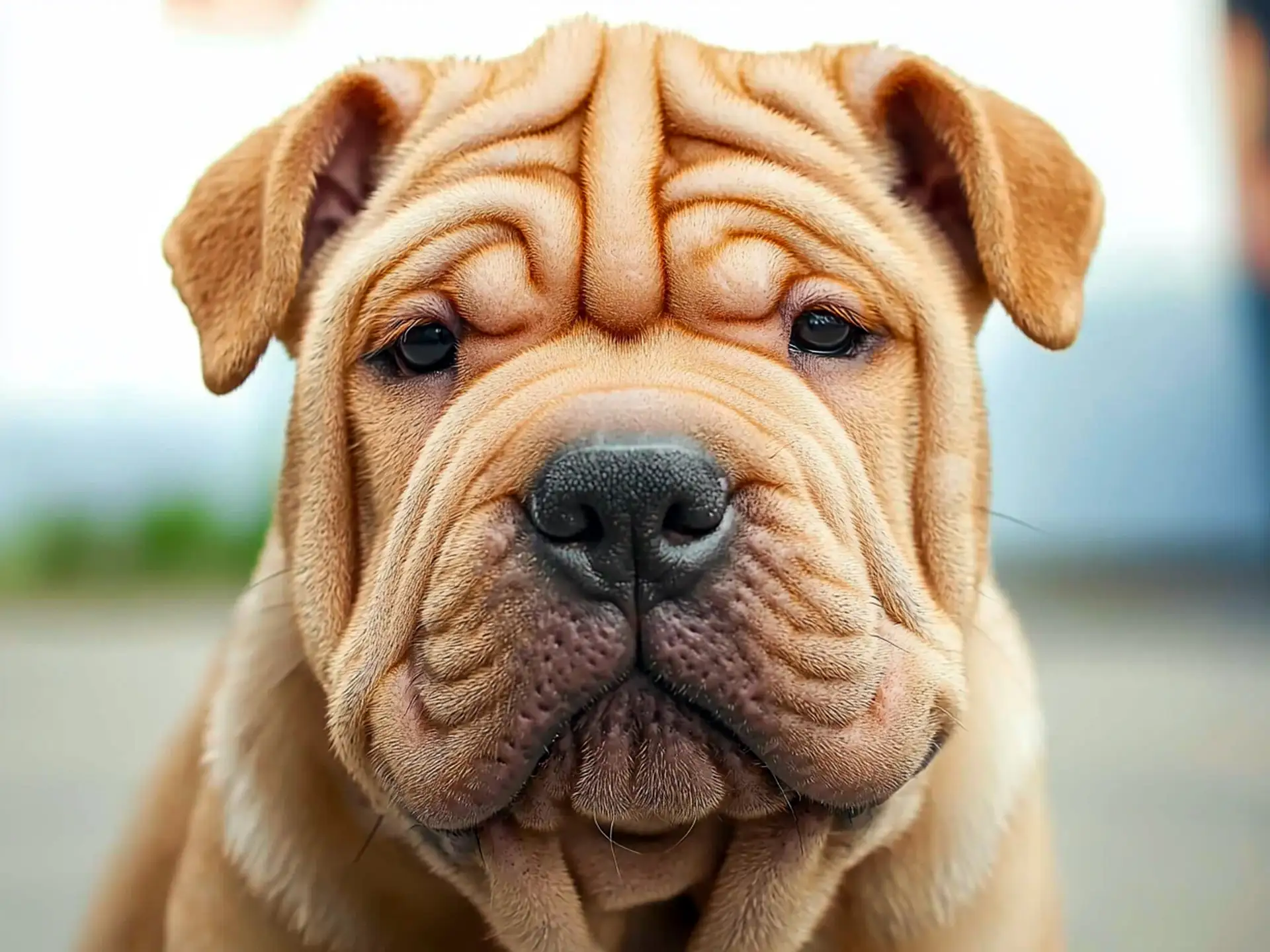
Image source: Bing (Web (fair-use with source credit))
The Essential Shar Pei Grooming Toolkit
Before you start, you need the right gear. Using the wrong tools is a common mistake. Here's exactly what you should have on hand to tackle a full grooming session at home.
We've broken down the essentials into a simple list.
What You Actually Need (and What You Can Skip)
Forget the fancy, complicated contraptions. A Shar Pei's grooming kit is surprisingly simple, though it must include some specific items.
- Rubber Curry Brush or Grooming Mitt: This is your primary tool. The rubber bristles are gentle on sensitive skin while effectively lifting loose hair and dirt.
- Fine-Toothed Metal Comb: This is non-negotiable for the face and tail. It helps you carefully comb out the wrinkles without poking your dog's eyes.
- Hypoallergenic Dog Shampoo: As discussed, pH-balanced and gentle. Look for a vet-approved formula.
- Cotton Balls or Pads: These are for cleaning the folds. Cotton balls are better than swabs because they don't risk damaging the inner ear.
- Dog-Safe Ear Cleaning Solution: Choose one that's alcohol-free.
- Blunt-Tipped Grooming Scissors: Only if you need to carefully snip long hairs around the eyes or paws.
- Nail Grinder or Clippers: A grinder is safer for Shar Peis because their nails can be thick, and it's easier to avoid the quick.
- Dog-Safe Toothbrush and Enzymatic Toothpaste: Dental health is a core part of grooming.
Shampoos and Conditioners That Won't Wreck Their Skin
Choosing the right shampoo is a significant decision. Don't just grab anything off the shelf.
- Look for: Oatmeal, aloe vera, or ceramide-based formulas for soothing.
- Look for: "Hypoallergenic" and "pH balanced for dogs" on the label.
- Avoid: Anything with strong perfumes, dyes, or "flea and tick" formulas unless prescribed.
- Consider: A hydrating, alcohol-free conditioner for dogs, especially if your Shar Pei has dry skin. It helps replenish the oils stripped during bathing.
Tools for Folds, Nails, Ears, and Teeth
Your toolkit should be organized by body part to keep the process smooth.
- For Folds: The rubber curry brush, damp cotton balls, and a dry microfiber towel for final drying.
- For Nails: A grinder is ideal. If using clippers, ensure they are sharp and have an included guard to prevent over-cutting.
- For Ears: The ear-cleaning solution and cotton balls. Avoid Q-tips entirely.
- For Teeth: A soft-bristled toothbrush and dog-specific toothpaste. Never use human toothpaste.
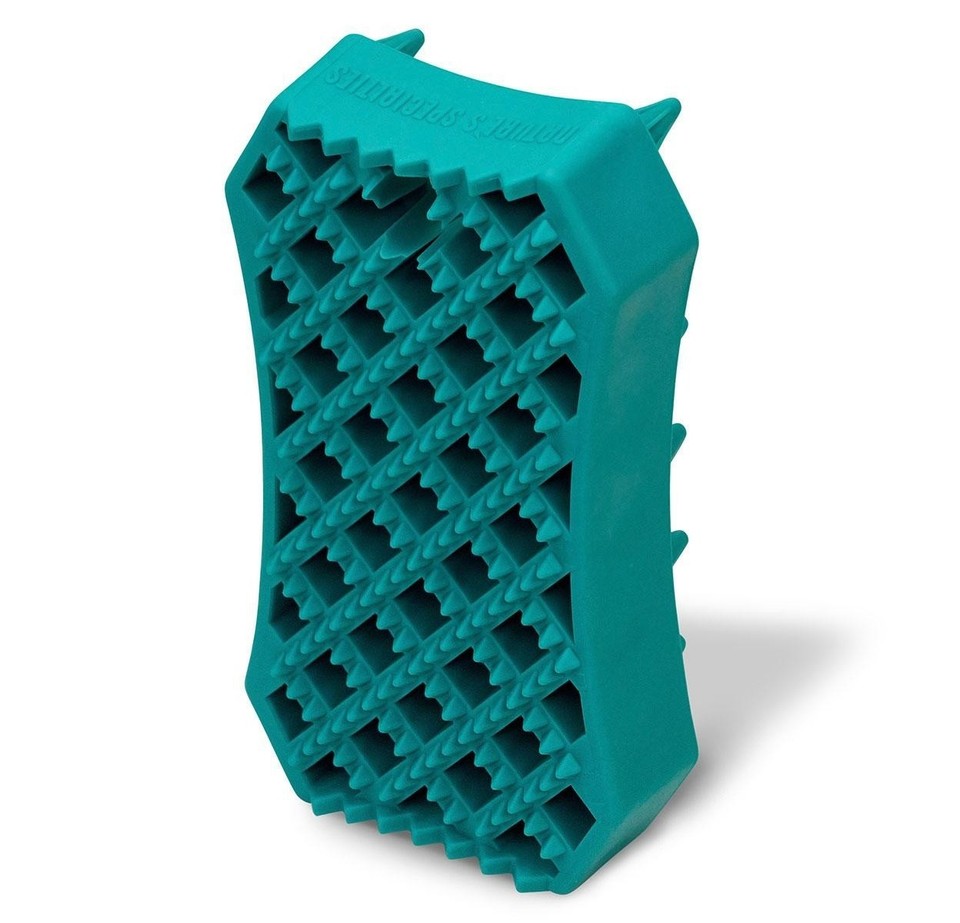
Image source: Bing (Web (fair-use with source credit))
Step-by-Step: The Full Shar Pei Grooming Routine
Now, let's get into the nitty-gritty. This is the routine you'll follow, whether it's a quick daily touch-up or a full weekly session. We'll break it down into manageable steps that keep your dog safe and calm.
Pre-Grooming Inspection: What to Check Before You Start
Never start a grooming session without a quick inspection. This is your chance to catch problems early. Allocate 5 minutes for this critical step.
- Check the Folds: Gently part the wrinkles on the face, armpits, and groin. Look for redness, bumps, pus, or any foul odor.
- Look in the Ears: They should look pink and clean. A dark, waxy discharge or a yeasty smell is a red flag.
- Check the Paws: Look between the toes for mats, debris, or redness. Check the nails to see if they need trimming.
- Run Your Hands Over the Body: Feel for any lumps, bumps, or hot spots. Also, check for fleas or ticks, especially after outdoor time.
If you find anything concerning, stop. For minor redness, you can proceed with gentle cleaning. If you see open sores, a strong odor, or your dog is in pain, skip the full groom and call your vet.
Brushing and Deshedding (Short Coats, Big Results)
Even though their hair is short, brushing is a non-negotiable weekly chore.
- Frequency: Once a week for most, twice a week during shedding season.
- Technique: Use the rubber curry brush in a gentle, circular motion over the body. The rubber bristles will grab loose hair and stimulate natural oil production. It's a mini-massage for them.
- Goal: You're not just removing hair; you're distributing the skin's natural oils, which keeps the coat shiny and healthy.
- Pro Tip: Do this outdoors or on a washable floor. You'll still see a surprising amount of loose hair on the brush.
Cleaning Facial Folds the Right Way
This is the most crucial part of the entire routine. Mishandling the face can cause serious eye irritation or skin trauma.
- Dampen a Cotton Ball: Use warm water or a vet-approved wrinkle wipe. The cloth should be damp, not dripping wet.
- Gently Wipe: Run the cotton ball along the folds, getting into every nook and cranny. Be incredibly gentle, especially near the eyes.
- Use a New Cotton Ball Per Eye: This prevents spreading any potential infection from one eye to the other.
- Dry, Dry, Dry: This is the non-negotiable step. Take a clean, dry cotton ball and gently pat the folds dry. You want them completely dry to the touch before you let your dog go. Moisture is the enemy.
- Frequency: Daily is ideal for face folds, especially for dogs with very deep wrinkles.

Image source: Bing (Web (fair-use with source credit))
Ear Care: Why This Breed Needs Extra Attention
Shar Peis have narrow, folded ear canals that trap moisture and debris, making them prime candidates for ear infections. Ear cleaning should be a regular part of your grooming.
- Frequency: Check ears weekly, clean them every 2 to 4 weeks, or as directed by your vet.
- Process:
- Squeeze a few drops of the vet-approved ear cleaning solution into the ear canal.
- Gently massage the base of the ear for about 30 seconds to loosen debris.
- Let your dog shake their head. The shaking helps bring the gunk up.
- Use a cotton ball to wipe away the visible debris from the outer ear flap. Never insert a cotton swab (Q-tip) into the ear canal. You can cause serious damage.
- Warning Signs: Continuous scratching, head tilting, redness, swelling, or a strong, foul odor are all signs of an infection. Time to see the vet.
Bathing: Temperature, Technique, and Timing
Bathing a Shar Pei is a full-body event that requires patience. For an Experienced guide, the technique is everything.
- Frequency: Every 4 to 8 weeks. Over-bathing strips their natural oils. Under-bathing can lead to skin issues.
- Water Temperature: Lukewarm water is a must. Hot water will irritate their sensitive skin.
- The Process:
- Wet your dog thoroughly. Make sure water penetrates the coat.
- Dilute the shampoo in a cup of water before applying. This ensures even distribution.
- Gently massage the shampoo into the coat, working from the neck down.
- Rinse Thoroughly. This cannot be overstated. Any shampoo residue left on the skin will cause itching and irritation.
- Rinse again. Then rinse one more time.
- Important: Keep water out of their eyes and ears. You can place a dry cotton ball in their ears during the bath to keep them dry.
Drying: The Most Critical Step Nobody Talks About
This is the step that separates the pros from the amateurs. For a Shar Pei, drying is arguably more important than the wash itself.
- Towel Drying: First, blot your dog thoroughly with a large, absorbent towel. Don't rub, as this can tangle and irritate the hair and skin.
- Air Drying: Do not let them air dry. This leaves moisture trapped in the folds, setting the stage for infection.
- Blow Drying: You can use a low-heat, low-speed hair dryer to dry the body. Keep it moving and don't hold it too close. But even after blowing dry the body, you must manually dry the wrinkles.
- The Wrinkle Finisher: Go back over every single fold on the face, body, and tail with a dry towel or cotton ball. It's a tedious process, but it's the single best thing you can do to prevent skin infections. Pat each fold dry until it feels completely dry.
Nail Trimming Without the Drama
Nail trimming is a common stressor, but it doesn't have to be.
- Frequency: Every 3 to 4 weeks.
- The Tools: A nail grinder is usually less stressful and safer for Shar Peis. Their nails are often dark, making it impossible to see the quick. A grinder allows you to shave off small amounts slowly.
- The Technique (Grinder):
- Hold the paw firmly.
- Touch the grinder to the nail tip for a couple of seconds at a time.
- Take a break. Reassure your dog. Offer a treat.
- Watch the cross-section of the nail. If you see a dark dot in the center, stop. You've reached the quick.
- The Technique (Clippers): Position the clipper about 2-3mm away from where you think the quick is. Make a single, firm cut.
- What if You Cut the Quick? It happens to everyone. Apply styptic powder or cornstarch to the nail tip to stop the bleeding. Don't punish your dog; just soothe them.
Dental Care for That Signature Bite
Dental health is often overlooked as part of "grooming," but for overall well-being, it's critical.
- Frequency: 2-3 times a week minimum. Daily is best.
- The Tools: Use a soft-bristled toothbrush designed for dogs and dog-safe enzymatic toothpaste (never human toothpaste). A finger brush is a good alternative if your dog resists a brush.
- The Technique: Start slow. Let your dog lick the toothpaste off the brush first. Gently lift their lip and brush in a circular motion against the teeth and gum line.
- Why It Matters: Poor dental hygiene leads to tartar, gingivitis, and tooth decay. These issues don't just cause bad breath; they can lead to serious systemic health problems involving the heart, liver, and kidneys.
How Often Should You Groom a Shar Pei?
Consistency beats intensity. A little bit of grooming every day is far better than a marathon session once a month. This breed thrives on routine, and regular handling also helps them stay calm and cooperative during grooming.
Here's a simple breakdown of what needs to happen and how often.
Daily vs. Weekly vs. Monthly Tasks
| Frequency | Task | Why It Matters |
|---|---|---|
| Daily (2-5 min) | Check and wipe facial folds | Prevents moisture buildup and fold dermatitis |
| Daily (2-5 min) | Quick visual check of ears and paws | Catches early signs of redness, debris, or irritation |
| Weekly (10-15 min) | Brush entire body with rubber curry brush | Removes loose hair and distributes natural skin oils |
| Weekly (5 min) | Check ears, wipe outer flap if needed | Prevents wax buildup and ear infections |
| Every 2-4 Weeks | Clean ears with solution | Flushes out debris from the narrow ear canal |
| Every 3-4 Weeks | Trim nails | Prevents overgrowth, splitting, and joint pain |
| Every 2-3 Times/Week | Brush teeth | Prevents tartar, gingivitis, and systemic health issues |
| Every 4-8 Weeks | Full bath | Removes dirt and odors without stripping natural oils |
Bathing Frequency by Coat Type and Lifestyle
- Horse Coat: These dogs may be more prone to dryness, so stretching baths to every 6-8 weeks is often better. If they get dirty, a quick rinse with water and a gentle wipe-down is fine.
- Brush Coat: Stick to the 4-6 week mark, or whenever your dog starts to develop a distinct "doggy odor."
- Bear Coat: The longer fur can trap more dirt and debris, so you might need to bathe every 4 weeks to keep them fresh.
- Lifestyle: A Shar Pei that spends hours digging in the yard will need more frequent baths than a couch potato. Use your judgment. If they smell or feel greasy, it's time. If their skin looks dry and flaky, give it more time.
Seasonal Adjustments for Humidity and Allergens
- Spring and Summer: Pollen and allergens are at their peak. Increase brushing to twice a week. Wipe down their body and paws after outdoor time to remove pollen before it causes itching.
- Humid and Rainy Seasons: Moisture is your enemy. Check and dry their wrinkles more often. If they get caught in the rain, towel-dry them thoroughly, including all the folds, as soon as you get inside.
- Dry Winters: Central heating can dry out their skin. You might reduce bathing frequency and consider using a humidifier in your home. Oatmeal shampoo can help soothe dry, itchy skin.
Common Shar Pei Grooming Mistakes to Avoid
Even well-meaning owners make these mistakes. Learning from others' errors will save you and your dog a lot of discomfort. In our research, these are the top issues that lead to vet visits.
Over-Wiping and Over-Bathing Mistakes
- The Over-Wiper: Cleaning the folds too aggressively or too often can cause friction and irritation. The skin becomes raw and inflamed, which invites bacteria. Once or twice a day is plenty, and always pat dry gently.
- The Over-Bather: Bathing more than every 3 weeks strips the skin of its natural protective barrier. This leads to dry, itchy skin that overproduces oil to compensate, creating a vicious cycle. Stick to the 4-8 week schedule unless your vet advises otherwise.
- The Constant Washer: Using harsh soaps on their face to clean the folds is a double mistake. The face is delicate, and soap can easily get into their eyes or nose. Use plain water or a vet-approved wipe, not soap.
Using the Wrong Products
- Human Shampoo: This is a cardinal sin. It disrupts the pH balance of their skin, causing irritation and increasing the risk of infection. Always use a shampoo specifically formulated for dogs.
- Alcohol-Based Wipes: Many "general purpose" wipes contain alcohol, which dries out and stings their skin. Use wipes specifically formulated for dogs or just a damp cotton ball.
- Harsh "Flea and Tick" Shampoos: Unless your dog has an active infestation and your vet has recommended it, avoid these. They contain potent chemicals that can be too harsh for sensitive Shar Pei skin.
Ignoring Early Signs of Skin Trouble
- The "It's Just Dry Skin" Assumption: Redness in the folds is not normal. It's the first sign of irritation. Ignoring it allows bacteria to multiply into a full-blown infection.
- The "He's Just Shaking" Mistake: If your Shar Pei suddenly starts shaking their head more often, it's not just a quirk. It's a classic sign of an ear infection. Check their ears immediately.
- The "Wait and See" Approach: A small, itchy hot spot can turn into a large, painful sore in 24 hours. At the first sign of a problem, take action. Start with gentle cleaning, and if it doesn't improve quickly, call your vet.
When to Groom at Home vs. Visit a Professional
While you can master home grooming, there are times when a professional is the right call. It's not about failure; it's about safety and stress reduction.
What You Can Handle at Home
You can absolutely handle the daily and weekly maintenance. Wrinkle cleaning, brushing, and regular ear checks are best done by you because you'll notice subtle changes more readily than a groomer who sees your dog once a month. You also have control over the products and techniques used.
When a Professional Groomer Is Worth It
- Severe Matting: Bear coats can develop mats that are painful to remove. A professional has the tools and the skill to remove them safely without injuring your dog.
- High-Stress Dogs: If your Shar Pei becomes aggressive or panicked during grooming, especially nail trims, using a professional with experience handling anxious dogs is safer for everyone. They have equipment like grooming slings and muzzles to keep everyone safe.
- Anal Gland Expression: This is a smelly, delicate process that many owners prefer to leave to a professional. It's often combined with a bath.
- A Full-Reset Groom: If your dog has gotten particularly dirty, smelly, or has developed a skin condition, a professional groomer can give them a thorough deep-clean, often using specialized medical-grade products.
Questions to Ask a Groomer Before You Book
- "Do you have experience with Shar Peis?" You want someone who understands the importance of drying folds thoroughly.
- "What products do you use?" Make sure they use hypoallergenic, dog-specific shampoo.
- "Can you accommodate a nervous dog?" If your dog is stressed, you need a groomer with patience and a calm approach.
Recognizing Skin Problems Before They Get Serious
Your weekly grooming sessions are a perfect opportunity to perform a health check. Knowing what to look for can be the difference between a simple fix and a serious, painful condition for your dog.
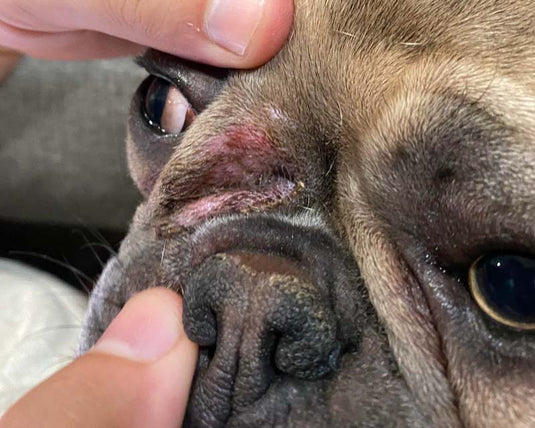
Image source: Bing (Web (fair-use with source credit))
Red Flags in the Folds
- Redness: Pink or red skin is the first sign of irritation. It should be pale pink or pigmented like the rest of their skin.
- Pus or Discharge: A yellow or greenish discharge is a clear sign of a bacterial infection.
- Foul Odor: A sweet, musty, or distinctly "yeasty" smell coming from the folds is not normal.
- Sores or Scabs: Open cracks or crusty areas means the infection has taken hold.
- Excessive Itching: If they are constantly rubbing their face on the furniture or pawing at their skin, something is wrong.
Ear Infection Warning Signs
- Head Shaking: Persistent or sudden onset head shaking is the number one sign.
- Scratching at Ears: If they're trying to reach their ears with their back paws, take notice.
- Redness and Swelling: Look at the outer ear flap. It should be pink and flat.
- Discharge: Dark, waxy, or pus-like discharge is abnormal.
- Odor: A foul or yeasty smell from the ears is a red flag.
- Pain: If they yelp or pull away when you try to touch their ears, they're in pain.
When to Skip Grooming and Call the Vet
- Open Sores: If the skin has broken open, stop cleaning and call your vet. You could inadvertently introduce more bacteria.
- Swelling or Heat: If a fold feels hot to the touch or is swollen, it's a sign of a deep infection.
- Lethargy or Loss of Appetite: These are systemic signs that the infection has spread beyond the skin.
- Any Sign of Pain: If your usually happy dog snaps or growls when you try to groom a specific area, that area is painful. Stop immediately.
Frequently Asked Questions
How often should I clean my Shar Pei's wrinkles?
Check their folds daily and wipe them with a dry or slightly damp cotton ball. You should focus on the cleanest and driest environment. If you notice any dirt or buildup, clean with a vet-approved wipe or damp cloth, then dry thoroughly.
Daily attention is the best defense against fold dermatitis.
What is the best shampoo for a Shar Pei?
The best shampoo is a hypoallergenic, pH-balanced formula made specifically for dogs. Look for products with soothing ingredients like oatmeal, aloe vera, or ceramides to calm sensitive skin. Avoid anything with artificial fragrances, dyes, or harsh chemicals.
If your dog has chronic skin issues, your vet may recommend a medicated shampoo containing chlorhexidine.
Why does my Shar Pei have a yeasty smell?
A yeasty smell usually indicates an overgrowth of Malassezia yeast on the skin, which thrives in warm, moist environments. This is a common problem in areas with deep skin folds. Properly drying all folds and cleaning regularly is the best prevention.
If you notice the smell, check for redness or discharge and consult your vet if it doesn't improve.
Can I use baby wipes on my Shar Pei?
No. Most baby wipes contain ingredients that can be irritating to dogs and disrupt their skin's pH balance. They may also contain alcohol, which dries out the skin.
Always use wipes specifically formulated for dogs or simply use a moist cotton ball with warm water.
How do I get my Shar Pei to sit still for grooming?
Start with short, positive sessions. Offer high-value treats and praise throughout the process. Start with areas your dog tolerates best and slowly introduce new ones.
Never force a stressful situation; take a break and try again later. Consistency and a calm, patient approach are key. Some owners find that grooming on a non-slip mat helps their dog feel more secure.
Should I trim the fur inside my Shar Pei's ears?
No, you should never pluck or trim the hair inside the ear canal. This hair acts as a natural barrier against debris. You should only clean the visible outer ear flap with a cotton ball and solution.
Plucking or trimming increases the risk of infection by damaging the delicate tissue.
Final Verdict: Building a Routine That Works for Your Dog
Grooming a Shar Pei is a commitment, but it doesn't have to be a chore. The key is to build a consistent, gentle routine that becomes second nature for both of you. Start with the basics and don't get overwhelmed.
Start with a Daily Check. Spend five minutes each day inspecting and drying their facial folds. This is the most critical habit you can build. It takes minutes and prevents the most common health issue in the breed.
Build a Weekly Rhythm. Set aside one day a week for a full body brush, ear check, and nail inspection. This is your bonding time.
Bathe with Purpose. Stick to the 4 to 8 week schedule and always use the right products. Remember that a thorough rinse and complete drying are just as important as the wash itself.
Watch, Learn, and Adapt. Every Shar Pei is an individual. You'll learn what's normal for your dog. Trust your instincts.
If something seems off, it probably is.
When in doubt, call your vet. It's always better to ask a quick question than to let a small issue become a serious health problem. With the right routine and a little patience, you'll keep your Shar Pei healthy, comfortable, and looking their best.