
If you've just brought home an Abyssinian guinea pig, you're probably realizing their coat isn't like other guinea pigs'. Those rosettes, the swirls of fur that stick out in every direction, don't just look different. They need different care.
Learning how to groom an Abyssinian guinea pig properly is the difference between a happy, healthy pet and one dealing with painful mats, skin infections, and a lot of stress.
The good news? You don't need to be a professional groomer or spend a fortune on fancy tools. You need the right techniques, a consistent schedule, and a basic understanding of why this breed's coat behaves the way it does.
As of 2026, veterinary guidelines from the Association of Exotic Mammal Veterinarians still recommend a brushing frequency of at least twice per week for rough-coated breeds like the Abyssinian. Let's break down exactly what that looks like in practice.
Quick Answer
Brush your Abyssinian guinea pig two to three times weekly using a soft slicker brush. Work rosette by rosette, brushing outward from each whorl's center. Trim nails every three to four weeks.
Bathe only every three to four months. Check skin weekly for mites, ringworm, or irritation. Keep sessions under 15 minutes.
Why Accuracy Matters in Abyssinian Grooming
Most generic guinea pig guides treat all breeds the same. That's a mistake. The Abyssinian's coat structure creates specific problems that smooth-coated breeds simply don't face.
Those rosettes you love? They're not random. Each whorl is a focal point where fur radiates outward in a circular pattern.
Between these rosettes, the fur meets at valleys and ridges. These divots trap dander, loose fur, and debris more easily than flat coats. They also have a tendency to mat at the base, close to the skin, where you can't see the tangle forming until it's already painful.
Here's what makes this breed even more challenging. The texture of an Abyssinian's coat is coarse and wiry, unlike the silky fur of a Peruvian or the dense plush of a Teddy. That wiry texture actually protects them somewhat from moisture, but it also means dirt doesn't just fall off.
It lodges in the rosette centers.
Add in the fact that Abyssinians have highly sensitive skin underneath all that texture, and you've got a recipe for irritation if you use the wrong tools or techniques. Human brushes are often too harsh. Dog brushes are absolutely out of the question.
Even some small-animal brushes sold at pet stores are too aggressive for this breed.
The real danger isn't just discomfort. It's what happens when grooming mistakes go unnoticed. A small mat can tighten against the skin within days.
That tight mat restricts blood flow, traps moisture and bacteria, and can develop into painful sores or even infections requiring veterinary treatment.
Rough handling during grooming causes another problem entirely. Guinea pigs who associate being picked up with pain or fear will start biting, freezing, or hiding when they see you approach. Grooming becomes a battle every single time.
That stress affects their overall health, appetite, and immune function.
According to research published in veterinary dermatology journals, guinea pigs with rough coats show significantly higher incidences of skin conditions like mange mites and fungal infections compared to their smooth-coated counterparts. This isn't anecdotal. It's documented across multiple clinical studies over the past two decades.
The takeaway here is simple. Accuracy in technique matters. Knowing the correct brushing direction, the right pressure, the proper tools, and the signs of trouble means you'll catch problems early when they're easy to treat.
Get it wrong, and you'll be dealing with a miserable pet and a frustrated owner. Get it right, and grooming becomes a bonding ritual you both look forward to. Let's talk about what you're working with.
The Abyssinian Coat: What You're Actually Working With
Before you pick up a brush, you need to understand the terrain. The Abyssinian guinea pig coat isn't just curly or rough. It's a precise genetic pattern of whorls known as rosettes.
A standard-show-quality Abyssinian has between eight and ten rosettes. These are positioned symmetrically across the body. You'll find them on the shoulders, the hips, the rump, and sometimes along the back.
Each rosette has a center point, usually slightly raised, with fur radiating outward in all directions from that central spot.
This structure creates the distinct "cowlick" appearance that defines the breed. It also creates those valleys between rosettes, which are technically called "divots" among cavy breeders and enthusiasts. These divots are where the grooming challenges live.
Here's what those divots mean in real terms. Loose fur, dead skin cells, and environmental debris like hay dust all funnel into these valleys. The fur in these areas is shorter and softer than the rest of the coat, which means it mats more easily.
When mats form in a divot, they hug the skin tightly. You often can't see them through the surrounding rosette fur until they've already caused irritation.
The coat itself is double-layered. The outer layer consists of those coarse, wiry guard hairs. Underneath, there's a softer, shorter undercoat.
This undercoat is what sheds most heavily during seasonal changes. Spring and fall bring noticeable shedding spikes that require more frequent brushing to manage.
Your Abyssinian's skin is another critical piece of the puzzle. It's notably thinner and more sensitive than the skin of breeds like the American shorthair. This means pressure that feels fine to you might actually be uncomfortable for them.
It also means harsh grooming tools can cause micro-tears in the skin, which then become entry points for bacteria.
Now, about those skin flakes. Guinea pigs naturally produce some dander, but Abyssinians produce more than smooth-coated breeds because of how their fur traps dead skin cells. If you see white flakes while brushing, that's usually normal.
What's not normal is persistent flaking accompanied by scratching, red patches, or hair loss in specific zones.
The coat also serves an important function beyond looking adorable. Those wiry guard hairs help with temperature regulation and provide some protection against minor scrapes and insect bites. Strip the oils from that coat through over-bathing, and you compromise this natural defense system.
How often does an Abyssinian coat need attention? Manufacturer guidelines for grooming tools suggest a minimum of two sessions per week. Most experienced owners find three times a week works better, especially during shedding season.
That said, each session should stay under fifteen minutes. Beyond that, guinea pigs get fidgety, and fidgety guinea pigs make grooming harder.
One more thing worth noting. The coat of an Abyssinian does not require trimming in most cases. Unless you're dealing with a medical issue or entering a show where specific coat standards apply, leave the scissors in the drawer.
Trimming an Abyssinian's coat incorrectly can destroy the rosette pattern, which doesn't grow back in exactly the same arrangement.
Understanding the coat means understanding why certain tools work and others don't. Let's move into what you actually need to get the job done right.
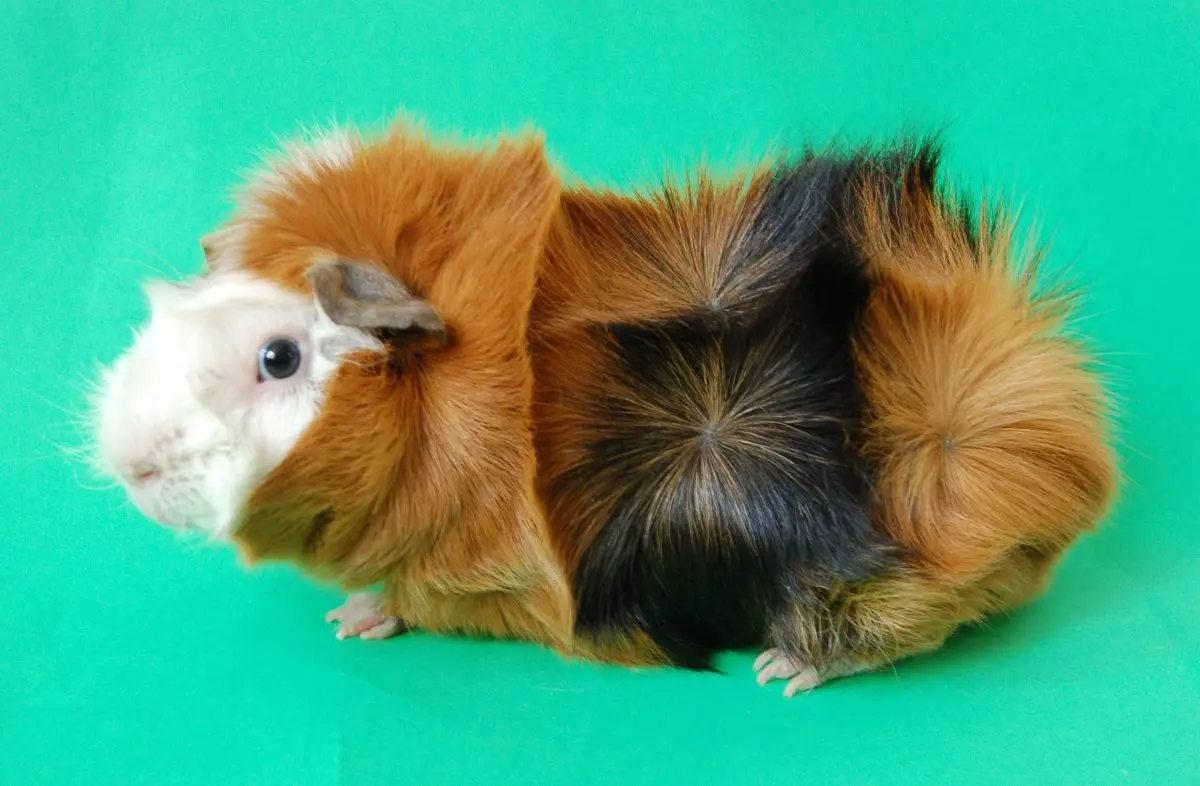
Image source: Bing (Web (fair-use with source credit))
Your Grooming Toolkit: What You Need (and What to Skip)
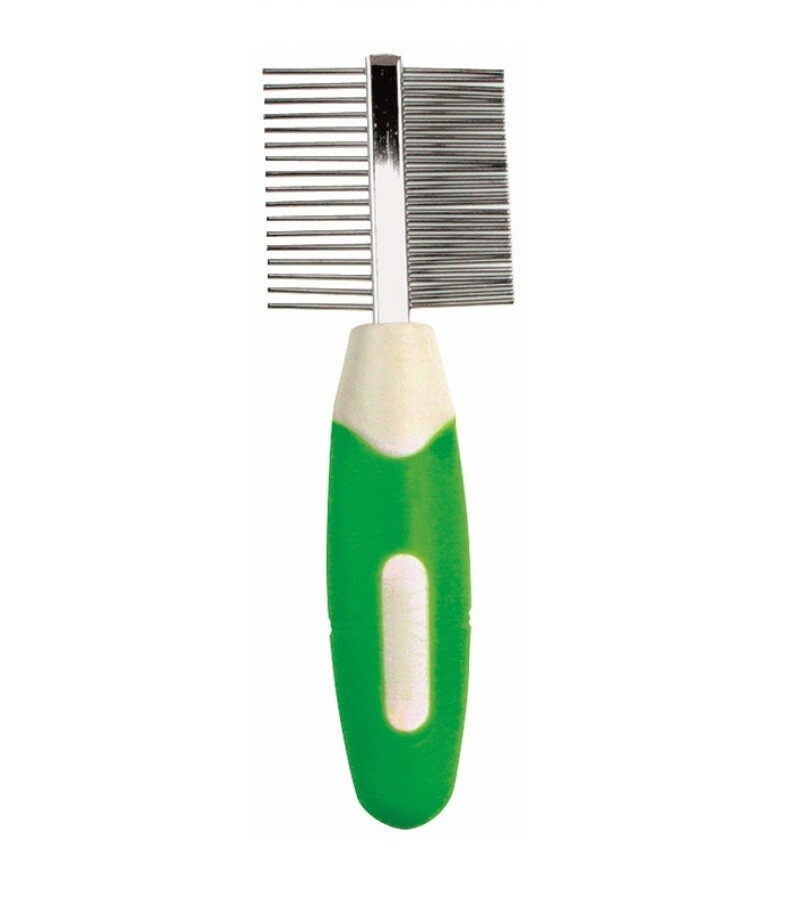
Image source: Bing (Web (fair-use with source credit))
You don't need a professional grooming table or a drawer full of specialized gadgets. The Abyssinian grooming toolkit is mercifully small. But every item in it needs to be chosen carefully, because the wrong tool can cause more harm than skipping grooming entirely.
Start with the brush. This is the most important piece of equipment you'll buy. A soft slicker brush designed for small animals is your best ally.
These brushes feature fine, bent wire bristles with a cushioned base. That cushioning prevents the bristles from digging too deep into sensitive skin.
What should you avoid? Anything labeled for cats or dogs. Those brushes have stiffer wire, longer bristles, and a heavier hand feel.
They'll scratch your guinea pig's skin within seconds. Also skip human hairbrushes. Human brushes are designed for scalps, not for wiry rosette fur, and they pull painfully at the rosette bases.
A wide-toothed metal comb is your second essential tool. This comb handles mats and tangles that the slicker brush can't break through. Its teeth are spaced widely enough to catch the fur without raking the skin.
You'll use this comb specifically in the divot zones between rosettes.
For the face and delicate areas, grab a flea comb. The fine teeth are perfect for the short, soft fur around the head, ears, and groin. These areas are more sensitive than the back, and the flea comb allows for precision work without pulling skin.
Here's a product table to keep your toolkit organized:
| Tool | Purpose | Frequency of Use | Key Spec to Look For |
|---|---|---|---|
| Soft slicker brush | Daily/weekly coat brushing, removing loose fur and dander | 2-3 times per week | Fine wire bristles, cushioned base, palm-sized |
| Wide-toothed metal comb | Mat removal, divot zones, detangling | Weekly or as needed | Spaced teeth, rounded tips, metal construction |
| Flea comb | Face, ears, groin, delicate spots | Weekly | Fine, closely spaced teeth |
| Guinea pig nail clippers | Nail maintenance | Every 3-4 weeks | Guillotine style, small size for small animals |
| Styptic powder | Stops bleeding if you nick the quick | Only in emergencies | Cornstarch-based, no additives |
| Oatmeal shampoo | Occasional bathing | Every 3-4 months | Fragrance-free, specifically for small animals |
Nail clippers are the next essential. Small animal guillotine clippers are the industry standard. These have a small hole where you insert the nail and a blade that slices down when you squeeze.
They give you more control than scissor-style clippers, especially on tiny nails.
Styptic powder belongs in every guinea pig owner's grooming kit, even if you hope you never use it. If you accidentally cut into the quick, which is the blood vessel inside the nail, a quick dab of styptic powder stops the bleeding almost immediately. Make sure you buy powder without any pain-relieving additives.
Those additives can be toxic to small pets.
For bathing, you'll need a guinea pig-safe shampoo. Look for oatmeal-based formulas that are fragrance-free and specifically labeled for small animals. Human shampoo, even baby shampoo, is too harsh and strips natural oils aggressively.
What about brushes with wooden handles and natural boar bristles? They look beautiful and feel nice in your hand, but they're not right for this breed. Boar bristles can't penetrate the wiry texture of the Abyssinian coat effectively.
You'll spend twice as long brushing with half the results.
Skip "de-shedding" tools like the Furminator. These tools are designed for heavy-shedding dogs and cats. They use a blade edge that cuts through undercoat.
On a guinea pig, that blade risks nicking the thin skin and is completely unnecessary given the coat volume.
Here's a rule of thumb for evaluating any grooming tool. If the bristles or teeth are convinced they'd hurt your own hand when pressed firmly, they're too harsh for a guinea pig. That mental check will keep your Abyssinian safe and comfortable.
Tool sanitization matters too. Between grooming sessions, wipe metal combs with rubbing alcohol and rinse the slicker brush under warm water. Let everything air dry completely before storing.
A damp brush is a breeding ground for bacteria and fungi, and you don't want to introduce those to your guinea pig's skin during the next session.
You should also have a dedicated spot for grooming. A towel on your lap works well for many owners. A table with a non-slip mat works even better.
Having your tools within arm's reach means you're not juggling a wriggling guinea pig while trying to locate a comb.
Now that your toolkit is sorted, the question becomes how to actually use these tools the right way. That's coming up next.
Step-by-Step: The Weekly Brushing Routine
The weekly brushing routine is the heart of Abyssinian care. Odds are, your guinea pig won't be thrilled about it at first. That's normal.
Most Abyssinians view grooming as an interruption to their busy schedule of eating and hiding. With consistency, though, most learn to tolerate it, and some genuinely enjoy the attention by the second or third month.
Start by setting up your space. Sit in a well-lit area. A spot near a window helps you see what you're doing, especially for spotting skin issues in the rosette divots.
Put a towel on your lap. Fold it once for a bit of cushioning. Set your slicker brush and wide-toothed comb within reach.
Pick up your guinea pig using a two-handed scooping motion. Support the rear end fully. Guinea pigs with an unsupported back end will kick, squirm, and make the whole session miserable for everyone involved.
Once they're settled on your lap with their feet on the towel, you're ready.
This next part is critical. Check the coat before you even touch it. Run your fingers gently through the fur, feeling for lumps, mats, or crusty patches.
Watch for anything that looks like dandruff. As tempting as it is to just start brushing, this pre-check is how you catch problems early.
If your guinea pig is tense or trembling, give them a moment. Offer a small piece of cucumber or bell pepper. Let them eat it while you begin with gentle strokes.
The food gives them a positive association. The fact you're not yanking their fur yet builds trust.
Start brushing section by section. Choose one rosette on the rump or back. Place the slicker brush at the center of the rosette and brush outward toward the tips of the coat.
This follows the natural direction of the hair. It loosens debris, removes loose fur, and stimulates the skin without pulling from the root.
Work around the entire body this way, moving from one rosette to the next. It helps to mentally map your path. Rump, back, then sides, then shoulders, then neck.
The belly and groin come last because they're the most sensitive, and leaving them for the end means your guinea pig will be more tolerant of handling by then.
Here's how the brushing sequence breaks down if you need a quick reference:
- Step 1: Pre-check the coat and skin by hand
- Step 2: Brush each rosette from center to tips
- Step 3: Use the wide-toothed comb on the divot valleys
- Step 4: Switch to the flea comb for face, ears, and belly
- Step 5: End with a hand wipe-down to check for missed areas
- Step 6: Offer a reward treat
The divots, remember, are where the problems hide. After you've brushed the main rosettes, switch to the wide-toothed comb. Gently work the comb through each valley between rosettes.
Move slowly. If you hit resistance, you've found a mat.
Don't yank at mats. Ever. That's not a suggestion, it's a hard rule.
Mats close to the skin can tear if pulled forcefully. Instead, hold the mat close to the skin with one hand to stabilize it. With the other hand, work the comb through the mat's edges, teasing it apart strand by strand.
This takes patience but avoids pain and injury.
Most mats, especially in the early stages, are composed of loose fur that's tangled together rather than tightly fused. They'll come apart with gentle work. If a mat is already firmly pressed against the skin and won't budge with combing, that's a job for the vet or an experienced groomer, not a scissors-wielding owner.
Cutting blindly near the skin risks serious injury.
When you reach the face, put the slicker brush down. Pick up the flea comb. The fur around the eyes, ears, and cheeks is finer and shorter than the body coat.
Brush it gently for a few strokes. That's sufficient. Then do the same for the belly and the groin area, where the fur is also short and soft.
Do a check on the ears at this point. Wipe away visible debris near the outer ear edges with a cotton ball slightly dampened with warm water. Never push anything into the ear canal.
Guinea pig ear canals are short and delicate, and pushing debris deeper is how middle ear infections start.
The underbelly also deserves a quick paw check. Guinea pigs can develop a painful condition called bumblefoot, or pododermatitis, which starts as red, swollen spots on the feet. Combine this with a visual inspection of the pads.
Smooth down the coat with your hand when you've finished. This feels like petting to a guinea pig and catches any residual loose fur the brush missed. It also gives you a final skin check while your pig is relaxed.
Offering a reward after grooming solidifies the routine. A small piece of apple, carrot, or leafy greens like romaine lettuce works well. Your guinea pig will start associating being on your lap and being brushed and combed with getting their favorite food.
Within a few weeks, they'll climb into your hands readily because they know what's coming on the other side.
It's worth knowing when to stop. Attention spans differ between individuals. Some guinea pigs, especially younger ones, will only tolerate about five minutes at first.
That's okay. A successful grooming session is one where both of you remain calm and uninjured. You can always split a full session across two smaller ones in the same day.
Now, sticking to a regular brushing schedule is straightforward. The part that trips up most owners is nail trimming. Let's tackle that next, because it's the most anxiety-inducing part of guinea pig care for both species involved.
Nail Trimming Without the Drama
Nail trimming tops the list of dreaded guinea pig chores, and that's understandable. Guinea pig nails are tiny. They're dark, making the quick notoriously difficult to spot.
One wrong snip and you're dealing with a bleeding, distressed small animal.
Let's get the bad news out first. If you have an Abyssinian, you'll be trimming nails every three to four weeks for the rest of their lives. It's not an optional part of how to groom an Abyssinian guinea pig; it's a non-negotiable health requirement.
Guinea pigs are prey animals, so they naturally maintain their own nails in the wild by running on varied terrain. Indoor guinea pigs on soft bedding and smooth floors don't wear their nails down naturally.
Long nails cause real health problems. They curl under the toes, making walking painful. That change in gait shifts weight onto the heels improperly, which is a direct contributor to bumblefoot.
Long nails also get caught in fleece liners, hay, and mesh, which can split the nail or twist it out of the toe. When you see the impact, taking fifteen minutes every month seems like a small price to pay.
Here's the setup for a stress-free nail trim. You'll need your guillotine-style clippers, styptic powder, a towel, and a steady hand. Good light matters too.
A headlamp or clip-on light makes all the difference for seeing the quick.
Understanding the quick is step one. This is the pink blood vessel that runs into the nail base. In light-colored or white nails, you can see it as a distinct pink line inside the nail.
In dark nails, you can't see it at all. That's where the challenge lives with most Abyssinians, whose nails tend to be dark gray or black.
If you can't see the quick, use the flashlight-on-fingertip trick. Hold a bright light against the underside of the toe. This backlights the nail and often makes the quick visible through the dark keratin.
It doesn't work 100% of the time, but it works remarkably well.
For the actual trim, follow these steps:
- Step 1: Wrap your guinea pig snugly in the towel, leaving one paw exposed
- Step 2: Gently press on the paw pad to extend the nails outward
- Step 3: Identify the quick using the backlight trick
- Step 4: Cut the nail at a slight angle, below the quick
- Step 5: Move to the next nail, and then the next
- Step 6: Apply styptic powder immediately if the quick is nicked
- Step 7: Reward generously when all four paws are done
Working with a wrapped guinea pig as a team can help. One person holds the towel burrito gently but securely. The other person trims.
This setup reduces squirming and gives both parties confidence. If, and only if, no second person is available, you can work solo with a small towel wrap tucked under your arm.
The technique for using the clippers matters. Don't squeeze from above at a perpendicular angle. Instead, angle the clipper slightly toward the nail tip.
This avoids crushing the nail vertically, which can split it even when the cut is in the right place.
What about bleeding? It happens to even the most experienced owners. If you nick the quick, press a small amount of styptic powder onto the cut end.
Hold gentle pressure for a minute or two. The bleeding usually stops quickly. Without styptic powder, cornstarch works in a pinch.
Clean flour is another emergency option. Apply the powder, keep pressure, and don't let the guinea pig run around immediately.
Don't panic if you do hit the quick. Guinea pigs don't die from minor nail bleeding. Cleaning the area and stopping the bleeding is your only job.
If bleeding doesn't stop after about five minutes of steady pressure, that's a reason to call your exotic vet. But that's an extremely rare scenario.
When you're done, checking the nails and toes is vital. See any redness, swelling, or crusting around the nail beds? Those are the first signs of bumblefoot, and early intervention matters.
That's also part of the reason nail trimming is such a valuable monthly routine, since it keeps you inspecting your guinea pig's feet regularly.
Keep your last rescue fingernail clipper as a backup. These sit in the drawer for two to three years post-trim. All the while, your guinea pig remains calm in the burrito wrap because nothing bad happens to them.
This jacket makes the next trim easier too.
If multiple people live in your house, they can take turns being the holder. The guinea pig learns that nail trims involve multiple gentle people and tasty rewards. That socialization is good for their overall temperament.
Some owners skip nail trimming by taking their guinea pig to the vet. That's absolutely an option and a reasonable one if you feel genuinely uncomfortable with the process. A vet or veterinary technician will charge for the service, but they'll also show you proper technique while they do it.
Watching a professional once or twice is better than a hundred YouTube tutorials.
Never use cat or dog nail trimmers on a guinea pig. These are large enough that they can accidentally crush the whole toe, causing unnecessary trauma. Stick with the small, guillotine-style trimmers made for small animals.
The image below shows the correct approach and what you should see when positioning the clippers on a guinea pig's nail.
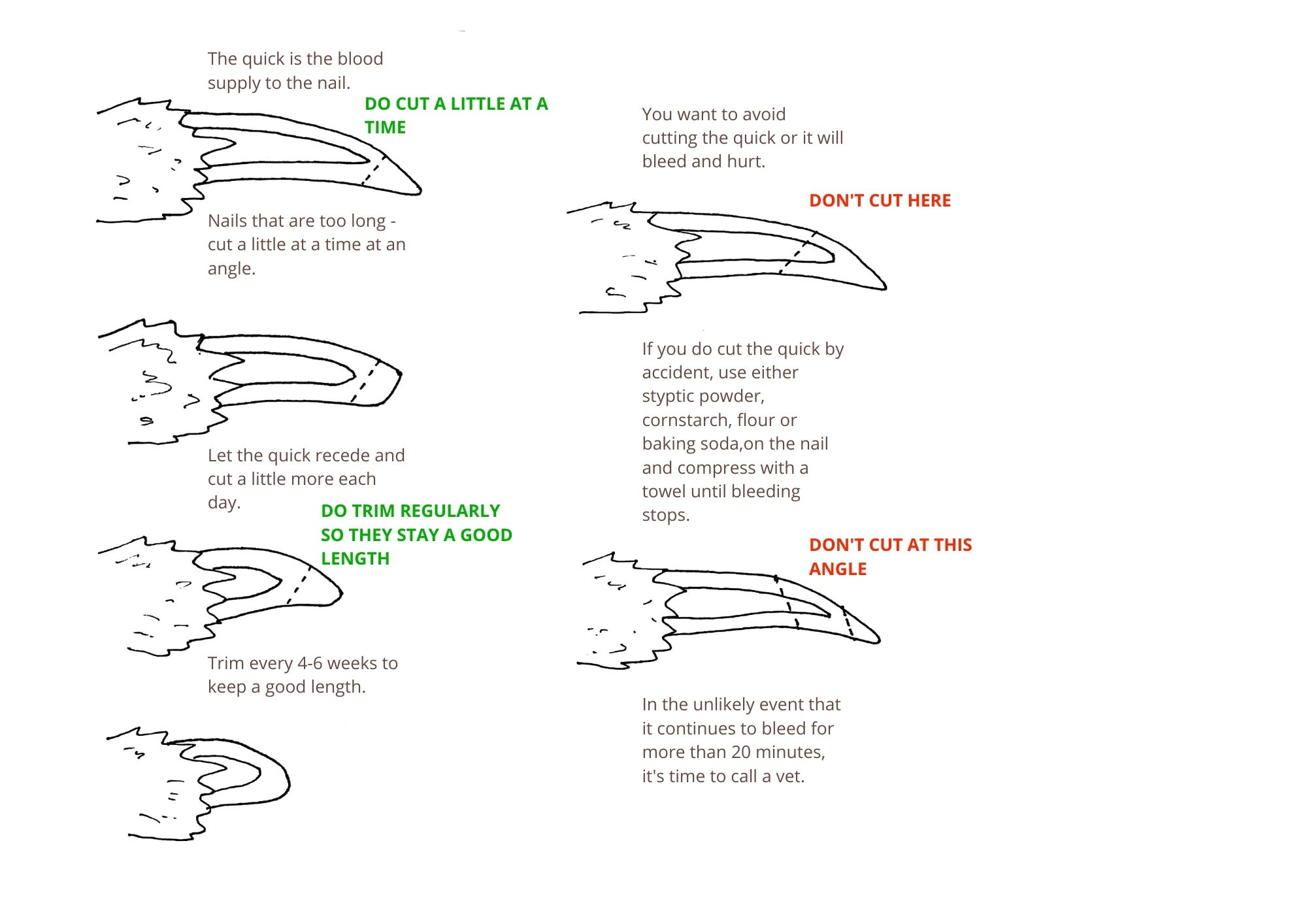
Image source: Bing (Web (fair-use with source credit))
Now I need a brief period of holding. This is where your guinea pig is still sitting in the towel on your lap. Let them settle for a moment.
Review the cool new nails and give them a gentle scratch on the roof of their nose. Then, when cleanup is done and the towel is washed, the day is complete.
Nail trims are the sharp edge of grooming. The baths are the slippery one. If you can handle the clippers, then the bathing routine is a natural next skill to build.
Bathing Your Abyssinian: When, How, and How Often
Bathing an Abyssinian guinea pig is a controversial topic in cavy owner circles, and for good reason. Over-bathing causes more skin problems than it solves. But occasional baths are necessary.
The trick is knowing the difference between "necessary" and "convenient."
Let's settle the frequency question first, because there's a lot of misinformation out there. Bathing every three to four months is the maximum recommended rate. That's the top of the safe frequency range.
Some vets argue that every six months is plenty for a healthy indoor guinea pig. If you're wondering how to groom an Abyssinian guinea pig in a way that avoids skin irritation, bathing less often is the answer.
The reasons for this are straightforward. An Abyssinian's skin produces natural oils that protect their coat and keep it conditioned. Frequent washing strips these oils, leaving the skin dry, flaky, and prone to irritation.
The coat becomes brittle and rough. The wiry texture that's normal for the breed turns harsh and unhealthy-looking.
So when should you bathe? Here are the scenarios where a bath is medically or practically justified:
- The coat has visible dirt, feces, or bedding stuck in the rosettes that brushing won't remove
- The guinea pig has been treated for mites or fungal infections, and the vet has prescribed medicated baths
- There's a strong, unpleasant odor that persists despite regular brushing and fresh bedding
- The guinea pig has diarrhea and needs a thorough cleaning to prevent flystrike, a serious condition where flies lay eggs in soiled fur
If none of these apply, skip the bath. Spot cleaning with a slightly damp cloth is always preferable to a full bath for minor messes. That's not just a tip.
That's the approach most exotic vets recommend for routine hygiene.
When you do bathe, the process matters. Let me walk you through it step by step.
First, gather your supplies. You'll need guinea pig-safe shampoo, a small basin that fits comfortably under your guinea pig, a pitcher of lukewarm water, and microfiber towels for drying. Keep everything within arm's reach before you pick up your pig.
Once the water is on, there's no time to search for supplies.
Fill the basin with about two inches of lukewarm water. Temperature matters, and "lukewarm" is the only correct answer here. Hot water will stress your guinea pig and can cause burns on their sensitive skin.
Cold water can cause shock. Aim for about 85 to 90 degrees Fahrenheit, which is roughly body temperature.
Never fully submerge your guinea pig. You're washing them, not dunking them. The goal is to wet the coat gently, keeping the head and face dry unless absolutely necessary.
Use the pitcher to pour water over the back and sides, letting it run through the rosettes. Avoid the ears and eyes completely.
A small amount of shampoo goes a long way. Use about a pea-sized amount for an entire coat. Work it into a lather in your hands first, then apply it to the coat.
Massage gently, following the same rosette-by-rosette direction you use for brushing. Get into the divot areas where dirt accumulates, but be gentle. Abyssinian skin is delicate, and rubbing too hard will cause irritation.
Rinse thoroughly. This step is more important than the washing itself. Shampoo residue left in the coat is a major cause of skin irritation later.
Pour the lukewarm water over the coat until every trace of suds is gone. There's no such thing as too thorough a rinse.
Drying is where the real risk lies. Guinea pigs cannot tolerate cold drafts. They're prone to developing respiratory infections if they get chilled while damp.
This is non-negotiable: you must dry your guinea pig completely before returning them to their enclosure.
Here's the plan. Wrap the guinea pig in a microfiber towel immediately after rinsing. Use a two-towel approach.
The first towel absorbs the bulk of the moisture. The second towel, which should be warm and dry, does the heavy drying. Gently pat and rub until the coat is only barely damp.
Some guinea pigs tolerate a low-heat hairdryer from a distance. Most don't, and the noise is often more stressful than the bath itself. If you try a hairdryer, keep it at least 10 inches away and on the lowest heat and lowest fan settings.
The moment your guinea pig shows signs of distress, turn it off and continue with towels.
Return your guinea pig to a draft-free room and allow them to finish drying. This period takes two to four hours, depending on your home's temperature and humidity. Don't return the bathing basin until all grooming tasks are complete.
What about water quality? Use filtered or bottled water if your tap water is heavily chlorinated or mineral-heavy. Guinea pigs have sensitive skin, and chlorine can be drying.
For guinea pigs with established dry-skin issues, this small change can make a noticeable difference.
The table below summarizes the bathing timeline for quick reference:
| Stage | Duration | Key Considerations |
|---|---|---|
| Pre-bath prep | 5-10 minutes | Gather supplies, remove soiled bedding |
| Bathing itself | 5-7 minutes | Work quickly, keep water lukewarm |
| Rinsing | 2-3 minutes | Check for any remaining suds |
| Towel drying | 5-10 minutes | Use two towels, pat gently |
| Final drying | 2-4 hours | Keep in a warm, draft-free area |
Here's something owners rarely think about. The bath is a stressful event for a prey animal. When you're done bathing, pay extra attention to your guinea pig's behavior for the next 24 hours.
They should be eating, drinking, and moving normally. Contact your vet if they seem lethargic, stop eating, or show any signs of respiratory distress like wheezing or labored breathing.
Now that you can handle grooming and bathing, let's talk about the more subtle part of the job. The little checks you do every week that catch problems before they become emergencies.
Spot Checks: Eyes, Ears, Paws, and Skin Folds
Beyond brushing and bathing, consistent spot checks keep your Abyssinian healthy. These inspections take just a few minutes but catch early signs of serious health issues.
Make this part of your grooming routine. Every time you brush, do a quick health check. You're already running your hands over the coat.
Use that opportunity to check for abnormalities. It takes less than two minutes.
Let's work top to bottom.
Eyes. Guinea pig eyes should be clear and free of discharge. Any crustiness, cloudiness, or visible redness is a warning sign. Eye issues may be caused by dental problems, respiratory infection, or injury from hay or substrate.
Discharge from both eyes usually indicates an upper respiratory infection. Discharge from one eye is often caused by debris or a scratch. Clean any eye crust with a warm, damp cotton ball, wiping outward from the inner corner.
If discharge persists for more than 48 hours, see your vet.
Ears. Guinea pig ears are relatively small and partially hidden by fur. You might have to look carefully. Check the outer ear for crusting, swelling, or discharge.
A small amount of waxy buildup is normal. Anything more warrants attention. Use a cotton ball slightly dampened with warm water or mineral oil to clean visible debris from the outer ear.
Never push anything into the ear canal. If your guinea pig is scratching their ears persistently or tilting their head, an ear infection or mites may be present.
Paws. Bumblefoot starts with red, swollen spots on the feet. The best prevention is to keep bedding clean, dry, and soft. Half-inch fleece over a fleece liner is a popular choice among owners because it's soft and absorbent.
Solid-bottom cages are preferred since wire-bottomed or mesh-bottomed cages cause pressure points on the feet. Examine the paws for hair loss, swelling, or signs of irritation. Actinobacillus bacteria can also cause foot infections, which are treatable with antibiotics.
If you notice persistent redness or sores that don't improve with pad cleaning, those need a vet visit.
Skin folds and the body. The most sensitive spots on an Abyssinian are the chest, abdomen, and groin. Check these areas carefully. Look for redness, swelling, or anything unusual.
The divots between rosettes, where fur folds meet, are prime spots for fungal infections and mites. Hair loss or crusting around the eyes, ears, or nose may indicate ringworm. Fungal infections often appear as circular patches of hair loss with a red, scaly edge.
If you notice these, treat them early.
Teeth. Dental problems can accompany skin issues in guinea pigs. Check the incisors for their characteristic orange color. If the teeth are white, pale, or overgrown, you're looking at a potential dental problem.
But dental issues aren't only visible from the front. Your guinea pig may have molar spurs that you can't see without sedation. Signs include drooling, weight loss, reduced appetite, or dropping food.
If you're seeing these signs, you need an exotic vet.
Make these checks part of your grooming routine. Every time you brush your guinea pig, do a quick mini health check. It takes less than two minutes.
The early signs of a problem are always easier to fix than a problem that has been left for weeks. Prevention is also much less expensive than treatment.
Common Grooming Mistakes That Harm Abyssinians
Even with the best intentions, owners make mistakes. Some are minor and easily corrected. Others cause real harm.
Being aware of the most common missteps during grooming can help you avoid them.
Let's walk through the biggest offenders.
Brushing against the grain. One of the most common mistakes is brushing against the natural direction of the rosettes. This pulls at the base of the hair and causes real pain. It also damages the hair follicle over time, leading to breakage and thinning.
Always brush outward from the center of each rosette, following the direction the fur naturally grows.
Using human shampoo or dish soap. Human shampoo contains harsh detergents that strip natural oils. Dish soap is even worse. Even "gentle" baby shampoo is too acidic and fragranced for guinea pig skin.
Guinea pig-safe shampoo is formulated for their skin pH. While we're on this subject, you should also avoid shampoo that contains tea tree oil, citrus, or other essential oils. These can be toxic when absorbed through the skin.
Bathing too frequently. A bath every two weeks seems reasonable to many new owners. It's not. Over-bathing strips natural oils, dries the skin, and triggers overproduction of sebum, which makes coats greasy and creates a breeding ground for bacteria.
Stick to the three to four month schedule.
Skipping nail trims. Putting off nail trims because they're stressful leads to overgrown nails, deformed toes, and bumblefoot. The risk of an actual injury from trimming is lower than the guaranteed harm of letting nails grow too long. Regular, quick trims every three to four weeks are preferable to a traumatic, full-blown wrestling match every six months.
Using cotton swabs in the ears. A cotton swab can push debris deeper into the ear canal or even damage the eardrum. Guinea pig ear canals are very small and fragile. That makes them even more vulnerable.
Use a cotton ball on a fingertip, never a swab, to clean visible debris.
Ignoring the teeth. Oral health issues show up as skin irritation and fur loss due to excessive drooling. Your pig may be losing fur on its chin or around its mouth. That's often a sign of a molar problem.
Grooming and spot checks should include checking the incisors and looking for signs of drooling or chewing issues. If the incisors are overgrown or wonky, that's a vet visit.
Trimming the coat. Casual trimming destroys the rosette pattern and can expose the sensitive undercoat to cold drafts. Unless you're treating a medical issue and have veterinary guidance, keep the scissors away.
Handling too roughly during grooming. Guinea pigs need support for their rear end at all times. Grabbing by the scruff or letting them dangle from your hand during grooming causes unnecessary stress and injuries. Use a firm but gentle hold.
Avoid these mistakes and you'll be far ahead of most owners. Your guinea pig will be calmer during grooming, and you'll catch issues early rather than dealing with complicated treatments.
Skin Problems vs. Normal Rosette Texture
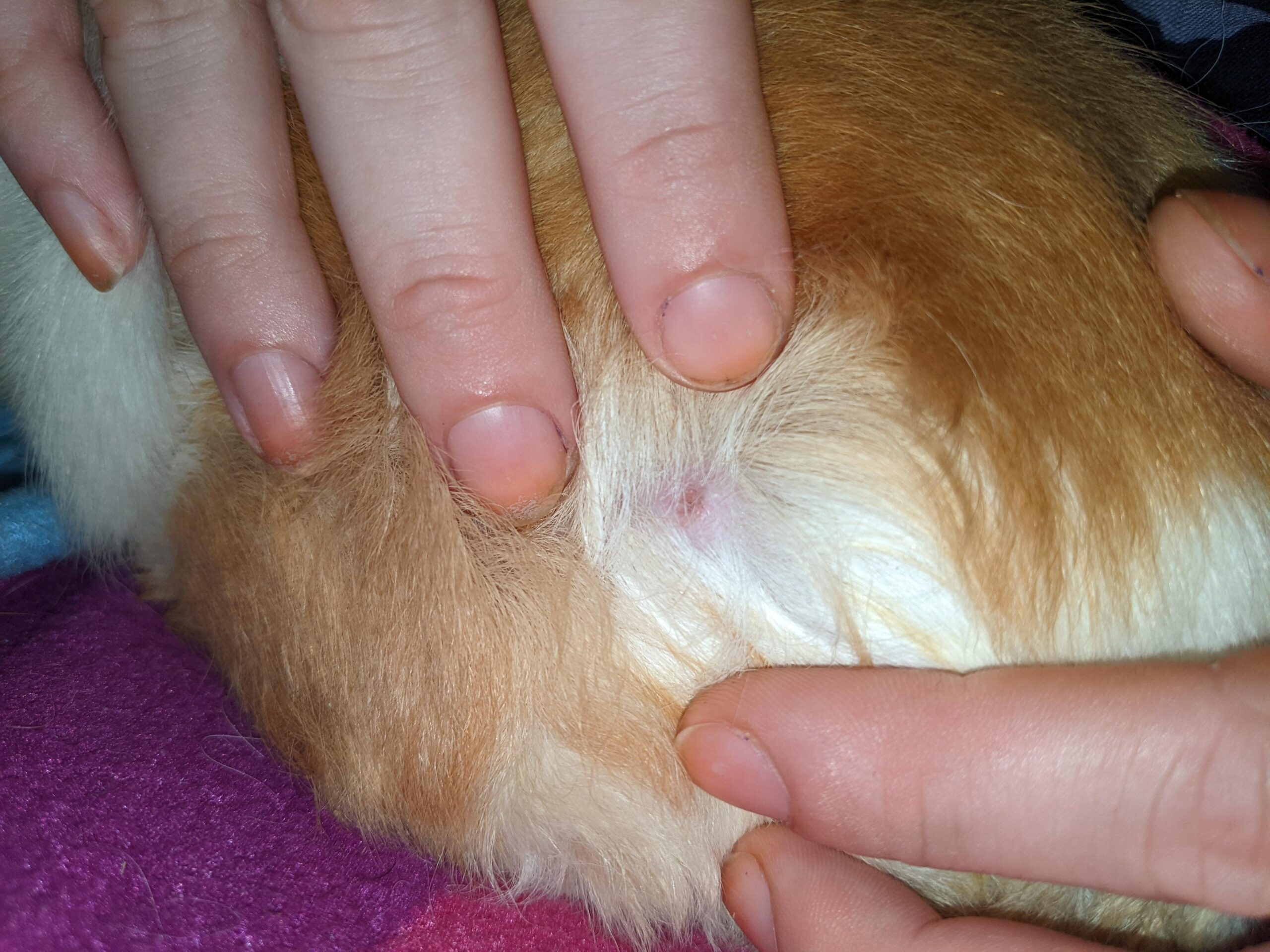
Image source: Bing (Web (fair-use with source credit))
One of the hardest parts of owning an Abyssinian is telling the difference between a normal rosette texture and a skin problem. The coat has so many natural bumps and directional changes that new owners often panic over nothing. Or worse, they dismiss a genuine issue because it looks like the coat's normal quirks.
Let me help you learn to tell the difference.
Normal rosette texture. Healthy rosettes are springy, even, and consistent in texture. When you run your fingers over them, the coat feels dense and wiry. There are no crusty patches beneath the fur.
The skin underneath the rosettes should be pinkish (or darker in black-skinned individuals) without redness, swelling, raised bumps, or bald spots. Some dandruff, light flaking, is normal. Significant flaking, especially when it persists or spreads, is not.
Mites. Mites are microscopic parasites that live in the skin and hair follicles. They burrow, which causes intense itching. The most common type is Trixacarus caviae, known as sarcoptic mange mites.
How do you spot a mite problem? Look for persistent scratching, which often causes hair loss in patches, particularly on the rump, back, or shoulders. The skin often appears red, inflamed, and sometimes has small bumps or scabs.
Severe infestations cause guinea pigs to chew at their skin, leading to open sores. Importantly, mites cause itching so intense that it's unmistakable. If your guinea pig is scratching constantly, don't brush it off as dry skin.
Mites require veterinary treatment with ivermectin or selamectin.
Ringworm. Despite its name, ringworm is a fungal infection, not a worm. It's also zoonotic, meaning you can catch it from your guinea pig. Watch for circular patches of hair loss with a red, scaly, or crusty edge.
The center of the patch might look slightly healed, with hair loss around the edges. Lesions often appear on the nose, face, and ears or around the eyes. Treating ringworm requires veterinary antifungal medication and thorough cage cleaning.
Treat it early before it spreads to other pets or your family.
Fungal infections. Similar to ringworm, other fungal species cause scaly, flaky patches of skin. These look like dry, balding spots. They're often mistaken for dry skin or normal dandruff.
If you see flaking that doesn't respond to brushing and moisturizing, suspect fungus.
Bumblefoot. This condition develops on the feet, sometimes hidden beneath fur and rosettes. Look for red, swollen spots on the paw pads. The feet become tender, making the guinea pig reluctant to move.
Causes include wire-bottomed cages, dirty bedding, obesity, and vitamin C deficiency. Early cases can be treated by fixing the environment and ensuring adequate vitamin C. Advanced cases require veterinary care, antibiotics, and possibly bandaging.
So how can you tell if you're just looking at normal texture or a real problem? Download the American Cavy Breeders Association (ACBA) breed standard from their website and compare.
Here's a quick comparison table:
| Condition | What It Looks Like | Common Sites | Treatment Approach |
|---|---|---|---|
| Sarcoptic mange/mites | Intense itching, scratching, hair loss, red bumps, scabs | Rump, back, shoulders | Vet-prescribed ivermectin, environmental cleaning |
| Ringworm | Circular bald patches with red, crusty borders | Nose, ears, face | Vet-prescribed antifungal meds, cage disinfection |
| Fungal infection | Scaly, flaking skin, patchy hair loss | Various | Vet-prescribed antifungal cream or oral meds |
| Bumblefoot | Red, swollen foot pads, sores, reluctance to move | Feet | Improve bedding and hygiene, vitamin C, possible antibiotics |
| Dry skin | Light flaking without redness or itching | Throughout | Improve diet, consider adding omega-3s, reconsider bathing frequency |
If you notice any of these patterns, book a vet appointment. Guinea pig skin problems don't resolve on their own. They spread, worsen, and become much harder to treat.
The early window is small.
Now, I also want to emphasize that stress and poor nutrition make skin problems worse. Guinea pigs need a steady supply of vitamin C. They can't synthesize it on their own.
A diet deficient in vitamin C leads to poor skin and coat quality, a compromised immune system, and increased susceptibility to infections.
Grooming Stress: Keeping Your Guinea Pig Calm
Let's be honest: grooming isn't a guinea pig's favorite activity. They're prey animals. Being picked up, held, and manipulated triggers a natural stress response, even when you're being gentle.
How you handle that stress determines whether grooming sessions get easier over time or become a battle.
The trust-building approach. Before you even pick up a brush, build a relationship with your guinea pig. Spend time with them every day. Let them associate your smell and voice with safety and treats.
When they climb into your hand willingly, you've reached the baseline you need for grooming.
The right hold. How you pick up your guinea pig matters. A two-handed scoop that supports the rear end is the correct method. Never pick up a guinea pig by its scruff or legs.
When grooming, use a firm but gentle hold. Cradling them near your body is comforting. A towel burrito works for nail trims, keeping a paw accessible.
Reading the warning signs. Guinea pigs communicate stress in several ways. Watch for these signs during grooming:
- Freezing: Going completely still is a sign of fear
- Teeth chattering: Aggression or irritation
- Hissing or squealing: Distress
- Hiding: Attempting to run or find cover
- Biting: Last-resort warning behavior
- Vocalizing softly: Can mean discomfort or annoyance
If you see any of these, pause. Let your guinea pig settle. Speak in a calm, soft voice.
Offer a treat and see if they relax before continuing. If they remain tense after a break, end the session. One bad session that ends with a struggle is worse than several short, cooperative ones.
Desensitization. For guinea pigs who are particularly resistant to grooming, take a step back. Spend a few days just stroking their back without any tools. If they tolerate that, introduce a brush near them but let them sniff it.
Then do a few gentle strokes and stop immediately. Slowly build up the duration over a week or two. Before you know it, they'll associate the brush with the treats that follow.
This works far better than holding them down.
The motivation trick. Offer a favorite food during grooming. A small piece of carrot, apple, or romaine lettuce works wonders. Your guinea pig will tolerate a lot of brushing while nibbling on something tasty.
Keep the treat small so you can give multiple pieces over the session. This positive reinforcement is the single best trick for reducing grooming stress.
Fun handling. Build healthy handling habits. One-minute sessions throughout the day are better than a single 15-minute session. Frequent, short pickups teach your guinea pig that being held doesn't always mean being groomed.
They'll relax overall, which makes grooming less stressful when it happens.
Watch the "chattering" teeth. Guinea pig teeth chattering isn't a happy sound. It's a warning. If your guinea pig's teeth start chattering during grooming, you're pushing too hard.
Back off and give them space.
Seasonal Adjustments: Adapting Your Routine Year-Round
Your Abyssinian's grooming needs change with the seasons. The same routine that works in July might leave you with a matted, uncomfortable pet by November. Temperature, humidity, and indoor heating all affect their coat and skin.
Spring. Spring is a heavy shedding season. Your guinea pig's body is responding to increasing daylight and rising temperatures by shedding their thicker winter coat. Expect more fur than usual in your brush.
Increase brushing frequency to three to four times per week to manage the surplus fur. This helps prevent them from ingesting loose hair. Spring is also a good time for a quarterly bath, if your guinea pig needs one, since shedding peaks make coats especially messy.
Summer. Humidity brings risk called hotspots and fungal infections in guinea pigs. The moisture in hot, humid air lingers in those rosette divots, creating the perfect environment for fungus. In humid regions, check skin more thoroughly after grooming.
If your guinea pig's coat holds moisture, keep brushing sessions longer to ensure complete dryness. Air conditioning can cause dry skin, so monitor humidity levels. A small humidifier or dehumidifier, depending on your climate can help you find balance.
Fall. As temperatures drop, shedding slows. Their coat is preparing for winter. Fleeces become more important for warmth.
You may need to do fewer baths since skin oils become more valuable for insulation. Check for signs of flystrike during fall, especially in soiled cages. Flies are less active in cooler weather, but they don't entirely vanish until frost.
Winter. Indoor heating dries the air. This causes dry, itchy skin and static electricity in coats. Brush your guinea pig more frequently in winter to distribute natural oils and remove dry, flaky skin.
If static electricity becomes an issue, use a natural fiber brush. Increase the humidity in your home with a humidifier, especially in the room where your guinea pig lives. Pay close attention to dry skin signs.
Flaky patches that persist beyond light dandruff may require adjusting their environment. Dusty conditions from dry air can also trigger respiratory issues, making proper ventilation important.
Frequently Asked Questions
How often should I brush my Abyssinian guinea pig?
Brush your Abyssinian two to three times per week. During heavy shedding in spring and fall, increase this to three or four times. Each session should be under 15 minutes.
Consistent short sessions are far more effective than weekly marathon grooming sessions.
Do Abyssinian guinea pigs need baths?
Only every three to four months, and genuinely only when necessary. Over-bathing strips their natural coat oils and ruins their wiry texture. Match the bath to need: visible soiling of the coat, medicated requirements, or a persistent odor.
Spot cleaning with a damp cloth covers most day-to-day messes.
Why does my Abyssinian guinea pig have flaky skin?
Light dandruff is normal and caused by the coat trapping dead skin cells. However, persistent flaking with scratching, redness, or patchy hair loss points to mites, fungal infection, or poor air quality. Check the environment and see your vet if the condition doesn't clear with more frequent brushing.
How do I groom an Abyssinian guinea pig without a brush?
A soft, damp cloth works for spot cleaning. Use a cotton ball for ears. For a full grooming session, a brush is necessary.
The wide-toothed comb handles mats. When traveling, a baby soft toothbrush can work as an emergency brush for removing dirt and loose fur.
What do I do if I cut the nail too short?
Apply styptic powder to the cut end immediately. Hold pressure for one or two minutes. If you don't have styptic powder, use cornstarch or clean flour.
Er so the bleeding stops before returning the guinea pig to its cage. Contact the vet if bleeding doesn't stop within five minutes.
When should I take my Abyssinian to the vet for a skin issue?
Any redness, swelling, persistent scratching, circular hair loss, or open sores warrant a vet visit. These symptoms can indicate mites, ringworm, or infection, all of which require professional treatment. Early intervention is always less stressful and more affordable than treating advanced infections.