
If you've ever seen a fluffy Persian cat strutting around looking like a miniature lion, you've seen a lion cut. It's one of the most recognizable grooming styles in the cat world, but it's also one of the most misunderstood. Before you book an appointment, you need to know what it involves, why people get it, and whether your cat will actually benefit or just hide under the bed for three days.
So, what is a lion cut for cats? It's a full-body shave that leaves the fur longer on the head, neck, chest, and tail tip, creating a mane-and-tuft look that mimics a lion's silhouette. As of 2026, it's the go-to solution for severe matting, skin conditions, and senior cats that can't groom themselves.
But it's not a cosmetic trick. It's a practical grooming tool with real risks, real costs, and a specific set of situations where it genuinely makes sense.
Quick Answer
A lion cut shaves a cat's body hair down to a short, even length. It leaves the head, chest, tail tip, and sometimes paws fully fluffed. Groomers use #10 or #7 clipper blades for the body.
The whole process takes 45 to 90 minutes. It costs between $60 and $120 depending on your area.
Why Owners Choose This Grooming Style
Nobody books a lion cut on a whim. Well, some people do, but those are usually the ones who end up with a stressed cat and a scratched-up arm. The vast majority of owners turn to the lion cut because they're dealing with a real, frustrating problem.
The number one reason is severe matting. Long-haired cats like Persians and Himalayans get mats that tighten against the skin and pull with every movement. Brushing them out hurts.
Combing them out can tear skin. When matting has reached "pelting" territory, where the fur is one solid, felted layer, shaving is the kindest option. Most veterinarians will tell you the same thing.
The second big reason is skin treatment. Cats with allergies, dermatitis, or fungal infections like ringworm often need topical medications applied directly to the skin. A lion cut makes that infinitely easier.
You can see the affected areas, apply cream without fighting through a thick coat, and monitor healing day by day.
Senior cats are the third common candidate. Older felines lose flexibility. Arthritis makes it painful to twist and reach their hindquarters.
They stop grooming themselves, and their fur starts to mat. A lion cut reduces the grooming burden dramatically.
Then there are overweight cats. A cat that can't reach its own back will develop mats and dander in places it simply can't maintain. The lion cut gives them a fresh start.
Finally, some owners just want to reduce shedding and hairballs. A short coat means less fur on your furniture and less fur swallowed during grooming. That's a legitimate benefit, even if it's not the most critical one.
Across grooming forums, owner communities, and veterinary recommendations, the lion cut is almost never the first choice. It's the solution people reach for after brushing has failed, after mats have won, or after a vet has insisted.
The Honest Downsides: Risks Every Owner Should Know
Let's get the uncomfortable stuff out of the way. A lion cut is not risk-free. Every experienced groomer has seen complications, and you should know about them before you commit.
Razor burn is the most common issue. Cat skin is thin, delicate, and full of nicks. If a groomer uses a blade that's too close, presses too hard, or goes against the grain, your cat will come home with red, irritated skin.
In severe cases, it can look like a chemical burn and take days to calm down.
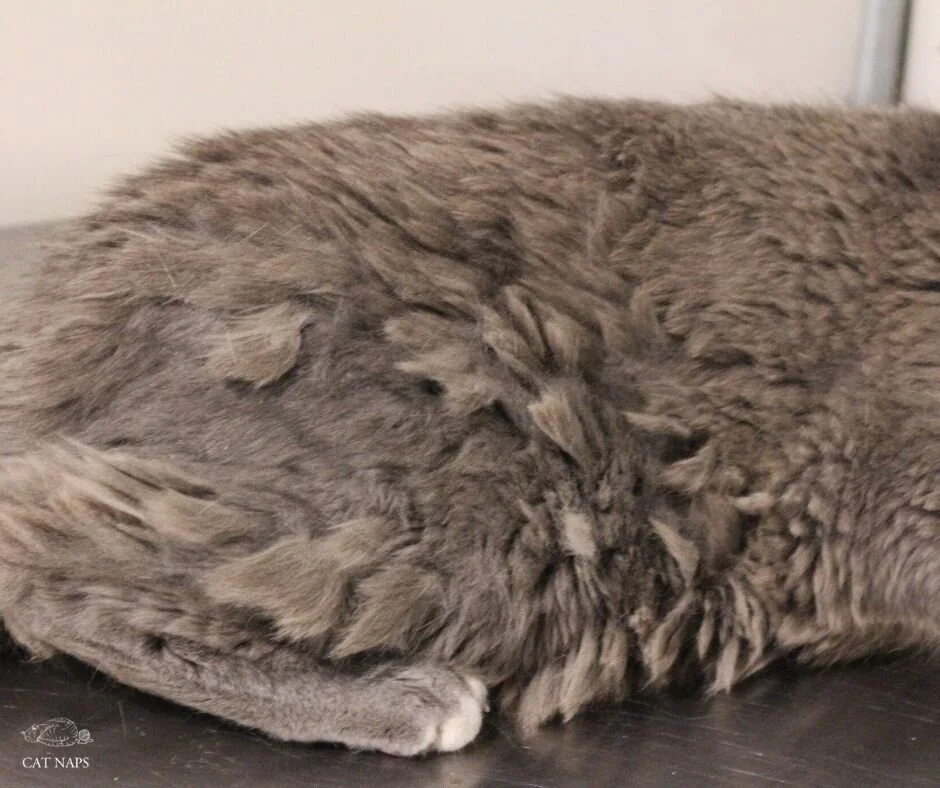
Image source: Bing (Web (fair-use with source credit))
Clipper burn isn't the only physical risk. Nicks and cuts happen when a cat squirms at the wrong moment. Experienced groomers know how to hold a cat securely, but nothing is foolproof.
A wriggling cat can catch a blade and end up with a small wound that needs veterinary attention.
Sunburn is a real concern after the shave. Cats have fur for a reason. It protects their skin from UV rays.
Once that fur is gone, the skin is exposed. Indoor cats that like to sunbathe by a window can burn if they spend hours in direct sunlight.
Then there's the temperature issue. Many people assume a shaved cat stays cooler in summer. That's not quite how it works.
A healthy coat actually insulates against heat. It traps a layer of air that keeps the cat comfortable in both directions. Shaving removes that buffer, and some cats actually overheat more easily because they've lost their natural cooling system.
Shave shock is the behavioral side effect. Some cats adjust within a day. Others walk around confused, grooming themselves constantly, hiding under the bed, or acting vaguely offended.
The fur feels different. The sensation of a draft on bare skin is new. Most cats settle down, but the first 48 hours can be rough.
And here's the risk nobody mentions until it happens: fur regrowth can be uneven. In some long-haired cats, the coat never grows back the same way. The texture changes.
It comes in patchy. It loses its softness. This isn't common, but it's documented, and you should know it exists before you sign up.
The final downside is cost. A professional lion cut runs between $60 and $120 in most US markets. High-anxiety cats may need vet-prescribed sedation, which adds another $50 to $150 depending on your clinic.
When you factor in repeat visits every two to three months, this is not a cheap haircut.
Is Your Cat a Good Candidate? (And Who Should Skip It)
The lion cut isn't for every cat. A lot of owners make the mistake of assuming their cat will benefit just because they have long fur. That's not how it works.
Good candidates share a few common traits. They have long or medium-long fur that mats easily. They tolerate handling reasonably well, or they're calm enough to be managed by an experienced groomer.
They're indoor-only cats, which means their protective fur isn't needed for outdoor survival. And they have a specific reason to be shaved, whether that's medical, practical, or hygiene-related.
When It's Actually the Right Call
- Severe matting or pelting. If mats have tightened against the skin, the lion cut is the humane solution.
- Skin conditions requiring topical treatment. Ringworm, allergic dermatitis, hotspot treatment. Shaving makes application and monitoring easier.
- Senior cats with mobility issues. Cats that can't groom themselves develop mats and skin irritation quickly.
- Obese cats that can't reach their own back. Untended fur becomes a health problem.
- Indoor cats with excessive shedding. A short coat means less hair on your couch, your clothes, and in their stomach.
When You Should Absolutely Say No
- Outdoor cats. Shaving removes their protection from sun, insects, scrapes, and temperature swings. It's a genuinely bad idea.
- Highly anxious cats. If your cat panics in the car or hisses at strangers, an hour of restraint and clipper noise will traumatize them. The stress outweighs any benefit.
- Senior cats with thin skin. Older cats have more fragile skin that tears easily. Even a careful groomer can cause damage.
- Cats with a history of bad reactions to grooming. If they've had a previous bad groom, don't push it.
- Show cats. If your cat is in a breed competition circuit, a lion cut disqualifies them instantly.
The decision is simple. If there's a medical or hygiene reason, the lion cut is likely justified. If it's purely aesthetic and your cat is a nervous wreck, you're spending money to stress out your pet for your own amusement.
Lion Cut vs. Teddy Bear Cut vs. Sanitary Trim
People throw these terms around like they're interchangeable, but they are very different grooming styles with very different purposes. If you ask for the wrong one, you'll get a result you didn't want and pay for the privilege.
The lion cut is the full Monty. The body, legs, and belly get shaved down to a short length, usually with a #10 or #7 blade. The head, neck, and chest stay fluffy.
The tail keeps a pom-pom of fur at the tip. The paws get "boots," which are little tufts of fur left around the ankles. The look is dramatic and unmistakable.
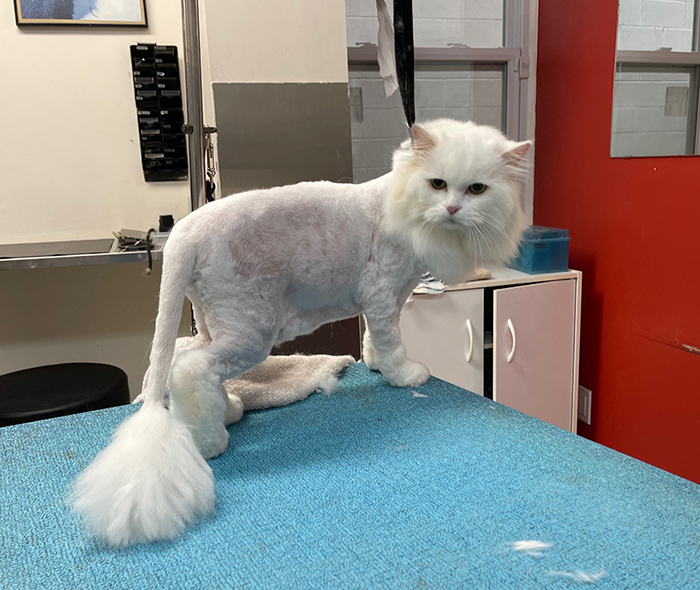
Image source: Bing (Web (fair-use with source credit))
The teddy bear cut is softer and less extreme. The body is shaved with a longer guard comb, usually leaving about an inch of fur. The face is rounded rather than left with a full mane.
The tail is trimmed evenly. The result is a plush, huggable appearance that still cuts down on mats and shedding without the full shock of a bare body.
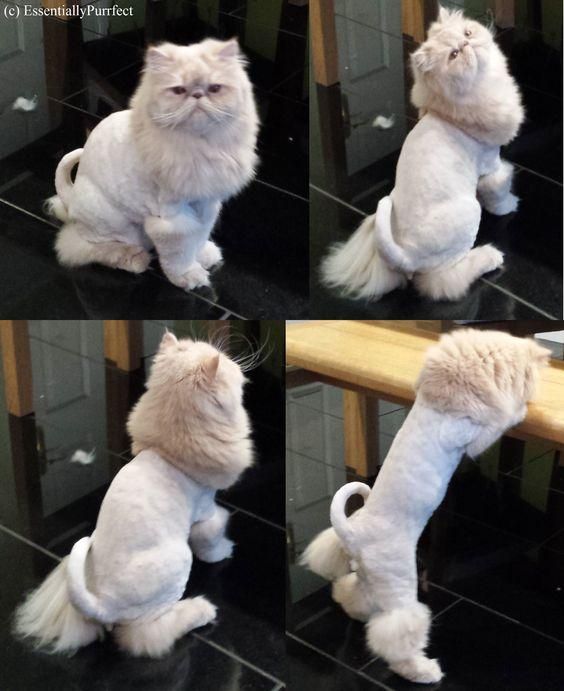
Image source: Bing (Web (fair-use with source credit))
The sanitary trim is the minimal option. Only the rear end and belly get shaved. This keeps litter from sticking, prevents urine burns on long fur, and reduces the mess around the litter box.
It's a maintenance groom, not a style change.
The full shave is exactly what it sounds like. Everything goes. Head, tail, all of it.
This is almost exclusively for medical procedures or severe skin issues where the vet needs total access.
| Style | Body Fur | Face | Tail | Best For |
|---|---|---|---|---|
| Lion Cut | Shaved short (#10 or #7 blade) | Full mane left intact | Fluffy pom-pom tip | Severe matting, skin treatment, heavy shedding |
| Teddy Bear Cut | Shaved to ~1 inch (guard comb) | Rounded, soft | Evenly trimmed | Owners who want low maintenance with a softer look |
| Sanitary Trim | Unchanged except rear/belly | Unchanged | Unchanged | Litter box hygiene, urine burn prevention |
| Full Shave | Completely shaved | Completely shaved | Completely shaved | Medical procedures, severe skin conditions |
Be specific when you book. If you say "lion cut" and you actually want a teddy bear cut, the groomer will give you exactly what you asked for. Ask what each style involves before you commit.
What Happens During the Appointment
Knowing the process beforehand makes the whole experience less stressful. Both for you and for your cat. Groomers follow a fairly standard sequence, and understanding it helps you know what to expect.

Image source: Bing (Web (fair-use with source credit))
Step 1: The Pre-Grooming Health Check
A responsible groomer starts by examining your cat. They're looking for mats, skin lesions, fleas, ticks, and any sign that shaving might be a problem. If they find something concerning like a lump, a wound, or a severe skin infection, they may send you to the vet before proceeding.
Step 2: The Brush-Out (If Possible)
If the matting is mild to moderate, the groomer will attempt to brush out as much loose fur and debris as possible before shaving. This helps the clippers move smoothly and prevents pulling. If the mats are too tight, this step gets skipped.
Shaving directly over pelting is safer than trying to comb it out.
Step 3: The Clipper Work
This is the main event. The groomer uses a professional-grade clipper with a #10 or #7 blade for the body. The #10 leaves fur about 1/16 inch long.
The #7 leaves it slightly longer at around 1/8 inch. The groomer works in the direction of the fur, using short, even strokes. They're careful around the belly, armpits, and hindquarters, which are the most sensitive areas.
Step 4: The Mane and Tail Sculpting
Once the body is shaved, the groomer switches to scissors and a finer blade to shape the mane, the tail tip, and the paw boots. This is where the artistry comes in. A good groomer can make the transitions look seamless.
A bad one will leave jagged edges and uneven tufts.
Step 5: The Finishing Touches
The groomer will check for missed patches, trim stray hairs, and often do a quick sanitary clean-up around the rear. Some groomers will bathe the cat at this point. Others will offer a dry shampoo or skip it.
If your cat came in with fleas or a dirty coat, a bath is usually recommended, but it adds time and stress.
Step 6: The Stress Check
Throughout the process, the groomer monitors the cat's stress levels. Panting, excessive vocalization, or attempts to escape are signals to slow down. Some cats simply cannot handle the process and may need to be rescheduled with veterinary sedation.
A good groomer knows when to stop.
The entire process takes 45 to 90 minutes depending on the cat's size, coat condition, and temperament. A calm cat with manageable matting is faster. A nervous cat with heavy pelting takes longer.
The most important thing to know? A professional groomer will never force a cat that is genuinely distressed. If they tell you your cat needs sedation, listen to them.
The Cost: What You'll Pay and Why
Let's talk dollars and cents. The price of a lion cut varies more than you might expect, and understanding what drives the cost helps you budget and avoid sticker shock.
Base Price Range
In the United States, a professional lion cut typically costs between $60 and $120. That's the baseline for a cooperative cat with manageable fur. If you live in a major metropolitan area like New York, Los Angeles, or Chicago, expect to land at the higher end.
Rural areas and smaller cities tend to sit closer to $60 or $70.
| Factor | Price Impact |
|---|---|
| Cat's size (Maine Coon vs. Domestic Shorthair) | +$20 to $40 |
| Severity of matting (takes longer to work through) | +$15 to $30 |
| Groomer's experience and reputation | +$20 to $50 |
| Mobile groomer (comes to your home) | +$25 to $60 |
| City vs. rural location | +$20 to $40 |
The Sedation Question
If your cat is highly anxious, aggressive, or simply cannot hold still, the groomer may recommend veterinary sedation. This is never included in the base price. You'll need a separate vet appointment to get the prescription, and that adds $50 to $150 depending on your clinic and the type of sedative used.
Some groomers offer "calming" services like pheromone sprays, towels over the face, or quiet rooms. These can help mildly nervous cats, but they won't work on a genuinely panicked animal. If the groomer suggests sedation, trust their judgment.
The Recurring Cost
Here's the part most people overlook. A lion cut isn't a one-time expense. The fur grows back.
If you're doing this for matting or skin management, you'll need a repeat appointment every 8 to 12 weeks. That's three to six cuts per year. At $80 a visit, you're looking at $240 to $480 annually.
That's not nothing. Before you commit to the lion cut lifestyle, make sure the ongoing cost fits your budget.
Hidden Fees to Watch For
- De-matting fees. Some groomers charge extra if the fur is heavily matted and requires extra time.
- Bath add-ons. A medicated bath for skin conditions can add $15 to $30.
- Deshedding treatments. If you ask for a deshedding treatment alongside the cut, that's an additional charge.
- Tip. Groomers typically receive 15% to 20% tips, just like hairstylists.
The bottom line? A lion cut is not a budget grooming option. It's an investment in your cat's comfort and health.
Make sure you're comfortable with the ongoing cost before you book.
Common Mistakes Groomers Make (and How to Spot Them)
Not every groomer is created equal. Some are phenomenal artists who treat your cat like their own. Others are rushed, careless, or just not skilled enough to handle a difficult long-haired coat.
Knowing the warning signs helps you avoid a bad experience.
Shaving Too Close
The most common mistake is using a blade that's too aggressive. A #10 is the standard for a lion cut. It leaves about 1/16 inch of fur, which is enough to protect the skin.
A #15 or #30 blade is too close. It shaves almost to skin level and dramatically increases the risk of razor burn, nicks, and ingrown hairs.
If your cat comes home with red, angry skin, or visible razor bumps, the groomer used a blade that was too close. Check the paperwork. Ask what blade was used.
You have a right to know.
Ignoring Wrinkles and Sensitive Areas
Cats have loose skin in several places, especially around the armpits, groin, and the scruff of the neck. A careless groomer can catch these wrinkles with the clipper and create a cut that bleeds freely. Experienced groomers stretch the skin flat with one hand while shaving with the other.
After the groom, check for any small cuts, scabs, or signs of bleeding. A tiny nick might not be obvious under the fur, but on a shaved body, it will be easy to spot.
Rushing Through Matting
Matted fur clogs clipper blades quickly. A rushed groomer will press harder to push through the mat, which drags the skin and causes burns. The correct approach is to work slowly, change blades frequently, and use a mat breaker tool to loosen tight tangles before shaving.
If your cat comes home with patches of raw, red skin around previously matted areas, the groomer rushed.
Sloppy Symmetry
A lion cut is as much about aesthetics as it is about function. The mane should be even. The tail tuft should be centered.
The paw boots should match. A skilled groomer takes pride in the symmetry. A sloppy one leaves jagged lines and uneven patches.
This isn't just cosmetic. Uneven fur can lead to matting in the longer patches while the shorter areas stay clean. If the cut is visibly uneven, don't go back.
Not Communicating With the Owner
The groomer should always ask about your cat's medical history, temperament, and any specific concerns you have. If they just grab the clippers without asking questions, that's a red flag. A professional wants to know if your cat has a heart condition, a skin allergy, or a history of panic attacks during grooming.
What You Can Do
Before you book, ask these questions:
- What blade will you use on the body?
- How do you handle wriggly cats?
- Do you use a mat breaker or just go straight in with clippers?
- What do you do if the cat becomes too stressed?
Good groomers answer confidently and without getting annoyed. They've heard these questions before, and they appreciate owners who care.
Red Flags: When to Walk Out of the Groomer
You've booked the appointment. You've dropped off your cat. But something feels off.
Trust your gut. Felines are fragile creatures, and a bad grooming experience can cause lasting physical and behavioral harm.
Here are the red flags that should make you grab your cat and leave.
The Facility Smells Like Fear
Cats have a powerful sense of smell. If the grooming space reeks of urine, feces, or fear pheromones from previous animals, that's a sign of poor hygiene and high stress. A clean, well-ventilated space should have a neutral or mildly pleasant scent.
The Groomer Is Handing Other Cats Roughly
Keep an eye on how the groomer interacts with other animals. Are they dragging cats out of crates? Loudly scolding them?
Yelling at assistants? This behavior carries over to your cat the moment you're out of sight.
The Equipment Looks Dirty or Damaged
Clipper blades should be clean, sharp, and lightly oiled. Dull blades pull hair and cause painful snags. Dirty blades can harbor bacteria that lead to skin infections.
If the equipment looks neglected, your cat's skin will pay the price.
They Want to Skip the Health Check
If the groomer doesn't ask about your cat's medical history, doesn't look at the skin before shaving, and just wants to get started, that's a problem. A professional wants to know about existing conditions, allergies, and past grooming trauma.
They Insist on "Drying" Methods That Involve No Drying
Some poorly run facilities claim to offer a lion cut but skip the bath entirely. That's fine if your cat is clean. But if your cat has urine burns, dermatitis, or visible grime, skipping the bath means shaving a dirty coat.
That pushes bacteria into the skin and invites infection.
They Refuse to Let You Watch
You don't need to hover, but the groomer should be willing to show you the space and explain their process. If they're cagey, avoid eye contact, or actively discourage you from being present during the handoff, that's a red flag.
The Price Is Suspiciously Low
A $30 lion cut sounds great until you see the results. Professional grooming requires skill, time, and quality equipment. If the price is dramatically lower than the going rate, the groomer is likely cutting corners.
Avoid.
They Don't Mention Sedation Options
If your cat is clearly anxious and the groomer just barrels ahead without mentioning sedation, walk away. That's a groomer who prioritizes the job over the animal's wellbeing.
The safest approach? Ask the groomer exactly how they handle stressful situations before you commit. If they can't give you a clear answer, take your cat elsewhere.
Aftercare: Helping Your Cat Adjust Post-Shave
Your cat is home. The lion cut is done. Now what?
The first few days after a shave are critical for your cat's comfort and skin health.
Expect Shave Shock
Shave shock is real. Your cat has lost a significant portion of its fur, and that feels bizarre to an animal that relies on its coat for everything from temperature regulation to confidence.
Common symptoms of shave shock:
- Hiding under beds or in closets
- Excessive grooming of the shaved areas
- Purring while being petted, followed by sudden hissing
- Walking differently, as if the floor feels strange
- Acting clingy or, conversely, avoiding all contact
Most cats adjust within 24 to 72 hours. If the behavior persists beyond a week, or if your cat stops eating or using the litter box, call your vet.
Protect the Skin
The shaved skin is vulnerable. Here's how to protect it during the adjustment period:
- Limit sun exposure. Keep your cat away from direct sunlight through windows. Even indoor sun can burn exposed skin.
- Check for rashes daily. Look for redness, bumps, or signs of irritation.
- Don't apply lotions. Unless your vet has prescribed something, skip the moisturizers. Cat skin doesn't need them, and some ingredients are toxic.
- Monitor for signs of infection. Redness, swelling, discharge, or a foul odor means a vet visit.
Keep Them Warm
Shaved cats get cold. Keep the house at a comfortable temperature, and provide beds with blankets. If you have a particularly short-haired cat, consider a cat sweater.
They look ridiculous, and your cat will hate it, but it genuinely helps.
Offer Extra Comfort
Spend extra time with your cat. Gentle brushing (if they tolerate it), slow blinking, and calm voices help. Some cats appreciate a quiet room away from noise for the first day or two.
Watch for Over-Grooming
Some cats respond to the loss of fur by licking the bare skin obsessively. This can cause irritation and even open sores. If you catch your cat licking the same spot repeatedly, distract them with play or treats.
If it continues, talk to your vet about anti-anxiety options.
Fur Regrowth: What to Expect and How to Manage It
The fur will come back. How it comes back depends on your cat's breed, age, and health. Here's what to expect in the weeks and months after the lion cut.
The Timeline
Cat fur grows at an average rate of about 0.1 to 0.2 mm per day. That translates to roughly 1/2 inch per month. A fully shaved body will look fuzzy within two weeks, noticeably fluffy within a month, and fully regrown in 8 to 12 weeks.
| Timeframe | What You'll See |
|---|---|
| 0 to 2 weeks | Bare skin, light fuzz beginning to appear |
| 2 to 4 weeks | Short velvety coat, patchy in some areas |
| 4 to 8 weeks | Significant regrowth, texture may feel different |
| 8 to 12 weeks | Full coat restored, ready for another cut if needed |
The Texture Change Risk
Here's the part that surprises owners. Some long-haired cats don't regrow their fur the same way. The coat can come in coarser, denser, or less silky.
This is especially common in Persian and Himalayan cats with dense undercoats.
Why does this happen? Shaving disrupts the natural growth cycle of the hair follicles. Some follicles reset to a different phase, producing hair with a slightly different texture.
In rare cases, the coat never fully returns to its original softness.
If your cat's fur comes back patchy or dull, don't panic. It often evens out over two to three growth cycles, which can take six to nine months.
Managing Regrowth
- Brush regularly. Start with a soft brush to avoid irritating the recovering skin. This also redistributes natural oils and encourages healthy regrowth.
- Don't immediately re-shave. Unless there's a medical reason, let the coat grow out fully before another cut. Shaving too frequently can permanently damage follicles.
- Watch for mats during the transition. Growing fur goes through a fuzzy phase where mats are still possible, especially behind the ears and under the armpits.
- Consider a shorter blade next time. If the texture is noticeably different, a slightly longer blade might be gentler on the follicles.
The Vet's Role: When to Get a Professional Opinion
Before you book a lion cut, consider a trip to the vet. Not because you need permission, but because a vet can tell you if the cut is actually necessary, and whether it's safe for your specific cat.
When to Consult a Vet First
- Your cat has a known skin condition. Allergies, dermatitis, or fungal infections require a vet's input. Shaving can make some conditions worse if done incorrectly.
- Your cat is senior. Thin skin, underlying health issues, and reduced healing capacity mean a vet should weigh in first.
- Your cat has been diagnosed with heart disease, diabetes, or other chronic conditions. Stress from grooming can trigger flare-ups.
- Your cat is extremely anxious. Your vet can prescribe an appropriate sedative to make the groom safe and humane.
What Your Vet Can Help With
- Prescribing sedation for highly anxious cats.
- Diagnosing underlying skin issues that might be causing the matting or shedding.
- Recommending a safe blade length for your cat's skin type.
- Telling you if a lion cut is a bad idea given your cat's health history.
A responsible groomer will also ask about your vet's contact information and may request a release if your cat has known health issues. If they don't, consider that a red flag.
Frequently Asked Questions
How long does a lion cut last?
A lion cut lasts until the fur fully regrows, which typically takes 8 to 12 weeks. After that point, the coat returns to its natural length. Many owners schedule a new cut every 2 to 3 months to maintain the short, manageable length.
Does a lion cut hurt my cat?
The shaving itself should not hurt if done by a professional with sharp, appropriately sized blades. However, the process can be stressful for some cats, especially if they're dealing with severe matting or anxiety. Post-shave skin irritation is possible.
Monitor your cat for signs of discomfort in the days after the groom.
Can I do a lion cut at home?
Technically yes, but it's not recommended. Cat skin is extremely thin, and feline cooperation levels are notoriously low. A single wrong move with a clipper can cause a serious cut.
If you're determined to groom at home, use a professional-grade clipper with a #10 blade, go slowly, and have a second person assist with restraint.
Will a lion cut help with shedding?
Yes, for most cats. A short coat produces far less loose fur that ends up on your furniture and clothing. It also reduces the amount of fur a cat swallows during grooming, which can cut down on hairballs.
However, the effect only lasts as long as the fur stays short, which is 8 to 12 weeks.
Is a lion cut recommended for all long-haired cats?
No. It's recommended for specific situations: severe matting, skin treatments, senior cats with mobility issues, and obese cats that can't groom themselves. If your long-haired cat is healthy, gets brushed regularly, and has no skin issues, a lion cut is unnecessary and carries unnecessary risks.
How often can a cat get a lion cut?
You can safely get a lion cut every 8 to 12 weeks, matching the natural regrowth cycle. Shaving more frequently than that can irritate the skin and potentially damage hair follicles. Always give the coat time to fully regrow between cuts unless a vet recommends otherwise.