
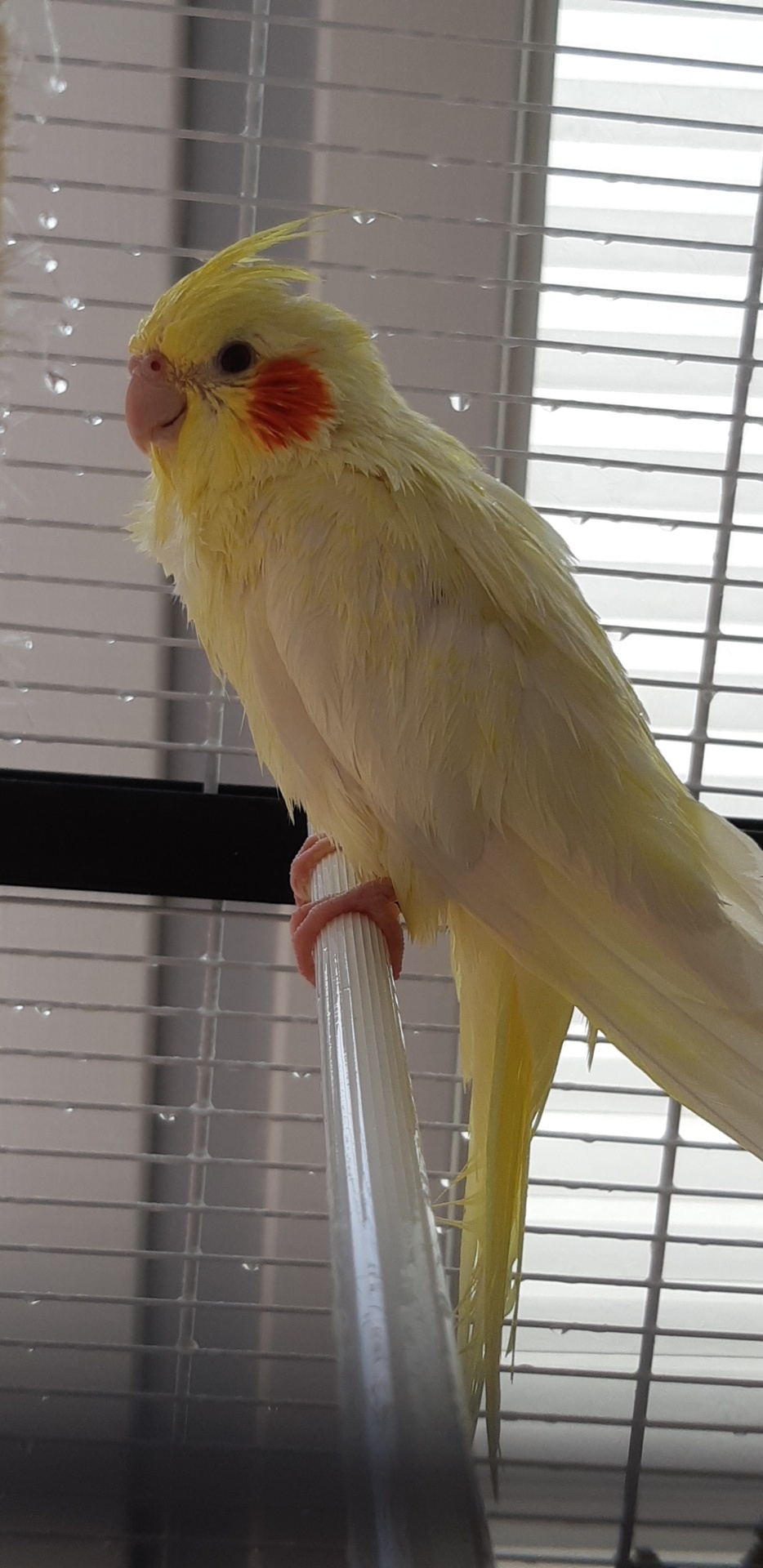
Image source: Bing (Web (fair-use with source credit))
Let's be honest about something right up front: bathing a pet bird is way more complicated than it looks. If you've ever watched your parrot dunk its entire head into a water bowl and then scream at you for spraying it with a mister, you already know. The truth is, getting this wrong can genuinely harm your bird, so learning how to bathe a pet bird safely is one of the most important skills you'll develop as an owner.
The good news? It's not actually hard once you understand the basics. Most adult parrots need a bath two to three times a week, and finches and canaries can go even more often.
The Association of Avian Veterinarians has long emphasized that regular bathing supports feather health, skin condition, and even respiratory function. But the method you choose matters just as much as the frequency, and that's where most owners stumble. Let's walk through this step by step.
Quick Answer
Bathe your bird two to three times weekly using lukewarm water. Choose misting, a shallow dish, or a shower perch. Watch for stress signals and stop immediately.
Never use soap or force a bath. Dry your bird in a warm, draft-free space.
Why Bathing Your Bird Isn't Optional
Birds in the wild bathe constantly. Rain, dew, puddles, waterfalls, they all get used. Your indoor companion has the same instinct hardwired into its brain, even if it lives in a climate-controlled apartment.
That instinct exists for real biological reasons that go far beyond just looking clean.
Feathers are your bird's first line of defense. They regulate body temperature, enable flight, and provide insulation. When feathers get dirty, they lose their structural integrity.
Dust, dander, food residue, and environmental pollutants build up and break down the tiny barbs and barbules that keep feathers interlocked. Over time, a bird with dirty feathers becomes a bird with poor insulation, weak flight, and skin irritation.
What Happens When Birds Don't Bathe
Skipping baths for weeks or months creates a cascade of problems. Feather dust accumulates. The preen gland, located at the base of the tail, produces oil that waterproofs and conditions the feathers.
But that oil only spreads effectively when the feathers are clean and slightly damp. Without moisture, the oil sits in the gland and the feathers become brittle and dry.
Your bird's skin suffers too. Dry, flaky skin leads to itching, which leads to over-preening, which leads to bald patches. In severe cases, owners mistake this for feather plucking when the root cause is simply poor hygiene.
And here's something most people don't realize: the respiratory system is directly affected. Feather dust and dander become airborne particles. In dusty species like cockatoos and African greys, excessive powder down can irritate the bird's own lungs and contribute to respiratory disease over time.
The Real Risks of Doing It Wrong
Here's where things get serious. Bathing a bird incorrectly can kill it. That sounds dramatic, but it's not an exaggeration.
Aspiration pneumonia is the biggest threat. If water gets into the trachea instead of going down the esophagus, it can cause fatal lung inflammation. This happens when owners spray water directly into the bird's face, use a strong jet stream, or force a bird to bathe when it's panicking.
Cold is the second major killer. A wet bird loses body heat roughly twenty times faster than a dry bird. If you bathe your bird in a drafty room, or let it sit damp in front of an air conditioner, you're setting it up for hypothermia.
Small birds like budgies and finches are especially vulnerable. Their high surface-area-to-volume ratio means they chill out fast. Even a healthy adult macaw can get sick if it's left damp in a cold room for an hour.
And then there's the stress factor. Birds hide illness brilliantly, so a stressful bath can push an already compromised bird over the edge. If your bird has an underlying health issue you don't even know about, a terrifying bathing experience can be the trigger that sends it into a full crisis.
That's why reading body language isn't just a nice-to-have. It's literally life-saving.
What Bathing Actually Does for Your Bird
The science here is genuinely fascinating. A bird's feather coat is an engineered system of interlocking parts, and water is essential to keeping that system functional. When a bird bathes, the water penetrates the feather shaft and reaches the skin.
This stimulates the uropygial gland, more commonly called the preen gland, to produce fresh oil. The bird then distributes that oil across every feather using its beak.
That oil does several jobs simultaneously. It keeps feathers flexible and waterproof, prevents them from becoming brittle, and provides a protective barrier against parasites and bacteria. Without regular bathing, this entire system breaks down.
Think of it like changing the oil in your car. Skip it too long, and the engine starts complaining.

Feather Health and the Preen Gland
The preen gland sits right at the base of the tail, and it's the single most important gland for feather maintenance. During a bath, the gland gets stimulated. The warm water and the physical act of preening trigger the release of oils that condition the entire feather coat.
Birds that bathe regularly have visibly glossier, stronger feathers than birds that don't.
There's another layer here that most owners don't think about: powder down. Species like cockatoos, African greys, and cockatiels produce a special kind of feather that crumbles into a fine, talc-like powder. This powder helps waterproof and clean the other feathers.
But it also accumulates rapidly. Without bathing, the powder builds up into a thick layer that clogs the feathers and reduces their insulating properties. Bathing literally washes this excess powder away.
Molting, Dust, and Skin Comfort
Molting season is when bathing becomes absolutely critical. As old feathers are pushed out by new ones, the new feathers arrive covered in a waxy sheath. That sheath needs moisture to break down and flake off.
A bird that bathes regularly during a molt gets rid of those sheaths faster and more comfortably. A bird that doesn't bathe ends up with old sheath material sticking to its new feathers, which can cause the feathers to grow out misshapen and weak.
And let's not forget simple comfort. Dry, dusty skin itches. Birds can't scratch themselves the way mammals do, so they resort to over-preening.
When over-preening becomes a habit, it can turn into self-destructive feather plucking, which is one of the hardest behavioral problems to reverse. Regular bathing is a proactive solution that prevents this slippery slope entirely.
The Behavioral Enrichment Angle
Here's something that surprises most new owners: birds genuinely enjoy bathing. It's not just maintenance, it's playtime. In the wild, birds will bathe multiple times a day when conditions allow.
The splashing, the droplets, the sensation of water on feathers, it's all mentally stimulating and satisfying. A bird that gets regular baths is typically a happier, more confident bird.
This is why forcing a bird that hates bathing is so counterproductive. You're turning a natural, enjoyable behavior into a stressful, fear-based event. The goal is to make bathing feel like a reward, not a punishment.
When you get it right, you'll see your bird's posture change the moment it hears the mister. It'll lean in, spread its wings, and actively position itself to catch the spray. That's the sweet spot you're aiming for.
Before You Start: Read Your Bird's Cues
If there's one piece of advice that separates experienced bird owners from novices, it's this: learn to read your bird's body language before you ever pick up a spray bottle. Birds communicate constantly through posture, feather position, and eye movement. Understanding these signals will tell you precisely when to bath, when to stop, and when to skip it entirely.
Birds are masters of hiding illness and stress. In the wild, showing weakness is a death sentence, so they've evolved to mask discomfort until they physically can't anymore. This means subtle signs of stress during a bath are easy to miss if you're not looking.
A bird that seems "fine" might actually be terrified, and a terrified bird is a bird at risk for respiratory distress, cardiac issues, or panic-induced accidents.
How Birds Show They Want a Bath
Birds that want to bathe are impossible to miss once you know what to look for. They'll duck their heads into their water bowl, fling water around, and then rub their heads against perches and cage bars. Some birds will stand under a running tap or sit on the shower rod while you're in the bathroom.
Others will flap their wings rapidly in place, almost like they're doing a little dance.
A bird that's ready for a bath will have a curious, forward-leaning posture. Its feathers might be slightly fluffed, not tightly pressed but loosely relaxed. It will watch water with interest, maybe even reach out to catch droplets.
If you're misting, it might raise its wings slightly, exactly like a wild bird catching rain. These are all green lights.
How Birds Show They're Terrified
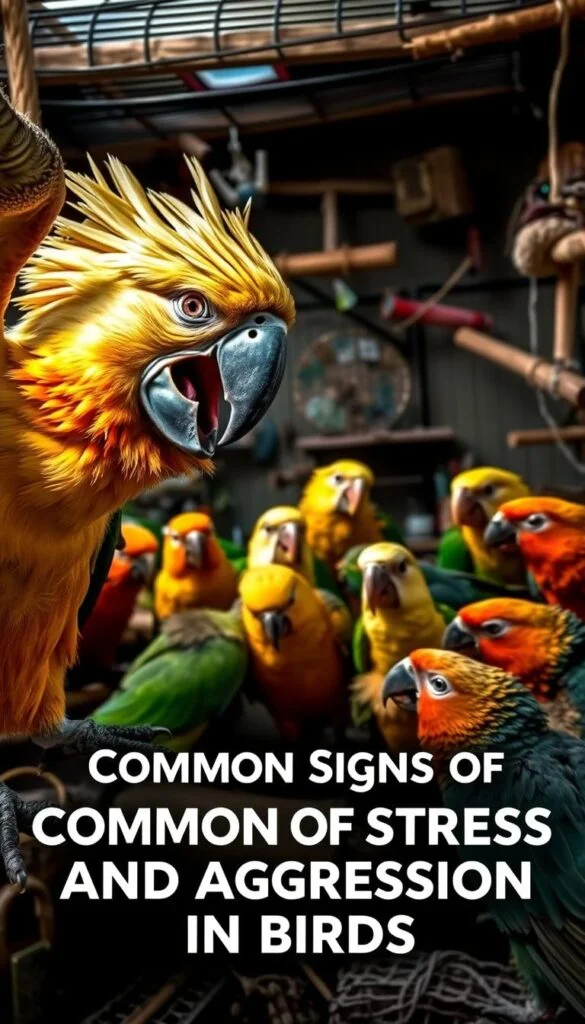
Stress signals during a bath are equally obvious once you know them. The most common is rapid, heavy breathing, sometimes with the beak slightly open. The bird's eyes might widen, showing a lot of white around the pupils.
It will try to move away from the water, flatten itself against the cage bars, or fly off its perch repeatedly. Some birds scream or emit a sharp, distressed call. Others freeze completely, holding their breath and puffing their feathers in a crouched position.
If you see any of these signs, stop immediately. Not "finish the session and stop." Stop. A bird that's freezing in terror is one second away from panicking and injuring itself.
An anxious bird that's panting and trying to flee is at risk for aspiration if it inhales water mid-struggle. There is never a situation where pushing through a fear response is worth it.
Species Differences That Matter
Different species have genuinely different bathing preferences. This isn't a one-size-fits-all thing. Amazon parrots, for example, are often enthusiastic bathers that love a full-on shower.
Cockatiels and budgies typically prefer gentle misting or a shallow dish. Finches and canaries are naturally skittish, so misting from a distance or offering a shallow warm-water bath is usually safest.
African greys and cockatoos produce heavy dust and benefit from more frequent bathing, sometimes daily. But they also tend to be more sensitive to cold, so post-bath drying becomes critical. Macaws generally love water and will happily join you in the shower.
Smaller conures are often in between, they'll bathe enthusiastically but can get cold fast. Know your species, and adjust your approach accordingly.
The Four Safe Bathing Methods
There are four proven, vet-approved ways to bathe a pet bird. Each method works well for different birds and different situations. The key is to match the method to your bird's personality, species, and comfort level.
Also, once your bird has a preference, respect it. A bird that loves misting might tolerate a dish bath but will genuinely thrive when its preferred method is offered.
Misting: The Gentlest Start
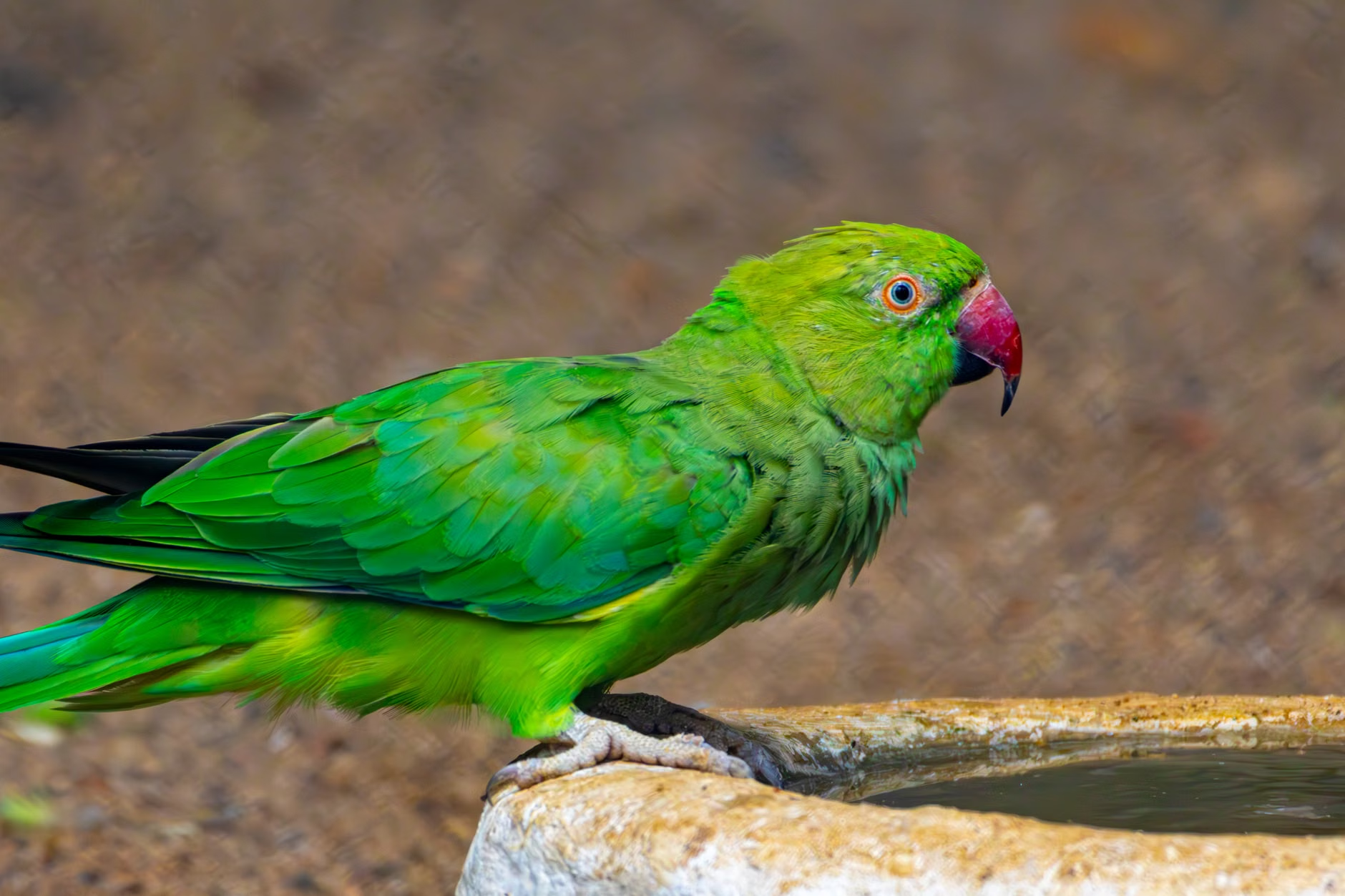
Misting is the most universally safe method and the best starting point for a bird that hasn't bathed regularly. You'll need a clean spray bottle that has never been used for chemicals. Fill it with lukewarm water, not cold, and most definitely not hot.
The water should feel neutral on your wrist, roughly 85 to 90 degrees Fahrenheit (29 to 32 degrees Celsius).
Hold the bottle about 12 to 18 inches away from your bird. Target the area above the bird's head so the mist falls down like rain. Never spray directly into the face, and never soak the bird to the skin.
The goal is a fine, cloud-like mist that settles on the feathers. Short bursts are better than one long continuous spray. Pause between bursts and observe your bird's reaction.
Shallow Dish Baths: Let Them Lead
This method is ideal for birds that are independent and prefer to control their own bathing. Use a wide, shallow ceramic or glass dish that's stable enough not to tip over. The water level should be no deeper than your bird's first leg joint, about one to two inches for most species and less for tiny birds like finches.
Place the dish on the cage floor or on a flat, secure surface. Show it to your bird, and then step back. Some birds will hop right in and splash enthusiastically.
Others will approach, inspect, and then ignore it. If your bird doesn't use the dish within 15 to 20 minutes, remove it and try another day. Never hold your bird over the dish and dunk it.
That destroys the trust you're trying to build.
Shower Perches: For the Bold Bird
A shower perch is a fantastic option for birds that want to join you in the bathroom, but it requires careful setup and supervision. These perches typically attach to the shower wall with suction cups and give the bird a stable place to sit while the warm water mist from the shower reaches it. Never position the perch so the bird gets directly hit by the shower stream.
It should just catch the gentle mist at the edge of the spray.
Before you start, run the water and let the shower warm up. The steam itself is beneficial, as the humidity helps loosen feather dust. Keep the nozzle pointed away from the bird.
Birds can overheat quickly in a steamy bathroom, so keep the session to five to ten minutes and never leave the bird unattended on the perch.
Sink Baths Under Running Water: The Social Option
Some birds, particularly larger parrots, love the sensation of water running over their feathers. A sink bath can be a wonderful bonding experience if your bird is comfortable with it. Place your bird on its perch, a safe platform near the sink, and run a thin, gentle stream of lukewarm water.
Let the bird investigate and lean toward the water when it's ready.
Never hold your bird under the stream against its will. The goal is to let the bird position itself. Many parrots will eventually stretch their wings out and lean into the water, thoroughly soaking themselves.
This method creates the trust-based, interactive bath that birds seem to genuinely love, which means it's also the most enjoyable for you as an owner.
Step-by-Step: How to Bathe Your Bird Safely
The difference between a good bath and a dangerous one often comes down to preparation. Before you even pick up the spray bottle, run through a quick mental checklist. Room temperature, water temperature, the bird's mood, and your own patience all matter.
Skip any one of those, and you're rolling the dice.
Pre-Bath Checklist: Temperature, Water, and Setup
Start with the room. The bathing area should be at least 70 degrees Fahrenheit (21 degrees Celsius), with no drafts from windows, fans, or air conditioning vents. A bathroom works well because it's typically the warmest room in the house.
If you're bathing in the living room, close the windows and turn off any ceiling fans before you begin.
Water temperature is equally critical. Lukewarm is the target, around 85 to 90 degrees Fahrenheit (29 to 32 degrees Celsius). Test it on the inside of your wrist the same way you would for a baby.
If it feels neutral, neither warm nor cool, you're in the right zone. If it feels warm, it's too hot. If it feels cool, it's too cold.
Cold water causes shock and chills. Hot water can actually burn a bird's delicate skin.
Misting Done Right (Distance, Angle, Duration)
Misting seems straightforward, but there's a precise technique. Fill your spray bottle with lukewarm water. Set the nozzle to its finest mist setting, not a jet stream.
Hold the bottle 12 to 18 inches away from your bird, and aim above its head so the mist falls down like gentle rain.
Spray in short, two to three second bursts. Pause for a few seconds. Watch your bird's reaction.
A comfortable bird will often fluff up, raise its wings slightly, or lean into the mist. A stressed bird will freeze, pant, or try to flee. If you see the latter, stop immediately and try again another day.
A full misting session should last two to five minutes maximum. You're looking for a light dew across the feathers, not a soaking. For heavy dust producers like cockatoos and African greys, you might do a slightly longer session.
But even then, seven minutes is the outer limit. Anything beyond that risks chilling the bird.
Dish Bath Setup That Won't Stress Your Bird
If you're offering a dish bath, the setup matters as much as the water. Use a wide, shallow dish that your bird can step into easily. Heavy ceramic or glass dishes work best because they won't tip over.
Plastic bowls are fine too, but they slide around more, and that movement can startle a nervous bird.
Fill the dish with lukewarm water to a depth of one to two inches. For finches, canaries, and other tiny birds, keep it under one inch. The water should come up to no higher than the bird's first leg joint when it stands in the dish.
Place the dish on a stable surface, either on the cage floor or on a secure flat table.
Show the dish to your bird and then step away. Give your bird space to investigate on its own terms. Some birds will hop right in and splash within seconds.
Others will circle the dish suspiciously for several minutes. If your bird doesn't use the dish within 15 to 20 minutes, remove it. Try again the next day.
Never grab your bird and place it in the dish.
Post-Bath Care: Drying Without Drafts
After the bath is over, the real work begins. A wet bird loses body heat incredibly fast, so drying is not optional. The best approach is to move the cage to a warm, draft-free area of your home.
A bathroom with a space heater, a sunny spot in the living room, or a quiet bedroom all work well.
Let your bird air dry naturally. Do not use a hairdryer. The noise alone can terrify a bird, and the heat can easily burn sensitive skin.
Some birds will shake themselves dry like dogs. Others will preen for 20 to 30 minutes until their feathers realign. Both are normal.
As long as the room stays warm, your bird will handle the rest.
You can gently towel-dry a larger bird, but most birds don't enjoy this. If you do use a towel, keep it gentle and brief. Never rub.
Just pat the heaviest wet spots, usually the wings and chest. Then let the bird do what it does naturally.
How Often Should You Bathe Your Bird?
There's no universal answer, but a solid baseline exists. Most parrot species need a bath two to three times per week. Smaller birds like budgies and cockatiels often enjoy daily misting.
Dusty species like cockatoos and African greys benefit from more frequent bathing, sometimes daily during heavy molt. Amazon and macaw species typically do fine with twice-weekly soaks.
The real answer depends on your environment. In dry climates, or during winter when indoor heating dries out the air, you'll need to bathe more frequently. In humid summer months, you can scale back.
Watch your bird's feathers. If they look dull, dusty, or starting to fray, your bird needs more baths. If the skin looks dry or flaky, the same applies.
Baseline Frequency by Species
A quick species guide helps here. Budgies and cockatiels usually take to daily misting without complaint. Cockatiels in particular produce a fair amount of powder down, so daily misting keeps that in check.
African greys and cockatoos also produce heavy dust and benefit from frequent bathing.
Amazon parrots are often enthusiastic bathers that enjoy a full shower or dish bath two to three times weekly. Macaws love water and will happily join you in the shower, but watch the temperature carefully because they can overheat. Conures are generally fond of water and do great with misting or shallow dish baths.
Finches and canaries prefer a shallow warm-water bath offered a few times weekly, but they're skittish, so approach slowly and never force it.
Adjusting for Molt, Season, and Indoor Humidity
Molting season is when bathing frequency should increase. The new feathers arrive wrapped in waxy sheaths that need moisture to break down properly. Extra baths during this period help your bird shed those sheaths more comfortably.
You'll notice the difference in feather quality if you keep up the routine.
Seasonal changes matter just as much. Winter heating dries out indoor air, which means your bird needs more bathing, not less. A humidifier in the bird's room can also help, but it shouldn't replace regular baths entirely.
In summer, when the air is naturally humid, you can reduce frequency slightly. The key is to watch your bird's feather condition and adjust accordingly.
When to Skip a Bath Entirely
There are legitimate reasons to postpone bathing. If your bird is exhibiting any signs of illness, such as lethargy, fluffed feathers, discharge from the eyes or nostrils, or reduced appetite, skip the bath. A sick bird has enough stress to deal with.
Adding the thermal challenge of a bath could tip it into a crisis.
If your bird has been exposed to a draft or has been sitting in a cold room, warm it up first and wait a day. Bathing a chilled bird compounds the problem. Same goes for a bird that's showing intense fear or aggression.
If your bird is screaming, lunging, or actively fleeing when you bring out the bath supplies, stop and reassess. Forcing it will only deepen the fear.
Common Mistakes That Hurt or Scare Birds
Even well-intentioned owners make mistakes. The good news is that most errors are avoidable once you know what to watch for. Here are the most common ones, pulled from veterinarian reports and behaviorist case notes.
Water Temperature Errors
Cold water is the most frequent mistake. Owners run tap water straight into a dish and don't think about temperature. That water is often 50 to 60 degrees Fahrenheit (10 to 15 degrees Celsius), far too cold for a bird's sensitive skin.
Cold water causes blood vessels to constrict, which is a shock to the system and can trigger a chill that leads to respiratory issues.
Hot water is equally dangerous. Never use water that feels warm to your wrist. What feels pleasantly warm to human skin can be hot enough to scald a bird's thin, sensitive skin.
Always err on the side of lukewarm. When in doubt, go slightly cooler rather than warmer. You can always add a splash of warm water, but you can't undo a burn.
Forcing the Issue
This is the #1 way to destroy your bird's trust in you. Chasing a bird around its cage with a spray bottle, holding it down in a dish, or pointing a shower stream directly at it are all forms of forced bathing. They produce a terrified bird, and over time, that fear generalizes to you, not just the water.
Birds remember negative experiences vividly. A single terrifying bath can make your bird avoid water for months, or even years. Rebuilding that trust takes consistent, patient, positive interactions.
It's always easier to let your bird set the pace from day one than to repair damage later.
Soap, Chemicals, and "Extras" That Strip Feathers
Never, ever use soap on your bird. Not dish soap, not shampoo, not hand soap, not even supposedly "bird-safe" cleansers unless a veterinarian explicitly prescribed them. Soap strips the natural oils from feathers and skin.
Without those oils, feathers become dry, brittle, and prone to breaking. The skin loses its protective barrier and becomes prone to irritation and infection.
Essential oils are another toxic trap. Many popular oils, including tea tree, eucalyptus, and citrus oils, are directly toxic to birds. Their respiratory systems are extremely sensitive, and volatile compounds can cause severe respiratory distress or worse.
The only thing that belongs in your bird's bathwater is plain, clean water.
Ignoring the Drying Phase
Owners often treat the bath itself as the entire job. They mist their bird, watch it shake off, and then let it sit in a cool room while they clean up. That's a recipe for hypothermia.
A wet bird loses body heat up to twenty times faster than a dry one. Even at a normal room temperature of 70 degrees Fahrenheit, a damp bird can become chilled.
Always plan the drying phase before you start the bath. Know where you're moving the cage, confirm the room is warm and draft-free, and make sure you have time to monitor your bird as it preens and dries. This isn't optional follow-up.
It's an essential part of the bathing process.
Signs Your Bird Needs a Vet Visit (Bathing-Related)
Sometimes bathing problems go beyond behavioral issues and become medical ones. Knowing when to call a vet could save your bird's life. This list covers the most serious bathing-related red flags.
Aspiration: The Silent Danger
Aspiration happens when water enters the trachea instead of traveling down the esophagus into the crop. It can occur when a bird inhales water mid-panic, when water is sprayed directly into the face, or when a bird is forcibly submerged. The result is water in the lungs, which leads to aspiration pneumonia.
Early signs include coughing, wheezing, open-mouth breathing, or a clicking sound when breathing. The bird may hold its head low, stretch its neck, or appear lethargic. These symptoms can appear immediately or develop over 24 to 48 hours.
If you observe any of them after a bath, contact an avian vet immediately. Aspiration pneumonia is time-sensitive and potentially fatal.
Skin Irritation or Feather Damage After Bathing
Healthy bathing should leave feathers clean, smooth, and well-preened. If you notice red, inflamed skin, feather loss, or feathers that appear broken, chewed, or stuck together after a bath, something is wrong. It could be an allergic reaction to something in the water, a skin infection, or a sign that you're bathing too frequently.
Feathers that don't dry properly can also develop fungal or bacterial growth. This is more common in humid climates or when birds are kept in poorly ventilated rooms. If you notice any unusual odor, discoloration, or crustiness on the feathers or skin, a vet visit is warranted.
Behavioral Regression and Fear Responses
Birds that suddenly become terrified of water, or that start avoiding their cage entirely after a bath, are telling you something. Behavioral regression is often a sign that a bath experience was traumatic. In some cases, it indicates an undiagnosed medical condition that makes bathing physically uncomfortable, such as arthritis or a skin condition.
If your bird's fear doesn't improve over a few weeks with gentle, positive reinforcement, or if it escalates to aggression, self-mutilation, or excessive screaming, consult a vet. Sometimes the issue is purely behavioral. But often, there's a medical component that needs professional assessment.
Never assume it's "just a phase."
Bathing an Older or Sick Bird: What Changes
Birds age just like we do, and their bathing needs shift accordingly. An older bird may have arthritis, reduced mobility, or a weaker immune system. What worked when your bird was five years old might not work at fifteen.
The same goes for birds recovering from illness or managing chronic conditions.
Reducing Frequency and Intensity
For senior birds, less is often more. Instead of a full soak two to three times weekly, consider lighter misting sessions once or twice a week. The goal shifts from deep cleaning to gentle maintenance.
You're still keeping feathers conditioned, but you're not stressing an aging body with frequent temperature changes.
Arthritis is common in older parrots, especially in the feet and legs. Standing in a cold dish of water can exacerbate joint pain. If your bird favors one foot, hesitates to climb, or seems stiff after bathing, cut back on frequency and use only the misting method.
Warm water helps, but even warm water can cause discomfort if the bird has significant joint issues. Watch your bird's posture during and after baths. If it's holding its feet up, shifting weight constantly, or refusing to stand in the dish, switch methods entirely.
Birds with heart conditions, respiratory disease, or compromised immune systems need extra care. The thermal stress of bathing, even a mild one, can be too much for a bird fighting an infection. In these cases, skip the bath entirely during acute illness phases.
Focus on keeping the environment clean instead. Wipe perches, change cage liners, and maintain good air quality. Once the vet gives the all-clear, you can ease back into a gentle bathing routine.
When Bathing Is Off the Table
There are situations where bathing is contraindicated. Birds with active respiratory infections should not be misted. The moisture can exacerbate breathing difficulties and create an environment where bacteria or fungi thrive.
Birds with feather-damaging behavior, such as active plucking or mutilation, sometimes have underlying skin infections that bathing irritates further. And birds recovering from surgery or injury should stay dry until the vet approves water contact.
If your bird has a chronic condition like aspergillosis, kidney disease, or diabetes, always check with your avian vet before establishing a bathing routine. They may recommend specific frequencies, temperatures, or methods based on your bird's individual health profile. There's no shame in asking.
An informed owner is the best defense against preventable complications.
Frequently Asked Questions
Can I Use a Hairdryer on My Bird?
No. The noise terrifies most birds, and the heat can burn their sensitive skin. Even on the lowest setting at a distance, the risk outweighs any benefit.
If your bird is chilled, move it to a warm room and let fresh towels absorb the excess moisture gently. Some birds enjoy sitting near a space heater at a safe distance, but always supervise. Natural air drying in a 75-80 degree Fahrenheit room is the safest, most comfortable option.
Does Bathing Help With Feather Plucking?
Sometimes, but not always. Feather plucking often stems from multiple causes: boredom, stress, medical issues, or allergies. Bathing addresses the hygiene and skin-comfort component.
If plucking is driven by dry, itchy skin or excess dander, regular baths can significantly reduce the behavior. If it's caused by psychological stress, bathing alone won't solve it. Veterinarians consistently recommend a comprehensive approach: bathing, environmental enrichment, foraging toys, and a thorough medical workup to rule out underlying disease.
Can I Bathe My Bird Every Day?
You can, but you don't need to for most species. Daily bathing is appropriate for heavy dust producers like cockatoos, African greys, and cockatiels, particularly during dry winter months. For other species, daily bathing risks over-drying the skin and stripping protective oils.
If you're unsure, start with three times weekly and watch your bird's feather condition. Glossy, smooth feathers mean you're in the right zone. Dull, brittle feathers mean you're over-bathing or under-bathing, and adjusting frequency in one direction or the other will clarify which.
Why Does My Bird Hate the Spray Bottle?
Most likely because a previous experience was frightening. The hissing sound of a spray bottle can trigger a fear response. Many birds also dislike the sensation of being sprayed from above, like a predator attack.
If your bird flinches, runs, or screams at the sight of the bottle, stop using it as your primary method. Switch to a shallow dish bath, offer a small bowl of water for self-bathing, or use a plant mister with a gentler spray pattern. Over time, you can reintroduce misting by placing the bottle far away and letting the bird approach it on its own terms.
Is Tap Water Safe for My Bird's Bath?
City tap water generally contains chlorine and sometimes fluoride. While these are safe for human consumption, birds are more sensitive. Chlorine can dry out feathers and skin over time.
If you've noticed your bird's feathers looking dull despite regular bathing, switch to filtered or bottled spring water for baths. Letting tap water sit out overnight allows chlorine to evaporate, but that doesn't remove chloramine, which is becoming more common in municipal systems. For birds, filtered water is the gold standard.
It's a simple change that eliminates one variable from the equation.
What's the Best Time of Day to Bathe My Bird?
Morning, generally speaking. Bathing in the morning gives your bird the entire day to dry, preen, and warm up before the colder evening temperatures arrive. It also mimics natural wild behavior, where birds bathe in morning dew and rain showers.
Afternoon baths work well too, especially in warmer months. Evening baths are the riskiest because your bird has less time to dry before temperatures drop at night. If you're bathing on a particular day, do it early to maximize the drying window.
The Bottom Line: Your Simple Bathing Routine
You've made it through the details, the risks, and the species-specific quirks. Now let's boil it all down into a routine you can actually follow without overthinking it. The goal here is simplicity without sacrificing safety.
A consistent, gentle routine beats a perfect, complicated one every single time.
Start by picking your bird's preferred method. If your bird already dunks its head in its water bowl, lean into that with a shallow dish. If your bird loves the shower, set up the perch.
If your bird is neutral or untested, start with misting. It's the gentlest option and the easiest to control.
A Week-by-Week Plan for Most Pet Birds
Here's a simple framework that works for the majority of companion parrots, budgies, cockatiels, and similar species. Adjust based on your bird's signals and your home's humidity, but this gives you a solid starting point.
Week One: The Observation Phase
Day 1: Offer a shallow dish bath. Leave it in the cage for 20 minutes. Watch from across the room.
Day 3: Try misting from 18 inches away. Two or three short bursts. Watch body language.
Day 5: Repeat whichever method your bird tolerated better. Keep sessions to 3 minutes or less.
Day 7: Establish your baseline. Note which method, what time of day, and how your bird reacted.
Week Two: The Adjustment Phase
Day 1: Use the method your bird preferred. Increase the session to 4 or 5 minutes if the bird stays relaxed.
Day 3: Introduce a second method. If your bird liked misting, offer a shallow dish. If it liked the dish, try gentle misting.
Day 5: Observe feather condition. Glossy, smooth feathers mean you're on track. Dull or brittle feathers mean you need to adjust frequency or method.
Day 7: Lock in your routine. Two to three sessions per week, same time of day, same method.
Week Three and Beyond: The Maintenance Phase
Maintain the routine. Watch for seasonal changes. As winter heating dries the air, add an extra session per week.
As summer humidity rises, you can drop one.
Keep a mental note of your bird's reactions. A bird that suddenly starts avoiding baths is telling you something changed. It could be water temperature, room temperature, or an underlying health issue.
Investigate rather than push through.
The One Rule to Never Break
If you remember nothing else from this entire guide, remember this: never force a bath on a bird that doesn't want one. Every other mistake can be corrected with time and patience. A bad water temperature, a loud spray bottle, a too-deep dish, these are all fixable.
But forcing your bird into a bathing experience it fears can create lasting trauma that's incredibly difficult to undo.
A bird that's forced to bathe learns to fear you, not just the water. Trust that takes months to build can evaporate in a single terrifying encounter. And once trust is broken, everything else becomes harder: handling, training, vet visits, even simple daily interactions.
No bath is worth that cost.
So let your bird set the pace. Offer, don't impose. Watch, don't assume.
And when your bird finally stretches its wings into the mist, splashes joyfully in its dish, or leans into the shower spray, you'll know you've done it right. That moment of trust is what good bird ownership is really about.