
If you've ever run a brush through a Keeshond and wondered why you're still pulling fur twenty minutes later, you're not alone. Learning how to groom a Keeshond isn't like grooming most other breeds. This is a double-coated dog with a mane, a plumed tail, and enough undercoat to stuff a pillow every spring and fall.
The good news is that grooming a Keeshond isn't difficult once you understand the coat. It's a skill, not a mystery. Across breed clubs and professional grooming standards, the consensus is clear: line brushing, the right tools, and a strict "never shave" rule will keep your Keeshond's coat healthy, comfortable, and stunning.
As of 2026, the American Kennel Club still classifies the Keeshond's coat as "abundant," which is a polite way of saying you'll be brushing more than you think. Let's get into it.
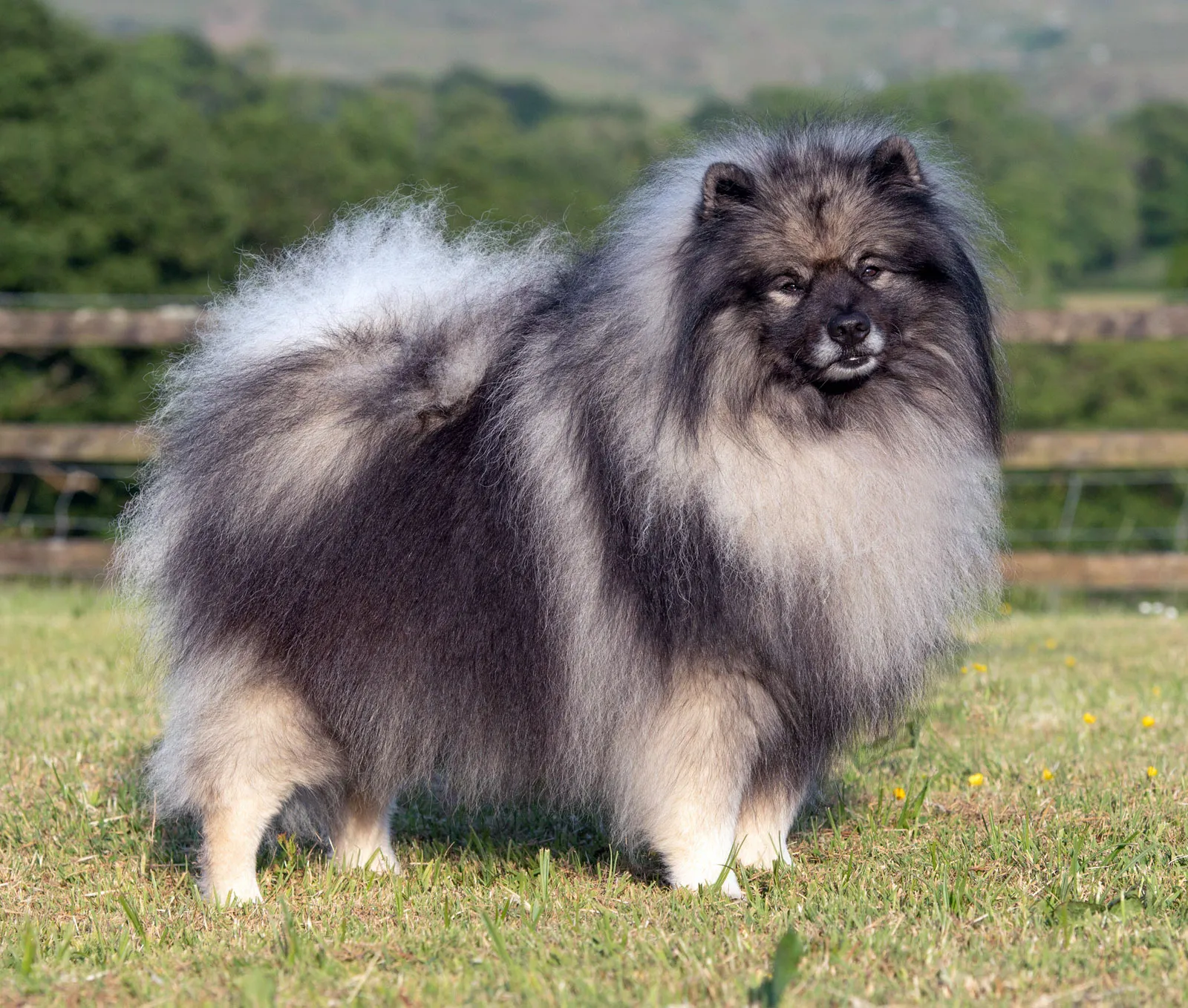
Image source: Bing (Web (fair-use with source credit))
Quick Answer
To groom a Keeshond, brush daily with a slicker brush and metal comb. Line brush through the entire coat every one to two weeks. Bathe monthly with dog-safe shampoo and conditioner.
Blow dry fully with a high-velocity dryer. Never shave the coat. Trim feet and sanitary areas as needed.
Why Grooming a Keeshond Is Different From Other Double-Coated Breeds
A Keeshond's coat is a two-layer system. The undercoat is soft, dense, and woolly. It grows continuously and sheds in heavy clumps twice a year.
The outer coat, or guard hairs, is harsher, longer, and stands off the body. These two layers work together to insulate the dog from heat and cold, repel water, and protect the skin.
Here's where it gets tricky. Many double-coated breeds like Huskies or German Shepherds have shorter, simpler coats. A Keeshond has what groomers call "furnishings." That means longer feathering on the backs of the legs, a thick ruff or mane around the neck, a heavily plumed tail carried over the back, and "pants" or britches on the rear legs.
These areas are denser, longer, and far more prone to matting.
Let's compare two common double-coated breeds so you see the difference:
| Breed | Coat Length | Matting Risk | Grooming Frequency |
|---|---|---|---|
| Siberian Husky | Short to medium | Low to moderate | Weekly brushing |
| Keeshond | Medium to long with furnishings | High | Daily brushing, weekly deep groom |
The Keeshond's coat also stands off the body in a way that makes surface brushing almost useless. If you brush just the top layer, you'll never touch the undercoat. That's where mats form, close to the skin, hidden beneath the surface.
By the time you feel them, they're often tight against the dog's skin and painful to remove.
This breed also "blows" its coat twice a year. In spring and fall, the undercoat releases en masse. During those two to four weeks, brushing feels like a full-time job.
The rest of the year, shedding is lighter but constant. Understanding this rhythm helps you plan your grooming schedule instead of feeling blindsided every season.
The Tools You Actually Need (And the Ones You Can Skip)
You don't need a professional grooming studio to keep a Keeshond looking great. But you do need the right tools. Buying the wrong brush is a common mistake that leads to frustration, incomplete grooming, and hidden mats.
Here's the essential kit:
- Slicker brush for daily brushing and finishing. Look for one with flexible, bent pins and a cushioned base. It removes loose fur and smooths the outer coat.
- Undercoat rake for weekly deep grooming. This tool has long, sturdy teeth that reach through the guard hairs to pull out loose undercoat. It's the workhorse for blowout season.
- Metal comb with both wide and fine teeth. The comb is your accuracy tool. It catches mats the brush misses and checks that you've groomed all the way to the skin.
- High-velocity dryer for blowouts and drying after baths. This isn't optional. Air drying a Keeshond leads to a compacted, tangled coat.
- Pin brush for fluffing and finishing, especially the mane, tail, and furnishings.
- Detangling spray for working through problem areas without breaking the coat.
- Dog-safe shampoo and conditioner with a pH balanced for canine skin. Choose moisturizing formulas.
- Grooming scissors with rounded tips for feet, sanitary areas, and any stubborn mats you can't brush out.
- Nail clippers or a grinder and ear cleaner to round out the routine.
What can you skip? Furminators and other "deshedding" blades are risky for this breed. The Furminator cuts the undercoat, but it can also damage the harsh guard hairs.
Once those are broken, the coat texture changes permanently. Skip human hair dryers too. They're too hot and too slow, and they can literally cook the dog's skin.

Image source: Bing (Web (fair-use with source credit))
You can see the difference between these tools. The slicker brush has fine, closely spaced pins for surface work. The undercoat rake has longer, sturdier teeth spaced further apart to reach deep into the undercoat.
Both are necessary. They do different jobs.
The Golden Rule: Never Shave a Keeshond
This is the single most important rule in Keeshond grooming. Never shave the coat with clippers. Not for hot weather.
Not for mats. Not for convenience. The Keeshond's double coat is a functional system.
Shaving destroys it, often permanently.
Here's what happens. When you shave a double-coated dog, you remove both the guard hairs and the undercoat. The guard hairs are slow to regrow, and in many cases, they never fully come back.
What grows in is a patchy, soft, often discolored mess. The coat may look woolly and uneven. It won't protect the dog from heat or cold the way it should.
The Keeshond becomes more susceptible to sunburn, insect bites, and temperature extremes.
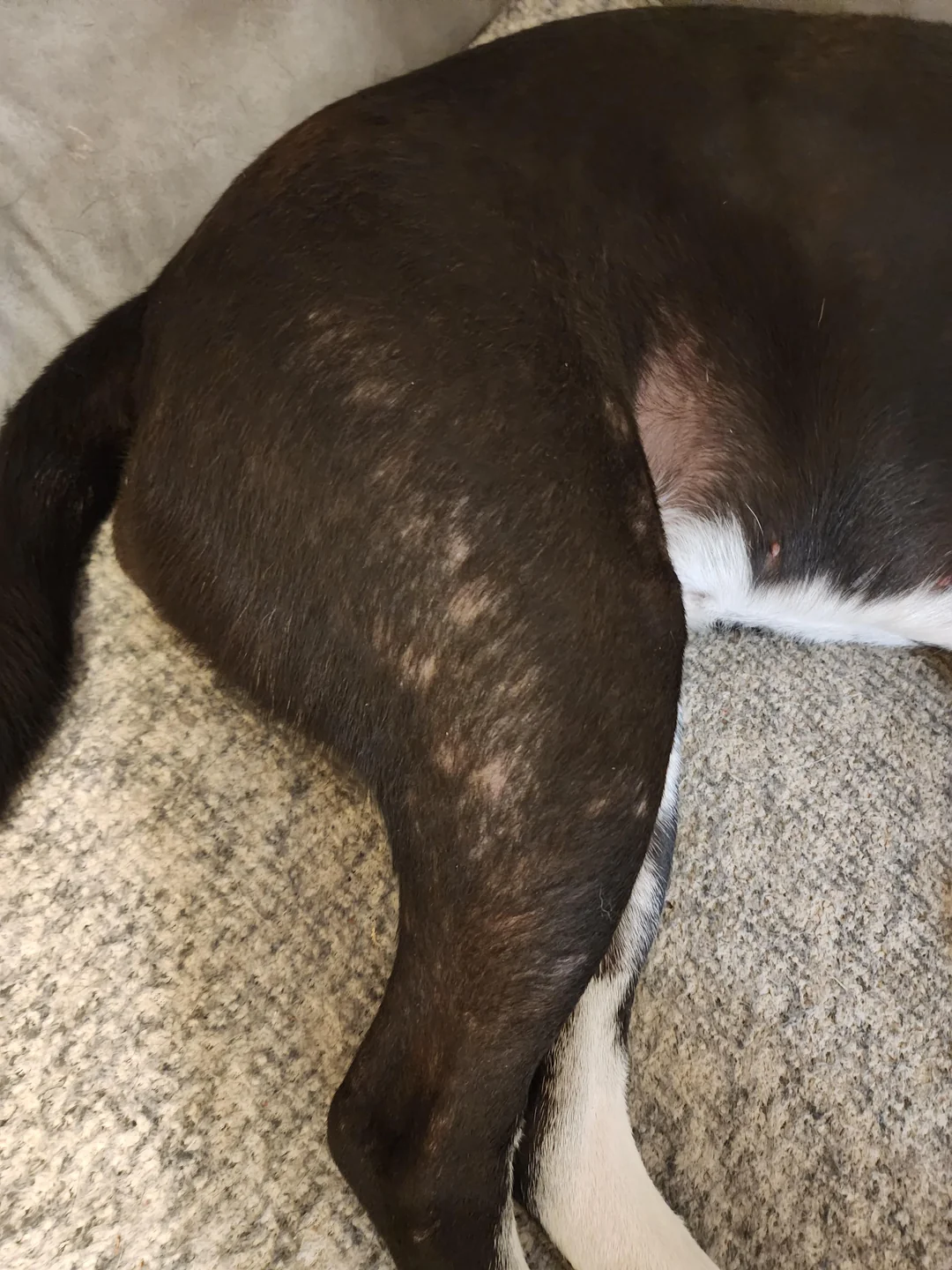
Image source: Bing (Web (fair-use with source credit))
This image shows the classic result: patchy regrowth, uneven texture, and visible skin irritation. Once the hair follicles are damaged, the coat may never look right again.
What about mats? If a mat is so tight you can't brush it out, you clip it out with scissors. Carefully.
Slip the scissors flat against the skin and cut through the mat, working in small sections. You'll lose a little hair, but the coat will grow back. That's a temporary fix, not a structural disaster.
If you feel like shaving is the only option, see a professional groomer who understands double coats. They can demat the dog safely or clip the mats without shaving the whole coat. Never take clippers to a Keeshond.
There's no going back.
Step-by-Step: The Complete Keeshond Grooming Routine
Now let's walk through the full grooming routine, from start to finish. This is the process we recommend based on professional grooming standards and breed club guidance. Follow these steps in order, and your Keeshond will look and feel fantastic.
Step 1: Pre-Brushing
Start on a dry coat. Don't bathe a matted dog. Water and shampoo make mats tighter and harder to remove.
Brush your Keeshond thoroughly before the bath.
Use the slicker brush to work through the coat section by section. Don't rush. Pay special attention to the high-friction zones: behind the ears, under the collar area, the armpits, the britches, and the base of the tail.
These are the spots where mats form first.
If you hit a mat, don't yank. Hold the skin taut with one hand and work the mat gently with your fingers or a dematting tool. For tight mats, use scissors to slice through the middle carefully.
You can also apply a detangling spray to loosen the fibers.
Step 2: Line Brushing
Line brushing is the gold standard for double-coated breeds. It's the only technique that reaches the undercoat fully. Here's how it works.
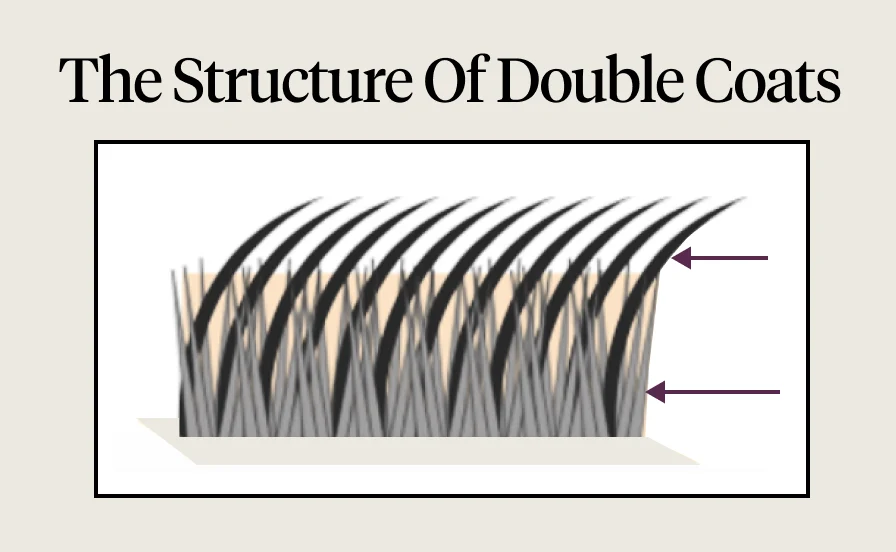
Image source: Bing (Web (fair-use with source credit))
Part the coat down the middle of the back, from the neck to the tail. Start at one end and work in small sections. With one hand, lift a section of hair upward.
With the other hand, brush from the skin outward, moving in short strokes. Work through the section until the comb glides through without snagging. Then move to the next section.
Continue until you've covered the entire body: the sides, the chest, the belly, the legs, the tail, and the mane. This takes time, especially during blowout season. But it's the only way to remove all the loose undercoat and prevent mats from forming deep near the skin.
The visual above shows exactly how the coat is parted and brushed in sections. You're basically creating lines of brushed hair, one section at a time.
Step 3: Blowout
Before the bath, use a high-velocity dryer to blow out loose undercoat. This is called a "blowout," and it makes a massive difference. The dryer's air pressure lifts the coat and sends dead undercoat flying.
Set the dryer to a comfortable temperature, never too hot. Hold the nozzle a few inches from the coat and work in sections. Move the dryer in a sweeping motion, following the direction of the hair growth.
You'll see clumps of undercoat come loose. This step alone can remove a shocking amount of hair.
Blowouts are especially important during the spring and fall sheds. Do this as needed, even between baths.
Step 4: Bathing
Now it's time for the bath. Use lukewarm water and a dog-specific shampoo. The Keeshond's skin is sensitive, and human shampoo is too acidic.
Wet the coat thoroughly. Apply shampoo and lather from the skin outward. Work the lather through the coat gently.
Don't scrub in circles, that creates tangles. Use your fingers or a rubber curry brush to distribute the shampoo.
Rinse completely. Soap residue irritates the skin and dulls the coat. Then apply a moisturizing conditioner, focusing on the furnishings and tail.
Let it sit for a few minutes, then rinse again. Thorough rinsing is critical. Product buildup is a common cause of a dull coat.
Step 5: Drying
This step is non-negotiable. Never let a Keeshond air dry. A wet double coat compacts and mats quickly.
The skin can also develop hot spots if it stays damp.
Use a high-velocity dryer on a low to medium heat setting. Work through the coat in sections, just like line brushing. Use your fingers or a pin brush to lift the hair as you dry.
Keep the dryer moving to avoid overheating any spot.
Pay close attention to the furnishings, the tail, and the mane. These areas hold moisture and are the last to dry. You'll know the coat is dry when it fluffs up and stands off the body again.
A damp Keeshond smells musty and looks flat. A dry Keeshond looks full and proud.
Step 6: Post-Bath Touch-Ups
Once the coat is completely dry, do a final line brush. This smooths everything out and catches any tangles that formed during drying. Trim the feet, rounding the toes for a clean "cat foot" appearance.
Trim the sanitary area around the genitals and anus. If your Keeshond has long hair between the paw pads, trim that too to prevent matting and dirt buildup.
Check the ears. Clean them with a dog-specific ear cleaner and cotton balls. Never use cotton swabs deep in the ear canal.
Finish by trimming any stray hairs around the ear openings.
Step 7: Nails
Don't forget the nails. Long nails affect your Keeshond's gait and comfort. Trim every three to four weeks, or as needed.
If you're not confident, ask your vet or groomer to show you how. Avoid cutting into the quick, the pink area inside the nail. If your Keeshond has dark nails, cut small amounts and stop when you see a dark dot in the center of the nail.
The full routine takes time, especially the first few attempts. Expect anywhere from forty-five minutes to two hours for a complete grooming session. As you get comfortable, you'll speed up.
What matters is consistency, not speed.
How Often Should You Groom a Keeshond?
Consistency beats intensity. A Keeshond groomed daily for ten minutes looks better than one groomed for two hours once a month. Here's a realistic schedule:
| Frequency | What to Do |
|---|---|
| Daily (5-10 min) | Quick slicker brush, check for tangles, comb the tail and mane |
| Weekly (30-45 min) | Full line brush, undercoat rake, check ears and feet |
| Every 4-6 weeks | Bath and full blow dry |
| Every 3-4 weeks | Nail trim |
| Twice a year | Expect heavy shedding for 2-4 weeks, increase brushing to daily |
Puppies need gentle introduction to grooming early. Start with short sessions, plenty of treats, and lots of praise. A Keeshond that associates brushing with positive experiences will be cooperative for life.
If you adopt an adult Keeshond that hasn't been groomed regularly, start slowly. Do short sessions and build up. Forced grooming creates fear and resistance.
Grooming the Tricky Zones: Pants, Tail, Ears, and Paws
The Britches (Pants)
The long feathering on the back of the rear legs is a mat magnet. Friction from sitting and walking tangles these hairs quickly. Brush them daily with a slicker brush, working from the skin outward.
Use a detangling spray if needed. During heavy shedding, check these areas twice a day.
The Tail Plume
The Keeshond's tail curls over the back and is covered in long, thick hair. It's a signature feature, but it requires attention. Brush the tail in small sections, lifting the hair away from the body.
Work from the base to the tip. Don't pull. The tail skin is sensitive, and the hair is long enough to knot easily.
The Ears
Keeshond ears are small, triangular, and covered in soft fur. They don't require heavy grooming, but they do need regular checks. Clean the visible part of the ear with a dog-safe ear cleaner and cotton balls.
Look for redness, odor, or excessive wax. Those are signs of infection. Never insert anything into the ear canal.
Trim any long hairs around the ear opening to improve airflow.
The Paws
Hair grows between the paw pads and around the toes. This hair collects dirt, ice, salt, and debris. It can also mat and cause discomfort.
Trim it with rounded scissors or a small clipper. Keep the hair level with the paw pads. Don't cut too close to the skin.
Check the paws after walks, especially in winter. Ice and road salt stick to the fur and can irritate the paw pads.
Common Grooming Mistakes That Ruin a Keeshond's Coat
Even well-meaning owners make mistakes. Here are the ones we see most often, and how to avoid them.
Brushing Only the Top Layer
The most common mistake by far. Brushing the surface of the coat does nothing for the undercoat. Mats form beneath the visible hair, close to the skin.
By the time you notice them, they're painful and hard to remove. Always line brush. Always work from the skin outward.
Using the Wrong Tools
A human hairbrush or a cheap plastic brush won't reach the undercoat. You need a slicker brush and an undercoat rake. They're not expensive.
They're essential. Also, avoid Furminators and similar deshedding blades. They cut the guard hairs and damage the coat over time.
Bathing Too Often or Too Rarely
Bathing strips the natural oils from a Keeshond's coat. Too many baths lead to dry skin and a dull coat. Too few baths lead to dirt buildup, odor, and mats.
Aim for once a month. During heavy shedding seasons, bathe more frequently to help the coat release.
Air Drying
This is a slow-motion disaster. A wet Keeshond coat twists and mats as it dries. The skin stays moist, which can cause hot spots and irritation.
Always dry with a high-velocity dryer. Finish the job completely. A partially dry coat is just as bad as a fully wet one.
Trimming the Coat for "Style"
Some owners trim the mane or the tail to make grooming easier. This destroys the Keeshond's natural outline. The mane stands off the body only when the coat is full.
Trimming it makes the dog look wrong and removes the protective layer. If you want a lower-maintenance coat, a Keeshond isn't the right breed.
Ignoring Skin Health
A healthy coat starts with healthy skin. If you notice flakiness, redness, bald patches, or excessive scratching, address it. Check for fleas, ticks, and allergies.
Diet plays a role too. A high-quality dog food with omega fatty acids supports skin and coat health. If problems persist, see your vet.
Professional Grooming vs. DIY: What's Worth the Money?
Some owners do everything at home. Others rely on professionals. Both approaches work.
The best choice depends on your time, budget, and confidence.
| Task | DIY | Professional |
|---|---|---|
| Daily brushing | Yes | No |
| Weekly line brushing | Yes | Optional |
| Bathing and blowout | Yes | Yes |
| Dematting | Risky | Recommended |
| Nail trimming | Yes (with practice) | Yes |
| Sanitary trim | Yes | Yes |
| Show grooming | No | Yes |
Professional groomers charge anywhere from $70 to $120 per session for a Keeshond, depending on your location and the groomer's experience. That's not cheap. If you can handle the weekly brushing and monthly bath, you only need a pro a few times a year for a deep dematting or a show trim.
Our research suggests that first-time Keeshond owners benefit from at least one professional grooming session early on. It shows you how it's done and gives you a baseline. After that, you can decide whether to continue or take over yourself.
Seasonal Grooming Adjustments for Your Keeshond
Spring and Fall Blowouts
Twice a year, the undercoat releases en masse. This lasts two to four weeks. During that window, brush daily with an undercoat rake and use the high-velocity dryer weekly.
You'll remove an astonishing amount of fur. Don't be alarmed. It's normal.
Humid Summer Weather
Humidity makes the coat hold moisture. That leads to tangles and mats. Brush more frequently during humid spells.
Consider a mildly moisturizing conditioner to keep the coat supple. Watch for hot spots, especially if your dog swims or gets wet regularly.
Dry Winter Months
Indoor heating dries out skin and coat. This causes static, flakiness, and a dull appearance. Add a humidifier to your home if needed.
Consider a fish oil supplement for your dog's skin and coat. Keep the grooming routine consistent. Don't let the coat go neglected just because the shedding has slowed.
Rain and Mud
Keeshonds love mud. There's no avoiding it. Let the coat dry completely, then brush out the dirt.
Don't brush wet mud through the coat. That spreads it and creates tangles. If the dog is really filthy, a rinse and blow dry beats a full bath.
Your Grooming Schedule Cheat Sheet
Print this and stick it to your fridge.
Daily (5-10 minutes)
- Quick slicker brush over the whole body
- Check the britches and behind the ears for tangles
- Comb the tail plume
Weekly (30-45 minutes)
- Full line brush with slicker and metal comb
- Undercoat rake through the body
- Check ears and clean if needed
- Inspect paws for debris or matting
Monthly
- Full bath with dog-safe shampoo and conditioner
- High-velocity blowout and dry
- Trim feet and sanitary areas
- Check nails
Every 3-4 Weeks
- Nail trim or grind
Twice a Year (During Blowout)
- Daily undercoat raking
- Weekly high-velocity blowout
- Extra patience and treats
Frequently Asked Questions
Can I use a Furminator on my Keeshond?
No. The Furminator is a deshedding tool that cuts the undercoat, but it also damages the harsh guard hairs. Once those guard hairs are broken, the coat texture changes permanently.
It becomes softer, more prone to mats, and less protective. Use an undercoat rake instead. It's gentler on the outer coat.
Why does my Keeshond's coat look dull after grooming?
Dullness usually comes from product buildup, incomplete rinsing, or over-bathing. If you shampoo but don't rinse thoroughly, residue coats the hair and blocks light. Try a clarifying rinse or dilute the shampoo before applying.
Also check your conditioner. A lightweight, moisturizing formula works better than a heavy one. If the coat is still dull, look at diet and hydration.
How do I deal with a Keeshond who hates brushing?
Start slow. Let the dog sniff the brush. Give treats during and after each session.
Keep sessions short at first, just a few minutes. Work in quiet, calm spaces. Build up gradually.
If your dog is genuinely fearful, consider a professional trainer or behaviorist. Never force brushing. That creates resistance that lasts a lifetime.
Is it normal for my Keeshond to shed year-round?
Yes. The big blowouts happen twice a year, but Keeshonds shed lightly all year. That's normal.
If you notice bald patches, excessive scratching, or significant thinning, see your vet. Those may be signs of allergies, thyroid issues, or skin infections.
How often should I bathe my Keeshond?
Once a month is a good baseline for most Keeshonds. During heavy shedding seasons, you can bathe more often to help the coat release. If your dog gets dirty or smelly between baths, a water-only rinse or a light dry shampoo works well.
Don't over-bathe. It strips the natural oils that keep the coat healthy.
Do I need to shave my Keeshond in the summer to keep it cool?
No. Never shave a Keeshond. The double coat actually insulates against heat, not just cold.
Shaving removes that protection and exposes the skin to sunburn, insect bites, and overheating. The coat also struggles to regrow properly. Instead, keep the coat brushed and mat-free.
Plenty of water and shade do more to keep your dog cool than shaving ever will.