
If you're reading this, you already know the struggle. Your cat wants to groom, tries to twist around, and simply can't. The belly is too big, the hips don't turn like they used to, and the fur on the back half is starting to look rough, oily, or matted.
Learning how to groom an overweight cat that can't reach isn't just about looks. It's about preventing painful skin infections, urine scald, and mats that pull at the skin with every step. The good news is that with the right tools, a calm setup, and a consistent routine, you can keep your cat clean, comfortable, and healthy without turning it into a wrestling match.
As of 2026, the Association for Pet Obesity Prevention reports that roughly 60% of cats in the US are overweight or obese. That means millions of owners are dealing with exactly this problem right now. The key is understanding what your cat can and cannot do, then building a grooming routine that works around those limits.
Quick Answer
Groom an overweight cat that can't reach by using a non-slip surface and short, frequent sessions. Brush reachable areas first with a slicker brush. Use pet-safe wipes for the rear end daily.
Clip severe mats with electric clippers, never scissors. Consult your vet for a weight loss plan to restore natural grooming.
Why This Matters: When Your Cat Can't Groom Itself
Cats spend up to 50% of their waking hours grooming. It's how they regulate temperature, distribute natural oils, and keep their coat free of debris and parasites. When a cat physically cannot reach certain areas, that entire system breaks down.
The Hidden Health Risks of an Ungroomed Overweight Cat
The most common problem area is the hindquarters. When a cat can't twist around to clean its rear end, urine and feces cling to the fur. This creates urine scald, where the skin becomes red, inflamed, and raw from constant moisture.
Left untreated, it can lead to bacterial infections or open sores.
Matting is another major issue. Mats form when loose fur, oils, and debris tangle together. On a cat that can't groom, mats often develop along the back, flanks, and tail base.
As mats grow tighter, they pull on the skin. This is genuinely painful, and removing them incorrectly can tear the skin.
Dandruff and a greasy coat are also common. Without regular grooming to distribute sebum, the skin becomes dry and flaky in some spots while turning overly oily in others. The coat looks dull, dirty, and unkempt.
How Obesity Physically Blocks Normal Grooming
Obesity changes the cat's center of gravity. A heavy belly physically prevents the cat from bending and twisting. Imagine trying to touch your toes with a basketball strapped to your stomach.
That's what your cat deals with.
Joint pain compounds the problem. Many overweight cats also have early arthritis, especially in the hips and lower spine. Even if they could physically bend, the pain of twisting makes them avoid it.
They simply give up trying.
This creates a vicious cycle. The cat grooms less, the coat gets worse, the skin gets irritated, and the cat feels even less inclined to try. Your job is to break that cycle by stepping in as the groomer.
Before You Start: Reading Your Cat's Coat and Skin
Before you pick up a brush, assess what you're dealing with. Run your hands over your cat's entire body. Feel for bumps, tangles, and areas of dampness or crust.
This initial check tells you exactly where to focus your efforts.
How to Tell a Mild Problem from a Serious One
Mild problems are manageable at home. You're looking at light dandruff, a slightly greasy coat, or a few small tangles that comb out easily. The skin underneath should be pink and healthy with no obvious redness or odor.
Moderate problems need more attention. This includes mats that are tight but not flush against the skin, dandruff with red patches, or a soiled rear end requiring regular wiping. You can handle these at home with the right tools and patience.
Severe problems require professional help. If mats are matted flat against the skin, if there's a strong yeasty or foul odor, if the skin is broken, bleeding, or oozing, or if your cat cries out when touched, stop immediately. Call your vet or a professional groomer.
Trying to fix severe matting at home with scissors is how cats end up with injuries.
When It's Already Too Late for Brushing Alone
If a mat has been there for weeks, it's not coming out with a brush. The hair has felted together like wool, and brushing just pulls at the skin. That mat needs to be clipped out with electric clippers.
Watch for signs of skin infection too. Redness, swelling, discharge, or a bad smell means bacteria or yeast has moved in. That's a veterinary issue, not a grooming issue.
No amount of brushing will fix an active infection.
Step-by-Step: How to Groom an Overweight Cat That Can't Reach
Now for the actual process. This routine works whether your cat is mildly overweight or severely obese. The principles stay the same.
You just adjust the duration and frequency based on your cat's tolerance.
Setting Up a Safe, Low-Stress Session
Start by choosing a quiet room away from other pets and loud noises. Place a non-slip mat or a thick towel on a table or counter at a comfortable height. Cats feel more secure when they have solid footing, and a heavy cat especially needs traction to feel stable.
Gather all your tools before you bring the cat in. You don't want to leave mid-session to grab something. Lay out your brush, comb, wipes, and any detangling spray within arm's reach.
Talk to your cat in a calm, low voice throughout the session. Offer treats before, during, and after. The goal is to associate grooming with positive experiences, not with being held down.
Keep sessions short, around 5 to 10 minutes, and end on a good note even if you didn't finish everything.
Brushing the Reachable Areas (and What to Do About the Rest)
Start with areas your cat can still reach. This includes the head, neck, shoulders, and chest. Brushing these areas first gets your cat relaxed and used to being handled.
It also lets you check for fleas, ticks, or unusual lumps.
Work in the direction of hair growth. Use long, gentle strokes with a slicker brush. If you hit a tangle, don't pull.
Hold the fur at the base with your fingers and gently work the brush through. For the back, flanks, and rear, which your cat can't reach, you'll need to be more systematic.
If the coat is only lightly tangled, a dematting comb works well. For larger areas of mild matting, work through them section by section. For tight mats, skip the brushing entirely and move to clipping.
Dealing with Mats: When to Comb, When to Clip, and When to Call for Help
Here's a simple rule of thumb. If you can work your fingers underneath the mat and separate it from the skin, try to comb it out. If the mat is flat against the skin with no space underneath, you must clip it out with clippers.
When clipping, use a #10 blade. It's short enough to get under most mats but long enough to avoid nicking the skin. Pull the skin taut with one hand and run the clippers flat against the skin's surface, moving in the direction of hair growth.
Work slowly. The skin on an overweight cat is often stretched and thinner than you'd expect.
If the cat is severely matted or becomes aggressive during clipping, stop. This is the point where you call a professional groomer or your vet. They have the tools, the experience, and often the ability to safely sedate the cat if necessary.
It's not a failure. It's the responsible choice.
Cleaning the Rear End: Urine Scald and Perineal Care
This is the most important part of the routine for an overweight cat. Check the rear end daily. If you see urine-stained fur or any fecal matter clinging to the fur, it needs to be cleaned immediately.
Use pet-safe wipes, preferably chlorhexidine wipes, which have mild antimicrobial properties. Gently wipe the area, working from front to back to avoid spreading bacteria. For cats with severe soiling, you may need to trim the fur around the anus and back of the thighs to keep the area clean.
If the skin looks red, raw, or blistered, that's urine scald. Clean it gently, apply a pet-safe barrier cream if recommended by your vet, and keep the area dry. If the scald doesn't improve within a few days, or if you see pustules or oozing, get to the vet.
This can escalate into a serious infection quickly.
Managing Skin Folds, Dandruff, and Greasy Coats
Overweight cats often develop deep skin folds, especially around the abdomen and the base of the tail. These folds trap moisture, making them prime spots for yeast and bacterial overgrowth. Wipe inside each fold with a chlorhexidine wipe, then make sure the area dries completely.
For dandruff and greasy coats, waterless shampoos are your best friend. They come as foams or sprays and require zero rinsing, which means zero stress. Apply the product, work it through the coat with your hands or a brush, and let it dry.
The fur comes out cleaner, fresher, and more manageable.
Tools That Actually Work for Heavy Cats
You don't need a professional grooming station to keep your cat clean, but you do need the right basics. Here's what our research consistently points to as the essential toolkit for grooming an overweight cat.

Image source: Bing (Web (fair-use with source credit))
Brushes, Combs, and Gloves: What's Worth Buying
| Tool | Best For | Notes |
|---|---|---|
| Slicker brush | Daily brushing, removing loose fur | Look for fine, angled wire bristles |
| Dematting comb | Working out light to moderate tangles | Stainless steel with rotating teeth is gentler |
| Grooming glove | Cats who hate brushes, desensitization | Silicone nubs feel like petting |
| Rake | Thick or double coats | Use sparingly; can scratch skin |
Start with the slicker brush for general maintenance. If your cat is extremely sensitive, start with a grooming glove to build tolerance. Switch to the brush as your cat becomes more comfortable.
Waterless Shampoos and Wipes: Do They Really Work?
Aggregate buyer reviews are clear on this one. Waterless shampoo and wipes work, but they're not magic. They remove surface dirt and oil, neutralize odors, and help prevent skin irritation.
They don't replace a real bath, but for an overweight cat that can't easily be bathed, they're the safest practical option.
Look for pH-balanced formulas specifically designed for cats. The pH of a cat's skin is different from a human's. Using human shampoo disrupts the acid mantle, leaving the skin vulnerable to irritation and infection.
Clippers: The Safest Way to Handle Severe Matting
For cats with severe matting, clippers are non-negotiable. Scissors are dangerous because the skin on a matted cat is often stretched and folded. One wrong cut and you're dealing with a laceration.
Mistakes That Send Cats to the Emergency Vet
Some grooming mistakes turn a manageable problem into a medical emergency. Here's what to avoid.
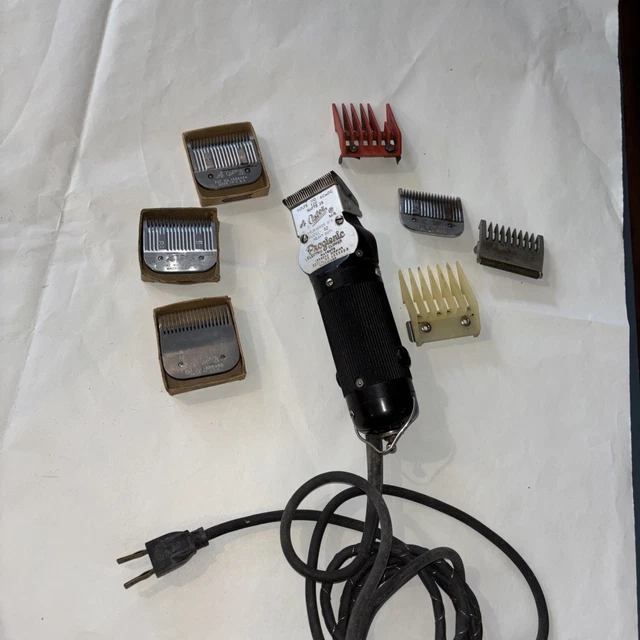
Image source: Bing (Web (fair-use with source credit))
Scissor Accidents and Clipper Burns You Can Avoid
The number one rule is simple. Never use scissors on matted fur, especially near the skin. The skin on an overweight cat is often loose, and mats pull it into ridges and folds.
You cannot see what's underneath. Scissors can easily cut the skin, requiring stitches or worse.
Clipper burns are the second most common injury. This happens when the blade gets too hot from continuous use. The blade heats up as it runs, and against sensitive skin, it causes a painful burn.
Run the clippers in short bursts and check the blade temperature frequently. If it feels warm to the touch, let it cool or switch blades.
Why Human Products Are a Hard No
Human shampoo disrupts the pH balance of a cat's skin. The results are dry, itchy, flaky skin, and in some cases, allergic reactions. As for razors or other personal grooming tools, they're not designed for animal fur and can cause injuries.
Stick to products labeled specifically for cats.
The Overheating Risk You Didn't Think About
A thick, matted coat acts as an insulator. It traps heat against the body. An overweight cat already has trouble regulating temperature, and a matted coat makes it worse.
During grooming, especially if you're using clippers, watch for signs of overheating: panting, drooling, restlessness, and a bright red tongue.
If you see these signs, stop immediately. Move the cat to a cool area and offer fresh water. Severe overheating can lead to heatstroke, which is life-threatening.
Groom in a cool room and keep sessions under 15 minutes max.
At-Home Grooming vs. Professional Groomers
There's a limit to what you can safely do at home, and knowing that limit is part of being a responsible pet owner. Some cats are fine with home grooming if you're patient and consistent. Others need professional help, either occasionally or on a regular schedule.
How to Decide Based on Your Cat's Temperament and Coat
Home grooming works best if your cat tolerates being handled, if the coat is only mildly tangled, and if you can commit to a routine at least three times a week. It also works well if your cat is cooperative about having its rear end wiped.
Professional grooming makes sense when the cat becomes aggressive during grooming sessions, when mats are already severe, or when you physically can't manage the cat on your own. It's also worth considering for long-haired cats, which require far more maintenance than short-haired ones.
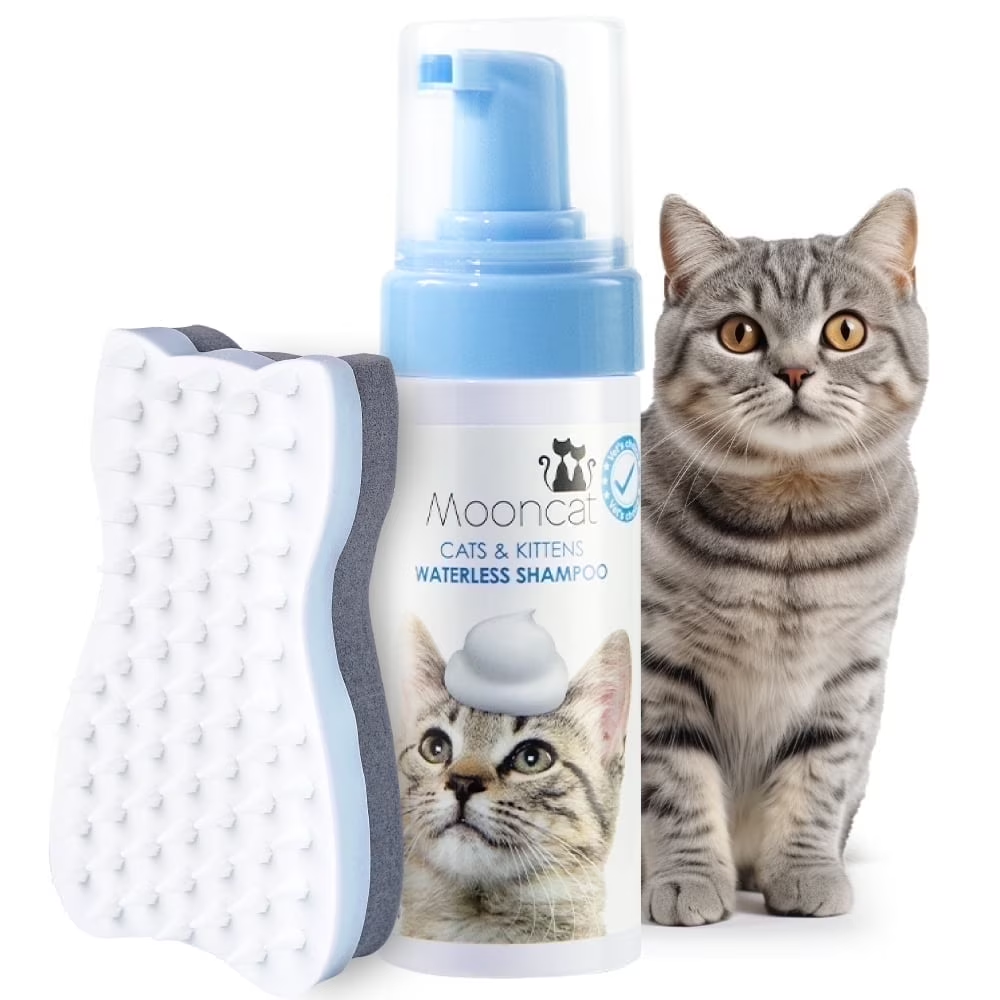
Image source: Bing (Web (fair-use with source credit))
What a Pro Can Do That You Can't (Safely)
Professional groomers have experience handling difficult cats. They have proper restraint equipment, high-quality clippers, and the knowledge to handle mats without injuring the cat. Many groomers also work closely with vets and can spot skin conditions that you might miss.
A professional groomer will typically charge between $50 and $120 per session, depending on your location and the condition of the coat. Severely matted cats may require a full shave-down, which takes longer and costs more. It's worth every penny when you consider the alternative.
That said, professional grooming isn't a substitute for your daily care. You still need to check the rear end daily, brush reachable areas, and monitor the skin for changes. Think of it as outsourcing the heavy lifting while keeping the routine maintenance at home.
Grooming Tools for Specific Coat Types
Not every brush works for every cat. Your cat's coat length and texture dictate which tools you actually need. Here's how to match the tool to the fur.
Short-Haired Cats
Short-haired cats are easier to maintain, but they still need regular brushing. Their main problem is loose hair, which can lead to hairballs if your cat can't groom properly. A grooming glove or a soft slicker brush works best for removing loose fur without irritating the skin as you work over areas the cat can't reach.
For short-haired cats with dandruff, use a rubber curry brush. It lifts dead skin cells and stimulates oils without scratching. Brush in circular motions over the back and flanks.
Follow with a pet-safe wipe to remove any lifted debris.
Medium-Haired Cats
Medium coats are where the real work begins. They mat more easily than short coats and shed just as much. A slicker brush and a dematting comb are your essential pair.
Start with the slicker brush to work out tangles and remove loose fur. Then use the dematting comb on any remaining knots. You'll likely need to do this daily to stay on top of mat formation, especially along the back and the base of the tail.
Long-Haired Cats
Long-haired cats are the hardest case for an overweight cat that can't reach. Their coats mat quickly and deeply. Without intervention, mats can form within a few days.
For long-haired cats, consider a professional grooming shave every few months. This reduces the maintenance burden dramatically and prevents painful matting. Between shaves, use a wide-tooth comb daily and a slicker brush every other day.
Waterless shampoo is especially useful for long-haired cats. It helps keep the coat from becoming greasy, which reduces matting. Apply it weekly, work it through the coat, and let it dry completely.
Curly and Wire-Coated Cats
Breeds like Devon Rex, Cornish Rex, and wire-haired varieties have unique coats. They're prone to oily buildup because their fur doesn't shed the same way. Use a grooming glove or soft brush designed for sensitive coats.
For these cats, waterless shampoo is a weekly necessity. Focus on the back and tail area where oil concentrates. Avoid over-brushing, which can strip natural oils and cause dry, flaky skin.
Double-Coated Cats
Some breeds have a dense undercoat beneath the top coat. This undercoat sheds heavily and mats easily. Use an undercoat rake to remove the dead undercoat without damaging the top layer.
Double-coated cats benefit most from a seasonal deshedding routine. Brush daily during spring and fall shedding seasons. This prevents mats from forming in areas your cat can't reach.
Seasonal Grooming Adjustments
Your grooming routine should change with the seasons. Temperature, humidity, and shedding cycles all affect your overweight cat's coat and skin.
Spring and Fall Shedding
These are the heaviest shedding periods. Your cat's coat will shed more, and without grooming, that dead hair will mat faster. Increase brushing to daily sessions during these months.
Use a deshedding tool to remove the undercoat.
Summer Heat Management
A matted coat traps heat. For overweight cats, this is a serious danger. Consider a summer shave to keep your cat cool.
This reduces the risk of heatstroke and makes grooming easier until the coat grows back.
Apply pet-safe sunscreen to exposed skin if your cat goes outside. White or light-colored cats are especially prone to sunburn on shaved areas.
Winter Coat Care
In winter, your cat's coat grows thicker for warmth. For an overweight cat, the thick coat only makes matting worse. Brush regularly to keep the undercoat under control.
Indoor cats in colder climates can develop dry skin from heated indoor air. Add a humidifier to your home to help prevent flakiness. You can also apply a small amount of coconut oil to your cat's skin if your vet approves.
Rainy or Humid Weather
Humidity makes mats worse. Moisture absorbs into the coat and causes tangles to tighten. If you live in a humid climate, keep your cat indoors on rainy days.
Use a waterless shampoo to dry the coat and reduce moisture.
The Weight Problem: Grooming Won't Fix the Root Cause
Here's the part nobody likes to hear. Grooming treats the symptoms, but it doesn't fix what caused them. Your cat is overweight, and until that changes, you'll be managing the consequences forever.
Working with Your Vet on a Safe Weight Loss Plan
Your vet is the only person who should design your cat's weight loss plan. Not a forum, not a friend, not an online calculator. A vet will assess your cat's body condition score, current weight, and overall health before recommending anything.
The safe weight loss rate for cats is 0.5% to 2% of body weight per week. For a 15-pound cat, that's roughly 1.2 to 4.5 ounces per week. Anything faster risks hepatic lipidosis, a devastating liver condition that can be fatal.
Your vet will likely prescribe a specific calorie target. Most overweight cats need somewhere between 180 and 250 calories per day, depending on their ideal weight and activity level. Prescription weight management diets are portion-controlled and nutritionally complete.
Ask your vet about a follow-up weigh-in schedule. Monthly weigh-ins are ideal for tracking progress and adjusting portions as needed.
How Weight Loss Transforms Grooming Ability
As your cat loses weight, its center of gravity shifts backward. That alone makes twisting and reaching the hindquarters significantly easier.
The joint pain also improves. Excess weight puts pressure on the hips, knees, and spine. Drop even 10% of body weight, and many cats show measurable improvement in mobility and willingness to groom.
Most owners report seeing real changes in grooming behavior once the cat loses 10% to 15% of its body weight. A 15-pound cat only needs to drop about 2 pounds to hit that threshold. Six to twelve months is a realistic timeline.
In the meantime, your grooming routine is what keeps the cat comfortable. Think of grooming as the bridge. It holds things together while the weight loss plan does the real work.
Age and Health Conditions That Complicate Grooming
Age changes everything. As cats get older, their skin becomes thinner, their joints stiffer, and their coats more brittle. This makes grooming more important and more delicate at the same time.
Arthritis and Joint Pain
Osteoarthritis affects up to 90% of cats over age 12. When a cat has arthritis in the hips, spine, or knees, twisting to groom is painful. They avoid it, even when they're not overweight.
If your cat has arthritis, adjust your grooming technique. Use gentler strokes, avoid pulling the skin, and keep sessions short. Ask your vet about joint supplements or anti-inflammatory medications that can improve your cat's quality of life.
Chronic Kidney Disease and Diabetes
Both conditions are common in overweight cats. They cause increased urination, which means more moisture around the rear end. This leads to more soiling, more urine scald, and a higher risk of skin infections.
For cats with these conditions, daily rear checks are non-negotiable. Wipe the area thoroughly and keep it dry. Barrier creams can protect the skin from moisture.
Skin Allergies and Sensitivities
Overweight cats with allergies have a harder time because they can't groom the itchy areas. This leads to excessive licking of reachable spots, which creates hot spots and hair loss.
If your cat has known allergies, use hypoallergenic grooming products. Avoid anything with fragrances, dyes, or harsh chemicals.
Troubleshooting Common Grooming Challenges
Even with a solid routine, things go wrong. Here's how to handle the most frustrating situations without losing your cool or your cat's trust.
What to Do When Your Cat Bites or Scratches
If your cat bites or scratches during grooming, stop immediately. Do not continue, even if you're almost done. Pushing through the pain doesn't work with cats.
Step back, give your cat a break, and reassess. Is the cat in pain? Is the restraint too tight?
Did you surprise your cat with a sensitive area too quickly?
Try using a towel wrap. Cover your cat's head with a towel while you work on the rear end. Many cats stay calmer when they can't see what's happening.
If the behavior continues, consult your vet about anti-anxiety medication.
How to Handle a Cat That Won't Sit Still
Squirmy cats are exhausting. The trick is to limit grooming sessions to small areas. Instead of brushing the entire body in one go, brush one flank today and the other flank tomorrow.
Use your body to gently steady the cat. Stand behind your cat and lean slightly forward, creating a safe enclosure without trapping the cat. This works well for cats that panic under direct restraint.
For rear-end cleaning, use the towel wrap technique. Place your cat on a non-slip surface and wrap the towel around the body. Fold one corner over the head if needed.
Dealing with Mats That Keep Coming Back
If mats keep returning in the same spot, the underlying issue is shedding. The loose fur is tangling before you can brush it out. Increase brushing frequency in that specific area.
Use a deshedding tool to remove the undercoat before it mats.
If mats still persist, consider clipping the area short. This gives the skin a break and lets the coat regrow fresh.
When Your Cat Vomits After Grooming
Grooming stimulates hair swallowing. For overweight cats that groom the areas they can reach, hairballs are a common side effect. This is especially true during shedding season.
Increase brushing frequency to reduce the loose hair your cat ingests. Offer a hairball control treat or gel to help pass hair through the digestive system. If vomiting becomes frequent or you see blood, contact your vet.
Building a Long-Term Grooming Routine That Sticks
Creating a routine that actually sticks requires planning. You need a schedule that fits your life and your cat's temperament.
How to Create a Weekly Grooming Schedule
Pick specific days and times for grooming. Consistency matters more than frequency. Cats thrive on predictable routines, and grooming at the same time every week builds a positive association.
| Day | Task |
|---|---|
| Monday | Full body brush |
| Wednesday | Rear-end check and wipe |
| Friday | Full body brush, check for mats |
| Saturday | Waterless shampoo or spot clean |
Adjust based on your cat's needs. Long-haired cats need more frequent brushing. Cats with skin fold issues need daily wiping of those folds.
Tracking Grooming Progress and Improvements
Keep a simple journal. Note the date, how long the session lasted, and how your cat behaved. Record any mats you removed, any skin changes, and any improvements in your cat's coat condition.
Over time, you'll see patterns. You'll notice when mats are most likely to form. You'll learn which days your cat is more tolerant.
Adjusting the Routine as Your Cat's Weight Changes
Your grooming routine is not static. As your cat loses weight, its mobility improves. It may start grooming areas it previously ignored.
Pay attention to these changes. If your cat starts reaching its hindquarters, you can reduce rear-end cleaning. If the cat starts grooming its flanks, you can brush less frequently.
The goal is to support your cat's own grooming as it returns.
Involving Family Members in Grooming Care
Grooming doesn't have to be a one-person job. Assign different tasks to different family members. One person handles the rear-end check while another does the brushing.
Clear communication is key. Make sure everyone knows the routine, the tools, and the warning signs.
The Role of Diet in Coat Health
What your cat eats shows up in its fur. A poor diet leads to a dull, brittle coat that mats more easily. A high-quality diet supports healthy skin and a shiny coat.
Key Nutrients for Healthy Skin and Fur
Omega-3 and omega-6 fatty acids are essential for skin health. They reduce inflammation and help maintain the skin's natural moisture barrier. Look for cat foods that list fish oil, flaxseed, or chicken fat as ingredients.
Protein is also critical. Hair is mostly protein, and a deficiency makes the coat weak and prone to breakage. High-quality animal protein should be the primary ingredient in your cat's food.
Zinc and vitamin E support skin repair and reduce flakiness. These are commonly included in premium cat foods but can be deficient in low-quality ones.
Hydration Matters
Dehydrated cats have dry, flaky skin and brittle fur. Overweight cats often drink less than they should. A cat fountain encourages drinking because cats prefer running water.
Wet Food vs. Dry Food for Coat Health
Wet food provides more moisture than dry food. If your cat is on a dry-only diet, consider adding wet food to increase water intake. Even a few tablespoons a day can make a difference to coat quality.
When Grooming Reveals Something Worse
Grooming isn't just about cleanliness. It's also a health screening opportunity. When you run your hands over your cat's body, you can find things that would otherwise go unnoticed.
Lumps, Bumps, and Skin Growths
As you brush, pay attention to any new lumps or bumps. Not all are cancerous, but all deserve a vet's evaluation. Fatty lipomas are common in overweight cats and are usually benign.
Mast cell tumors and other growths can be serious.
If you find a lump, don't panic. Note its location, size, and texture. Check if it changes over the next week.
Mention it at your next vet visit.
Parasites and Pests
Fleas and ticks hide in areas cats can't groom. The base of the tail, the lower back, and the hind legs are common hiding spots. Regular grooming lets you catch infestations early.
If you spot fleas, treat the cat and the environment. A single flea can lay hundreds of eggs. You'll need a multi-pronged approach: topical treatment for the cat, thorough vacuuming of the home, and washing all bedding.
Skin Infections and Hotspots
A hotspot, also called acute moist dermatitis, develops when bacteria infect broken skin. They're painful, warm, and often weepy. Overweight cats develop them when trapped moisture combines with friction from skin folds.
If you find a hotspot, clean it gently with a pet-safe antiseptic. Keep the area dry. Contact your vet, because hotspots typically require prescription treatment to resolve fully.
Professional Grooming Options for Overweight Cats
For some cats, professional grooming is the safest and most effective option. Here's how to find the right groomer and what to expect.
How to Find a Groomer Experienced with Obese Cats
Not all groomers are comfortable handling overweight cats. The physical restraint required is different, and the risk of injury is higher. Look for groomers who explicitly advertise experience with special-needs or senior cats.
Ask your vet for referrals. Vets work with groomers they trust, and their recommendations carry weight.
What to Expect During a Professional Grooming Session
A professional session typically takes one to two hours, depending on the condition of the coat. The groomer will assess the situation before starting. This includes checking for mats, skin issues, and allergies.
For severely matted cats, the groomer may recommend a lion cut or a full shave-down. This removes all the mats and allows the skin to breathe. The groomer will also clean the rear end, trim the nails, and clean the ears.
Costs and Frequency
Professional grooming for an overweight or obese cat typically costs between $50 and $120 per session. Severely matted cats may pay more. The frequency depends on your cat's coat type and your at-home maintenance level.
For long-haired cats, a professional groom every two to three months is common. Short-haired cats may only need professional help during heavy shedding season.
Questions to Ask the Groomer Before Booking
Ask about the groomer's experience with overweight cats. Ask what tools they use and how they handle difficult cats. Ask if you can stay during the session or if they prefer you to wait.
Most importantly, ask about their sedation policy. Some groomers will not groom cats without medical approval. Others work with vets who can prescribe calming medication.
Frequently Asked Questions
How often should I groom my overweight cat?
Brush your cat three to five times per week for general coat maintenance. Check the rear end daily and wipe it with a pet-safe wipe if there's any soiling. If dandruff or greasiness is an issue, use a waterless shampoo once or twice per week.
Can I shave my overweight cat at home?
Yes, with the right tools and a calm cat. Use electric clippers with a #10 blade, never scissors. Work slowly, pull the skin taut, and watch for clipper overheating.
If your cat fights it, stop and call a professional.
What's the best brush for a cat that can't reach its back?
A slicker brush with fine, angled bristles is the best daily option for most cats. It removes loose fur, distributes natural oils, and works well on both short and medium coats. A dematting comb is a worthwhile complement for working out light to moderate tangles.
How do I clean my overweight cat's rear end?
Use pet-safe wipes, preferably chlorhexidine wipes, which have mild antimicrobial properties. Gently wipe the area, working from front to back. If the fur is heavily soiled, trim it first with clippers, then clean.
Apply a barrier cream if recommended by your vet.
Why does my overweight cat have dandruff?
Mild dandruff is common in cats that can't groom properly. Regular brushing and waterless shampoo should clear it up within a few weeks. If the dandruff persists or worsens, or if you notice red, flaky patches, have your vet check for underlying skin conditions.
Is it safe to use human shampoo on my cat?
No. Human shampoo disrupts the pH balance of a cat's skin, leading to dryness, itching, and irritation. Always use products specifically formulated for cats.
If you're in a pinch, plain water and a washcloth is safer than human shampoo.
What should I do if I find a mat that's pulled tight against the skin?
Stop and assess the situation. If you can work your fingers underneath the mat and separate it from the skin, try to clip it out with electric clippers. If the mat is flush against the skin with no space underneath, stop and consult a professional groomer or your vet.
How long will it take for my cat's coat to look healthy again?
You'll see improvement within two to four weeks of consistent grooming. Dandruff and greasiness typically resolve within that window. Full coat recovery takes one to two months, depending on how severe the matting and skin issues were at the start.
Can grooming help my overweight cat lose weight?
Not directly. Grooming removes dead fur, distributes oils, and prevents skin issues, but it doesn't burn significant calories. Weight loss requires a calorie-controlled diet and increased activity.
However, grooming sessions are a great opportunity to check your cat's body condition and monitor progress.
What if my cat absolutely refuses to let me groom it?
If your cat consistently refuses grooming, stop trying to force it. Consult your vet about anti-anxiety medication or sedation options. Professional groomers can also handle difficult cats with proper restraint techniques.
The key is to avoid creating a negative association with grooming, which makes future efforts even harder.
What's the best way to dry my cat's skin folds after cleaning?
Use a clean, dry cloth to gently pat the folds dry. Avoid rubbing, which irritates sensitive skin. For deep folds, use a cotton swab to gently wick away remaining moisture.
Keeping these areas completely dry prevents yeast and bacterial infections.
Is it normal for my overweight cat to have a bald patch on its belly?
A bald patch on the belly of an overweight cat can be normal due to friction from the belly dragging on the ground. However, it can also indicate a skin condition, allergies, or hormonal issues. Have your vet check any bald patches to rule out underlying problems.
Should I be concerned about my cat's flaky skin during winter?
Yes, winter is tough on feline skin. Heated indoor air is very dry, which strips moisture from the skin. Add a humidifier to your home, increase omega-3 fatty acids in your cat's diet, and brush more frequently to distribute natural oils.
If the flakiness persists, talk to your vet about additional treatments.
Why is my overweight cat suddenly grooming less than before?
A sudden drop in grooming behavior is a red flag. It often signals pain, illness, or stress. If your cat has been managing some grooming but recently stopped, call your vet.
Conditions like feline arthritis, dental disease, or urinary tract infections can all cause this change.
Can I use coconut oil on my cat's skin?
Coconut oil is safe for cats in small amounts, but it's not a cure-all. It can soothe dry, flaky skin when applied topically. However, it's greasy and can mat the fur further if overused.
Always ask your vet before introducing any new topical product to your cat's routine.
What should I feed my overweight cat to improve its coat?
Focus on a high-protein, low-carbohydrate diet with named animal protein sources. Look for foods with added omega-3 and omega-6 fatty acids, which specifically support coat health. Your vet can recommend a prescription weight management diet that meets both weight loss and coat health needs.
Should I use a grooming glove or a brush for my overweight cat?
Start with a grooming glove if your cat is sensitive to brushes. The silicone nubs feel like petting and help build tolerance. Once your cat is comfortable, switch to a slicker brush for a deeper clean.
Many owners use both: the glove for desensitization and the brush for actual grooming.
How do I know if my cat's skin is infected?
Look for redness, swelling, warmth, discharge, or a foul odor. Your cat may also be excessively licking or chewing the area. If you notice any of these signs, contact your vet.
Skin infections require medical treatment and won't resolve with grooming alone.
Final Tips for Grooming an Overweight Cat
You now have the full picture. Here are the final takeaways to carry with you.
Start Small and Build Consistency
Don't try to fix everything in one session. Start with five minutes of brushing and one area of focus. Build up slowly as your cat gains trust.
Consistency beats intensity every time.
Keep the Routine Simple
A simple routine you actually follow beats a perfect routine you skip. Daily rear checks, three brushing sessions per week, and waterless shampoo as needed. That's enough to prevent most problems.
Trust Your Instincts
If something feels wrong, it probably is. Trust your gut. Call your vet.
Get a second opinion if you need one. You know your cat better than anyone.
Remember Why You're Doing This
Every time you brush your cat's back and wipe its rear end, you're preventing pain, infection, and discomfort. You're stepping in where your cat can't help itself. That's real care, and it makes a genuine difference.
Your cat may not thank you in words, but a healthy, comfortable coat speaks volumes.
Call Your Vet When in Doubt
No article replaces professional guidance. If you're ever unsure about a lump, a skin change, or a behavior shift, call your vet. Early intervention is always easier and cheaper than treating a serious problem.
Your vet is your partner in this, not a last resort.
Stay the Course
There will be bad grooming days. Days when your cat hisses, squirms, or you find a mat you thought you'd conquered. That's normal.
What matters is that you show up again tomorrow, or the next day, and keep going.
Your cat depends on you for everything. Grooming is just one more way you show up. And showing up consistently is what turns a struggling, uncomfortable cat into a healthy, contented one.
You've got the tools. You've got the routine. Now go make a difference, one brush stroke at a time.