
You vacuum. You lint-roll. You vacuum again.
And somehow, ten minutes later, there's a fresh tumbleweed of fur drifting across the living room floor. If that sounds familiar, you're not alone, and you're not doing anything wrong. The secret to knowing how to reduce pet hair in the house isn't about buying a more expensive vacuum or brushing your dog twice a day.
It's about matching your strategy to your specific home, your specific pet, and your specific flooring.
Here's the reality check: the average dog sheds between 15 and 30 pounds of hair per year, and cats aren't far behind. A standard vacuum with a basic beater bar simply isn't engineered to extract embedded undercoat from carpet fibers. As of 2026, HEPA filtration standards from the Association of Home Appliance Manufacturers (AHAM) have become the baseline for any serious pet-hair removal plan.
The good news? Once you understand the mechanics of how hair clings to surfaces, you can build a workflow that cuts your cleaning time in half. Let's walk through it step by step.
Quick Answer
Reduce pet hair by focusing on the source, not just the mess. Brush your pet daily with a deshedding tool. Vacuum with a rubber-bristle attachment.
Wash pet bedding weekly in hot water. Use a HEPA air purifier to capture floating dander. Match your routine to your flooring type and your pet's coat.
This combination removes hair before it spreads and traps what's already there.
The Real Problem: Why Pet Hair Feels Impossible to Beat
The frustrating truth is that pet hair isn't just sitting on top of your floors. It's woven into carpet fibers, stuck to baseboards, clinging to upholstery, and suspended in the air. Every time you walk across the room, you kick up more.
That's why vacuuming alone never seems to be enough. You're only addressing the surface layer while the deeper deposits stay put.
Here's what's actually happening on a microscopic level. Pet hair has a barbed cuticle, similar to human hair but often coarser. Those microscopic barbs grip fabric loops and carpet fibers like tiny hooks.
When you use a standard vacuum with just suction, the air pressure isn't enough to dislodge that grip. You need mechanical agitation, which is exactly what rubber bristles or a turbo brush provide.
The other piece of the puzzle is dander. Dander isn't hair at all. It's tiny flecks of dead skin that flake off constantly and attach themselves to hair strands.
Each hair strand becomes a delivery vehicle for allergens. When hair lands on your couch and embeds in the cushion, it carries dander with it. When you sit down, you disturb those particles, and they become airborne.
This is why air purifiers matter, not just vacuums.
And let's talk about static electricity for a second. In dry climates or during winter months when indoor heating runs constantly, the air loses humidity. Dry air creates static charge on fabrics and carpets.
That static charge actively attracts and holds pet hair in place. You've probably noticed that brushing a pet in winter seems to make hair fly everywhere and cling to everything. That's not your imagination.
Static charge is the culprit.
So the real problem isn't just "there's hair on the floor." It's a combination of embedded fibers, airborne dander, and static cling. A one-tool approach fails because it only addresses one of those three factors. The solution requires a layered system, and that's what we're building here.
Your First 48-Hour Plan
Before we dive into the full diagnostic breakdown, let's get you some immediate relief. If you're staring at a fur-covered home right now and need visible results within the next two days, here's your starting workflow.
Step 1: Brush Your Pet Outdoors
Take 15 minutes and brush your pet thoroughly outside or in a garage. Use an undercoat rake if your pet has a double coat, or a grooming glove for short-haired breeds. This single step removes loose hair before it ever hits your floors.
You'll be shocked at how much fur comes off.
Step 2: Target the Furniture with Rubber
Skip the vacuum for upholstery right now. Dampen a rubber glove or use a rubber broom in short, sweeping strokes across your couch and chairs. The rubber creates friction that pulls hair out of fabric better than suction alone.
You'll see hair ball up into clumps that are easy to pick up.
Step 3: Vacuum Floors with the Right Attachment
Switch to your vacuum's turbo brush or a rubber-bristle attachment if you have one. Go slow, especially on carpets. Fast passes just skim the surface.
Slow, overlapping strokes allow the brush roll to penetrate the fibers and pull up embedded hair.
Step 4: Wash Pet Bedding Immediately
Strip the bedding and wash it in hot water, at least 140°F (60°C), with a normal detergent. Add a half-cup of white vinegar to the rinse cycle. The vinegar helps break down oils that make hair stick to fabric.
Dry on low heat with a dryer sheet to reduce static cling.
Step 5: Run an Air Purifier for 24 Hours
If you have a HEPA air purifier, run it on high in the main living area for a full day. Hair that's already been kicked into the air will settle, but the purifier captures dander and fine particles before they land on freshly cleaned surfaces.
That's your 48-hour blitz. It won't solve the long-term problem, but it will give you visible results fast and make the house feel livable again. Now let's figure out the permanent strategy.
Diagnose Your Situation: A Simple Self-Assessment
Before you buy any new tools or change your routine, you need to know what you're actually dealing with. Every home is different, and the approach that works for a family with a short-haired French Bulldog on hardwood floors won't work for someone with a Golden Retriever and wall-to-wall carpet. Answer these questions honestly.
Question 1: What's Your Flooring Mix?

Image source: Bing (Web (fair-use with source credit))
Take a walk through your home and note what's underfoot in each room. Hardwood or tile floors let hair sit on the surface, where it's easy to sweep or vacuum. But they also allow hair to drift into corners and under furniture with every breeze.
Area rugs act like giant hair magnets, trapping fur at the edges where the fibers meet the floor.
Wall-to-wall carpet is the most challenging scenario. The pile depth gives hair plenty of surface area to grip. Low-pile carpet traps short, bristly hairs that work their way deep into the fibers.
High-pile carpet holds long, silky hairs near the surface but makes them harder to extract without a powerful brush roll.
If you're a renter, you might not have much choice about flooring. But knowing what you're working with determines which tools and techniques will actually help.
Question 2: What Type of Coat Does Your Pet Have?
This is the variable that most people overlook. Coat type isn't just about fur length. It's about the structure of the hair and how it sheds.
Double-coated breeds like Huskies, Golden Retrievers, German Shepherds, and Pomeranians have a soft, dense undercoat and a coarser topcoat. They "blow" their undercoat seasonally, usually in spring and autumn. During those periods, you'll see massive clumps of fine, soft fur that floats in the air and embeds in fabric.
Short, wiry coats like those on Terriers, Dachshunds, and Boxers shed continuously but less dramatically. The hairs are stiff and barbed. They're notorious for embedding deep into carpet fibers and upholstery, where they're nearly invisible until you sit down and get poked.
Silky coats like those on Shih Tzus, Yorkies, and Afghans shed more like human hair. They're long, fine, and tend to wrap around furniture legs, vacuum brush rolls, and washing machine drums.
Hairless or low-shedding breeds like Poodles and Bichons still produce dander and skin flakes. They just don't leave behind visible fur clumps.
Question 3: Are You Dealing with Year-Round Shedding or Seasonal Blowouts?
Some dogs and cats shed at a low level all year. Others have dramatic seasonal spikes that last three to four weeks. Identifying your pet's pattern is vital.
If you're in a seasonal blowout period, you'll need to brush daily and wash bedding more frequently. If you're in a year-round shed cycle, your routine can be more relaxed but requires consistency.
Question 4: What's Your Tolerance Level?
Be honest with yourself here. Are you dealing with allergies, or is this purely an aesthetic issue? If you or someone in your household has pet allergies, you're not just fighting visible hair.
You're fighting dander, saliva proteins, and urine proteins that attach to hair. These particles are microscopic and easily become airborne. That means your strategy must include air purification, not just floor cleaning.
If it's purely about keeping the house looking clean, you can focus more on surface removal and less on airborne particles. Neither approach is wrong. But they lead to different tool choices and different routines.
Match Your Strategy to Your Setup
Now that you've diagnosed your situation, it's time to choose your path. This is where we use if-then logic. Your answers above determine which strategy will work best for you.
Branch A: Hard Floors with Area Rugs

Image source: Bing (Web (fair-use with source credit))
If you have mostly hardwood, tile, or laminate with a few area rugs, your best strategy is:
- Use a rubber broom or a microfiber mop for daily sweeping. These tools use static and friction to pull hair into clumps that you can pick up easily.
- Vacuum area rugs separately with a turbo brush attachment. Take your time. Rug edges trap the most hair.
- Focus on the transition strips between hard floors and rugs. Hair accumulates here in surprising amounts.
- Consider placing washable runner rugs in high-traffic zones. They're easier to clean than wall-to-wall carpet.
Best tools for this branch: Rubber broom, microfiber mop, handheld vacuum with a rubber nozzle, HEPA air purifier.
Branch B: Wall-to-Wall Carpet in Most Rooms
If carpet covers most of your floors, your best strategy is:
- Vacuum at least three times per week with a machine that has a powered brush roll. Suction alone won't penetrate carpet pile.
- Go slow. A 10-minute fast pass removes about half as much hair as a 10-minute slow pass. Overlap your strokes by about 50%.
- Use a rubber broom on high-traffic areas before vacuuming. The rubber lifts hair to the surface, making the vacuum's job easier.
- Deep-clean your carpet every three to six months with a rental machine or professional service. Embedded hair and dander accumulate faster than you think.
Best tools for this branch: Upright or canister vacuum with a powered brush roll, rubber broom, carpet rake, HEPA air purifier.
Branch C: Mixed Flooring with Heavy Upholstered Furniture
If you have a mix of floors and lots of couches, chairs, or fabric headboards, your best strategy is:
- Use washable throw blankets on your couch and chairs. This is the single most effective thing you can do for upholstery. Wash the throws weekly.
- Vacuum upholstery with a turbo brush attachment every two to three days. Focus on the seat cushions, armrests, and the crevices where hair collects.
- Use a lint roller or rubber glove for quick touch-ups before guests arrive.
- Consider a handheld vacuum dedicated to furniture. Cordless models with rubber nozzles are ideal for this.
Best tools for this branch: Washable throws, handheld vacuum with rubber nozzle, lint roller, upholstery brush attachment.
Branch D: Multiple Pets with Different Coat Types
If you have more than one pet, and they have different coat types, your best strategy is:
- Create a grooming schedule that accounts for each pet's shedding pattern. A double-coated dog may need brushing three times a week, while a short-haired cat needs it once a week.
- Use separate grooming tools for each coat type. A slicker brush designed for silky coats won't penetrate a thick undercoat.
- Scale your cleaning routine up to match the highest shedder in the house, not the average. The heavy shedder produces the bulk of the hair.
- Run your air purifier continuously. Multiple pets mean more dander, and that's an airborne problem.
Best tools for this branch: Multiple grooming tools, robot vacuum for daily maintenance, HEPA air purifier, washable couch covers.
Daily, Weekly, and Seasonal Routines
Consistency beats intensity. Ten minutes every day will outperform a three-hour marathon every Sunday. Here's a realistic routine that works for most households.
The 5-Minute Daily Maintenance List
| Task | Tool | Time |
|---|---|---|
| Spot-sweep high-traffic zones | Rubber broom or microfiber mop | 2 minutes |
| Quick brush of your pet | Grooming glove or slicker brush | 3 minutes |
| Lint-roll the couch cushions | Lint roller | 1 minute |
These three tasks, done daily, prevent hair from accumulating. The rubber broom gathers hair into clumps that you can pick up by hand, which is faster than dragging out the vacuum every day.
The 30-Minute Weekly Deep-Clean Workflow
| Task | Tool | Time |
|---|---|---|
| Vacuum all floors | Upright vacuum with brush roll | 15 minutes |
| Vacuum upholstery | Turbo brush attachment | 5 minutes |
| Wash pet bedding | Hot water with vinegar rinse | 5 minutes (setup) |
| Wipe down baseboards | Damp microfiber cloth | 5 minutes |
Washing pet bedding weekly is non-negotiable. Hair embeds in fabric, and dander accumulates. Hot water at 140°F (60°C) breaks down the oils that bind hair to fabric.
The vinegar rinse neutralizes odors and reduces static cling.
The Seasonal Blowout Protocol
When your double-coated pet starts shedding clumps of undercoat, scale everything up.
- Brush outdoors daily for two to three weeks. Use an undercoat rake, then a slicker brush. You'll remove pounds of fur.
- Vacuum every other day during the peak shedding period.
- Wash bedding twice per week instead of once.
- Change your HVAC filter at the start and end of the season. Hair and dander clog filters faster than you'd expect.
Most seasonal blowouts last three to four weeks. If yours lasts longer, your pet may have an underlying health issue, and a vet visit is worth considering.
Choosing the Right Gear: Vacuums, Purifiers, and Tools

Image source: Bing (Web (fair-use with source credit))
Not all vacuums are created equal, and the marketing terms can get confusing. Here's what actually matters, based on manufacturer specifications and aggregate user reviews.
Vacuum Features That Matter
- Powered brush roll: This is the mechanical agitator that loosens embedded hair from carpet fibers. Suction alone can't do this. If you have carpet, you need a powered brush roll.
- Air watts (AW): This is a measure of suction power. For pet hair on carpets, look for at least 100 AW. For hard floors, anything above 60 AW is plenty.
- HEPA filter: This captures microscopic particles like dander, not just visible hair. If allergies are a concern, HEPA is non-negotiable.
- Anti-tangle brush roll: Long hair wraps around standard brush rolls quickly. Anti-tangle designs have curved bristles that shed hair into the dustbin instead of wrapping around the roller.
Vacuum Types Compared
| Vacuum Type | Best For | Tradeoffs |
|---|---|---|
| Upright | Wall-to-wall carpet | Heavier, harder to maneuver |
| Canister | Mixed flooring, furniture | More attachments, takes storage space |
| Cordless stick | Daily quick passes | Limited runtime, smaller dustbin |
| Robot | Daily maintenance | Doesn't deep-clean, needs base station |
A robot vacuum is a great addition, but it's not a replacement for a full-size vacuum. Use it for daily maintenance to keep hair from accumulating, then use your main vacuum weekly for deep cleaning.
Air Purifiers: When They Help
Air purifiers don't remove hair from surfaces. They capture airborne dander and fine hair particles that would otherwise settle and re-contaminate your floors. If you have allergies, an air purifier with a HEPA filter is a real solution.
Sizing guide: Look for a CADR (Clean Air Delivery Rate) rating that matches your room size. A 200-square-foot room needs a purifier with a CADR of at least 200 for smoke, which corresponds to roughly 300 for pollen. Check the AHAM Verifide certification to confirm the rating is real.
Grooming Tools Matched to Coat Type
| Coat Type | Tool | Frequency |
|---|---|---|
| Double coat | Undercoat rake + slicker brush | 2-3 times per week |
| Short/wiry | Grooming glove or rubber curry | 1-2 times per week |
| Silky/long | Pin brush or slicker brush | Daily |
| Hairless | Soft cloth for wiping | Daily |
The right grooming tool removes loose hair at the source. That means less hair ends up on your floors and furniture. It's the highest-leverage action in your entire routine.
The Furniture and Fabric Strategy
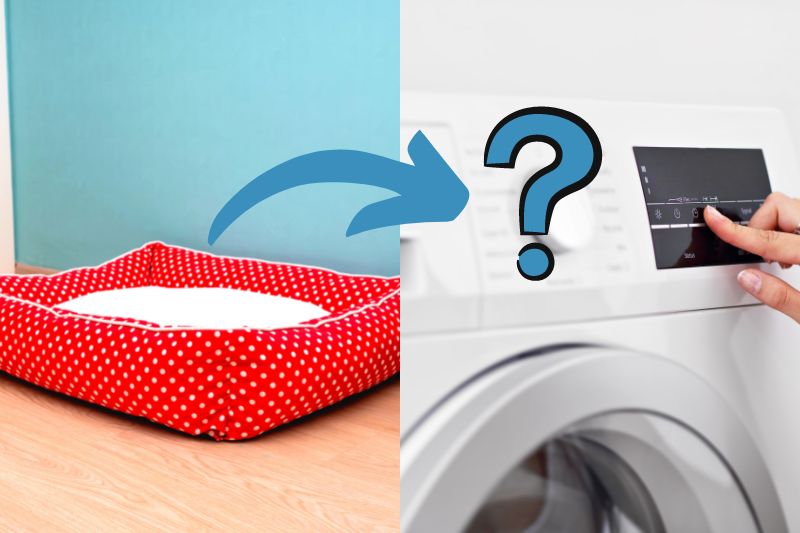
Image source: Bing (Web (fair-use with source credit))
Your couch is a hair magnet. The fabric weave gives hair plenty of surface area to grip, and the cushions trap hair in the crevices every time someone sits down. The good news?
You don't have to replace your furniture to fix this. You just need to make smart material choices and build a routine.
Choosing Couch Materials That Resist Hair
Leather and faux leather: These are the easiest surfaces to clean. Hair sits on the surface and wipes off with a damp cloth. No embedding, no static cling.
The downside is that leather can get scratched by pet claws, and it's not always the most comfortable option in warm climates.
Microfiber: This tightly woven synthetic fabric resists hair embedding better than most materials. Hair tends to sit on the surface, where it's easy to vacuum or wipe away. It's also durable and stain-resistant, making it a solid choice for pet owners.
Canvas and denim: These medium-weight fabrics are better than loose weaves, but they're not perfect. Hair can work its way into the weave over time. Washable slipcovers are your best friend here.
Loose weaves like chenille and bouclé: These are the worst for pet hair. The open weave acts like a net, trapping hair deep where vacuums can't reach. Avoid them if you have a heavy shedder.
Washable Throws: Your Best Defense
The most effective upholstery strategy is also the simplest. Cover your couch and chairs with washable throw blankets. Choose cotton, microfiber, or a cotton-poly blend.
Toss them in the wash weekly, and you've solved most of your upholstery problem.
This works because the throw catches the hair before it reaches the couch fabric. Hair embeds in the throw's fibers, but since the throw is removable, you can wash it out easily. The couch underneath stays clean because it never comes into direct contact with your pet.
How to Wash Pet Bedding and Blankets Properly
You can't just toss pet bedding in the wash and hope for the best. If you do, the hair will cling to other clothes in the load or clog your machine's drain filter.
Step 1: Shake the bedding outdoors first to remove loose hair.
Step 2: Wash in hot water, at least 140°F (60°C). This breaks down the oils in pet hair and dander.
Step 3: Add a half-cup of white vinegar to the rinse cycle. The vinegar loosens hair from fabric fibers and neutralizes odors.
Step 4: Dry on low heat with a dryer sheet. The dryer sheet reduces static cling, so hair is more likely to end up in the lint trap than on your other clothes.
Step 5: Clean the lint trap thoroughly after each load. If you have a front-load washer, check the rubber gasket and drain filter for hair buildup.
Mistakes That Make Shedding Worse
Even with the best routine, it's easy to make things harder on yourself. Here are the most common mistakes and what to do instead.
Over-Bathing Your Pet
Bathing removes natural oils from your pet's skin. When those oils are stripped, the skin dries out, becomes itchy, and your pet sheds more to compensate. Unless your pet is visibly dirty or has a medical condition, bathe once a month at most.
Use a pet-specific conditioner to keep the skin and coat healthy.
Using the Wrong Grooming Tool
A slicker brush works well for silky coats but does almost nothing for a thick double coat. It just skims the surface, leaving the undercoat intact. Match your tool to your pet's coat type.
Undercoat rakes have long, spaced teeth that reach deep into the fur and pull out loose undercoat. Grooming gloves work for short, smooth coats where the hair sits close to the skin.
Bathing Right Before Seasonal Blowout
If you bathe your double-coated dog right when the undercoat starts shedding, you're actually making things worse. The bath loosens the undercoat, and then it all comes out at once, flooding your home with fur. Brush thoroughly first, then bathe if needed.
The brush will remove the loose hair before the bath loosens more.
Ignoring HVAC Vents and Filters
Pet hair doesn't just land on your floors. It gets pulled into your HVAC system, where it clings to the filter and restricts airflow. A clogged filter makes your system work harder, which increases your energy bills and reduces indoor air quality.
Check your HVAC filter monthly, and replace it more often during shedding season.
Using the Wrong Vacuum Settings
Most vacuums have different height settings for different carpet pile types. If your vacuum is set too high, the brush roll won't make contact with the carpet. If it's set too low, the brush roll will struggle and lose suction.
Adjust the height until you hear the brush roll making consistent contact with the carpet.
Drying Pet Fabrics on High Heat
High heat sets odors and bakes hair into fabric fibers. Always dry pet bedding and blankets on low or medium heat with a dryer sheet. The goal is to reduce static, not to cook the fabric.
Expert Tips for Stubborn Situations
Some hair removal scenarios require a bit more finesse. These are the situations that leave people scratching their heads and reaching for duct tape in desperation.
Removing Embedded Hair from Car Upholstery
Car fabric is designed to be durable, which also means it holds onto hair aggressively. A pumice stone is your best tool here. Lightly drag it across the fabric surface, and it pulls hair up in clumps without damaging the fibers.
Follow up with a squeegee or rubber glove to gather the loosened hair.
Dealing with Hair in Tight Corners and Baseboards
Hair accumulates in the transition zones where floors meet walls. A dry microfiber cloth wrapped around a butter knife is a quick and effective way to sweep hair out of these tight spaces. For a more permanent solution, use a narrow crevice attachment on your vacuum weekly.
Managing Pet Hair When You Have Allergies
If you're allergic to pets, you're not just dealing with hair. You're dealing with dander, saliva proteins, and urine proteins that attach to hair follicles. These particles are tiny, easily become airborne, and trigger reactions when inhaled.
Run a HEPA air purifier continuously in the rooms where your pet spends the most time. Use the vacuum's HEPA filter, not just a standard filter, to prevent dander from blowing back into the air. And wash your hands after touching your pet, especially before touching your face.
Quick Fixes Before Guests Arrive
When guests are on their way and you need a fast cleanup, skip the full vacuum routine. Focus on the visible surfaces. Lint-roll the couch cushions, rubber-broom the high-traffic areas of the floor, and close the doors to rooms your pet frequents.
A quick pass with a damp microfiber mop on hard floors picks up hair fast.
Real-World Scenarios: What Works for Different Households
The theory is nice, but real life is messy. Here are three common household scenarios and the strategies that work best for each.
Scenario 1: Apartment Renter with a Shed-Heavy Cat
The setup: A 700-square-foot one-bedroom apartment with hardwood floors and a few area rugs. One long-haired domestic cat that sheds year-round.
The strategy: The renter can't change the flooring, so they focus on what they can control. They use a rubber broom daily for quick passes, which gathers hair into clumps without dragging out the vacuum. The area rugs get vacuumed twice a week with a handheld vacuum equipped with a turbo brush.
The cat's bedding is washed weekly in hot water. A small HEPA air purifier runs continuously in the bedroom.
The result: The renter spends 20 minutes a day on hair maintenance and sees a dramatic reduction in visible fur and airborne dander.
Scenario 2: Suburban Family with a German Shepherd and Kids
The setup: A 2,200-square-foot house with wall-to-wall carpet in the bedrooms and living room. One German Shepherd that blows its coat twice a year, and two kids who track in dirt.
The strategy: The family uses a robot vacuum for daily passes to keep hair from accumulating. They run it every morning before anyone is home. On weekends, they use an upright vacuum with a powered brush roll for deep cleaning.
During blowout season, they brush the dog outdoors daily with an undercoat rake and wash the bedding twice a week.
The result: The robot vacuum handles the daily accumulation, and the weekly deep clean catches the rest. The family reports that blowout season is manageable with 30 extra minutes of grooming per day.
Scenario 3: Senior Pet Owner with an Older Dog That Sheds More
The setup: A 1,100-square-foot single-level home with a mix of hard floors and low-pile carpet. A 10-year-old Labrador Retriever that has started shedding more in its senior years.
The strategy: The owner has limited mobility, so heavy vacuuming is difficult. They use a cordless stick vacuum for daily passes, which is lightweight and easy to maneuver. They also use washable throws on the couch, which can be picked up and washed without bending.
A professional cleaning service does the deep carpet cleaning every three months.
The result: The daily stick vacuum passes keep the floors tidy, and the washable throws handle the upholstery. The owner avoids the physical strain of heavy equipment.
Frequently Asked Questions
How often should I brush my pet to reduce shedding?
Brush your pet at least two to three times per week. During seasonal blowout periods, brush daily. The goal is to remove loose hair before it falls off and lands on your floors.
For double-coated breeds, use an undercoat rake to reach the dense undercoat beneath the topcoat.
Do air purifiers really help with pet hair?
Air purifiers don't remove hair from surfaces, but they capture airborne dander and fine hair particles. If you have allergies, a HEPA air purifier makes a meaningful difference. Look for a CADR rating that matches your room size, and run it continuously in the rooms your pet uses most.
Should I shave my pet to reduce shedding?
No. Shaving a double-coated breed can damage the coat and interfere with natural temperature regulation. The coat may not grow back the same way.
Instead, focus on regular brushing and bathing with pet-safe products to manage loose hair from the source.
How do I get pet hair out of the washing machine?
After washing pet bedding, run an empty hot water cycle with a cup of white vinegar to loosen any trapped hair. Check the rubber gasket and drain filter for hair buildup. If hair clings to other clothes, dry them on low heat with a dryer sheet, then run the dryer on a lint-clearing cycle and clean the trap.
What's the best vacuum attachment for pet hair?
A turbo brush attachment is the most effective for upholstery and carpet edges. It uses a spinning brush roll to mechanically agitate fibers and pull out embedded hair. For hard floors, a rubber-bristle nozzle works well because it creates friction that captures hair without scattering it.
How often should I wash my pet's bedding?
Wash your pet's bedding at least once a week. During seasonal shedding periods, wash it twice a week. Use hot water, at least 140°F (60°C), to break down the oils that bind hair to fabric.
Add a half-cup of white vinegar to the rinse cycle to loosen hair and neutralize odors.