
Image source: Bing (Web (fair-use with source credit))
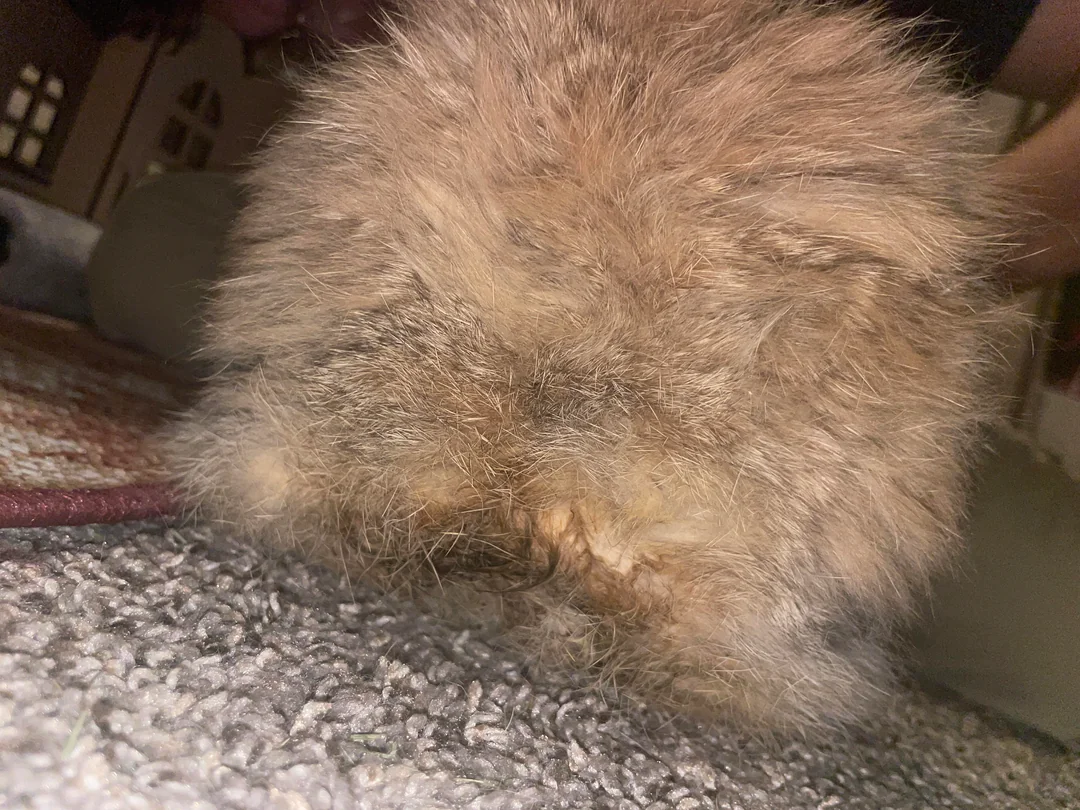
Your rabbit's been sitting in a messy patch of fur for a few days now, and you're staring at it wondering where to even start. You're not alone. Every rabbit owner hits this moment eventually, and figuring out how to trim a rabbit's matted bottom safely is one of those skills that feels intimidating until you actually understand what you're doing.
Here's the good news: with the right tools, a calm approach, and a clear understanding of rabbit anatomy, most mild to moderate matting can be handled at home in under ten minutes. As of 2026, veterinary guidelines from the House Rabbit Society and the Rabbit Welfare Association confirm that routine grooming maintenance is both expected and manageable for owners. The key is knowing when it's safe to proceed and when you need professional help.
Quick Answer
Trim a rabbit's matted bottom with blunt-tipped scissors or low-noise clippers. Lift the mat away from the skin with a comb before cutting. Stop immediately if the fur is wet, smells bad, or the skin looks red.
Those signs point to urine scald or flystrike risk, which needs a vet. Never pull or yank matted fur, as rabbit skin tears easily.
Why This Matters More Than You Think
The Flystrike Connection
Matted fur on a rabbit's bottom isn't just ugly. It's a genuine medical hazard. When feces and urine get trapped in tangled fur, they create the exact conditions that attract blowflies.
These flies lay eggs in the damp, soiled fur, and within 12 to 24 hours those eggs hatch into maggots that begin feeding on the rabbit's skin.
That condition has a name: flystrike, or myiasis. It's fast-moving, agonizing, and frequently fatal if not caught within hours. The Rabbit Welfare Association lists flystrike as one of the most urgent emergencies a rabbit owner can face.
It's not rare, either. Warm weather, outdoor housing, and long-haired breeds all raise the risk substantially.
Fragile Skin You Can't Afford to Ignore
Here's a fact that surprises most owners: rabbit skin is incredibly thin. It tears far more easily than cat or dog skin. Research from the University of Pennsylvania's School of Veterinary Medicine notes that rabbit skin lacks the tensile strength of other small mammals, which means even minor pulling or a clumsy scissor snip can rip it open.
A torn wound on a rabbit's rear is a nightmare to keep clean. It invites infection, attracts flies even faster, and can require surgical repair under anesthesia. That's why every expert source you'll find stresses the same thing: never yank, never pull, and never saw at matted fur.
The Urine Scald Problem
When matted fur traps urine against the skin, the moisture breaks down the skin's natural barrier. The result is a painful, inflamed rash called urine scald. You'll recognize it as red, raw, sometimes bald skin that looks like a bad diaper rash.
Urine scald on its own is treatable. But combined with matted fur, it becomes a vicious cycle. The scald makes grooming painful, so the rabbit stops cleaning itself.
The buildup gets worse. The scald spreads. And now you're dealing with a rabbit that's in significant discomfort and at much higher risk for flystrike.
Step 1: Assess the Damage Before You Touch Anything
Is This a Home Job or a Vet Job?
Before you pick up any scissors, stop and evaluate what you're actually dealing with. Not every matted bottom is safe to handle at home. The decision comes down to three things: how dry the fur is, how tight the mat is, and whether the skin underneath looks healthy.
Here's a quick decision guide:
| Condition | What It Means | Action |
|---|---|---|
| Dry fur, loose tangles | Surface matting, no skin involvement | Safe to trim at home |
| Dry fur, tight mat against skin | Mat is "pelting" close to the skin | Proceed carefully with scissors or clippers |
| Wet or damp fur | Urine trapped in the mat | Vet visit needed, flystrike risk |
| Strong odor | Bacterial infection or cecal buildup | Vet visit needed immediately |
| Red, raw, or bleeding skin underneath | Urine scald or open wound | Vet visit needed immediately |
| Visible maggots or eggs | Active flystrike | Emergency vet visit right now |
The Gentle Touch Test
Gently place your fingers on the mat and press down toward the skin. Does it move freely, or is it glued to the skin? If it's tightly adhered, you'll need to be extra careful.
Also check the fur's texture. Dry mats are easier to work with. Damp mats are dangerous because they signal ongoing urine exposure.
Know Your Rabbit's Temperament
Some rabbits tolerate handling remarkably well. Others panic at the slightest restraint. If your rabbit has a history of kicking, scratching, or bolting during nail trims, the grooming table is not the place to learn patience.
Consider whether a professional groomer or an exotic vet is the safer choice. A panicked rabbit can fracture its own spine during a kick. That's not an exaggeration.
It's a documented emergency in veterinary literature.
Step 2: Gather the Right Tools (And the Right Help)
The Essential Kit
You don't need a professional grooming station. You need four things, and three of them you probably already own.
| Tool | Why You Need It | Notes |
|---|---|---|
| Blunt-tipped scissors | Cutting mats without puncturing skin | Rounded tips are non-negotiable |
| Fine-toothed comb or slicker brush | Lifting the mat away from the skin for a safe cut | Metal combs work best |
| Towel | Restraint via the "bunny burrito" method | A standard bath towel works |
| Styptic powder | Stopping bleeding from an accidental nick | Available at pet stores |
Why Blunt-Tipped Scissors Are Non-Negotiable
Let's be crystal clear here. Those sharp kitchen scissors you use for everything else? Put them away.
Rabbit skin is so thin that a sharp point or a scissor blade pressed against it can puncture or slice without much pressure at all. Blunt-tipped scissors are designed so that even if the blade presses into the skin, the rounded tip won't break through.
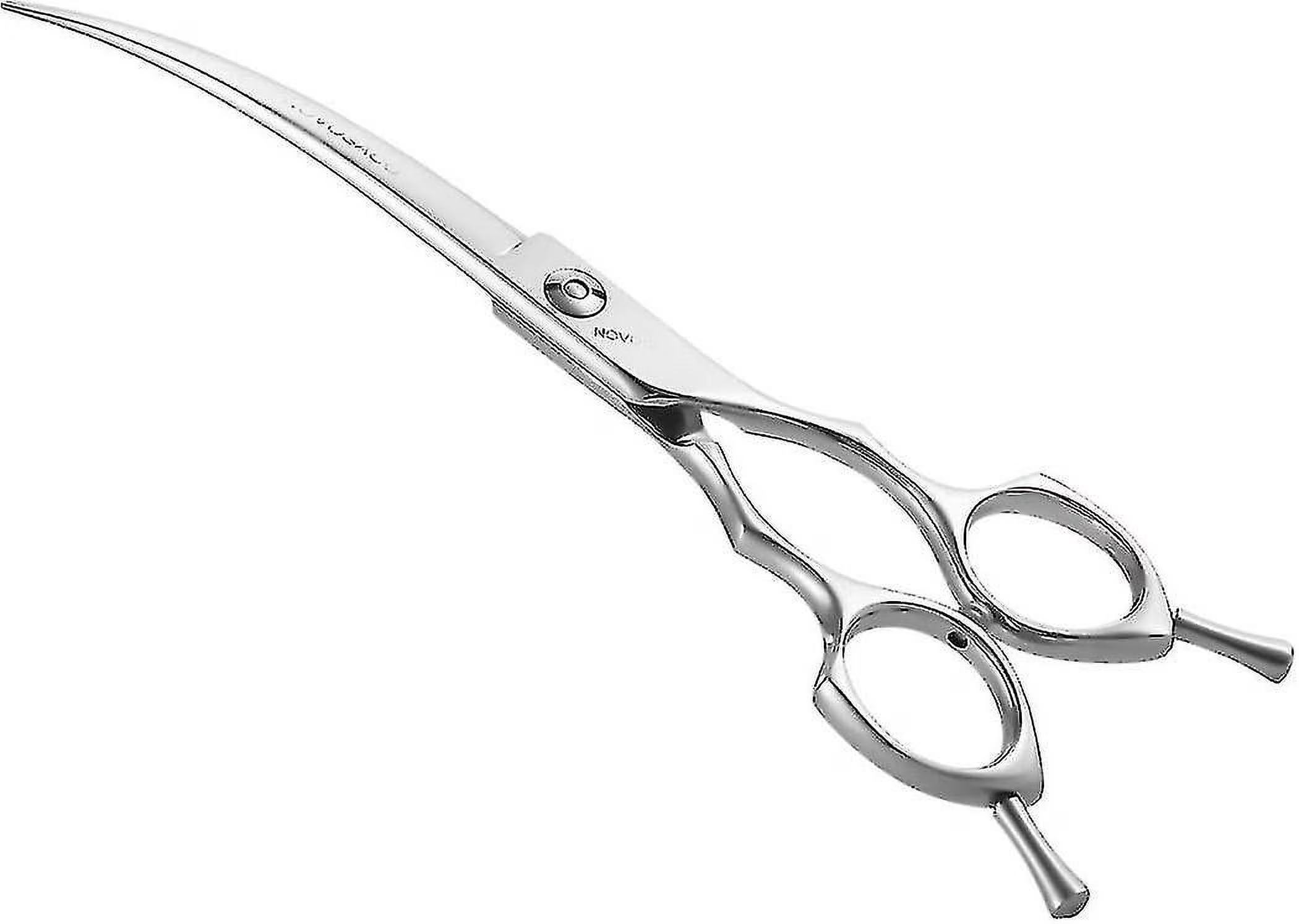
Image source: Bing (Web (fair-use with source credit))
Scissors vs. Clippers: Which Is Better?
Both tools work, but they're not interchangeable. Scissors give you precision and control, which makes them ideal for tight mats near delicate skin. Clippers, specifically low-noise small animal trimmers, are faster and reduce the risk of accidental snips.
But they come with their own risks. The vibration can spook rabbits, and heat from running blades can irritate sensitive skin if you work too long.
Here's the honest breakdown:
- Use scissors when you're working on a calm rabbit and need surgical precision.
- Use clippers when the mat is large, thick, or covering a broad area.
- Use clippers with a #10 blade for body work. Never use a #40 blade on the rear. It's too aggressive and will cut skin.
The Second Pair of Hands
If you can recruit a friend or family member, do it. One person holds the rabbit securely while the other trims. This cuts the risk of sudden movements dramatically.
If you're alone, the towel restraint method in the next section becomes absolutely essential.
Step 3: Safe Restraint — The "Bunny Burrito" Method
Why Restraint Matters More Than the Scissors
You can own the best scissors in the world, but if the rabbit is squirming, you're one twitch away from an injury. Restraint isn't about overpowering your rabbit. It's about creating a calm, secure environment that minimizes your rabbit's ability to hurt itself during a frightening process.
How to Wrap Your Rabbit Correctly
The "bunny burrito" is simple, effective, and used by veterinarians and groomers worldwide. Here's how to do it right:
- Lay a towel flat on a table or counter. Make sure the surface has good grip. A non-slip mat underneath helps.
- Place the rabbit gently in the center of the towel, facing forward.
- Bring one side of the towel over the rabbit's back, tucking the edge snugly against the body. Don't pull tight. Just enough to secure.
- Bring the other side over, crossing over the first. The rabbit's head should be exposed at the top.
- Fold the bottom edge up toward the rabbit's rear. This covers the back legs and prevents kicking.
- Hold the whole bundle with one arm, keeping the rabbit's rear end exposed for trimming.
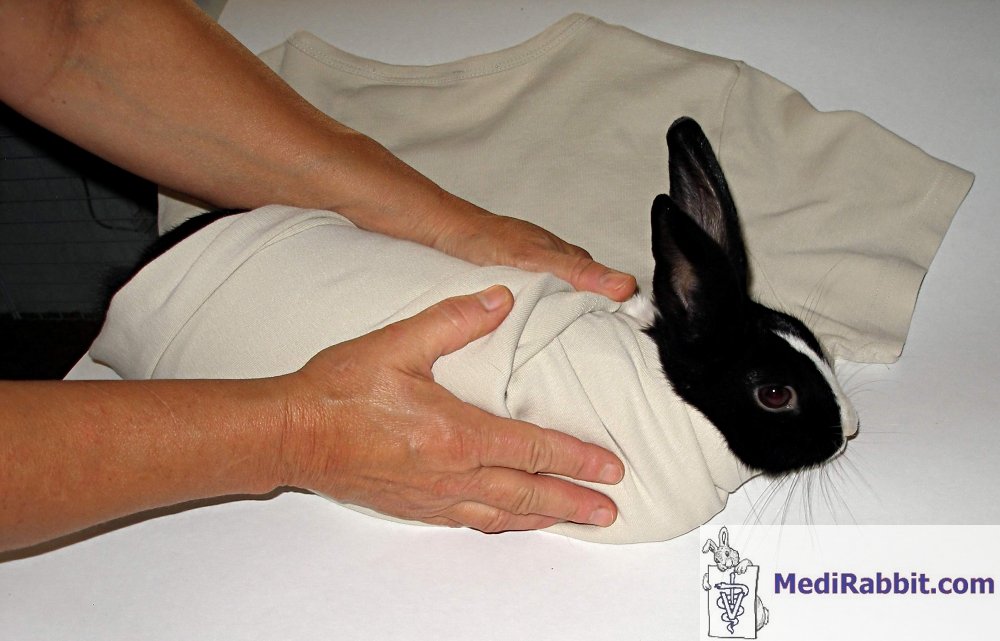
Image source: Bing (Web (fair-use with source credit))
Signs You're Restraining Wrong
The burrito method works only if you're doing it correctly. Watch for these signs that something's off:
- Rabbit is struggling violently: Ease off the pressure. You're holding too tight or the rabbit is too panicked.
- Rabbit is completely still but frozen: That's not calm. That's fear-induced immobility. Keep the session short and end on a positive note.
- Rabbit is kicking its back legs: The bottom towel fold isn't secure. Re-wrap.
Keep Sessions Short
Rabbits don't have a long tolerance for restraint. Plan for a five to ten minute session maximum. If you haven't made meaningful progress in that time, stop, let your rabbit decompress, and try again later.
It's better to make slow progress over two days than to create a traumatized rabbit that dreads handling forever.
Step 4: The Actual Trimming Process, Step by Step
The "Safety Scissor Lift" Technique
This is the single most important technique in the entire process. It's how you separate matted fur from delicate skin before you cut. Without it, you're cutting blind.
Here's the motion:
- Take your fine-toothed comb and slide it under the mat, between the fur and the skin.
- Gently lift the comb upward, raising the mat away from the body. The mat should be suspended on the comb's teeth.
- Keep the comb lifted with one hand. This creates a visible gap between the fur and the skin.
- Position your scissors in that gap, parallel to the skin, not pointing toward it.
- Snip carefully through the elevated mat. Cut with the tips pointing slightly away from the body.
The rule is simple: if you can't see a clear gap between the mat and the skin, don't cut. Keep combing and lifting until you can.
Cutting the Right Way
Angle matters more than most owners realize. The goal is to cut perpendicular to the skin's surface, never parallel. Cutting parallel to the skin, where your blade sweeps along the body, is how accidental nicks happen.
Work from the outside of the mat inward. Start with the loosest fur at the edges and work your way toward the densest center. This gradually reduces the mat's size without requiring a single deep cut.
What If Your Rabbit Wiggles Mid-Cut?
Stop cutting immediately. Remove the scissors from the area and let the rabbit settle. The moment a rabbit moves, your blade placement becomes unpredictable.
Those quick movements are exactly how injuries happen.
Set the scissors down entirely. Re-secure the burrito wrap and try again. If your rabbit remains agitated, end the session.
Tomorrow is another day. One more day of matting is safer than a jagged cut.
Handle the Tight Ones Last
Tight mats that sit flush against the skin are the hardest to handle. Sometimes you can't get a comb under them at all. In that case:
- Try clippers with a #10 blade. The flat surface can work under the mat better than scissors.
- If the mat is wet or crusted, skip home grooming entirely. Wet mats are nearly impossible to cut safely. The fur clumps and binds scissors.
- If the mat resists all attempts, call the vet. A vet can sedate the rabbit and shave the mat safely. That's always preferable to a home injury.
What to Do When You're Done Trimming
After the mats are removed, take a look at the exposed skin. Healthy skin should be pink, dry, and free of irritation. If you see redness, raw patches, or any sign of moisture, those signal urine scald and need attention.
For healthy skin, gently wipe the area with a warm, damp cloth to remove loose fur and debris. Pat dry thoroughly. If the skin is a little red, a thin layer of a rabbit-safe barrier cream can protect it while it heals.
Check with your vet first. Some human creams contain ingredients that are toxic to rabbits.
Step 5: Cleaning and Soothing the Area After the Trim
The Post-Trim Wipe Down
Trimming the mats is only half the job. The exposed skin needs a careful cleanup to prevent irritation from debris trapped underneath. Fill a small bowl with warm water, not hot, and wet a clean cloth.
Wring it out thoroughly and gently wipe the affected area. Use a fresh section of cloth for each pass to avoid spreading bacteria.
The Barrier Cream Question
Many rabbit owners reach for diaper rash cream after cleaning, but not all creams are safe. Zinc oxide is generally considered safe for rabbits when applied to intact skin, but some brands include pain relievers or other additives that are toxic. Always check with your vet before applying anything new to your rabbit's skin.
Vaseline or petroleum jelly is a safer bet. A thin layer creates a moisture barrier that protects the skin from urine contact, which gives the skin time to heal. Apply it only to clean, dry skin and avoid getting it on fur.
It can cause further matting if it spreads.
How Long Does Healing Take?
Minor irritation from matting typically resolves within three to five days of keeping the area clean and dry. Urine scald takes longer, often one to two weeks with consistent care. If you don't see visible improvement within that window, or if the area looks worse, schedule a vet visit.
Watch for Infection
Keep a close eye on the trimmed area for the next few days. Signs of infection include increased redness, swelling, discharge, or a strong odor. Any of these warrants a veterinary consult.
Rabbits hide pain remarkably well. Visible signs of discomfort mean the problem is already significant.
Common Mistakes That Send Rabbits to the Emergency Vet
Mistake 1: Using Sharp Scissors
This is the most common error and the most dangerous one. Standard household scissors have sharp points designed to pierce. Rabbit skin is delicate enough that a sharp point can easily create a wound.
Blunt-tipped scissors are non-negotiable. If you don't own them, buy a pair before you attempt anything.
Mistake 2: Pulling the Mat
Tugging at a mat with a brush, comb, or your fingers is a recipe for disaster. The fur is tightly woven and the skin is fragile. Pulling exerts force directly on the skin and can tear it.
Always cut. Never pull.
Mistake 3: Trimming a Wet or Dirty Mat
Wet fur binds together and becomes nearly impossible to cut cleanly. You'll find yourself sawing at the mat, which increases the risk of skin cuts. Wet conditions also often mean urine accumulation, which raises the risk of infection.
Dry fur is safe to trim. Wet fur needs a vet.
Mistake 4: Ignoring the Signs of Flystrike
If you see maggots, eggs, or even just damp, smelly fur on your rabbit's rear, that's not a grooming job. That's a medical emergency. Flystrike progresses rapidly and kills quickly.
Call your exotic vet immediately and explain the situation. They'll want to see you right away.
Mistake 5: Restraining Too Tightly
The burrito wrap is meant to secure, not crush. Restraint that's too tight stresses the rabbit and can restrict breathing. A struggling rabbit is at risk of spinal fracture.
The goal is a snug wrap that prevents kicking, not a compression that frightens the animal further.
Mistake 6: Skipping the Post-Trim Cleanup
Removing the mat without cleaning the skin underneath leaves dead skin cells, dried debris, and fur dust in place. This can trap moisture and slow healing. Always wipe down the area after trimming and check for signs of inflammation.
When to Stop and Call the Exotic Vet Immediately
The Red Flags You Can't Ignore
Some situations absolutely require professional veterinary care. These signs mean home grooming is too risky, and delaying professional help makes things worse. Keep this list somewhere you'll remember it:
- Wet or damp fur on the bottom: This indicates urine has been pooling against the skin, dramatically raising flystrike risk.
- A strong, foul odor: This suggests bacterial infection or severe cecal matting.
- Red, raw, or bleeding skin: This is urine scald or an already-open wound.
- Visible maggots or fly eggs: This is active flystrike, a life-threatening emergency.
- Your rabbit is lethargic, off its food, or hiding more than usual: Combined with a matted bottom, this points to systemic illness.
- The mat is so tight you cannot see skin underneath at all: Attempting to cut this at home risks serious injury.
Image source: Bing (Web (fair-use with source credit))
What the Vet Will Do
When you bring your rabbit in, the vet will likely sedate or anesthetize the rabbit to safely remove the matting, especially if it's severe. This is not overkill. It protects your rabbit from pain and prevents stress from a struggling rabbit.
The vet will also treat any underlying urine scald, prescribe antibiotics if an infection is present, and provide you with a prevention plan.
Why Self-Treatment Fails for Severe Mats
Severe mats, ones that are tight against the skin, wet, or actively causing skin damage, are exactly where home trimming fails. The risk of cutting the skin during removal is high. The risk of missing an underlying infection is high.
The risk of the rabbit struggling and injuring itself is highest. Professional care is the safest and often the most humane choice.
The Cost Factor
An exotic vet visit for sedation and grooming typically runs between $75 and $200 depending on your location and the extent of the work. That might sound steep, but consider the alternative. A single emergency visit for flystrike treatment can easily cost $500 or more and still might not save your rabbit.
Prevention is cheaper. Early intervention is cheaper. Waiting until the problem is severe is the expensive route.
Preventing Future Matting: Maintenance That Actually Works
Weekly Checks Are Non-Negotiable
The easiest way to avoid a matted bottom is to catch it early. Once a week, flip your rabbit over and inspect the rear area. Look for tangles, dampness, or any signs of poop stuck in fur.
Early tangles take seconds to address. Late mats take an hour and cause real stress.
Diet Affects the Bottom More Than You'd Think
Here's a connection most owners miss. A rabbit's diet directly controls its cecotropes, the soft, nutrient-rich feces that rabbits eat directly from their bottom. When a rabbit has too many carbohydrates or too little fiber in its diet, those cecotropes get sticky.
They smear into the fur and create matting.
The fix is straightforward: feed an unlimited supply of high-quality grass hay, primarily timothy hay, at least 80% of the diet. Limit pellets and sugary treats strictly. If you notice your rabbit's bottom getting sticky on a regular basis, dietary adjustment is the first place to look.
Long-Haired Breeds Need a Different Routine
Angoras, Lionheads, and Jersey Woolies are prone to matting by default. Their fur is denser and grows continuously. Owners of these breeds should plan to check the rear area every two to three days, not just weekly.
Daily brushing is ideal during heavy shedding seasons in spring and fall.
The Older Rabbit's Grooming Challenge
Senior rabbits often develop arthritis that makes it painful to reach around and groom. Obese rabbits can't physically reach their rear ends. Both situations require more frequent owner intervention.
A rabbit that can't groom itself will rely on you entirely to keep its bottom clean.
When to Bring Out the Clippers Preemptively
Some owners find it easier to maintain a short, neat patch of fur on the rabbit's rear year-round. This is called a "sanitary trim" and it's a legitimate, vet-approved strategy for rabbits prone to matting. If you go this route, you'll be shaving the area every four to six weeks.
Learn the technique from your vet or a professional groomer first. Precision matters.
Post-Surgery Care
Rabbits recovering from spay, neuter, or other surgeries often stop grooming themselves for a few days. Anesthesia, pain, and stress all suppress the urge. Plan to assist with grooming during this window.
Keep the rear clean and dry. Check twice daily during recovery.
Frequently Asked Questions
How often should I check my rabbit's bottom for matting?
Weekly checks are the minimum for healthy rabbits with short hair. Long-haired breeds, senior rabbits, and overweight rabbits need checks every two to three days. If your rabbit has a history of urine scald or matting, daily visual checks are the safest routine.
Can I use human scissors to trim my rabbit's matted fur?
No. Human scissors typically have sharp points that can easily puncture or tear delicate rabbit skin. You need blunt-tipped scissors designed for grooming.
They have rounded tips that won't break the skin even if pressed directly against it.
What is flystrike and why is it so dangerous?
Flystrike, also called myiasis, happens when blowflies lay eggs in damp, soiled fur on a rabbit's rear. The eggs hatch into maggots within 12 to 24 hours, and the maggots begin eating the rabbit's skin and flesh. It's painful, spreads quickly, and can kill a rabbit within 24 to 48 hours.
Emergency veterinary treatment is essential.
Is it okay to bathe a rabbit to clean a matted bottom?
Do not bathe a rabbit. Rabbits are extremely sensitive to temperature changes and stress. Bathing can trigger shock, hypothermia, or fatal heart issues.
Wet fur also worsens matting. Instead, clean the area with a warm, damp cloth after trimming, or consult your vet for safe alternatives.
What should I do if I accidentally cut my rabbit's skin?
Apply gentle pressure with a clean cloth and use styptic powder to stop the bleeding. Clean the wound with a diluted antiseptic solution, then contact your exotic vet. Rabbit wounds can become infected quickly.
Professional evaluation is important even for small cuts.
Why does my rabbit keep getting a messy bottom despite regular trimming?
Persistent matting usually points to an underlying issue. Check your rabbit's diet for excess pellets or treats, which create sticky cecotropes. Also consider mobility problems like arthritis or obesity that prevent self-grooming.
If the problem persists, a veterinary exam can help identify the root cause.