
Your cat's coat is a mess. The shedding is out of control, and you're staring at a mat that's getting tighter by the day. Now you're stuck wondering about cat grooming at home vs professional, and whether you can handle this yourself or if it's time to call in backup.
It's a fair question. Professional cat grooming services charge anywhere from $40 to $90 per session as of 2026, while a full set of home grooming tools runs about $50 to $150 one-time. But the real cost isn't just money.
It's your cat's stress level, your patience, and the risk of accidentally hurting them with the wrong tool. Let's figure out which path actually makes sense for your specific situation.
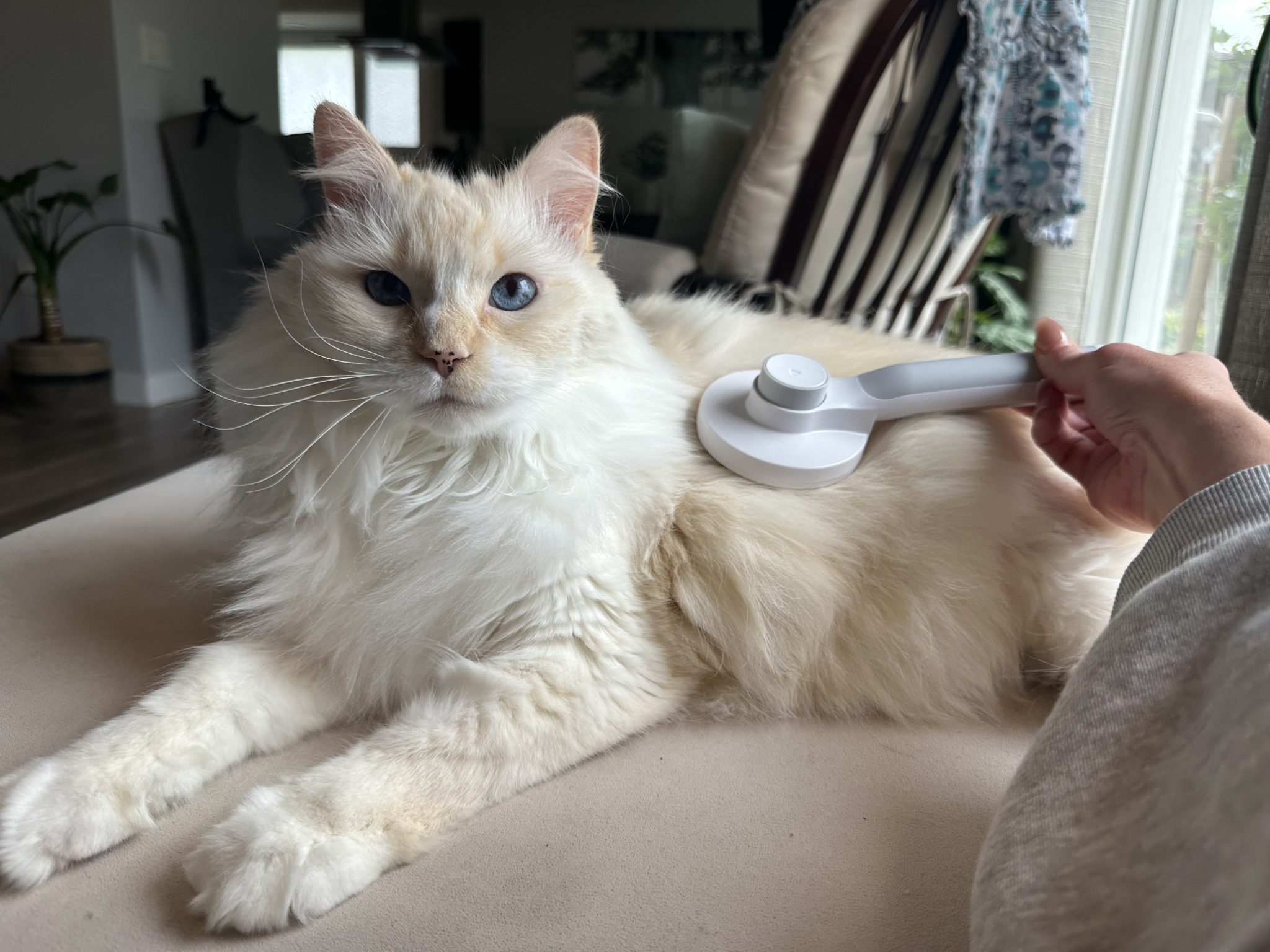
Image source: Bing (Web (fair-use with source credit))
Quick Answer
Home grooming works for regular maintenance on cooperative cats. Professional grooming wins for severe matting, lion cuts, and cats that turn grooming into a fight. Most cat owners end up doing a mix of both.
Brush your cat at home several times a week. Call a pro for deep dematting, sanitary trims, or nail trims if your cat resists. The decision depends on your cat's coat, temperament, and your comfort level.
Before You Decide: 4 Questions That Change Everything
Does Your Cat's Coat Type Demand Professional Tools?
Not all cat fur is created equal. A domestic shorthair with a single coat is a completely different grooming project than a Persian with a dense double coat that mats if you look at it wrong.
Here's the breakdown by coat type:
| Coat Type | Examples | Grooming Needs | Home DIY Feasibility |
|---|---|---|---|
| Short single coat | Domestic Shorthair, Siamese, Bengal | Light brushing 2-3 times weekly | Very feasible |
| Short double coat | British Shorthair, American Shorthair | Weekly brushing, seasonal deshedding | Feasible with the right tools |
| Medium coat | Ragdoll, Turkish Angora | Brushing every 2-3 days | Feasible with daily commitment |
| Long single coat | Persian, Himalayan | Daily brushing required | Challenging but possible |
| Long double coat | Maine Coon, Siberian | Daily brushing plus seasonal deshedding | Hard; professional help often needed |
| Curly or wire coat | Devon Rex, Cornish Rex | Gentle brushing, minimal shedding | Easy, but skin care needed |
If your cat falls into the long-haired categories, ask yourself honestly whether you can commit to daily brushing forever. If the answer is no, a professional groomer every 4 to 6 weeks becomes a necessary expense, not a luxury.
How Does Your Cat Handle Being Handled?
Some cats tolerate brushing, nail trims, and even baths with remarkable patience. Others act like you're trying to skin them alive.
Before you commit to the DIY route, run a quick temperament test. Pet your cat's paws, ears, and tail. See how long they tolerate it.
Try a few gentle brush strokes on their back. Watch for the warning signs:
- Tail flicking rapidly
- Ears flattening back
- Skin rippling along the back
- Hissing or growling
- Dilated pupils
- Trying to escape or swat
If your cat shows multiple stress signals within seconds, home grooming will be a battle every single time. That doesn't mean it's impossible, but it means you'll need to invest in desensitization training before you can safely handle basic grooming. Meanwhile, a professional groomer with proper restraint techniques and feline handling experience can get the job done in a fraction of the time.
What's Hiding Under the Fur?
Here's something most people overlook. Grooming isn't just about looking pretty. It's a full-body health check.
When you brush your cat at home, you're running your hands over every inch of their body. That's how you catch small lumps, skin irritation, fleas, ticks, and wounds early. A professional groomer does the same thing, and many are trained to spot abnormalities that owners miss.
Regular grooming sessions give you a chance to check:
- Skin for bumps, scabs, or redness
- Ears for dirt, wax buildup, or signs of mites
- Eyes for discharge or cloudiness
- Teeth and gums for tartar or inflammation
- Paws for cracked pads, overgrown nails, or foreign objects
If you're diligent about these checks, home grooming gives you an advantage no professional can match. You see your cat every day. You know what's normal for them.
That familiarity catches problems early.
What's Your Real Time Budget?
Let's be honest about time. Brushing a short-haired cat takes 5 to 10 minutes per session. A long-haired cat needs 15 to 30 minutes daily.
When you add nail trims every 2 to 3 weeks and occasional baths, you're looking at several hours per month dedicated to grooming.
A professional session takes 60 to 90 minutes, but you're not the one doing the work. You drop off or book a mobile groomer, and it's handled. For busy professionals, parents, or anyone caring for multiple pets, that convenience is worth real money.
If your schedule is packed and you find yourself skipping grooming sessions repeatedly, that's a strong signal to book a professional. An un-groomed cat develops mats, which can lead to skin infections, painful pulling, and eventually the need for veterinary sedation.
The At-Home Grooming Path: What You Can Handle Yourself
Essential Tools You Actually Need
Walking into a pet store and seeing the grooming aisle can be overwhelming. There are dozens of brushes, combs, clippers, and shampoos. Here's what you actually need for basic at-home grooming, without the fluff.
| Tool | Purpose | Price Range | Notes |
|---|---|---|---|
| Slicker brush | Removes loose fur and tangles | $8-$20 | Look for fine, bent wires with rounded tips |
| Undercoat rake | Removes dead undercoat fur | $10-$25 | Essential for double-coated breeds |
| Metal comb | Detects mats and checks for fleas | $5-$15 | Wide-tooth on one end, fine-tooth on other |
| Nail clippers | Trims claws | $10-$25 | Guillotine style for small cats, scissor style for larger |
| Styptic powder | Stops bleeding if you cut the quick | $5-$10 | Keep this in your grooming kit always |
| Grooming wipes | Quick clean between baths | $5-$12 | Cat-safe, unscented preferred |
| Cat-safe shampoo | For occasional baths | $8-$20 | Never use human shampoo |
Skip the electric clippers at first. Unless you're committed to learning how to do a full lion cut or sanitary trim, clippers are an unnecessary expense. Most home grooming accidents involving mats happen when owners try to shave them off without proper training.
Step-by-Step: A Calm, Safe Grooming Routine
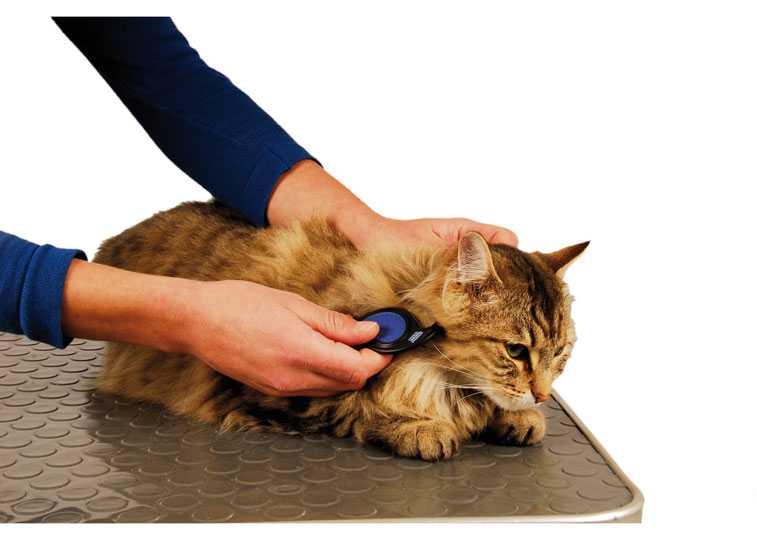
Image source: Bing (Web (fair-use with source credit))
The key to successful home grooming is consistency and calm. Start when your cat is relaxed, ideally after a meal or when they're sleepy.
Step 1: Prepare your space
Set up a non-slip surface like a towel or a rubber mat. Have all your tools within reach. If your cat is anxious, spray a calming pheromone product about 15 minutes beforehand.
Step 2: Start with gentle petting
Run your hands over your cat's coat first. This helps them settle and lets you feel for mats, bumps, or sensitive areas. It also mimics how cats groom each other.
Step 3: Brush in layers
Start with the slicker brush on the back and sides. Work in the direction of hair growth. For double-coated cats, follow up with the undercoat rake.
Then use the metal comb to check your work and catch any tangles the brushes missed.
Step 4: Handle problem areas last
The belly, armpits, and back legs are sensitive zones. Most cats tolerate these late in the session, once they've accepted that brushing isn't painful. If you hit a mat, hold the skin taut and work the comb through gently.
Never yank.
Step 5: End with a treat
Always finish grooming on a positive note. Give your cat a high-value treat and some chin scratches. This builds a positive association that makes future sessions easier.
How Often to Groom by Coat Type
The frequency question comes up constantly. Here are the veterinary guidelines we've consolidated.
Short-haired cats: Brush 2 to 3 times per week. This removes loose fur, distributes skin oils, and reduces hairballs. Nail trims every 2 to 3 weeks.
Baths only when visibly dirty, roughly every 4 to 6 weeks.
Medium-haired cats: Brush every 2 to 3 days. Pay extra attention to the belly and behind the ears, where mats form first. Nail trims every 2 to 3 weeks.
Long-haired cats: Brush daily for 10 to 15 minutes. Full comb-through weekly. Personal grooming habits vary, but daily is the safest routine to prevent mats.
Nail trims every 2 weeks. Sanitary trims every 4 to 6 weeks.
Double-coated cats: Brush daily during shedding season, which typically peaks in spring and fall. The undercoat rake is essential during these windows. Some owners use a de-shedding tool like the FURminator weekly, but avoid overuse, as it can irritate the skin if used too aggressively.
Senior cats: Adjust frequency based on mobility. Older cats may struggle to groom themselves and need more help. Shorter, more frequent sessions work better than one long session.
The Bonding Bonus: Why DIY Grooming Builds Trust
Here's a benefit that doesn't show up on a receipt. Regular home grooming is one of the fastest ways to deepen your bond with your cat.
Cats are naturally social groomers. When a cat grooms another cat, it's a social gesture that reinforces trust and belonging. By brushing your cat regularly, you're engaging in a behavior that mirrors their natural social rituals.
Aggregate owner reviews and veterinary behavior studies both reinforce this. Cats that receive regular, gentle grooming from their owners tend to be more tolerant of handling overall. They're easier to medicate, easier to examine, and less stressed at veterinary visits.
The key is making every session positive. Start small. Keep sessions short.
Always end with treats. Over time, your cat will start approaching you when they see the brush come out. That's a win that no professional groomer can give you.
The Professional Route: When It's the Smarter Call
What a Pro Does That You Can't (or Shouldn't) Do

Image source: Bing (Web (fair-use with source credit))
Let's be real about the limits of home grooming. There are tasks that require professional equipment, experience, and safety protocols most owners simply don't have.
Dematting severe mats: When mats form close to the skin, they create a tight, painful layer that tugs with every movement. Removing them with a comb causes intense pain. Professional groomers use specialized de-matting tools and sometimes clippers to remove mats safely.
In extreme cases, the only option is shaving the entire coat, a procedure that is dangerous to attempt at home without experience.
Lion cuts and full body clips: This involves using electric clippers over the entire body, including sensitive areas like the belly, genitals, and tail. A single wrong move causes a deep cut. Professional groomers train extensively on proper clipper technique and blade selection.
Sanitary trims: Keeping the fur around the genitals and anus trimmed prevents feces and urine from matting into the fur. Doing this safely requires a steady hand, proper restraint, and familiarity with the cat's anatomy.
Deep deshedding treatments: Professional deshedding treatments use special tools and techniques that remove significantly more dead undercoat than home brushing. They can reduce shedding by up to 90% for weeks after a session.
Nail trims on difficult cats: Some cats absolutely refuse to have their paws touched. Professional groomers have restraint equipment and years of experience handling resistant cats. A frustrated owner wrestling with a cat and a pair of clippers is how accidental cuts happen.
Dematting, Lion Cuts, and Sanitary Trims: Leave It to the Experts
Think about this. A mat that's been left alone for weeks is essentially felted fur pressed against the skin. Moisture gets trapped underneath, creating the perfect environment for bacterial or fungal skin infections.
The skin itself becomes irritated, sometimes raw, and painful.
When you attempt to demat at home, you're fighting the cat's natural pain response. They'll bite, scratch, or thrash. That's when accidents happen.
A slip of the scissors can slice skin, requiring stitches.
Professional groomers have the tools and techniques to handle this safely. They use clippers with specific blade lengths designed to lift mats away from the skin without pulling. They know when to stop and recommend a vet instead if the mats are dangerously tight or the skin underneath is damaged.
What Happens During a Professional Session
If you've never taken a cat to a professional groomer, here's what the experience looks like.
The session typically begins with a consultation. The groomer assesses your cat's coat condition, checks for mats, and asks about temperament. They'll discuss what you want: a full groom, just a sanitary trim, nail trim, or dematting.
The grooming itself takes 60 to 90 minutes for most cats. That includes brushing, dematting if needed, nail trims, ear cleaning, and often a bath with cat-safe shampoo. Some groomers offer additional services like teeth brushing, gland expression, or fur dyeing (yes, that's a thing, though we don't recommend it).
Most cats are groomed on a non-slip table with a grooming loop for safety. This is a gentle restraint that keeps the cat calm and prevents falls. Experienced cat groomers keep sessions moving quickly to minimize stress.
Afterward, the groomer reviews the session with you. They'll point out any skin issues, ear problems, or matting concerns they noticed. This feedback is valuable, as it gives you a professional assessment of your cat's health.
How to Pick a Cat-Savvy Groomer
Not all groomers are created equal. Many groomers primarily work with dogs and only accept cats occasionally. You want a groomer who genuinely understands feline behavior.
Here's what to look for:
- Feline-specific experience: Ask directly how many cats they groom per week. A cat-savvy groomer will handle cats regularly, not just occasionally.
- Certification: Look for certifications from organizations like the National Cat Groomers Institute of America or the International Professional Groomers Inc. These indicate formal training in feline grooming techniques.
- Calm approach: A good cat groomer does not muzzle, sedate, or force a terrified cat. They work with the cat's energy and will stop if the cat is too distressed.
- Clean facility: Visit the salon first. It should be clean, organized, and free of strong odors.
- References and reviews: Check online reviews and ask for references from other cat owners. Word of mouth from fellow cat people is the strongest signal.
- Stress protocol: Ask what they do for anxious cats. Do they use calming pheromones? Quiet rooms? Separate schedules for cats and dogs?
Avoid groomers who advertise "cats welcome" but don't have dedicated cat handling experience. Across multiple regions, the most common cause of grooming-related cat injuries is groomers who approach cats like they're small dogs.
The Cost Breakdown: Real Pricing for Both Paths
Money is a real factor in this decision. Let's talk numbers based on current market rates as of 2026.
Upfront Tool Costs for At-Home Grooming
The initial investment for home grooming is modest. A basic but quality toolkit runs $50 to $150 depending on brand and where you shop.
Here's a realistic breakdown:
| Tool | Budget Option | Mid-Range |
|---|---|---|
| Slicker brush | $8 | $15 |
| Undercoat rake | $10 | $20 |
| Metal comb | $5 | $12 |
| Nail clippers | $10 | $20 |
| Styptic powder | $5 | $8 |
| Cat shampoo | $8 | $15 |
| Grooming wipes | $5 | $10 |
| Total | $51 | $100 |
Add another $20 to $40 if you want a de-shedding tool like a FURminator. These tools last for years if properly maintained, so the ongoing cost is essentially zero.
Per-Session Professional Rates
Professional cat grooming is pricier than dog grooming due to the specialized handling required. Rates vary by region, but here are typical price ranges:
| Service | Salon Rate | Mobile Grooming Rate |
|---|---|---|
| Basic brush-out | $40-$60 | $60-$90 |
| Full groom (brush, bath, nails, ears) | $50-$80 | $75-$110 |
| Dematting (per mat or hourly) | $15-$30 per mat | $20-$40 per mat |
| Lion cut / full shave | $70-$120 | $100-$150 |
| Nail trim only | $10-$15 | $15-$25 |
| Sanitary trim only | $10-$20 | $15-$25 |
Mobile groomers charge a premium for the convenience of coming to your home. That price tag typically runs $20 to $40 higher than salon rates. The trade-off is that your cat never has to ride in a car or sit in a waiting room around barking dogs.
The Hidden Cost of Skipping Grooming
The cheapest option is doing nothing. But that costs you more in the long run.
A cat with severe matting will likely need to be sedated for a vet to shave the mats off. That procedure costs $200 to $500 depending on the level of sedation needed and the extent of the work. Add in costs for skin infection treatment if mats have caused irritation, and you're looking at a hefty vet bill.
Similarly, overgrown nails can curl into the paw pad, causing pain and infection. Treating that requires medication and sometimes surgery. Regular nail trims prevent this entirely.
Routine professional care at roughly $60 per visit every 6 to 8 weeks works out to about $400 to $500 per year. That's a predictable expense that prevents surprise emergencies. Compare that to a single vet visit for dematting under sedation, which can blow past that amount in one afternoon.
For most cat owners, a blend of home brushing and occasional professional visits costs less than emergency veterinary care, and it saves your cat the pain and stress of severe grooming neglect.
Common Mistakes That End in Fur, Fear, or a Vet Visit
Scissor Slips and Skin Nicks
One of the most dangerous things you can do is put scissors near your cat's skin. Cats have thin, loose skin. A single wrong move can create a wound that requires stitches.
This is especially true when you're trying to cut out a mat that's close to the skin. You cannot see what you're cutting. The cat is moving.
The risk is simply too high.
If you must use scissors for loose fur between the toes, use blunt-tipped scissors and go slowly. For anything close to the skin, call a professional.
Over-Bathing and Stripping Natural Oils
Cats are naturally clean animals. They spend up to 50% of their waking hours grooming themselves. They don't need regular baths like dogs do.
Bathing too frequently strips the natural oils from their skin and coat. This leads to dry, itchy skin, dandruff, and a dull coat. It can also trigger overproduction of oil as the skin tries to compensate, making the coat greasy and prone to matting.
Baths should be occasional. Once every 4 to 6 weeks is plenty for most cats. Use only cat-safe shampoo.
Human shampoo has a different pH balance and can seriously irritate feline skin. According to the ASPCA Animal Poison Control Center, many human grooming products contain ingredients that are toxic to cats if ingested during self-grooming.
Forcing the Groom on a Terrified Cat
Here's a scenario we see often. An owner pins a cat down, forces through a brush session, and ends up scratched, bitten, and frustrated. The cat now associates brushing with terror.
Every future session gets harder.
If your cat is exhibiting stress signals, stop. Give them space. Try again later with a calmer approach.
Break the session into tiny steps. Brush for 30 seconds, give a treat, and stop. Build up gradually.
Some cats simply need professional handling. There's no shame in that. Forcing the issue only makes everything worse and can permanently damage your relationship with your cat.
Ignoring the "Hidden" Areas
Most owners focus on the back and sides when brushing. The belly, armpits, behind the ears, and the back legs are easy to miss. These are exactly where mats form first.
The armpits are the worst offenders. The skin folds create friction, and the fur mats quickly. Mats here are painful and easy to miss until they're sizable.
Make a habit of checking these areas every time you groom.
The ears are another overlooked spot. Long-haired cats often develop mats behind their ears. This area is sensitive, so cats resist brushing there.
Regular, gentle attention prevents painful mats from forming.
The Mixed Approach: Combining Both Without Overlap
Home Maintenance Between Professional Sessions
The smartest approach for most cat owners is a hybrid strategy. You do regular home maintenance. A professional handles the heavy lifting.
This looks like:
- Home: Daily brushing for long-haired cats, 2-3 times weekly for short-haired cats
- Home: Nail trims every 2-3 weeks (if your cat tolerates it)
- Home: Weekly skin and coat checks
- Professional: Full groom or deshed treatment every 6-8 weeks
- Professional: Dematting and sanitary trims whenever needed
- Professional: Lion cuts or full shave-downs seasonally for heavily matted cats
This combination keeps your cat's coat in good shape between professional visits and minimizes what a professional needs to do. It also means your cat builds a positive association with being handled, which makes professional grooming easier too.
Seasonal Strategy: When to DIY, When to Outsource
Shedding isn't constant. Cats typically blow their coats twice a year, in spring and fall. This is when the undercoat sheds heavily and mats are most likely to form.
During peak shedding, increase your home brushing frequency. For long-haired cats, daily brushing becomes non-negotiable. An undercoat rake is essential during these windows.
If you fall behind, mats form fast. Book a professional deshedding treatment before mats become a problem.
In the winter and summer, when shedding is lighter, you can ease off. Brushing a few times a week is usually enough. Professional visits can stretch to every 10 to 12 weeks.
Setting a Routine That Works for Both You and Your Cat
Consistency beats intensity every time. Fifteen minutes of calm brushing daily is far better than an hour-long session once a month. Your cat learns to expect grooming as part of their routine, and their tolerance builds over time.
Pick a time of day when your cat is naturally calm. For many cats, that's after a meal or when they're just waking up. Keep the session short and end on a positive note with a treat or play session.
For professional grooming, find a groomer you trust and book regular appointments in advance. This helps the groomer learn your cat's personality and handle them more effectively over time.
Safety First: Handling, Restraint, and Knowing When to Stop
Reading Your Cat's Stress Signals
Cats are masters at hiding discomfort. By the time your cat is hissing or swatting, they've already been stressed for a while. Learning to read the subtle signs prevents escalation.
Watch for:
- Tail flicking: A slow, deliberate tail flick is an early warning sign
- Ears rotating sideways: This signals anxiety or irritation
- Dilated pupils: Indicates arousal, fear, or distress
- Skin rippling: The skin along the back twitches or ripples
- Low growl: A warning that a bite or scratch is coming
- Flattened ears: This signals extreme fear or aggression
- Freezing: The cat goes completely still, preparing to defend itself

Image source: Bing (Web (fair-use with source credit))
If you notice any of these signs, stop what you're doing. Give your cat space. End the session on whatever neutral note you can manage.
Forcing a stressed cat to continue will only increase their fear and make future attempts harder.
Safe Restraint Techniques
Proper restraint keeps both you and your cat safe. It should be firm enough to prevent escape but gentle enough to avoid adding to the cat's stress.
For brushing sessions, position your cat on a non-slip surface. A towel on a table or counter works well. Many cats feel more secure with their feet on a solid surface rather than being held in the air.
Use your non-dominant arm to gently drape across your cat's shoulders. This prevents them from lunging forward, without pinning them down.
For nail trims, wrap your cat in a towel burrito. This limits their ability to scratch and gives you access to one paw at a time. Unwrap only the paw you're working on.
Avoid scruffing, unless you've been specifically trained. The American Association of Feline Practitioners (AAFP) no longer recommends scruffing as a routine handling technique. It increases stress and fear in most cats and does not provide adequate restraint for grooming procedures.
Red Flags That Warrant a Vet Before Any Grooming
Sometimes grooming should wait. The cat needs a vet first. Get medical attention before any grooming if you notice:
- Open sores or wounds under a mat
- Fleas or ticks in large numbers
- Red, inflamed, or oozing skin
- Severe matting that's clearly painful and tight to the skin
- Lumps or bumps that you cannot identify
- Discharge from the ears or eyes
- Difficulty moving or signs of arthritis that could be aggravated by handling
- Excessive licking or chewing at the skin
A groomer is not a vet. A professional groomer will refer you to a veterinarian if they notice these issues. You should do the same before attempting any grooming at home.
Real Scenarios: Which Situation Are You In?
Senior Cat With Arthritis: Hands-On Care or Pro Help?
Grooming a senior cat takes extra care. Arthritis makes it painful for them to twist and reach certain areas. They may develop mats along the back and hindquarters that they can no longer reach.
They may also become more sensitive to handling.
If your senior cat has mobility issues, professional grooming is often the kindest option. A groomer can do a full sanitary trim and gently remove mats without forcing the cat into painful positions. Between professional visits, keep home grooming gentle and brief.
Focus on the areas your cat cannot reach.
Your vet can also help. Some senior cats benefit from regular grooming under light sedation if they have severe mats or cannot tolerate handling at all.
Long-Haired Breeds (Persian, Maine Coon): The Daily Battle
If you have a Persian or a Maine Coon, you already know the struggle. These breeds have long, dense coats that require daily attention. Missing even a few days can lead to tangles that quickly become mats.
Home grooming is essential for these breeds. You need to be comfortable with slicker brushes, undercoat rakes, metal combs, and regular sanitary trims. But even the most dedicated owners fall behind sometimes.
That's when a professional becomes invaluable.
For long-haired breeds, professional grooming every 4 to 6 weeks is the standard recommendation. Regular deshedding treatments reduce loose fur in your home and prevent severe matting. This is particularly important during seasonal coat blows.
Short-Haired Cat With Heavy Seasonal Shedding
Short-haired cats still shed. Some shed a lot, especially during spring and fall coat blows. The fur seems to get everywhere.
Your clothes, your furniture, and your lungs.
Home brushing with a slicker brush or a grooming glove can handle much of this. Brush 3 to 4 times weekly during peak shedding. A rubber curry brush also helps by grabbing loose hair before it ends up on your couch.
If you're finding hair everywhere despite regular brushing, a professional deshedding treatment can help. Groomers use vacuums and specialized tools that remove significantly more undercoat than home brushing can. The results last for weeks, giving you a break from the constant fur tumbleweeds.
The Anxious Cat That Hates Every Brush
Some cats simply cannot tolerate grooming, no matter how patient you are. This can stem from negative early experiences, health issues, or a high-stress personality.
For these cats, forcing the issue at home is counterproductive. It damages trust and makes the cat even more resistant. A professional cat groomer who is experienced with anxious cats may be able to handle them more successfully.
They have the equipment, experience, and calm energy that these cats often need.
In severe cases, consult your vet. They may recommend anti-anxiety medication for grooming sessions or a mild sedative for professional appointments. This makes grooming safe for the cat and the groomer.
Frequently Asked Questions
How often should I groom my cat?
Short-haired cats need brushing 2 to 3 times per week. Long-haired cats need daily brushing to prevent mats and tangles. Nail trims are needed every 2 to 3 weeks for all cats.
Baths are only necessary when visibly dirty, roughly every 4 to 6 weeks.
Is it safe to shave a double-coated cat?
Shaving a double-coated cat is generally not recommended for healthy cats. The undercoat grows back faster than the guard coat, which can cause skin irritation and matting as it regrows. However, shaving is sometimes medically necessary for severe matting or skin conditions.
Always consult your vet before shaving a double-coated cat.
Can I use dog shampoo on my cat?
No. Dog shampoo can irritate a cat's skin. Cats and dogs have different skin pH levels.
Dog shampoo may contain ingredients that are toxic to cats if ingested during grooming. Always use shampoo specifically formulated for cats. When in doubt, choose a waterless cat shampoo.
What should I do if I cut the quick while trimming nails?
Apply styptic powder immediately to the nail tip. This stops bleeding quickly. If you don't have styptic powder, cornstarch or flour can work as a temporary substitute.
Keep the cat calm and quiet for a few minutes afterward. The bleeding should stop within 5 minutes. If bleeding doesn't stop, contact your vet.
How long does a professional cat grooming session take?
Most professional cat grooming sessions take 60 to 90 minutes. This includes brushing, dematting if needed, nail trimming, ear cleaning, and often a bath. Sessions may take longer for severely matted cats or breeds with heavy coats.
Mobile groomers may have longer sessions built into their scheduling.
Can I groom my cat while it's sleeping?
No. Grooming a sleeping cat is a fast way to get startled and scratched. Always wake your cat gently and let them fully orient before starting a grooming session.
Grooming should happen during calm, awake moments, not when you're sneaking a brush into their sleep.