
Image source: Bing (Web (fair-use with source credit))
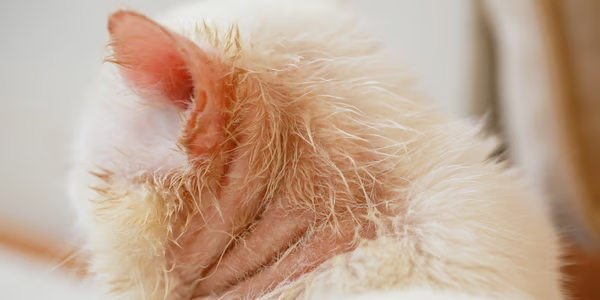
Your cat has a bald patch. Maybe two. You ran your hand along their side and felt bare skin where fur should be, and now you're mentally scrolling through every possible catastrophe.
Stop. Let's look at this clearly.
If your cat is losing hair in patches, the cause is almost always one of five things: fleas, stress, ringworm, allergies, or a hormonal issue. Most are highly treatable once you identify the culprit. The tricky part is that they all look similar at first glance.
This guide walks you through the exact process of narrowing down the cause before you spend money at the vet or waste weeks on the wrong treatment. That's the difference between a quick fix and a months-long ordeal.
Here's a number that might surprise you: flea allergy dermatitis is the most common skin disease in cats, affecting roughly 30 to 50 percent of cats in flea-endemic areas. That means before you assume the worst, you should assume fleas.
Quick Answer
If your cat is losing hair in patches, check for fleas first. Flea allergy dermatitis is the most common cause. Look for black specks in the fur, especially near the tail base.
If no fleas, examine the pattern. Symmetrical belly loss often means stress overgrooming. Circular crusty patches suggest ringworm.
Itchy face and head loss points to food allergies. If you can't identify the cause within 48 hours, see a vet.
First Things First: Itchy or Not Itchy?
This single question splits every diagnosis in half. Is your cat actively scratching, licking, or biting at the bald spots, or are you discovering patches they seem completely unaware of?
If your cat is itchy, you're almost certainly dealing with parasites, allergies, or ringworm. These conditions trigger inflammation in the skin, which causes that maddening urge to scratch.
If your cat is not itchy, you've just eliminated most of the obvious skin conditions. Non-itchy hair loss usually points to hormonal imbalances, stress-related overgrooming that has become habitual, or trauma you didn't witness.
Here's how to tell the difference without a veterinary degree. Spend ten minutes watching your cat when they're relaxed. Not when they know you're watching, but when they've forgotten you exist.
Cats are masters of discretion when it comes to grooming.
| Sign | Itchy (Pruritic) | Not Itchy (Non-Pruritic) |
|---|---|---|
| Scratching with hind leg | Common | Rare |
| Licking bald spots repeatedly | Common | Possible, but slower |
| Biting or pulling at fur | Common | Rare |
| Hair loss pattern | Patchy, often asymmetrical | Often symmetrical |
| Visible skin irritation | Redness, bumps, crusts | Usually normal-looking skin |
| Reaction to touch on bald spot | Flinches, scratches | No reaction |
One critical observation technique: set up your phone to record your cat for 30 minutes while you're in another room. You'll catch behaviors they hide from you. A cat that grooms the same spot for more than five minutes straight is overgrooming, and that's not normal maintenance.
The Hair Loss Map: What Location Tells You
Now that you know whether it's itchy, look at where the hair is actually missing. Location is your most powerful clue. Cats develop hair loss in specific patterns for specific reasons.
Belly and inner thighs. This is the classic overgrooming zone. Stressed or anxious cats lick their belly and inner thighs excessively because it's the easiest area to reach while lying down. The hair doesn't fall out, they pull it out.
It's a self-soothing behavior, similar to a human biting their nails. The key identifier is symmetry. Both sides of the belly are typically affected equally.
Tail base and lower back. This is flea territory. When a cat has flea allergy dermatitis, the worst itching concentrates around the tail base and the lower lumbar area, just above the tail. Fleas tend to congregate there, and even one bite can trigger a massive allergic reaction.
You'll often see scabs or small crusty bumps alongside the hair loss.
Face, ears, and paws. These locations scream ringworm. The fungus Microsporum canis, which causes most feline ringworm cases, prefers the face, ears, and paws. The hair loss is usually circular and patchy, with broken hairs at the edges and a scaly, crusty center.
Chin and neck. Feline acne is a common culprit here. It looks like black specks or dirt on the chin, sometimes accompanied by hair loss. It's caused by blocked hair follicles and can be triggered by plastic food bowls or poor hygiene.
Random, asymmetric patches anywhere. This is usually trauma. A fight with another cat, a burn from a heating pad, a bite wound, or an injection site reaction. The hair loss is localized to the specific area of damage, and you might notice scabs, bruising, or swelling.
Sudden, widespread thinning. If the hair loss isn't in distinct patches but the whole coat looks thinner and duller, consider a systemic issue like hypothyroidism or Cushing's disease. This is more common in senior cats and usually comes with other symptoms like weight changes, increased thirst, or lethargy.
| Location | Most Likely Cause | Secondary Suspects |
|---|---|---|
| Belly and inner thighs | Psychogenic alopecia (stress) | Flea allergy, food allergy |
| Tail base and lower back | Flea allergy dermatitis | Mites, pyoderma |
| Face, ears, paws | Ringworm | Food allergy, mites |
| Chin and neck | Feline acne | Contact dermatitis |
| Random single patch | Trauma, injection site | Abscess, burn |
| Widespread thinning | Endocrine disorder | Nutritional deficiency |
The Usual Suspects: The Top 5 Causes
Once you've mapped the location and determined the itch factor, match your findings against the five most common diagnostic categories. Each one has distinct characteristics that separate it from the others.
Flea Allergy Dermatitis (FAD)
This is the big one. Not because it's the hardest to treat, but because it's the most overlooked. Cats are fastidious groomers.
They swallow fleas and flea dirt faster than you can spot them. You can see zero live fleas and still be dealing with a full-blown allergy.
The mechanism is simple. A flea bites your cat. The flea's saliva contains proteins.
Your cat's immune system overreacts. The result is intense itching that can last for days after a single bite.
The classic presentation is hair loss at the tail base, lower back, and sometimes the back of the thighs. You'll often see small red bumps or crusts called miliary dermatitis. The skin feels like sandpaper when you run your hand against the grain.
Here's the trap: you won't see fleas. The absence of visible fleas means nothing. What you need to look for is flea dirt, which is essentially dried flea feces composed of digested blood.
It looks like tiny black specks of pepper.
The test is simple. Comb your cat with a fine-toothed flea comb, focusing on the lower back and tail base. If you collect black specks, place them on a white paper towel and add a drop of water.
If the specks turn reddish-brown, that's digested blood, and your cat has fleas.
Treatment requires a prescription product like selamectin (Revolution), fipronil (Frontline), or fluralaner (Bravecto). Over-the-counter flea products are largely ineffective in cats with FAD because they don't kill fleas fast enough to prevent the allergic reaction.
You also need to treat the environment. Vacuum every day for two weeks, focusing on areas where your cat sleeps. Wash bedding in hot water.
Consider a household flea spray that contains an insect growth regulator (IGR) like pyriproxyfen or methoprene.
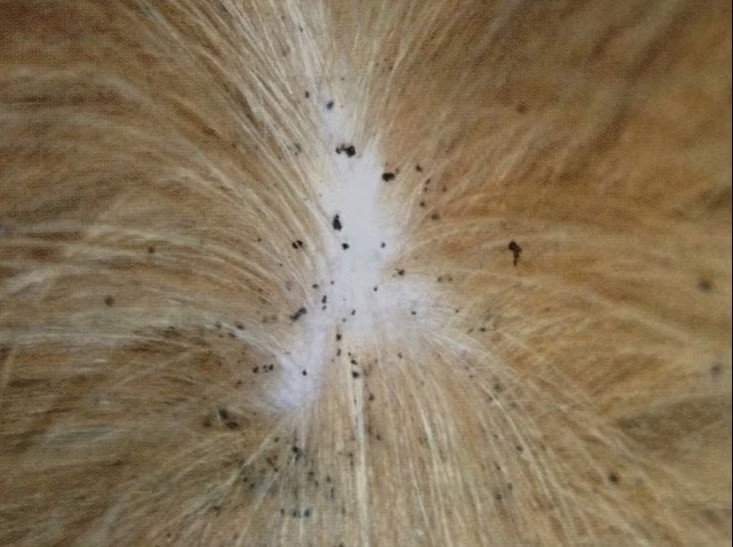
Image source: Bing (Web (fair-use with source credit))
Psychogenic Alopecia (Stress-Related Overgrooming)
Cats are creatures of habit. Disrupt their routine, introduce a new pet, move houses, or even rearrange the furniture, and some cats will groom themselves excessively. It's a displacement behavior, a way to self-soothe when they feel anxious.
The hallmark is symmetrical hair loss on the belly, inner thighs, and sometimes the front legs. The skin usually looks healthy, not red or inflamed. The cat appears absorbed in self-grooming, even to the point of ignoring their surroundings.
Here's the catch: psychogenic alopecia is a diagnosis of exclusion. Your vet will only confirm it after ruling out flea allergy, food allergy, and other dermatological conditions. That's because the behavior is remarkably easy to confuse with other causes.
Research on feline psychogenic alopecia has found that what appears to be stress-related overgrooming is often actually a reaction to an underlying allergen. The cat licks because they're itchy, not because they're stressed. Once the allergen is removed, the licking stops.
The treatment approach is multi-layered. Environmental enrichment comes first, including cat trees, puzzle feeders, and window perches. Synthetic feline facial pheromones (Feliway) show some efficacy in reducing stress-related behaviors.
In more severe cases, anti-anxiety medications like fluoxetine or gabapentin are prescribed.
If you suspect stress overgrooming, keep a diary of when the licking happens. Does it coincide with specific events, like you leaving for work or another pet entering the room? That data will help your vet make a more accurate diagnosis.
Ringworm (Dermatophytosis)
Despite the name, ringworm isn't a worm. It's a zoonotic fungus, most commonly Microsporum canis, that infects the hair shafts and feeds on keratin. It's highly contagious to other pets and to humans, especially children, the elderly, and anyone with a compromised immune system.
The classic presentation is circular areas of hair loss with a crusty, scaly center and broken hairs at the edges. The lesions are typically on the face, ears, and paws, but they can appear anywhere. Some cats, particularly long-haired breeds, can carry the fungus without showing any visible signs.
Your vet will likely start with a Wood's lamp examination. This is an ultraviolet lamp that causes some strains of Microsporum canis to fluoresce a bright apple-green color. But here's the catch: only about 50 percent of strains fluoresce.
A negative Wood's lamp result doesn't rule out ringworm.
A proper diagnosis requires a fungal culture. The vet takes hair and skin samples from the edge of a lesion and places them on a special medium called dermatophyte test medium (DTM). If the fungus is present, it grows within 7 to 14 days and changes the medium's color to red.
Treatment is more involved than treating fleas. Topical lime sulfur dips are typically prescribed twice weekly, and oral antifungal medications like itraconazole or terbinafine are given for 4 to 8 weeks. You also need to clean your home vigorously.
Ringworm spores can survive in the environment for up to 18 months. Vacuum daily, discard the vacuum bag immediately after, wash all bedding in hot water with bleach, and steam-clean carpets and upholstery. Quarantine the infected cat to one room with washable surfaces if possible.
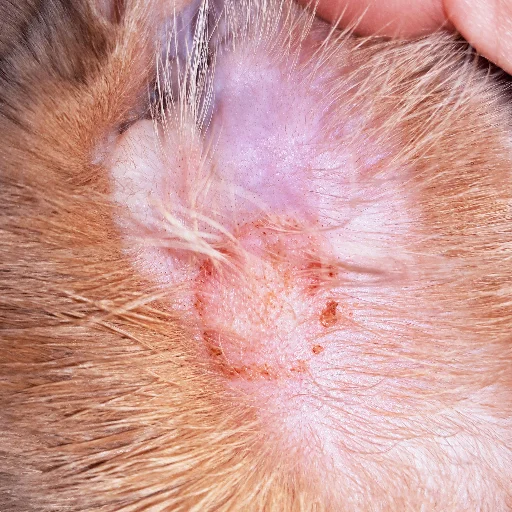
Image source: Bing (Web (fair-use with source credit))
Food Allergies (Adverse Food Reaction)
Food allergies in cats are less common than flea allergies but more common than many owners realize. The most frequent culprits are chicken, beef, fish, and dairy, which are also the most common ingredients in commercial cat food.
The symptoms look almost identical to flea allergy dermatitis, except the hair loss concentrates on the face, head, ears, and neck rather than the tail base. The cat will scratch their face, rub their head against furniture, and sometimes develop secondary bacterial infections.
Here's the frustrating part: there's no blood test for food allergies in cats. The only way to diagnose one is through a strict food elimination trial. That means feeding your cat a prescription hydrolyzed protein diet, where the protein is broken down into particles too small to trigger an immune response, or an entirely novel protein like rabbit or venison.
The trial must last 8 to 12 weeks minimum. That sounds long, but it takes that long for the old proteins to be eliminated from the body and for inflammation to settle. If you cheat, even once, by offering a chew treat or flavored medication, the timer resets.
Significantly fewer cats than dogs are diagnosed with food allergies, but feline food allergy is chronically underdiagnosed because owners abandon the food trial too early. If you start a food trial, it's a full commitment.
Endocrine Disorders
When the hair loss isn't itchy and doesn't match any of the above patterns, start thinking about hormones. The two most common endocrine causes of feline hair loss are hyperthyroidism and hyperadrenocorticism (Cushing's disease).
Hyperthyroidism is the overproduction of thyroid hormone. It causes a dull, unkempt coat with hair loss, along with weight loss despite increased appetite, hyperactivity, excessive thirst, and vomiting. Diagnosis is straightforward: a blood test measuring T4 levels.
Treatment options include medication (methimazole), surgery, or radioactive iodine therapy.
Cushing's disease is rarer and more challenging to diagnose. It's caused by overproduction of cortisol, often due to a tumor on the adrenal or pituitary gland. Symptoms include hair loss, thin fragile skin that bruises easily, a pot-bellied appearance, and increased thirst and urination.
Diagnosis requires a combination of blood tests, urine tests, and often imaging.
The prognostic difference between these conditions is substantial. Hyperthyroidism is manageable and often curable with radioactive iodine. Cushing's disease is more complex and requires long-term management.
Early bloodwork is the only way to differentiate them.
Step-by-Step: How to Check Your Cat at Home
Before you call the vet, you can gather valuable information that will help them help you. Here's the process to follow, step by step. It takes about 15 minutes and requires only a few household items.
Step 1: Prepare your supplies. You'll need a fine-toothed flea comb, a white paper towel, a pair of disposable gloves, a bright flashlight or desk lamp, and your phone for taking photos. Gloves are especially important if you suspect ringworm because it can transmit to humans.
Step 2: Assess the pattern. Run your hands along your cat's entire body, feeling for any areas where the fur is thinner than usual. Take photos of every bald patch you find. Note whether the patches are on both sides of the body (symmetrical) or only on one side (asymmetrical).
Step 3: Comb for fleas. Starting at the tail base, which is the primary flea territory, slowly comb through the fur so the teeth make contact with the skin. After each stroke, wipe the comb onto the white paper towel. Look for black specks.
If you find any, add a drop of water and wait a minute. Reddish-brown color means digested blood, which means fleas.
Step 4: Assess the skin. Using your flashlight, examine the bald patches closely. Look for redness, bumps, crusts, scaling, or broken hairs. A healthy skin surface suggests stress overgrooming or a hormonal issue.
Red, inflamed, or crusty skin points to allergies, infection, or ringworm.
Step 5: Check overall condition. Weigh your cat if possible. Feel their back and rump for muscle wasting. Examine their ears and teeth.
These clues help determine whether this is an isolated skin problem or a sign of a systemic condition.
Step 6: Document the behavior. Spend 30 minutes observing interactions between your cat and any other pets in the household. Record when your cat grooms themselves, and note triggers like loud noises, visitors, or changes in routine.
When you've gathered all this information, you'll have a solid snapshot to present to your vet. You'll be able to answer their questions about location, itch levels, and household context, which cuts down on guesswork and speeds up the diagnostic process.
One critical safety note: if you have children under five, elderly family members, or anyone immunocompromised in your household, and you see circular crusty patches on your cat, do not attempt home diagnostics. Ringworm is highly contagious, and immediate veterinary evaluation with a fungal culture is the safest course of action.
The 5 Biggest Mistakes Owners Make
You'd be surprised how often the same errors show up in veterinary clinics. Owners aren't careless. They're just uninformed, and the internet gives them conflicting advice.
Here are the five most common mistakes and how to avoid every single one.
Mistake 1: Using Over-the-Counter Flea Treatments
This is the most common mistake. The cheap flea drops from the grocery store seem like a bargain until they don't work. Then you've wasted money, lost two weeks, and your cat is still bald and miserable.
Here's why they fail: the active ingredients in over-the-counter products are often older compounds like pyrethrins or pyriproxyfen. Many flea populations have developed resistance to these chemicals. Prescription products use newer compounds like fluralaner, selamectin, or afoxolaner that kill fleas faster and are less likely to encounter resistance.
There's also a safety risk. Some over-the-counter products formulated for dogs are toxic to cats. Pyrethrin toxicity in cats causes tremors, drooling, seizures, and can be fatal.
If it says "for dogs only," it's not safe for cats, period.
Mistake 2: Not Treating the Environment
Let's say you treat your cat with a prescription flea product. The fleas on your cat die. But the fleas in your carpet, your bedding, and your furniture are still there.
Within days, they jump back onto your cat, and you're back to square one.
The flea life cycle has four stages: egg, larva, pupa, and adult. The adults on your cat represent only 5 percent of the total flea population in your home. The other 95 percent are eggs, larvae, and pupae living in your environment.
A comprehensive approach requires vacuuming daily for at least two weeks, washing all bedding in hot water, and using an environmental flea spray with an insect growth regulator. This breaks the life cycle and prevents reinfestation.
Mistake 3: Treating the Symptom, Not the Cause
The urge to grab a topical anti-itch cream or spray is understandable. Your cat is miserable. You want fast relief.
But when you treat the itch without addressing the cause, the skin may heal temporarily while the underlying allergy, infection, or parasite load remains.
Many over-the-counter "anti-itch" products contain hydrocortisone or lidocaine. Hydrocortisone reduces inflammation, and lidocaine numbs the area. The cat stops scratching because they can't feel the itch anymore, not because the problem is solved.
If the cause is a bacterial or fungal infection, topical steroid creams can make things worse by suppressing the local immune response. The infection spreads beneath the surface, and the hair loss worsens.
Mistake 4: Quitting the Food Trial Too Early
A food elimination trial requires 8 to 12 weeks of strict dietary control. Most owners abandon it by week three because they don't see improvement yet. That's like starting a marathon and quitting at mile six because you're tired.
Food allergies take time to resolve because the inflammatory response persists even after removal of the offending protein. The body needs time to clear the allergen from its tissues and for the inflammation to subside. Clinical improvement is typically observable between 3 and 8 weeks into the trial.
The biggest threat to a food trial is cheating. One treat, one flavored medication, one stolen bite of another pet's food resets the timer. If you're doing a food trial, every single thing your cat ingests for those 12 weeks must be the prescription diet.
Mistake 5: Assuming No Fleas Means No Flea Allergy
This one trips up almost everyone. You check your cat thoroughly. You see no fleas.
Your cat isn't itching dramatically. So you rule out fleas. But flea allergy dermatitis doesn't require a visible infestation.
One single flea bite can trigger an allergic reaction that lasts for days in a sensitized cat. And cats are fastidious groomers who eagerly consume fleas, so the evidence disappears.
The correct approach is to treat for fleas as a diagnostic step, not just a response to visible infestation. Many vets recommend a three-month course of prescription flea prevention as a first-line intervention for unexplained hair loss. If the condition resolves, fleas were the culprit.
When This Is an Emergency: Red Flags
Most cases of patchy hair loss can wait a few days for a veterinary appointment. But some situations demand immediate attention. Knowing the difference could save your cat's life.
Bleeding or oozing sores. If a bald patch is actively bleeding or weeping fluid, this is an emergency. It suggests a severe secondary bacterial infection, a deep abscess from a fight, or a burn. These conditions can progress rapidly and require prompt medical intervention.
Systemic symptoms. Hair loss accompanied by vomiting, diarrhea, severe lethargy, or an unexplained fever is a sign of a systemic illness. Your cat isn't just dealing with a skin problem. They're sick, and the hair loss is a symptom of something deeper.
Rapid spreading. If the hair loss is expanding visibly over 24 to 48 hours, this suggests an aggressive infection or a severe allergic reaction. Time matters here because the underlying process can cause permanent hair follicle damage if left unchecked.
Difficulty breathing. Panting without exertion, open-mouth breathing, or labored breathing is a red alert. This could indicate anaphylaxis, a severe allergic reaction that is a true medical emergency. Do not wait.
Go to an emergency vet.
The Zoonotic Factor
If you live with children under five, elderly adults, or anyone who is immunocompromised, increase your urgency level. Ringworm is highly contagious, and the stakes of transmission to a vulnerable human are higher than the stakes of a wrong guess.
Ringworm's incubation period in humans is 4 to 14 days. Children who pet an infected cat and then touch their own skin can contract lesions that look like red rings. In immunocompromised individuals, ringworm can become a chronic, widespread infection.
If ringworm is suspected, don't wait for the next available appointment. Call your vet and explain the household situation. Many clinics will prioritize these cases to minimize the risk of human exposure.
What to Expect at the Vet: Diagnostics and Costs
A veterinary dermatology workup follows a predictable progression from simple and cheap to complex and expensive. Understanding the process ahead of time helps you budget and prevents sticker shock.
Step 1: The Physical Examination
Your vet will start with a full physical exam, paying special attention to your cat's skin, coat, and lymph nodes. They'll look for pattern, symmetry, and any secondary lesions. They'll also ask about your cat's history, which is why your observations matter.
The exam itself typically costs $50 to $100, depending on your location.
Step 2: Flea Comb and Skin Scrape
If fleas are suspected, the vet will perform a flea comb and examine the collected debris under a microscope. Skin scrapes are quick, performed with a scalpel blade against the skin surface, and are used to detect mites. These procedures are minimally invasive and cost between $50 and $100.
The skin scrape is particularly important for diagnosing mites like Demodex, which can cause hair loss. Not all mites are visible to the naked eye, so this test is essential for ruling them out.
Step 3: Wood's Lamp and Fungal Culture
If ringworm is a possibility, the vet will examine the lesions with a Wood's lamp, which causes some fungi to fluoresce apple-green. As mentioned earlier, this test misses about 50 percent of infections. A fungal culture is often ordered when the Wood's lamp is negative but ringworm is still clinically suspected.
A fungal culture takes 7 to 14 days to yield results. The vet collects hair and skin samples from the lesion margins and places them on a culture medium that changes color in the presence of dermatophytes. The test costs between $100 and $200.
Step 4: Bloodwork
If the skin workup doesn't reveal a clear culprit, bloodwork is the next step. A complete blood count and biochemistry panel will check your cat's thyroid hormone levels, adrenal function, and overall organ health.
Thyroid testing is particularly important for older cats, as hyperthyroidism is extremely common in cats over 10 years old. The diagnostic test costs between $100 and $300, depending on the lab. If your cat is older, ask about thyroid testing early on, since the hair loss could be the first visible sign.
Step 5: Food Trial
When parasites and ringworm are ruled out and bloodwork is normal, food allergy becomes a stronger suspect. The vet will prescribe a hydrolyzed protein diet or a novel protein diet and recommend a strict 8 to 12 week trial.
The food itself is more expensive than standard cat food, costing between $50 and $100 per month. But it's a diagnostic tool, not just a dietary change. If the hair loss resolves during the trial, you've identified the allergy.
If it doesn't, you move on to other possibilities like environmental allergies or psychogenic causes.
Step 6: Biopsy
If all else fails, a skin biopsy may be recommended. This is the most invasive diagnostic test, involving a surgical skin sample sent to a veterinary pathologist for examination. It's the gold standard for diagnosing complex dermatological conditions but is typically only needed in stubborn cases that don't respond to treatment.
| Diagnostic Step | Typical Cost | Time to Result |
|---|---|---|
| Office visit | $50 – $100 | Same day |
| Flea comb and skin scrape | $50 – $100 | Same day |
| Wood's lamp exam | Included | Immediate |
| Fungal culture (DTM) | $100 – $200 | 7 – 14 days |
| Blood panel (thyroid, organs) | $150 – $300 | 1 – 3 days |
| Cushing's disease testing | $150 – $250 | 3 – 7 days |
| Skin biopsy + pathology | $250 – $500 | 5 – 10 days |
| Food trial prescription diet | $50 – $100/month | 8 – 12 weeks |
Insurance Considerations
Pet insurance can offset these costs significantly. Policies that cover dermatological conditions typically reimburse 70 to 90 percent of diagnostic and treatment costs after a deductible. Monthly premiums for comprehensive coverage run $30 to $70 depending on your cat's age and breed.
Read your policy carefully. Some insurers exclude pre-existing conditions, and hair loss documented before coverage begins won't be covered. If you adopt a new cat, enroll them in insurance immediately, before any skin issues arise.
Recovery Timeline and Hair Regrowth: What's Normal
Hair doesn't grow back overnight. Understanding what to expect helps you track progress and avoid unnecessary panic.
The Hair Growth Cycle
Cat hair goes through three phases: anagen (growth), catagen (transition), and telogen (resting). The anagen phase in cats lasts about 6 to 12 weeks, meaning that even after resolving the underlying cause, you won't see visible regrowth for at least 2 to 4 weeks.
Timeline by Cause
| Cause | Time to Stop Hair Loss | Expected Regrowth |
|---|---|---|
| Flea allergy | 2 to 3 days after treatment | 2 to 4 weeks |
| Ringworm | 1 to 2 weeks of antifungal therapy | 3 to 6 weeks |
| Food allergy | 3 to 8 weeks after diet change | 4 to 8 weeks |
| Stress overgrooming | 2 to 4 weeks after trigger removal | 4 to 8 weeks |
| Endocrine disorder | 4 to 8 weeks after medication begins | 6 to 12 weeks |
Factors That Slow Regrowth
Age plays a role. Kittens and young cats regrow hair faster than seniors. Poor nutrition slows regrowth, so make sure your cat is on a high-protein, balanced diet during recovery.
Hyperthyroidism, which can be the underlying cause of hair loss, also delays regrowth because thyroid hormones regulate hair follicle cycling. Until thyroid levels normalize, you won't see improvement.
If you've treated the underlying cause properly and still see no improvement within 8 weeks, go back to the vet. Residual hair follicle damage, secondary bacterial infections, or an incorrect diagnosis might be at play.
Long-Term Prevention: Keeping the Fur On
Once you've resolved the current episode of hair loss, your goal is to prevent a recurrence. Here's what the veterinary research suggests for each cause.
Flea Prevention That Actually Works
Monthly prescription flea prevention is non-negotiable for any cat with a history of flea allergy dermatitis. The goal is to kill fleas before they bite, so the cat never experiences the allergic reaction.
Products containing fluralaner or sarolaner kill fleas rapidly and are less likely to encounter resistance than older compounds. If you live in a multi-pet household, every pet must be on flea prevention. One untreated dog or cat will keep the flea population alive and cycling.
Environmental Controls for Ringworm
Ringworm spores are notoriously persistent. They're not killed by standard household cleaners, but they are killed by a 1:10 bleach solution and by heat above 110°F.
Vacuuming daily for at least three months after treatment is the single most effective environmental control. The vacuum must have a HEPA filter, and the bag must be immediately sealed and discarded after each use. Steam-cleaning carpets and upholstery is also an effective way to kill spores.
If you're adopting a new cat, quarantine them for at least two weeks before introducing them to your resident cat. Ringworm has a 14-day incubation period, so you'll know by then if the newcomer is infected.
Stress Reduction Strategies
Environmental enrichment is the backbone of preventing psychogenic alopecia. You don't just remove the stressor and hope for the best. You actively create an environment that minimizes stress.
Start with vertical space. Cats feel safer when they can climb and observe from above. Cat trees, wall shelves, and window perches give them options.
Add routine. Feed at the same times daily, maintain a consistent play schedule, and keep the litter box in a quiet, low-traffic location. If you're moving houses, set up a safe room with familiar objects for the first few days.
Pheromone diffusers like Feliway help reduce anxiety in many cats, but they're not a substitute for environmental changes. They should be a supplement, not a solution.
Managing Chronic Conditions
If your cat has been diagnosed with hyperthyroidism or Cushing's disease, lifelong management is necessary. Hyperthyroidism is typically treated with methimazole medication, a special prescription diet, or occasionally radioactive iodine therapy, which is curative but requires a specialized facility.
Cushing's disease usually requires ongoing medication like trilostane, with regular blood monitoring to adjust the dose. Consistency matters more than perfection. Missed doses or delayed refills can cause the underlying condition to flare.
Real Scenario Examples: Three Cats, Three Outcomes
You've read the theory. Now let's look at how this plays out in real life. These three cases represent the most common presentations seen in veterinary practice, with details adjusted to protect privacy but outcomes grounded in clinical reality.
Case One: The Flea-Allergic Tabby
Patient: Oliver, a 4-year-old domestic shorthair, indoor-only.
Symptoms: Bald patches at the base of the tail, scabby skin along the lower back, excessive scratching.
Oliver's owner noticed the hair loss during a routine petting session. The patches felt rough and bumpy. Oliver had been scratching more than usual for about two weeks, but the owner assumed it was seasonal allergies.
The vet performed a flea comb during the exam. No live fleas were found, but the comb produced black specks that turned reddish-brown when wet. That confirmed flea dirt.
Oliver was diagnosed with flea allergy dermatitis.
Treatment plan: A single dose of prescription fluralaner (Bravecto) for immediate flea kill, plus a 3-month course of environmental flea control including daily vacuuming and a household spray containing an insect growth regulator.
Outcome: Within 48 hours, Oliver stopped scratching. Within 3 weeks, new hair growth was visible at the tail base. By week 6, his coat was fully restored.
The owner continues monthly prescription flea prevention year-round.
Takeaway: Flea allergy dermatitis doesn't require visible fleas. The absence of live fleas means nothing when a single bite triggers an allergic reaction.
Case Two: The Stressed-Out Siamese
Patient: Luna, a 7-year-old Siamese, single-cat household, indoor-only.
Symptoms: Symmetrical hair loss on the belly and inner thighs, no scratching.
Luna wasn't scratching, but she was spending long stretches grooming her abdomen while sitting on the couch. The skin underneath looked normal. The vet ruled out fleas with a comb, ringworm with a Wood's lamp and culture, and mites with a skin scrape.
Bloodwork came back normal. The diagnosis was psychogenic alopecia, stress-related overgrooming.
The trigger: Luna's owner had recently started a new job and was away from home 10 hours a day instead of 4. Luna was lonely and anxious.
Treatment plan: Environmental enrichment, including a new cat tree near a window, a puzzle feeder for meals, and an automated laser toy for daytime entertainment. A Feliway diffuser was added for the first 8 weeks to help ease the transition.
Outcome: Within 4 weeks, Luna's grooming sessions shortened noticeably. By week 8, hair was regrowing on her belly. Full regrowth took about 3 months.
Her owner now maintains daily interactive play sessions and keeps the puzzle feeder in rotation.
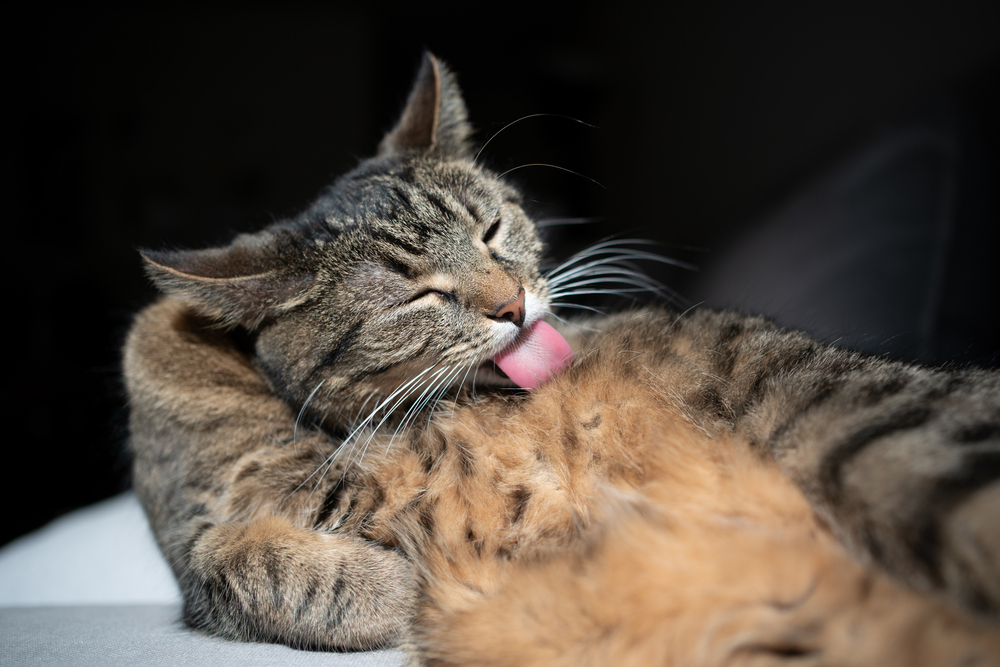
Image source: Bing (Web (fair-use with source credit))
Case Three: The Ringworm Kitten
Patient: Mochi, a 5-month-old Ragdoll kitten, adopted from a shelter.
Symptoms: Circular bald patches on the face and ears with crusty, scaly centers.
A Wood's lamp exam at the vet produced a bright apple-green fluorescence, confirming Microsporum canis ringworm.
Treatment plan: Oral itraconazole daily for 8 weeks, plus weekly lime sulfur dips at the clinic. The owner also had to decontaminate the entire home: washing all bedding in hot water with bleach, steam-cleaning carpets, and vacuuming daily.
Outcome: Mochi's lesions started improving by week 2. A fungal culture at week 8 came back negative. Her fur grew back over the following month.
The owner made it through without contracting ringworm by wearing gloves and washing hands thoroughly after handling Mochi.
Takeaway: Ringworm requires patience and rigorous environmental control. It's not just about treating the cat, it's about breaking the spore cycle in the home.
Expert Tips for Faster Diagnosis
The average diagnostic journey for unexplained feline hair loss takes 4 to 6 weeks across multiple vet visits. Here's how to shave time off that timeline.
Keep a Symptom Diary
Starting the day you notice the hair loss, write down everything. When does your cat groom the affected area? Does anything seem to trigger it?
What does the skin look like on day one versus day five? Take photos every few days so you can track changes objectively.
That diary gives your vet concrete data they can't get from a physical exam. If they see a pattern, like grooming only in the evening or only when you're not home, they can distinguish between itch-driven and stress-driven behavior.
Get Baseline Bloodwork Early
If your cat is over eight years old and has unexplained hair loss, ask for bloodwork at the first visit, not the third. Hyperthyroidism is common in older cats, and it's one of the easiest endocrine causes to diagnose and treat.
Waiting to check bloodwork until after ruling out fleas, allergies, ringworm, and mites adds weeks to the process. For senior cats, jumping straight to bloodwork can cut the diagnostic timeline in half.
Bring a Fresh Fecal Sample
Your vet will likely want to rule out internal parasites as a contributing factor. Bringing a fresh stool sample to the first visit saves a second trip and speeds up the process. Store it in a clean, sealed container in the fridge for up to 12 hours before your appointment.
Ask About Telehealth Consultations
Some veterinary dermatologists offer telehealth consultations. Your regular vet can refer you to a specialist who reviews your case remotely, including photos and medical records. This is particularly useful for complex cases that have already failed initial treatment.
A specialist consult typically costs $100 to $200 and can provide a fresh perspective without a multi-hour drive to a referral hospital.
Building a Home Care Routine That Prevents Hair Loss
The best approach to feline hair loss is a proactive and consistent home care routine. Here's what to incorporate into your daily and weekly schedule.
Daily Habits
Check your cat's coat while you give them their daily scratches. Run your hands over their body and feel for any thin spots or raised areas. If you get in the habit early, you'll notice changes within a day or two of them starting, rather than weeks later.
Weekly Habits
Brush your cat at least twice a week, more if they have a long coat. Brushing distributes natural oils, removes dead hair, and gives you a thorough check of their skin condition. This is also a great bonding opportunity, so it doubles as a stress-reduction technique for you and your cat.
Monthly Habits
Check your cat's weight and body condition. Unexplained weight loss or gain can be an early sign of endocrine issues that might eventually manifest as hair loss. A simple kitchen scale works for most cats, and a consistent weigh-in routine can help you notice trends before they become problems.
Frequently Asked Questions
Can I use over-the-counter flea treatment on my cat?
You can, but it's not recommended, especially for cats with hair loss. Over-the-counter products often contain older compounds that fleas have developed resistance to. They also carry a higher risk of adverse reactions.
Prescription products from your vet are safer and more effective, and they're often more cost-effective in the long run because they work the first time.
Why does my cat groom so much that they lose hair?
Excessive grooming that leads to hair loss is almost always a sign of an underlying issue. The most common cause is pruritus from fleas or allergies, where the cat grooms to relieve itching. Stress and anxiety can also trigger compulsive grooming as a self-soothing behavior.
A veterinary workup is needed to distinguish between these causes.
How do I know if my cat's hair loss is an emergency?
Most hair loss is not an emergency, but certain situations warrant immediate care. If the bald patches are bleeding, oozing, or accompanied by difficulty breathing or systemic signs like vomiting, go to an emergency vet right away. Hair loss that spreads rapidly over 24 to 48 hours is also a red flag.
Is cat hair loss seasonal?
It can be. Flea populations spike in warm humid months, so flea allergy dermatitis often flares in summer. Environmental allergies like pollen also peak seasonally.
Food allergies and stress-related overgrooming are typically non-seasonal and persist year-round. Tracking when the hair loss appears helps narrow the diagnosis.
What if the vet can't find a cause?
Sometimes, despite a thorough workup, the cause remains elusive. This happens in a small percentage of cases. Your vet might refer you to a veterinary dermatologist for advanced diagnostics, including allergy testing or skin biopsy.
These specialists have access to tools and expertise that general practitioners don't, and they often crack cases that stumped everyone else.
The Bottom Line: Your Action Plan
By now, you have a comprehensive understanding of why cats lose hair in patches and what to do about it. Here's the condensed version of everything we've covered.
Step One: Observe and Document
- Map the pattern of hair loss
- Note whether your cat is itchy
- Check for flea dirt with a flea comb
- Take photos every few days
Step Two: Rule Out the Obvious
- Start flea prevention if you haven't already
- Check for ringworm with a Wood's lamp
- Consider a food trial if fleas and ringworm are ruled out
Step Three: Get Professional Help
- Schedule a vet appointment early
- Bring your observations and photos
- Ask about skin scrapes and fungal cultures
- Be prepared for bloodwork if your cat is older
Step Four: Commit to the Treatment
- Give medications as prescribed
- Stick to the food trial without cheating
- Treat the environment alongside the cat
- Attend follow-up appointments
Step Five: Prevent Recurrence
- Maintain year-round flea prevention
- Keep stress levels low with enrichment
- Monitor your cat's coat regularly
- Act quickly if you notice new patches
Your cat is counting on you, and now you have the knowledge to be their best advocate. Take a deep breath, pick up the phone, and get started. A healthy, fluffy coat is closer than you think.
And if you're still feeling uncertain, that's okay. Every cat owner has been where you are. The important thing is that you're not ignoring the problem.
You're actively seeking answers, which puts you ahead of the curve.
Your cat doesn't need a perfect owner. They need a present one. And you clearly are, since you've read this far.
Trust that. Trust yourself. And trust the process.
Now go make that call. Your cat's coat is waiting to come back. And when it does, you'll both be better for the journey.
That's the quiet confidence that comes from being a cat owner who does the work. The vet visits, the food trials, the environmental decontamination. It's not glamorous, but it's love in action.
Your cat doesn't understand dermatology or zoonotic diseases or flea life cycles. They just know that you're helping them feel better. And that's enough.
That's always been enough.
So here's your final assignment: trust the plan, lean into the process, and don't look back.
You're armed with everything you need. The knowledge, the steps, the warning signs, the timelines, the costs. You know when to watch, when to wait, and when to rush to the vet.
That's more than most cat owners ever learn.
Your cat's next grooming session will feel different now. You won't just see a cat licking their fur. You'll see a potential clue, a data point, a piece of the puzzle.
That's what expertise looks like. It's not knowing everything. It's knowing what to look for.
So go be the owner your cat thinks you are. The one who pays attention, who shows up, who gets help when it's needed. That cat is lucky to have you.
And soon, they'll be fluffy again to prove it.
And when you see that first hint of new fur breaking through the bald patch, you'll feel a little rush of pride. That's your doing. Your observation, your persistence, your willingness to ask questions and follow through.
That moment makes every vet bill, every food trial, every stressful day worth it.
So go on. Start the journey. Your cat is waiting, and they don't even know how lucky they are to have you fighting for their coat.
But you do. And that's what matters.