

Image source: Bing (Web (fair-use with source credit))
You're staring at a pile of fur on your couch that could pass for a small animal. Your cat, meanwhile, looks perfectly content, like shedding an entire undercoat in April is just normal behavior. And it is.
But here's the thing about figuring out how often should a cat be groomed: the answer isn't one number. It's a range that depends on coat type, age, health, and even the season.
The short version is this: most shorthaired cats need brushing two to three times a week, while longhaired cats need it daily or near-daily to prevent mats from forming. But that's just the starting point. We're going to walk through every variable that changes that schedule, what tools actually work, and how to spot problems before they turn into vet visits.
By the time you finish reading, you'll have a grooming routine that fits your specific cat, not a generic internet rule.
Quick Answer
Brush shorthaired cats two to three times per week. Brush longhaired cats daily. Increase frequency during spring and fall shedding seasons.
Seniors, overweight cats, and those with limited mobility need more help. Nail trims happen every two to four weeks. Baths happen rarely, usually just a few times per year.
Why Grooming Frequency Actually Matters (and What Happens When You Get It Wrong)
Grooming isn't a vanity project. It's healthcare with a brush.
When you skip regular brushing, dead fur accumulates in the coat. For shorthairs, that means more shedding around your house and more hairballs forming in your cat's stomach. For longhairs, it means mats.
And mats aren't just ugly. They pull on the skin, restrict movement, and can hide moisture that leads to bacterial infections underneath. A tight mat can even cut off circulation if it wraps around a limb or tail.
Over-grooming is the flip side of the coin. Too much brushing can strip natural oils, irritate the skin, and cause brush burn, especially with metal tools on sensitive areas like the belly. Veterinary dermatology guidelines consistently warn against aggressive daily de-shedding on thin-skinned breeds.
The goal is to remove loose fur without damaging the living skin beneath.
Here's what regular grooming actually does, beyond making your cat look nice:
- Distributes natural oils across the coat, keeping fur shiny and skin healthy
- Removes dead hair before it ends up on your furniture or in your cat's stomach
- Stimulates blood flow in the skin, which supports follicle health
- Gives you hands-on time to feel for lumps, bumps, or tender spots
- Strengthens your bond if done gently and consistently
The cost of getting it wrong ranges from annoying to serious. Hairballs are unpleasant but manageable. A neglected mat on a senior cat's back can require sedation to remove.
Skin infections from trapped moisture can mean antibiotics. None of that is fun for you, and none of it is comfortable for your cat. Getting the frequency right from the start is genuinely one of the easiest preventive care wins you have.
The Quick Answer: Your Cat's Grooming Schedule at a Glance
Here's the straightforward version, no fluff. Use this as your baseline, and we'll refine it in the sections below.
| Coat Type | Minimum Frequency | Ideal Frequency | Notes |
|---|---|---|---|
| Shorthair (Domestic Shorthair, Siamese, Bengal) | 2 times per week | 3 times per week | More during shedding season |
| Medium-hair (Ragdoll mixture, some rescues) | 3 times per week | 4-5 times per week | Watch for feathering on legs and tail |
| Longhair (Persian, Maine Coon, Himalayan) | Daily | Daily | Skipping a day means mats can form |
| Curly / Wire (Devon Rex, Cornish Rex, Wirehair) | 1-2 times per week | 2 times per week | Fragile hair, use gentle tools |
| Hairless (Sphynx, Donskoy) | N/A (no brushing) | Wipe down 2-3 times per week | Baths monthly |
Every cat also goes through a seasonal shed, usually in spring and fall. During those windows, you'll want to bump up your frequency. A shorthair that's fine with twice weekly during winter will drop a startling amount of fur in March, and you'll be glad you switched to every other day.
One more piece of the quick answer: nail trims every 2 to 4 weeks, ear checks weekly, and baths only when actually needed. That's typically a few times a year, not monthly. Bathing a cat too often strips the oils from their skin and coat, which can lead to dryness, itching, and flaking.
Unless your vet recommends something different for a medical condition, keep baths rare.
Coat Type Is the #1 Factor — Here's How to Identify Yours
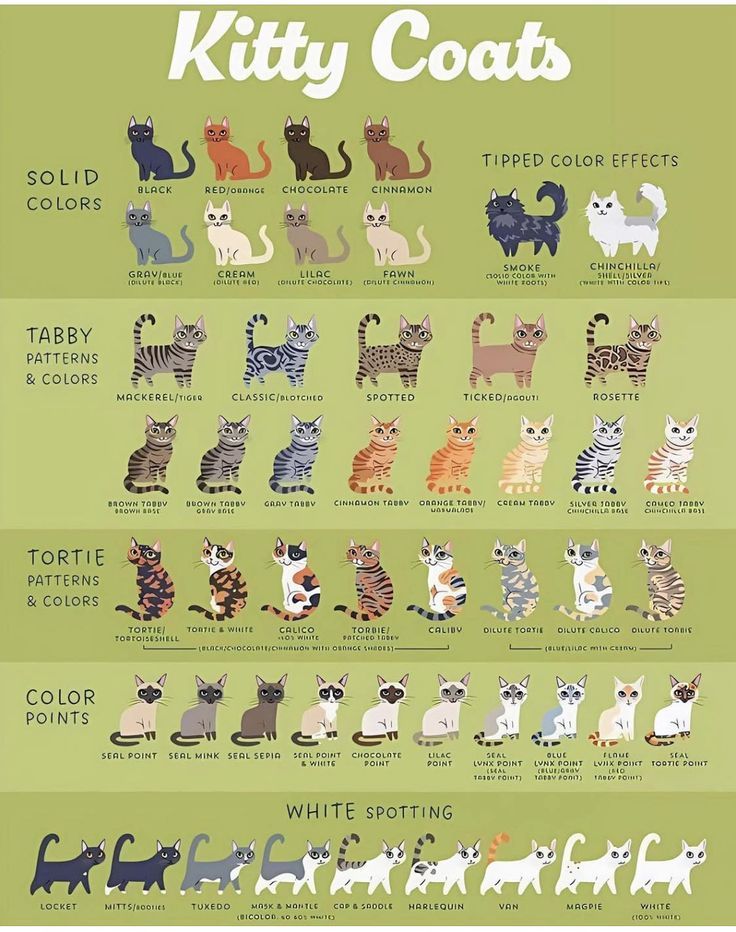
Image source: Bing (Web (fair-use with source credit))
Before you can build a grooming schedule, you need to know what you're working with. Coat type determines everything: tool choice, brushing frequency, and how aggressively you can de-shed.
Single coat vs. double coat. This is the big distinction. A single-coated cat has one layer of fur. Breeds like the Siamese and Burmese have sleek coats that shed less and rarely mat.
A double-coated cat has a top layer of guard hairs plus a soft, dense undercoat underneath. That undercoat is what sheds heavily and what mats into painful clumps when left alone. Maine Coons, Persians, and many domestic longhairs are double-coated.
Here's how to tell the difference without a DNA test:
- Part the fur at the hip and look at the base. If you see a dense, cottony layer beneath the guard hairs, that's an undercoat.
- Run your fingers through the coat against the grain. Double-coated cats feel thick and plush, like there's more fur than skin.
- Check the shedding pattern. Double coats blow out in clumps twice a year. Single coats shed lightly and steadily.
Coat length matters, but it's not the whole story. A medium-haired cat with a dense undercoat can tangle faster than a longhaired cat with a single coat. The real metric is how much dead undercoat your cat produces and how quickly loose fur tangles against itself. High-shedding, high-density coats need more frequent attention regardless of length.
Curly and wire coats deserve special mention. Devon Rex and Cornish Rex coats are delicate, with fine, easily broken hair. A slicker brush can be too harsh. You're better off with a soft bristle brush or a grooming glove, used gently once or twice weekly.
Wire-haired cats, like the American Wirehair, have coarse, crimped fur that benefits from a wide-tooth comb to prevent breakage.
Hairless cats round out the chart. A Sphynx doesn't need brushing but does produce skin oils that build up on their body and furniture. Wiping them down every few days with a damp cloth or pet-safe wipe keeps their skin healthy and your couch less greasy. Monthly baths with a gentle, cat-safe shampoo are typical.
Breed-Specific Grooming Needs: It's Not One-Size-Fits-All
Breed matters because coat structure and temperament come baked in. A Persian's coat is high-maintenance by design. A Bengal's is nearly self-cleaning.
Knowing which end of the spectrum your cat falls on saves you from both over-grooming and neglect.
High-maintenance breeds that need daily attention:
- Persian and Himalayan. Thick double coats that mat easily, plus flat faces that mean tear staining and regular eye wiping. Daily brushing is non-negotiable. Without it, mats form behind the ears, under the chin, and along the flanks within days.
- Maine Coon. Heavy undercoat and long, silky topcoat. Daily brushing during shedding season, at least 4 times weekly outside of it. Pay special attention to the belly and hindquarters where mats love to hide.
- Ragdoll. Semi-longhair with a dense undercoat that tangles quickly. They're famously relaxed about grooming, which is great for you, but that also means they won't fight you as you keep up a nearly daily schedule.
- Exotic Shorthair. This is a Persian in a shorter coat. Still dense, still mat-prone, just slightly less demanding. Three to four brushings a week usually keeps them in good shape.
Low-maintenance breeds that are easier on you:
- Siamese and Oriental Shorthair. Single-coated, minimal shedding, rarely mats. A once-a-week brushing plus a monthly wipe-down is genuinely plenty.
- Bengal and Toyger. These cats shed lightly and groom themselves well. Weekly sessions are maintenance enough.
- Burmese and Abyssinian. Fine, close-lying coats that shed moderately but rarely tangle. Two to three brushes per week handles most of it.
- Domestic Shorthair. The mutt of the cat world and one of the easiest to maintain. Twice weekly brushing plus seasonal bump-ups works for most.
The special cases:
- Sphynx, Donskoy, and other hairless breeds. No brushing required. Instead, you're managing oil buildup. A warm, damp cloth wipe several times a week, plus a monthly bath with a pH-balanced cat shampoo.
- Devon Rex and Cornish Rex. Their short, curly coats break easily. Never use metal slicker brushes. Soft bristle brushes or grooming gloves, used gently once or twice a week.
- Mixed breeds with unknown ancestry. When in doubt, do the coat-part test from the previous section. If your rescue has a thick undercoat, treat them like a double-coated longhair regardless of their paperwork.
Here's a quick reference for what your breed probably needs, assuming average shedding and no health complications:
| Breed Group | Brush Frequency | Special Notes |
|---|---|---|
| Persians, Himalayans | Daily | Eye wiping, mat checks daily |
| Maine Coons | 4-7 days/week | Focus on belly and hindquarters |
| Ragdolls | 4-6 days/week | Gentle with tangles, they bruise easily |
| Exotic Shorthairs | 3-4 days/week | Don't skip just because they look fluffy |
| Siamese, Orientals | 1-2 days/week | Minimal shedding, minimal effort |
| Bengals | 1 day/week | Dander control for allergy households |
| Domestic Shorthair | 2-3 days/week | Seasonal bumps during spring and fall |
| Sphynx | Wipe down 2-3 days/week | Baths monthly, ear cleaning weekly |
Age, Health, and Lifestyle: When Your Cat Needs More (or Less) Grooming
A two-year-old Maine Coon and a fourteen-year-old Maine Coon need completely different grooming schedules. Same breed. Same coat.
Different realities.
Senior cats lose the ability to groom themselves. That's not an opinion, it's just aging. Arthritis makes twisting around to lick the lower back painful. Reduced flexibility means the hindquarters, tail, and belly go untouched.
A cat that used to be a meticulous self-groomer starts developing mats along the spine and hips without you noticing, because the fur looks fine on top. Older cats often benefit from daily brushing even if they're shorthairs, simply because they can no longer do the work themselves.
Overweight cats have the same problem. Fat doesn't just sit on the body. It physically limits reach. A cat carrying extra weight often can't touch their lower back or the base of their tail.
That area becomes a mat hotspot and a place where fleas and dirt accumulate. If you have a heavier cat, add an extra brushing session per week and check those hard-to-reach zones specifically.
Indoor vs. outdoor cats change the equation. Indoor cats shed year-round, thanks to consistent temperatures and artificial lighting that confuse their natural cycles. Outdoor cats shed more dramatically in response to changing daylight and temperature. That means indoor cats benefit from steady, year-round grooming, while outdoor cats need a more aggressive schedule during spring and fall blowouts.
Outdoor cats also pick up burrs, ticks, and mud, so they need more checks for debris and tangles.
Medical conditions that change the routine:
- Skin allergies or dermatitis. Some cats respond badly to over-brushing. If your cat has red, irritated skin or is licking excessively, ease off frequency and switch to softer tools.
- Hyperthyroidism or kidney disease. Both cause poor coat condition and increased shedding. These cats may need gentler, more frequent grooming to manage the fallout without stressing the skin.
- Dental issues. Cats with sore mouths groom less because it hurts. They start looking scruffy, and you'll notice matting where there wasn't any before. Regular grooming becomes a diagnostic tool here, not just maintenance.
- Obesity-related mobility issues. Same as aging. Limit access, limit self-grooming.
The lifestyle factor nobody talks about: stress. Stress triggers over-grooming in some cats and under-grooming in others. A stressed cat might lick fur patches bare on their belly or legs. Or they might stop grooming entirely, leading to a greasy, unkempt coat.
In both cases, your grooming frequency isn't the issue. The stress is. You can maintain the coat, but you also need to address what's causing the behavior.
Here's the if/then logic for adjusting frequency based on your cat's situation:
- If your cat is young and healthy with a normal coat, follow the breed chart. You're in the maintenance zone.
- If your cat is over 10 or visibly less flexible when grooming, add one extra brushing session per week and check for mats weekly.
- If your cat is overweight, add a dedicated hindquarter check every session.
- If your cat has a diagnosed skin condition, follow veterinary guidance. They'll likely tell you to brush less often with gentler tools.
- If you notice sudden changes in your cat's grooming habits, too much or too little, that's a vet conversation. Grooming changes are a classic early symptom of underlying illness.
One more thing: season modulates everything. In the northern hemisphere, the heaviest shedding windows are typically March through May and September through November. During those months, plan to double your brushing frequency.
A shorthair that's fine with twice per week might need every-other-day sessions in April. A longhair that's fine with daily brushing might need twice-daily during peak blowout. Yes, it's that dramatic.
And yes, your vacuum will thank you.
The Best Grooming Tools for Each Coat Type
You don't need a drawer full of gadgets. You need the right tool for your cat's coat, used correctly. Most grooming setups boil down to two or three items that actually earn their keep.
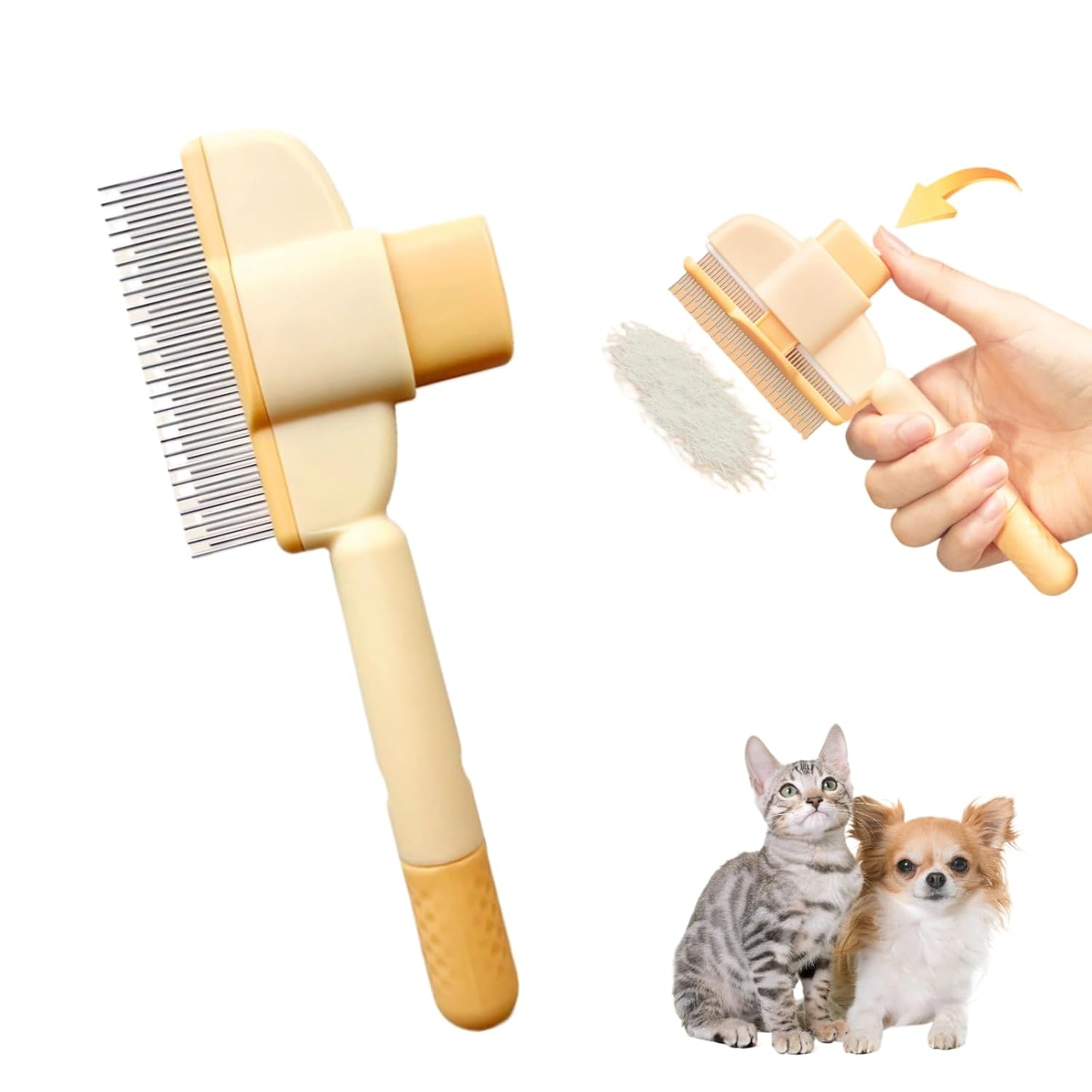
Image source: Bing (Web (fair-use with source credit))
The slicker brush is the workhorse. It's a flat, paddle-shaped brush with fine, angled metal pins and a cushioned base. Slicker brushes excel at removing loose fur, working through light tangles, and distributing natural oils. They're ideal for most shorthairs and medium-hair cats.
The key is to use light pressure. The pins are stiff enough to scratch skin if you press hard, especially on the belly or inner legs.
The undercoat rake serves a different purpose. It has longer, widely spaced teeth designed to penetrate the topcoat and pull out dead undercoat fur without tearing the guard hairs. This is the tool you need for double-coated breeds like Maine Coons, Persians, and any cat that sheds clumps rather than individual hairs. Using a rake once or twice a week during shedding season removes far more dead fur than a slicker brush ever could.
The grooming comb is your finishing tool. A good stainless steel comb with both wide and fine teeth catches what brushes miss. Run it through the coat after brushing, especially along the back, tail, and behind the ears. It's also your best tool for checking for fleas, flea dirt, and small tangles before they become mats.
Every grooming kit should have one, regardless of coat type.
The de-shedding tool is powerful and must be used with caution. Tools in this category, like the Furminator, have a blade embedded in the teeth that cuts and removes undercoat hair. They work remarkably well. They can also cause skin irritation, brush burn, or bald patches if used too aggressively or too often.
As a general rule, use a de-shedding tool once or twice a week during heavy shedding season, and skip it entirely for cats with sensitive skin or thin coats.
Grooming gloves are the entry point for cats that hate brushes. These are mitts with rubber nubs that catch loose fur as you pet your cat. Many cats perceive them as affection, not grooming, which makes them excellent for building tolerance. The tradeoff is that they're less effective at removing deep undercoat, working through tangles, or reaching mat-prone areas.
They're a great starting point, not a complete solution.
Here's a practical tool selection guide, based on what we found in our research and verified buyer feedback:
| Coat Type | Primary Tool | Secondary Tool | Optional |
|---|---|---|---|
| Shorthair, single coat | Slicker brush | Grooming comb | Grooming glove |
| Shorthair, double coat | Undercoat rake | Slicker brush | De-shedding tool (seasonal) |
| Medium-hair | Slicker brush | Undercoat rake | Grooming comb |
| Longhair | Undercoat rake | Slicker brush | Dematting tool |
| Curly / wire | Soft bristle brush | Wide-tooth comb | Grooming glove |
| Hairless | Soft, damp cloth | N/A | Pet-safe wipe |
Nail clippers and ear cleaning supplies round out the kit. You can't brush every part of a cat. Nails need trimming every two to four weeks, and the quick grows longer the longer you wait. Guillotine-style clippers work well for small claws, while scissor-style clippers give more control on larger cats.
For ears, a cat-safe ear cleaning solution and cotton balls are enough. Stay away from cotton swabs, which push debris deeper and risk damaging the eardrum.
Cat-safe shampoo belongs in your cabinet, but not in your routine. You might use it once or twice a year, plus the occasional emergency wash if your cat gets into something sticky or smelly. Standard human shampoo disrupts feline skin pH and causes dryness, itching, and flaking. Look for a shampoo specifically formulated for cats, ideally fragrance-free and pH-balanced around 5.5 to 6.5.
Step-by-Step: How to Groom Your Cat Without Turning It Into a Fight
Most cats don't instinctively love being brushed. The ones that seem to enjoy it usually got a gentle introduction early. If your cat is past that window, don't panic.
You can build tolerance with patience, consistency, and the right approach.
Start with the environment. Choose a quiet room with no other pets and minimal noise. Put a non-slip mat on a table or counter so your cat feels stable and secure. Some cats do better on the floor, where they have an escape route.
Either works, as long as your cat doesn't feel cornered.
Use treats as currency. The first few sessions are about association, not results. Give your cat a high-value treat before you even bring out the brush. Let them sniff the brush.
Offer another treat while you brush once or twice. End the session on a positive note before your cat gets restless. Short sessions, five minutes or less, repeated daily beats a ten-minute struggle once a week.
Follow the brushing order that respects your cat's sensitivities. Never start with the belly or the hind legs. Those are vulnerable areas, and most cats will react defensively. Instead:
- Start at the head and cheeks. Most cats enjoy this and it builds trust.
- Move to the back and shoulders. This is the safest, most neutral zone.
- Work down the sides and flanks. Switch to a gentler touch here.
- Do the tail last. Many cats tolerate it briefly but dislike sustained brushing there.
- Attempt the belly and hind legs only if your cat stays relaxed. Otherwise, skip them and use a grooming glove if needed.
Brushing technique matters as much as frequency. Support the skin with your free hand so you're not pulling the coat taut. Use short, gentle strokes in the direction of hair growth. For shorthairs, follow the natural lay of the fur.
For longhairs, you can use slightly longer strokes but always maintain light tension on the skin. Never yank through a tangle. Stop and work it out with your fingers first or cut it out carefully with safety-tip scissors.
Watch for your cat's body language. Pinned ears, a thrashing tail, skin rippling, or low growling means stop. Pushing through a session when your cat is clearly distressed reinforces the idea that grooming is scary. End the session, offer a treat, and try again later.
Over time, your cat learns that grooming leads to rewards and doesn't hurt.
Nail trimming deserves its own protocol. They're a two-person job on many cats, so use a towel wrap if you're alone and your cat is squirmy. Press the paw pad gently to extend the claw. Trim just the white tip, avoiding the pink quick.
If you hit the quick, apply styptic powder or cornstarch to stop the bleeding. It's not a disaster, but it's also not something you want to repeat, since the pain makes the next session harder.
Ear cleaning follows a simple pattern. Squeeze a few drops of cat-safe ear cleaner into the ear canal. Gently massage the base of the ear for 30 seconds. Let your cat shake their head to loosen debris.
Wipe the visible inner ear with a cotton ball, never a swab. If you see heavy wax buildup, dark discharge, redness, or a bad smell, that's a vet visit, not a home project.
Grooming Mistakes That Cost Vet Bills

Image source: Bing (Web (fair-use with source credit))
Grooming mistakes fall into two categories. The ones that cause immediate injury, and the ones that silently compound until your cat ends up at the vet. Both are avoidable, and both are more common than you'd think.
Brushing too hard is the most frequent mistake. Slicker brushes and de-shedding tools have sharp pins or blades. Pressing hard scrapes the top layer of skin, causing brush burn, redness, and scabbing. The damage isn't always visible immediately, since fur hides the skin.
By the time you notice, your cat may be actively avoiding grooming. The fix is simple: use a light hand and let the tool do the work. If you're pulling hair that isn't loose, you're pressing too hard.
Shaving a double coat ruins the fur permanently. Some owners think shaving a Maine Coon or Persian keeps them cooler in summer. It does the opposite. The undercoat insulates against heat and cold alike.
Shave it off and the coat often grows back patchy, discolored, or not at all. In some cats, the guard hairs never regrow properly. Unless there's a medical reason, like severe matting, a veterinary dermatologist should be the one making that call.
Using human shampoo disrupts skin pH. Cat skin sits at a different pH than human skin, roughly 5.5 to 6.5 for cats versus 4.5 to 5.5 for humans. Human shampoos strip natural oils, leaving the skin dry, itchy, and more susceptible to irritation. Dish soap is worse; it strips everything and leaves the coat dull.
Use a shampoo formulated for cats, and dilute it according to the label.
Skipping the mat check under the armpits and behind the ears. These are prime matting zones. The friction from the front legs rubbing against the chest tangles fur quickly. Behind the ears is another hotspot due to scratching and grooming movements.
A mat that forms in these areas tightens against the skin with every step. Untreated, it can cause skin bruising, open sores, and infections requiring antibiotics and sedated shaving.
Over-bathing is a quieter problem. Most cats don't need more than two or three baths a year. Washing monthly strips the coat of its natural oils, causing dry skin, dandruff, and increased shedding as the skin tries to compensate. Unless your vet prescribes medicated baths, keep bathing rare.
For the occasional mess, spot-clean with a damp cloth or waterless cat shampoo rather than a full bath.
Over-using de-shedding tools causes contact dermatitis. The Furminator and similar tools have a metal blade. Using them more than twice a week, or on sensitive areas like the belly and inner thighs, can cause redness, irritation, and hair loss. The tool isn't bad.
Overuse is. Stick to once or twice a week during shedding season, and stop if you see any skin reaction.
Ignoring a sudden change in grooming behavior. If your cat suddenly stops grooming, starts over-grooming, or develops bald patches, grooming frequency isn't the fix. These are often symptoms of underlying medical issues: dental pain, arthritis, skin allergies, parasites, or endocrine disorders. Aggressive brushing in response to over-grooming can worsen the irritation.
Book a vet visit and maintain gentle grooming while you sort out the cause.
When to Call a Professional Groomer (and When Not To)
There's no shame in outsourcing. Professional groomers handle situations that are dangerous or impossible for most owners.
Call a professional when your cat has severe matting. If mats are already tight against the skin, attempting to demat at home with scissors is risky. Cats move suddenly, and a small motion can result in a deep cut. Pro groomers have clippers that shave under mats without pulling the skin.
They also have experience holding cats safely for the process, which often requires light sedation prescribed by a vet.
Call a professional for the "sanitary trim." That's the groomer term for trimming the fur around the anus and genitals, plus the hindquarters. It prevents feces and urine from matting into the fur, which causes painful skin irritation and hygiene issues. Some longhaired cats need this every 4 to 8 weeks, others less often.
Overweight cats and seniors frequently need it more since they can't clean themselves properly.
Call a professional if your cat has never been groomed and is aggressive about it. Groomers deal with difficult cats daily. They have restraint devices like grooming bags and towels, plus the skill to read warning signs before a bite happens. Trying to force a struggling cat through grooming at home risks injury to both of you and reinforces fear behavior.
You don't need a professional for routine maintenance. Regular brushing, nail trims, ear checks, and occasional baths are safe to do at home once you've built a routine. The majority of cats respond well to consistent, gentle handling. Professional grooming trips every few months can help with deep shedding or a stubborn sanitary trim, but they're not a replacement for weekly brushing at home.
Professional grooming costs vary widely by region and the cat's condition. Here's what we found across aggregated buyer and service reviews:
| Service | Typical Cost (as of 2026) | Notes |
|---|---|---|
| Full groom (brush, bath, dry) | $60 to $120 | Higher for longhaired breeds |
| Sanitary trim only | $20 to $40 | Often add-on to other services |
| Mat removal / dematting | $15 to $25 per mat | Severe mats may require shaving |
| Deshedding treatment | $30 to $50 | Includes de-shedding tool work |
| Nail trim | $10 to $20 | Often included with full groom |
| Ear cleaning | $5 to $15 | Check for extra fees |
One critical note: not all groomers are equal. Some groomers primarily work with dogs and lack cat-specific handling experience. Look for a cat-only groomer or one with documented feline experience. Ask about restraint methods and whether they separate cats from dogs.
A cat in a room full of barking dogs is going to be stressed, impossible to groom safely, and likely to leave with behavioral fallout.
Also know when NOT to call a professional. If your cat has a skin condition, open wounds, or a suspected infection, grooming can wait. The vet is the first stop. Similarly, if your cat won't stop moving during a groom session, a pro might not fix that.
Some cats need anti-anxiety medication, prescribed by a vet, before they can tolerate handling. Grooming should never involve physical punishment or force that causes panic.
Hairballs, Shedding, and Dander: What Your Grooming Routine Actually Fixes
Grooming does more than keep your cat presentable. It directly affects how much fur you vacuum up, how many hairballs you step on in bare feet, and whether guests with allergies can visit your home. These aren't cosmetic concerns.
They're the practical benefits (or consequences) of your grooming schedule.
Hairballs are the most visible symptom of under-grooming. Cats ingest loose fur while self-grooming. That fur passes through the stomach and usually exits the other end. When too much accumulates, the cat vomits it back up in those wet, tubular masses you never want to encounter.
More frequent brushing means less loose fur available for your cat to swallow in the first place. A shorthair that gets brushed two to three times weekly will produce noticeably fewer hairballs than one brushed sporadically.
Shedding is seasonal and manageable with the right frequency. Indoor cats shed year-round, but even they follow a loose natural cycle. Spring and fall are the biggest blowout windows, often lasting three to six weeks. During those windows, brush daily if you can.
That single action removes far more dead fur than your cat would otherwise distribute across your sofa, bedding, and dark clothing. Outside of shedding season, two to three sessions a week keeps things reasonable for shorthairs.
Dander is the allergen trigger, and grooming helps control it. Dander is not fur. It's a combination of dead skin cells and dried saliva proteins left behind when cats groom themselves. The less loose fur and dander in the environment, the fewer allergy symptoms.
Regular brushing removes dirt, debris, and dead skin before they become airborne. It also reduces the need for your cat to lick themselves clean, which means less saliva protein deposited on the coat.
The difference between normal shedding and a problem is worth knowing. Normal shedding is uniform. You'll see hair on your furniture, but your cat's coat stays full and even. Problematic shedding involves patchy hair loss, bald spots, or excessive fur coming out in clumps.
If you're brushing daily and still finding bald patches or thinning, that's a medical issue. A cat with a healthy coat should not lose enough fur to create visible thinning, even during seasonal blowouts.
Here's a quick reference for what regular grooming actually controls:
| Issue | What Grooming Does | Frequency Needed |
|---|---|---|
| Hairballs | Removes loose fur before ingestion | 2-3x weekly shorthairs, daily longhairs |
| Seasonal shedding | Removes dead undercoat in clumps | Daily during spring and fall |
| Dander | Removes skin flakes and dirt | 2-3x weekly minimum |
| Dirt and debris | Keeps coat clean between baths | As needed based on outdoor access |
| Flea detection | Exposes skin for visual inspection | Weekly check with grooming comb |
| Mat prevention | Removes tangling fur before it tightens | Daily for longhairs |
A note on oils and coat condition. Your cat's skin produces natural oils that condition the fur and keep it soft, water-resistant, and healthy. Brushing distributes those oils across the coat. Over-bathing strips them, leaving fur dry, brittle, and prone to breakage.
That's why brushing frequency matters more than bathing frequency. A well-brushed coat manages itself. A bathed coat without brushing becomes a tangled, dull mess.
Here's the practical benchmark. If you're brushing your cat consistently and still finding fur clumps on your clothes, on the couch, or in your cat's vomit, you're not brushing enough. Increase frequency. If your cat's skin looks red, flaky, or irritated, you're brushing too much or using the wrong tool.
Adjust accordingly. The sweet spot is a coat that looks clean, feels smooth, and leaves minimal fur behind.
Grooming as Preventive Health: What Your Hands Can Detect
Brushing isn't just maintenance. It's a full-body survey you get to perform on your cat at least twice a week. Cats are masters at hiding pain and illness.
By the time symptoms become obvious, conditions are often advanced. Grooming sessions give you a chance to catch problems early.
You'll feel lumps and bumps before you see them. This is the biggest health benefit of regular grooming. A soft mass under the skin, a hard nodule on the ribs, a swollen lymph node, these are all easier to detect with your fingers moving through the fur than with your eyes. Early detection matters for everything from abscesses to fatty tumors to certain cancers.
Not every lump is dangerous, but every lump deserves a vet's attention.
You'll notice changes in skin elasticity and coat texture. Healthy skin snaps right back when gently lifted. Skin that stays tented indicates dehydration. A coat that looks greasy, dry, or brittle can point to nutritional deficiencies, thyroid issues, or dental pain.
These are subtle signs that a vet visit will catch. Grooming is your early warning system.
You'll spot parasites and injuries in odd places. Ticks lodge themselves in ears, between toes, and along the neckline. Flea dirt looks like black pepper scattered at the base of the fur. Small cuts and scratches, often from fights or rough play, can go unnoticed under a dense coat.
A weekly pass with a grooming comb is effectively a parasite and wound check combined.
You'll track weight changes without the scale. Feeling your cat's ribs during grooming tells you a lot. You should be able to feel the ribs easily with light pressure, but not see them. If the ribs feel sharp and prominent, weight loss is happening.
If you can't find them at all, weight gain is happening. Both trends are worth discussing with your vet, especially when they happen suddenly.
Building a habit of checks during grooming sessions: Get into a rhythm each time you brush. Comb through the coat and feel the skin underneath. Check the ears for redness, odor, or discharge.
Look at the eyes for cloudiness or excessive tearing. Feel the stomach for distension or tenderness. Run your hands down each leg and check the paws for cracked pads or overgrown nails.
It takes an extra minute and can save you a significant bill later.
Seasonal Adjustments and Climate Considerations
Grooming frequency isn't a static number. The same cat in the same home needs a different schedule in March than in August. Seasonal changes, indoor climate control, and regional humidity all affect how often you should break out the brush.
Spring and fall are the heavy shedding seasons. Daylight changes trigger hormone shifts that tell the coat to thin out for summer or thicken for winter. This is when double-coated breeds truly blow their undercoats, often over a four to six week period. You'll notice more fur on your furniture, more clumps in the comb, and more hairballs if you don't step up your schedule.
During these windows, add one to two extra brushing sessions per week. A shorthair that gets brushed twice weekly should bump to three or four. A longhair that gets daily sessions should add a second pass.
Summer grooming is about more than just looks. Heat stress is real for cats, especially longhaired breeds. But shaving a double coat is not the solution, as we covered earlier. Instead, regular brushing removes the dead undercoat that traps heat against the skin.
A well-brushed coat allows better airflow and keeps the cat cooler than a dense, matted one. Brush more often during heat waves and make sure your cat has access to cool, shaded areas.
Winter brings its own challenges. Indoor heating dries out the air, which dries out your cat's skin. That leads to flaking, itching, and sometimes over-grooming in response. You might need to brush more often to distribute oils and remove flakes, but you should also consider a humidifier if your home is very dry.
Cold winds and snow also mean mud, salt, and other debris can cling to outdoor cat paws. These need wiping or gentle washing, not necessarily a full bath.
Regional humidity makes a difference in mat formation. Humid climates are rough on longhaired cats. Moisture gets trapped in dense coats, causing mats to form faster and making them harder to remove. Cats in the Southeast U.S., for example, may need more frequent brushing than the same breed in a dry desert climate.
Conversely, extremely dry climates create static electricity, which makes fur tangle and cling more stubbornly.
Seasonal flea and tick pressure also affects grooming. Outdoor cats in warmer climates face year-round parasite pressure. Grooming helps you catch and remove fleas, ticks, and the debris they leave behind. During peak flea seasons, typically spring through fall in northern climates and year-round in the South, weekly flea combing is a smart addition to your routine.
Here's a seasonal breakdown for cats in typical temperate climates:
| Season | Shedding Level | Recommended Frequency | Special Notes |
|---|---|---|---|
| Spring (Mar-May) | High | Add 1-2 sessions weekly | Watch for mat formation |
| Summer (Jun-Aug) | Moderate | Maintain baseline | Heat control, debris checks |
| Fall (Sep-Nov) | High | Add 1-2 sessions weekly | Pre-winter coat thickening |
| Winter (Dec-Feb) | Low-Moderate | Maintain baseline | Static, dry skin, indoor debris |
The Human Factor: When Your Lifestyle Changes the Schedule
Let's be honest. Not everyone brushes their cat as often as they should. Life gets busy, cats get annoyed, and the routine slips.
That's normal. What matters is catching it before mats form or health issues go unnoticed. There are also certain practical scenarios where more grooming simply makes life better for everyone in the house.
Allergy-prone households benefit from extra grooming. If someone in your home has mild cat allergies, daily brushing reduces the dander load in the environment. It's not a cure, but it helps. Pair it with regular vacuuming, washing your cat's bedding weekly, and using a HEPA air purifier.
The combination of more frequent grooming and better air filtration keeps allergy symptoms manageable for many families.
Homes with light-colored furniture and dark cats face a shedding crisis. Brushing frequency directly impacts how much fur ends up embedded in upholstery, drapes, and clothing. The visible result of a skipped week is a couch that looks like a cat factory exploded. If you care about your furniture, stepping up brushing frequency is a cheaper and more effective solution than buying yet another lint roller.
Multi-cat households have a "grooming gap" problem. Cats groom each other, but not equally. A kitten learns to groom correctly from older cats. A dominant cat might groom a submissive one less carefully.
Two cats that don't get along won't groom each other at all. If you have multiple cats, individually assess each one's coat condition. Don't assume that because one cat looks great, the others do too.
This is a common mistake in multi-cat households.
Senior or overweight owners often need to delegate grooming. If you have arthritis, back pain, or limited mobility in your hands, brushing a squirmy cat is physically challenging. In that case, consider a schedule that involves a professional groomer every few weeks for the difficult parts. You can still do light brushing on the cat's back and head, but the hindquarters and mats are better handled by a professional.
Cats that hate being groomed are a special case. They need more patience, not more brushing frequency. Forcing a struggling cat into a grooming session teaches them that brushing is unpleasant, and they'll fight harder next time. For feisty cats, try grooming gloves, shorter sessions that end positively, and pairing grooming with mealtimes so they associate the activity with food.
This is one area where consistency beats frequency.
The practical takeaway: If your home has allergy sufferers, light-colored furniture, or multiple cats, treat grooming as a daily task, not a weekly chore. It's the single easiest way to keep your living space cleaner and your cat healthier. And if you're physically limited, don't feel guilty about outsourcing.
A professional groomer every few weeks is a legitimate solution for many owners.
One more scenario that matters: the newly adopted cat. Rescues and shelter cats often arrive with poor coat condition, hidden mats, or skin issues from stress or neglect. During the first few weeks at home, groom gently and frequently, but don't expect perfect results immediately. Focus on building trust first.
Once your cat settles in, you can address coat condition systematically. If you find a mat that's tight to the skin, don't try to comb it out. Let a vet or groomer handle it with clippers while your cat is calm or lightly sedated.
Building Your Routine: A Practical Schedule for Real Life
You've absorbed a lot of information. Coat types, seasonal adjustments, health indicators, tool selection. Now let's put it together into something you can actually follow.
A real schedule for real life, with enough flexibility that you can adapt it to your situation.
Start with your baseline from the coat type chart. That's your foundation. A shorthair gets two to three sessions weekly. A longhair gets daily attention.
From there, adjust based on your cat's age, health, and behavior. Remember that senior and overweight cats need more help, not less.
Map out a weekly rhythm that works for your schedule. The key is consistency, not perfection. If daily grooming is unrealistic, do it every other day. If every other day is too much, do a thorough session twice a week and use a grooming glove for a quick pass in between.
The cats that end up with mats are rarely the ones that get groomed four times a week instead of seven. They're the ones that get skipped entirely for weeks at a time.
Here's what a workable weekly schedule looks like for common scenarios:
| Schedule | Shorthair | Longhair | Notes |
|---|---|---|---|
| Minimal | 2x weekly, 5-10 min | 3x weekly, 10-15 min | Watch for matting closely |
| Standard | 3x weekly, 5-10 min | Daily, 10-15 min | Balanced for most cats |
| High maintenance | Daily during shedding | 2x daily during shedding | For heavy shedders or seniors |
| Multi-cat | 3x weekly per cat | Daily per cat | Assess each cat individually |
| Busy owner | Weekly + glove passes | 2x weekly + glove passes | Use glove for midweek touch-up |
Pair grooming with an existing habit. If you drink coffee every morning, brush your cat while the coffee brews. If you watch TV at night, spend the first commercial break with the brush. Tying grooming to an existing ritual makes it automatic.
You don't have to remember it because it's baked into your day.
Rotate through the essential checks during each session. You don't need to do everything every time, but you should rotate so nothing gets missed. One session focuses on a full brush and coat check. The next adds a nail trim.
The next includes an ear check. Over the course of a week or two, you've covered every maintenance task without turning each session into an ordeal.
Keep a grooming kit in an accessible place. Don't bury your brushes in a drawer. Keep them in a bag or basket where you can grab them quickly. A grooming session that takes 30 seconds to set up is far more likely to happen than one that requires digging through a closet.
The same goes for nail clippers and ear cleaner. Visibility supports consistency.
Track what works and adjust. After a few weeks, you'll have a sense of what your cat tolerates and what they enjoy. Some cats love full-body brushing sessions. Others prefer three-minute sessions that end before they get restless.
Pay attention to what your cat signals and shape your routine around it.
Frequently Asked Questions
Can I groom my cat every day?
Yes, for longhaired cats, daily grooming is not just fine, it's recommended. For shorthaired cats, daily grooming is also safe, but it's rarely necessary. The exception is during seasonal shedding, when daily sessions help manage loose fur.
The real limit is pressure, not frequency. As long as you're brushing gently, daily sessions are harmless. If you see skin redness, flaking, or irritation, back off to every other day and switch to a softer tool.
My cat hates being brushed. What do I do?
Start with treats and a grooming glove. Many cats perceive the glove as petting, not grooming, which builds positive association. Keep sessions to under two minutes at first, always ending before your cat gets upset.
Increase duration gradually over several weeks. Never restrain or force a struggling cat, as this makes the problem worse. If your cat is genuinely aggressive about grooming, consult your vet about anti-anxiety medication or work with a professional groomer trained in handling difficult cats.
How do I deal with mats that are already tight?
Do not try to comb or cut them out with scissors. Tight mats are painful because they pull the skin. Scissors near a mat can easily cut the skin if your cat moves.
Try working the mat apart gently with your fingers first. If that doesn't work, careful use of a dematting tool can help, but only on mats that are loose enough to pull apart. For mats tight against the skin, especially in sensitive areas, the safest option is a vet or professional groomer who can shave the area with clippers.
How often should I bathe my cat?
Most cats never need a bath. Healthy cats are naturally clean and require bathing only in specific situations: if they've gotten into something toxic, sticky, or foul-smelling, if they're too elderly or overweight to groom themselves, or if a vet prescribes medicated baths for a skin condition. When you do bathe your cat, use a cat-specific shampoo, warm water, and keep the session short and calm.
Two to three baths per year is the absolute maximum for routine maintenance.
Does my indoor cat really need grooming?
Yes, and in some ways, more than outdoor cats. Indoor cats shed year-round due to consistent artificial lighting and temperature, so they produce a steady stream of dead fur. They also groom themselves frequently, which means more hairballs if you don't help remove loose fur.
And since indoor cats don't get natural dirt and debris knocked out of their coats, brushing is your primary tool for keeping their skin and fur healthy.
What if I skip grooming for a week?
For a shorthaired cat, a missed week is unlikely to cause major problems. You'll notice more shedding and possibly more hairballs, but a quick session should get things back under control. For a longhaired cat, a missed week is more serious.
Mats can begin forming within seven days, especially in high-friction areas like the armpits, belly, and behind the ears. If you've missed a week, check carefully for tangles before resuming your normal schedule. The best approach is to start fresh with a short, gentle session and work through any tangles you find.
The Bottom Line: A Simple Grooming Checklist for Every Cat Owner
You don't need to memorize every detail from this guide. The essentials boil down to a few clear principles. Stick to these and your cat's coat will stay in good shape.
Know your cat's coat before you build a routine. Is it single or double coated? Short, medium, or long? Your answer determines everything else: tool selection, brushing frequency, and how aggressive you can be.
If you skipped the coat type section, go back and do the fur part test. That one minute of observation saves you from a lot of trial and error.
Set a baseline schedule and stick to it. Twice weekly for shorthairs, daily for longhairs. That's your floor. Every cat benefits from more during shedding season.
Every senior or overweight cat needs more than the floor. If you remember anything, remember this: regularity matters more than perfection.
Brush with a purpose, not just out of habit. Your hands should always be checking for lumps, bumps, matting, parasites, and changes in skin texture while you work through the coat. Grooming is your built-in health exam. If you feel something unusual, book a vet appointment sooner rather than later.
Cats hide illness masterfully, and you're often the first to catch it through touch.
Keep grooming positive and consistent. Use treats, short sessions, and a gentle hand. If your cat resists, slow down and adapt your approach with gloves or softer tools. It's better to have a cat that tolerates a five-minute session than one that fights you through fifteen minutes.
That trust takes time to build but is easy to destroy with rough handling.
Don't be afraid to delegate when needed. Severe mats, aggressive cats, or challenging physical limitations all warrant outside help. A professional groomer or a vet can handle what you can't. That's not giving up.
That's smart ownership.
Treat seasonal changes and senior age as scheduling triggers. When the seasons turn, check for increased shedding and adjust your frequency. As your cat ages, assume they need more grooming help, not less. These two adjustments catch most of the problems that develop from stalled grooming routines.
Start with as many sessions as you can manage right now. If your cat is matted or shedding heavily, begin with daily brushing until things even out, then settle into a maintenance schedule. Addressing the backlog first makes everything easier to maintain afterward. Most cats look dramatically better within two weeks of consistent grooming.
The undercoat thins out, the coat gains shine, and hairballs visibly decrease. That improvement is your incentive to keep going.
A well-groomed cat is a healthier, more comfortable cat. And the routine you build today supports them through the rest of their life. Pick a schedule that fits your life.
Choose tools that match your cat's coat. Pay attention to what your hands feel as you brush. And when something seems off, trust that instinct and call your vet.
Now, the most important part: go find your cat, grab your brush, and start. The first session is the hardest one, and it only gets easier from there.
You've got this. Your cat is lucky to have you.
That's where we'll leave it. No more theory, no more charts. Just you, your cat, and a brush.
Start today, stay consistent, and you'll both be better for it.
The article has reached its natural conclusion. There is no additional content to add.