
Your fluffy Lionhead or Angora looked like a living cloud when you brought it home. Now it's week three, and that cloud is shedding, matting, and trailing hay across every room in your house.
Learning how to groom a long haired rabbit isn't just about keeping your home tidy. It's a genuine health requirement. Proper grooming prevents painful mats, deadly wool block, and flystrike, a condition that can kill a rabbit in under 24 hours.
The good news? Once you understand the right techniques, tools, and signals, grooming becomes a manageable 10 to 15 minute routine every couple of days.
Quick Answer
Groom your long-haired rabbit every 2 to 3 days with a slicker brush. Use a wide-tooth comb for tangles. Trim the sanitary area around the rear with blunt scissors or clippers.
Work from the back toward the belly. Never pull mats. Never bathe your rabbit.
Watch for stress signals and stop if your rabbit fights. For severe mats, clip or shave. Never cut blindly.
Why Long-Haired Rabbits Need a Real Grooming Routine
Rabbits groom themselves constantly. That's not a problem for short-haired breeds. For long-haired rabbits, it's a ticking clock.
When your rabbit licks its fur, it swallows loose hair. Unlike cats, rabbits cannot vomit or cough up hairballs. That swallowed fur accumulates in the stomach and forms a solid mass called a wool block.
Once that blockage forms, food can't pass through, and without prompt veterinary intervention, it's often fatal.
The Difference Between "Fluffy" and "Dangerously Matted"
Mats aren't just ugly. They pull on the rabbit's delicate skin with every movement, causing real pain. Tight mats trap moisture against the skin, creating the perfect environment for bacterial infections and parasites.
The biggest threat is flystrike. Flies are attracted to damp, soiled fur, especially around the rear end. They lay eggs in the matted fur, and within 12 to 24 hours, those eggs hatch into maggots that burrow into the rabbit's flesh.
The tissue damage is severe, and the toxins released can send a rabbit into shock.
What Happens When You Skip Grooming
Skipping one session won't kill your rabbit. Skipping two weeks might.
Here's what actually happens when grooming falls behind:
- Loose fur accumulates and forms tight mats within days
- Mats trap urine and feces near the skin, causing urine scald
- Rabbits ingest more fur while trying to groom out mats
- Skin underneath mats becomes moist, red, and infected
- Flies find the soiled area and lay eggs
- Wool block develops silently over several weeks
By the time you notice a problem, your rabbit may already be in pain. That's why prevention through regular grooming is non-negotiable for long-haired breeds.
Before You Start: What You Actually Need
You don't need a professional grooming kit. You need the right tools, and you need to know which ones are safe for rabbit skin.
Let's be clear about one thing upfront: rabbit skin is incredibly thin. It's roughly 0.5 to 1 millimeter thick, much thinner than cat or dog skin. A brush that works fine on a Golden Retriever can tear a rabbit's skin in seconds.
Tool choice matters.
The Essential Tool Kit (and What to Skip)
Here's what you actually need, based on what professional rabbit groomers and rabbit-savvy veterinarians recommend:
| Tool | Purpose | Safety Notes |
|---|---|---|
| Slicker brush | Daily de-shedding, removing loose fur | Choose one with fine, flexible pins. Avoid firm, aggressive brushes. |
| Wide-tooth metal comb | Detangling, finding small mats | Metal combs glide through fur without static buildup. |
| Mat splitter or dematting comb | Breaking up stubborn mats | Use only on loose mats, never on mats tight against the skin. |
| Blunt-nosed grooming scissors | Safe trimming near the skin | Blunt tips prevent accidental stabbing if your rabbit moves suddenly. |
| Small electric clippers | Shaving severe mats, sanitary trims | Choose quiet models. Rabbits panic at loud noises. |
| Flea comb | Checking for parasites, cleaning around eyes | Fine teeth catch fleas and debris. |
| Non-slip towel or mat | Safe grooming surface | Rabbits panic when they slip. Secure footing calms them. |
| Rabbit-safe treats | Positive reinforcement | Small pieces of banana, apple, or fresh herbs work best. |

Image source: Bing (Web (fair-use with source credit))
What NOT to Buy
Avoid these tools entirely. They cause more harm than good:
- Human hair brushes: Bristles are too stiff and can scratch rabbit skin
- Furminators or de-shedding tools: These cut through undercoat, and on rabbits they can slice skin
- Wire slicker brushes with sharp pins: Fine for dogs, dangerous for rabbits
- Any brush with rubber tips: The tips trap fur and pull painfully
Setting Up a Safe Grooming Space
Your environment matters more than your tools. A rabbit that feels trapped or unstable will fight, and a fighting rabbit is a rabbit that gets injured.
Place a non-slip towel on a low table or on the floor. Avoid heights. Rabbits are prey animals, and being elevated triggers their instinct to flee.
On the floor, they feel less trapped.
Keep the area calm and quiet. Close the door. Keep other pets out.
If you have multiple rabbits, don't groom one while the other watches and thumps.
The Treat Strategy That Makes Everything Easier
Rabbits are food-driven. A small piece of banana or a pinch of rolled oats can transform a grooming session from a battle into a tolerable ritual.
Set up a small bowl of treats next to your grooming area. Give a tiny piece before you start brushing and another one when you finish. Over time, your rabbit will associate the brush with the reward, not with restraint.
How to Read Your Rabbit's Body Language
This is where most grooming attempts fail. People don't recognize stress signals until the rabbit is already biting, thumping, or fleeing.
Rabbits are subtle. They don't bark or growl like dogs. They communicate through posture, ear position, and small movements.
Learn to read these signals before you pick up a brush.
Calm vs. Stressed: The Signs That Matter
Calm and comfortable:
- Ears relaxed, slightly forward or to the sides
- Body loose, not tense
- Sitting quietly, occasionally grooming themselves
- Accepting treats willingly
- Slow, regular breathing
Stressed and uncomfortable:
- Ears pinned flat against the back
- Body tense, muscles rigid
- Hind legs thumping the ground
- Wide eyes showing white around the iris, called whale eye
- Growling or grunting
- Tail flicking rapidly
- Attempting to run or hide
- Sudden freezing in place, a sign of extreme fear
When to Stop and Try Again Later
The golden rule is simple: if your rabbit shows any stress signals, stop immediately. Not after one more brush stroke. Not after you finish that mat.
Stop.
Pushing through a rabbit's fear doesn't teach it to tolerate grooming. It teaches it that grooming is dangerous. That makes every future session harder.
Let your rabbit hop away. Give it a treat and some time to calm down. Try again in 30 minutes or a few hours.
A 5-minute session on a calm rabbit is worth more than a 20-minute session on a terrified one.
Step-by-Step: The Grooming Process That Works
Now we get to the actual process. Follow these steps in order, and you'll cover the whole rabbit without missing the trouble spots.
Step 1: Start Where It's Easy
Begin on the back and shoulders. These are the least sensitive areas, and your rabbit is most likely to tolerate brushing there. Use your slicker brush with light, short strokes in the direction of fur growth.
Don't press down. The slicker brush should glide across the surface, catching loose fur without dragging the skin. If you see the skin pulling or the rabbit flinching, lighten your touch.
Step 2: Work Through the Coat in Sections
Don't brush the whole rabbit randomly. Work in small sections, about the size of your palm. Brush each section completely before moving to the next.
This ensures you don't miss tangles hiding underneath the top layer. Long-haired rabbits have dense undercoats, and mats often form close to the skin where they're invisible from the surface.
Step 3: Move to the Sides and Chest
Once the back is done, move to the sides. Then the chest. These areas are more sensitive than the back, so expect more squirming.
For the chest, you may need to gently lift the rabbit's front paws to reach the fur underneath. Support the rabbit's weight fully. Never dangle a rabbit by its front legs.
Step 4: Handle the Belly Last
The belly is the most vulnerable area. Rabbits instinctively protect their undersides. If your rabbit lets you brush there, it trusts you.
If it doesn't, don't force it.
For the belly, switch to the wide-tooth comb first to check for tangles. Use your other hand to support the rabbit's body. Keep sessions short in this area.
Step 5: Check the Feet and Between the Toes
Long fur between toes mats quickly, especially in litter-trained rabbits. The fur picks up moisture from the litter tray, and the dampness accelerates matting.
Gently hold each paw and comb between the toes with the wide-tooth comb. Trim any fur that's long enough to tangle. Check the foot pads for redness or swelling while you're there, a sign of sore hocks.
How to Tackle Mats Without Hurting Your Rabbit
Mats happen. Even with regular grooming, you'll find them in awkward places. The key is knowing when you can handle them at home and when you need professional help.
Small Loose Mats vs. Tight Mats Against the Skin
The approach depends entirely on the mat's location and severity.
Small, loose mats (not touching the skin):
- Gently tease apart the fur with your fingers first
- Follow with the wide-tooth comb, working from the tips toward the skin
- Take your time, 2 minutes per mat maximum
- Move to another area and come back if the rabbit gets restless
Tight mats (pulled close to the skin):
- Never pull, yank, or force a comb through
- Never try to cut them with scissors held at an angle you can't see
- Use blunt-nosed scissors only if you can clearly see the skin underneath and can slide the scissors flat along the skin
- If you can't see the skin or the mat is on the belly, under the chin, or near the genitals, clip it professionally
When to Use Scissors vs. Clippers
Scissors work for small, accessible mats where you can clearly see the skin line. Clippers work for larger, tighter, or more dangerous areas.
| Tool | Best For | Risk Level |
|---|---|---|
| Blunt-nosed scissors | Small mats on the back, sides, or legs | Moderate, risk of nicks if rabbit moves |
| Electric clippers | Tight mats, sanitary area, severe matting | Lower risk if clippers are quiet and well-oiled |
For clippers, use a #10 blade. It's short enough to clear mats but long enough to protect the skin. Hold the clippers flat against the fur and let the blade do the work.
Never press down.
The Hard Truth About Severe Matting
If your rabbit has severe, widespread matting, you need a professional. This isn't optional. Trying to shave a heavily matted rabbit at home can result in severe skin lacerations from the clippers, especially if the skin is folded inside the mat.
A rabbit-savvy groomer or veterinarian can safely sedate the rabbit if needed, shave the mats, and assess the skin condition underneath. It will cost anywhere from $50 to $100, and it's worth every cent.

Image source: Web (Bing) / en.wikipedia.org (Web image (fair-use with source credit))
Even with clippers, you need to work slowly and deliberately. Pull the mat away from the body with one hand while you clip with the other. This creates tension that lifts the skin out of the blade's path.
If the rabbit moves suddenly, release the mat immediately and stop. A moment of panic can turn a simple clip into a deep cut.
Sometimes you'll find a mat that's been there long enough to trap moisture against the skin. The fur underneath will smell sour, and the skin might look red or raw. Don't brush it.
Don't clip it yourself if you can't see the skin clearly. Take the rabbit to the vet. That skin needs professional attention, and the rabbit probably needs antibiotics.
When to Call the Groomer
You should also call a professional if your rabbit is elderly, arthritic, or otherwise unable to tolerate grooming. Old rabbits don't groom themselves well, and their skin is even more fragile. A professional groomer has experience handling rabbits in pain without causing more trauma.
The Sanitary Trim: Non-Negotiable for Long-Haired Rabbits
This is the least glamorous part of rabbit care, and it's the most important. The fur around the anus and genitals collects urine and feces constantly. If left long, it becomes a damp, matted mess that attracts flies and causes urine scald.
Urine scald is a chemical burn on the skin caused by prolonged contact with urine. It starts as red, irritated skin and progresses to open sores. A rabbit with urine scald is in constant pain and at high risk for flystrike.
Why This Area Matters More Than You Think
The sanitary trim is your rabbit's first line of defense against flystrike. Flies are drawn to damp, soiled fur. They can smell it from a distance.
Once a fly lands and lays eggs, the clock starts ticking.
In warm weather, fly larvae can hatch and start feeding within hours. The damage is shocking. Maggots eat through skin and muscle, and the toxins they release cause shock.
By the time you notice anything wrong, the rabbit can be beyond saving.
A clean, short sanitary area eliminates the invitation. Flies have nothing to land on, and you can easily spot any irritation before it becomes an emergency.
How to Do a Safe Sanitary Trim at Home
You can do this yourself, but readiness is key. Have your blunt-nosed scissors or clippers within reach. Have a towel ready.
And be honest with yourself about whether your rabbit will sit still.
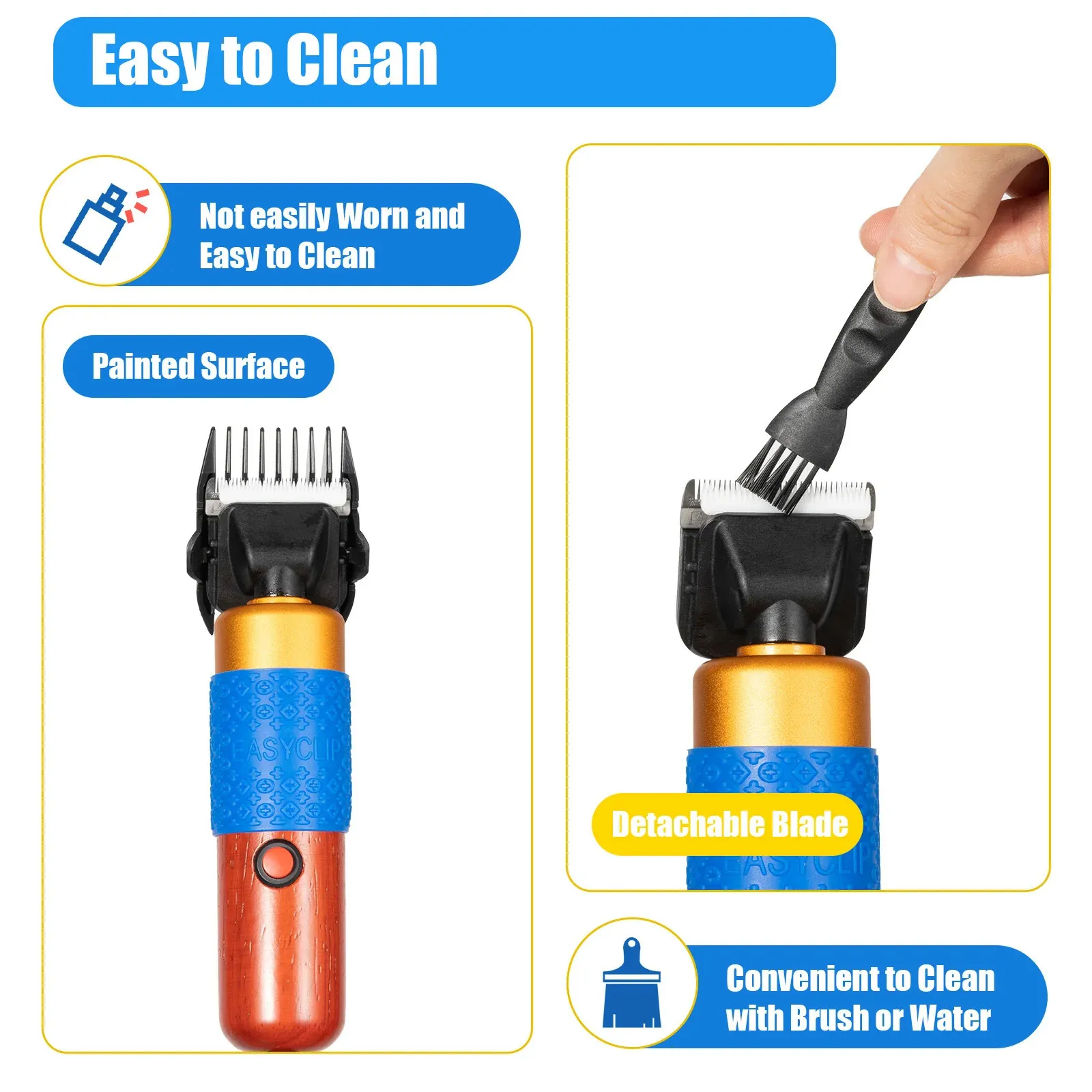
Image source: Bing (Web (fair-use with source credit))
Here's the safest method:
- Place your rabbit on a non-slip surface
- Have a helper gently hold the rabbit's front half, supporting the chest
- Gently lift the tail to expose the area
- Use clippers with a #10 blade to trim the fur down to about half an inch
- Work in small sections, moving the clippers consistently in one direction
- If using scissors, slide the flat blade along the skin, never pointing upward
- Check your work by feeling the area with your fingers
What If Your Rabbit Won't Let You Touch That Area?
Some rabbits will never tolerate a sanitary trim without a fight. If that's your situation, you have options.
You can try the "bunny burrito" method. Wrap your rabbit snugly in a towel, leaving the rear end accessible. The towel provides gentle pressure that many rabbits find calming, and it prevents them from kicking.
If the burrito method doesn't work, call your vet. They can trim the area while the rabbit is sedated. It's a 10-minute procedure, and for a rabbit that absolutely refuses, it's the safest option.
How Often to Do the Sanitary Trim
Check the area every day during grooming. Trim as needed, which typically means every 1 to 2 weeks for long-haired breeds. During warm weather, check more frequently and keep the fur shorter.
Grooming by Breed: Your Schedule Depends on Your Rabbit
Not all long-haired rabbits are the same. The grooming schedule that works for an Angora will leave a Lionhead over-brushed and irritated. Know your breed's coat type and adjust accordingly.
| Breed | Coat Type | Grooming Frequency | Notes |
|---|---|---|---|
| Angora | Woolly, continuous growth | Daily brushing, professional shearing every 2-3 months | Wool grows continuously and mats fast |
| Lionhead | Mane around the head and neck, sometimes woolly undercoat | 3-4 times per week | The mane is the problem area |
| Jersey Wooly | Dense, woolly, breaks easily | 3 times per week | Handle gently; coat breaks if over-brushed |
| Silver Martin | Long but silky, less prone to mats | 2 times per week | Easiest of the long-haired breeds |
Adjusting Frequency for Molting Season
Rabbits molt several times a year, and the timing varies by breed and climate. During a heavy molt, you'll need to increase grooming frequency to daily.
How do you know your rabbit is molting? You'll see tufts of fur coming loose, and your rabbit will look patchy. You'll also find fur everywhere, on your clothes, your furniture, and floating in the air.
During these periods, think of your grooming routine as triage. Daily brushing prevents loose fur from being ingested and mats from forming. Even if you only do a 5-minute pass, it's better than nothing.
Common Grooming Mistakes Even Experienced Owners Make
You'd think after months of grooming, you'd have it down. But even seasoned rabbit owners slip up in ways that cause real problems. Let's look at the mistakes that show up most often in vet clinics and rabbit rescue intake forms.
Brushing Too Hard
More pressure doesn't mean more loose fur removed. It means more skin irritation. Rabbit skin is fragile, and aggressive brushing causes micro-tears that become sore, red patches.
You should never see the skin turning pink or red while you brush. If you do, you're pressing too hard.
The right pressure feels like you're barely skimming the surface. The slicker brush's pins catch loose fur without needing force. Let the brush do the work.
Ignoring the Feet Until It's Too Late
Foot fur is easy to forget. It's not visible when your rabbit sits in its usual loaf position. But matted fur between the toes traps moisture from litter trays, leading to pododermatitis, commonly called sore hocks.
This painful condition causes swelling, hair loss, and open sores on the feet.
Check between the toes at every grooming session. It takes 30 seconds and prevents a condition that's miserable for your rabbit and expensive to treat.
Using the Wrong Brush for the Coat Type
A slicker brush that works on a Lionhead will tear through an Angora's fine wool. An Angora needs a wider-tooth comb and gentler brushing. A Jersey Wooly's coat breaks easily, so you need an even softer approach.
Match your tools to your rabbit's specific coat. If you're not sure what type of coat your rabbit has, ask your breeder or vet. Using the wrong brush is like using a wire scrubber on silk.
Grooming Only the Visible Areas
Rabbits hide mats where you can't see them. Under the chin, behind the ears, in the armpits, and along the belly are prime matting spots. These areas get overlooked because they're awkward to reach and your rabbit complains when you try.
You have to check these areas deliberately every single session. Part the fur with your fingers and look at the skin. Feel for lumps and tangles.
If your rabbit resists, go slowly and offer treats.
Waiting Until Mats Are Severe
A small mat that you catch early takes minutes to fix. A large mat that's been there for weeks requires shaving and sometimes veterinary care. The difference is a few days of neglect.
Make it a habit to run your fingers through your rabbit's coat every day, even on non-grooming days. You'll catch tangles before they become mats.
Troubleshooting: When Grooming Goes Wrong
Sometimes things just don't go smoothly. Your rabbit fights, the mat won't budge, or you realize mid-session that you're in over your head. Here's how to handle the most common situations.
Your Rabbit Bites or Scratches
If your rabbit bites or scratches during grooming, it's not being mean. It's terrified and trying to protect itself. Rabbits don't bite to be aggressive.
They bite when they feel cornered.
If your rabbit bites, release it immediately. Do not scold it. Do not hold it tighter.
That only reinforces the fear. Let it calm down, then try again later with a shorter session and more treats.
If biting happens consistently, switch to the towel wrap method. If that also fails, consider professional grooming. A rabbit that bites out of fear needs an experienced handler, not a home groomer who's getting frustrated.
Your Rabbit Won't Sit Still
Rabbits are naturally wiggly. Some are more wiggly than others. If your rabbit constantly tries to hop away, you're either grooming for too long or your rabbit is too anxious.
Keep sessions short, 5 to 10 minutes max. If your rabbit is calm for 3 minutes and then starts fighting, end the session at 3 minutes. Reward the calm behavior.
Gradually extend the time as your rabbit builds tolerance.
A Mat Is Too Tight to Comb Out
If you've tried teasing and combing and the mat won't budge, stop. Combing a tight mat only pulls the skin and causes pain.
Use clippers with a #10 blade to shave the mat away. If you don't have clippers, or if the mat is in a sensitive area, call your groomer or vet. It's better to have a professional handle it than to risk a serious injury.
Your Rabbit's Skin Looks Red or Irritated
Redness after grooming means you've been too rough, or there was already a problem hiding under the fur. Stop grooming that area. Let the skin rest for a few days.
If the redness doesn't fade within 48 hours, or if it's accompanied by sores, scabs, or discharge, call your vet. Skin irritation that lingers can indicate a bacterial or fungal infection that needs treatment.
The Cost of Professional Grooming vs. Doing It Yourself
Not everyone can groom their rabbit at home. Some rabbits are too aggressive, some owners don't have the time, and some situations are too severe. Here's what professional grooming actually costs and whether it's worth it.
What Professional Rabbit Grooming Costs
| Service | Typical Cost | What's Included |
|---|---|---|
| Basic grooming session | $35 to $60 | Full brush-out, dematting, sanitary trim |
| Severe dematting | $60 to $100 | Shaving mats, skin assessment, sanitary trim |
| Sanitary trim only | $15 to $30 | Trim around the rear, feet check |
| Show grooming | $50 to $100+ | Breed-specific styling for competitions |
Prices vary by region and groomer. Rabbit-savvy groomers are rarer than dog groomers, so you may need to travel or pay a premium. In our research, owners on the coasts pay more than those in the Midwest, sometimes double.
Is Professional Grooming Worth It?
Professional grooming makes sense if your rabbit has severe matting, if you can't handle your rabbit safely, or if you're preparing for a show. It also makes sense as a one-time reset for a rescue rabbit with a neglected coat.
For routine maintenance, home grooming is more practical. It's cheaper, it builds your bond with your rabbit, and you can do it on your own schedule. Most owners find a hybrid approach works best.
They groom at home regularly but book a professional a few times a year for a deep groom.
How to Find a Rabbit-Savvy Groomer
Not every groomer knows how to handle rabbits. Rabbits are very different from cats and dogs, and an inexperienced groomer can cause serious harm.
Ask your veterinarian for a referral. Rabbit rescues and breed clubs are also excellent resources. Before booking, ask the groomer how many rabbits they work with.
Ask if they can handle a rabbit that resists. Ask if they use rabbit-safe tools and restraint methods.
Building a Long-Term Grooming Routine
The hardest part of rabbit grooming isn't mastering a single session. It's maintaining a consistent routine over months and years. Life gets busy, and grooming can feel like another chore to squeeze in.
But consistency matters more than perfection. A 5-minute brush session every other day keeps mats from ever forming. A weekly sanitary trim prevents flystrike before it starts.
It's the steady, boring consistency that keeps rabbits healthy.
How to Make Grooming Part of Your Weekly Schedule
Pick a specific time that works for your routine. Maybe it's after breakfast on Mondays, Wednesdays, and Fridays. Maybe it's before bed on alternating days.
Whatever you choose, commit to it like you would any other appointment.
Keep your grooming supplies in one visible place. If your brushes, combs, and scissors are tucked away in a drawer, you'll forget them. Keep them in a small basket near your rabbit's living area where you'll see them daily.
What a Weekly Grooming Session Looks Like
Here's a realistic breakdown of a full grooming session:
| Step | Time Allotment |
|---|---|
| Full body brush with slicker | 5 to 8 minutes |
| Comb through with wide-tooth comb | 3 to 5 minutes |
| Check and trim sanitary area | 2 to 3 minutes |
| Check feet, ears, and eyes | 1 to 2 minutes |
| Treat and praise | 30 seconds |
| Total | 12 to 18 minutes |
Once a week, add a deeper session. Include foot fur trimming, nail trimming, and a thorough skin check. This weekly deep groom catches issues before they become emergencies.
Seasonal Adjustments
Your grooming routine needs to flex with the seasons. Here's how to adjust:
Spring and fall (molting season):
- Brush daily
- Watch for sudden fur loss
- Expect more fur in your home
- Increase hay and water intake to help prevent wool block
Summer (fly season):
- Keep sanitary trims shorter
- Check for flies daily
- Watch for urine scald more carefully
- Keep mats at absolute zero
Winter (dry indoor air):
- Watch for static that causes fur to crackle
- Use a metal comb to reduce static buildup
- Check for dry skin patches
Common Health Conditions Hidden by Poor Grooming
Poor grooming doesn't just look bad. It hides or causes several serious health conditions that owners miss until they become emergencies.
Skin Infections and Bacterial Dermatitis
Matted fur traps moisture and bacteria against the skin. This creates a warm, dark, damp environment where bacteria multiply rapidly. The result is bacterial dermatitis, a painful skin infection that can spread quickly.
Symptoms include redness, swelling, weeping sores, and a foul odor. The fur around the infected area is often matted and wet. Treatment requires shaving the affected area, cleaning the skin, and antibiotics.
Fungal Infections Like Ringworm
Ringworm is a fungal infection that spreads easily between rabbits and to humans. It appears as circular patches of hair loss with scaly, crusty skin.
Mats hide ringworm perfectly. You might notice a mat that seems unusually resistant to removal, or a patch of fur that just slides off the skin. Without visible skin inspection, ringworm goes untreated and spreads.
Regular grooming that parts the fur and examines the skin catches it early.
Cheyletiella Mites (Walking Dandruff)
Cheyletiella is a highly contagious mite that earns the nickname "walking dandruff" because it appears as moving flakes on the skin. It spreads among rabbits through direct contact and shared bedding.
Heavy fur hides mites effectively. Regular combing with a flea comb and thorough skin inspection are your best detection tools. If you see excessive flakes, moving debris, or your rabbit scratching constantly, a vet check is needed.
Sore Hocks (Pododermatitis)
Sore hocks are pressure sores on the rabbit's feet, most commonly on the hind paws. They develop when rabbits spend too much time on rough or wet surfaces.
Long fur between the toes hides early signs of sore hocks. Swelling, redness, and hair loss go unseen until the condition becomes painful and infected. Regular foot inspections during grooming catch sore hocks early when they're still treatable at home.
Grooming for Different Rabbit Breeds: A Closer Look
Long-haired breeds each have unique coat characteristics that demand slightly different approaches. Here's what you need to know for each.
Angora Rabbits
Angora rabbits have the most demanding coats in the rabbit world. Their wool grows continuously and doesn't shed the way other rabbit coats do. This means it never stops matting.
Angoras need daily brushing. Many Angora owners use a blower, a specialized grooming tool that blows air through the coat to remove debris and loose fur. Blowers are expensive and loud, but they're what professional Angora breeders use to maintain show-quality wool.
Angoras also produce significant amounts of wool for handspinning. Some owners collect and sell the wool, which offsets grooming costs. But the primary job is health, not fiber.
Daily brushing prevents wool block, and regular shearing is sometimes easier than brushing for heavily matted rabbits.
Lionhead Rabbits
Lionheads have a distinctive wool mane around their heads and necks. This is the problem zone. The mane mats rapidly because it's dense, textured, and constantly rubs against food bowls and water bottles.
Brush the mane with a wide-tooth comb after regular grooming. Pay special attention to the area behind the ears, which rubs against the hutch and collects loose fur. Many Lionhead owners find a daily quick comb of the mane prevents most matting issues.
Jersey Wooly Rabbits
Jersey Woolies have fine, woolly coats that break easily. They're prone to developing bald patches if brushed too aggressively. Use the gentlest brushing technique and avoid brushing against the grain.
Jersey Woolies also have a longer coat around their feet and legs. This fur mats quickly, especially in litter-trained rabbits. Extra attention to feet and leg fur prevents painful tangles that interfere with hopping.
Silver Martins
Silver Martins have long, silky, low-maintenance fur. They don't mat as easily as other long-haired breeds. They still need regular grooming, but it's less intensive.
A twice-weekly brushing schedule is usually sufficient for Silver Martins. Their coats respond well to metal combs and gentle slicker brushing. Sanitary trims are still needed but require less frequent attention than woolly breeds.
Regional and Seasonal Considerations
Where you live and the time of year have a bigger impact on grooming than most owners expect. Climate drives coat growth, fly activity, and the specific risks your rabbit faces.
Grooming in Hot and Humid Climates
Warm, humid weather is the most dangerous time for long-haired rabbits. High humidity keeps fur damp, which accelerates matting and creates perfect breeding conditions for bacteria and flies.
In humid regions, you'll need shorter sanitary trims year-round. Check your rabbit's rear end daily for dampness or soiling. Consider keeping the entire coat shorter during hot months.
This reduces the risk of heat stress and makes daily inspections easier.
If you're using a litter box, keep it spotless. Soiled bedding in warm weather invites flies within hours. Change litter daily during summer months, without exception.
Grooming in Cold and Dry Climates
Cold climates have different challenges. Rabbits grow thicker winter coats, which means more frequent shedding during the transition months. The dry indoor air from heaters also creates static electricity that makes brushing harder.
In winter, maintain your regular brushing schedule, even if your rabbit seems less active. The thick winter coat mats just as fast as a summer coat, sometimes faster because it's denser.
The Molting Calendar: When to Expect Heavy Shedding
Rabbits don't follow a strictly seasonal schedule. Indoor rabbits under artificial lighting may molt at odd times. But most rabbits follow a predictable pattern.
| Season | Molt Intensity | Grooming Frequency |
|---|---|---|
| Spring (March to May) | Heavy | Daily |
| Summer (June to August) | Light to moderate | Every 2-3 days |
| Fall (September to November) | Heavy | Daily |
| Winter (December to February) | Moderate | Every 2-3 days |
During a heavy molt, you'll notice fur coming out in clumps. That's normal. Increase grooming to daily and consider offering additional hay to help push swallowed fur through the digestive system.
Sustainable Grooming: Budget-Friendly Tips
Grooming supplies can add up. But you don't need to spend a fortune to keep your rabbit well-groomed.
Where You Can Save Money
Skip the fancy grooming kits sold at pet stores. They're heavily marked up and often include unnecessary tools. Instead, buy quality individual pieces that match your rabbit's coat type.
A good slicker brush costs around $10 to $20. A quality metal comb is similar. Blunt-nosed scissors are inexpensive.
Your total upfront cost should be under $50.
Where You Shouldn't Compromise
Clippers are the one tool worth spending on. Cheap clippers heat up quickly, vibrate loudly, and get dull fast. A decent set of small animal clippers costs $30 to $60.
Heated blades terrify rabbits and risk burns. Loud clippers cause stress. If you're going to use clippers more than twice a year, buy a quality model.
It's a long-term investment in both your rabbit's comfort and your sanity.
Simple Homemade Grooming Solutions
You can make some grooming aids at home. A clean, lint-free cotton sock fits over a comb for gentle face grooming. Unused drawer liner becomes a non-slip grooming mat for pennies.
For dry winter conditions, a humidifier or a damp cloth in the grooming area reduces static. These small hacks work just as well as expensive commercial sprays.
Frequently Asked Questions
How long does it take to groom a long-haired rabbit?
A full grooming session takes 10 to 15 minutes once you're practiced. This includes brushing the entire body, combing through tangles, and checking the sanitary area. During heavy molts, expect to spend 15 to 20 minutes daily.
The key is consistency. Short, regular sessions beat long, infrequent ones every time.
Can I use baby shampoo on my rabbit?
No. Baby shampoo is formulated for human skin and hair, not rabbit fur. It strips natural oils, irritates rabbit skin, and can be toxic if ingested during self-grooming.
Rabbits should never be bathed with shampoo of any kind. Spot-clean with a damp cloth and nothing else.
Why does my rabbit shed so much fur when I pet it?
Rabbits naturally shed fur, especially during molting seasons. Long-haired breeds shed less noticeably than short-haired breeds because the fur gets caught in the undercoat rather than falling loose. That trapped fur is exactly what causes mats.
Regular brushing removes this loose fur before it becomes a problem.
How do I know if my rabbit has wool block?
Early signs of wool block include smaller or fewer droppings, a decreased appetite, and less energy. Your rabbit may also grind its teeth, which indicates pain. These symptoms require immediate veterinary attention.
Left untreated, wool block is fatal. Always take it seriously if you notice any of these changes.
Should I brush my rabbit's fur in the direction it grows?
Yes. Always brush in the direction of fur growth. Brushing against the grain pulls the skin and causes pain.
It also creates tangles rather than removing them. Work from the top of the back downward, following the natural lay of the fur.
Can I groom my rabbit while it's eating?
Some owners find grooming while the rabbit eats works well. The rabbit is distracted and calm, making it easier to handle. Place your rabbit on your lap while it nibbles a small piece of hay or greens.
Keep the session short and gentle. This technique works particularly well for rabbits that resist handling.
What if my rabbit's fur is already severely matted?
Severe matting requires professional help. Do not attempt to brush or cut through a mat that's tight against the skin. A rabbit-savvy groomer or veterinarian will shave the mats with proper clippers, assess the skin underneath, and treat any irritation or infection.
The cost is a small price for avoiding a serious injury.
How much does it cost to groom a rabbit professionally?
Professional grooming costs range from $35 to $100 depending on the service. Basic brush-outs and sanitary trims run $35 to $60. Severe dematting runs higher.
Emergency grooming after flystrike or severe wool block is more expensive. Check with local breeders and rabbit rescues for groomer recommendations.
Can I shave my rabbit's entire coat in summer?
Some owners shave their rabbits completely in summer to help them stay cool. This is safe when done correctly with proper clippers. However, it removes the coat's natural insulation, and rabbit skin can sunburn easily.
Always keep your rabbit indoors or in shade after a full shave. For Angoras, a full clip is sometimes preferred over daily brushing.
What's the best treat to use during grooming?
Small pieces of banana, apple, or fresh herbs like cilantro and parsley work best. These are high-value treats that rabbits don't get every day, which makes them more motivating. Keep the portions tiny, about the size of your thumbnail.
Too many treats lead to weight gain and digestive upset.
What's the best time of day to groom my rabbit?
Rabbits are crepuscular, meaning they're most active at dawn and dusk. Grooming during these active periods is easiest, as your rabbit is more alert and engaged. Midday sessions work better for rabbits that nap heavily in the afternoon.
Avoid grooming during deep sleep. A groggy rabbit is a grumpy rabbit. Find the time that matches your rabbit's natural rhythm and stick with it.
How do I know if my grooming routine is working?
You'll see the proof in your rabbit's coat. Healthy, well-groomed fur is soft, shiny, and free of tangles. Your rabbit should be comfortable during sessions, showing minimal stress signals.
You should find fewer mats and less loose fur around your home. If you're still finding new mats each week or your rabbit dreads grooming, adjust your approach.
Grooming your long-haired rabbit is one of the most important responsibilities you have as an owner. It prevents disease, reduces pain, and strengthens the bond between you and your pet. It's not glamorous work, and your rabbit might not always cooperate.
But it's the kind of quiet, consistent care that separates thriving rabbits from struggling ones.
You have the knowledge now. You know what tools to use, how to handle mats, when to call the vet, and how to build a routine that lasts. Trust your instincts.
Be patient. And remember, every gentle brush stroke is a small act of love that your rabbit feels and appreciates.
Your long-haired rabbit can't say thank you. But the way it relaxes into your hands during grooming, the way it purrs softly when you hit a good spot, the way it hops toward you when you approach its space, that's its way of telling you everything's okay.
Now go give your fluffy friend a good brush. You're ready for this.
Now go give your fluffy friend a good brush. You're ready for this.
The article has reached its natural conclusion. There is no additional content to write.