
Your dog reeks of stale corn chips. There's a wet chewing noise coming from the foot of the bed at 2am, and the inside of both ears looks like someone smeared them with coffee grounds. That's usually the moment people start searching "what to feed when dog has a yeast infection" and land on a wall of advice telling them sugar and carbs are the villain.
Most of that advice is wrong, and some of it delays a diagnosis that actually matters.
Here's the part almost nobody leads with. Malassezia pachydermatis, the yeast living on your dog's skin, is lipophilic. It feeds on skin oils, not dietary starch. Diet only fixes this when a genuine food allergy is driving the inflammation underneath, and the only way to prove that is a strict 8 to 12 week elimination trial.
Published veterinary dermatology data suggests roughly 80 to 90 percent of food-allergic dogs respond within eight weeks. So let's start with why getting this right is worth the effort.

Image source: Bing (Web (fair-use with source credit))
Quick Answer
Feed a single hydrolysed protein or novel protein diet for 8 to 12 weeks. Nothing else goes in the mouth. No treats, chews, table scraps, or flavoured medications.
Diet only helps if a food allergy is driving the flare. Yeast itself feeds on skin oils, not carbohydrates. You still need topical antifungal treatment to clear the active infection.
Why Getting the Food Advice Right Actually Matters Here
Yeast overgrowth is not a disease. It's a symptom.
Malassezia lives on every healthy dog on the planet. It sits quietly on the lips, in the ear canals, between the toes, and around the perianal area. It only multiplies out of control when something changes the skin underneath it: allergy, inflammation, a damaged skin barrier, excess sebum, or a hormone problem.
That means "what should I feed my yeasty dog" is really three separate questions wearing a trench coat:
- Is a food allergy the thing inflaming this dog's skin?
- If not, what actually is?
- What do I feed in the meantime so I don't make anything worse?
Get those in the wrong order and you burn months.
The cost of chasing diet while the real cause goes untreated
We see the same pattern constantly in owner forums and vet case discussions. Dog gets yeasty. Owner switches to grain-free.
Nothing happens. Owner switches to raw. Slight improvement for a fortnight, then back to square one.
Owner adds coconut oil, and it gets worse.
Meanwhile the dog has undiagnosed hypothyroidism, or Cushing's disease, or a flea allergy. Eighteen months have gone by.
The stakes here are real:
- Untreated endocrine disease. Recurrent adult-onset yeast infections are a classic flag for hypothyroidism and hyperadrenocorticism. Both are progressive. Both are treatable.
- Chronic ear damage. Repeated Malassezia otitis causes canal thickening and calcification. Left long enough, some dogs end up needing total ear canal ablation surgery.
- Nutritional gaps. Home-cooked "anti-yeast" recipes from the internet are frequently deficient in calcium, zinc, vitamin D, and taurine.
- Wasted money. Serum IgE and saliva-based food allergy tests cost real money and don't reliably identify food triggers.
None of that means diet is irrelevant. For a meaningful subset of dogs, food is exactly the problem. But you have to test it properly instead of guessing your way through six bags of kibble.
The Short Answer: What to Feed, What to Skip, and What Won't Help
If you want the practical version before the biology, here it is.
| What to do | What it looks like | Why |
|---|---|---|
| Feed | One hydrolysed protein or single novel protein diet, complete and balanced | The only reliable way to test for food allergy |
| Duration | 8 to 12 weeks, zero exceptions | Skin turnover and inflammation take that long to settle |
| Skip | All treats, chews, dental sticks, table scraps, flavoured meds | One chicken-flavoured heartworm tablet invalidates the whole trial |
| Support | EPA and DHA omega-3 supplementation | Best-evidenced nutritional add-on for itchy skin |
| Won't help | Grain-free, low-carb, "sugar-free" foods | Malassezia doesn't eat dietary carbohydrate |
| May hurt | Coconut oil, MCT oil, oily toppers | Lipids are literally what this yeast grows on |
| Non-negotiable | Topical antifungal therapy alongside | Food does not kill an existing overgrowth |
If you only read one section
Pick one diet. Feed only that diet. Give it eight weeks minimum.
Then, and this is the step nearly everyone skips, put the old food back. If the itching returns within one to fourteen days, you've confirmed a food trigger. If nothing happens, food was never the issue and you've saved yourself years of pointless bag-swapping.
That single rechallenge step is the difference between knowing and guessing.
What Malassezia Yeast Really Is (And Why "Cut the Carbs" Is Wrong)
Malassezia pachydermatis is a budding yeast that lives as a normal commensal on canine skin. Under a microscope it looks like a peanut, a footprint, or a tiny snowman. Vets identify it on cytology, using acetate tape or a swab, stained with Diff-Quik and read at high power.
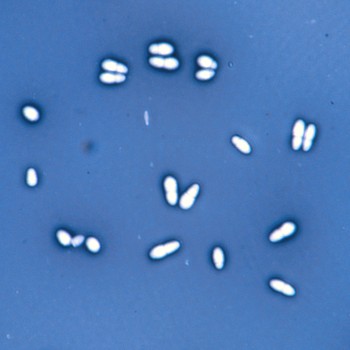
Image source: Bing (Web (fair-use with source credit))
That's what a diagnosis actually looks like. Not a smell test. Not a photo on a Facebook group.
Lipophilic, not sugar-hungry: what that means for the bowl
The "yeast feeds on sugar" line got copied from human Candida diet content and pasted onto dogs. Different organism, different biology.
Malassezia species are lipophilic. They lack the enzymes to make their own long-chain fatty acids, so they harvest lipids straight off the skin surface. They produce lipases, phospholipases, and proteases to break sebum down into the fatty acids they need.
Their preferred neighbourhood is warm, humid, and greasy: ear canals, armpits, groin, skin folds, and between the toes.
Dietary carbohydrate never reaches the skin surface as sugar. Blood glucose is tightly regulated, and it isn't sitting on the epidermis for yeast to eat.
Two practical consequences follow:
- Grain-free won't clear yeast. There's no controlled evidence that removing grain resolves Malassezia dermatitis. Grain-free foods are frequently high in peas, lentils, potato, and tapioca anyway. Still carbs.
- Slathering on coconut oil is counterproductive. Medium-chain triglycerides get promoted as antifungal. On a lipid-dependent yeast, adding oil to the skin or the bowl is closer to feeding it than fighting it.
If low-carb food genuinely cured yeast, every dog on a raw diet would have flawless skin. They don't.
Why yeast is a symptom, not the disease
Think of Malassezia as an opportunist watching for a gap in the fence.
Healthy canine skin has an intact stratum corneum, a balanced lipid film, and a stable microbiome. When allergy, hormones, moisture, or steroids disrupt that, yeast populations bloom. The yeast then produces its own inflammatory byproducts, which damages the barrier further, which lets more yeast grow.
That's the loop. Breaking it needs two things at once:
- Kill back the current overgrowth with topical and sometimes oral antifungals.
- Fix or control whatever opened the gap in the first place.
Food only lives in step two, and only for some dogs.
The Real Reasons Your Dog Keeps Flaring
Before you commit to twelve weeks of restricted feeding, it's worth knowing what you're actually up against. Here are the usual suspects, ranked roughly by how often they turn out to be the answer.
| Underlying cause | How common | Typical clues | Does diet fix it? |
|---|---|---|---|
| Canine atopic dermatitis (environmental allergy) | Most common | Seasonal pattern, face, paws, belly, starts age 1 to 3 | No, but omega-3s help |
| Cutaneous adverse food reaction | Less common than people assume | Non-seasonal, often with gut signs, any age | Yes |
| Flea allergy dermatitis | Very common, often missed | Tail base, rump, thighs | No |
| Hypothyroidism | Adult and senior dogs | Weight gain, lethargy, poor coat, cold-seeking | No |
| Hyperadrenocorticism (Cushing's) | Middle-aged and senior | Drinking and peeing more, pot belly, thin skin | No |
| Primary seborrhoea | Breed-linked | Greasy or flaky coat from a young age | No |
| Skin fold intertrigo | Bulldogs, Pugs, Shar Pei | Only in the folds | No |
Canine atopic dermatitis
This is the big one. Atopic dermatitis is an inherited tendency to react to environmental allergens: dust mites, pollens, moulds, storage mites. It usually shows up between one and three years old.
Atopic dogs have a genuinely defective skin barrier. Ceramide levels are lower. Water loss through the skin is higher.
That's a standing invitation for yeast.
Signature pattern: itchy face, ears, paws, armpits, and belly. Often worse in certain months. Often responds well to oclacitinib, lokivetmab, or ciclosporin.
Diet won't cure atopy. Omega-3 fatty acids can reduce itch and lower the dose of other medications needed, but they're support, not a solution.
Food allergy (cutaneous adverse food reaction)
A true food allergy is an immune reaction to a dietary protein. The most commonly reported culprits across published case series are beef, dairy, chicken, wheat, lamb, soy, and egg.
Notice what's at the top of that list. It's proteins, mostly. The grain obsession has it backwards.
Food-allergic dogs tend to be:
- Non-seasonal. Itchy in January and July alike.
- More likely to have concurrent gut signs. Loose stool, gassiness, more than three bowel movements a day.
- Younger at onset than average, or unusually late onset.
- Frequent sufferers of recurrent ear infections as the leading sign.
Adverse food reactions account for a minority of allergic skin disease in dogs. That's still a lot of dogs. And it's the only category where changing the bowl actually solves the problem.
Fleas, hypothyroidism, and Cushing's: the ones people miss
Flea allergy is embarrassingly common in dogs whose owners are certain they don't have fleas. One bite from one flea can trigger weeks of itching in a sensitised dog. You will not necessarily find the flea.
Year-round parasite control isn't optional here. It's a prerequisite for any meaningful diet trial.
Then there's the endocrine pair. Hypothyroidism and Cushing's both suppress normal skin defences, and both cause recurrent, stubborn Malassezia infections. Red flags worth acting on:
- Skin disease starting for the first time after age six
- Weight gain with no change in food
- Increased thirst and urination
- Hair loss that's symmetrical rather than scratched-out
- Thin skin, visible blood vessels, or a pot-bellied appearance
- Poor wound healing
If any of those apply, ask your vet about a thyroid panel (total T4, free T4, TSH) and adrenal testing before you spend three months on a food trial. The US Food and Drug Administration's Center for Veterinary Medicine regulates the therapeutic diets used in these trials, but no diet on the shelf treats an untreated endocrine disorder.
When Food Is Actually the Trigger, and When It Isn't
You can't diagnose a food allergy from a symptom list. But you can read the odds well enough to decide whether a trial is worth your time.
Signs that point toward a food-driven flare
The more of these that apply, the stronger the case:
- No seasonal pattern at all. The dog is equally itchy in every month of the year.
- Recurrent ear infections as the dominant sign. Especially both ears, especially back within weeks of finishing treatment.
- Gut signs alongside skin signs. Soft stool, frequent stools, chronic gas, occasional vomiting.
- Onset under one year or over six years. The middle band skews more toward atopy.
- Poor or partial response to steroids. Food-allergic dogs often respond less predictably than atopic dogs.
- Perianal itching and licking. Overrepresented in food-reactive dogs.
- A history of doing better on one particular food. Even if you never tested it properly.
Signs that point somewhere else entirely
- Clear seasonality. Bad from May to September, fine in winter. That's environmental.
- Rump, tail base, and thigh distribution. Classic flea allergy territory.
- First flare after age seven with systemic changes. Drinking more, panting, weight shifts. Endocrine workup first.
- Yeast confined to skin folds only. That's a moisture and anatomy problem, not a food problem.
- A flare that started within weeks of an antibiotic course. Antibiotics knock back the bacteria that normally compete with yeast. That usually self-corrects with topical treatment.
- A dog already on long-term steroids or ciclosporin. Immunosuppression alone can drive overgrowth.
If you're genuinely on the fence
Run the trial anyway.
A properly executed elimination diet costs you twelve weeks and a bag of food. The information you get is definitive either way. Compare that to years of switching brands based on marketing claims and never actually learning anything.
Just do it once, do it strictly, and treat the active yeast infection topically at the same time. The World Small Animal Veterinary Association's Global Nutrition Committee publishes practical guidance on assessing diets and questioning manufacturers, which is worth reading before you pick your trial food. As of 2026, therapeutic hydrolysed and novel protein diets remain the most reliable trial option, because retail limited ingredient foods have repeatedly tested positive for undeclared proteins.
The Elimination Diet Trial: The Only Test That Tells You Anything
This is the whole ball game. Everything else in this article is supporting cast.
An elimination diet trial, also called a dietary restriction and provocation trial, works by feeding a protein the immune system has never seen or can no longer recognise. Nothing else goes in the dog. You wait for the skin to settle, then deliberately put the old food back to confirm.
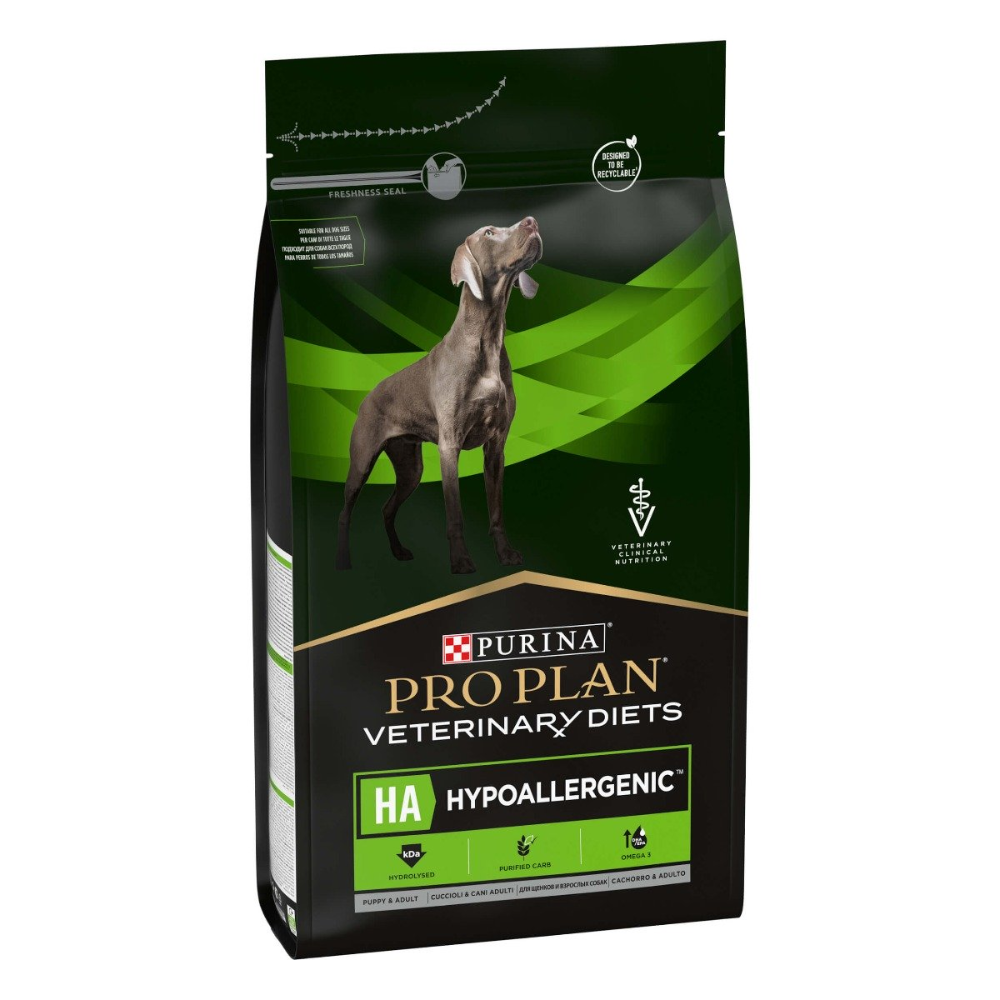
Image source: Bing (Web (fair-use with source credit))
That's a therapeutic hydrolysed diet, the kind most vets reach for first. Prescription authorisation is usually required, which is a feature rather than a nuisance. It means the formulation is controlled.
Hydrolysed protein vs. novel protein: how to choose
Hydrolysed diets take an ordinary protein like chicken or soy and chop it into fragments too small for the immune system to flag. The target is peptides under 10 kDa. Elemental diets go further, down to free amino acids.
Novel protein diets rely on a protein your dog has genuinely never eaten. Kangaroo, rabbit, venison, alligator, duck, whitefish, or insect protein depending on your market.
Use this to pick:
| Situation | Better choice | Why |
|---|---|---|
| Dog has eaten a long list of proteins over the years | Hydrolysed | Genuinely novel proteins are hard to find |
| Dog has only ever eaten chicken and beef | Novel protein | Cheaper, usually more palatable |
| Severe, long-standing skin disease | Hydrolysed or elemental | Lowest possible antigen exposure |
| Dog refuses hydrolysed kibble outright | Novel protein, or a hydrolysed wet format | Compliance beats theoretical perfection |
| You want the strictest possible test | Elemental (amino acid based) | Nothing left to react to |
| Budget is genuinely tight | Vet-formulated home-cooked novel protein | Cheaper per month, more work |
One caveat on hydrolysates. They're bitter. Palatability refusal is one of the most common reasons trials collapse in the first fortnight.
Warming wet food slightly, or mixing it into kibble from the same product line, helps.
The 8 to 12 week timeline, week by week
Skin doesn't turn over quickly. Neither does inflammation. Here's what a properly run trial actually looks like.
| Timeframe | What you do | What to expect |
|---|---|---|
| Days 1 to 10 | Gradual transition, old food to trial food | Possible loose stool, adjust pace |
| Weeks 1 to 2 | Strict feeding, medicated bathing 2 to 3x weekly | Odour improves, itch may not yet |
| Week 4 | Vet recheck, repeat cytology | Yeast counts should be dropping |
| Weeks 4 to 6 | Continue strict diet, taper bathing | Ear discharge reducing, coat improving |
| Week 8 | Vet recheck, repeat cytology, score itch | 80 to 90 percent of food-allergic dogs have responded |
| Weeks 8 to 12 | Continue if partially improved | Some dogs need the full 12 weeks |
| Rechallenge | Reintroduce original diet | Relapse within 1 to 14 days confirms food trigger |
Track it properly. A weekly Pruritus Visual Analog Scale score, a simple 0 to 10 itch rating, plus a phone photo of the worst-affected area beats memory every time. Owners consistently underestimate improvement because it happens gradually.
Weigh the dog every fortnight too. Hydrolysed diets have different caloric density to what you were feeding. Portion sizes need recalculating, not copying.
The rechallenge step almost everyone skips
Here's where trials go to die. The dog improves, the owner is delighted, and they never put the old food back.
That's understandable. It's also a mistake.
Without rechallenge you don't know whether the diet fixed things or whether the medicated shampoo, the flea treatment, the season change, or the antifungal course did the heavy lifting. You've spent twelve weeks and learned nothing you can act on.
How to run it:
- Once the skin is clear and stable, feed the original diet again.
- Watch for 14 days. Most food-allergic dogs relapse in 1 to 14 days, often within 72 hours.
- If itching returns, go straight back to the trial diet. Confirmed.
- If nothing happens after two weeks, food was not your problem.
After confirmation, you can run sequential single-ingredient provocations. Add beef alone for two weeks. Then chicken.
Then dairy. Two weeks per ingredient, one at a time. That's how you build a long-term diet you can actually shop for at normal prices.
Most owners stop at "hydrolysed food works" and stay on it for life. That's perfectly reasonable, just more expensive than it needs to be.
Hydrolysed, Novel Protein, Retail LID, or Home-Cooked: A Side-by-Side Look
Four routes, four very different risk and cost profiles.
| Option | Monthly cost, 20 kg dog | Reliability for a trial | Main weakness | Best for |
|---|---|---|---|---|
| Therapeutic hydrolysed | £70 to £120 / $80 to $140 | Highest | Cost, palatability | Dogs with long dietary histories |
| Therapeutic novel protein | £60 to £100 / $70 to $120 | High | Truly novel proteins getting scarce | Young dogs, limited food history |
| Retail limited ingredient | £35 to £60 / $40 to $70 | Low | Undeclared protein contamination | Long-term maintenance after diagnosis |
| Vet-formulated home-cooked | £45 to £80 / $50 to $90 in ingredients | High, if formulated properly | Time, nutritional risk if DIY | Fussy dogs, multiple confirmed allergies |
Costs vary widely by region and retailer. Online prescription-diet suppliers typically undercut in-clinic pricing, sometimes substantially.
Why retail limited ingredient foods fail trials
Because the label often isn't the whole story. Multiple published analyses using PCR and ELISA testing have found undeclared animal proteins in over-the-counter limited ingredient and novel protein pet foods. Beef and chicken DNA turning up in venison or duck formulas is a recurring finding.
Shared production lines are the usual explanation. It's not malice, it's manufacturing.
For a maintenance diet after you've already identified the trigger, retail LID is fine and considerably cheaper. For the diagnostic trial itself, it's a coin flip you don't want to take.
Where home-cooked fits
Home-cooked elimination diets are genuinely excellent for a short trial. One protein, one carbohydrate, nothing else. Rabbit and pumpkin.
Venison and sweet potato.
The problem is duration. A two-ingredient home diet is not complete and balanced. Feed it for eight weeks and you're borrowing against reserves.
Feed it for a year and you'll create deficiencies in calcium, zinc, vitamin D, vitamin E, and essential fatty acids.
If you want home-cooked long term, get the recipe formulated by a board-certified veterinary nutritionist (ACVN or ECVCN diplomate). Not from a blog. Not from a recipe generator with no vet oversight.
What about raw?
Raw feeding is popular in yeast circles, and there's no controlled evidence it resolves Malassezia overgrowth. Raw diets can function as a novel protein trial if the protein is genuinely novel and the formulation is complete.
But you're adding pathogen risk for no proven skin benefit. Salmonella, Listeria, and E. coli shedding are documented in raw-fed dogs. That matters more if anyone in the house is immunocompromised, pregnant, elderly, or very young.
Our position: if you want to feed raw for other reasons, fine. Just don't expect it to be the yeast cure. And use a complete, commercially balanced product rather than a DIY mince-and-bone recipe.
Foods and Ingredients Worth Reconsidering During a Flare
Not because they feed the yeast. Because they either break the trial, add antigen load, or increase the skin's oil output.
Everything that breaks a trial
This list ends more elimination diets than anything else:
- Dental chews, rawhides, bully sticks, pig ears, antlers
- Training treats of any kind, including hypoallergenic ones from a different manufacturer
- Flavoured heartworm and flea preventives
- Flavoured chewable NSAIDs and joint supplements
- Flavoured toothpaste
- Pill pockets and cheese for medication
- Peanut butter in a lick mat
- Table scraps, including "just a bit of the crust"
- Cat food, cat treats, and litter tray contents
- Another dog's bowl in a multi-dog household
- Anything scavenged on walks
If your dog is a committed street-scavenger, a basket muzzle for eight weeks is a legitimate tool. It's not cruel. It's the difference between a valid result and a wasted quarter.
High-frequency allergen proteins
If you're building a home trial or choosing a novel protein, avoid these. They're the most commonly reported triggers in published case series:
- Beef
- Dairy
- Chicken
- Wheat
- Lamb
- Soy
- Egg
Chicken deserves a special mention. It's in almost everything, including foods marketed on a different headline protein. Read the full ingredient panel, not the front of the bag.
Oily toppers and fatty extras
Here's where the lipophilic biology actually has a practical implication.
Pouring oil-heavy toppers into the bowl, or rubbing coconut oil into the coat, gives Malassezia more of what it wants. That's not a reason to feed a fat-free diet. Dogs need fat.
But it is a reason to skip the greasy add-ons during an active flare.
Skip these while the skin is inflamed:
- Coconut oil, orally or topically
- MCT oil
- Olive oil or bacon fat drizzled on food
- Very high-fat home-cooked recipes
Omega-3 supplementation is a different case, and we'll get to why in a moment.
The things that genuinely don't matter
Save your money and your sanity:
- Sugar content. Commercial dog food isn't sugary, and dietary sugar doesn't reach the skin surface.
- Grain-free status. No demonstrated effect on yeast.
- Yeast as an ingredient. Brewer's yeast in dog food is Saccharomyces cerevisiae. Completely different organism from Malassezia. Eating it does not cause yeast infections.
- Kibble vs. wet. Format has no proven effect on Malassezia. Feed whichever the dog will actually eat.
Supplements That Have Evidence Behind Them, and the Ones That Don't
There's a whole supplement industry built on canine yeast. Most of it is marketing. A few things genuinely help.
| Supplement | Evidence for itchy skin | Practical verdict |
|---|---|---|
| EPA and DHA (fish oil) | Good, multiple controlled studies | Worth using, steroid-sparing effect |
| Gamma-linolenic acid (GLA) | Moderate | Reasonable adjunct, often paired with omega-3 |
| Ceramide and phytosphingosine | Moderate, mostly topical | Useful for barrier repair |
| Probiotics | Emerging, strain-specific | Low risk, modest benefit |
| Zinc, biotin, vitamin E | Only helps if deficient | Already adequate in complete diets |
| Coconut oil | None for Malassezia | Skip, may worsen |
| Apple cider vinegar, oral | None | Skip |
| Caprylic acid, oregano oil, olive leaf | None in dogs | Skip |
| Grapefruit seed extract | None, plus toxicity concerns | Actively avoid |
Omega-3s: the one with real backing
Fish oil is the best-supported nutritional intervention for allergic skin disease in dogs. EPA and DHA compete with arachidonic acid in the inflammatory pathway, producing less inflammatory mediators.
What the research supports:
- Combined EPA and DHA dosing in the region of 50 to 220 mg per kg body weight daily, vet-directed
- Meaningful clinical response typically takes 8 to 12 weeks
- A documented steroid-sparing effect, meaning some dogs need lower doses of other medications
Use marine sources. Flaxseed oil provides alpha-linolenic acid, and dogs convert ALA to EPA very inefficiently. Krill oil works but costs more per gram of EPA.
Watch the calories. Fish oil is pure fat. A large dog's dose can add 100 kcal or more per day, which matters if weight is already an issue.
Probiotics: what the research actually shows
Strain matters more than the word "probiotic" on the tub. Lactobacillus rhamnosus GG and Enterococcus faecium SF68 have the most published work behind them in dogs.
The evidence points toward modest benefit in atopic dogs, particularly around early-life exposure and immune modulation. It's not a treatment for active yeast overgrowth.
Worth adding? Probably, if your dog also has soft stools or a history of antibiotic use. Not worth expecting miracles from.
Coconut oil, ACV, and caprylic acid: an honest verdict
None of these are supported for canine Malassezia.
Coconut oil is the most-recommended and the most mechanistically backwards. Lauric acid has in vitro antifungal activity against some organisms, but Malassezia is a lipid-dependent yeast that thrives on fatty acid substrates. Feeding or applying oil to a yeasty dog is at best neutral and at worst counterproductive.
Apple cider vinegar taken orally does nothing to skin pH. Diluted ACV as a topical rinse has some anecdotal support for mild cases, but it stings badly on broken or ulcerated skin. Never put it in inflamed ears.
Oregano oil, tea tree oil, and other essential oils carry genuine toxicity risk in dogs. Tea tree oil poisoning is well documented. Keep them out of this entirely.
Why Diet Alone Won't Clear an Active Infection
If your dog has visible yeast right now, food will not fix it. Not this month, not any month.
An elimination diet addresses the driver. It doesn't kill the organism already colonising the skin in large numbers. You need both, running at the same time.
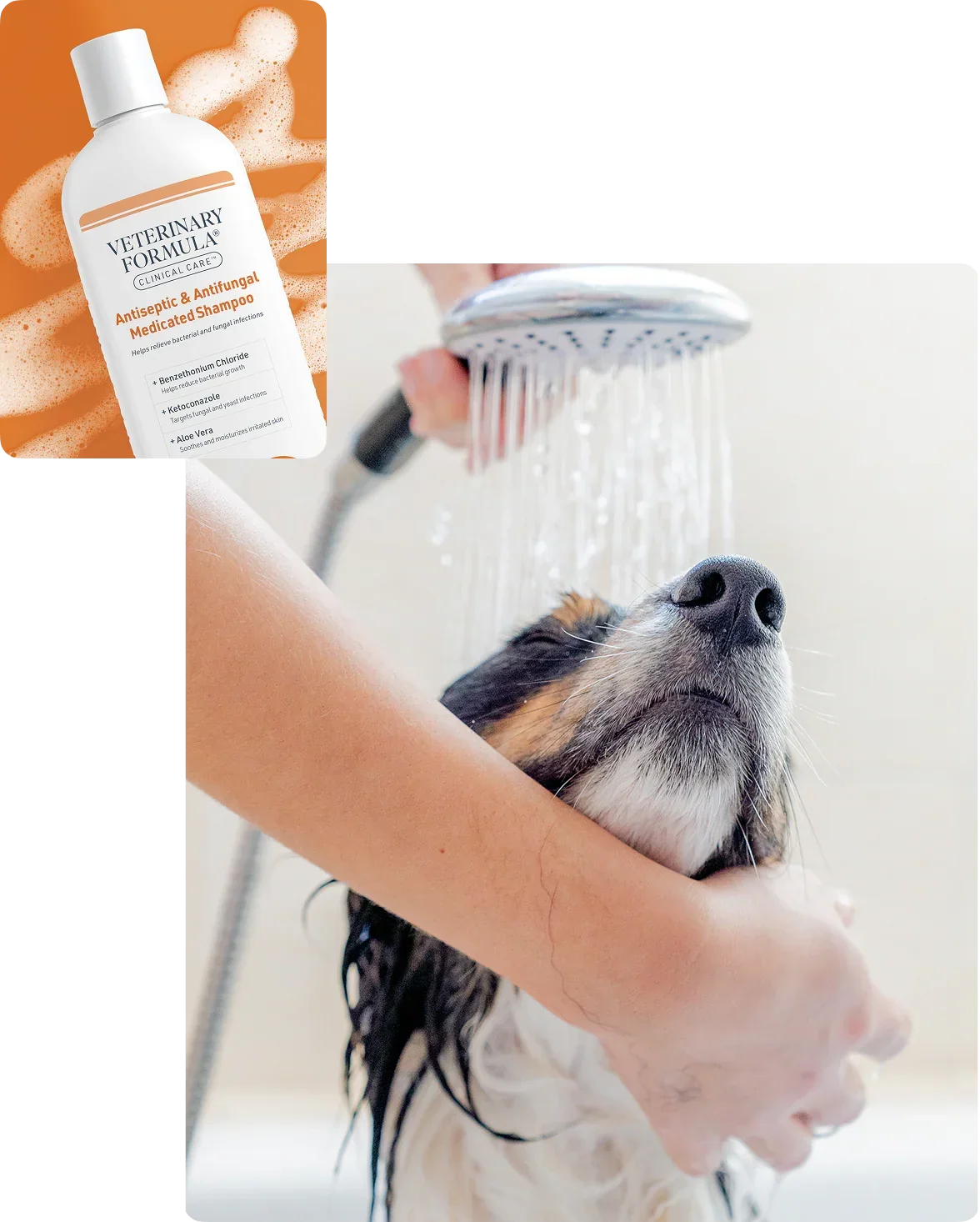
Image source: Bing (Web (fair-use with source credit))
Topical antifungal therapy and contact time
Topical treatment is the backbone of Malassezia management. It gets high drug concentrations exactly where the yeast lives, with none of the liver risk of oral medication.
The active ingredients that work:
| Active ingredient | Typical concentration | Notes |
|---|---|---|
| Chlorhexidine | 2 to 4% | Antibacterial and antifungal, good for mixed infections |
| Miconazole | 2% | Often combined with chlorhexidine, strong synergy |
| Ketoconazole | 1 to 2% | Effective, widely available |
| Climbazole | Varies | Common in European formulations |
| Selenium sulphide | 1% | Degreasing, useful in seborrhoeic dogs |
| Acetic acid and boric acid | Varies | Ear cleaners, drying and acidifying |
The single most-ignored instruction is contact time. Lather the shampoo, then leave it on for a full 10 minutes before rinsing. Aggregate owner feedback suggests most people rinse after two or three minutes, which is why the shampoo "doesn't work".
Set a timer. Ten minutes.
Frequency during an active infection is 2 to 3 baths per week, tapering to weekly or fortnightly for maintenance. Between baths, antifungal mousses, sprays, and wipes cover the ears, folds, and feet without a full wash.
Drying is half the job
Malassezia grows best in warm, humid conditions. Its optimum temperature sits around 32 to 37°C, which is roughly the temperature of a damp skin fold.
After every bath or swim:
- Towel dry thoroughly, then use a cool blow-dry on folds and armpits
- Dry between every toe
- Dry inside the ear flap and the visible part of the canal
- Never leave a Bulldog's face folds damp
This one habit prevents more relapses than most supplements ever will.
When systemic antifungals come into it
Oral antifungals are for severe, generalised, or treatment-resistant cases. They're prescription-only and they need vet supervision.
The usual options:
- Ketoconazole, roughly 5 to 10 mg/kg daily, vet-directed
- Itraconazole, often used in pulse-dosing protocols
- Fluconazole, better tissue penetration in some sites
- Terbinafine, an allylamine rather than an azole
Course length is typically a minimum of 3 to 4 weeks, continuing to about one week past clinical resolution. Stopping early is the most common cause of immediate relapse.
Safety points worth knowing before you start:
- All the azoles carry hepatotoxicity risk. Baseline and follow-up liver enzymes are standard practice.
- Azoles inhibit cytochrome P450 enzymes, so drug interactions are a real concern. Tell your vet everything the dog takes.
- Not for use in pregnancy.
- Gut upset is common. Giving with food helps with ketoconazole absorption.
Ears need their own protocol
Never put medication into an ear without an otoscopic exam first. If the tympanic membrane is ruptured, certain ear preparations can cause permanent ototoxic damage, including deafness and vestibular signs.
Chronic ear cases also often involve biofilm, which physically shields yeast from medication. That's why some dogs need a deep flush under sedation before topical treatment starts working.
If your dog's ears have been treated three or more times in a year, the ears aren't the problem. Whatever's driving them is.
What This Costs: Diets, Testing, and Long-Term Management
Money is the reason a lot of owners stall halfway. Worth seeing the real numbers before you start, not after.
| Item | Typical cost range | Frequency |
|---|---|---|
| Vet consult, first skin visit | £45 to £80 / $60 to $120 | Once, then rechecks |
| Ear and skin cytology | £25 to £60 / $30 to $80 | Per visit, often 2 to 3 times |
| Thyroid panel (T4, free T4, TSH) | £80 to £150 / $100 to $200 | Once, if indicated |
| ACTH stimulation or LDDST | £150 to £300 / $180 to $350 | Once, if Cushing's suspected |
| Therapeutic hydrolysed diet, 20 kg dog | £70 to £120 / $80 to $140 | Monthly |
| Medicated antifungal shampoo, 500 ml | £15 to £30 / $18 to $35 | Lasts 4 to 8 weeks |
| Ear cleaner, 250 ml | £10 to £20 / $12 to $25 | Every 6 to 10 weeks |
| Oral antifungal course, 20 kg dog | £40 to £90 / $50 to $110 | Per 3 to 4 week course |
| Fish oil supplement | £12 to £30 / $15 to $35 | Monthly |
| Dermatology referral, initial | £180 to £350 / $250 to $500 | Once |
Prices vary by country, clinic type, and whether you're in a city. Treat these as a planning range, not a quote.
Where the money actually goes wrong
The expensive path isn't the one with the referral on it. It's the drifting path.
Aggregate owner accounts follow a familiar shape. Six food changes at £50 to £70 a bag over eighteen months. Three or four repeat vet visits for the same ear infection.
A £200 saliva allergy test that produced a list nobody could act on.
Add it up and you've often spent more than a proper workup plus a twelve-week trial would have cost. Running one structured trial once is cheaper than guessing for two years.
Ways to cut the cost honestly
- Buy the trial diet online. Prescription-diet retailers routinely undercut in-clinic pricing by 15 to 30 percent. Your vet still writes the authorisation.
- Buy the largest bag. Cost per kilo drops noticeably at 12 kg and above. You'll need the volume anyway.
- Ask about a novel protein instead of hydrolysed. If your dog's food history is short, it's usually cheaper and more palatable.
- Use topical treatment properly so you need fewer oral courses. Ten-minute contact time is free.
- Get the diagnosis right early. Treating hypothyroidism costs pennies a day. Chasing it with food costs hundreds.
Does pet insurance cover any of this?
Usually not the food. Most policies in the UK, US, and Australia exclude therapeutic diets outright, or cap them at a token amount.
Diagnostics and medication are more commonly covered, provided the skin disease isn't pre-existing. That last word does a lot of work. If your dog was itchy before the policy started, expect a fight.
Read the exclusions before you assume. And declare skin history honestly, because undisclosed conditions void claims.
Mistakes That Wreck an Elimination Trial
Trials rarely fail because the diet was wrong. They fail because something got past the gate.
Flavoured meds, chews, and the household saboteur
Chewable, flavoured medications are the number one silent trial-killer. Most heartworm preventives, many joint supplements, and a lot of NSAIDs come in beef or pork flavour.
Swap them before day one:
- Heartworm: ask for an unflavoured tablet or a topical alternative
- Flea and tick: topical spot-ons and collars avoid the issue entirely
- Joint supplements: pause them, or switch to unflavoured powder
- NSAIDs: ask for the tablet, not the chew
- Toothpaste: switch to plain, or pause brushing with flavoured paste
Then there's the human factor. In a multi-person household, someone will give the dog something. It's usually well-meant, and it's usually a kid, a grandparent, or a partner who "only gave him a tiny bit".
Practical fixes that work:
- Put a written note on the fridge listing exactly what the dog can have
- Move all treat jars out of the house or into a sealed box
- Tell dog walkers, daycare, and neighbours in writing
- Feed dogs separately in a multi-dog home, or put the whole household on the trial diet
- Raise the cat's food and litter tray out of reach
- Use a basket muzzle on walks for confirmed scavengers
One flavoured tablet on week six doesn't always mean starting again from zero, but it does muddy your result. Log any slip-ups so you can interpret the outcome honestly.
Judging results while your dog is still on steroids
This one's subtle, and it wastes months.
Prednisolone masks itch beautifully. So does oclacitinib. If your dog is on either during the trial, you can't tell whether the improvement came from the food or the drug.
The workaround isn't to yank the medication. Abruptly stopping long-term corticosteroids is dangerous and can trigger an adrenal crisis. Instead:
- Talk to your vet about a planned taper before or during the trial
- If the dog needs itch relief, note the dose and keep it constant
- Do the rechallenge only when medication is stable or withdrawn
- Cytopoint's effect lasts 4 to 8 weeks, so time the trial around the injection cycle
The other classic failures
- Stopping at week four. Improvement often doesn't show until week six to eight. Four weeks proves nothing.
- Treating yeast and running the diet trial at different times. Do both together. Otherwise the active infection keeps the dog itchy and you'll conclude the food failed.
- Changing two things at once. New food plus a new supplement plus a new shampoo equals no usable information.
- Ignoring fleas. A single flea-allergic dog will itch through a perfect diet trial.
- Not recording anything. Memory is unreliable. Weekly itch scores and photos are not.
- Picking a novel protein the dog has actually eaten. Check every food, treat, and chew the dog has had. Duck jerky counts.
Serum IgE, Saliva, and Hair Testing: Why We Don't Recommend Them
Short version: none of them reliably diagnose food allergy in dogs.
These tests are heavily marketed, often direct to owners, and they generate a tidy printed list of "reactive" foods. The list looks authoritative. It usually isn't.
What the research shows
Published validation work has repeatedly found poor agreement between serum IgE food panels and the results of properly conducted elimination and rechallenge trials. Studies have run these tests on healthy, non-allergic dogs and got long lists of positive results.
Hair and saliva tests have performed worse still. Investigations submitting samples from non-existent dogs, and even from synthetic fur, have returned detailed sensitivity reports.
That's not a borderline accuracy problem. That's a test with no diagnostic value.
Why it matters more than wasted money
Because owners act on the results. They eliminate six proteins based on a printout, end up feeding an odd rotating diet, and never run the one test that would give a real answer.
Worse, some of these lists include proteins the dog tolerates perfectly well. You end up restricting a diet for no reason, sometimes into nutritional territory that causes new problems.
Where allergy testing does have a role
Intradermal skin testing and serum IgE testing are genuinely useful for one purpose: identifying environmental allergens to formulate allergen-specific immunotherapy.
That's dust mites, storage mites, pollens, moulds. Not food.
If your vet or dermatologist suggests allergy testing to build an immunotherapy vaccine for atopic dermatitis, that's a legitimate, evidence-supported use. If a company suggests a hair sample will tell you your dog is allergic to chicken, it won't.
Some IgE-based food panels are occasionally used to help select a trial diet, not to diagnose. Even then, the elimination trial remains the standard. Guidance from the American College of Veterinary Dermatology and the international consensus work on canine atopic dermatitis both put the dietary restriction and provocation trial at the top of the hierarchy.
Safety Warnings You Shouldn't Ignore
Skin disease feels low-stakes. Some of the fixes people reach for aren't.
Raw diets, DIY recipes, and nutritional gaps
Raw feeding carries documented pathogen risk. Studies sampling commercial raw pet food have found Salmonella, Listeria monocytogenes, and antibiotic-resistant E. coli at meaningful rates. Dogs can shed these organisms in stool without looking ill.
Household risk is highest for infants, elderly relatives, pregnant people, and anyone immunosuppressed. Standard hygiene applies: separate prep surfaces, dedicated utensils, hand washing, no dog licking faces after a meal.
The nutritional risk is quieter and just as real. Analyses of homemade dog food recipes published online have found the large majority fall short on at least one essential nutrient. Common gaps:
- Calcium and the calcium to phosphorus ratio
- Vitamin D
- Vitamin E
- Zinc
- Choline
- Essential fatty acids
Puppies are especially vulnerable. Skeletal disease from a badly balanced homemade diet during growth is permanent.
If you want to feed homemade beyond an eight-week trial, use a veterinary nutritionist-formulated recipe. Services run by veterinary teaching hospitals and ACVN diplomates exist precisely for this.
The BEG diet and DCM question
Boutique, exotic-ingredient, and grain-free diets came under FDA investigation after reports linking them to dilated cardiomyopathy in dogs without a genetic predisposition. Over 1,100 cases were reported through the investigation updates published to 2019.
The mechanism has never been definitively established. Pulse ingredients (peas, lentils, chickpeas) making up a large proportion of the formula are the leading suspicion. Taurine deficiency explains some cases but not all.
Here's the practical relevance. People switch to grain-free specifically to fight yeast, based on advice that was wrong to begin with. So they take on an unresolved cardiac question for a benefit that doesn't exist.
If your dog is on a grain-free diet with pulses high in the ingredient list, and especially if you're in a predisposed breed like a Golden Retriever, it's worth a conversation with your vet.
Essential oils, xylitol, and other DIY hazards
Some popular home remedies are genuinely dangerous:
- Tea tree oil. Documented canine poisoning. Causes ataxia, tremors, depression, and liver damage. Never apply undiluted, and ideally never at all.
- Oregano, clove, cinnamon, and citrus oils. Skin irritation and toxicity risk. Cats in the household are at even greater risk.
- Grapefruit seed extract. Frequently contaminated with synthetic preservatives, no proven benefit.
- Xylitol. Fatal in dogs. Check every peanut butter, sugar-free item, and human food you're tempted to use as a pill hider.
- Undiluted apple cider vinegar. On broken skin it's painful. In an ear with a ruptured eardrum it's dangerous.
- Boric acid solutions in ears. Only under veterinary direction, and never without checking the eardrum.
Medication safety points worth repeating
- Never medicate an ear before an otoscopic exam confirms an intact tympanic membrane.
- Azole antifungals need liver monitoring on longer courses.
- Cytochrome P450 interactions are real. Give your vet a full medication and supplement list.
- Don't stop long-term corticosteroids abruptly.
- Malassezia pachydermatis is zoonotic in rare circumstances, mainly documented in neonatal intensive care settings. It's not a household concern for healthy people, but wash your hands after applying ear medication.
Where diet-chasing becomes a welfare issue
Six months of untreated Cushing's is not a neutral outcome. Neither is a year of nightly scratching, broken sleep, and self-trauma.
If you've changed three foods and the dog is still itchy, stop changing food. That's your signal to go back to the vet and look underneath.
Real Scenarios: Three Dogs, Three Different Answers
These are composite cases drawn from typical presentation patterns in veterinary dermatology practice. Same symptom, three completely different answers.
The Westie with lifelong itchy paws
Four-year-old West Highland White Terrier. Itchy since around fourteen months. Rusty red staining between all four sets of toes, greasy coat, mild armpit redness.
Worse from April through September. Improves noticeably in deep winter.
Cytology confirms Malassezia. The owner has already tried grain-free and raw with no lasting change.
The seasonal pattern is the tell. This is canine atopic dermatitis with secondary yeast, and Westies are one of the most over-represented breeds for both.
What actually worked:
- Twice-weekly antifungal shampoo with 10-minute contact time
- Antifungal wipes on the feet between baths
- Oclacitinib for itch control during peak season
- EPA and DHA supplementation, reviewed at 12 weeks
- Intradermal testing to build an allergen-specific immunotherapy vaccine
Diet contributed nothing here beyond the omega-3s. A trial was run and produced no change, which was itself useful information.
The Cocker Spaniel with recurring ear infections
Three-year-old English Cocker Spaniel. Four courses of ear medication in fourteen months. Brown waxy discharge in both ears, head shaking, mild interdigital licking.
No seasonal pattern. Soft stools most days and noticeably gassy.
That combination, non-seasonal signs plus ears plus gut, moves food up the list considerably.
The protocol:
- Otoscopy first to confirm intact eardrums
- Deep ear flush under sedation to break up biofilm
- Topical ear medication for 14 days
- Hydrolysed protein diet, strict, for 10 weeks
- Flavoured heartworm preventive swapped to unflavoured
- Rechallenge at week 10
Ears cleared by week three. Skin settled by week seven. Stools firmed up around week five, which was the first genuine hint.
Rechallenge with the original chicken-based food brought head shaking back on day four. Confirmed. Sequential provocation later identified chicken as the trigger, which opened up much cheaper long-term food options.
The senior Labrador with sudden-onset skin disease
Nine-year-old Labrador. Never had a skin problem in his life. Over four months: greasy coat, yeasty odour, thinning hair along both flanks, recurring skin infections.
Also drinking more, panting at night, and up 4 kg without a change in feeding.
This one shouldn't get a diet trial. Not yet.
New-onset skin disease in a senior dog with systemic changes points squarely at endocrine disease. The workup came first: full blood panel, thyroid panel, urinalysis, then adrenal function testing.
Result was hyperadrenocorticism. Yeast overgrowth was a downstream consequence of cortisol suppressing normal skin defences.
Treatment addressed the adrenal disease with trilostane under veterinary supervision, plus topical antifungal therapy for the active overgrowth. The skin resolved as the underlying disease came under control.
Had the owner spent twelve weeks on a hydrolysed diet first, the Cushing's would have progressed untreated. That's the exact risk this whole article exists to flag.
When to Stop Experimenting and Call Your Vet
There's a point where DIY becomes delay. Here's how to recognise it.
Red flags that need same-week attention
Book an appointment now if you see any of these:
- Bleeding, oozing, or ulcerated skin. That's beyond yeast. Secondary bacterial infection is likely.
- Sudden head tilt, circling, or loss of balance. Suggests middle or inner ear involvement.
- A dog that cries or pulls away when you touch an ear. Painful ears often mean a ruptured eardrum or deep infection.
- Hair loss that's symmetrical, not scratched off. Points to hormonal disease.
- Increased thirst and urination. Especially alongside skin disease in a middle-aged or older dog.
- Weight change without a food change. Either direction.
- Skin so thin you can see blood vessels through it. Classic Cushing's sign.
- Self-trauma bad enough to break sleep. For the dog or for you.
- Any skin problem starting for the first time after age seven.
When your yeast problem might not be yeast at all
Plenty of conditions look identical from the sofa. Cytology sorts them out in ten minutes.
| Looks like yeast | What it actually is | Distinguishing clue |
|---|---|---|
| Greasy, itchy, smelly skin | Staphylococcal pyoderma | Pustules, crusts, epidermal collarettes |
| Red itchy paws and ears | Demodex mites | Hair loss without much itch, young dogs |
| Intense itching, worse at night | Sarcoptic mange | Ear margin scratch reflex, contagious to people |
| Scaly, circular hair loss | Dermatophytosis (ringworm) | Needs fungal culture or PCR, zoonotic |
| Itchy rump and tail base | Flea allergy dermatitis | Flea dirt in the coat |
| Thickened, dark, itchy skin | Contact or hormonal dermatitis | Distribution pattern |
Odour is not a diagnosis. Neither is a photo comparison. If nobody has looked at a stained slide from your dog's skin or ear, you don't actually know what you're treating.
When to ask for a referral to a veterinary dermatologist
Ask for a referral if any of these apply:
- Three or more ear infections in twelve months
- No meaningful improvement after a properly run 12 week diet trial plus topical therapy
- Relapse within two weeks of finishing every antifungal course
- Your dog needs continuous steroids to stay comfortable
- Cytology keeps showing mixed yeast and rod-shaped bacteria
- You're considering allergen-specific immunotherapy
A board-certified veterinary dermatologist (DACVD or DipECVD) sees these cases daily. In our research, owners consistently report that a single referral consult resolved problems that had run for years in general practice. It costs more upfront and usually less overall.
Keeping Flares Away Long-Term
Once you've cleared it, the job shifts from treatment to maintenance. Most relapses are preventable.
Bathing rhythm, ear drying, and weight control
Build a schedule and stick to it. Prevention baths are far cheaper than treatment courses.
| Task | Frequency | Why it works |
|---|---|---|
| Antifungal maintenance bath | Every 1 to 2 weeks | Keeps yeast populations below threshold |
| Ear cleaner | Weekly, or after swimming | Removes wax and lowers pH |
| Dry folds and paws | After every bath, swim, or wet walk | Removes the humidity yeast needs |
| Antifungal wipes on feet | 2 to 3 times weekly in prone dogs | Interrupts the lick and grow cycle |
| Body condition score check | Monthly | Target 4 to 5 out of 9 |
| Coat clip in fold breeds | As needed | Improves air flow, speeds drying |
Weight matters more than people expect. Overweight dogs have deeper folds, more skin contact, and more trapped moisture. Getting a dog from 7/9 to 5/9 on body condition score reduces the microclimates yeast loves.
Year-round flea control stays non-negotiable. So does keeping that flea treatment unflavoured if your dog is on a confirmed food restriction.
Seasonal and regional adjustments
Yeast pressure isn't constant. Adjust with the weather.
- Humid summers. US Gulf Coast, Florida, coastal Australia, Southeast Asia, UK muggy spells. Increase bathing to weekly and dry aggressively after every walk.
- Swimming season. Dry ears after every swim. Water dogs like Labradors, Cockers, and Portuguese Water Dogs need it most.
- Pollen seasons. Wipe paws and belly after walks to reduce allergen contact in atopic dogs.
- Winter indoor heating. Dry air worsens barrier function. Ceramide-based topical sprays and continued omega-3s help.
- Monsoon and wet seasons. Expect flares. Pre-empt them with a scheduled bathing increase rather than waiting.
Building a flare action plan with your vet
Agree this in advance, while things are calm. It saves days of guessing later.
A good plan spells out:
- The early warning signs specific to your dog: head shaking, paw licking, that first whiff of odour
- Which shampoo or ear cleaner to start immediately, and at what frequency
- How many days to wait before booking a vet visit
- What you're allowed to give without a consult, and what you're not
- When to repeat cytology
- Annual bloodwork if the dog is on repeat antifungal courses
Keep a simple log. Date, sign, action taken, result. Six months of that log is worth more to your vet than any amount of description.
Common Questions About Feeding a Dog With Yeast Overgrowth
Should I switch to grain-free food for my yeasty dog?
No. There's no controlled evidence that removing grain resolves Malassezia overgrowth, and grain-free foods usually swap grain for peas, lentils, or potato anyway. Grain allergy also isn't the main food trigger in dogs.
Proteins are. If food is the driver, you need an elimination trial, not a marketing category.
Can I just add probiotics and skip the diet trial?
Probiotics won't diagnose or resolve a food allergy. Strain-specific benefits exist for atopic dogs, mainly with Lactobacillus rhamnosus GG and Enterococcus faecium SF68, but they're supportive rather than curative. Add them if you like.
Just don't treat them as a substitute for finding the underlying cause.
My dog gets loose stools on the hydrolysed diet. What now?
Slow the transition. Extend it to 14 days instead of 7, mixing in 10 percent more trial food every couple of days. If that fails, ask your vet about a different hydrolysate or a wet format.
Some dogs handle soy-based hydrolysates poorly and do better on poultry-derived ones.
Do I have to feed the trial diet forever?
Not necessarily. Once rechallenge confirms a food trigger, sequential single-ingredient provocation lets you identify the specific offenders. Two weeks per ingredient.
Once you know your dog reacts to chicken and beef but tolerates fish and lamb, you can move to a normally priced complete diet that avoids those proteins.
Will my dog lose weight on a restricted diet?
Only if you don't recalculate portions. Therapeutic diets differ in caloric density from what you were feeding. Weigh your dog every two weeks during the trial and adjust.
Removing treats also removes calories, sometimes 10 to 15 percent of daily intake in treat-heavy households.
Your Feeding Decision Guide, Step by Step
Run through this in order. Don't skip steps.
Step 1. Get a diagnosis first.
Book a vet visit. Ask specifically for skin and ear cytology. Confirm it's Malassezia, not pyoderma, mites, or dermatophytes.
Step 2. Rule out the non-food causes.
If the dog is over six, or has systemic signs, request a thyroid panel and adrenal testing before starting a diet trial. Get year-round flea control in place regardless.
Step 3. Start topical treatment now.
Antifungal shampoo two to three times weekly. Ten-minute contact time. Ear cleaner if the ears are involved.
This runs in parallel with everything below.
Step 4. Choose your trial diet.
| If your dog… | Choose |
|---|---|
| Has eaten many proteins over the years | Therapeutic hydrolysed diet |
| Has eaten only one or two proteins | Therapeutic novel protein diet |
| Refuses hydrolysed kibble | Novel protein, or hydrolysed wet food |
| Has severe, long-standing disease | Hydrolysed or elemental |
| Needs the cheapest valid option | Vet-formulated home-cooked, short term |
Step 5. Clear the decks.
Swap flavoured medications for unflavoured. Bin the treats. Brief the household in writing.
Separate multi-dog feeding. Muzzle scavengers on walks.
Step 6. Feed strictly for 8 to 12 weeks.
Nothing else. Score itch weekly on a 0 to 10 scale. Photograph the worst area.
Weigh the dog fortnightly. Recheck cytology at weeks 4 and 8.
Step 7. Rechallenge.
Feed the original food again. Watch 14 days.
- If itching returns within 1 to 14 days: food trigger confirmed. Return to the trial diet, then identify individual proteins by sequential provocation.
- If nothing happens: food isn't your problem. Go back to your vet and pursue atopic dermatitis management, immunotherapy testing, or a second look at endocrine causes.
Step 8. Set up maintenance.
Lock in a bathing rhythm, an ear-drying habit, a weight target, omega-3 supplementation, and a written flare action plan.
If you're still stuck after all eight steps, that's your referral trigger. Ask for the dermatologist.
Frequently Asked Questions
Does sugar in dog food cause yeast infections?
No. Malassezia pachydermatis is lipophilic, meaning it feeds on skin oils and sebum rather than dietary sugar. Blood glucose is tightly regulated and doesn't sit on the skin surface for yeast to consume. Low-sugar and low-carb foods have no demonstrated effect on canine yeast overgrowth.
How long before a diet change improves my dog's yeast infection?
Allow 8 weeks minimum, and up to 12. Around 80 to 90 percent of genuinely food-allergic dogs show improvement by week eight. Skin turnover and inflammation resolution simply take that long.
Stopping at four weeks is the most common reason owners wrongly conclude that diet made no difference.
Is coconut oil good for a dog with a yeast infection?
No, and it may make things worse. Malassezia is a lipid-dependent yeast that harvests fatty acids from the skin surface. Adding coconut oil orally or topically supplies more of the substrate it grows on. Skip oily toppers and greasy coat treatments while the skin is actively inflamed.
Can chicken cause yeast infections in dogs?
Chicken doesn't cause yeast directly, but it's one of the most commonly reported food allergens in dogs. A chicken allergy can inflame the skin, damage the barrier, and let Malassezia multiply. The only way to confirm it is an elimination trial followed by a deliberate chicken rechallenge.
Do I need a prescription for a hydrolysed dog food?
Usually yes. Therapeutic hydrolysed and selected protein diets require veterinary authorisation in most markets, including the US, UK, EU, and Australia. That control is part of why they're reliable for diagnostic trials.
Online prescription-diet retailers typically price 15 to 30 percent below in-clinic rates.
Will a raw diet cure my dog's yeast problem?
There's no controlled evidence that raw feeding resolves Malassezia overgrowth. A complete, commercially balanced raw diet can work as a novel protein trial if the protein is genuinely new. But raw carries documented Salmonella and Listeria risk, which matters in households with infants, elderly, or immunocompromised people.