# What Is How to Keep Any Pet's Coat Healthy

Image source: Bing (Web (fair-use with source credit))
Your dog's coat looks dull. Maybe there's flaking, scratching, or a smell that wasn't there before. You've tried different shampoos, switched foods, added supplements. Nothing seems to work, and you're not even sure what "healthy" is supposed to look like.
Here's the truth about how to keep any pet's coat healthy: it's rarely about one magic product. It's about understanding the skin as an organ, the hair cycle as a signal system, and the environment as a constant variable. The American Veterinary Medical Association (AVMA) reports that skin conditions rank among the top five reasons pet owners seek veterinary care each year. Most coat problems are preventable with the right approach. Let's walk through what actually works, species by species.
## Quick Answer
Keep any pet's coat healthy with proper nutrition, regular brushing, and correct bathing. Feed high-quality protein and omega-3 fatty acids. Brush according to coat type: daily for double coats, 2-3 times weekly for single coats. Bathe no more than once every 4-6 weeks unless medically indicated. Watch for changes in texture, shine, or shedding patterns. Address problems early before they become infections.
## Why Coat Health Is More Than Just Looks
A shiny coat isn't vanity. It's the most visible window into your pet's internal health. When something goes wrong inside, it almost always shows up on the outside first.
The skin is the largest organ your pet has. It's metabolically active, constantly regenerating, and highly sensitive to nutritional deficiencies, hormonal imbalances, and stress. Hair is made almost entirely of protein, specifically keratin. When the body runs short on protein, amino acids, or essential fatty acids, the hair suffers first because the body prioritizes vital organ function over hair production.
Dogs with low thyroid function, a condition called hypothyroidism, commonly present with symmetrical hair loss, a dull coat, and thickened skin. These coat changes often appear months before other symptoms like lethargy or weight gain become obvious. That's why a groomer might notice a health problem before a vet does.
### The Skin as a Window to Internal Health
The skin barrier, made up of lipids and ceramides, keeps moisture in and irritants out. When that barrier is compromised, you get dryness, flaking, itching, and eventually infections. Owners often treat the symptom with topical products, but the root cause is frequently dietary or systemic.
Research published in veterinary journals shows that omega-3 fatty acids play a significant role in maintaining the skin's lipid barrier. These essential fats, found in fish oil and flaxseed oil, have anti-inflammatory properties that directly benefit skin health. The recommended dosage typically ranges from 100 to 250 mg of combined EPA and DHA per 10 pounds of body weight daily.
### How a Shiny Coat Reflects Nutrition, Hormones, and Stress Levels
Different coat presentations tell you specific things:
- **Dull, brittle hair**: Often points to protein deficiency or low-quality protein sources
- **Excessive shedding**: Can indicate thyroid issues, stress, or seasonal changes
- **Greasy, smelly coat**: Sometimes signals seborrhea or an underlying fungal infection
- **Thin, patchy hair**: Might suggest Cushing's disease, hormonal imbalances, or ringworm
- **Excessive dander**: Frequently tied to low omega-3 intake or dry indoor air
Coat texture also changes with stress. Dogs and cats under chronic stress may overgroom, pulling out patches of hair. Cats especially respond to environmental changes, like a new baby or moving houses, by licking themselves raw.
Your pet's coat is a report card. When you learn to read it, you catch issues early, save money on vet bills, and keep your companion comfortable. That's the real reason coat health matters, not just for looks, but as a first-line health monitoring system you can perform with your own hands every day.
## The Quick Answer: What Actually Works for Every Species
Strip away the marketing hype and there are four non-negotiable pillars of coat health that apply across dogs, cats, rabbits, and small mammals. Miss one of these and coat problems are nearly guaranteed.
### The Four Pillars
**1. Nutrition**
High-quality animal protein should be the first ingredient in any pet food. The Association of American Feed Control Officials, known as AAFCO, sets nutritional standards for pet foods sold in the US. Look for a statement on the bag confirming the food meets AAFCO nutritional profiles. Protein is non-negotiable because hair is protein.
**2. Grooming**
Regular brushing removes dead hair, distributes natural oils along the hair shaft, and stimulates blood flow to hair follicles. Healthy follicles produce stronger, shinier hair.
**3. Bathing**
Bathing removes dirt, allergens, and old oils. Over-bathing strips the skin's natural moisture barrier. The sweet spot for most pets is every 4 to 8 weeks, depending on breed and lifestyle. Working dogs need more frequent bathing than indoor lap dogs.
**4. Environment**
Dry indoor air from heating and cooling systems dehydrates skin. Humidity levels below 30 percent are tough on coats. Adding a humidifier during winter and ensuring proper ventilation during summer helps maintain skin moisture.
### Why There's No Universal Magic Product
Every pet is a unique system. A Husky with a double coat needs completely different care than a single-coated Poodle. A cat with skin allergies needs a different approach than a healthy short-haired cat. A rabbit? Rabbits should never receive a wet bath at all. Their skin is too delicate, and the risk of shock or hypothermia is real.
Generic advice like "brush your pet daily" doesn't apply to every coat type. A Greyhound needs minimal brushing, maybe once a week. A long-haired Maine Coon cat needs daily attention to prevent matting. An undercoat-heavy breed like a German Shepherd needs seasonal deshedding tools during spring and fall.
The biggest mistake we see in our research is pet owners applying advice from one species or breed to another. Shaving a double-coated dog to help them cool down destroys their natural insulation and can lead to sunburn and heatstroke.
### The Research-Backed Minimum
What does the evidence say is truly universal? High-quality protein is universally essential. Fatty acid supplementation helps most pets, even those already on good diets. Regular handling and grooming, no matter how minimal, strengthens skin integrity and helps you spot problems early.
Focus on nutrition and basic grooming. Those two pillars alone will get you 80 percent of the way to a healthy coat. The remaining 20 percent involves bathing technique, environmental adjustments, and breed-specific considerations.
## Core Facts: How Pet Skin and Hair Differ From Ours
Understanding the biology of pet skin is essential before you can make smart decisions about grooming and bathing. The differences between human and animal skin are dramatic, and they matter practically in your daily routine.
### Understanding pH Balance in Dogs, Cats, and Small Mammals
Human skin sits at a pH around 4.5 to 5.5, which is acidic. Dogs have skin pH ranging from 5.5 to 7.5, closer to neutral. Cats fall around 6.0 to 7.0. Rabbits sit around 6.5 to 7.0.
Use human shampoo on a dog and you're applying an acidic product to a neutral-skin animal. It disrupts the skin barrier, strips natural oils, and can lead to dryness and itching. That's why veterinary dermatologists repeatedly stress using pet-specific shampoos formulated for the higher pH of animal skin.
Dish soap is designed to cut grease on dishes. It does the same to your pet's natural coat oils. The result is a squeaky-clean coat that's actually stripped, damaged, and prone to irritation.
### The Hair Growth Cycle and Why Shedding Is Normal
All mammals follow the same basic hair growth cycle with four phases:
- **Anagen**: The active growth phase where hair grows from the follicle
- **Catagen**: A transitional phase where growth stops
- **Telogen**: The resting phase where hair sits in the follicle
- **Exogen**: The shedding phase where old hair falls out and the cycle restarts
Dogs have an average hair growth cycle of about 130 days. Cats have a shorter cycle, roughly 30 to 60 days depending on breed and season. Shedding is a normal, healthy process. It becomes a problem only when it's excessive, patchy, or accompanied by skin inflammation.
A healthy dog sheds moderately year-round with heavier shedding in spring and fall as the coat transitions between seasons. A healthy cat is similar. When you notice bald patches, significant thinning, or areas where hair comes out in clumps, that's not normal shedding. That warrants a veterinary visit.
### Double Coats vs. Single Coats: Why Breed Matters More Than Size
Coat type dictates grooming frequency, tools, bathing technique, and even how your pet handles temperature.
**Double-coated breeds** like Golden Retrievers, Huskies, German Shepherds, and Pomeranians have two layers. The topcoat consists of longer, stiffer guard hairs that repel water and provide UV protection. The undercoat is a soft, dense layer that provides insulation against both cold and heat.
**Single-coated breeds** like Poodles, Bichon Frises, Greyhounds, and most terriers have only the topcoat. They typically shed less but require more maintenance to prevent matting, especially curly-haired varieties.
| Attribute | Double Coat | Single Coat |
|-----------|-------------|-------------|
| Shedding | Moderate to heavy | Low to moderate |
| Matting risk | Moderate (especially undercoat) | High for curly breeds |
| Brushing frequency | Daily during shedding seasons | 2-3 times weekly |
| Best tool | Undercoat rake, deshedding tool | Slicker brush, comb |
| Bathing frequency | Every 4-8 weeks | Every 4-6 weeks |
| Should you shave? | Never | Allowed but not always ideal |
Shaving a double-coated dog is one of the most harmful things you can do. The undercoat grows back differently, often thicker and less breathable, and the dog loses natural protection against heat and sun. The coat may never return to its original texture. Per veterinary dermatology consensus, double-coated breeds should only be shaved for medical reasons.
### What About Curly and Wire-Haired Coats?
Curly coats, like those on Poodles and Bichons, don't shed much. Dead hair stays trapped in the curl, leading to matting if not brushed frequently. These breeds need brushing every 2 to 3 days at minimum, along with regular professional grooming every 4 to 6 weeks.
Wire-haired breeds like Schnauzers and many terriers have a harsh topcoat over a softer undercoat. Hand-stripping, a technique that removes dead hair by hand, is traditionally used for show dogs. At home, a quality slicker brush and regular grooming usually suffice.
Understanding your pet's coat type isn't just about aesthetics. It's about providing the right mechanical care that keeps the skin clean, the follicles healthy, and the hair in its best condition.
## Diet and Supplements: Building a Healthy Coat From the Inside
You can spend hundreds on grooming products, but the foundation of coat health starts at the food bowl. Nothing you apply topically will fix a nutritional deficiency. The hair shaft is made of protein, and if the raw materials aren't in the diet, the body simply can't produce quality hair.
### Protein Quality: The Building Block You Can't Skip
Keratin is the structural protein that makes up hair, nails, and the outer layer of skin. Your pet's body synthesizes keratin from amino acids found in dietary protein. If the protein quality is poor, or the quantity is insufficient, hair growth and quality suffer.
For dogs and cats, animal-based proteins are more complete than plant-based proteins. They contain the full profile of essential amino acids that the body cannot synthesize on its own. AAFCO guidelines require adult dog foods to contain at least 18 percent crude protein on a dry matter basis. Adult cats need a minimum of 26 percent, reflecting their higher protein requirements as obligate carnivores.
Look at the ingredient list. Quality pet foods list a specific animal protein source first, like "chicken," "beef," "salmon," or "lamb." Our research consistently shows that pets on diets with named animal proteins as the first ingredient have better coat quality than those on formulas with protein sources further down the list.
### Omega-3 and Omega-6 Fatty Acids: Dosage, Sources, and Timing
Omega-3 and omega-6 fatty acids are polyunsaturated fats that play distinct roles in skin health. Omega-6 fatty acids, specifically linoleic acid, are part of the skin's barrier structure. Omega-3 fatty acids, specifically EPA and DHA, have anti-inflammatory properties that help manage skin irritation.
Most commercial pet foods contain ample omega-6. The omega-3 content, however, is often less consistent. That's why fish oil supplementation is so common. Salmon oil and krill oil are excellent sources of both EPA and DHA. Flaxseed oil contains alpha-linolenic acid, which dogs and cats can convert to EPA and DHA, but the conversion rate is low, especially in cats.
Practical dosage guidelines based on veterinary recommendations:
- **Dogs**: 100-250 mg combined EPA/DHA per 10 pounds body weight, daily
- **Cats**: 50-150 mg combined EPA/DHA per 10 pounds body weight, daily
- **Supplement form**: Fish oil liquid or capsules are most bioavailable
- **Timeline for visible results**: 4-8 weeks for noticeable coat improvement
Too much omega-3 can cause side effects, including gastrointestinal upset and vitamin E deficiency. The National Animal Supplement Council (NASC) reviews supplement quality, and looking for their seal on the label is a good practice. Always confirm dosing with your veterinarian.
### Biotin, Zinc, and Other Micronutrients That Actually Matter
Biotin, also known as vitamin B7, often gets touted as the "hair vitamin." It's true that biotin plays a role in keratin synthesis. But actual biotin deficiencies in pets are rare. Most commercial diets contain adequate biotin, and supplementing additional amounts rarely produces dramatic results unless a true deficiency exists.
Zinc is more frequently a real concern. Zinc deficiency in dogs causes hair loss, delayed wound healing, and crusty skin lesions. Huskies and Malamutes are genetically predisposed to zinc-responsive dermatosis, a condition where they have difficulty absorbing zinc from the diet. For these breeds, zinc supplementation is medically necessary.
Other micronutrients with documented roles in skin health:
- **Vitamin A**: Supports cell turnover in skin; deficiency causes dry, scaly skin
- **Vitamin E**: Antioxidant that protects skin cell membranes from damage
- **Selenium**: Works with vitamin E in antioxidant pathways
- **Copper**: Required for hair pigmentation and structure
Most balanced commercial diets provide adequate levels of these micronutrients. The safest approach is to start with a quality diet, add fatty acids as a targeted supplement, and leave the rest to food.
### How Long Before You See Results?
If your pet has a nutritional deficiency, dietary changes show visible coat improvement within 4 to 8 weeks. If the problem is environmental, like dry indoor air, changes appear within weeks of adding humidity. If the issue is hormonal, like hypothyroidism, coat restoration takes longer, often 2 to 4 months after medication and dietary adjustments begin.
Watch for these benchmarks during dietary changes:
- **Week 2**: Reduced dander and scratching, slightly more shine
- **Week 4**: Better coat texture, reduced shedding
- **Week 8**: Noticeably shinier, softer coat with fewer flakes
- **Week 12**: Full coat improvement; new hair growth is strong and uniform
If you make dietary changes and see zero improvement after 12 weeks, the issue likely isn't nutritional. Then it's time to look at underlying health conditions, environmental allergens, or grooming practices.
## Grooming Tools and Techniques: Matching the Tool to the Coat
Now we get into the hands-on work. This is where most coat problems are either prevented or caused. The right tool used correctly does wonders. The wrong tool used enthusiastically causes damage that takes months to repair.
### Slicker Brushes, Undercoat Rakes, and Deshedding Tools: When to Use What
The grooming aisle is overwhelming. Rows of brushes, combs, rakes, and gloves all promise a perfect coat. Most pet owners buy one brush and use it for everything, which inevitably leads to poor results for at least one coat type in a multi-pet household.
| Tool | Best For | How It Works | Frequency |
|------|----------|--------------|-----------|
| Slicker brush | All coat types, especially medium to long hair | Fine wire pins remove loose hair and detangle | 2-3 times weekly |
| Undercoat rake | Double-coated breeds (Huskies, Shepherds) | Long pins reach through topcoat to remove undercoat | Daily during shedding seasons |
| Deshedding tool | Heavy shedders with dense undercoats | Curved blade removes loose undercoat hair | 2-3 times weekly, seasonal |
| Bristle brush | Short-haired breeds, topcoats | Firm bristles distribute oils and add shine | Daily light pass |
| Wide-tooth comb | Long-haired cats and dogs | Detangles and checks for mats | Daily for long coats |
| Grooming glove | Short-haired pets sensitive to brushes | Rubber nubs catch loose hair | Daily, tolerates fussy pets |
### The Right Brushing Frequency for Short, Long, Curly, and Double Coats
Brushing frequency should align with coat type, not a generic rule. The goal is to distribute natural oils from the skin along the hair shaft, remove loose and dead hair, and prevent mats. Overbrushing, brushing so much that you irritate the skin, is a real risk for short-haired breeds.
- **Short-haired single coats** (Beagles, Boxers, Dalmatians): Brush once or twice weekly. A grooming glove works well.
- **Medium single coats** (Labradors, some spaniels): Brush 2-3 times weekly with a slicker brush.
- **Long single coats** (Afghan Hounds, Yorkies, Maltese): Daily brushing with a slicker brush and wide-tooth comb.
- **Double coats** (Huskies, Golden Retrievers, Pomeranians): Daily brushing during shedding seasons with an undercoat rake. Weekly brushing in off-season with a slicker brush.
- **Curly coats** (Poodles, Bichons, Doodles): Brush every 2-3 days minimum. Professional grooming every 4-6 weeks is non-negotiable.
- **Wire coats** (Schnauzers, many terriers): Weekly brushing plus occasional hand-stripping or clippering for pet homes.
### Pro Technique: How to Brush Without Damaging the Skin
The technique matters as much as the tool. Most pet owners brush too aggressively, causing microtears in the skin that lead to irritation and even infection. The skin of dogs and cats is thin, about 3 to 5 cell layers thick compared to 10 to 15 layers in human skin.
1. **Work in the direction of hair growth**. Backward brushing, lifting hair against the grain, causes skin irritation for daily use.
2. **Use short, firm strokes**. Half-inch to one-inch strokes work well. Long sweeps catch more hair but also pull on the skin more.
3. **Avoid pressing down**. Let the brush glide through the coat. If you're putting pressure on the brush, you're putting pressure on the skin.
4. **Pay attention to high-friction zones**. Always check behind the ears, under the collar, and along the belly where mats form first.
5. **Stop if you see redness**. A pink or red line following a brush stroke means you're brushing too hard.
For double-coated breeds, start with the undercoat rake to remove loose undercoat, then finish with a slicker brush to smooth the topcoat and distribute oils. For long-haired breeds, gently detangle with your fingers or a wide-tooth comb before brushing. Never yank through a mat; it tears skin.

Image source: Bing (Web (fair-use with source credit))
### Working Through Mats Safely
Mats happen, especially with long-haired and curly-coated breeds. They're not just cosmetic issues; mats pull on the skin, restrict airflow, and trap moisture, creating the perfect environment for bacterial and fungal growth.
If you find a small mat, work it gently with your fingers, separating the hair fibers, then use the wide-tooth comb. For larger mats, use a mat splitter with a blade that cuts through the mat safely without cutting skin. If the mat rests flush against the skin, don't fight it at home. Shave it off with clippers or seek professional grooming.
Never use scissors to cut mats. The mat is tight against the skin, and one small movement slices the pet. It happens constantly in veterinary emergency rooms. Clippers with a #10 blade are the safe choice. If you don't own clippers, a groomer or vet will handle it quickly.
### The Role of Regular Handling in Coat Health
Grooming isn't just about the coat. It's also about building trust and performing regular health checks. Every brushing session should include a quick sweep of the skin, checking for lumps, bumps, ticks, fleas, and areas of sensitivity. Catching a tick early, before it transmits disease, is a direct benefit of regular handling.
A dog brushed weekly gets a hands-on health assessment 52 times per year. That's meaningful. Early detection of skin conditions, benign lumps, and external parasites leads to simpler, cheaper treatment.
### The Grooming Environment
Make grooming a positive experience. Start with short sessions when your pet is calm, reward with treats, and observe their body language. For puppies and kittens, introduce grooming tools gradually, letting them sniff and inspect before touching them. A pet that associates grooming with positive experiences gets better care.
For pets with anxiety around grooming, desensitization training helps. Start by placing the brush near them without touching, reward calm behavior, then progress to light contact. Over a few days or weeks, the pet learns that the brush isn't a threat.
## Bathing Done Right: Frequency, Products, and Temperature
Bathing is one of the most common sources of skin damage in pets. Owners either bathe too much, use the wrong products, or dry incorrectly. None of this is intuitive. Let's fix it.
### Why Over-Bathing Strips Natural Oils (and How Often Is Too Often)
Your pet's skin produces sebum, a natural oil that protects the skin barrier and keeps the coat conditioned. Sebum also carries pheromones and plays a role in the skin's microbiome, the community of beneficial bacteria that keeps pathogens in check.
Frequent bathing, especially with harsh shampoos, strips away this protective layer. The skin responds by producing more sebum to compensate, leading to a greasy coat, clogged hair follicles, and eventually skin irritation or infection. This is the "vicious cycle" of over-bathing that veterinary dermatologists see constantly.
Here's the evidence-based guideline:
- **Indoor pets**: Every 4 to 8 weeks
- **Outdoor dogs**: Every 2 to 4 weeks, depending on dirt exposure
- **Puppies and kittens**: As needed from 8 weeks of age with gentle, puppy-safe shampoo
- **Medicated baths**: Only as prescribed by your veterinarian
- **Senior pets**: Every 6 to 8 weeks unless otherwise indicated
There are exceptions. Therapeutic baths with medicated shampoos may be required multiple times per week for allergies or infections. But these are medical treatments, not routine grooming.
### Shampoo Ingredients to Look For and Avoid
Pet-specific shampoos are formulated for the higher pH and different skin physiology of animals. Human shampoos are too acidic and contain detergents designed for human hair and scalp, which damages pet skin.
**Beneficial ingredients**:
- **Oatmeal**: Soothes itchy, irritated skin
- **Aloe vera**: Moisturizes and calms inflammation
- **Chamomile**: Natural anti-inflammatory
- **Omega-3 and coconut oil**: Support skin barrier health
- **Phytosphingosine**: A ceramide precursor that strengthens skin barrier
**Avoid these ingredients**:
- **Artificial fragrances**: Common allergens
- **Parabens and phthalates**: Potential endocrine disruptors
- **Sulfates (SLS, SLES)**: Harsh detergents that strip oils
- **Alcohol**: Drying and irritating
- **Essential oils (tea tree, eucalyptus, citrus)**: Toxic to cats and small mammals
### Step-by-Step: The Complete Bathing Workflow
A proper bath takes preparation. Rushing leads to missed spots, insufficient rinsing, and a stressed pet. Block out 30 minutes minimum.
1. **Brush thoroughly before bathing**. Remove loose hair and mats first. Wetting mats makes them tighter and harder to remove.
2. **Prepare the space**. Use a non-slip mat in the tub or sink. Lay out towels, shampoo, and a cup for rinsing before you bring the pet in.
3. **Check water temperature**. Lukewarm water, around 85 to 95 degrees Fahrenheit, is comfortable and effective. Hot water damages skin. Test it on your inner wrist.
4. **Wet the coat thoroughly**. Start at the hindquarters and work toward the head. Use a handheld sprayer when available. Avoid water in ears and eyes.
5. **Dilute the shampoo**. Mix shampoo with water in a cup before application. Straight shampoo is too concentrated and hard to distribute evenly.
6. **Massage gently in the direction of hair growth**. Work up a comfortable lather, spending extra time on the belly, paws, and tail.
7. **Rinse completely**. Twice as long as you think it needs. Shampoo residue left in the coat creates irritation and can dry to a dull film.
8. **Apply conditioner (optional but recommended)**. For long-haired or dry-coated pets, conditioner adds a protective layer. Use a pet-specific conditioner made to accompany the shampoo.
9. **Drip-dry and towel roll**. Get excess water out, then roll the pet in a large towel and rub gently. Never rub hard, which knots hair and damages the coat.
10. **Dry with care**. Allow natural air drying or use a blow dryer on the lowest heat setting, held at least 6 inches from the skin. High heat burns skin and damages hair shafts.
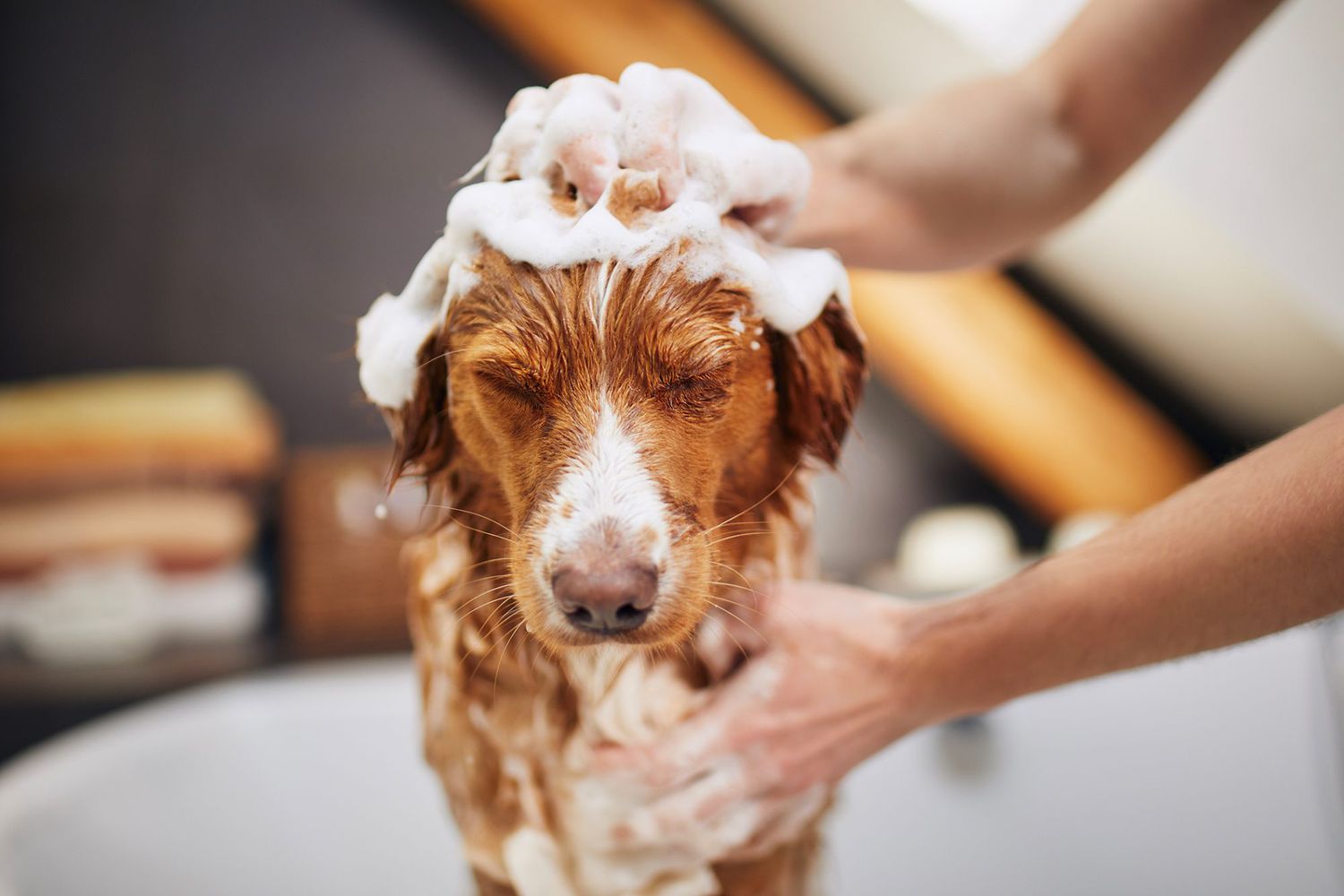
Image source: Bing (Web (fair-use with source credit))
### Temperature Considerations and Aftercare
Drying matters more than people think. A damp coat left for hours creates a perfect environment for fungal growth, especially in long-haired breeds. Thorough drying prevents skin infections and keeps the coat from developing a musty odor.
After a bath, keep your pet inside until the coat is completely dry. A damp dog or cat is susceptible to chilling, especially small breeds, short-haired breeds, and all cats. A cold, wet rabbit can die from shock within minutes.
Watch the ears after bathing. Water that gets into the ear canal establishes infection quickly. Use cotton balls gently in the ear openings before the bath, and wipe the ears dry afterward. This is especially important for floppy-eared breeds like Basset Hounds and Cocker Spaniels.
## Species-Specific Considerations: Dogs, Cats, and Small Pets
Generic grooming advice falls apart when you dig into species-specific physiology. Dogs, cats, rabbits, and guinea pigs have different skin structures, different grooming behaviors, and vastly different tolerances for handling and bathing.
### Dogs: Seasonal Shedding, Hot Spots, and Working Breeds
Dogs are the most diverse species when it comes to coat types. The single most important rule for dogs with double coats is to never shave them.
**Seasonal shedding** follows a predictable pattern. In spring, the heavy winter undercoat sheds out in clumps. In fall, the lighter summer coat gives way to a thicker winter coat. This "coat blow" lasts 2 to 4 weeks, during which daily brushing with an undercoat rake is necessary.
**Hot spots**, technically called acute moist dermatitis, are painful, oozing skin lesions that appear suddenly. They can be caused by allergies, insect bites, or infections and are made worse by the dog licking and chewing the area. Prompt veterinary care is essential. Over-the-counter creams rarely resolve hot spots.
**Working dogs** face unique coat challenges. Hunting dogs get covered in burrs, mud, and water. Scent hounds often develop skin irritation from exposure. For working dogs, more frequent bathing is often justified. Some handlers use dry-shampoo style products between full baths to preserve natural oils.
### Cats: Stress Overgrooming, Hairballs, and When to Worry
Cats are self-grooming machines. They spend up to 30 to 50 percent of their waking hours grooming. That's normal. But when grooming crosses into overgrooming, visible bald patches or skin irritation appear, and something's wrong.
**Stress overgrooming** often starts as normal grooming that escalates into a coping mechanism. Common triggers include:
- New pets or people in the home
- Moving to a new residence
- Changes in routine
- Loud noises or construction
- Illness or pain
The belly, inner thighs, and flanks are the classic areas where cats overgroom. The hair becomes thin or absent, and the skin underneath is red or irritated. This isn't a coat problem; it's a behavioral or medical problem.
**Do cats need baths?** Most healthy adult cats never need a full wet bath. They do need regular brushing to remove loose hair, prevent hairballs, and reduce the amount of hair they ingest. Long-haired breeds like Persians and Maine Coons need daily brushing to prevent mats.
If you must bathe a cat, use extreme caution. Cats are sensitive to water temperature, get cold quickly, and are easily stressed by restraint. A warm, low-noise environment and gentle handling are essential. Some owners opt for waterless shampoo designed for cats.
**Hairballs** are a consequence of normal grooming, but excessive hairballs might signal coat issues or skin problems. If your cat produces hairballs more than once a week, consult a vet. A high-fiber diet formulated for hairball control helps most cats.
### Rabbits and Guinea Pigs: The Risks of Wet Baths and Improper Handling
Small mammals have entirely different grooming needs than dogs and cats. Rabbits are fastidious groomers and typically keep themselves clean. They should never receive wet baths. Their skin is extremely thin and delicate, and the shock of being immersed in water can kill them.
**Rabbits** need:
- Weekly brushing with a soft bristle brush
- More frequent brushing during shedding seasons, when they "blow" their coat
- Clean bedding to prevent skin irritation from ammonia
- Regular grooming around the hindquarters where fecal matting can occur
**Guinea pigs** are similar. They do their own cleaning for the most part, but long-haired breeds like Peruvians or Sheltie guinea pigs need regular brushing to prevent mats and urine scalding. Some guinea pigs tolerate "butt baths" when necessary, but always with lukewarm water, gentle handling, and immediate drying.
Dental health directly impacts small mammal coat condition. If a rabbit or guinea pig can't eat properly due to dental disease, they stop grooming. Loss of grooming behavior is an early indicator of illness in small mammals.
### The One Rule That Applies to Every Species
No matter the species, don't assume that a dull coat is normal. Coat changes are often the first sign of underlying health concerns. A sudden change in coat texture, shedding rate, or grooming behavior warrants veterinary attention, not another grooming product.
## Common Coat Problems: Recognizing the Warning Signs
Not every coat issue resolves with better nutrition or grooming. Some problems indicate medical conditions that require professional diagnosis and treatment. Learning to distinguish between routine maintenance issues and medical red flags could save your pet from serious suffering.
### Dry, Flaky Skin: Nutrition or Environment?
Dandruff and flaking rank among the most common coat complaints. The causes fall into two broad categories: what's missing internally and what's present externally.
**Nutritional causes** typically involve insufficient fatty acids, low-quality protein, or dehydration. If your pet eats a low-quality kibble with fillers like corn or wheat as primary ingredients, coat quality suffers. Switching to a higher-quality diet with named animal proteins and added omega-3s usually improves flaking within 4 weeks.
**Environmental causes** include low humidity, especially in winter, and over-bathing. A heated home can drop indoor humidity below 25 percent, which dehydrates skin. Adding a humidifier and reducing bath frequency often resolves simple dry skin.
But flaky skin can also signal more serious conditions. Cheyletiella mites, sometimes called "walking dandruff," produce dandruff-like flakes that move. Demodectic mange causes patchy hair loss with a scaly appearance. Fungal infections like ringworm produce circular lesions with scaling. If your pet's flaking persists after dietary and environmental adjustments, a veterinary skin scrape is in order.
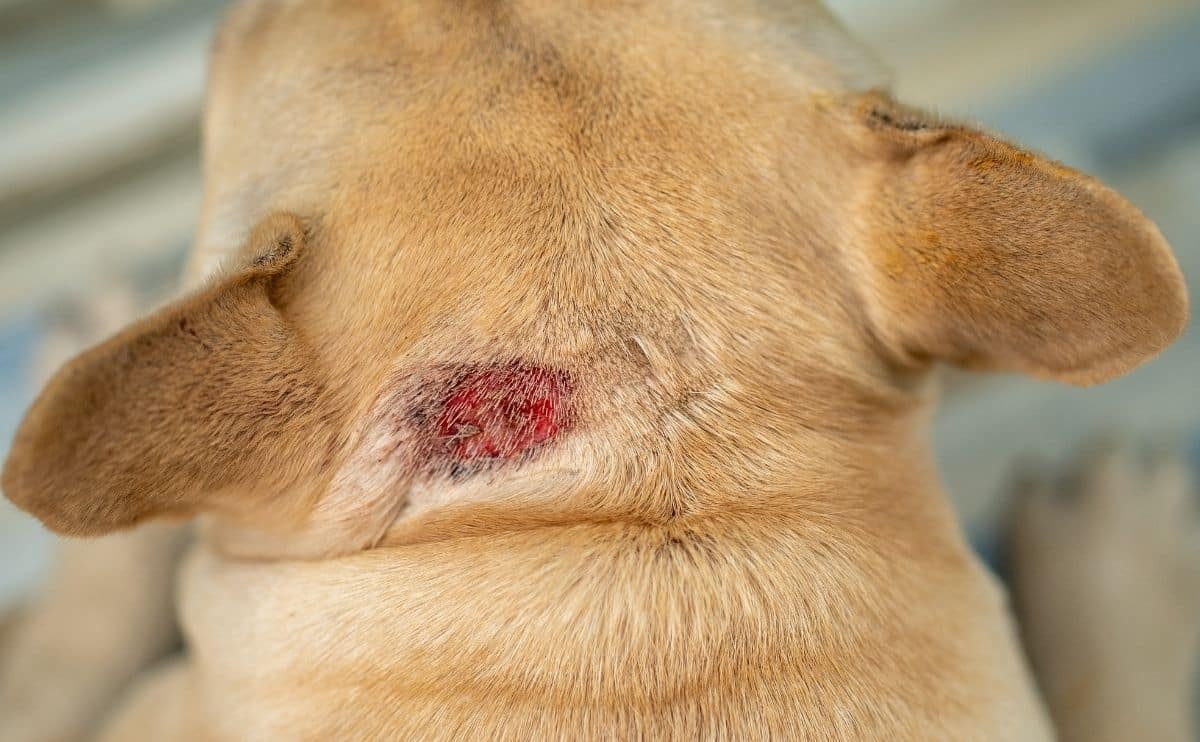
Image source: Bing (Web (fair-use with source credit))
### Bald Patches and Thinning: Hypothyroidism, Cushing's, or Ringworm?
Symmetrical hair loss on the trunk, sparing the head and legs, suggests hormonal issues. Hypothyroidism, particularly common in Golden Retrievers, Labradors, and Dobermans, causes bilateral hair loss, a dull dry coat, and thickened skin. The condition is diagnosed via blood tests measuring thyroid hormone levels.
Cushing's disease, or hyperadrenocorticism, produces a different pattern: hair loss, thin fragile skin, and a pot-bellied appearance. It's most common in older dogs. Blood tests include the ACTH stimulation test or the low-dose dexamethasone suppression test.
Ringworm, despite the name, is a fungal infection affecting the hair shafts. It causes circular areas of hair loss with crusty, scaly borders. It's highly contagious to other animals and, yes, to humans. Diagnosis is by fungal culture or microscopic examination. Treatment involves antifungal medications, both oral and topical, for weeks to months.
### Excessive Scratching: Allergies, Fleas, or Something Deeper?
Scratching is a symptom, not a diagnosis. The causes range from simple flea irritation to complex allergic conditions requiring lifelong management.
**Flea allergy dermatitis** is the most common skin disease in dogs and cats. Some pets are extremely allergic to flea saliva, and a single bite triggers intense itching that lasts days. Symptoms include scratching, biting at the tail base, and hair loss along the back. Treatment requires eliminating fleas from the pet and the environment.
**Environmental allergies**, or atopic dermatitis, produce itching, especially on the feet, face, and belly. Pollen, dust mites, and mold are common triggers. Treatment includes allergy testing, immunotherapy, and medications like antihistamines or Apoquel in dogs.
**Food allergies** are less common than people believe, affecting roughly 1 to 2 percent of dogs and cats. The classic signs are ear infections and itchy skin, with symptoms often appearing by 1 year of age or after 6 years of age. A strict elimination diet trial lasting 8 to 12 weeks is the diagnostic standard.
### The "Fishy Smell" and Greasy Coat: When It's a Skin Infection
A foul-smelling, greasy coat almost always signals a skin infection. Seborrhea, a condition of overactive sebaceous glands, produces a greasy, waxy coat with heavy flaking. It can be primary (hereditary) or secondary to allergies, hormonal conditions, or parasites.
Bacterial skin infections, called pyoderma, produce pustules, crusts, and a distinct odor. Fungal overgrowth, particularly Malassezia, causes a yeasty smell, greasy skin, and compulsive scratching. Both conditions require veterinary treatment with medicated shampoos, oral antibiotics, or antifungals.
Do not try to mask the odor with scented sprays. The smell means active infection and needs medical attention.
### The Subtle Signs You Might Be Missing
Coat problems often present with subtle cues that owners miss. Pay attention to:
- **Reduced grooming behavior**: Less self-grooming in cats and rabbits signals illness
- **Sudden increase in shedding**: Beyond the normal seasonal pattern
- **Change in coat texture**: From soft to brittle or coarse
- **Increased sensitivity to touch**: Pain can indicate skin inflammation
- **Licking a specific spot**: Often the first sign of a developing hot spot
These small changes, caught early, lead to simpler and more effective treatments. That's why regular handling through grooming serves as a health monitoring system.
## Mistakes to Avoid: Well-Intentioned Habits That Harm Coats
Every veterinarian has a list of horror stories about coat damage caused by loving owners. These aren't cases of neglect. They're cases of misinformation. The good news is that all of them are completely preventable once you know what to look for.
### Using Human Shampoo or Dish Soap
This is the most common mistake we encounter. The logic seems sound: if it cleans my hair, it should clean my pet's hair. But the pH difference alone makes this a terrible idea.
Human skin sits at a pH of 4.5 to 5.5. Dog skin ranges from 5.5 to 7.5. Cat skin sits around 6.0 to 7.0. Human shampoo formulated for acidic skin disrupts the natural barrier of animal skin, leaving it vulnerable to bacteria, fungi, and irritation. Dish soap, which is designed to strip grease from dishes, does the same thing to the coat's natural oils with even greater efficiency.
The result is a clean but damaged coat. Over weeks and months, repeated use of human shampoo leads to dry, flaky skin, dull hair, and increased susceptibility to infections.
### Shaving Double-Coated Breeds to "Cool Them Down"
The most damaging myth in pet grooming is that shaving a double-coated dog helps them stay cool in summer. It does the exact opposite.
Double coats consist of a dense undercoat that provides insulation and a topcoat of guard hairs that repel water and provide UV protection. Together, they create a temperature-regulating system that keeps the dog warm in winter and cool in summer. The undercoat traps air close to the skin, insulating against both cold and heat.
Shaving removes that protective layer. The dog loses natural insulation, becomes more susceptible to sunburn, and can actually overheat more easily because the cooling system is gone. The coat that grows back is often patchy, discolored, and has a different texture than the original.
Veterinary dermatologists universally advise against shaving double-coated breeds except for medical reasons. If matting is severe, the safe approach is professional dematting or careful clipping with a guard comb that leaves at least an inch of hair.
### Ignoring Mats That Reach the Skin
Mats start as small tangles. Left alone, they pull on the skin with every movement. The skin underneath becomes irritated, then infected. Trapped moisture creates the perfect environment for bacteria and fungi.
The critical threshold is when a mat becomes tight against the skin. At that point, brushing through it is painful and ineffective. Cutting it with scissors is dangerous because the skin is so close. The only safe options are dematting tools designed to work under the mat or shaving with clippers.
Check your pet's high-friction zones regularly: behind the ears, under the collar, in the armpits, and around the groin. These areas mat first. If you find a mat you can't gently comb out within a few minutes, call a professional groomer.
### Over-Supplementing Without a Vet's Guidance
Vitamins and supplements are popular because they're easy and seem harmless. But they're not harmless at all. Excess of certain nutrients causes real harm.
Too much vitamin A causes bone and joint pain, weight loss, and skin irritation. Excess vitamin D leads to calcium buildup, kidney damage, and in severe cases, death. Over-supplementing omega-3 fatty acids can cause gastrointestinal upset and interfere with blood clotting.
Biotin is generally considered safe, but it rarely helps pets on a balanced commercial diet. Zinc, while essential, causes toxicity when over-supplemented, leading to anemia and organ damage.
The only supplements with strong evidence for coat health are omega-3 fatty acids, and even those should follow dosing guidelines from your veterinarian. Look for products with the National Animal Supplement Council seal to ensure quality and accurate labeling.
### Bathing Too Frequently or Too Infrequently
Bathing frequency is a balancing act. Too much strips natural oils and damages the skin barrier. Too little leaves dirt, allergens, and parasites to accumulate on the coat.
Use your senses to guide you. If your pet smells strongly between baths, if the coat looks dull or greasy, or if you can see visible dirt, bathing is appropriate. If the coat looks fine and smell is minimal, you can extend the interval. Over-bathing is more harmful than under-bathing for healthy pets.
### Using Products Designed for Other Species
This mistake is especially dangerous in multi-pet households. Flea products designed for dogs contain permethrin, which is highly toxic to cats. A single application of dog flea medication to a cat can cause tremors, seizures, and death.
Similarly, medicated shampoos meant for dogs may contain ingredients that are unsafe for cats. Tea tree oil, even in small amounts, is toxic to cats. Essential oil-based products marketed for dogs can cause severe reactions in felines and small mammals.
Label reading is non-negotiable. Check the label for the species and weight range before using any grooming product. Store products separately for each species to avoid mix-ups.
### The "More Is Better" Trap
Pet owners who love their animals often overdo it. More brushing, more baths, more supplements, more grooming products. But coat health responds to balance, not excess.
Brush a short-haired dog three times daily and you'll irritate the skin. Bathe your cat every week and you'll strip the coat. Give every supplement on the shelf and you'll risk toxicity. The consistent, moderate approach produces the best results.
If you're unsure whether you're doing too much, review the coat. A healthy coat has natural oils that give it a subtle sheen. An over-groomed coat looks dry, brittle, and dull. An under-groomed coat looks dirty, greasy, and matted.
## Safety and Toxicity: What's Dangerous for Each Species
When you're dealing with any pet, you have to know what's safe to use around them and what's a threat to their life. The list of toxic ingredients commonly found in grooming products is longer than most owners realize, and the stakes of getting it wrong can be fatal.
### Essential Oils That Are Toxic to Cats and Small Pets
Essential oils are popular in natural pet care. But they're also a significant source of toxicity, especially for cats.
Cats lack a specific liver enzyme, glucuronyl transferase, that breaks down many essential oils. As a result, compounds that are safe for dogs and humans accumulate in a cat's system to dangerous levels. Tea tree oil, eucalyptus, citrus oils, peppermint, and wintergreen are all known to cause adverse reactions in cats.
Symptoms of essential oil toxicity in cats include drooling, vomiting, tremors, weakness, and difficulty walking. In severe cases, liver failure and death can result. Even essential oil diffusers in your home can affect cats, especially in small rooms with poor ventilation.
Rabbits and guinea pigs have similar limitations. Their skin and liver are highly sensitive. Avoid all essential oil-based products for small mammals.
### Xylitol, Permethrin, and Hidden Ingredients
Xylitol is an artificial sweetener commonly found in sugar-free gum, toothpaste, and some peanut butter. It's also increasingly found in grooming wipes and pet dental products. Xylitol causes a rapid, dangerous drop in blood sugar and can lead to liver failure in dogs.
Permethrin is the most common cause of severe toxicity in cats. Dog flea and tick products containing permethrin are deadly to cats, even in small amounts. The ASPCA Animal Poison Control Center reports hundreds of permethrin poisonings in cats each year.
Beyond those two, watch for:
- **Ethylene glycol**: Found in some antifreeze products
- **Acetaminophen (Tylenol)**: Extremely toxic to cats
Always check the active ingredients on every grooming product you bring into your home. Store products in labeled containers to avoid accidental exposure.
### When Home Remedies Do More Harm Than Good
The internet is full of home remedies for pet skin problems. Many of them involve ingredients that are harmful or counterproductive. Vinegar, for example, is acidic and can disrupt skin pH when applied topically. Baking soda, while alkaline, can cause skin irritation if left in contact. Undiluted hydrogen peroxide damages tissue and slows healing.
Some homemade remedies are harmless but ineffective. Apple cider vinegar diluted in water is marketed as a flea repellent, but there's no evidence it actually works. The same goes for garlic, which is toxic to both dogs and cats.
If a home remedy seems too simple to be true, it probably is. The right move when you notice skin or coat issues is to consult a veterinarian or veterinary dermatologist.
### Safe Handling of Grooming Products
Even safe products become unsafe in the wrong concentration or when used incorrectly. Always follow manufacturer instructions. Dilute concentrated shampoos according to the label. Don't leave medicated products on longer than directed. Rinse thoroughly after the recommended application time.
Wear gloves when using medicated or chemical products, especially if you have cuts on your hands. Keep grooming products out of reach of pets when not in use.
### Seasonal Allergen Alert
Seasonal changes affect coat health more than most owners realize. In the fall, mold spores and ragweed pollen trigger allergies in many pets. Signs include itching, scratching, chewing at the paws, and recurrent ear infections.
Managing your pet's coat health during allergy season means more frequent brushing to remove pollen from the coat, wiping paws after walks, and possibly more frequent bathing with hypoallergenic shampoo. The goal is to reduce allergen load on the skin to prevent flare-ups and secondary infections.
## When to See the Vet: The Line Between Maintenance and Medical
You can brush, bathe, and supplement until you're blue in the face, but some coat problems need a medical diagnosis. This section helps you recognize the difference between a maintenance issue and a medical red flag.
### Red Flags That Require Professional Diagnosis
Some symptoms should trigger an immediate veterinary appointment:
- **Sudden hair loss**: Especially if it's patchy, symmetrical, or spreading rapidly
- **Open sores or scabs**: May indicate bacterial infection
- **Bald patches accompanied by redness or inflammation**: Could signal mange, ringworm, or autoimmune disease
- **Excessive scratching that interrupts sleep**: This suggests a serious underlying issue
- **Lethargy or loss of appetite alongside coat changes**: Points to systemic illness
- **Unusual odor coming from the coat or skin**: Often indicates infection
- **Thickened, dark, or "elephant-like" skin**: A classic sign of advanced skin disease
- **Sudden onset of dandruff along with hair loss**: Could be cheyletiella mites
The general rule: if a coat issue persists beyond two weeks despite appropriate grooming and dietary changes, seek veterinary advice.
### What a Veterinary Dermatologist Can Do That General Care Can't
General practice veterinarians handle many skin issues effectively. But for complex, recurring, or chronic skin problems, a board-certified veterinary dermatologist brings specialized expertise.
Dermatologists perform advanced diagnostic procedures that general practices may not offer. Allergy testing, biopsies, skin scrapings, cytology, and food trials are all part of their toolkit.
When to seek a specialist:
- **Recurring skin infections** that return after each course of treatment
- **Suspected allergies** requiring comprehensive allergy workup
- **Autoimmune skin diseases** such as pemphigus or lupus
- **Hormonal conditions** like Cushing's disease or hypothyroidism that cause skin changes
- **Chronic ear infections** that may be secondary to skin disease
- **Non-healing wounds** or ulcers
Most dermatologists see referrals from general practice vets. If your primary vet suggests a dermatology referral, take them up on it.
### Questions to Ask Your Vet During a Coat-Related Visit
Preparation makes your vet visit more productive. Before you go, write down:
- When the coat problem started
- What changes you've made in grooming or diet since it started
- Whether the problem is getting better, worse, or staying the same
- Any other symptoms your pet has shown
- How much your pet eats, drinks, and sleeps on a typical day
During the visit, ask these questions:
1. What's the most likely cause of this coat issue?
2. What tests do you recommend, and what will each one tell us?
3. Are there any home care steps I should start immediately?
4. How long before we should expect improvement, and what should improvement look like?
5. If this doesn't resolve, what's the next step?
6. Are there any long-term implications for my pet's health?
A good vet will give you clear, actionable answers. If you feel rushed or confused, ask for clarification.
### The Cost of Delaying Care
Delaying veterinary care for coat problems costs more than you think. What starts as a simple skin irritation can develop into a widespread infection requiring more aggressive treatment.
Here's a realistic look at the costs:
- **Simple flea infestation with flea allergy dermatitis**: $50 to $150 in treatments
- **Bacterial skin infection**: $200 to $500 including exam, culture, and antibiotics
- **Allergy workup with dermatologist**: $1,500 to $3,000 including tests and initial treatments
- **Hypothyroidism treatment**: $200 to $400 per year in medication and testing
Early detection and treatment always cost less than advanced disease.
### Recognizing When It's Not a Coat Problem at All
Sometimes what looks like a coat problem is really a sign of something deeper. A dog that suddenly stops grooming might have joint pain. A cat that overgrooms might be experiencing chronic pain from dental disease or arthritis. A rabbit with a messy coat might have urinary tract issues.
Pay attention to changes in your pet's behavior beyond the coat. If grooming habits shift, activity levels drop, or appetite changes, these are all clues. Share all observations with your vet.
## Maintenance and Long-Term Optimization
Once you've got the basics down, it's time to think long-term. Coat health isn't a one-time fix. It's a continuous process that changes with seasons, age, and lifestyle.
### Seasonal Grooming Adjustments for Winter and Summer
Seasonal changes force adjustments in your grooming routine. Winter brings dry, hot indoor air that drains moisture from skin. Summer brings humidity, pollen, and increased insect populations.
**Winter grooming protocol**:
- Increase indoor humidity to 40-50 percent using a humidifier
- Brush more frequently to stimulate oil production
- Consider omega-3 supplementation if not already in the diet
- Wipe paws and belly after walks to remove ice-melting salts
- Keep the coat longer before winter walks for natural insulation
- Dry your pet thoroughly after wet walks to prevent chilling
**Summer grooming protocol**:
- Brush more frequently during shedding seasons to remove loose undercoat
- Maintain a clean, dry coat to prevent fungal growth
- Check for ticks daily, especially in grassy or wooded areas
- Provide plenty of fresh water and shade to prevent dehydration
- Never shave double-coated breeds; manage heat with hydration and fans
Spring and fall bring transition periods with increased shedding and allergen load. Adjust your brushing frequency upward during these coat-blowing seasons.
### Building a Sustainable Weekly Grooming Routine
Consistency matters more than intensity. A 10-minute grooming session three times a week beats a two-hour session once a month.
**Daily (2-3 minutes)**:
- Quick visual check for mats, lumps, or lesions
- Light brushing for long-haired or double-coated breeds
- Wipe paws and belly after outdoor time
**Weekly (15-20 minutes)**:
- Thorough brushing based on coat type
- Ear cleaning with a vet-approved solution
- Nail trimming if needed
- Full-body check for lumps, ticks, and sensitive areas
**Monthly (30 minutes)**:
- Bath if due, according to your pet's bathing interval
- Deep grooming session focusing on high-friction zones
- Conditioner application for long-haired or dry-coated breeds
Regular handling also builds your pet's tolerance for grooming and strengthens your bond.
### Tracking Coat Changes to Spot Problems Early
Even with a consistent routine, problems can sneak in. Start a simple log to track your pet's coat condition over time. You can use a notebook or a spreadsheet on your phone.
Track these metrics each month:
- Shedding intensity on a scale of 1 to 5
- Coat shine on a scale of 1 to 5
- Number of mats or tangles found
- Any new lesions, bumps, or flaky patches
- Grooming behavior changes (especially in cats)
- Appetite and water intake
Having this data gives you and your vet a baseline. If something changes, you'll notice quickly and can address it before it escalates.
### How Aging Affects Coat Health
As pets age, their coats naturally change. Older pets often have thinner, drier coats as skin becomes less elastic and hormone levels shift.
**What's normal in senior pets**:
- Reduced hair density and slower hair regrowth
- Dryer, less shiny coat with more dander
- Graying around the muzzle and eyes
- Thinner skin that's more prone to tears
**What's not normal**:
- Sudden, rapid hair loss
- Lumpy or thickened skin
- Persistent sores or infections
- Coat changes accompanied by weight loss, lethargy, or increased thirst
Senior pets may need more frequent grooming to keep the coat in good condition. Brushing stimulates circulation and distributes oils, which is even more important as natural sebum production declines.
### Adjusting Care for Changing Conditions
As your pet's age and health change, adjust your grooming routine accordingly. A pet with arthritis may tolerate shorter grooming sessions. A pet with vision loss may be startled by sudden movements, so approach gently. A pet with cognitive decline may need reassurance during handling.
The goal of coat care is the same at every life stage: keep the skin healthy, the coat clean, and the pet comfortable.
## Frequently Asked Questions
### How often should I brush my pet?
It depends on the coat type. Short-haired breeds need brushing once or twice weekly. Long-haired and double-coated breeds need daily brushing, especially during shedding seasons. Curly-coated breeds need brushing every 2 to 3 days.
### What's the best shampoo for my dog?
Look for a pet-specific shampoo formulated for the correct species. Oatmeal-based shampoos are gentle and effective for most dogs. Avoid human shampoo and dish soap. If your pet has skin problems, use a shampoo recommended by your vet.
### Can I use coconut oil on my dog's coat?
Coconut oil is safe for dogs in moderate amounts. It can be applied topically to dry patches, though it offers no proven benefit over regular grooming. Coconut oil is high in fat, so don't overdo oral supplements.
### Why is my cat losing hair?
Cats lose hair for many reasons. Stress overgrooming, allergies, fleas, ringworm, and hormonal issues are common causes. If your cat has bald patches or excessive shedding that goes beyond normal seasonal loss, a veterinary check is essential.
### Do dogs need supplements for a shiny coat?
Most dogs on quality commercial diets don't need supplements. Omega-3 fatty acids are the most likely candidates to help if the diet is deficient. If you try supplements and see no improvement after 12 weeks, they probably aren't necessary.
### When should I take my pet to the vet for a coat problem?
Seek veterinary care if the problem doesn't improve after 2 weeks of appropriate home care. Also get help for sudden, severe symptoms like extensive hair loss, open sores, or intense scratching. If your pet shows signs of illness alongside coat changes, that's a medical emergency.
### What's the difference between a double coat and a single coat?
A double coat has two layers. The topcoat consists of longer, stiffer guard hairs that repel water and protect against UV rays. The undercoat is a soft, dense layer that provides insulation. Single-coated breeds have only the topcoat.
### Is it true that shaving a dog helps keep them cool?
No. Shaving a double-coated dog actually makes them hotter. The undercoat traps air close to the skin, insulating against heat as well as cold. Removing that layer exposes the skin to direct sun and eliminates the natural cooling system.
### How do I know if my pet has a skin infection?
Look for persistent scratching, redness, pustules, crusts, a foul odor, or greasy coat texture. Hair loss that spreads or creates bald patches also signals infection. If you notice any of these, stop using over-the-counter products and see your veterinarian.
### Can stress really cause coat problems in pets?
Yes. Stress triggers behavioral changes like overgrooming in cats and excessive licking in dogs. Chronic stress also elevates cortisol levels, which can suppress the immune system and worsen skin conditions.
### Do indoor cats need grooming help?
Yes. Even though cats groom themselves, they need help preventing hairballs and managing shedding. Brush your cat at least 2 to 3 times weekly, daily for long-haired breeds.
### What should I feed my pet for the best coat?
Feed a high-quality diet with named animal protein listed as the first ingredient. Look for an AAFCO nutritional adequacy statement on the bag. Add omega-3 fatty acids if your pet's coat is dull or dry, following dosing guidelines from your vet.
## Final Recommendation: Your Coat Health Checklist
You now have everything you need to keep any pet's coat healthy. Let's pull it all together into a simple, actionable checklist you can reference every week.
### The Five Pillars of Coat Health
**1. Nutrition**
- Feed a high-quality diet with named animal protein first
- Confirm the food meets AAFCO standards
- Supplement omega-3 fatty acids if needed, following vet guidance
- Provide fresh water at all times
**2. Grooming**
- Brush according to coat type: daily for double coats, 2-3 times weekly for single coats, every 2-3 days for curly coats
- Use the right tools: slicker brush, undercoat rake, deshedding tool, comb
- Always brush in the direction of hair growth with short, gentle strokes
**3. Bathing**
- Bathe every 4-8 weeks for most pets
- Use pet-specific shampoo with a balanced pH for your specie
*[trimmed for storage]*

