
You're staring at a pile of white and black fur on your floor, wondering if your Dalmatian is secretly molting. It's not just you. This breed sheds like it's their job, and grooming them takes a specific approach that most generic dog advice gets wrong.
If you've been searching for how to groom a Dalmatian, you've probably found conflicting tips that range from "just brush them weekly" to elaborate 12-step routines that feel like science experiments. The truth sits somewhere in the middle, and it's simpler than you think once you understand the breed's unique skin and coat.
In our research across veterinary dermatology resources and breed-specific guidance, one fact stands out: Dalmatians have a fine, dense double coat that sheds year-round, with two heavier shedding windows in spring and fall. Their skin is notably thinner and more sensitive than many other short-haired breeds, which means the tools and techniques that work for a Labrador or a Boxer can actually cause irritation here.
Let's get into what actually works, what's a waste of money, and what could be hurting your dog without you realizing it. By the end of this guide, you'll have a clear, practical routine that keeps your home manageable and your Dalmatian comfortable.
Quick Answer
Groom a Dalmatian with a rubber curry brush every other day. Bathe every 6 to 8 weeks with a hypoallergenic oatmeal shampoo. Trim nails every 2 to 3 weeks.
Check ears weekly. Avoid metal slicker brushes and harsh chemicals.
That's the core routine. The details matter, especially around skin sensitivity and shedding management. Keep reading for the full breakdown.
The Shedding Reality: Why Dalmatian Grooming Is Different
Here's the thing nobody tells you before you bring one home. Dalmatians are prolific shedders, and their short coat is deceptive. You'd think less hair means less mess, but that fine, dense undercoat comes out constantly.
The "Dalmatian Glitter" Problem
Owners affectionately call it Dalmatian glitter. Those tiny white and black hairs embed themselves in fabric, carpet, and upholstery in a way that's nearly impossible to fully remove. A single brushing session can produce enough fur to stuff a small pillow.
This isn't a seasonal issue. While spring and fall bring heavier shedding as the coat transitions, Dalmatians drop hair year-round. Indoor heating and air conditioning can actually confuse their natural shedding cycle, so you'll see hair in every month of the year.
Why Short Coat Doesn't Mean Low Maintenance
This is the critical misunderstanding. Dalmatians have a double coat: a dense undercoat that keeps them warm and a coarser topcoat that repels water and dirt.
That undercoat is what sheds so aggressively. If you don't remove it regularly, it ends up on your furniture, in your food, and in your guests' drinks. A consistent brushing routine pulls that dead undercoat out before it lands everywhere.
How Dalmatian Grooming Differs From Other Breeds
Most short-haired dogs like Beagles or Boxers do fine with a simple bristle brush and a monthly bath. Dalmatians need a different approach because of their skin.
According to the Dalmatian Club of America's breed guidance, Dalmatians are prone to skin allergies and sensitivities. Their skin is noticeably thinner than other breeds of similar size, making them more susceptible to irritation from harsh tools and chemicals.
| Tool | Works for Dalmatians? | Why |
|---|---|---|
| Bristle brushes | No | Glide over the top, never reach the undercoat |
| Slicker brushes | No | Fine wire pins scratch thin skin |
| Rubber curry brushes | Yes | Grab loose fur without damaging skin |
| Hound gloves | Yes | Great for quick daily passes |
Understanding this difference is the foundation of everything else in your grooming routine.
The Right Tools: What Actually Works on a Dalmatian Coat
You don't need a drawer full of fancy equipment. In fact, buying too many tools leads to confusion about what to actually use. Let's break down what you need, what's optional, and what you should avoid entirely.
The Essential Tool: Rubber Curry Brush
This is your workhorse. It's a looped rubber brush that fits in your palm and pulls loose hair to the surface without scratching the skin. It's gentle enough for daily use and effective enough to handle seasonal shedding spikes.

Image source: Bing (Web (fair-use with source credit))
The curry brush works by creating gentle friction that lifts dead hair from the undercoat. You'll see the hair collect in the rubber loops, and a quick tap on the edge of a trash can clears it out. It's satisfying, effective, and practically impossible to use incorrectly.
Manufacturer specifications indicate that most rubber curry brushes are suitable for sensitive-skin breeds. But avoid ones with hard plastic nubs. You want soft, flexible rubber that yields to pressure rather than digging in.
The Optional Extras
A hound glove is a great addition for quick daily passes. It's a mitt with rubber tips on one side that works like a curry brush but feels more like petting. Many owners use it for two-minute touch-ups between full brushing sessions.
A deshedding tool with a metal edge and fine teeth can be used once a week during heavy shedding seasons. The FURminator brand is the most recognized name here, and their product works well. But you need to use it with extreme care.
Here's the warning: Deshedding tools are sharp. They work by cutting through the undercoat. If you press too hard or use them too frequently, you'll irritate or even break your Dalmatian's skin.
This is where most owners go wrong. They use a deshedding tool every day because it produces dramatic results. Aggregate owner reviews and veterinary guidance consistently warn against this frequency.
Once weekly during normal times, twice weekly during peak shedding, and never more than that.
Tools to Avoid Entirely
Some tools are tempting but problematic for Dalmatians:
- Slicker brushes with fine wire pins can scratch thin skin
- Bristle brushes don't reach the undercoat and waste your time
- Human hair brushes are designed for different hair types and can pull or irritate
- Grooming blades with exposed metal edges are a serious injury risk on thin skin
How Much Should You Spend?
You don't need to break the bank. Here's a realistic breakdown:
| Tool | Price Range | Need Level |
|---|---|---|
| Rubber curry brush | $8–$20 | Essential |
| Hound glove | $10–$15 | Nice to have |
| Deshedding tool | $25–$50 | Seasonal |
| Slicker brush | $8–$15 | Avoid |
| Nail clippers | $10–$20 | Essential |
| Nail grinder | $25–$40 | Recommended |
The total investment for a complete grooming kit lands around $60 to $100. That's far less than professional grooming visits, which can run $50 to $80 per session depending on your area.
The Comparison Issue: Curry Brush vs. Deshedding Tool
This is the most common question we hear from Dalmatian owners. Which one should you use?
The answer is both, at different times. The rubber curry brush handles daily and every-other-day maintenance. It's safe, gentle, and effective for removing surface hair and keeping the coat healthy.
The deshedding tool is for deep undercoat removal during heavy shedding periods. It reaches deeper into the coat and pulls out hair the curry brush can't access. But it's sharp, so it requires careful technique and limited frequency.
For most Dalmatians: Use the curry brush 2 to 3 times per week. Add the deshedding tool once weekly during heavy shedding. Skip the deshedding tool during low-shedding weeks.
Step-by-Step Brushing Guide: Technique Matters More Than Frequency
Now that you have the right tools, let's talk about how to actually use them. Technique matters because Dalmatian skin is thin and sensitive. Wrong technique leads to irritation, brush burn, and a dog that starts avoiding grooming sessions.
The Correct Brushing Motion
Use circular motions, not straight strokes. The circular motion lifts dead hair from the undercoat and collects it in the rubber loops of your curry brush. Straight strokes just push hair around without effectively removing it.
Step 1: Start at the neck and work toward the tail. This follows the natural direction of the coat and feels comfortable for most dogs.
Step 2: Use moderate pressure. You want enough contact to lift hair, but not so much that you're pressing against the skin. If your dog flinches or tries to move away, you're pressing too hard.
Step 3: Work in sections. Do the back, then the sides, then the hindquarters. Pay special attention to the rear end and the backs of the thighs, which are high-shedding zones.
Step 4: Follow with a hound glove pass to catch any hair the brush missed.
How Often Should You Actually Brush?
This depends on where your Dalmatian is in their shedding cycle:
| Time Period | Frequency | Tools |
|---|---|---|
| Normal periods | Every other day | Rubber curry brush |
| Heavy shedding (spring/fall) | Daily | Curry brush + deshedding tool weekly |
| Before baths | Always | Curry brush to remove loose hair |
| Quick touch-ups | As needed | Hound glove |
Reading Your Dog's Signals
Your Dalmatian will tell you if you're doing something wrong. Watch for these signs during brushing sessions:
- Flinching or moving away indicates discomfort or pain
- Growling or snapping means they're genuinely distressed
- Excessive licking or scratching afterward suggests skin irritation
- Red or pink patches on the skin after brushing is a warning sign
If you see any of these, stop brushing and reassess your technique. Give your dog a day or two to recover before trying again with lighter pressure or a softer tool.
The Brush Burn Problem
Brush burn is a real issue for Dalmatians. Using metal deshedding tools too aggressively damages the top layer of skin. The condition shows up as red, irritated patches that can progress to scabbing and hair loss.
Prevention is simple: Check the skin regularly. After each brushing session, part the fur and look at the skin underneath. Healthy skin should be pink and clear, not red or inflamed.
If you notice brush burn, switch to a rubber curry brush only for at least two weeks. The skin needs time to heal before you introduce sharper tools again.
When to Skip Brushing
Sometimes skipping a session is the right call. If your Dalmatian has any of the following, hold off on brushing:
- Hot spots or open sores that need veterinary attention
- Healing wounds or recent surgery sites
- Flea or tick infestations that need treatment first
- Severe skin irritation from allergies or environmental factors
In these cases, consult your veterinarian before resuming grooming. They may recommend specific treatments or adjustments to your routine.
The Complete Brushing Session Timeline
A full brushing session should take 10 to 15 minutes. Here's what a typical session looks like:
- 2 minutes: Rub the curry brush in circular motions along the back
- 3 minutes: Work down the sides and hindquarters
- 2 minutes: Do a gentle pass on the chest and neck
- 2 minutes: Switch to the hound glove for a full-body sweep
- 1 minute: Check ears, nails, and wrinkles
- 2, 3 minutes: Finish with a treat and praise
The last step is important. If grooming ends with positive reinforcement, your Dalmatian will learn to tolerate and even enjoy the routine. Skip the treat, and you're building negative associations that make every future session harder.
Bathing a Dalmatian: Less Is Actually More
This is where most owners go wrong. They bathe their Dalmatian too often, using the wrong products, and then wonder why their dog's skin is itchy and irritated.
The truth is simple: Dalmatians are clean dogs, and they don't need frequent baths.
The Rule: Every 6 to 8 Weeks
Unless your dog rolls in something foul or gets genuinely dirty, a bath every 6 to 8 weeks is sufficient. This frequency preserves the natural oil balance in their skin and coat.
Bathing more often strips those oils and leads to dryness, flakiness, and itchiness. Ironic, isn't it? You bathe to keep them clean, and you end up creating skin problems that require more bathing or medication.
The Right Shampoo: Hypoallergenic Oatmeal
Not all dog shampoos are created equal. Regular shampoos with artificial fragrances and dyes can trigger allergic reactions in Dalmatians, whose skin is already sensitive.
Look for shampoos specifically formulated for sensitive skin. Oatmeal-based options are generally the safest choice. They soothe existing irritation and provide a protective barrier against moisture loss.
Avoid these ingredients entirely:
- Artificial fragrances and dyes
- Sulfates and parabens
- Tea tree oil (toxic to dogs at high concentrations)
- Alcohol-based formulas
- Human shampoos of any kind
The Full Bathing Process
Here's how to give your Dalmatian a bath that's safe and effective:
Step 1: Brush thoroughly before bathing. Remove as much loose hair as possible. Wet hair clogs drains and makes shampoo harder to rinse out.
Step 2: Set up a non-slip mat in the tub. Dalmatians can be nervous about slipping, and a mat keeps them calm and stable throughout the process.
Step 3: Use lukewarm water. Water that's too hot can burn sensitive skin and strip oils faster. Water that's too cold will make the experience unpleasant.
Step 4: Dilute the shampoo before applying. Put the shampoo in a cup with water and mix it. Concentrated shampoo is harder to rinse out and can leave residue that irritates the skin.
Step 5: Massage gently in the direction of hair growth. Avoid vigorous scrubbing. You want to cleanse the skin without abrading it.
Step 6: Rinse thoroughly. Then rinse again. This is the most commonly skipped step. Shampoo residue is a major skin irritant.
You need to rinse until the water runs completely clear.
The triple-rinse rule: Rinse once, wait 30 seconds, rinse again, wait, and rinse a third time. This ensures no residue remains.
Step 7: Dry with a microfiber towel. Avoid heat dryers, which can over-dry the skin. Blot gently rather than rubbing. Rubbing can tangle the coat and irritate the skin.
Waterless Shampoo as an Alternative
Between baths, waterless shampoo or dog wipes are excellent options. They can handle spot-cleaning and odor control without stripping the coat.
Look for waterless formulas with natural ingredients like aloe vera or chamomile. These are gentle on the skin and quick to apply.
Bathing and Dalmatian Bronzing Syndrome
If your Dalmatian has been diagnosed with bronzing syndrome, consult your veterinarian before bathing. They may recommend medicated shampoos that require a prescription.
Even over-the-counter sensitive-skin shampoos can trigger flare-ups in prone dogs. Your vet knows your dog's specific condition and can recommend the safest options.
Beyond the Coat: Ears, Nails, and Wrinkles
The coat gets all the attention, but the rest of the grooming routine is just as important. Ears, nails, and the small skin folds on a Dalmatian need regular care to prevent serious health issues.
Ear Care: The Weekly Requirement
Dalmatians have floppy ears that trap moisture and limit airflow. This creates an ideal environment for bacterial and yeast infections. Regular checks and cleaning are non-negotiable.
How often: Check ears weekly. Clean them when you see visible dirt or wax.
What you need: A vet-approved ear cleaning solution and cotton balls.
The process:
- Apply the solution to a cotton ball, not directly into the ear
- Wipe the visible parts of the inner ear
- Never push anything deep into the ear canal
- Let your dog shake their head to remove any excess moisture
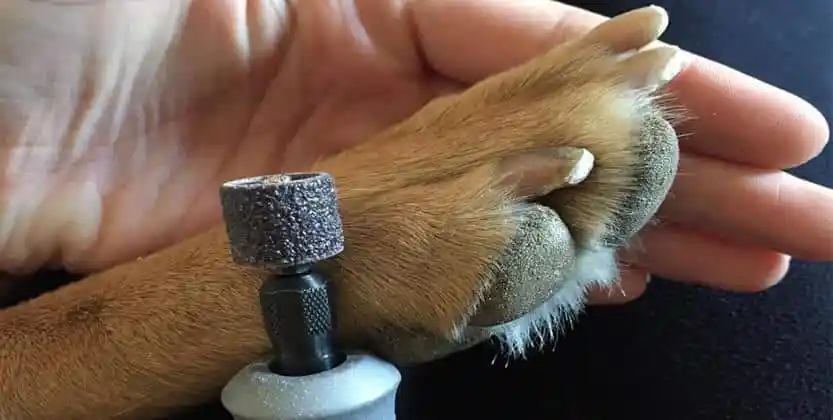
Image source: Bing (Web (fair-use with source credit))
Warning signs that need a vet visit:
- Foul odor coming from the ear
- Redness, swelling, or discharge
- Head shaking or scratching at the ears
- Pain when the ears are touched
If you notice these symptoms, don't try to treat it at home. Ear infections in floppy-eared breeds can escalate quickly and require professional treatment.
Nail Trimming: The Every 2 to 3 Week Rule
Nail length is easy to judge. If you hear clicking on hard floors, the nails are too long. That's your signal to trim.
Frequency: Every 2 to 3 weeks is typically right for most Dalmatians. Active dogs that run on pavement may naturally wear nails down faster and need less frequent trims.
The risk: Dalmatians have visible quicks on white nails but darker quicks on black nails. Hitting the quick causes pain and bleeding, and it makes future trims much harder.
Nail clippers vs. grinders:
| Factor | Clippers | Grinder |
|---|---|---|
| Speed | Fast | Slower |
| Precision | Lower | Higher |
| Risk of hitting quick | Higher | Lower |
| Noise | Silent | Loud, can scare dogs |
| Learning curve | Moderate | Steep |
Grinders are generally safer, especially for dark nails where the quick isn't visible. The rotating abrasive slowly shaves away the nail, making it much harder to hit the quick accidentally.
If you use clippers: Cut small amounts at a time. One small snip, peek, and repeat. The moment you see a dark spot in the center of the cut, stop.
That's the quick approaching.
If your dog has an accident: Keep styptic powder on hand. Apply it directly to the bleeding nail with pressure for 30 seconds. It stops bleeding quickly and reduces pain.
The Wrinkle Zones
Dalmatians don't have face wrinkles like a Pug or Bulldog, but they do have skin folds in specific spots. The most common areas are:
- The neck, where the skin is loose
- The armpits and inner thighs
- The base of the tail
These areas can trap moisture, dirt, and bacteria. During brushing sessions, wipe these areas with a dog-safe wipe or a damp cloth.
Targeted cleaning: Focus on the armpits and inner thighs, especially after exercise or swimming. Friction from running can cause chafing and irritation in these zones.
Paw Care: The Forgotten Step
Paws deserve attention too. Check them regularly for:
- Cracked paw pads: Common in winter from salt and ice or in summer from hot pavement
- Blisters or cuts: From running on rough terrain
- Splinters or foreign objects: Especially for dogs that spend time outdoors
- Overgrown hair between the toes: Can cause matting and discomfort
Trim hair between the toes carefully with blunt scissors. Don't cut too close to the skin, as the web between toes is delicate.
Teeth and Gum Care
Dental health is part of grooming even if it feels separate. Poor dental hygiene affects overall health, including skin and coat condition.
Basic routine: Brush your Dalmatian's teeth 2 to 3 times per week with dog-specific toothpaste. Start with a finger brush to help your dog adjust to the sensation.
Alternative options: Dental chews and water additives can supplement brushing but shouldn't replace it. Regular dental cleanings at the vet are recommended annually or as needed.
The Full Body Check
Every grooming session should include a quick full-body inspection. Run your hands over your Dalmatian's entire body, feeling for:
- Lumps and bumps: New growths or changes in existing ones
- Hot spots: Raw, irritated patches
- Ticks and fleas: Especially after outdoor activities
- Sore spots: Areas your dog flinches away from
Find something concerning? Note its location and size, and monitor it. If it changes or doesn't resolve within a week, schedule a vet visit.
Skin Health 101: Reading Your Dalmatian's Warning Signs
Dalmatian skin is a canvas that tells you exactly what's going on with your dog's health. Learning to read it catches problems early, when they're easiest to treat.
The Normal Dalmatian Skin
Healthy Dalmatian skin is pink to light gray, with no visible flakes, redness, or irritation. The coat should lie flat and smooth, with minimal hair loss during normal brushing.
Dalmatian Bronzing Syndrome: The Big One
This is a breed-specific condition that every owner should know about. Also called Dalmatian Bronzing Skin Syndrome, it's a type of skin inflammation that causes:
- Bronze or pink discoloration of the skin
- Patchy hair loss, especially on the back and flanks
- Itching and discomfort
- In severe cases, crusty or scaly patches

Image source: Bing (Web (fair-use with source credit))
What causes it? The exact cause isn't fully understood, but it's linked to a combination of factors. These include allergies (both food and environmental), bacterial infections, and potentially an overactive immune response.
Treatment approach: Bronzing syndrome isn't curable, but it's manageable. Treatment typically involves:
- Antibiotics for secondary bacterial infections
- Anti-inflammatory medications
- Dietary changes to address allergies
- Regular bathing with medicated shampoos
Early detection makes a huge difference. The earlier you catch the bronzed discoloration, the easier it is to manage.
Food Allergies and Skin Manifestations
Here's a critical insight that many owners learn the hard way: food allergies in Dalmatians often show up as skin issues before anything else.
Common allergens for Dalmatians include:
- Chicken and poultry proteins
- Beef
- Grains like wheat and corn
- Dairy products
- Eggs
What allergies look like on the skin:
- Itchy, scratching episodes
- Red or inflamed patches
- Ear infections that keep recurring
- Excessive licking of paws
- Hair loss in patches
The connection between grooming and diet: Our research indicates that switching to a salmon or lamb-based diet with limited ingredients resolves skin issues for many Dalmatians that no shampoo or topical treatment could fix.
If your Dalmatian's skin problems persist despite a solid grooming routine, look at the food bowl before raiding the grooming aisle.
Sunburn: A Real Risk
With all that white fur, Dalmatians are susceptible to sunburn. The pink edges of their ears are especially vulnerable, as are any other areas where pigment is sparse.
Practical prevention:
- Limit sun exposure during peak hours (10 a.m. to 4 p.m.)
- Provide shade outdoors
- Use dog-safe sunscreen on exposed pink areas
- Consider sun shirts for dogs that love lying in direct sun
Never use human sunscreen. Zinc oxide, a common ingredient in human formulas, is toxic to dogs if ingested.
Contact Dermatitis: What Grooming Can Cause
This is the irony of grooming. The very tools and products meant to help can cause irritation. Contact dermatitis is inflammation from direct contact with an irritant.
Grooming-related culprits:
- Harsh shampoos with strong detergents
- Chemical-based flea and tick treatments
- Certain fabrics or bedding
- Latex grooming gloves
- Metal deshedding tools
Symptoms include redness, itching, small bumps, and sometimes hair loss. If you suspect contact dermatitis, identify and remove the irritant. The skin should recover within a week or two.
When to Stop Grooming and Call the Vet
Some situations require professional help. Don't try to self-treat:
- Open sores or wounds that don't heal within a few days
- Significant hair loss that's spreading rapidly
- Severe itching that interferes with eating or sleeping
- Lethargy combined with skin issues
- Foul odor from the skin or ears
- Any lump or bump that changes in size or shape
Your veterinarian is the best resource. They can run allergy tests, perform skin scrapings to check for mites or infections, and prescribe appropriate treatments.
The Monitoring Routine
Make skin checks part of your regular grooming schedule. Here's a simple checklist:
- Run your hands over the whole body to feel for bumps or rough patches
- Part the fur in 3 to 4 spots to inspect the skin underneath
- Check the ears for redness, odor, or discharge
- Look at the paw pads for cracks or injuries
- Assess the overall coat condition for shine and texture
Skin that looks healthy and feels smooth is a good indicator that your grooming routine is working.
The Allergy Connection: When Grooming Isn't Enough
You've got the brushing routine down. The baths are on schedule. The ears and nails are handled.
And still, your Dalmatian is scratching like there's no tomorrow.
Sound familiar? Here's the hard truth that many owners discover after months of frustration, product purchases, and vet visits.
Grooming can't fix what's coming from the inside.
Why Food Allergies Show Up on the Skin
The skin is your dog's largest organ. It's also the first place internal inflammation tends to surface. When a Dalmatian's immune system reacts to something in their food, the result often looks like a grooming problem.
The telltale pattern is persistent scratching that doesn't improve with better brushing or bathing. You switch shampoos. You brush more often.
Nothing changes.
The most common culprits for Dalmatians:
- Chicken and poultry proteins
- Beef
- Wheat and other grains
- Dairy products
- Eggs
- Soy
Our research shows that chicken and beef top the list more often than the rest combined. That's because they're the most common protein sources in commercial dog foods. And they're often the exact ingredients your Dalmatian has been eating every day for months.
The Chicken and Beef Problem
Here's what we see consistently in owner reports and veterinary feedback. A Dalmatian comes in with itchy skin, recurring ear infections, and patchy hair loss. The owner has tried every topical treatment available.
Then the vet recommends a food trial.
Switch from chicken-based to salmon or lamb-based food. Within 3 to 6 weeks, the scratching drops noticeably. The coat starts growing back.
The ears clear up.
It's not magic. It's removing the trigger.
How to Test for Food Allergies
A proper food trial takes commitment. It's not a one-day test or a simple blood panel. Here's what it actually involves:
Step 1: Choose a limited-ingredient diet with a novel protein (salmon, lamb, duck, or venison) and a single carbohydrate source (sweet potato or peas are common).
Step 2: Feed this exclusively for 8 to 12 weeks. No treats, no table scraps, no flavored medications or chews. Nothing but the prescribed food and water.
Step 3: Monitor symptoms. If itching improves within the trial period, food is likely a trigger.
Step 4: Confirm by reintroducing the suspected allergen. If symptoms return within a few days to a week, you've confirmed the cause.
Important medical note: Work with your veterinarian during this process. They may recommend a prescription hydrolyzed protein diet, which is the gold standard for food trials.
The Link Between Allergies and Dalmatian Bronzing Syndrome
Remember bronzing syndrome from earlier? Our research indicates that allergies are one of the primary triggers for this condition. When a Dalmatian reacts to food or environmental allergens, the resulting inflammation disrupts normal skin cell turnover.
The bronze or pink discoloration follows. The hair thins or falls out. And if a bacterial infection moves into the irritated skin, the condition worsens.
This is why treating bronzing syndrome with topical products alone rarely works. You have to address the underlying allergy and the bacterial component simultaneously.
Environmental Allergies: The Other Piece
Food isn't always the answer. Many Dalmatians suffer from environmental allergies too.
Common environmental triggers:
- Pollen from trees, grass, and weeds
- Dust mites
- Mold spores
- Flea saliva (an actual allergic reaction to flea bites, not just irritation from them)
- Certain fabrics or cleaning products used in the home
How to tell the difference: Food allergies typically cause year-round itching and symptoms. Environmental allergies often follow a seasonal pattern, flaring up in spring or fall when pollen counts spike.
An elimination approach helps here too. Keep a symptom diary that tracks when your Dalmatian itches most, what they've eaten, and what they've been exposed to. Patterns become visible within a few weeks.
Supplements That Support Skin Health
While you're working on identifying triggers, certain supplements can support skin health from the inside. Always ask your veterinarian before adding anything new.
- Omega-3 fatty acids: These reduce systemic inflammation and improve coat condition. Fish oil is the most common source.
- Vitamin E: A powerful antioxidant that supports skin cell health.
- Biotin: Often included in skin and coat supplements, though its effectiveness has mixed research backing.
- Probiotics: Gut health and skin health are connected. A healthy gut microbiome supports a balanced immune response.
The 6-week rule: Most dietary changes take at least 6 weeks to show visible effects on the skin and coat. Don't give up on a new food or supplement after two weeks. Be patient and consistent.
When Grooming Can Help the Allergy Problem
Even though grooming can't cure allergies, it still plays a supportive role:
- Regular brushing removes allergens trapped in the coat
- Bathing with a gentle, hypoallergenic shampoo washes away pollen and dust
- Wiping paws after outdoor time reduces allergen transfer to bedding and furniture
- Ear checks catch allergy-related ear infections early
The key is integrating grooming with allergy management rather than expecting it to replace it.
The Bottom Line
If your Dalmatian has persistent skin issues, look at the food bowl before buying another specialty shampoo. It's a cheap place to start compared to repeat vet visits, prescription topical treatments, and the frustration of an itchy, uncomfortable dog.
Common Grooming Mistakes That Harm Dalmatians
Even well-intentioned owners make these mistakes. The good news? They're all avoidable once you know what to look for.
We've compiled the most frequent errors based on aggregate owner reports, veterinary feedback, and grooming professional guidance. Read through these and check them against your own routine.
Over-Bathing: The Number One Mistake
Dalmatians don't need frequent baths. Their natural skin oils protect against dryness, irritation, and infection. Strip those oils away with weekly baths and you're essentially inviting skin problems.
The mistake: Bathing every week because the dog "seems dirty" or smells slightly.
The fix: Stick to the 6 to 8 week schedule. For between-bath freshness, use dog wipes or waterless shampoo.
Signs you're over-bathing: Flaky white patches on the skin, dull coat, increased scratching, and a dry, papery feel to the skin.
Using the Wrong Brush
We covered this in the tools section, but it deserves emphasis. Wrong brushes are one of the most common yet easily corrected mistakes.
The mistake: Using a slicker brush or a deshedding tool daily on a Dalmatian's thin skin.
The fix: Use a rubber curry brush for regular maintenance. Reserve deshedding tools for weekly use during heavy shedding seasons.
Signs of brush burn: Reddened skin, visible scratch marks, hair loss in patches, and a dog that flinches or pulls away when they see the brush.
Skipping the Rinse Cycle
You think you've rinsed your dog thoroughly after their bath. You probably haven't.
The mistake: Rinsing for only 30 seconds and leaving shampoo residue behind.
The fix: Implement the triple-rinse rule. Rinse once, wait, rinse again, wait, and rinse one final time. Warm water runs clear when you're done.
Signs of residue irritation: Itching hours after a bath, red patches, and a dull, sticky feeling to the coat.
Ignoring the Ears Until There's a Problem
You notice a faint smell from your Dalmatian's ears. You tell yourself you'll deal with it later. Two weeks later, the smell is stronger, the ear is red, and your dog is shaking their head constantly.
The mistake: Not checking ears until symptoms become obvious.
The fix: Make ear checks part of every grooming session. Weekly is ideal. Wipe visible debris with a vet-approved cleaner and cotton balls.
Why floppy ears need attention: The floppy shape holds moisture close to the skin. That warmth and humidity create a breeding ground for yeast and bacteria.
Cutting Nails Too Short
This one is painful enough that one bad experience can ruin nail trims forever.
The mistake: Trying to trim too much nail at once and hitting the quick.
The fix: Take a small amount off at a time. For dark nails, use a grinder instead of clippers. Keep styptic powder within arm's reach for emergencies.
The longer your Dalmatian's nails, the harder this is. In very neglected nails, the quick actually grows longer too. Trimming small amounts more frequently will help the quick recede gradually over time.
Using Human Products on a Dog
Shampoo, conditioner, sunscreen, moisturizer. If it's designed for human skin, it's wrong for your Dalmatian.
The mistake: Grabbing your own shampoo or sunscreen because it's convenient.
The fix: Use only products formulated for dogs. Read labels and avoid anything with artificial dyes, heavy fragrances, or human-specific ingredients.
The pH difference: Human skin has a pH around 5.5. Dog skin sits closer to 7.0. Products designed for humans disrupt the natural oil barrier of dog skin, leading to dryness, itching, and irritation.
Brushing When the Coat Is Wet
Wet fur is more fragile than dry fur. Brushing during or immediately after a bath causes breakage and can pull at the skin.
The mistake: Brushing while your Dalmatian is still damp to "save time."
The fix: Let the coat dry completely after a bath. Then brush thoroughly. You'll remove the loose hair that the water loosened more effectively anyway.
Trying to Groom an Overheated Dog
Grooming stresses the body. A dog that's overheated has fewer resources to cope with that stress.
The mistake: Grooming during a hot summer afternoon without ensuring your Dalmatian is well-hydrated and cool.
The fix: Offer water before and after grooming sessions. Schedule heavy grooming for cooler parts of the day during summer.
Seasonal Grooming Adjustments: Spring, Summer, Fall, Winter
A fixed grooming routine doesn't work year-round. Seasons change everything. Shedding patterns shift, skin gets drier or oilier, and the risks your Dalmatian faces change.
Here's how to adjust your approach through the year.
Spring: The Heavy Shedding Season
Spring is when Dalmatians blow their winter undercoat. The thick undercoat that kept them warm all winter detaches and starts coming out in clumps.
What it looks like: No amount of brushing seems to keep up. Your home looks like a Dalmatian explosion.
The spring routine:
- Brush daily with a rubber curry brush
- Use a deshedding tool once weekly for deeper undercoat removal
- Bathe at the end of the heavy shedding window to wash away remaining loose hair
- Start wiping down paws after outdoor time to remove spring pollen
Summer: Sun, Heat, and Hydration
Summer brings the sunburn risk and overheating concerns that are unique to Dalmatians.
What's important: This isn't the time for long grooming sessions in the afternoon heat.
The summer routine:
- Move grooming to early morning or evening hours
- Keep brushing at every other day or maintain daily during the tail end of spring shedding
- Apply dog-safe sunscreen to pink ear edges and other exposed white areas before outdoor time
- Wipe down with a damp cloth after walks to remove sweat and pollen
- Stay on top of ear cleaning, especially after swimming or bath time
- Watch paw pads for burning on hot pavement
The hydration connection: A dehydrated dog produces less natural skin oil. That translates to itchier, flakier skin. Keep fresh water always available and consider wet food during high-heat months to boost hydration.
Fall: The Second Shedding Window
Fall brings a second, lighter shedding cycle as the coat transitions to its winter configuration. The undercoat thickens again to prepare for cold weather.
The fall routine:
- Increase brushing frequency as shedding picks up
- Use the deshedding tool weekly again
- Start watching indoor humidity levels as heating season approaches
- Apply a moisturizing conditioner during baths to counter dry indoor air
Winter: Dry Air and Static
Indoor heating is brutal on Dalmatian skin. The air drops in humidity, skin dries out, and flakiness increases.
The winter routine:
- Use a humidifier in your home to maintain comfortable humidity
- Reduce bathing frequency if your dog isn't getting dirty
- Apply a dog-safe moisturizing spray after brushing if skin seems dry
- Be careful with salt and chemical de-icers on the road
- Wipe paws after every walk to remove salt residue, which can irritate pads and cause contact dermatitis
- Consider a paw balm to keep pads from cracking in the cold
The static problem: Dry winter air creates static electricity that makes brushing more challenging. A quick spritz of water on the brush or a very light mist of dog-safe spray reduces static buildup.
The Year-Round Baseline
Some things never change regardless of season:
- Nail trims every 2 to 3 weeks
- Ear checks weekly
- Teeth brushing 2 to 3 times per week
- Skin inspections during every grooming session
Seasonal Grooming Chart
| Season | Brush Frequency | Deshedding Tool | Bath Frequency | Special Focus |
|---|---|---|---|---|
| Spring | Daily | Weekly | End of season | Undercoat removal |
| Summer | Every other day | As needed | Every 6-8 weeks | Sun protection, hydration |
| Fall | Daily | Weekly | End of season | Undercoat management |
| Winter | Every other day | Monthly | Only when needed | Dry skin, salt protection |
When to Call a Professional: Groomer vs. Vet vs. DIY
Most Dalmatian grooming is DIY-friendly. But there are situations where professional help is the smarter move.
Here's how to decide when to handle things at home and when to call in the experts.
When a Professional Groomer Makes Sense
Professional groomers bring equipment and skills that most home setups lack. Use them in specific situations:
Your Dalmatian has severe matting. While rare in short-coated breeds, mats can form in the groin area, behind the ears, and in the armpits. A groomer with a dematting tool and proper technique can remove them safely.
You're dealing with a difficult nail situation. Some Dalmatians absolutely refuse nail trims at home. A groomer experienced with anxious dogs can work around this with proper restraint techniques and tools.
Your dog is getting older or has mobility issues. Older Dalmatians struggle to stand for extended grooming sessions. Professional tubs with better support and experienced handlers make the process safer.
You're preparing for a show. Show-standard Dalmatian grooming has specific expectations around coat condition and presentation. A breed-experienced groomer understands these requirements.
The American Kennel Club provides breed-specific grooming standards that professional groomers reference.
What Professional Grooming Costs
Grooming prices vary by region, groomer experience, and the specific services included.
| Service | Typical Price Range |
|---|---|
| Basic bath and brush | $40 to $75 |
| Bath, brush, nail trim, and ear cleaning | $55 to $90 |
| Full grooming package | $70 to $120 |
| Nail trim only | $10 to $20 |
| Deshedding treatment | $20 to $40 extra |
Frequency for most Dalmatians: A professional groom every 8 to 12 weeks complements your home routine. It doesn't replace it.
When to Skip the Groomer and Call the Vet
These situations aren't fixable with grooming. They need medical attention:
Significant hair loss: Especially if it's patchy, spreading, or accompanied by redness or inflammation.
Open wounds or skin infections: Grooming over infected skin spreads bacteria and causes unnecessary pain.
Lumps that are growing or changing: No groomer can diagnose a mass. Your vet can.
Severe ear infections: If you see yellow or green discharge or smell something foul, this is a vet issue, not an ear-cleaning issue.
Persistent itching for more than two weeks: Failing to respond to home care signals a deeper problem.
Any sign of systemic illness: Lethargy combined with skin issues means a full veterinary evaluation.
The Emergency Grooming Scenario
Sometimes you can't get to the groomer or the vet right away. Here's what to do for common urgent situations:
Tick removal: Use fine-tipped tweezers. Grasp the tick as close to the skin as possible. Pull gently and steadily upward without twisting.
Clean the area thoroughly afterward.
Skunk spray: Bathe with a mixture of 1 quart hydrogen peroxide, 1/4 cup baking soda, and 1 teaspoon dish soap. Rinse thoroughly. Avoid the eyes and mouth.
Follow with a regular dog shampoo bath.
Hot spots: These raw, weeping patches need regular cleaning with a mild antiseptic solution. Don't cover them without consulting a vet first. Seek veterinary guidance for prescription treatment.
Breed-Specific Groomers: Worth Finding
Some groomers have specific experience with Dalmatians. They understand the thin skin, the sensitivity to harsh tools, and the stubbornness that the breed can show during grooming.
How to find one: Ask your veterinarian for recommendations. Call local groomers and ask about their experience with sensitive-skin breeds. A simple conversation about your Dalmatian's skin needs will tell you a lot.
What to ask a potential groomer:
- Have you groomed Dalmatians before?
- What shampoo do you use for sensitive skin?
- Do you use deshedding tools?
- How do you handle anxious dogs?
- Can I stay for the first session?
Maintaining the Routine: Building a Sustainable Grooming Schedule
You've got all the knowledge. Now comes the harder part: making it stick.
Life gets busy. Work happens. Weather gets bad.
And grooming falls to the bottom of the list. That's normal. Here's how to build a routine that survives real life.
The Weekly Timeline
Here's a realistic schedule that fits around work, family, and other commitments:
Sunday (20 minutes): Full brushing session with rubber curry brush. Ear check. Nail check.
Consider a nail trim based on the 2 to 3 week schedule.
Wednesday (10 minutes): Quick hound glove pass. Wipe the wrinkle zones. Spot-clean if needed.
Friday (5 minutes): Quick visual check for any skin issues, lumps, or injuries that developed during the week.
Monthly (1 hour): Ear cleaning if not done earlier. Nail trim if needed. Check teeth and gum condition.
Every 6 to 8 weeks (2 hours): Full bath with hypoallergenic shampoo. Thorough brushing. Full skin inspection.
Making Grooming a Positive Bonding Experience
Your Dalmatian picks up on your energy. If you approach grooming as a chore, they'll see it as a stressful event. If you make it a calm, routine part of your time together, they'll accept it more willingly.
Start young: Puppies should experience grooming from day one. Short sessions that end with praise and treats build positive associations that last a lifetime.
Be consistent: Same time of day, same routine, same tools. Predictability reduces anxiety.
Use positive reinforcement: Treats during and after grooming sessions help. Pick a calm, easy-to-chew treat they love.
Watch your body language: Stay relaxed and calm. Tension in your shoulders and grip tells your dog something is wrong.
End on a good note: If your Dalmatian is getting stressed mid-session, stop and let them calm down. It's better to have a short positive session than a long stressful one.
Adjusting the Routine as Your Dog Ages
Senior Dalmatians need a modified approach. Their skin gets thinner with age. Mobility issues can make standing for grooming sessions harder.
Specific adjustments:
- Use softer tools and gentler pressure
- Shorten grooming sessions to 10 minutes or less
- Let your dog lie down during grooming if standing is difficult
- Focus on areas that are easy to reach rather than forcing positions
- Be even more careful with nail trims as your dog's coordination declines
The Travel-Friendly Grooming Kit
A compact kit keeps you consistent wherever life takes you:
The essentials:
- Mini rubber curry brush
- Small nail clippers or grinder
- Travel-sized dog wipes
- Small packet of styptic powder
- Foldable nail file
Total weight: Under one pound. Fits in a large purse or small tote bag.
Why this matters: Dog sitters, boarding facilities, and even friends who watch your dog vary in their own grooming tools. Having your own ensures consistency and avoids tools that might be too harsh.
Keeping Grooming Equipment Clean
Your tools need maintenance too. Dirty brushes harbor bacteria and reduce effectiveness.
Brush cleaning: After each use, remove hair from the brush. Wash with mild soap and warm water once a month. Let dry completely before the next use.
Clipper maintenance: Blades dull over time. Sharpen or replace them every 6 to 12 months depending on use.
Grinder maintenance: Clean the grinding head regularly. Replace the abrasive band when it wears smooth.
Tracking Progress and Health
Maintain a simple grooming log. It doesn't need to be elaborate. Just dates and notes.
Track these key indicators:
- Shedding intensity (light, medium, heavy)
- Skin condition (clear, flaky, red)
- Nail length
- Ear odor or discharge
- Any new lumps, bumps, or changes
Why this helps: Patterns emerge over time. You might notice that shedding peaks right after the seasons change. Or that ear smell appears after swimming.
Tracking makes connections visible. That makes you a better owner.
When Life Gets Busy
Real talk: sometimes you'll skip a grooming day. That's okay. The routine doesn't need to be perfect.
It needs to be regular enough to stay effective.
The minimum viable routine when time is tight:
- 5 minutes of hound glove brushing three times per week
- One 20-minute session on a weekend
- Nail trims every 3 weeks, even if other things slip
- Ear checks during any brushing session
Remember: A 5-minute session is always better than nothing. Consistency beats intensity every time.
Grooming and Your Dalmatian's Overall Health
Here's something that surprises most new owners. Grooming isn't just about looks. It's a direct window into your dog's internal health.
The condition of your Dalmatian's coat, skin, nails, and ears tells you more than any symptom list could. Regular grooming sessions are essentially health checkups you perform at home. And catching problems early is the single biggest factor in keeping them manageable.
What Your Dog's Coat Says About Their Health
A healthy Dalmatian coat is smooth, glossy, and lies flat against the body. It should feel soft to the touch with no visible flakes, bald patches, or excessive oiliness.
Dull, brittle coat: This often signals nutritional deficiencies or underlying health issues. Omega-3 and omega-6 fatty acid deficiencies are common culprits. Poor-quality diets with fillers and artificial ingredients contribute too.
Excessive oiliness: An oily coat can indicate seborrhea, a skin condition that causes flaking and greasiness. It can also point to hormonal imbalances. If your Dalmatian's coat looks greasy despite regular grooming, talk to your vet.
Patchy hair loss: We covered allergies earlier. But patchy hair loss can also signal thyroid problems, Cushing's disease, or fungal infections like ringworm. Any unexplained hair loss that persists for more than two weeks warrants a veterinary visit.
Excessive shedding beyond normal breed patterns: Dalmatians shed a lot, but a sudden dramatic increase could signal stress, illness, or poor nutrition. Track your baseline and you'll notice when something shifts.
The Skin and Internal Health Connection
Your Dalmatian's skin is the largest organ they have. It reflects what's happening internally in ways that are often visible before any other symptoms appear.
- Jaundice (yellowing skin): Indicates liver or gallbladder issues. Seek immediate veterinary care.
- Pale gums or skin: Could signal anemia or poor circulation.
- Red, inflamed skin: Suggests allergies or infection.
- Yellow crusting or scaling: May indicate a bacterial infection or seborrhea.
- Tight, non-elastic skin: A sign of dehydration. Pinch the skin at the shoulder blades. If it doesn't bounce back quickly, your dog needs water.
Weight and Body Condition
Grooming gives you the opportunity to feel your Dalmatian's body in ways that visual inspection alone can't match.
Run your hands along the ribs: You should be able to feel them with light pressure. If you can't feel them at all, your Dalmatian is likely overweight. If they're visibly protruding, your dog is underweight.
The waist tuck: Looking from above, there should be a visible tuck where the chest meets the abdomen. A straight-sided body shape suggests excess weight.
Why this matters for grooming: Overweight dogs have more folds and skin-on-skin contact areas that trap moisture and bacteria. Underweight dogs often have dry skin and poor coat quality due to insufficient nutrient intake.
Lump and Bump Detection
No single activity catches emerging lumps better than regular grooming. You're running your hands over every inch of your dog's body. That's the perfect screening method.
What's normal: Older Dalmatians often develop lipomas, which are benign fatty tumors. They feel soft, move slightly under your fingers, and are generally harmless. Still, have any new lump checked by a vet.
What's concerning:
- Lumps that grow rapidly
- Lumps that feel hard or fixed in place
- Lumps that change in color or texture
- Any sore that doesn't heal
- Swelling localized to one area
The checkpoint: Measure any lump with a ruler. Note the date and size. Recheck every two weeks during grooming sessions.
Report any growth to your vet.
Parasite Detection During Grooming
Grooming sessions are the best time to check for external parasites. Ticks and fleas are visible if you're looking in the right places.
Ticks: Check the ears, between the toes, under the armpits, and around the neck and head. These are favorite attachment spots. Removal requires tweezers and a steady hand.
Grasp the tick as close to the skin as possible and pull straight out without twisting.
Fleas: Look for flea dirt, which looks like tiny black specks near the skin. You can confirm it's flea dirt by placing it on a wet paper towel. If it dissolves into reddish streaks, that's digested blood.
That's confirmation.
Mites: Sarcoptic mange mites cause intense itching and are visible only under a microscope. If your Dalmatian is scratching compulsively but you see no fleas, ask your vet to do a skin scraping.
The Behavior Connection
Grooming reveals behavioral insights too. Changes in how your Dalmatian responds to grooming can signal health changes.
- Suddenly disliking being touched in a specific area: Pain or sensitivity may be present.
- Increased anxiety during grooming: Could indicate stress, discomfort, or pain.
- Aggression during grooming: This should never be ignored or punished. It's communication. Something hurts or frightens them.
The pain response: If a Dalmatian that previously tolerated grooming suddenly growls or snaps when you touch a particular spot, listen. They're telling you something hurts. Book a vet appointment before forcing more grooming.
Grooming Supplies and Where to Buy Them
You've got the routine down. Now let's talk about where to get the right supplies and how to pick quality products without overpaying.
The Starter Kit Essentials
Before you buy anything else, make sure you have these items:
| Item | Purpose | Price Range |
|---|---|---|
| Rubber curry brush | Daily shedding control | $8–$20 |
| Hound glove | Quick touch-ups | $10–$15 |
| Hypoallergenic oatmeal shampoo | Baths | $10–$18 |
| Dog-safe ear cleaner | Ear maintenance | $8–$15 |
| Nail clippers or grinder | Nail maintenance | $10–$40 |
| Styptic powder | Emergency nail bleeding | $6–$10 |
| Microfiber towels | Drying after baths | $10–$20 |
| Dog wipes | Spot cleaning | $8–$12 |
| Non-slip bath mat | Tub safety | $10–$20 |
| Dog-safe sunscreen | Sun protection | $8–$15 |
Total starter cost: roughly $90 to $175 depending on brand choices.
How to Choose Quality Products
Not all grooming products are created equal. Here's what to look for and what to avoid.
Shampoo label reading: Look for oatmeal as the active ingredient. Avoid anything with artificial colors, sulfates, or parabens. Fragrance-free or lightly scented options are safest for sensitive skin.
Brush quality: Flexible rubber that bends easily is better than stiff rubber that barely yields to pressure. Check that there are no hard plastic edges or seams that could scratch.
Nail grinder quality: Avoid cheap battery-powered grinders that stall or vibrate excessively. Corded models with variable speed control are more reliable and less frightening for your dog.
Ear cleaner ingredients: Vet-approved formulas use gentle astringents like witch hazel or chlorhexidine. Avoid anything with alcohol, which stings and dries the ear canal.
Where to Buy: Online vs. Brick-and-Mortar
Online retailers:
- Widest selection
- Customer reviews help evaluate products
- Often cheaper for bulk purchases
- Easy subscription options for recurring supplies like shampoo
Pet supply stores:
- You can inspect products physically
- Staff can offer guidance
- Immediate availability
- Price matching is inconsistent
Veterinary offices:
- Prescription-grade products
- Professional recommendations
- Higher prices but medical-grade quality
The Subscription Advantage
For consumable items like shampoo, ear cleaner, and wipes, subscription services save both money and last-minute panics. Most online retailers offer 5% to 15% discounts for subscription orders.
When subscriptions make sense:
- Oatmeal shampoo (replace every 6 to 8 weeks)
- Dog wipes (if used for spot cleaning)
- Ear cleaner (if used weekly)
When subscriptions don't make sense:
- Brushes and tools that last years
- Specialty items you rarely need
- Small quantities that expire before use
Reading Reviews That Actually Help
Not all reviews are created equal. Sorting through them effectively saves you money and frustration.
The volume rule: Products with 4,000 ratings at 4.5 stars are more reliable than 200 ratings at 4.8 stars. Higher volume means more accurate representation of the product experience.
Inspect verified purchase reviews: Look for consistent complaints across reviews. If multiple owners mention a brush scratching their dog's skin, take that seriously.
Search for the keywords that matter: "sensitive skin," "Dalmatian," "shedding," "thin coat" in your product search returns relevant experiences that generic reviews miss.
The Cost of Professional Grooming vs. DIY
| Approach | Annual Cost | Pros | Cons |
|---|---|---|---|
| Full DIY | $60–$150 | Lowest cost, bonding time, total control | Time commitment, learning curve |
| Mixed (DIY + pro every 8 weeks) | $350–$500 | Professional results for baths, regular home maintenance | Higher cost |
| Full professional | $600–$1,200 | No effort required, expert handling | Most expensive, scheduling required |
The realistic answer for most owners: The mixed approach works best. Home grooming for brushing, nails, and ear care. A professional groom every 2 to 3 months for deep bathing and coat conditioning.
Grooming-Related Skin Conditions in Dalmatians
Dalmatians face a specific set of skin conditions beyond what we've covered. Knowing the signs and treatment approaches helps you respond quickly and appropriately.
Dalmatian Bronzing Syndrome: A Deeper Look
We introduced this earlier, but it deserves a full breakdown. This condition is unique enough to the breed that it's named specifically for them.
What it looks like: Bronze or pink discoloration on the skin, most commonly on the back, flanks, and thighs. The skin becomes scaly and thickened. Hair loss follows in more severe cases.
Secondary bacterial infections are common.
The progression:
- Early stage: Faint pink discoloration on the skin
- Intermediate stage: Bronze patches with hair thinning
- Advanced stage: Extensive hair loss, thickened skin, crusting
Treatment overview:
- Antibiotics for secondary bacterial infections (often required)
- Anti-inflammatory medications to reduce skin inflammation
- Medicated shampoos with chlorhexidine or benzoyl peroxide
- Allergy management (food and environmental)
- Omega-3 supplementation for skin health
Prognosis: Bronzing syndrome is manageable but not curable. With consistent treatment, most Dalmatians live comfortable lives. But it requires ongoing attention and discipline.
Seborrhea: The Flaky Skin Problem
Seborrhea causes flaky, greasy skin and a distinct odor. It comes in two forms: dry (seborrhea sicca) and oily (seborrhea oleosa). Some dogs get both at different times.
Signs to watch for:
- White or yellowish flakes in the coat
- Greasy, waxy skin especially along the back
- Musty or unpleasant odor
- Itching and scratching
Management:
- Medicated shampoos containing salicylic acid, sulfur, or benzoyl peroxide
- Bathing frequency increases to every 2 to 4 weeks during flare-ups
- Omega-3 supplements to reduce inflammation
- Underlying cause treatment (allergies, hormonal issues)
Contact Dermatitis: The Reaction to Your Grooming Products
Contact dermatitis is exactly what it sounds like. It's a skin reaction from direct contact with an irritant or allergen.
Grooming-related irritants include:
- Chemical shampoos with strong detergents
- Fabric softeners used on bedding
- Certain grooming sprays
- Latex grooming gloves (rare, but possible)
- Essential oil-based products
Symptoms: Redness, itching, small bumps or blisters, and hair loss in the affected area. Symptoms typically appear within a few hours to a few days after exposure.
Treatment: Identify and remove the irritant. The skin generally recovers within 1 to 2 weeks. Persistent cases may require veterinary treatment with anti-inflammatory medication.
Hot Spots: Pyotraumatic Dermatitis
Hot spots are localized areas of severe inflammation and bacterial infection. They develop rapidly, often appearing as a weeping, infected patch within hours.
Why Dalmatians are prone: Their thin skin responds strongly to irritation, whether from allergies, parasites, or grooming friction. The initial irritation triggers licking and scratching, which damages the skin further and allows bacteria to enter.
The grooming connection: Hot spots can develop as a result of grooming. Specifically after over-brushing, using harsh deshedding tools, or leaving the skin damp after bathing.
Immediate treatment:
- Gently clip the area (use a clipper, not scissors)
- Clean with a mild antiseptic solution
- Apply a vet-prescribed topical treatment
- Prevent licking with an Elizabethan collar if necessary
- Seek veterinary care for prescription treatment
Acral Lick Dermatitis: The Compulsive Licking Result
This is a condition where dogs lick a paw or leg repetitively until they create a wound. Unlike hot spots, this is often behavioral in origin, but it can also arise from underlying pain or allergies.
Signs: A thickened, hairless, raised lesion on the leg or paw. It's usually on the front of the carpus (wrist) or ankle.
Treatment:
- Address the underlying cause (allergy, anxiety, pain)
- Behavioral modification and environmental enrichment
- Medical management with medications to reduce compulsive licking
When These Conditions Compound
Many Dalmatians with one skin condition end up with others. For example, untreated allergies lead to scratching. Scratching creates abrasions.
Abrasions become infected. Infection triggers more scratching. The cycle continues.
Breaking the cycle:
- Identify the trigger (food, environmental, parasitic)
- Treat the active infection
- Repair the skin barrier with moisturizers and supplements
- Maintain with consistent grooming
Don't wait for conditions to resolve on their own. They rarely do.
Frequently Asked Questions
How often should I bathe my Dalmatian?
Every 6 to 8 weeks is the sweet spot. Dalmatians have sensitive skin and their natural oils protect the coat and keep the skin healthy. Bathing more frequently strips those oils and can trigger dryness and itching.
Between baths, use waterless shampoo or dog wipes for spot cleaning.
Can I shave my Dalmatian to keep them cool?
No, don't shave your Dalmatian. Their double coat actually helps regulate body temperature. Shaving removes that natural protection and exposes the thin skin to sunburn and irritation.
The coat also doesn't always grow back evenly. Instead, increase brushing during summer to remove dead undercoat and provide shade and fresh water.
What is the best brush for a Dalmatian?
A rubber curry brush is the best primary tool. It gently removes loose hair from the undercoat without scratching the thin, sensitive skin. Use it every other day.
During heavy shedding seasons, add a deshedding tool once weekly for deeper undercoat removal. Avoid slicker brushes, which can cause brush burn on sensitive skin.
Why does my Dalmatian have itchy, flaky skin?
Several factors could be at play. Over-bathing strips natural oils and causes dryness. Food allergies, especially to chicken or beef, often manifest as itchy skin.
Environmental allergens like pollen or dust mites can also trigger reactions. If the problem persists despite proper grooming and diet, consult your vet for allergy testing.
How do I keep my Dalmatian from shedding so much?
You can't stop shedding entirely, but you can manage it. Brush every other day with a rubber curry brush to remove loose hair before it lands on furniture. During spring and fall heavy shedding windows, brush daily.
Feed a high-quality diet with omega fatty acids for coat health.
Is Dalmatian Bronzing Syndrome contagious?
No, Dalmatian Bronzing Syndrome isn't contagious. It's an inflammatory skin condition that's thought to be linked to a combination of allergies, genetic predisposition, and bacterial involvement. It only affects Dalmatians, which is why it's named after the breed.
Management involves addressing underlying allergies and treating secondary infections.