
Your cat's tail looks greasy, smells funky, and is losing hair at the base. You've searched around and landed on something called stud tail. Now you need to know how to treat stud tail in cats without making things worse.
Here's the short version: stud tail is a hormonal gland issue, not a hygiene failure. With the right degreasing routine and veterinary guidance, most cases clear up within a month. As of 2026, veterinary dermatology guidelines recommend a combination of topical degreasing therapy, targeted anti-inflammatory treatment, and addressing the underlying hormonal trigger, especially in unneutered males.

Image source: Bing (Web (fair-use with source credit))
Quick Answer
Wash the tail base with a veterinary chlorhexidine or benzoyl peroxide shampoo two to three times per week. Apply any prescribed topical steroid or antibiotic as directed. Consider neutering if your cat is intact.
See a vet if the area looks infected or isn't improving after seven days.
What Is Stud Tail in Cats? (And Why It Smells So Bad)
Stud tail, medically known as feline supracaudal gland hyperplasia, happens when the sebaceous glands at the top of your cat's tail go into overdrive. These glands produce sebum, a waxy oil that normally keeps skin and fur conditioned. When they overproduce, that oil builds up, traps dirt and dead skin cells, and creates the classic signs: greasy fur, blackheads, thinning hair, and a distinct rancid odor.

Image source: Web (Bing) / spotpetinsurance.ca (Web image (fair-use with source credit))
The supracaudal gland sits about one to three inches from the tail base, right on the top surface. It's a specialized cluster of sebaceous glands that respond to testosterone. That's why intact male cats develop stud tail far more often than females or neutered males.
The smell is the giveaway. It's often described as sour, musty, or like old cooking oil. If you've ever smelled it, you won't forget it.
That odor comes from oxidized sebum mixing with bacteria and yeast on the skin's surface. It's not your fault as an owner, and it's not from poor grooming.
Is Stud Tail the Same as Feline Acne?
No. They're related because both involve sebaceous gland overactivity, but they happen in different locations. Feline acne shows up on the chin and lips.
Stud tail is specifically on the tail's dorsal surface. Some cats have both conditions at once, which points to a systemic tendency toward sebum overproduction.
Why Intact Males Get It Most
Testosterone directly stimulates the supracaudal gland. When testosterone levels drop after neutering, gland activity usually decreases significantly. Studies and veterinary clinical observations consistently show that neutering resolves or dramatically improves stud tail in a majority of cases within two to three months.
That doesn't mean neutered cats never get it. They just get it less frequently and less severely.
How to Tell If It's Stud Tail vs. Something Else
Before you treat anything, you need to be sure it's actually stud tail. Several other conditions look similar at a glance, and treating the wrong one wastes time and can even make things worse.

Image source: Bing (Web (fair-use with source credit))
Here's how to tell them apart:
| Condition | Key Visual Clues | Distinguishing Features |
|---|---|---|
| Stud tail | Greasy, waxy fur; blackheads; thinning hair at tail base | Strong rancid odor; no itching usually |
| Ringworm | Circular bald patches with crusting and scaling | Hair loss often spreads beyond tail; scaly, red edges |
| Flea allergy dermatitis | Hair loss at tail base and lower back; red, irritated skin | Intense itching; flea dirt visible |
| Fight wound abscess | Swelling, heat, pain, sometimes a scab | Cat is painful when tail is touched |
| Stud tail with secondary infection | Redness, pus, sores, odor intensifies | Pain, licking, possible fever |
Ringworm: The Sneaky Lookalike
Ringworm is a fungal infection, not a worm. It causes circular patches of hair loss with crusty, scaly skin. Unlike stud tail, ringworm lesions usually itch and can spread to other body parts or even to humans.
If you see multiple bald spots, especially with broken hairs and fine scaling, suspect ringworm first.
Flea Allergy Dermatitis: The Itchy Cousin
Fleas bite, and some cats have an allergic reaction to flea saliva. That causes intense itching, which leads to overgrooming. The tail base and lower back are common targets.
If your cat is scratching and biting at the tail area, fleas are more likely than stud tail.
Abscess: The Painful Possibility
Cats get into fights. Bite wounds on the tail base can abscess quickly. The area becomes swollen, warm, and painful.
Unlike stud tail, an abscess hurts when touched. Your cat might guard the tail, hiss when you approach, or act lethargic.
When to Skip Home Diagnosis Entirely
If you're unsure, don't guess. A vet can perform skin cytology, tape strips, or fungal cultures to confirm what you're dealing with. That takes minutes and prevents weeks of ineffective home treatment.
If the area is painful, oozing, or your cat seems unwell, skip the home diagnosis entirely and go straight to the vet.
Step-by-Step Treatment: What to Do at Home (For Mild Cases)
Mild stud tail, meaning greasy fur, blackheads, and mild odor without signs of infection, often responds well to consistent home care. Here's the full process.
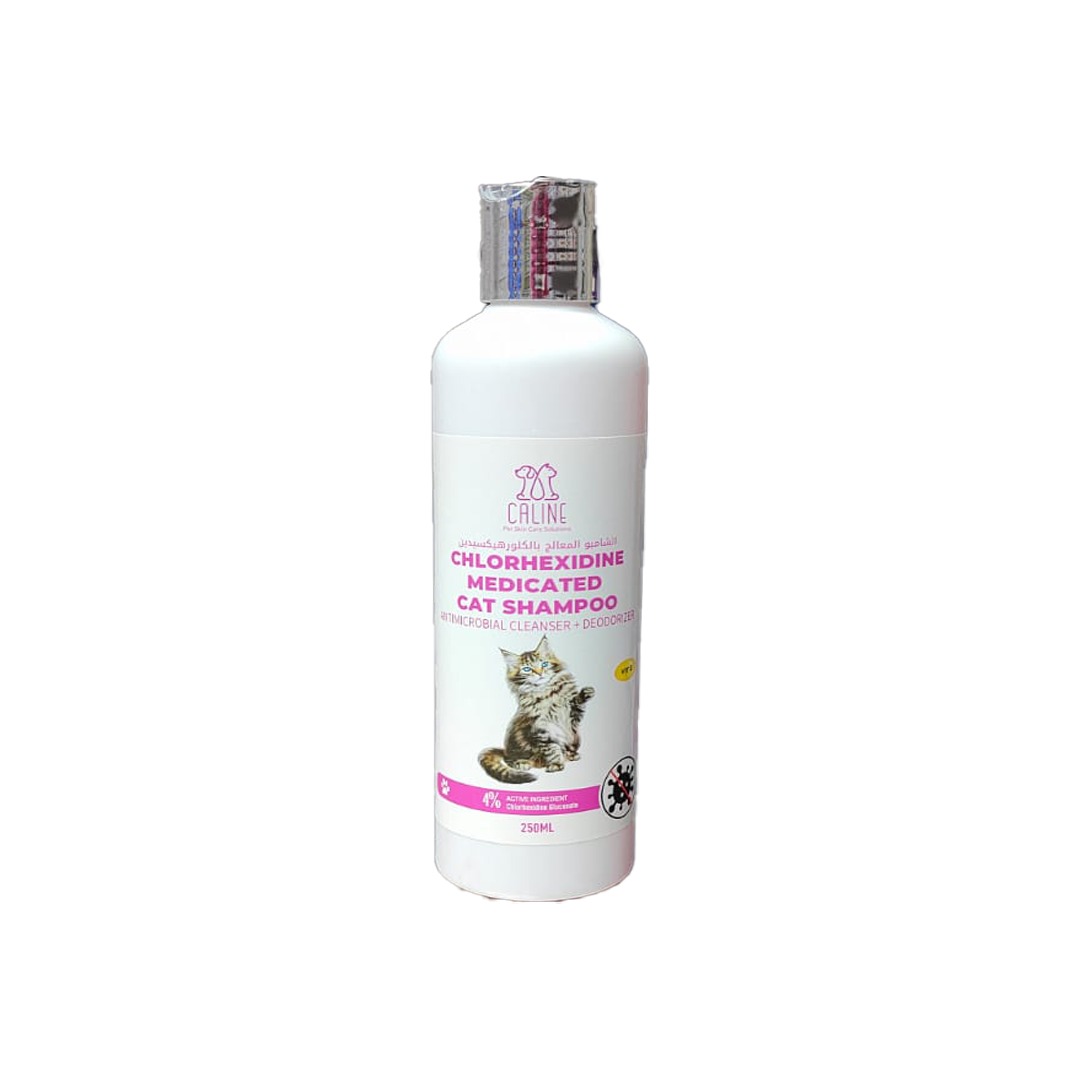
Image source: Bing (Web (fair-use with source credit))
Step 1: Gather Your Supplies
You'll need a few specific items before you start:
- Veterinary chlorhexidine shampoo (2% to 4% concentration)
- Benzoyl peroxide shampoo (2.5% to 3% for cats, never higher)
- Warm water
- Clean towels
- Rubber gloves (optional, but helpful)
- Treats for positive reinforcement
- A second person, if your cat resists baths
Step 2: Pre-Clean the Area
If the fur at the tail base is matted or heavily coated in wax, trim it first. Use blunt-tipped scissors and go slowly. Matted fur holds onto sebum and prevents shampoo from reaching the skin.
Trimming makes the whole process easier and more effective.
Step 3: Apply the Degreasing Shampoo
Wet the tail area thoroughly with warm water. Apply the chlorhexidine or benzoyl peroxide shampoo directly to the affected area. Work it into a lather, massaging gently into the skin.
Let it sit for five to ten minutes. This contact time matters because degreasing agents need time to break down the waxy buildup.
Step 4: Rinse Thoroughly
Rinse completely with warm water. Leftover shampoo residue can irritate the skin and worsen inflammation. Run your fingers through the fur to check for any slippery feeling, which means shampoo is still there.
Rinse again if needed.
Step 5: Dry Completely
Towel dry the area. Don't rub vigorously, pat gently. If your cat tolerates it, a low-heat hairdryer on the cool setting can help.
Moisture trapped against skin encourages bacterial and yeast overgrowth.
Step 6: Apply Prescribed Topical Treatment
If your vet prescribed a topical steroid spray, cream, or antibiotic ointment, apply it now. Follow the exact dosage and frequency instructions. Don't skip this step even if the skin looks better.
Premature discontinuation is a common cause of recurrence.
Bathing Schedule
Start with two to three baths per week for the first two weeks. This aggressive schedule breaks down existing buildup. Once the area looks clearer, reduce to once weekly for maintenance.
Most cases show visible improvement within seven to fourteen days.
The E-Collar Question
Some cats obsessively lick or bite at the affected tail. If your cat is doing this, an E-collar (cone) may be necessary to let the skin heal. Licking introduces bacteria and removes protective oils, which makes everything worse.
Keep the cone on until the skin looks healed and your cat shows no interest in the area.
Veterinary Treatments: When Home Care Isn't Enough
Home care works for mild cases. But stud tail can be stubborn, recurrent, or complicated by secondary infections. That's when veterinary treatment becomes essential.
Prescription-Strength Therapies
Your vet might prescribe:
- Stronger topical steroids to reduce glandular inflammation
- Oral antibiotics for secondary bacterial infections
- Antifungal medications if yeast overgrowth is present
- Injectable steroids for severe, acute flare-ups
Oral antibiotics are typically prescribed for ten to fourteen days. Complete the full course even if the skin looks better. Stopping early can create antibiotic resistance and allow the infection to return stronger.
The Role of Neutering
If your cat is intact and has stud tail, neutering is the most effective long-term treatment. Here's why: removing testosterone removes the primary stimulus for the supracaudal gland. In the majority of cases, the gland gradually shrinks and sebum production normalizes.
The timeline varies. Some cats show dramatic improvement within weeks. Others take two to three months for the coat to fully regrow and the gland to calm down.
Neutering is not an instant fix, but it addresses the root cause rather than just the symptoms.
When to See a Veterinary Dermatologist
General practice vets handle most stud tail cases. But if your cat has chronic, recurrent stud tail that doesn't respond to standard therapy, a board-certified veterinary dermatologist might be needed. They can perform skin biopsies, allergy testing, and advanced diagnostics to identify underlying causes.
The Surgical Option (Rare)
In extremely severe, non-responsive cases, surgical removal of the supracaudal gland is possible. This is a last resort and rarely necessary. It's considered when medical management fails completely and the cat's quality of life is affected.
Most cats never need this option.
Mistakes to Avoid When Treating Stud Tail
Even well-intentioned owners make errors that slow healing or cause new problems. Here's what not to do.
Don't Use Human Acne Products
Human acne treatments contain ingredients like salicylic acid, retinoids, and high-concentration benzoyl peroxide. These are toxic to cats. They cause severe skin irritation, chemical burns, and if ingested during grooming, systemic poisoning.
Never use them on your cat.
Don't Use Essential Oils
Tea tree oil, eucalyptus, lavender, and citrus oils are all toxic to cats. They're absorbed through the skin and metabolized poorly by feline livers. Even diluted, they can cause drooling, vomiting, tremors, and liver damage.
Skip them entirely.
Don't Over-Bathe
Bathing three times a week is plenty. More than that strips away the skin's protective barrier and triggers even more sebum production as a rebound effect. Your cat's skin needs some natural oil to stay healthy.
Don't Stop Treatment Too Early
The "looks better" trap is real. The greasiness fades, the hair starts growing back, and you stop treatment. Then it comes roaring back within a week or two.
Stick with the full treatment duration your vet recommended, even when the area looks normal.
Don't Ignore Secondary Infections
If the area becomes red, swollen, oozing, or painful, that's a bacterial infection on top of the stud tail. Home care won't fix that. Your cat needs oral antibiotics, and delaying treatment makes the infection harder to clear.
Don't Assume It's Just Stud Tail
If home treatment isn't working after two weeks, question your diagnosis. It might be ringworm, flea allergy dermatitis, or another condition entirely. Re-evaluate with your vet rather than continuing the same approach.
Recovery Timeline and What to Expect
Healing from stud tail isn't linear, but knowing what to expect helps you stay patient.
Week 1: The Degreasing Phase
During the first week, you'll notice the most dramatic change. The greasy feel starts to fade, and the odor diminishes after each bath. The blackheads might look more prominent as the surrounding sebum washes away.
Some redness can temporarily increase as the skin adjusts to treatment.
Weeks 2 to 4: The Regrowth Phase
Hair regrowth starts around week two, but it's slow and patchy at first. The tail base might look a little odd with short, stubbly hairs mixed with bald patches. This is normal.
Redness continues to fade, and the skin takes on a healthier appearance.
Weeks 4 to 8: The Resolution Phase
By week eight, most mild to moderate cases look dramatically better or completely resolved. The hair has grown back, the skin looks pink and healthy instead of red and inflamed, and the odor is gone. Neutered cats often see the most significant improvement during this window.
The Recurrence Question
Stud tail can come back, especially in intact males or cats with hormonal imbalances. Keep a maintenance schedule of weekly or bi-weekly bathing. Watch for early warning signs: a slightly greasy tail base, faint odor, or a few blackheads.
Catching it early means shorter, simpler treatment.
What "Normal" Looks Like
A healed tail base has soft, clean fur with no waxy residue. The skin underneath is pale pink and flexible. There's no odor, no blackheads, and no flaking.
Your cat shouldn't be licking or biting at the area.
When to See the Vet Immediately
You don't need to panic over mild stud tail. But certain signs mean you should stop home treatment and get professional help right away.
Red Flag Symptoms
- Pus or yellow-green discharge from the tail area
- Open sores or bleeding
- Swelling that feels hot to the touch
- Your cat flinches, hisses, or cries when you touch the tail
- Lethargy or loss of appetite
- Fever
- Excessive licking or biting at the tail causing further damage
Any of these suggests a secondary bacterial infection or abscess that requires prescription treatment. The sooner you get to the vet, the easier the infection is to clear.
If Home Care Isn't Working
You've been bathing consistently for seven to ten days. You've followed every step. And the area looks the same, or worse.
That's your sign to stop guessing and get a veterinary exam. Some cases of stud tail simply don't respond to topical therapy alone.
If the Problem Spreads
Stud tail stays localized to the tail base. If you see new bald patches, crusty lesions, or redness appearing on other parts of your cat's body, that's a different condition. Ringworm and flea allergy dermatitis can spread quickly.
A vet visit will sort it out.
Frequently Asked Questions
Does neutering always fix stud tail?
No, but it helps in most cases. Neutering removes the testosterone that drives sebaceous gland overproduction. Most cats see significant improvement within two to three months post-surgery.
A small percentage of cats continue to have mild symptoms that need ongoing management.
Can I use human dandruff shampoo on my cat?
No. Human dandruff shampoos contain ingredients like zinc pyrithione and salicylic acid that are toxic to cats. Cats groom themselves and will ingest whatever you put on their fur.
Use only veterinary-specific shampoos formulated for feline skin.
Is stud tail contagious to other cats or humans?
No. Stud tail is a hormonal and glandular condition, not an infectious disease. It cannot spread between animals or to people.
Secondary infections like ringworm or bacterial overgrowth can be contagious in some cases, which is another reason to get a proper diagnosis.
Will the hair grow back?
In most cases, yes. Once sebum production normalizes and inflammation subsides, hair follicles recover and regrow. The timeline ranges from a few weeks to a few months.
Cats with chronic, untreated stud tail may develop permanent hair thinning due to follicle damage.
Can female cats get stud tail?
Yes, though it's less common. Female cats, especially unspayed ones, can develop stud tail because they produce some testosterone. It also appears occasionally in spayed females and neutered males, typically in milder forms.
How often should I bathe my cat during treatment?
Start with two to three times per week for the first two weeks. Once the greasiness and odor are under control, drop to once weekly for maintenance. In our research, the most common cause of treatment failure is inconsistent bathing.
Keep the schedule steady for at least a month.