
If you've ever watched your bird turn into a grumpy, feather-dropping mess overnight, you know the panic. You're wondering how to help a molting bird without making things worse. That's exactly what we're covering here, step by step.
Molting is a natural process where birds shed old feathers and grow new ones. It's also a metabolic stressor that can knock your bird's energy, mood, and immune system off balance. During molt, a bird's protein needs can jump by up to 25%, and its calcium requirements rise too.
So while this is a normal cycle, it's not a "do nothing" season. Getting the basics right can shorten the molt, reduce discomfort, and prevent problems like broken blood feathers or skin irritation.
In our research, most pet bird species molt once or twice a year, with each cycle lasting anywhere from 2 to 12 weeks. Small birds like budgies and finches tend to molt faster. Larger parrots can take months.
The way you support them during those weeks makes a real difference in feather quality and overall health. As of 2026, avian veterinarians consistently point to nutrition, humidity, and stress reduction as the three pillars of safe molt support.
Let's walk through what to do, what to avoid, and how to tell a normal molt from something that needs a vet.
Quick Answer
To help a molting bird, increase dietary protein, maintain humidity around 50%, offer regular bathing, and minimize stress. Check daily for broken blood feathers and handle your bird less during this period. If bleeding occurs, apply pressure with cornstarch and call an avian vet immediately.
Never pull pin feathers prematurely.
Why Molting Is Harder on Birds Than Owners Realize
People assume molting is just feather loss. In reality, it's one of the most physically demanding phases of a bird's life.
Growing new feathers requires massive protein and energy. A single feather is almost entirely keratin, which is a structural protein. To produce a full new coat, your bird's body redirects resources away from other functions.
That's why molting birds often seem tired, less active, and more irritable than usual.
Feather follicles also become highly vascular during this time. New feathers, called blood feathers or pin feathers, have an active blood supply running through the shaft. That makes them fragile and prone to breaking.
A broken blood feather can bleed heavily, which is why this period carries real risk.
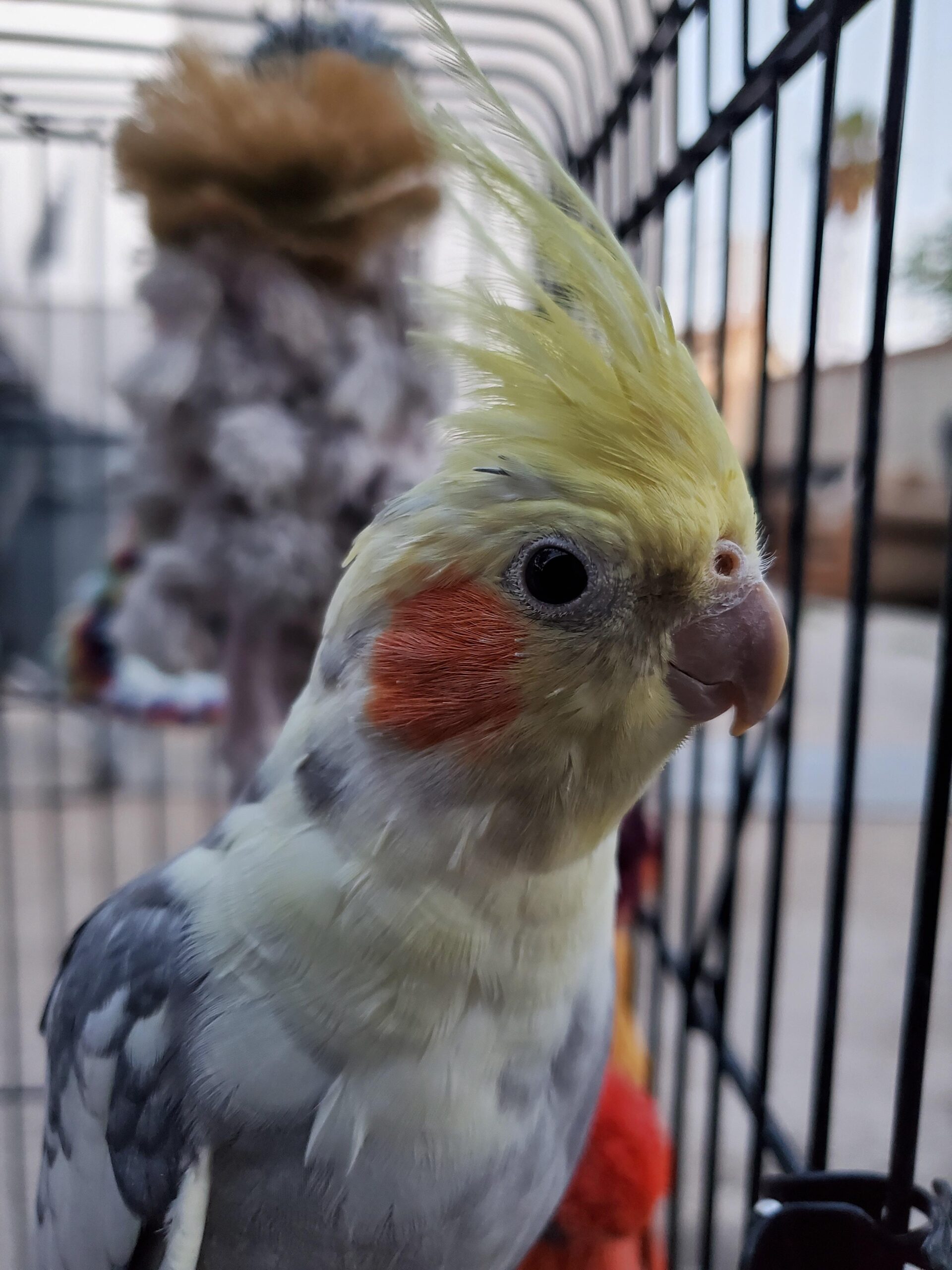
Image source: Bing (Web (fair-use with source credit))
There's also an energy cost. Studies in avian biology show that molting increases a bird's basal metabolic rate significantly. Your bird is working hard just to sit on its perch.
Understanding this helps you adjust your expectations and provide better support.
Molting is not a disease. But it is a vulnerable window. Birds in molt have lower immune resilience, which means secondary infections are more likely, especially if feathers are damaged or the skin becomes irritated.
When Feather Loss Is Normal vs. When It's an Emergency
Normal molting follows a predictable pattern. Feather loss is usually symmetrical. You'll see pin feathers emerging on the head, neck, and wings before older feathers fall out.
Bald patches are not typical. If your bird has bare spots, you're likely dealing with feather plucking, a viral infection, or a nutritional deficiency.
Emergency signs include active bleeding, visible broken shafts, lethargy, difficulty breathing, or a sudden drop in appetite. These require immediate veterinary attention. Normal molt might make a bird quieter, but it shouldn't make them sick.
Quick Answer: The 5-Minute Molt Assessment
Before you change anything, take five minutes to assess what's actually happening. This quick check helps you decide whether you can manage things at home or need a vet.
Step 1: Look at the pattern. Is the feather loss symmetrical across both sides of the body? Symmetry points to normal molt. Patchy or one-sided loss suggests something else.
Step 2: Check for pin feathers. Run your eyes over the head, neck, and wings. New feathers appear as small, dark or pale spikes pushing through the skin. These are a good sign.
Step 3: Inspect for blood. Look carefully at dropped feathers and the bird's skin. Any active bleeding, dried blood, or broken shafts means you need to act fast.

Image source: Bing (Web (fair-use with source credit))
Step 4: Evaluate appetite and droppings. A molting bird eats slightly more or slightly less. Droppings should remain well-formed. Watery, foul-smelling, or discolored droppings are warning signs.
Step 5: Assess behavior. Normal molt causes mild irritability and reduced activity. Severe lethargy, fluffed posture for long periods, or labored breathing are red flags.
If anything in this assessment raises concern, skip the home remedies and contact an avian veterinarian. When in doubt, err on the side of a professional exam.
How Molting Actually Works in Pet Birds
Molting is a biological program, not a random shedding event. It's driven by changes in daylight hours, temperature, and hormonal cycles. In the wild, birds typically molt after breeding season when food is abundant and days are getting shorter.
In captive birds, the trigger is less consistent. Indoor lighting, artificial heating, and stable temperatures can confuse the natural cycle. Some birds molt twice a year.
Others seem to molt continuously. Both can be normal depending on species and environment.
The Biology of Feather Replacement
Each feather grows from a follicle beneath the skin. When the molt begins, hormones signal old feathers to loosen and fall out. The follicle then starts producing a new feather, which grows upward through the skin.
This new feather is called a pin feather or blood feather. It's covered in a waxy sheath and has a blood vessel running through the shaft. As the feather matures, the blood recedes, and the sheath flakes off, revealing the clean feather beneath.
The growth rate depends on species and nutrition. Small birds can grow feathers in a few days. Larger parrots may take weeks.
A balanced diet shortens the process. Poor nutrition stalls it.
The body also prioritizes feathers during molt, which means other systems might get less energy. This explains the tiredness, decreased vocalization, and reduced activity many owners notice.
Reading the Signs: Pin Feathers, Sheaths, and Feather Dust
Pin feathers look like tiny spikes or tubes protruding from the skin. They may appear white, gray, brown, or even dark red depending on the bird and the feather color. Dark red or black pin feathers indicate an active blood supply.
The sheath is a thin, waxy coating that protects the growing feather. Birds remove it by preening. You might see small flakes or white powder on your bird's cage and perches.
That's normal feather dust.
Some birds get itchy and fussy during this stage. They might rub their heads against perches or cage bars. That's natural behavior, not an emergency.
But excessive rubbing that leads to bleeding or bald spots needs attention.
Understanding these signs helps you distinguish normal molt activity from destructive behavior. The goal is to support the process, not interfere with it.
The Critical First Step: Checking for Broken Blood Feathers
This is the one thing you cannot skip or delay. A broken blood feather is a genuine medical emergency that can be fatal if left untreated.
Blood feathers have a hollow shaft with a live blood supply. When they break, blood doesn't clot quickly because the shaft acts like a straw, keeping the wound open. Small birds can lose a dangerous amount of blood in minutes.
How to Stop Feather Bleeding Safely
If you spot a broken blood feather actively bleeding, stay calm and follow these steps.
Step 1: Remove the bird from the cage. Use a towel to gently wrap your bird. This prevents flapping and further damage.
Step 2: Locate the broken shaft. Identify the bleeding feather and isolate it from surrounding feathers.
Step 3: Apply steady pressure. Use a cotton ball or clean cloth with cornstarch, flour, or styptic powder. Press firmly on the broken shaft for 2 to 5 minutes.

Image source: Bing (Web (fair-use with source credit))
Step 4: Do not pull the feather. Pulling a blood feather can cause severe trauma and make bleeding worse. Only a veterinarian should remove a broken blood feather, and only if necessary.
Step 5: Monitor closely. Even if bleeding stops, watch your bird for the next 24 hours. Signs of weakness, pale gums, or labored breathing mean the bird lost significant blood and needs emergency care.
Keep styptic powder or cornstarch in your bird first-aid kit at all times. These are cheap, easy to find at most drugstores, and can be the difference between minor drama and a critical situation.
When You Must Call the Vet Immediately
Some situations require immediate veterinary intervention. Do not wait. Do not attempt to treat them at home.
Call your avian vet right away if:
- Bleeding does not stop after 5 minutes of steady pressure
- The bird has lost a visible amount of blood or seems weak
- Multiple blood feathers are broken at once
- The broken feather is in the wing or tail and the bird cannot perch properly
- Your bird shows signs of shock, like fluffed feathers, closed eyes, or shallow breathing
- Any feather loss is accompanied by open sores, swelling, or discharge
In our research, avian vets consistently emphasize that birds hide pain extremely well. By the time you notice something wrong, the bird may have lost significant blood. If anything feels off, trust your instinct and make the call.
A quick trip to the vet is always better than a preventable tragedy.
Nutrition: What to Change During Molt
Diet is the single most powerful tool you have to support a molting bird. Feathers are about 90% protein, so your bird needs significantly more protein during a molt than at any other time of year.
Most maintenance bird diets contain around 10 to 12% protein. During molt, that number should climb to 15 to 20% for small birds and up to 25% for larger parrots. You can achieve this with a combination of high-quality pellets, cooked eggs, legumes, and small amounts of lean meat if your bird accepts it.
The amino acids methionine, lysine, and cysteine are particularly important. These are the building blocks of keratin, the protein that makes up feathers. A deficiency in any of these can result in weak, brittle, or malformed feathers that break easily.
Protein, Amino Acids, and Fatty Acids
You don't need to become a nutritionist to get this right, but knowing which foods deliver the most value helps.
Hard-boiled eggs are the gold standard for molting birds. The entire egg, shell included, provides protein, calcium, and essential fatty acids. Mash it up with the shell and offer a small amount daily during peak molt.
Cooked chicken or turkey, shredded finely, is another excellent protein source. Many parrots and larger birds love it. Small birds like finches and canaries benefit more from egg food, a commercial mix of dried eggs, seeds, and vitamins designed for breeding and molting.
Plant-based proteins also matter. Cooked lentils, chickpeas, and quinoa provide amino acids without the fat content of meat. Sprouted seeds are another powerhouse, offering protein, enzymes, and vitamins in a highly digestible form.
Omega-3 and omega-6 fatty acids, found in flaxseed, chia seeds, and walnuts, support skin health and reduce inflammation around new feather follicles. A pinch of ground flaxseed over regular food is an easy way to add these.
Which Supplements Help — and Which Can Harm
The supplement aisle at pet stores is tempting, but it's also a minefield. More is not better when it comes to avian vitamins.
A quality pelleted diet already contains the vitamins and minerals your bird needs. If your bird eats a seed-only diet, you need to switch to pellets first, then consider supplements.
Calcium is one supplement that does help during molt. Feather production draws heavily on calcium reserves, and a deficiency can lead to egg binding in females or seizures in severe cases. A cuttlebone or mineral block in the cage is the safest option.
It lets your bird self-regulate.
Vitamin D3 is essential for calcium absorption. Birds housed indoors often lack it. Full-spectrum lighting designed for birds, not regular household bulbs, can help.
Place it within 12 to 18 inches of the cage and run it during daylight hours.
What you should avoid is multivitamin powders added to drinking water. These can breed bacteria in the water dish and cause uneven dosing. Some vitamins, especially A and D3, are fat-soluble and can build up to toxic levels.
If you suspect a deficiency, don't guess. Ask your avian vet for a blood test to identify gaps before adding anything.
Hydration and Its Role in Feather Health
Water is easy to overlook, but it's critical for feather development. New feathers are largely composed of water before they keratinize. Dehydration can stall growth and produce dry, brittle feathers.
Always provide fresh, clean water. Change it twice a day during molt, not just once. Birds drink more when they're producing new feathers, and they also bathe more frequently.
Wet food, like fresh fruits and vegetables, can contribute to hydration. Offer cucumber, watermelon, leafy greens, and other high-moisture produce. Just remove them after a few hours to prevent spoilage.
Environment: Humidity, Temperature, and Bathing
The environment around your bird significantly affects how smoothly the molt progresses. Feathers need moisture to grow properly. In dry air, sheaths harden and become difficult to shed, leading to itchy, irritated skin.
Ideal humidity for molting birds is between 40 and 60%. If your home is drier than that, especially in winter or in arid climates, you need to add moisture to the air.
Why Dry Air Wrecks Feather Growth
Dry air is the enemy of molting. When humidity drops below 40%, feather sheaths become brittle and stick to the new feather. The bird preens more aggressively to remove them, which can damage the emerging feather or break the shaft near the skin.
The result is a cycle of irritation, over-preening, and feather damage. Some birds develop balding patches from rubbing against cage bars or perches. Others start chewing feathers in frustration.
A humidifier placed near the cage can solve this problem. Set it to maintain 50% relative humidity. If you don't have a humidifier, placing a shallow dish of water near a heat source or hanging a wet towel near the cage can help, though these methods are less consistent.
You can also measure humidity with a simple hygrometer, available at most hardware stores for under ten dollars. Knowing the exact level in the room takes the guesswork out of environmental adjustments.
Bathing Routines That Reduce Itch and Irritation
Bathing does two things during molt. It moistens the sheaths, making them easier to remove, and it provides relief from itching. Most birds enjoy bathing when offered appropriately.
Offer your bird a shallow dish of lukewarm water two to three times per week during molt. The water should be no deeper than the bird's chest. Some birds prefer a gentle misting with a spray bottle set to a fine mist.
Others like a slow drizzle from a faucet.

Image source: Bing (Web (fair-use with source credit))
Always use lukewarm water, never cold. Cold water can chill a molting bird and lower its body temperature. Room temperature water is generally safe, but lukewarm is more comfortable and encourages participation.
After bathing, place the bird in a warm, draft-free area to dry. A space heater set to low, placed at a safe distance, can speed drying. Never use a hair dryer on a bird.
The noise and heat can cause severe stress and burns.
Light Cycles and Molt Timing
Photoperiod, or the length of daylight, is a primary trigger for molt. In the wild, birds molt when days begin to shorten after breeding season. Indoor birds with constant lighting can miss this cue entirely.
Simulating natural light cycles helps. During molt, gradually reduce the number of daylight hours your bird experiences. Turn off lights 10 to 12 hours after sunrise, and cover the cage at night to ensure complete darkness.
Some keepers use full-spectrum lights to mimic natural sunlight. These support vitamin D3 synthesis and can improve feather quality. But they don't need to stay on longer than 10 to 12 hours per day.
Consistent darkness is just as important as consistent light.
Sudden changes to the light schedule can trigger stress molts, which are unplanned feather losses caused by stress rather than natural cycles. Keep lighting consistent and predictable to avoid this.
Handling and Stress: What to Do Differently for 2–8 Weeks
Molting birds are not themselves. The bird that happily stepped onto your hand yesterday might nip or retreat today. That's not bad behavior.
That's a biological priority shift.
During molt, your bird's body is telling it to conserve energy. New feather growth demands serious resources. Stress compounds that demand by raising cortisol levels, which actually slows feather development and can trigger more feather loss.
The best thing you can do is read your bird's signals and respect them.
Why Your Bird Is Grumpy (and What That Means)
The grumpiness is physiological, not personal. Pin feathers emerging through skin are uncomfortable. The sheath around each new feather can feel tight and itchy.
Some birds compare it to the irritation of teething.
Your bird is also running on reduced energy reserves. It's producing keratin at a rapid pace. That metabolic load makes normal activities feel exhausting.
Social interaction becomes a chore, not a pleasure.
Pinning eyes, raised feathers, or a quick lunge are your bird saying "back off." When you see these signals, give it space. Pushing through the resistance raises stress and lengthens the molt.
With that said, some birds want more attention during molt. They seek comfort and security. You'll know which type you have by watching its body language over the first few days.
Safe Handling Rules for Fragile New Feathers
Feathers still attached to blood vessels are delicate. When you handle a molting bird, you risk bending or breaking these fragile structures. A broken blood feather is painful and potentially dangerous.
Use a perch to step your bird up from the cage instead of offering your hand. This provides more stability and reduces the chance of gripping a tender area.
If you must pick your bird up, support it fully. Place one hand around the body and let the wings rest naturally. Never grab a molting bird by the wing or tail to control it.
Those feathers are the most vulnerable.
Keep sessions short. Five minutes of calm interaction beats twenty minutes of stress. If your bird begins flapping or shows signs of agitation, end the session and let it rest.
Never let children or other pets handle a bird while it molts. Their enthusiasm can easily cause injuries that require veterinary attention.
Creating a Low-Stress Sanctuary
A quiet, predictable environment speeds up recovery. Birds in high-traffic areas with loud noises and sudden movements take longer to finish molting.
Move the cage to a corner where at least one side faces a wall. This gives your bird a sense of security. Keep the cage away from television speakers, kitchen activity, and exterior windows if possible.
Maintain a consistent daily schedule. Wake your bird at the same time each morning and cover the cage at the same time each night. Predictability reduces anxiety.
Watch your bird's interaction with household members. If certain people or activities cause distress, limit exposure during the molt window. Two to eight weeks of extra calm is a small investment in your bird's long-term health.
Enrichment Without Overstimulation
Boredom is stressful, but too much stimulation is also stressful. The balance during molt leans toward calm, low-energy activities.
Offer foraging toys filled with treats. Shredding paper, tearing cardboard, and peeling bark from safe branches keep beak and mind busy without demanding physical exertion.
Skip high-energy activities like teaching new tricks or introducing novel toys that might frighten your bird. Save those for after the molt is complete.
Common Mistakes Owners Make During Molt
Even experienced bird owners trip up during molt. The mistakes are easy to make because they come from good intentions. Knowing what they are will help you avoid them.
Over-Supplementing
More vitamins is not better. Fat-soluble vitamins like A, D3, and E accumulate in the body. Toxicity from over-supplementation causes symptoms that look like the very problems you're trying to prevent: feather loss, lethargy, and poor appetite.
Stick to a quality pellet base and add whole foods. Most birds do not need additional multivitamins if they're eating a balanced diet. If your bird is on a seed-only diet, address that first before considering supplements.
Calcium is the exception. A cuttlebone or mineral block is always safe to have available. Your bird will self-regulate.
Mistaking Molt for Plucking
The visual difference between molting and plucking is critical. Molt loss is symmetrical and follows a feather tract pattern. Plucking creates irregular bald patches, often on the chest and wings, with broken feather shafts left behind.
Molt feathers fall out cleanly from the follicle. Plucked feathers are removed with force, leaving crushed shafts or blood at the base.
If you suspect plucking, look for the feathers themselves. Plucked feathers often have chewed or ragged edges.
Pulling Pin Feathers Too Early
It's tempting to help when you see dry sheaths flaking off. Some owners try to peel or pull the sheath to speed things up. Don't.
The sheath protects the developing feather. Pulling it too early exposes immature, damaged feather tissue. The feather may grow in bent, deformed, or fail to emerge entirely.
If a sheath is clearly dry and flaking at the tip, gentle rolling between your fingers can help. But never pull, twist, or force the sheath off.
Ignoring the First Signs of a Broken Blood Feather
The initial bleeding might be light. A small spot of blood on a perch or in the cage could be easy to dismiss. That's a mistake.
Birds lose blood fast relative to their size. A minor break can become a major emergency within minutes. Always investigate any sign of blood.
Changing the Routine Dramatically
During a stressful period, sudden changes are worse than none. Some owners panic and rearrange the entire cage, change foods completely, or start handling the bird constantly. All of that raises stress.
Make changes incrementally. One new food item per week. One cage adjustment at a time.
Give your bird a chance to adapt before adding more.
Preparing for a Smooth Molt
Now that you understand molting as a biological process, you can take a structured approach to supporting your bird. This isn't a one-size-fits-all checklist. It's a set of principles that applies to any pet bird species, from tiny finches to large macaws.
The key is preparation. Have your supplies ready before the molt starts. Stock the right foods.
Adjust the environment. Know where the nearest avian veterinarian is. When the molt begins, you'll be ready.
Step-by-Step Action Plan
A clear, step-by-step plan keeps even new bird owners calm and effective when molting starts.
First, assess your bird's current diet. Transition to a high-protein pellet as the base if you haven't already. Add eggs, sprouts, and cooked legumes daily during peak molt.
Second, optimize the environment. Maintain humidity between 40 and 60% with a humidifier or regular misting. Keep the room temperature between 65 and 80°F.
Third, reduce stressors. Minimize handling, keep routines consistent, and ensure the cage is in a quiet location away from loud noises, predators, and heavy foot traffic.
Fourth, provide bathing opportunities at least three times weekly.
Fifth, do a daily five-minute health check. Look for broken blood feathers, over-preening, and changes in droppings or appetite.
Checklist for Budgies, Cockatiels, Parrots, and Finches
Different birds have slightly different needs, but the core checklist remains the same across species.
| Species | Molt Duration | Protein Target | Special Considerations |
|---|---|---|---|
| Budgies | 2–4 weeks | 15–18% | Small size means faster dehydration risk |
| Cockatiels | 4–8 weeks | 18–20% | Prone to feather dust; bathing essential |
| African Greys | 8–12 weeks | 20–22% | High calcium needs; watch for calcium deficiency |
| Amazon Parrots | 6–10 weeks | 18–20% | Sensitive to stress; need quiet environment |
| Canaries | 4–6 weeks | 18% | Egg food is critical; avoid breeding during molt |
| Finches | 2–4 weeks | 15–18% | Active birds; require bath access daily |
Environmental Adjustments That Reduce Stress
Stress is the biggest preventable cause of severe molting problems. A stressed bird may prolong its molt, lose too many feathers at once, or develop behavioral issues like plucking.
Start by keeping the cage in a stable location. Don't move it during molt unless absolutely necessary. Changes in familiar surroundings add stress.
Cover the cage at night to create a dark, quiet refuge. This mimics the natural sleep environment and helps your bird feel secure.
Offer chewing materials, like natural wood toys, cardboard, or palm leaf bundles. The act of chewing provides a healthy outlet for the extra energy and frustration that sometimes accompanies molt.
When to Be More Passive vs. Active
Molting birds often want to be left alone. They may not want to come out of the cage. They might refuse treats they normally love.
They may avoid interaction altogether.
Respect this. A molting bird is not being "difficult." It's conserving energy for the enormous task of growing feathers. Pushing interaction when a bird is clearly withdrawn raises stress levels and prolongs the molt.
On the other hand, if your bird is eating, bathing, and engaging normally, keep offering those opportunities. The passive and active balance changes with each bird and each molt. Pay attention to their signals, and let them lead.
Establishing a Daily Observation Routine
Daily observation is the single best habit you can develop as a bird owner. You catch problems early when you know what is normal for your bird.
Pick a consistent time, like morning, to do a full sweep. Check for fresh feathers, broken shafts, and behavioral changes. Weigh your bird weekly using a kitchen scale.
A drop of more than 10% of body weight during molt is a red flag.
Log what you see, even in a simple notebook. Over time, patterns emerge. You'll learn how long your bird's molts tend to last and what signs indicate problems before they become serious.
When to See an Avian Vet
Most molts do not require veterinary care. But some situations absolutely do. Knowing the difference is how you protect your bird.
Red Flags That Aren't Part of Normal Molting
Normal molt produces symmetrical feather loss, new pin feathers, mild lethargy, and reduced appetite. The red flags are less subtle.
If your bird has open wounds, visible skin irritation, or bleeding that continues beyond a few minutes, it's time for the vet.
Labored breathing, tail bobbing, or a constant fluffed posture are signs of systemic distress. These are never normal, even during molt.
Changes in droppings also matter. If droppings become watery, discolored, or stop appearing regularly, your bird may have an underlying infection or organ issue.
Vomiting or regurgitation is another warning sign. Molting birds don't vomit as a normal behavior. Contact your vet immediately.
Chronic Molt Issues: What a Vet Can Do
Some birds struggle through every molt. They lose too many feathers, take months to regrow them, or develop repeated broken blood feathers. This pattern signals an underlying problem.
A vet can perform blood work to check for nutritional deficiencies, hormonal imbalances, or infections. They can also examine the feather follicles to rule out conditions like follicular cysts or feather dystrophy.
In some cases, a vet will prescribe supplements at precise dosages. In others, they might recommend adjusting light cycles or treating an underlying condition like psittacine beak and feather disease.
Emergency Situations That Can't Wait
Three scenarios demand immediate emergency care. The first is uncontrolled bleeding. The second is difficulty breathing.
The third is signs of shock.
Birds in shock may have pale or bluish mucous membranes, rapid breathing, weak posture, and closed eyes. They may feel cold to the touch.
Wrap your bird in a clean towel and place it in a quiet, warm, dark container. This reduces stress and helps stabilize the bird during transport.
Never attempt to treat shock at home. The window for successful intervention is narrow. Your nearest avian emergency vet is the only option.
How to Find an Avian Specialist
Not all veterinarians treat birds. You need a vet with avian certification or extensive bird experience. The Association of Avian Veterinarians maintains a directory of qualified professionals.
You can find it at aav.org.
Call ahead to confirm the vet sees birds regularly. Ask if they have emergency availability or if they refer after-hours cases to another hospital.
Keep this number posted near your bird's cage. In a crisis, you don't want to be searching your phone for the contact information.
Preparing for a Vet Visit
Bring a fresh sample of droppings if you can. This helps the vet run immediate diagnostics. Also bring a list of everything your bird ate over the past week, including treats and supplements.
Write down your observations: when the molt started, when symptoms first appeared, and any changes you noticed along the way. Clear information leads to faster diagnosis.
Place your bird in a secure travel carrier lined with a soft towel. Avoid food and water during transport to prevent spills, but ensure the carrier is well-ventilated.
Real Scenarios: Budgie, Cockatiel, and Parrot Examples
Examples bring the theory to life. These scenarios show how the principles apply to real birds with real issues.
Scenario 1: A Budgie's First Molt
Milo, a 6-month-old budgie, started showing pin feathers around his head and neck. His owner noticed he became quiet and spent more time preening. A few days later, small feathers appeared at the bottom of the cage.
His owner increased protein by adding a small piece of hard-boiled egg twice weekly. Humidity was raised by placing a dish of water near the cage. Milo bathed twice a week in a shallow dish.
The molt lasted about three weeks. Milo's energy returned gradually, and his new feathers came in glossy and smooth. No issues arose.
Scenario 2: A Cockatiel's Broken Blood Feather
Coco, a 5-year-old cockatiel, broke a blood feather on her wing while playing. Her owner heard her squawk and noticed a spot of blood on the cage floor.
The owner wrapped Coco in a towel, applied cornstarch to the broken shaft, and held pressure for 3 minutes. Bleeding stopped. The owner monitored her for 24 hours and saw no signs of weakness or distress.
Then they called their avian vet for advice, who confirmed the bleeding was controlled and advised to let the feather fall out naturally. Coco lost the damaged feather within a week and regrew a healthy replacement.
Scenario 3: An African Grey With Chronic Molting Issues
Charlie, an African Grey, had molts that lasted months and left him with bald patches. His diet was seed-based and low in protein. He also lived in a dry home where humidity sat below 30%.
His owner worked with an avian vet to transition Charlie to pellets, add eggs and legumes, and install a humidifier. Blood work revealed low calcium levels, requiring a calcium supplement.
After three months, Charlie's next molt was noticeably shorter and more complete. His feather quality improved, and he regained energy during the molt cycle.
Scenario 4: A Canary Who Over-Preened
Sunny, a canary, entered a hard molt and lost many feathers at once. The resulting itch from new pin feathers was intense, so he started rubbing against perches aggressively. This caused skin irritation and further feather damage.
His owner added daily bathing opportunities and increased humidity. They also offered a natural branch where Sunny could rub against something safe.
Within two weeks, the irritation eased and the over-preening stopped. Sunny's molt continued normally for another three weeks.
What Owners Report About Severe Molts
Forum posts and conversations with avian vets show patterns. Severe molts happen most often in birds on poor diets, in dry environments, or under constant stress.
Owners who switched their birds to higher-protein diets reported shorter molts. Those who added humidity reported smoother feather emergence and less itching. Those who reduced handling reported calmer birds.
These observations align with research on avian nutrition and stress physiology. There's no mystery here. Support the basics, and the molt follows a healthier path.
Lessons From These Cases
Every case follows the same principles.
Nutrition comes first. A protein-poor diet guarantees a hard molt.
Hydration follows. Dry air makes everything worse.
Stress reduction matters. Quiet spaces and minimal handling let the body focus.
Observation catches problems early. Daily checks prevent emergencies.
If these four pillars are in place, most molts go smoothly. When they aren't, problems cascade quickly.
Maintaining a Healthy Routine After Molt Ends
The molt is over. New feathers have emerged, sheaths have flaked off, and your bird looks vibrant again. But the work doesn't stop here.
What you do in the weeks after molt sets the stage for the next cycle.
Recovery takes time. Feathers continue to harden and strengthen for weeks after they emerge. Your bird's energy levels will gradually return to normal.
The metabolism that spiked during molt needs to rebalance.
Keep the high-protein diet for at least two weeks after the last pin feather appears. This supports the final stages of feather maturation. A sudden drop in protein can leave feather shafts weak and prone to breaking.
Continue the humidity and bathing routine as well. Feather sheaths might still be flaking off, especially on the head and neck where birds can't reach easily.
Tapering Off High-Protein Support
Gradual changes are easier on your bird's system than abrupt ones. Reduce egg or meat portions slowly over a week. Watch for any signs of digestive upset as the diet shifts back to maintenance levels.
Smaller birds, like budgies and canaries, adjust within a few days. Larger parrots may take longer. Monitor droppings and appetite during the transition.
You can drop the extra protein entirely once you see the last sheath fall off. At that point, the feathers are fully formed and no longer need the elevated nutritional support.
Tracking Molt Cycles in Your Bird
Every bird has its own rhythm. Keeping a log helps you predict when the next molt will arrive. Mark the start and end dates of each molt on a calendar.
Note what you did that worked, like increasing bathing, adjusting humidity, or switching foods. Your future self will thank you when the next molt begins.
Species with regular seasonal molts, like canaries and finches, tend to follow predictable patterns. Indoor parrots are less regular, since artificial light and temperature confuse natural cues.
When to Expect Regrowth to Complete
Feather regrowth takes time, and the final result depends on how well you supported the process. Most birds show complete regrowth within 4 to 8 weeks from the start of the molt.
Cockatiels and budgies typically finish within a month. African greys and Amazon parrots can take 10 to 12 weeks. Feathers on the head and neck grow fastest.
Wing feathers and long tail feathers take longer.
If you still see bare skin or stubs after 12 weeks, something went wrong. Revisit your bird's diet, sleeping schedule, and stress levels. Consult your vet if there's no improvement.
Observing Behavioral Changes Post-Molt
After a healthy molt, birds become more active, vocal, and playful. They preen less aggressively and interact more readily. Their appetite increases and their droppings return to normal.
If your bird remains lethargic, keeps fluffing up, or stops eating after the molt period, that's a red flag. A post-molt downturn suggests an underlying issue like a chronic infection, organ stress, or nutritional deficiency.
Some birds experience a temporary mood lift once the itchy pin feathers are gone. This is common and can last a few weeks. It's your bird reconnecting with the world after a period of intense physical effort.
Mistakes to Avoid in the Post-Molt Phase
The weeks after molt are just as important as the molt itself. Owners often relax their routines too quickly, and problems pop up in the recovery window.
Skipping the Feather Quality Check
Feather quality tells you whether the molt was successful. Check for smooth, shiny, fully formed feathers without bends, splits, or ragged edges.
Stress bars, which look like thin horizontal lines across the feather shaft, indicate that nutrition or stress was off during growth. A single stress bar is acceptable if the molt was otherwise smooth. Multiple bars suggest a problem worth addressing.
Returning to the Old Diet Too Quickly
The sudden return to a seed-heavy or low-protein diet is a leading cause of poor feather regrowth. The body needs a buffer period. Keep elevated protein for two weeks minimum, or until all visible sheaths are gone.
This is especially critical for African greys and other species prone to feather disorders. They need more time to fully keratinize their new feathers.
Resuming Stressful Handling
Your bird may seem back to normal, but its feathers are still delicate. The blood supply has receded, but the shafts remain brittle for a few weeks.
Resume handling gradually. Offer your hand and let your bird choose. Watch for any signs of discomfort when perching or being touched.
Patience builds trust.
Ignoring Appetite or Weight Shifts
Post-molt weight should stabilize at your bird's normal baseline. If weight drops by more than 10% or if your bird refuses food for over 24 hours, call your vet.
Appetite changes in birds are subtle. You may only notice your bird leaving food behind or eating less enthusiastically. Weigh your bird weekly to stay ahead of any issues.
Frequently Asked Questions
How long does a molt last?
Depending on the species and the bird's health, a molt typically lasts 2 to 12 weeks. Small birds usually finish faster, larger parrots slower. Poor nutrition or high stress can extend the duration.
Should I handle my bird less during molt?
Yes. A molting bird is more sensitive and less tolerant of handling. Respect its cues.
If it pins its eyes, lunges, or steps away, take the hint and give it space.
Can I bathe a bird with pin feathers?
Yes, bathing is beneficial for molting birds, including those with many pin feathers. Lukewarm water softens the sheaths and relieves itching. Just avoid scrubbing or touching the pin feathers directly.
How much feather loss is too much?
Normal molt looks like scattered feathers with a few pin feathers in between. Bald patches, exposed skin, or feathers coming out in clumps are not normal. That level of loss suggests plucking, infection, or a nutritional issue.
What should I do if my bird is bleeding from a feather?
Apply steady pressure with a cloth soaked in cornstarch or styptic powder for 2 to 5 minutes. If bleeding doesn't stop or your bird appears weak, see an avian vet immediately. Never pull the feather yourself.
Why is my bird so grumpy during molt?
It's physical discomfort. New feathers coming through the skin are itchy and sometimes painful. Plus, the molt uses significant energy, making your bird tired.
Grumpiness is his way of telling you he needs quiet and rest.
Final Verdict: Your Molt Care Checklist
You have everything you need now. The key is consistency. Apply these practices daily for the duration of the molt, not just once.
The Non-Negotiables
These are the things you must do to help a molting bird:
- Increase dietary protein during molt
- Maintain humidity between 40 and 60%
- Offer bathing opportunities 2 to 3 times per week
- Check daily for broken blood feathers
- Minimize handling and stress
- Provide consistent lighting and rest
- Keep fresh water available at all times
What to Stock in Your Bird First-Aid Kit
A well-stocked kit is your best defense against emergencies.
Cornstarch or styptic powder heads the list. You'll also want cotton balls or clean cloths for pressure. Include a small towel for wrapping your bird.
Add a digital kitchen scale for weight checks. Store your avian vet's phone number and address in the kit itself. Add a travel carrier for emergency trips.
Mark the date on any supplies you store in the kit. Replace items annually or sooner if they show signs of wear.
Final Tips for Species-Specific Needs
Different birds need different touches. Large parrots benefit from more protein-rich foods and a longer molt timeline. Small birds need faster action when bleeding occurs because their blood volume is lower.
African greys need extra calcium attention. Cockatiels need frequent bathing to manage feather dust. Budgies and finches need smaller food pieces and more frequent meal changes.
Find what works for your species and adjust as you learn your bird's patterns.
When to Stop and Not Second-Guess Yourself
Trust the process. Molting is normal, and most birds come through it fine with basic support. You don't need to be perfect, just consistent.
If you're ever uncertain, call your vet. There's no penalty for a check-in. The worst case is peace of mind.