

Image source: Bing (Web (fair-use with source credit))
Most online advice about bathing rats is dangerously wrong. The honest truth is that the answer to "how to bathe a pet rat" is usually don't. Knowing when a bath is actually necessary could save your rat's life.
Rats have a body temperature around 99°F (37.2°C) and lose heat roughly four times faster than humans in water. Their respiratory systems are fragile, with nearly all pet rats carrying Mycoplasma pulmonis, a bacteria that flares up under stress. As of 2026, exotic veterinarians overwhelmingly recommend spot-cleaning over full immersion baths for routine hygiene.
Quick Answer
Bathe your rat only when medically necessary. Use lukewarm water at 85-90°F. Never submerge the head.
Dry completely within minutes. Skip baths for routine odor control. Spot-clean instead.
The Hard Truth: Does Your Rat Actually Need a Bath?
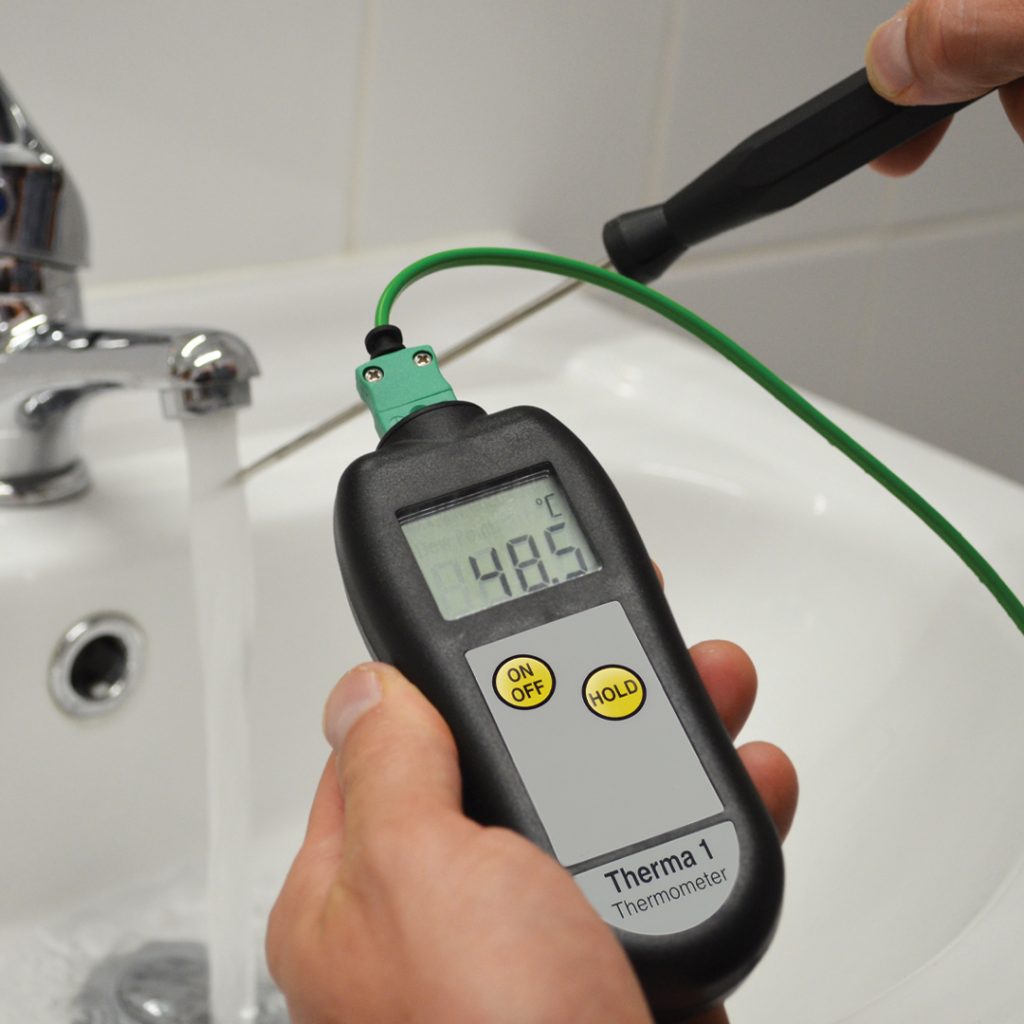
Image source: Bing (Web (fair-use with source credit))
Healthy rats are fastidious groomers. They spend hours each day cleaning themselves, and a healthy rat in a clean cage simply doesn't need a bath. Bathing a healthy rat can do more harm than good.
The biggest risk isn't drowning. It's stress. Rats are prey animals, and being placed in water triggers a deep, instinctive panic response.
That panic releases stress hormones like cortisol and adrenaline, which suppress the immune system and trigger Mycoplasma pulmonis flare-ups.
Skip the bath if your rat is healthy and self-grooming. If you're dealing with normal cage odor, the problem is the cage, not the rat. Change bedding more frequently, switch to dust-free bedding, and clean the cage thoroughly.
Consider a bath only in these situations:
- The rat is obese or arthritic and cannot reach certain body areas
- The rat has hind-leg degeneration and drags soiled hindquarters
- A veterinarian has diagnosed a skin condition requiring medicated shampoo
- The rat has gotten into something toxic or sticky that requires immediate removal
- Post-surgical patients who need cleaning around incision sites (only with vet approval)
Even in these situations, a full bath is often not the first choice. A damp washcloth or unscented pet wipe handles most localized soiling without the stress of immersion.
If your rat shows any respiratory distress, do not bathe them at all. Labored breathing, wheezing, or porphyrin (red discharge around the eyes and nose) means the respiratory system is already compromised. Water exposure and stress will make it worse.
Why Bathing a Rat Is Riskier Than You Think
Rats are physiologically different from dogs and cats, and those differences make water exposure genuinely dangerous.
Poor thermoregulation. Rats have a high surface-area-to-volume ratio, meaning they lose body heat rapidly in water. Their bodies maintain core temperature around 99°F, and even lukewarm water can cause hypothermia within minutes.
The mycoplasma problem. Nearly all pet rats carry Mycoplasma pulmonis. It's normally harmless. But stress causes the immune system to dip, triggering pneumonia-like symptoms: sneezing, wheezing, labored breathing, and porphyrin discharge.
Bathing is one of the most common triggers for respiratory infections.
The stress response. When a rat is placed in water, its prey instinct kicks in. Heart rate spikes, blood pressure rises, and stress hormones flood the system. For an already fragile rat, that stress can be fatal.
Water aspiration risk. Rats are not natural swimmers. If water gets into their nostrils, it can cause aspiration pneumonia, a potentially fatal lung infection.
The drying problem. A rat's dense fur traps moisture, especially the undercoat. If they're not dried thoroughly and kept warm for 30 to 60 minutes afterward, they can develop skin infections or respiratory issues.
| Risk Factor | Dog/Cat Bath | Rat Bath |
|---|---|---|
| Temperature regulation | Moderate concern | Severe, rapid heat loss |
| Respiratory infection risk | Low | High (mycoplasma flare-ups) |
| Stress response | Manageable with training | Extreme, prey instinct |
| Drying difficulty | Moderate | Severe, dense undercoat |
| Fatality risk if done poorly | Low | Moderate to high |
A rat bath is a medical procedure, not a grooming routine. Treat it with the same caution you'd give oral medication or wound care.
Water vs. Wipes vs. No Bath at All
There are four main approaches to rat hygiene. Each has its place depending on the situation.
Option 1: No bath at all (the default)
- Best for: Healthy rats with no skin issues, normal odor levels, mild soiling from bedding debris
- Pros: Zero stress, zero risk, supports natural grooming instincts
- Cons: Doesn't work for heavy soiling, urine scalding, or medical conditions
If your rat smells slightly musky but is otherwise clean, leave them alone. That musky scent is natural. If the cage smells bad, clean the cage.
Option 2: Spot-cleaning with a damp washcloth
- Best for: Localized soiling (muddy paws, food debris, urine staining), post-surgical patients, senior rats with mobility issues
- Pros: Minimal stress, no immersion, no temperature regulation risk, quick
- Cons: Doesn't address widespread soiling, not effective for oily coats
The technique is simple. Wet a clean washcloth with warm water (85-90°F), wring it out thoroughly, and gently wipe the affected area. Follow up with a dry towel and keep the rat warm.
Option 3: Waterless shampoo or foam
- Best for: Rats that dislike handling, elderly rats, rats with respiratory conditions where stress must be minimized
- Pros: Zero water temperature risk, no immersion, relatively low stress
- Cons: Some products contain unsafe chemicals, can leave residue if not groomed out properly
Choose a waterless shampoo specifically formulated for small animals or kittens. Make sure it's fragrance-free. Apply a small amount to a cloth, not directly to the rat, then brush it through the coat.
Option 4: Full water bath
- Best for: Severe soiling that can't be spot-cleaned, medical conditions requiring medicated shampoo, contact with toxic substances
- Pros: Thorough cleaning, allows full-body treatment with medicated shampoos
- Cons: Highest stress, highest risk of hypothermia and respiratory flare-up, requires precise temperature control and rapid drying
| Situation | Recommended Approach |
|---|---|
| Normal cage odor | Clean the cage, no bath |
| Muddy paws or tail | Damp washcloth |
| Urine staining on rear (mobile rat) | Damp washcloth + more frequent bedding changes |
| Urine staining on rear (immobile rat) | Damp washcloth or waterless shampoo, full bath if severe |
| Skin condition requiring medicated shampoo | Full bath with vet-prescribed shampoo |
| Contact with toxic substance | Full bath immediately (safety first) |
| Respiratory infection or signs of stress | No bath at all, consult vet |
The Pre-Bath Checklist: What to Look For First
If you've decided a bath is genuinely necessary, run through this checklist first.
1. Check breathing. Watch your rat's chest for 60 seconds while they're calm. Healthy breathing is smooth and unlabored.
If you hear wheezing, clicking, or see open-mouth breathing, stop. A bath is off the table.
2. Check skin condition. Part the fur and look at the skin. Healthy skin is pink, clean, and free of scabs or flakes.
If you see raw areas, open sores, or signs of mite infestation, a bath is not the right treatment.
3. Check mobility. Can your rat walk normally? If they have hind-leg degeneration or arthritis, a bath may still be necessary, but you'll need extra support.
4. Check temperament. A rat that's naturally skittish or aggressive during handling will experience a full bath as traumatic. Spot-cleaning is safer for these rats.
5. Check recent stress. Has your rat recently been through a cage move, a new introduction, a vet visit, or an illness? Wait at least a week after any major stressor.
6. Check for underlying conditions. Is your rat on medication? Have they had a recent respiratory infection?
Are they under 8 weeks old or severely elderly? All increase the risk.
Pre-bath screening checklist:
- Breathing is smooth, no wheezing or clicking
- Skin is intact, no open sores or heavy scabbing
- Rat can support their own weight in shallow water
- Rat tolerates handling without panic
- No major stress event in the past week
- No active respiratory infection symptoms
- Not under 8 weeks old or severely elderly
If you get a red flag on any of these, stop. Postpone the bath, switch to spot-cleaning, or call your vet.
Get everything ready before you pick up your rat:
- 2-3 clean, dry towels
- The shampoo (already opened)
- A plastic cup or small jug for rinsing
- A digital thermometer for water temperature
- A non-slip mat or washcloth for the sink bottom
Preparation is your best insurance against a rushed, stressful bath.
How to Bathe Your Rat Safely (Step-by-Step)
You've gone through the checklist. The bath is necessary. Here's the exact process.
Step 1: Set up the sink
Place a non-slip mat or folded washcloth in the bottom of the sink. Fill with lukewarm water to a depth of no more than 1 inch (2.5 cm). That's shallow enough for your rat to touch the bottom without submerging their belly.
Test the water temperature with your inner wrist. It should feel neutral, neither warm nor cool. For precision, use a digital thermometer and aim for 85-90°F (29-32°C).
Step 2: Warm the room
Close any windows and warm the room to around 75°F (24°C). The cooler the room, the faster your rat loses body heat after the bath. You can also warm a towel in a dryer for 2-3 minutes before the bath.
Step 3: Bring your rat to the sink
Pick up your rat gently but confidently, supporting their full body weight with both hands. Speak in a calm, low voice. Lower them into the water slowly, keeping their hindquarters supported with one hand and their chest tucked near your other hand.
Do not let go. Your rat's instinct is to scramble or jump. Keep them gently but securely held at all times.
Step 4: Wet the fur
Use your free hand or a plastic cup to scoop water gently over the body. Avoid the head and face completely. The entire bath should take no more than 2-5 minutes, including shampooing and rinsing.
Step 5: Apply shampoo (if needed)
If you're using shampoo, apply a pea-sized amount to your hands first. Lather it between your palms, then transfer it to your rat's fur. Work it gently through the coat, focusing on soiled areas.
Never apply shampoo directly to the rat. Never get it near their eyes, ears, or nose.
Step 6: Rinse thoroughly
Rinsing is critical. Shampoo left in the fur will dry out the skin and cause itching. Use the cup or your hand to gently pour clean, warm water over the body until the water runs clear.
Keep the water temperature consistent. Don't let it cool down during the rinse.
Step 7: Remove and wrap
Lift your rat out with both hands, supporting the full body. Place them immediately into the center of a dry towel. Fold the towel over them and hold them snugly, like a burrito.
Do not put your rat down on a counter while dripping wet.
Step 8: Dry, dry, dry
The undercoat will hold water like a sponge. You need to absorb as much moisture as possible within the first 10 minutes, then keep them warm until completely dry.
| Step | Duration | Critical Point |
|---|---|---|
| Sink setup | 2 min | Water at 85-90°F, no more than 1" deep |
| Wetting | 30-60 seconds | Keep water away from head and face |
| Shampooing | 1-2 minutes | Pea-sized amount, lather in hands first |
| Rinsing | 1-2 minutes | Water runs completely clear |
| First towel wrap | Immediate | Support full body weight, no dripping |
| Secondary drying | 15-30 minutes | Keep rat warm and covered until fully dry |
If at any point your rat shows extreme distress (frantic thrashing, gasping, loud squeaking), stop immediately. Wrap them in a towel, warm them up, and contact your vet.
The Drying Phase: Where Most Baths Go Wrong

Image source: Web (Bing) / wallpaperaccess.com (Web image (fair-use with source credit))
Most bath-related health crises in rats don't happen during the bath. They happen in the 30 to 60 minutes after, when a damp rat loses body heat faster than their system can compensate.
A wet rat loses heat roughly 25 times faster than a dry rat. Water conducts heat away from the body far more efficiently than air, which means a rat that's only 70% dry is still in the danger zone.
Step 1: The first towel, immediately
Wrap your rat in the first dry towel the moment they're out of the water. Don't pat or rub. Fold the towel around them and hold them snugly against your chest.
Keep them wrapped for 2 to 3 minutes to let the towel wick surface moisture away.
When the towel feels damp, switch to a fresh dry one.
Step 2: The undercoat problem
Most owners dry the top coat, feel that it's mostly dry, and stop. But rats have a dense undercoat that traps moisture close to the skin. You can't see it from the outside, but it will keep your rat chilled for hours.
To dry the undercoat effectively, switch towels repeatedly and gently massage the fur, working moisture from the skin outward. Multiple passes with fresh, dry fabric are required.
Step 3: The air-dry trap
Air-drying allows the undercoat to stay damp while the surface fur dries. This creates a perfect environment for skin irritation and bacterial growth. It also keeps your rat's core temperature depressed for an extended period.
Rats need to return to their normal body temperature of 99°F as quickly as possible.
Step 4: Low-heat hairdryer (optional but useful)
If your rat tolerates the noise, a hairdryer on the lowest heat and lowest fan setting can speed up drying significantly. Keep it at least 12 inches away and move it constantly. Never use high heat.
Some rats are terrified of the sound. If your rat panics, skip the dryer and stick with towels.
Step 5: The recovery zone
After your rat is dry to the touch (including the undercoat), place them in a warm recovery area with fresh bedding and a warm spot. A heating pad set to low, placed under one side of the cage, works well. Make sure there's room to move away from the heat.
Monitor your rat for the next 60 minutes. Look for normal recovery signs: grooming, exploring, eating. Signs of trouble include shivering that won't stop, lethargy, labored breathing, or a hunched posture.
| Phase | Duration | Key Action |
|---|---|---|
| First towel wrap | 2-3 minutes | Absorb bulk surface water |
| Secondary towel passes | 5-10 minutes | Switch to fresh towel repeatedly |
| Undercoat check | After 10 minutes | Part fur near the base to test for dampness |
| Hairdryer (optional) | 3-5 minutes | Low heat, 12 inches away, constant motion |
| Recovery monitoring | 60 minutes | Watch for shivering, breathing changes, normal grooming |
If your rat starts grooming themselves after a bath, that's a good sign. Let them groom. It helps distribute natural oils and speeds recovery.
Offer a small treat after the bath is fully complete. A tiny piece of plain cooked pasta, a small broccoli floret, or a bit of banana helps your rat associate the bath with something positive.
Shampoo Selection: What's Safe and What's Deadly
The wrong shampoo can literally kill your rat. Some toxic ingredients hide in products marketed specifically for small animals.
Safe options
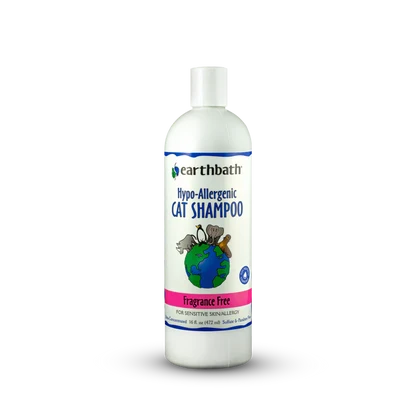
Your safest bet is a fragrance-free, tear-free kitten shampoo. Kittens have sensitive skin and respiratory systems, so their shampoos are formulated to be gentle and scent-free.
Look for these label characteristics:
- Fragrance-free or unscented
- Tear-free
- Hypoallergenic
- No essential oils
- No artificial dyes
- pH balanced for pets
Medicated shampoos
If your vet prescribes a medicated shampoo for a specific skin condition, use it exactly as directed. Veterinary-prescribed medicated shampoos are formulated for small mammals. Never substitute a medicated shampoo intended for dogs or cats unless your vet explicitly approves.
The deadly ingredients list
| Ingredient | Why It's Dangerous |
|---|---|
| Tea tree oil | Neurotoxic to rats, can cause seizures and death |
| Essential oils (lavender, eucalyptus, peppermint) | Respiratory irritation, toxic buildup, organ damage |
| Pyrethrin / permethrin | Highly toxic to all rodents, can cause fatal seizures |
| Artificial fragrances | Respiratory irritation, triggers mycoplasma flare-ups |
| Dye / artificial colors | Potential allergens, no benefit to the coat |
| D-Limonene | Citrus-derived oil, liver toxicity in small mammals |
| Phenols (common in human shampoos) | Highly toxic, respiratory and skin damage |
If you see any of these ingredients on a label, put it back. No exception.
How much shampoo to use
Less is more. A pea-sized amount is sufficient for the entire bath. The goal is to clean soiled areas, not to create a bubble bath.
Excess shampoo means more rinsing, which means more time in the water.
If you don't have kitten shampoo
In an emergency, warm water alone is better than the wrong shampoo. Most soiling can be cleaned with tepid water and careful hand work. Plain, unscented, tear-free baby wash is acceptable in a pinch, but not ideal.
Dish soap strips natural oils too aggressively. Human shampoo is too acidic. Dog shampoo is often too heavily fragranced.
None of these are safe.
Buy a fragrance-free kitten shampoo before you need it, and keep it dedicated to your rat.
Bathing Specific Cases: Seniors, Sick Rats, and Post-Surgery
Not all rat baths are created equal. Special considerations apply to fragile cases.
Senior rats and hind-leg degeneration
Hind-leg degeneration (HLD) is common in older male rats, usually starting around 18 to 24 months of age. The back legs weaken and eventually lose function, causing the rat to drag its rear end. This leads to urine scald, skin irritation, hair loss, and sometimes open sores.
For a rat with HLD, a full bath is extremely stressful and dangerous. Spot-cleaning is the better approach in most cases.
Practical routine for HLD:
- Use a damp washcloth daily to clean the rear area
- Apply a thin layer of vet-approved barrier cream to protect the skin
- Change bedding twice as often to reduce contact with wet spots
- Consider using an incontinence pad under the rear portion of the cage
If a full bath is absolutely necessary, have someone hold the rat's upper body stable while you wash the rear. Never let the rat struggle to stay upright alone.
Post-surgical patients
Rats recovering from surgery (spays, neuters, tumor removals) have open incisions and compromised immune systems. Bathing is almost never recommended unless a vet explicitly directs it.
The risks are clear:
- Water can introduce bacteria into the healing wound
- Stress delays healing and depresses immune function
- The rat may not have the energy to handle cold exposure
- Pain can make the rat unpredictable during handling
If your vet says a bath is necessary, they will prescribe a specific antiseptic wash with instructions. Follow them exactly.
Rats with mites or fungal infections
Bathing alone won't fix skin parasites or fungal infections. In fact, a bath can make things worse by spreading mites to other body areas or irritating broken skin.
Consult your vet first. They'll likely prescribe oral or topical medication. A medicated shampoo may be an adjunct treatment, but it's not the primary treatment.
Rats with respiratory conditions
A rat with active respiratory symptoms should never be bathed. The stress of water exposure triggers mycoplasma flare-ups, which can quickly escalate into pneumonia and death.
If your rat has chronic respiratory disease but is currently stable, the risk is lower but present. Talk to your vet about whether the benefit of bathing outweighs the risk.
| Condition | Bath Recommended? | Alternative Approach |
|---|---|---|
| Healthy adult rat | No, unless medically necessary | Spot-cleaning, cage hygiene |
| Senior rat with HLD | Rarely | Daily damp washcloth, barrier cream |
| Post-surgical (healing) | No, unless vet-directed | Keep incision dry, follow vet instructions |
| Mites or fungal infection | Only with vet guidance | Oral/topical medication as primary treatment |
| Active respiratory infection | Never | Vet visit, no water exposure |
| Rat that got into toxins | Yes, immediately | Full bath with safe shampoo, emergency vet |
If the rat is fragile, the threshold for bathing should be higher. Ask yourself: is this bath truly necessary, or is there a less stressful alternative?
Common Mistakes That Lead to Vet Visits
The margin for error is thin. Here are the most common mistakes, based on what veterinarians report seeing in practice.
Mistake 1: Bathing a healthy rat for odor control
This is the most common mistake. Owners bathe their rats because they think the smell comes from the rat itself. In reality, the smell comes from the cage, the bedding, or urine soaked into surfaces.
Fix the housing, and the rat smells fine.
Bathing a healthy rat strips natural oils, and the skin compensates by producing more oil. The rat smells worse within days, creating a nasty cycle of over-bathing.
Mistake 2: Using water that's too hot or too cold
Rats can't tell you if the water is uncomfortable. Water that's too hot can burn their sensitive skin. Water that's too cold speeds up hypothermia.
The sweet spot is 85 to 90°F (29 to 32°C). Test with your wrist. When in doubt, err slightly cooler rather than warmer.
Mistake 3: Submerging the head
The head and face should never go underwater. Water entering the nostrils causes aspiration, which can lead to pneumonia. Water in the ears increases infection risk.
If your rat's face is dirty, use a damp washcloth after the bath to clean around the eyes and nose.
Mistake 4: Taking too long
A bath stretching past 5 minutes is too long. Your rat doesn't need a spa treatment. Work quickly, deliberately, and efficiently.
Mistake 5: Incomplete drying
A rat that goes back into its cage while still damp will soon be at the vet. The undercoat holds moisture for a long time. Multiple towel passes and a warm recovery period are non-negotiable.
Mistake 6: Using dangerous shampoo
Tea tree oil, essential oils, and pyrethrin are all toxic to rats. Check every label. If a product doesn't explicitly say it's safe for small animals or kittens, don't use it.
Mistake 7: Bathing during a respiratory flare-up
If your rat is sneezing, wheezing, or showing red porphyrin discharge, do not bathe them. The stress will make symptoms worse and could push a mild flare-up into a severe one.
Mistake 8: Not warming the room
Even with correct water temperature, a cold room causes rapid body heat loss. Warm the room to 75°F (24°C) or warmer before you start.
Mistake 9: Using a bathtub or deep basin
A deep tub requires swimming to stay above water, which is exhausting and terrifying. A sink with shallow water (1 inch max) is much safer. The rat should always have secure footing.
Mistake 10: Skipping the post-bath check
If your rat shows any sign of distress after a bath, don't wait to see if it passes. Labored breathing, shivering for more than 15 minutes, lethargy, or refusal to eat are emergencies. Contact an exotic vet immediately.
| Mistake | Consequence | Prevention |
|---|---|---|
| Bathing healthy rats for odor | Over-drying, worse odor | Fix the cage first |
| Wrong water temperature | Burns or hypothermia | Test with wrist, aim for 85-90°F |
| Submerging the head | Aspiration pneumonia | Keep head and face completely out |
| Prolonged bath | Stress, temperature loss | Keep total bath under 5 minutes |
| Incomplete drying | Skin infections, respiratory issues | Multiple towel passes, warm recovery |
| Toxic shampoo | Seizures, organ damage, death | Use fragrance-free kitten shampoo |
| Bathing during respiratory flare | Severe mycoplasma flare-up | Never bathe a sick rat |
| Cold room | Rapid heat loss | Warm the room to 75°F or more |
| Deep water | Exhaustion, panicking | Maximum 1 inch in a sink |
| Delayed post-bath care | Missed warning signs | Monitor for 60 minutes after |
The bath is done in minutes. The drying, warming, and recovery take an hour of careful attention. A rat that is warm, dry, and gradually recovering is safe.
A rat that is cool, damp, and left alone is in trouble.
Red Flags: When to Stop and Call the Vet
Some warning signs can't wait. Here's what to watch for during and immediately after a bath, and when to seek professional help.
During the bath
Most rats squirm and protest during a bath. That's normal. What's not normal is a rat that goes suddenly limp, starts gasping, or makes high-pitched distress squeals.
If any of these happen, stop immediately. Your rat is in genuine danger.
In the first 15 minutes after the bath
Watch for emergency signs:
- Labored breathing (visible effort, open mouth, wheezing)
- Shivering that doesn't stop after 10 to 15 minutes in a warm environment
- Bluish or pale extremities (toes, tail, ears)
- Lethargy or limpness
- Unresponsiveness when gently touched
Any single one warrants an immediate call to an exotic veterinarian.
In the first 24 hours after the bath
Some problems take time to appear. Watch for:
- New or worsening sneezing
- Red discharge around the eyes or nose (porphyrin)
- Labored breathing at rest
- Loss of appetite
- Hunched posture with ruffled fur (a classic sign of illness in rats)
- Lethargy or reduced activity
If you see any of these, keep your rat warm and minimize stress while you contact the vet. Do not bathe them again. Do not attempt home treatment.
What counts as an emergency?
Clear emergency signs are:
- Gasping, open-mouth breathing, or audible respiratory effort
- Total limpness or unresponsiveness
- Seizures
- Pronounced blue or pale extremities
- Any sign of water aspiration (coughing, choking, water from the nose)
These are life-threatening events. Seek emergency veterinary care immediately.
When to call your vet (non-emergency)
If your rat develops mild sneezing, unusual lethargy, or reduced appetite within a day of a bath, call your vet. A quick check-up can catch a developing respiratory infection early.
How to Reduce Odor Without Ever Bathing Your Rat
Almost all rat smell comes from the environment, not the rat. Fix the environment, and the smell disappears.
Choose better bedding
Switch to dust-free, absorbent bedding. Aspen shavings and kiln-dried pine are solid choices. Paper-based beddings work well for odor control.
Avoid cedar shavings entirely, since the aromatic oils are toxic to rat respiratory systems.
Change bedding at least twice a week. For multiple rats, you might need to change it every 3 to 4 days.
Clean the cage thoroughly, not just the bedding
Bedding changes don't clean the cage surfaces. Urine and oils seep into plastic bases and wire bars. Once a week, clean the entire cage with a diluted vinegar solution (1 part white vinegar to 3 parts water) or a pet-safe cage cleaner.
Rinse thoroughly and dry completely before adding fresh bedding.
Wash fabric items regularly
Hammocks, fleece liners, and sleeping materials absorb urine and develop strong odors. Wash them every 3 to 4 days in hot water with unscented detergent. Skip fabric softeners, which leave residues that irritate rat skin.
Check air circulation
Rats are sensitive to ammonia, a byproduct of urine breakdown. Poor air circulation concentrates ammonia levels and irritates respiratory tracts. Use a fan or air purifier in the room where the cage lives.
Diet's impact on odor
A balanced diet of pelleted food with occasional fresh vegetables produces less odor than seed mixes that get scattered and overturned. Remove uneaten fresh food within a few hours to prevent it from souring in the bedding.
Neutering or spaying as a long-term fix
Intact male rats have a pronounced, musky odor due to hormones. Neutering significantly reduces this scent. In females, spaying eliminates estrus cycle scent and certain marking behaviors.
Regular spot-cleaning habits
Keep unscented pet wipes near the cage. A quick body wipe helps manage residual oils and gives you a chance to inspect the coat and skin.
| Method | Effort Level | Effectiveness | Timeframe |
|---|---|---|---|
| Better bedding | Low | High | Immediate |
| Weekly cage cleaning | Moderate | High | Immediate |
| Washing hammocks/liners | Low | High | Immediate |
| Adding an air purifier | Low | Moderate | Gradual |
| Neutering/spaying | High | High (for hormonal odor) | Several weeks post-surgery |
| Monthly full bath | High | Low (temporary) | Lasts a few days |
If you're tempted to bathe because of smell, stop trying to fix a cage problem with a water bath. Spend your energy on the right bedding, a regular cleaning schedule, and good air quality. You'll have a healthier rat and a home that doesn't smell like a pet store.
Frequently Asked Questions
How often should I bathe my pet rat?
In most cases, never. Healthy rats are self-cleaning and don't need water baths. Only bathe when a vet recommends it or when the rat cannot clean itself due to illness or immobility.
For routine hygiene, use spot-cleaning with a damp cloth or unscented wipes. Over-bathing strips natural oils and causes the skin to overproduce oil.
Can I use baby shampoo on my rat?
Not recommended. Human baby shampoo is formulated for human hair and skin, which have a different pH than rat fur. It often contains fragrances and artificial ingredients that can irritate a rat's sensitive respiratory system.
Use a fragrance-free kitten shampoo instead.
How do I dry my rat after a bath?
Use multiple clean, dry towels. Wrap the rat snugly and gently massage the fur to wick moisture from the undercoat. Use at least two towel changes.
Keep the rat in a warm room (around 75°F) during drying. Monitor until the fur is completely dry and the rat is warm and active.
Is waterless shampoo safe for rats?
Yes, when used correctly. Waterless shampoos specifically designed for small animals are a lower-stress alternative to water baths. Choose a fragrance-free formula and apply it to your hands first, then work it through the coat.
Follow with a brush to distribute the product.
Why does my male rat smell so bad?
Intact male rats have a natural musky scent. This is hormonal and most noticeable in adolescents and adults. They also use urine marking to scent their territory.
Neutering significantly reduces this odor. Regular cage cleaning and frequent washing of hammocks are the most effective management strategies.
Can I use anti-fungal shampoo on my rat?
Only under veterinary direction. If your rat has ringworm or a fungal infection, your vet will recommend a specific treatment plan. Never use over-the-counter anti-fungal shampoo made for dogs or humans.
Some contain tea tree oil or other ingredients that are toxic to rats.
The Bottom Line: When to Bathe, When to Hold Off
The vast majority of bath-related injuries and fatalities occur in rats that didn't need a bath in the first place. The bath was optional, and it went wrong.
The safest approach to rat hygiene is simple:
Prevent soiling with a clean environment. Change bedding regularly, switch to absorbent, dust-free substrates, and use litter training if possible.
Spot-clean early and often. Use a damp washcloth for any localized dirt or staining. This is the first-line approach for most situations.
Reserve baths for medical necessity. Only bathe when a vet directs it, when the rat has been exposed to toxins, or when the rat is immobile and severely soiled.
If you bathe, keep it fast and warm. Use a sink, shallow water, and a water temperature of 85 to 90°F. Keep total bath time under 5 minutes.
Dry aggressively and monitor. Multiple towel changes, a low-heat hairdryer if needed, and a warm recovery cage. Watch for respiratory signs for 24 hours.
When in doubt, call your vet. A quick phone call can prevent a costly emergency visit.
Rats are resilient, intelligent, and sociable companions. They're also fragile in ways that surprise new owners. The best way to honor their biology is to let them groom themselves and focus our energy on keeping their living space clean.
A happy rat is a healthy rat. And a healthy rat rarely needs a bath.