
Let's get one thing straight right now: you probably don't need to bathe your guinea pig. At all. Not even close.
But you're here because you're wondering how to bathe a guinea pig safely, so let's talk about when it's actually necessary and how to do it without turning your little friend into a shivering, stressed-out mess.
Here's the reality check up front: guinea pigs are prey animals with delicate skin and a hair-trigger stress response. A full water bath is one of the most stressful things you can put them through. According to the Association of Exotic Mammal Veterinarians, routine bathing is not recommended for healthy cavies, and most pet guinea pigs will never need a single bath in their entire lives.
The exceptions are medical issues like fungal infections, severe urine scald, or heavy grease buildup in intact boars. If you're facing one of those situations, this guide walks you through the process safely and calmly.
Quick Answer
Only bathe a guinea pig when medically necessary or for show grooming. Use a neutral pH small animal shampoo, water at 85-90°F, and never get the head wet. Dry completely with towels and a low-heat hairdryer.
Never bathe more than once per month. Most pigs need zero baths in their lifetime.
Why This Matters More Than You Think
You love your guinea pig. You want them clean, fresh, and healthy. That instinct is good.
The execution, though, can go sideways fast.
Here's what most first-time owners don't realize: guinea pigs groom themselves constantly, just like cats. They're actually quite tidy animals. A healthy, well-cared-for pig with clean bedding and regular spot cleaning will rarely look or smell dirty.
That powdery smell you notice? That's normal. That's just what a healthy cavy smells like.
The problem is that we project our own hygiene standards onto animals that have very different needs. You shower daily. Your guinea pig doesn't want to.
Their skin is thinner than yours, their oil balance is more delicate, and their stress response to water is genuinely dangerous.
What actually goes wrong when you bathe them unnecessarily:
- Their skin strips of natural oils, leading to dryness, itching, and flaking
- They catch a chill and develop respiratory infections
- They panic and injure themselves trying to escape
- The stress weakens their immune system, making them more susceptible to illness
Per the RSPCA's guinea pig care standards, routine bathing serves no health benefit. It's purely cosmetic. And it comes with real risk attached.
So before you reach for the shampoo, ask yourself honestly: does this bath actually need to happen?
What a Bath Actually Does to Their Body
Guinea pigs have a higher surface-area-to-body-mass ratio than humans. That's a fancy way of saying they lose body heat much faster than we do. A 2-pound pig plunged into lukewarm water loses core temperature rapidly, even if the water feels fine to you.
Their natural response is to shiver, which burns energy they need for digestion and immunity.
The stress hormone cascade is just as concerning. When a prey animal feels trapped in water, their cortisol spikes. That spike suppresses their immune response.
If they have any lurking health issues, that bath can push them into full-blown illness.
That's why the AEMV guidelines prioritize prevention over intervention. Keep their environment clean, and you rarely need to clean the pig itself.
When Owners Usually Reach for the Shampoo
Let's be honest about what triggers most guinea pig baths:
- Visible dirt or grime from floor time
- A strong ammonia smell from urine-soaked bedding
- Greasy, yellowed fur on the rump of an intact male
- What looks like dandruff (which is often mites, not dry skin)
- Sticky residue from fruit or vegetables
Here's the thing: most of these have a better solution than a bath.
That ammonia smell? That's a bedding problem, not a pig problem. Spot clean more often.
That "dandruff"? That's likely mites, and bathing will make it worse. That greasy rear end?
That's boar grease, and a warm damp cloth handles it just fine.
In our research, the vast majority of guinea pig baths happen because owners mistake normal pig behavior for a cleanliness problem. The fix is understanding what's normal, not sudsing up your pet.
The Hard Truth: Most Guinea Pigs Should Rarely, If Ever, Get a Full Bath
Let's put some hard numbers on this.
Recommended bathing frequency for guinea pigs:
| Situation | Recommended Frequency |
|---|---|
| Healthy adult, smooth coat | Zero baths per year |
| Healthy adult, long coat | Max 1-2 baths per year, only for show grooming |
| Intact male with heavy boar grease | Spot clean daily; full bath every 2-3 months if needed |
| Active fungal infection | Per vet directive, typically medicated rinses weekly |
| Senior or ill pig | Never without veterinarian approval |
Those numbers come straight from exotic mammal veterinary guidance. The AEMV and other professional bodies consistently advise against routine bathing. When I see grooming blogs suggesting monthly baths, I cringe.
That's dangerous misinformation.
Why Over-Bathing Causes More Problems Than It Solves
Here's the physiology: guinea pig skin has a delicate microbiome. Beneficial bacteria and yeasts live on the surface, keeping harmful pathogens in check. Every bath disrupts that ecosystem.
Shampoo, even gentle shampoo, strips the protective lipid barrier. The skin then overcompensates by producing more oil, which attracts dirt faster.
The result? A vicious cycle. Pig gets dirty, you bathe them, their skin goes haywire, they smell worse, so you bathe them again.
Meanwhile their coat loses its natural softness, their skin starts flaking, and they're miserable every time.
Signs your guinea pig's skin is suffering from over-bathing:
- Dry, flaky patches along the back and rump
- Dull, brittle fur instead of soft, glossy fur
- Redness or irritation visible on the skin
- Increased scratching without any visible parasites
- A stronger smell than before the bath
If you see any of these, stop bathing immediately. Switch to spot cleaning and let their skin recover.
When Bathing Is Actually Necessary
Okay, let's talk about the legitimate reasons. A bath is warranted in these situations:
Fungal infections. Ringworm and similar fungal issues often require medicated rinses. Your vet will prescribe a specific antifungal shampoo and a schedule.
Severe urine scald. This happens when urine sits on the skin too long, causing chemical burns. A gentle, vet-approved rinse helps the skin heal.
Heavy boar grease. Some intact males produce so much sebum it cakes into yellow crusts. A degreasing bath can help, but only after gentler methods fail.
Pre-show grooming. If you're showing cavies, the breed standard may require a clean, blown-out coat. This is the one scenario where routine bathing makes sense, and even then, it's seasonal.
Rescue situations. A newly rescued pig might have been living in filth for months. One careful, vet-supervised bath is justified to remove months of grime.
Outside of those five scenarios, water should not touch your guinea pig. Period.
Exotic Vets Agree: Less Is More
The consensus across exotic veterinary medicine is clear. Dr. Dan Johnson, a veterinarian who works with small mammals, puts it bluntly: "The best shampoo for a guinea pig is a dry towel and a clean cage."
When you look at the peer-reviewed literature on small mammal care, the pattern holds. Guinea pigs have evolved to keep themselves clean through self-grooming. Their coats maintain themselves through regular dust-like bathing in their bedding, if what they like to roll in is clean and not dusty.
The healthiest guinea pigs in our research never see water. They get clean bedding, a healthy diet, and spot cleaning when needed. That's it.
So before you read the step-by-step guide below, make sure you fit one of the five categories above. If not, close this tab and give your pig a snuggle instead. They'll thank you.
When You Actually Need to Bathe (and When You Absolutely Shouldn't)
Let's be practical. You've decided you might need to bathe your guinea pig. Now let's figure out if you actually do.
Definitely Bathe: These Situations Call for Water
Fungal infections requiring medicated rinses. If your exotic vet prescribes an antifungal shampoo like chlorhexidine or miconazole, you follow their instructions. This isn't optional. The bath is part of the medical treatment.
Skip it, and the infection spreads.
Severe urine scald with open sores. When urine has chemically burned the skin, keeping the area clean is essential for healing. Your vet may recommend a gentle cleaning solution. A careful rinse with plain warm water and pat-drying helps remove irritants and lets the skin recover.
Rescue intake with weeks of accumulated grime. If you've pulled a guinea pig from a hoarding situation or neglectful home, their fur may be matted with urine, feces, and debris. One careful bath removes all of that and gives their skin a fresh start. Even here, a vet should guide you.
Show grooming for long-haired breeds. Peruvians, Silkies, and Coronets need their coats in peak condition for judging. Bathing and blow-drying is part of the routine. Just remember these pigs still get only a handful of baths per year, usually before shows.
Maybe Bathe: Proceed Only With Veterinary Guidance
Boar grease buildup. This one's tricky. Intact males produce a waxy sebum that collects near the rump. In severe cases, it hardens into crusty yellow patches that smell strongly.
Before you bathe, try spot treatment. Warm water on a soft cloth, held against the grease for a few minutes, then gently wiped away. Most grime lifts without a full bath.
Only if this fails and the buildup is genuine should you consider a full bath, and a vet's opinion helps.
Odor issues. Guinea pigs have a natural scent. Some owners describe it as musky or hay-like. That's normal.
But if your pig smells strongly of urine, that's a husbandry problem. The fix is more frequent bedding changes, not a bath. A bath masks the smell for a day, then the problem comes back.
Absolutely Do Not Bathe: These Scenarios Are Dangerous
Healthy adult with a clean coat. You're fine. Don't bathe.
Pregnant sow. Bathing stresses pregnant mothers, which can trigger complications. The risk of premature labor or miscarriage is real. Never bathe a pregnant pig without explicit veterinary approval.
Sick, injured, or recovering pig. Bathing lowers body temperature and spikes stress. Both are dangerous for an already compromised immune system.
Young pups under 3 months. Their skin is still developing. Their immune systems are fragile. Bathing them for cosmetic reasons serves no purpose and carries unnecessary risk.
Any pig showing signs of mites or lice. Bathing won't kill parasites. It spreads them around the coat and irritates the skin. You need prescription treatment, not soap.
The Exotic Vet's Rule of Thumb
If your guinea pig can't tell you they need a bath, and no vet has told you one is necessary, then they don't need one. It's that simple. When you bathe your pig, you're doing it for your own comfort or convenience, not theirs.
That's valid in some situations, but it's important to recognize the difference.
Quick decision guide:
| Situation | Action |
|---|---|
| Visible dirt, healthy skin | Spot clean with a damp cloth |
| Urine smell from cage | Clean the bedding |
| Greasy rump on a boar | Warm cloth spot treatment |
| Flaky, itchy skin | Vet visit, not a bath |
| Fungal infection | Medicated rinse per vet |
| Show grooming | Full bath and blow dry |
| Sick or injured | No bath, no exceptions |
This covers nearly every scenario you'll face as a guinea pig owner. Stick to this table, and you'll keep your pig clean, healthy, and happy without a single unnecessary bath.
What You Need Before You Even Turn on the Water
Okay, you've decided. Your guinea pig genuinely needs a bath. Whether it's a medical necessity or a show grooming situation, you need to get this right.
Preparation prevents panic, both yours and theirs.
Gathering everything before you start means you never leave your wet, stressed pig alone to hunt for a forgotten towel. That's a top priority. In our research, most bath-time accidents happen when owners step away for supplies.
Don't be that person.
The Right Shampoo (and Why Human or Dog Options Are a Hard No)
This is the most critical decision you'll make, and getting it wrong has real consequences.
Never use:
- Human shampoo of any kind. Our pH is around 5.5. Guinea pig skin is closer to neutral, around 7.0. Acidic shampoos strip their protective layer.
- Dog shampoo. Even gentle formulas are designed for a thicker coat and different skin pH. They're too harsh.
- Dish soap, including the "gentle" brands. The degreasing power strips everything, leaving skin raw and unprotected.
- Baby shampoo. Despite the marketing, these have detergents that damage cavy skin.
- Dawn or any other dishwashing liquid. Yes, it's used on wildlife after oil spills, but that's an emergency intervention with serious skin damage as a known side effect.
What to use instead:
Look for shampoos specifically formulated for guinea pigs or small animals. These have a neutral pH and use gentler surfactants. The label should explicitly mention guinea pigs or cavies.
Don't trust words like "all-natural" or "gentle" without checking the pH.
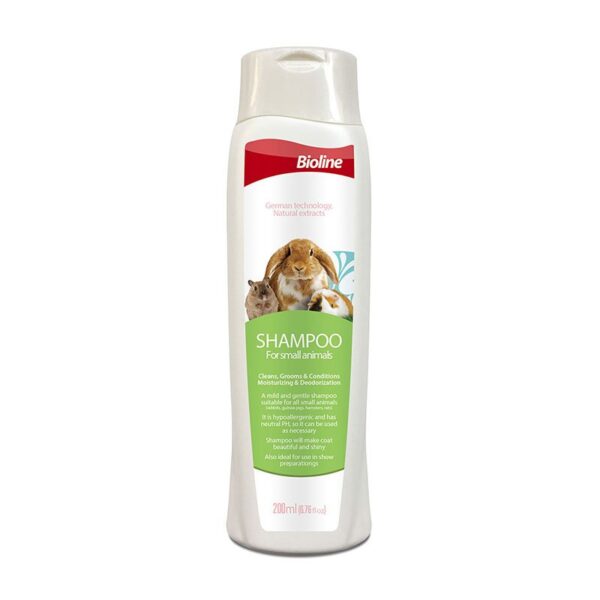
Image source: Bing (Web (fair-use with source credit))
What to look for on the label:
- Neutral pH (stated as 7.0 or "pH balanced for small animals")
- No artificial fragrances
- No parabens or sulfates
- Clear mention of guinea pigs or cavies in the intended species
Some good options include:
| Product Type | Notes |
|---|---|
| Vet-prescribed medicated shampoo | For fungal or bacterial issues only |
| Small animal grooming shampoo | pH neutral, fragrance-free |
| Tearless small animal shampoo | Gentler on the face area |
| Oatmeal-based small animal shampoo | Soothing for sensitive skin |
Skip the "flea and tick" shampoos entirely. They contain pyrethrins, which are toxic to guinea pigs. Check the label, then check it again.
The Setup: Basin, Towels, Water Temperature, and a Non-Slip Surface
Guinea pigs panic in slippery, unstable environments. A secure setup keeps them calm and prevents injuries.
The basin. A plastic tub or sink works fine. You want something small enough that your pig can't swim, but large enough for them to turn around. A standard dish tub or a clean bathroom sink fits most cavies.
Avoid deep bathtubs; they just add stress.
The water. Temperature matters more than most owners realize. Water that feels lukewarm to you is too cold for a guinea pig. Target 85-90°F (29-32°C).
Use a thermometer to check. Yes, you need a thermometer. Your wrist is not accurate enough for this.
The mat. Place a non-slip rubber mat, silicone trivet, or a folded towel at the bottom of the basin. Guinea pigs need solid footing to feel secure. A slick surface triggers panic.
The towels. Have at least three ready. One for the bottom of the basin, one for after the bath, and one as backup. Large cotton bath towels work best.
Avoid fleece, which repels water and doesn't dry effectively.
The hairdryer. If your pig tolerates it, a hairdryer on low or cool setting speeds up drying and prevents chilling. Have it ready before you start, not after, when you're juggling a wet pig.
The shampoo. Already covered above, but have it within reach.
A partner, if possible. An extra pair of hands makes the process easier and safer. One person holds the pig, the other handles washing and rinsing. If you're alone, stay calm and confident.
Pigs sense anxiety, and it makes them worse.
Once you have all this ready, you'll walk through the bath without ever leaving your pig alone.
Step-by-Step: How to Bathe a Guinea Pig Without Losing Your Mind (or Your Pig)
Alright, you've got the setup ready, the shampoo chosen, and the towels stacked. Here's the complete process, step by step.
Step 1: Pre-Bath Prep, Nails, Brushing, and a Warm Room
This step prevents chaos before it starts.
Trim nails. If you're confident doing this, do it 24 hours before. If not, have a vet or experienced groomer handle it. If your pig is already stressed by bathing, trimming nails in the same session adds panic.
Brush out tangles. Take 5 minutes to work through the coat. For long-haired pigs, this is critical. Tangles trap water and soap, leading to skin irritation and matting during the bath itself.
Set the room temperature. Warm rooms prevent post-bath chilling. Set the thermostat to 75-80°F. Close windows.
Turn off fans or AC vents blowing directly into the bathing area.
Prepare the basin. Place the non-slip mat down, fill with 1-2 inches of 85-90°F water, and have the shampoo diluted in a small cup per the label instructions.
Get everything within arm's reach. Shampoo, rinse cup, second basin or pitcher, towels, hairdryer. The moment your pig is wet, you cannot step away.
Step 2: The Wash, Two-Basin Method, Water Discipline, and Keeping the Head Dry
Now the actual bath. Move slowly. Keep your voice low and calm.
Introduce your pig to the basin. Don't dunk them. Lower them gently, hindquarters first, letting them get used to the water. Keep one hand supporting their chest.
A secure, full-bodied hold prevents frantic jumping.
Two-basin method. Have one basin with soapy water and one with clean rinse water at the same temperature. Moving the pig between them washes faster and avoids soap residue. A large pitcher or second dish tub works for the rinse.
Wash the body only. Apply a small amount of diluted shampoo to the back, sides, and rump. Gently lather with fingertips, never scrubbing. Use light circular motions.
Focus on areas that actually need cleaning. The rump, the rear, and around the base of the tail are the usual culprits. Don't shampoo the head, face, or ears, period.
Water discipline. Keep the water level low, but never splash. Guinea pigs are not swimmers. They must always touch the bottom.
If they feel like they're drowning, they thrash.
Time limit. Total wash time: 5-7 minutes maximum. The longer the bath, the more stress and heat loss.
Watch the face. Use a damp cloth to wipe the face if needed. Never pour water over the head. Water in the ears leads to painful infections.
Watch their cues. If your pig starts chattering teeth or making a sharp squeal, they're panicking. Pause. Let them stand and breathe.
If they can't settle, get the washing done with and move to drying.
Step 3: Rinsing, Towel Drying, and the Optional Low-Heat Blow Dry
Rinsing is as important as washing. Soap residue irritates guinea pig skin, so you have to get it all off.
Rinse thoroughly. Lift the pig into the rinse basin. Use a cup to gently pour clean water over the body. Work from the neck down.
Repeat until the water runs clear and the coat no longer feels slippery.
Second rinse. Even after the water looks clear, do one more rinse. Soap hides in the fur, especially around the belly and legs. One extra pour eliminates the residue that causes itching.
Squeeze out excess water. Gently press your hands along the coat, working from the chest down. Don't wring or twist the fur. Pressing pushes water out without pulling hair.
Towel dry, immediately. This is the most critical part.
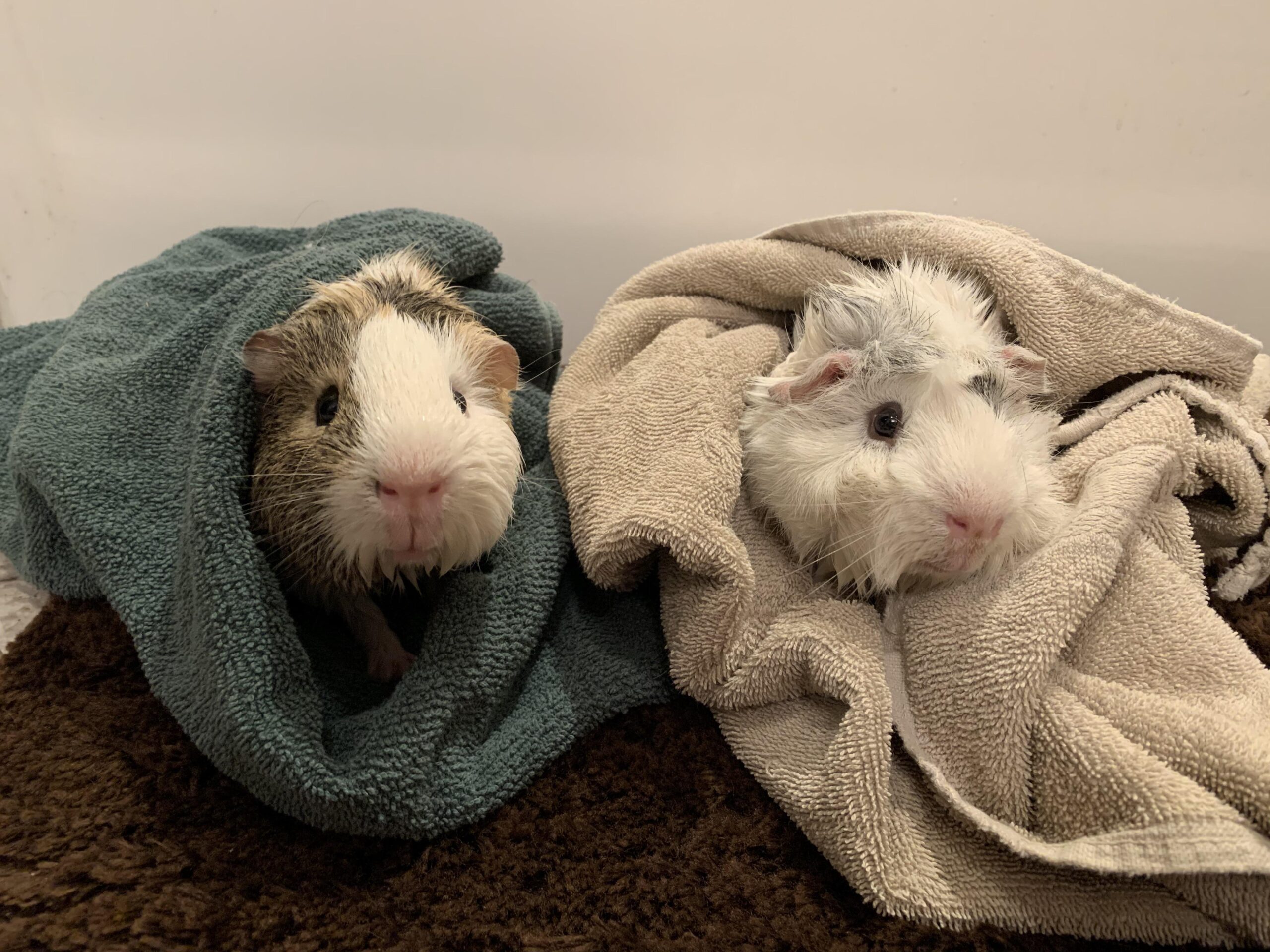
Image source: Bing (Web (fair-use with source credit))
Wrap them in a towel. Place your pig on a dry towel, then fold the towel over them like a burrito. Gently press and pat, absorbing water. Don't rub; that causes matting and irritates the skin.
Change towels. The first towel will be soaked. Use the second dry towel to continue patting. Repeat until the coat is damp rather than wet.
Optional blow dry. Most guinea pigs tolerate a hairdryer about as well as they tolerate being hamsters, which is to say, not at all. But some get used to it, especially long-haired show pigs.
If you try it:
- Use the lowest heat setting, or cool if your pig has a sensitive back
- Hold it at least 6 inches from the coat
- Keep it moving constantly
- Stop immediately if they struggle or squeal
Final towel pass. Use the third towel to dry the belly, the rump, and any spot that still feels wet.
Check your work. By now, the coat should feel more damp than wet. Hold the pig against your body so they absorb your warmth. You're actively fighting heat loss at this stage.
Step 4: Post-Bath Care, Warm Cage, Fresh Bedding, and Monitoring
The bath is over. The danger period isn't.
Place them in a clean, warm cage. Fresh bedding is essential here. Slightly damp fur, warm skin, and contact with wet bedding will chill them quickly.
Use extra dry bedding. Line the floor with a thick layer of clean, dry fleece or paper bedding. Even if the main bedding isn't due for a change, make an exemption. A dry environment is crucial.
Warm the cage before the bath. Place a heating pad under one side of the cage on low, or add a microwavable snuggle buddy before you start the bath. That way, the warm spot is ready when your pig returns.
Leave them alone. Let your pig recover. Don't handle them for the rest of the day unless they ask for it. They need to groom, process the stress, and restore their body temperature.
Check them in 30 minutes. Feel their ears. Cold ears are a sign they're struggling to warm up. If ears feel cold, increase the cage temperature and check again in 15 minutes.
Check for shivering. A few shakes while grooming is normal. Continuous shivering is a red flag. If shivering doesn't stop within 30 minutes, contact an exotic vet.
Watch their appetite. Guinea pigs stop eating when stressed, which can cause GI stasis. Offer familiar, palatable foods: hay, a favorite veggie treat, and vitamin C sources.
Monitor for 24 hours. If your pig seems lethargic, refuses food, or shows any signs of respiratory distress like wheezing, see a vet immediately.
Bathe rarely, if ever. Track the last time you bathed, and don't do it again until the reason comes back. A few baths a year maximum, and only when truly needed.
The 7 Mistakes That Turn a Simple Bath Into a Vet Visit
Even experienced owners make these mistakes. Knowing them in advance keeps your pig safe.
1. Using the Wrong Water Temperature
Water that feels lukewarm to your wrist is too cold for a guinea pig. Their body temperature is around 101-103°F, significantly higher than humans. Water at 80°F feels fine to a human but chills a pig quickly.
Use a thermometer. Warm up the water to 85-90°F. Don't trust your hand.
2. Skipping the Rinse
You've washed, you've rinsed once, and you think that's enough. Soap residue is still on the coat. It irritates the skin, triggers scratching, dries the fur, and leaves everything looking dull.
Rinse at least twice. Rinse until the water runs completely clear.
3. Getting Water in the Ears
Guinea pig ear canals are more vertical than human ones. Water that enters the canal drains poorly, leaving moisture trapped inside. That's a recipe for painful otitis externa ear infections.
Wash only below the neck. Use a damp cloth for the face. Keep their head pointed down.
Never aim water at the ear.
4. Letting Them Get Chilled
Guinea pigs lose body heat fast. Wet fur makes it worse. A cold pig is a sick pig.
Keep post-bath items ready. Warm the cage before the bath. Have towels waiting.
Use a blow dryer if tolerated. If ears feel cold after half an hour, head to the vet.
5. Bathing More Often Than Needed
Over-bathing strips the coat's natural oils, causing the skin to overproduce sebum like a reflex. It results in greasy coats, flaking, itching, and worse odors.
Bathe less. Spot clean more. Save full baths for actual medical or show reasons.
6. Ignoring Signs of Distress
Guinea pigs don't cry out when stressed. They freeze, chatter their teeth, or attempt frantic escape. Owners often interpret this as "annoyed" and continue.
Stop when you see those signals. They're not always the first sign of panic. Sometimes they're the last sign that a pig is tolerating too much.
7. Using Unsafe Shampoo
Generic shampoos are common because they're cheap.
Never use:
| Product Type | Risk |
|---|---|
| Human shampoo | Acidic; strips skin |
| Dog shampoo | Too harsh, wrong pH |
| Dish soap | Removes all oils |
| Flea/tick shampoo | Neurotoxic to pigs |
Choose a product labeled "small animal" or "guinea pig" with a neutral pH.
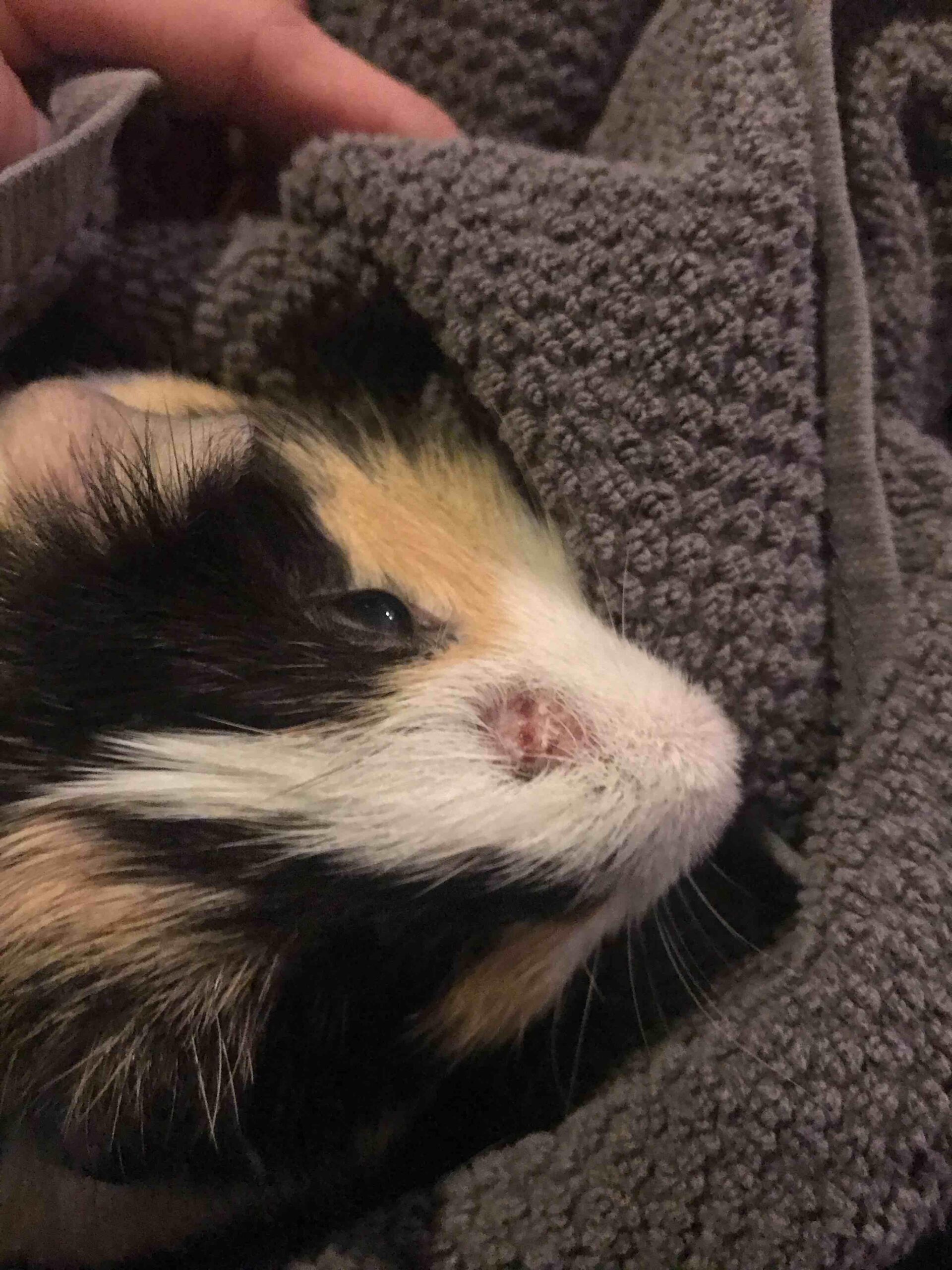
Image source: Bing (Web (fair-use with source credit))
The surest way to know you're safe is to skip the bath entirely. If you're still unsure about the need, you don't need a bath. You need a vet consult.
What to Do Instead: Spot Cleaning, Grease Management, and Daily Grooming
Let's be real here. Most of the time, you don't need a full bath. You need a spot clean, some grease management, or a better daily grooming routine.
It sounds less dramatic than a bath, but it's more effective and far less stressful for your pig.
Boar Grease Management Without Water
Intact male guinea pigs produce sebum, a waxy substance that accumulates around their rear. It's normal, but it smells and looks grimy.
The fix isn't a bath. It's a warm damp cloth.
Hold the cloth against the greasy area for a minute to soften the wax. Then gently wipe away. Repeat daily until the buildup clears.
Keep the bedding clean, and the grease won't accumulate as fast.
Only in severe cases where the grease forms thick, crusted layers might a bath be justified. Even then, vet guidance helps.
Spot Cleaning for Urine Stains and Debris
Urine scald and stained fur respond well to spot treatment.
Mix a small amount of safe shampoo with warm water. Use a soft cloth or cotton ball to clean just the stained area. Rinse with a clean, damp cloth.
Pat dry with a towel.
Don't soak the entire pig. Clean the stain, dry the spot, done.
Daily Grooming That Prevents the Need for Baths
Regular brushing removes loose hair, dirt, and debris before they build into visible grime. Long-haired breeds need daily brushing. Short-haired pigs need a session once or twice a week.
A soft bristle brush or a grooming glove works well. For long-haired pigs, work in small sections from the root to the tip to avoid painful pulling.
Urine Scald Care Without Water
When a pig sits in wet bedding too long, their skin burns from ammonia contact. The area might look red, inflamed, or sticky.
Keep the bedding dry. This is the foundation. If the scalded area needs cleaning, use a gentle wipe with warm water on a cloth, plus a vet-prescribed barrier cream.
Let the area air out for a few minutes.
Bathing scalded skin with harsh soap makes it worse.
Managing Scent Marking
Some boars spray urine to mark territory. The result is patchy, yellow-stained fur on the front of their chest and shoulders. It's normal behavior, and it doesn't need a bath.
Wipe the area with a warm, damp cloth. Increase cage cleaning frequency. If the scent marking becomes excessive, a vet consultation helps rule out a urinary tract infection.
Hay Debris in the Coat
Guinea pigs burrow in hay, and bits of grass get trapped in their fur. It looks messy, but it's harmless.
A quick brushing or a gentle hand-pluck removes the debris. If a piece of hay stubbornly sticks near the skin, use a damp cloth to soften, then slide it out.
The spot clean routine, once a week:
| Day | Action |
|---|---|
| Daily | Check for urine stains, wipe as needed |
| 2-3x/week | Brush out loose hair |
| Weekly | Full spot check, cloth clean the rear |
| Monthly | Check for grease or scald, address bedding |
This routine keeps your pig presentable without a single bath.
When This Is a Medical Problem, Not a Hygiene Problem
The worst thing you can do is mistake a medical issue for a hygiene issue. It turns a treatable condition into a worsening one while you scrub your pig with soap.
Mites and Lice: Why Bathing Makes It Worse
Itchy, flaky, scabby skin is the classic presentation of mites or lice, not dry skin. Bathing your pig won't cure the parasites. It might spread them around the coat, and it definitely irritates the already sensitive skin.
The correct move is a vet visit. They'll scrape the skin and look under a microscope. Treatment is prescription anti-parasitic medication, usually drops applied to the back of the neck.
Fungal Infections Like Ringworm
If you see circular bald patches with a crusty edge, that's ringworm. You can't wash it away. In fact, bathing spreads the spores.
Ringworm is zoonotic, meaning you can catch it too. Take your pig to an exotic vet for a proper antifungal treatment, likely a topical cream or oral medication.
Urinary Tract Infections Causing Urine Scald
When a pig suddenly develops urine scald without any bedding changes, it's a red flag for a urinary tract infection. They might be drinking more, peeing more, or squeaking when they pee.
A bath won't fix the infection. Your vet will need a urine sample and antibiotics.
Respiratory Infections Triggered by Bathing
Bathing is a common trigger for respiratory illness in guinea pigs. Cold, wet fur, drafts, and stress combine to lower their immune response. The result can be pneumonia, a leading cause of death in guinea pigs.
Symptoms include:
- Labored breathing
- Nasal or eye discharge
- Wheezing or crackling sounds
- Lethargy
If you notice any of these within 48 hours after a bath, get to a vet quickly.
Red Flags: When to Stop, Wrap Up, and Call an Exotic Vet
Stop the bath immediately if:
- Your pig goes limp or floppy
- They're shaking or shivering uncontrollably
- They make a sharp, distressed squeak
- They start having trouble breathing
Wrap them in a dry towel. Provide the warmest safe environment you have. Call an exotic vet right away.
Call immediately if, within 24 hours of a bath:
- They refuse to eat
- They're lethargic or not moving
- You hear wheezing or loud breathing
- They show any signs of injury, like limping or favoring a leg
Never leave a bathed pig alone overnight without checking on them. Watch for a few hours to make sure they're eating, drinking, and staying warm.
Your Honest Decision Guide: Bath, Spot Clean, or Call the Vet?
Here it is, the guide that boils everything down. Walk through these situations and see where you land.
Scenario 1: My Guinea Pig Smells
Answer: Fix the bedding, not the pig. Strong ammonia smells come from urine sitting in dirty bedding. That has to go.
Change bedding 2-3 times a week, spot clean daily, and wipe the pig's rear with a damp cloth.
Scenario 2: There's Visible Dirt or Grime on the Fur
Answer: Spot clean. Use a damp cloth and a small amount of safe shampoo. Clean just the dirty area, rinse, and dry thoroughly.
Only if the grime covers more than a third of their body should you consider a full bath.
Scenario 3: My Boar Has a Greasy Yellow Rump
Answer: Warm cloth daily. Press and wipe with a warm, damp cloth. Do this daily until the buildup softens and clears. Full baths are only for severe crusting that won't lift with cloths.
Scenario 4: Itchiness, Flaking, or Hair Loss
Answer: Call the vet. This isn't a hygiene issue. It's a medical issue, likely mites, lice, or ringworm.
Bathing will delay treatment and spread the problem. The vet will prescribe the right medication.
Scenario 5: My Long-Haired Pig Has Mats
Answer: Brush and detangle, not bathe. Regular brushing prevents matting. If mats already exist, carefully work them out with a brush or grooming shears. A bath makes mats worse.
Scenario 6: My Guinea Pig Has Urine Scald
Answer: Vet visit for the cause, then spot clean. Urine scald needs proper bedding management and possibly antibiotics. Once your vet clears it, use a barrier cream and spot clean the area.
Scenario 7: Show Grooming, Absolute Need
Answer: Bath, twice a year max. Use the full bathing process described above. For show pigs, the coat needs perfect presentation, and a bath is part of that process.
Scenario 8: I'm Not Sure
Answer: Don't guess. When in doubt, choose the least invasive option. Spot clean first. If the problem persists or gets worse, involve your vet.
Final Take: The Cleanest Guinea Pig Is the One You Don't Bathe
That's not a punchline. It's the honest truth from veterinary medicine.
Healthy guinea pigs keep themselves clean, just like cats. They don't need human-grade bathing, and it carries risks you can avoid entirely.
The most important thing you can do for a "dirty" pig is to improve their cage hygiene. Fresh bedding, frequent spot cleaning, and proper diet beat any bath you can give them.
If you must bathe, follow the entire process. Prep everything, keep water at 85-90°F, use small-animal-safe shampoo, keep the head dry, and dry them thoroughly. Watch for complications for the next 48 hours.
If you're still unsure, just call your vet. A ten-minute phone call might save your pig a stressful soak in the tub.
A guinea pig bath is never about the pig. It's about you, your expectations, and your willingness to learn. Your pig will love you all the same whether they're fresh from the basin or simply spot-cleaned.
Frequently Asked Questions
How often should I bathe my guinea pig?
Healthy guinea pigs need no baths at all. Bathing only becomes necessary in specific cases: fungal infections, severe urine scald, or heavy boar grease that doesn't respond to spot cleaning. If you're bathing for any other reason, you probably don't need to.
Most guinea pigs go their entire lives without a single full water bath.
What can I use to wash my guinea pig?
Use a shampoo specifically made for small animals or guinea pigs. Look for a neutral pH around 7.0, no fragrances, no sulfates. Vet-prescribed medicated shampoos work for fungal or bacterial issues, but only under veterinary guidance.
Never use human shampoo, dog shampoo, dish soap, or baby shampoo. All of those have the wrong pH and damage guinea pig skin.
My guinea pig smells bad. Should I bathe them?
No. Bad smell comes from a dirty cage, not a dirty pig. Change the bedding more often, spot clean urine-soaked areas, and wipe the guinea pig's rear with a damp cloth when needed.
If the smell persists after fixing the cage issue, it might be a medical problem like an infection. In that case, see a vet.
Can I use baby shampoo on my guinea pig?
No. Baby shampoo is still designed for human skin and has a pH around 5.5. Guinea pig skin needs pH around 7.0.
Even gentle, tear-free baby formulas strip the natural oils from a guinea pig's coat. This causes dryness, irritation, and flaking. Use only small-animal-specific shampoo.
How do I dry my guinea pig after a bath?
Use a towel to pat dry, then another towel to press out more moisture. Don't rub, it causes matting. If your pig tolerates it, a hairdryer on low or cool helps.
Keep it 6 inches from the coat and moving constantly. After drying, put them in a warm, clean cage with fresh bedding. Check their ears and watch for shivering.
Can I bathe my pregnant guinea pig?
Never bathe a pregnant guinea pig without veterinary approval. Bathing triggers stress, which can cause premature labor or miscarriage. If your pregnant pig needs cleaning, use a warm damp cloth to spot clean.
Call your exotic vet for guidance before attempting anything more.
What does boar grease look like?
Boar grease is a yellowish, waxy buildup on the rump and rear of intact male guinea pigs. It has a musky smell and can harden into crusted patches. Normal management includes wiping with a warm, damp cloth daily.
Full baths are only for severe buildup that doesn't respond to spot cleaning. It's a natural hormone-related phenomenon, not a sign of neglect.
What temperature should the water be?
Water temperature for a guinea pig bath should be between 85-90°F (29-32°C). This is warmer than what feels comfortable to your hand. Use a reliable thermometer to check, not your wrist.
Water that's too cold drops their core temperature rapidly and triggers shivering. Water that's too hot burns their sensitive skin. These animals run hot, around 101-103°F, so they need warmth, not just tepid water.
Can I use dog shampoo on my guinea pig?
No. Dog shampoo is formulated for a different skin pH and a thicker, oilier coat. It's too harsh for guinea pig skin.
Even "sensitive" dog shampoos strip cavy skin of its natural protective oils. The result is dry, flaky, itchy skin that's more vulnerable to infection. Stick with shampoos clearly labeled for small animals or guinea pigs.
If the label doesn't mention cavies, don't use it.
What should I do if my guinea pig hates baths?
Stop the bath immediately. A guinea pig who is chattering their teeth, squealing loudly, or trying to jump out is panicking. Continuing the bath increases stress, which suppresses their immune system and can trigger illness.
Wrap them in a towel, hold them close, and let them calm down. Skip the bath entirely and use spot cleaning instead. If a bath is medically necessary, ask your vet about alternatives.
How do I know if my guinea pig has mites?
Signs include intense scratching, hair loss in patches, flaky or crusty skin, and sometimes redness. You might see tiny moving specks if you part the fur, but mites are often too small to spot without a microscope. Bathing doesn't kill mites and can make the skin irritation worse.
Take your guinea pig to a vet for a skin scrape test. Treatment is prescription anti-parasitic drops, applied to the back of the neck.
Can I use a hair dryer on my guinea pig?
Yes, but only with caution. Use the lowest heat setting or a cool setting. Keep the dryer at least 6 inches away from the coat and keep it moving constantly.
Never hold it in one spot, and never use high heat. Some guinea pigs tolerate a hair dryer, but many don't. If your pig seems scared, skip it and rely on towels.
The goal is to dry them thoroughly without burning or scaring them.
Why is my guinea pig's fur greasy even after a bath?
Greasy fur after a bath usually means you bathed too often. Over-bathing strips the natural oils, and the skin overcompensates by producing even more oil. This creates a greasy coat that attracts dirt faster.
It could also be boar grease in intact males or a sign of poor diet. Stop bathing, switch to spot cleaning, and consult your vet if the greasiness persists or smells particularly strong.