
Your cat hunches on the rug, makes that awful honking noise, and out comes a wet cigar of matted fur. The best way to deal with cat hairballs starts long before that moment, not after it. Most of the real fix is grooming, hydration and parasite control.
The rest is knowing when the retching isn't a hairball at all.
That last part matters more than most owners realise. Veterinary teaching hospitals, including the Cornell Feline Health Center, treat frequent hairballs as a symptom worth investigating rather than a harmless quirk. A short-haired cat bringing up a hairball once a month is already outside what we'd call normal.
Here's why that number changes everything.
Quick Answer
The best way to deal with cat hairballs is prevention, not treatment. Brush your cat daily to remove loose hair before it's swallowed. Feed wet food and keep daily water intake high.
Use year-round flea and parasite control to stop overgrooming. See a vet if hairballs happen more than once a month, or if your cat retches without producing anything.
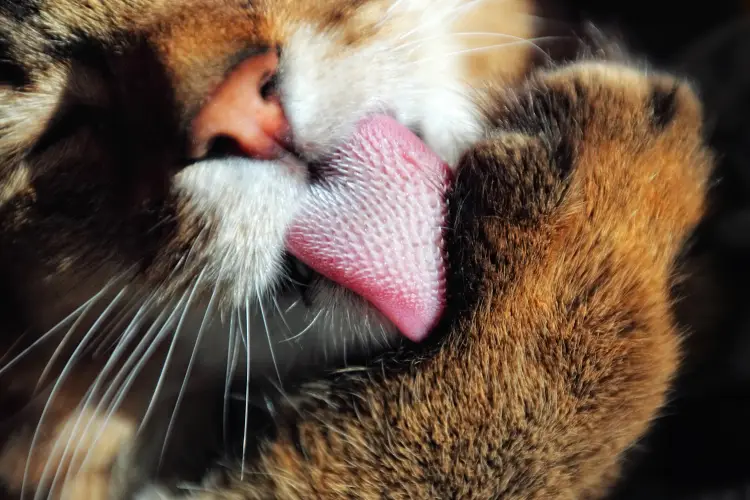
Image source: Bing (Web (fair-use with source credit))
The Hairball Everyone Ignores, and Why That's the Risky Part
Hairballs have a branding problem. Cartoons, greetings cards and decades of "that's just what cats do" have turned a gastrointestinal event into a joke.
The result is predictable. Owners clean it up, shrug, and carry on. In our research across veterinary client education material, that normalisation is the main reason cats with treatable chronic disease go undiagnosed for months or years.
A hairball is a symptom, not a diagnosis. It tells you hair went in and didn't come out the usual way. It says nothing about why.
Sometimes the answer is boring. A Maine Coon in full spring moult swallows more hair than her gut can shift, and one hairball appears. Fine.
Sometimes it isn't boring at all. The cat is overgrooming because of flea allergy dermatitis. Or she has inflammatory bowel disease slowing her gut.
Or she's coughing, not vomiting, and it's feline asthma.
What owners get wrong most often
- Assuming coat length explains everything. Short-haired cats shouldn't be producing regular hairballs.
- Treating the hairball instead of the cause. A lubricant gel does nothing for the itch driving the grooming.
- Missing the difference between vomiting and coughing. These look almost identical to an untrained eye.
- Not tracking frequency. Without a log, "occasionally" quietly becomes "twice a week".
- Skipping flea prevention on indoor-only cats. Fleas survive year-round in centrally heated homes.
None of that means you should panic every time your cat coughs something up. It means you need a threshold, a way to tell the lookalikes apart, and a prevention routine that actually works. That's what the rest of this guide gives you.
How Hairballs Really Form: Tongue Papillae, Shedding Cycles and Gut Transit
A cat's tongue isn't a grooming tool by accident. It's covered in filiform papillae, hundreds of backward-facing keratin spines that work like a comb.
Research from North Carolina State University and Georgia Tech has shown these papillae are hollow-tipped and wick saliva down to the skin. Brilliant design. Awkward side effect.
Because the spines point backwards, anything caught in them can only go one way. Down the throat. A cat grooming for two to three hours a day, which is typical, swallows a surprising volume of fur.
Where most of that hair actually goes
Most of it passes straight through. Hair is indigestible keratin, so it travels the length of the gastrointestinal tract and leaves in the stool. You'll see it in the litter tray during a heavy moult.
A hairball forms when that transit fails. Hair accumulates in the stomach, gets matted together by gastric mucus and food residue, and forms a compacted mass. The clinical term is a trichobezoar.
Two things push a cat over that line:
- Volume. More hair going in than the gut can process. Long coats, dense undercoats, seasonal moult, overgrooming.
- Motility. The gut moving too slowly to clear it. This is where underlying disease hides.
That second factor gets overlooked constantly. A healthy cat's stomach empties efficiently. A cat with gastric inflammation, delayed gastric emptying or a chronic enteropathy doesn't clear hair the way she should, even at normal intake.
Why hairballs come out tube-shaped
You've probably noticed hairballs aren't round. They're cylindrical, like a sausage.
That shape comes from the oesophagus, not the stomach. The mass forms as a loose clump in the stomach, then gets squeezed into a tube on the way back up. It's a useful clue that the material genuinely came from the stomach rather than the airway.
The shedding cycle behind it all
Hair grows in phases. Anagen is the active growth phase, telogen is the resting phase, and shedding happens when telogen hairs release.
Outdoor cats moult twice a year, triggered by daylight length. Indoor cats living under artificial light and central heating lose those seasonal cues almost entirely. They shed at a lower level, but constantly, all year.
That's why apartment cats often have more hairball trouble than farm cats with far more dramatic coats. There's no off-season.
| Factor | Increases hair intake | Slows gut clearance |
|---|---|---|
| Long or double coat | Yes | No |
| Seasonal moult | Yes | No |
| Overgrooming (fleas, allergy, pain, stress) | Yes | No |
| Obesity | Sometimes | Yes |
| Chronic enteropathy or IBD | No | Yes |
| Dehydration and dry-food-only diet | No | Yes |
| Senior age and arthritis | Variable | Yes |
Hairball or Something Else? Reading What Your Cat Is Actually Doing
This is the most valuable skill in the whole article. Get it right and you'll catch problems years earlier than most owners do.
Three completely different events look nearly identical from across the room. Vomiting, regurgitation and coughing. Owners lump all three under "hairball", and that mislabel follows the cat into the consult room.
The fix is simple and free. Film it on your phone. A ten second video tells a vet more than twenty minutes of description.

Image source: Bing (Web (fair-use with source credit))
Vomiting vs. Regurgitation vs. Coughing, the Three Things Owners Confuse
Watch the body, not the mess on the floor.
Vomiting is active. The abdomen heaves rhythmically. There's usually drooling and lip-licking beforehand.
What comes up is partly digested and often has bile in it. A true hairball arrives this way.
Regurgitation is passive. No heaving, no warning. Food or hair simply falls out, often still tube-shaped and undigested.
That points at the oesophagus rather than the stomach.
Coughing is the one everyone gets wrong. The cat crouches low, plants her elbows out, extends her neck forward and pushes down. The noise is a dry honk.
Nothing comes up, or maybe a little foam she then swallows.
| What you see | Vomiting | Regurgitation | Coughing |
|---|---|---|---|
| Abdominal effort | Strong, rhythmic heaving | None | Sharp push, chest-driven |
| Warning signs | Drooling, restlessness, lip-licking | None | Sudden onset |
| Posture | Standing or crouched, head down | Normal | Low crouch, neck extended |
| Material produced | Hair, food, bile, foam | Undigested food, tube-shaped | Usually nothing, or swallowed foam |
| Most likely source | Stomach | Oesophagus | Lower airways |
If your cat is doing the crouch with nothing to show for it, stop thinking hairball. Start thinking airway.
The Feline Asthma Cough That Gets Misread as a Hairball for Years
Feline asthma is the most commonly missed lookalike. Veterinary respiratory specialists put prevalence at roughly 1 to 5 percent of the cat population, and a large share of those cats arrive at the clinic with a history of "hairballs".
The reason is the posture. An asthmatic cat coughing looks exactly like a cat trying to bring something up. Same crouch.
Same neck stretch. Same awful noise.
Here's how to tell them apart:
- Nothing ever comes out. Weeks of "hairball" episodes with no hairball on the carpet is a red flag.
- Episodes cluster. Several coughing fits in a row, often at night or after exercise.
- Triggers are environmental. Dusty litter, aerosol sprays, scented candles, cigarette smoke, new carpet.
- Breathing changes between episodes. Faster resting rate, occasional wheeze, effort on the out-breath.
- Breed and age skew. Siamese and Oriental breeds are over-represented. Onset is often between 2 and 8 years.
Untreated asthma causes permanent airway remodelling. That damage doesn't reverse. It's the strongest argument for not shrugging off chronic retching.
Count your cat's resting respiratory rate while she sleeps. One breath equals one rise and fall of the chest. Under 30 per minute is normal.
Consistently above that deserves a vet visit.
Chronic Enteropathy, IBD and Small Cell Lymphoma Hiding in Plain Sight
Now the gut side. Chronic vomiting in cats has a long list of causes that have nothing to do with fur.
Chronic enteropathy is the umbrella term. It covers food-responsive disease, inflammatory bowel disease and low-grade alimentary lymphoma. These three sit on a spectrum, and IBD can progress to lymphoma over time.
What makes them sneaky is how gradual they are. There's no dramatic crash. Just a cat who vomits a bit more often each year, loses a little weight, and gets labelled a "sicky cat".
Other conditions that masquerade as hairballs:
- Hyperthyroidism. Common in cats over 10. Causes vomiting, weight loss despite a big appetite, and a scruffy unkempt coat.
- Chronic kidney disease. Nausea, poor appetite, weight loss, increased thirst.
- Pancreatitis and triaditis. Vague, intermittent vomiting with lethargy and reduced appetite.
- Intestinal parasites. Toxocara cati, Giardia and Tritrichomonas foetus all cause chronic GI signs.
- Lungworm. Aelurostrongylus abstrusus produces a cough that mimics asthma perfectly.
- Adverse food reaction. Vomiting plus itchy skin plus overgrooming, which then produces genuine hairballs on top.
That last one deserves a highlight. Food intolerance can cause both the vomiting and the overgrooming. The hairballs are real, but they're a downstream effect of an allergy nobody's treated.
How Often Is Too Often? The Frequency Thresholds Vets Use
More than one hairball a month is worth a vet conversation, and any regular hairball in a short-haired cat is abnormal. Weekly retching is not normal at any coat length, in any breed, at any age.
Those thresholds surprise people. Plenty of owners assume a hairball a week in a fluffy cat is the price of admission. It isn't.
As of 2026, the working guidance across veterinary internal medicine has tightened rather than loosened. Chronic vomiting is increasingly treated as an early marker of enteropathy, not a cosmetic nuisance.
| Frequency | Short-haired cat | Long-haired cat | What to do |
|---|---|---|---|
| Once or twice a year | Borderline | Normal | Improve brushing routine |
| Once a month | Investigate | Upper limit of normal | Book a routine vet check |
| Every 2 weeks | Abnormal | Investigate | Vet workup, symptom log |
| Weekly or more | Abnormal | Abnormal | Full diagnostic workup |
| Non-productive retching, any frequency | Abnormal | Abnormal | Vet within days, sooner if repeated |
The two numbers that matter more than hairball count
Body weight. Weigh your cat monthly on digital scales. Weigh yourself, then hold the cat and weigh again, or use a pet scale. A 5 percent unexplained loss is clinically significant in cats.
On a 5 kg cat, that's just 250 g. You will not spot that by eye.
Appetite. A cat who stops eating for 24 to 48 hours needs assessment, particularly if she's overweight. Cats mobilise fat rapidly when they stop eating, and overweight cats can develop hepatic lipidosis fast. This is not a "wait and see" situation.
Keep a symptom log
It sounds fussy. It's the most useful thing you can hand a vet.
Track four things every time:
- Date and time of the episode.
- What came out, if anything. Hair, food, bile, foam, nothing.
- What the cat did. Heaving, passive drop, or the crouch-and-honk.
- Anything around it. New food, new litter, stress, other cats, appetite that day.
Add a monthly weight and a short phone video of a typical episode. That package turns a vague consult into a targeted one, and it often shortens the path to a diagnosis by weeks.
The Ohio State University veterinary team's Indoor Pet Initiative is a solid free resource for tracking environmental triggers alongside symptoms, particularly for stress-driven overgrooming.
When frequency suddenly changes
A cat who's never had hairballs and now has three in a fortnight is telling you something changed. Look at:
- New flea burden or a lapsed parasite treatment
- A diet change or new treats
- A house move, new pet, new baby, building work
- New itch, scabs or bald patches from overgrooming
- Weight change, especially in cats over 8
- Access to string, tinsel, hair ties or ribbon
Sudden onset in a senior cat carries the most weight. Hyperthyroidism, kidney disease and alimentary lymphoma all cluster in older cats, and all three can announce themselves as "she's started getting hairballs".
Cats at Higher Risk: Long Coats, Overweight Bodies, Arthritis and Overgrooming
Some cats are built to have hairballs. Others develop them because something changed. Knowing which camp your cat sits in tells you where to aim your effort.
Coat type is the obvious one. Persians, Himalayans, Maine Coons, Ragdolls, Norwegian Forest Cats, Siberians, Birmans and Angoras all carry dense undercoats. More hair per square inch means more hair swallowed per grooming session.
But coat length is only half the story. Plenty of long-haired cats never bring up a hairball. Plenty of British Shorthairs do.
The body-shape problem nobody mentions
An overweight cat can't groom properly. That sounds like it should reduce hairballs. It doesn't.
Here's what actually happens. A cat with a body condition score of 7 or above on the 9-point WSAVA scale can't reach her lower back, tail base or hindquarters. So she over-grooms the parts she can reach.
Chest, belly, front legs, flanks.
The result is a concentrated hair load from a smaller surface area, plus mats and dander building up on the unreachable parts. Both problems worsen over time.
Arthritic cats hit the same wall. Degenerative joint disease is heavily under-diagnosed in cats, and radiographic studies from veterinary teaching hospitals have found changes in the majority of cats over 12. A stiff spine means limited grooming reach.
Age changes the picture
| Life stage | Hairball risk driver | What to watch for |
|---|---|---|
| Kitten (under 1) | Low. Hairballs are unusual | Any hairball warrants a parasite check |
| Adult (1 to 7) | Coat length, moult, fleas, stress | Sudden increase in frequency |
| Mature (7 to 10) | Early weight gain, reduced flexibility | Weight trend, grooming reach |
| Senior (11+) | Hyperthyroidism, CKD, arthritis, IBD | New-onset vomiting is never "just age" |
That kitten row matters. Kittens shouldn't be producing hairballs. If yours is, think roundworms first, then coat and grooming behaviour.
Why Fleas, Allergies, Pain and Stress Put More Hair in the Gut
This is the section that changes outcomes. Most persistent hairball cases described in veterinary client material aren't hair problems. They're itch problems.
The chain is simple. Something makes the cat uncomfortable. She grooms more.
More hair goes down. Hairballs follow.
Treat the hairball and you're mopping the floor with the tap running.
Fleas. Flea allergy dermatitis is the most common cause of overgrooming in cats, full stop. And here's the catch: an allergic cat can react to a handful of bites. You'll often find no fleas at all, because she's eaten them during grooming.
Indoor-only cats are not exempt. Fleas overwinter happily in centrally heated homes.
Food and environmental allergy. Feline atopic skin syndrome and adverse food reactions both produce itch without an obvious rash. Cats often show it as barbering, symmetrical hair loss on the belly and inner thighs, or scabby lesions around the head and neck.
Pain. Cats over-groom painful areas. Arthritic hips, a bladder problem, an old injury. Focal overgrooming above a joint or on the lower belly deserves a proper exam, not a hairball gel.
Stress. Psychogenic alopecia is real, though it's diagnosed less often than owners assume. Vets rule out medical causes first. Common triggers include a house move, a new baby, building work, a new cat in the household, or an outdoor cat visiting the garden and staring through the window.
Allogrooming. In multi-cat homes, one cat may groom another obsessively. Check all your cats, not just the one being sick.
Look for these physical signs of overgrooming:
- Bald or thin patches, especially on the belly, inner thighs and forelegs
- Hair that feels stubbly and broken rather than smooth
- Scabs or crusts along the back and around the neck
- Hair loss in a symmetrical pattern
- Excessive grooming you can actually hear at night
If any of those are present, the hairball is a side effect. Fix the itch and the hairballs usually stop on their own.
The Prevention That Does the Heaviest Lifting: Brushing, Combs and Deshedding Tools
Brushing is the single highest-value thing you can do. It costs nothing after the tool, has no side effects, and physically removes hair before it ever reaches the stomach.
There's no medication that beats it. Not one.
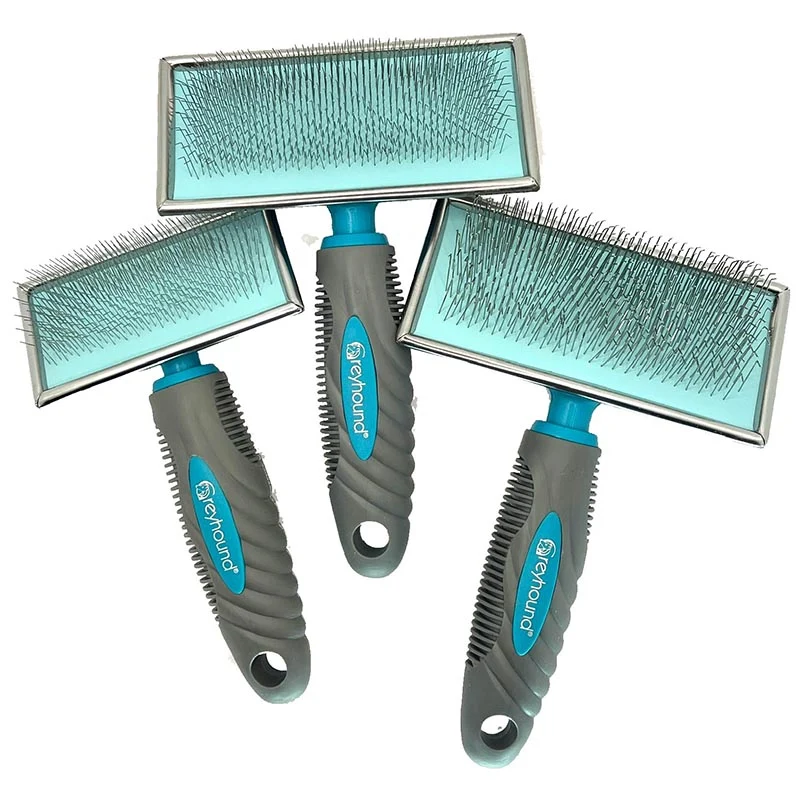
Image source: Bing (Web (fair-use with source credit))
How often should you brush a cat?
Daily for long-haired and double-coated cats. Two to three times a week for short-haired cats. Every day for any cat during a heavy moult, regardless of coat length.
Five to ten minutes is enough. Consistency beats duration by a mile.
Short daily sessions also stop the whole thing becoming a battle. A cat brushed for two minutes every evening tolerates it. A cat wrestled for twenty minutes once a fortnight learns to hide.
Which tool for which coat
| Tool | Best for | What it does | Watch out for |
|---|---|---|---|
| Metal greyhound comb | All coats, especially long | Finds mats early, reaches undercoat | Work slowly through tangles |
| Slicker brush | Medium to long coats | Lifts loose undercoat | Light pressure only, bent pins scratch skin |
| Rubber curry or grooming mitt | Short coats, nervous cats | Pulls loose hair, feels like stroking | Limited undercoat reach |
| Moulting comb or deshedding blade | Dense double coats in moult | Removes bulk undercoat fast | Easy to overuse, causes brush burn |
| De-matting rake | Existing mats | Splits mats safely | Never yank, work from the outside in |
| Grooming glove | Cats who hate brushes | Gentle introduction | Surface hair only |
Aggregate owner feedback on deshedding blades is consistently split for a reason. They work brilliantly for a fortnight in spring, then start irritating the skin if used daily year-round. Treat them as a seasonal tool.
The brushing sequence that actually works
- Comb first. Run a greyhound comb through to find mats before you brush over them.
- Work with the coat direction. Against the grain feels unpleasant to most cats and pulls at the skin.
- Start where she likes it. Cheeks, chin, along the spine. Save the belly and back legs for later.
- Section long coats. Behind the ears, armpits, groin and the base of the tail mat first. Do those deliberately.
- Stop before she asks you to. End on a good note with a treat. Two short sessions beat one that ends in a swipe.
- Wipe with a damp cloth. Picks up the last of the loose hair the brush lifted but didn't capture.
Dealing with mats
Never scissor a mat. Cat skin is thin and lifts with the mat, and vet clinics repair lacerations from this every year.
Split the mat with your fingers or a de-matting tool, working from the outer edge inward. If it's tight against the skin, or if there's more than one, book a groomer or vet clinic. Clippers with a guard are the safe answer.
For badly matted cats, a sanitary trim or a full lion cut under sedation is sometimes the kindest option. It resets the coat and gives you a clean starting point. Just remember: shaving doesn't fix the reason she stopped grooming properly.
Grooming as a health check
Every brushing session is a free body scan. You'll pick up:
- Flea dirt at the tail base (black specks that turn rust-red on wet tissue)
- New lumps, scabs or thin patches
- Weight changes you can feel before you see them
- Sore spots she flinches away from
- Dental smell when she's close to your face
That's genuine surveillance, and it's why we rate daily brushing above every product in this article.
Diet and Fibre: Hairball Formulas, Psyllium, Wet Food and Where They Fall Short
Hairball control diets work by adding fibre. That's the whole mechanism. Extra fibre bulks the stool and helps carry swallowed hair through the gut instead of letting it pool in the stomach.
For some cats it makes a real difference. For others it makes things worse. The difference comes down to what's actually wrong.
Insoluble vs. Fermentable Fibre, Why the Wrong One Makes Things Worse
Insoluble fibre adds bulk and speeds transit. Fermentable fibre feeds gut bacteria and produces short-chain fatty acids that support the intestinal lining. They do different jobs.
Most supermarket hairball formulas lean heavily on insoluble fibre. Powdered cellulose, pea fibre, beet pulp. Crude fibre typically sits around 5 to 10 percent versus 1 to 3 percent in a standard maintenance diet.
| Fibre type | Common sources | What it does | Best suited to |
|---|---|---|---|
| Insoluble | Cellulose, pea fibre, wheat bran | Bulks stool, speeds transit | Healthy cats with a purely mechanical hair problem |
| Fermentable | Psyllium, inulin, FOS, beet pulp | Feeds microbiome, softens stool | Cats with constipation or mild dysbiosis |
| Mixed-fibre therapeutic | Veterinary GI diets | Balanced approach, high digestibility | Cats with diagnosed enteropathy |
Here's the trap. If your cat's real problem is intestinal inflammation, piling on insoluble fibre gives an already irritated gut more work to do. Stools get bulkier and drier.
Some cats end up more constipated, not less.
That's why "she's been on hairball food for six months and she's no better" is such a common story. The food isn't failing. It's treating the wrong thing.
Does wet food help with hairballs?
Yes, and it's underrated. Canned food runs around 75 to 80 percent moisture versus 6 to 10 percent for dry kibble.
Cats evolved as desert hunters with a weak thirst drive. They don't compensate well for a dry diet by drinking more. Total daily water requirement sits around 50 ml per kg of body weight from all sources, which is roughly 250 ml for a 5 kg cat.
Better hydration means better gut motility and softer stool. Hair moves through instead of sitting.
Practical ways to lift water intake:
- Feed at least some wet food daily, even one pouch alongside kibble
- Add a splash of warm water to wet food to make a gravy
- Offer water bowls away from the food and litter tray
- Use wide, shallow ceramic or steel bowls so whiskers don't touch the sides
- Try a pet water fountain, since many cats prefer moving water
- Keep multiple water stations in multi-cat and multi-storey homes
When an Elimination Diet Trial Beats Any Hairball Product
If your cat has chronic vomiting plus itchy skin, overgrooming or soft stools, a proper elimination diet trial is worth more than every hairball product combined.
Food-responsive enteropathy is common, and it's the most fixable form of chronic GI disease. The diet does the diagnosing and the treating at the same time.
How a real trial works:
- Choose one diet with your vet. Either a hydrolysed protein diet (proteins broken into fragments too small to trigger a reaction) or a strict novel protein the cat has never eaten.
- Feed it exclusively for 6 to 8 weeks. Some cases need up to 12.
- Nothing else. At all. No treats, no dental chews, no flavoured medications, no licking the other cat's bowl, no scraps.
- Keep the log going. Vomiting frequency, stool quality, itch level, weight.
- Challenge at the end. Reintroduce the old food. If signs return within days to weeks, you've confirmed it.
The most common reason trials fail is contamination. One flavoured worming tablet or a handful of treats from a well-meaning neighbour resets the clock.
In multi-cat households, separate feeding is non-negotiable. Feed in different rooms and pick bowls up afterwards.
Transitioning food without causing more vomiting
Switch over 7 to 10 days. Start at roughly 25 percent new food, then move up every few days.
Cats are neophobic about food. A hard switch often triggers refusal, and a cat who stops eating for 24 to 48 hours is a genuine risk, especially if she's carrying extra weight.
Check the label for an AAFCO nutritional adequacy statement in the US, or a FEDIAF compliance statement in the UK and EU. That tells you the food is complete and balanced for the life stage, which "hairball control" on the front of the bag does not.
Lubricants, Laxatives and Supplements: Safe Use, Dosing Timing and Limits
Hairball gels are the product most owners reach for first. They're petrolatum-based lubricants, usually flavoured with malt, tuna or chicken, designed to coat the hair mass so it slides through.
They work. They're also widely overused, and the way most people give them reduces their effect.
How to use a hairball gel properly
- Give it between meals, not with food. Petrolatum can interfere with absorption of fat-soluble vitamins A, D, E and K. Spacing it away from meals reduces that overlap.
- Follow the label dose. Typical maintenance is a small ribbon a few times a week, with a higher dose for a short period when clearing an active hairball. Check the specific product.
- Apply to a paw or nose. Most cats will lick it off. Forcing it into the mouth risks a mess and a stressed cat.
- Use it short term. A few weeks around a heavy moult is sensible. Daily for years is not.
That last point is the one vets care about. A cat who needs a lubricant every single day to stay comfortable doesn't have a hairball problem. She has an undiagnosed problem.
What about mineral oil?
Never syringe mineral oil or liquid paraffin into a cat's mouth. This is one of the few hard rules in this article.
Mineral oil is tasteless. Cats don't trigger a swallow reflex properly for it, so it can easily go down the wrong way. Aspiration causes lipoid pneumonia, which is serious and sometimes fatal.
Petrolatum-based pastes are flavoured specifically so the cat licks and swallows deliberately. That's the difference.
Supplements worth considering
| Supplement | What it does | Realistic expectation |
|---|---|---|
| Omega-3 (EPA/DHA) fish oil | Supports skin barrier, reduces inflammation | Better coat quality, less shedding over 8 to 12 weeks |
| Psyllium husk | Adds fermentable fibre and moisture to stool | Helpful for constipation-prone cats, dose with vet guidance |
| Probiotics (feline-specific strains) | Supports gut microbiome | Modest benefit, best alongside a diet plan |
| Plain pumpkin purée | Small fibre and moisture boost | Mild effect, useful as a food topper |
| Cobalamin (B12) | Corrects deficiency in chronic enteropathy | Only relevant if bloodwork shows low levels |
Pumpkin deserves a note. Plain cooked pumpkin is safe in small amounts, a teaspoon or so mixed into food. Pumpkin pie filling is not.
It contains sugar and spices including nutmeg, which cats shouldn't have.
Prescription options your vet may reach for
If a workup finds a motility or inflammatory cause, the treatment changes entirely:
- Prokinetics such as compounded cisapride, which improve gastric emptying
- Anti-nausea medication such as maropitant, which reduces the vomiting itself
- Corticosteroids for confirmed inflammatory bowel disease
- Chlorambucil alongside steroids for low-grade alimentary lymphoma
- Appetite stimulants including transdermal mirtazapine for cats eating poorly
- Cobalamin injections or oral supplementation where levels are low
These are prescription-only veterinary medicines. In the UK they fall under POM-V rules and the Veterinary Medicines Directorate cascade. In the US, prescribing and compounding sit under the FDA Center for Veterinary Medicine.
None of them belong in a self-medicating routine.
Home Remedies That Are Genuinely Dangerous for Cats
Some advice circulating about hairballs isn't just useless. It's harmful. Cats have an unusual liver metabolism and a narrow safety margin for substances dogs and humans handle fine.
Never give these to a cat
- Paracetamol / acetaminophen. Toxic at tiny doses. Causes methaemoglobinaemia and liver failure. Often fatal.
- Ibuprofen and other human NSAIDs. Cause kidney damage and gastric ulceration. No safe home dose exists.
- Permethrin-based dog flea products. Cats can't metabolise permethrin. Causes tremors, seizures and death. Never use a dog spot-on on a cat, and keep treated dogs separate until dry.
- Tea tree oil and most essential oils. Cats lack a key liver enzyme pathway for processing phenols. Toxic by ingestion, skin contact and sometimes diffusion.
- Human laxatives. Stimulant laxatives and many osmotic products aren't dosed for cats. Some cause dangerous dehydration and electrolyte shifts.
- Milk. Most adult cats are lactose intolerant. You'll swap a hairball for diarrhoea.
- Garlic, onion or garlic supplements. Cause haemolytic anaemia in cats. Sometimes marketed as natural flea remedies. Don't.
Popular remedies that don't do what people think
Olive oil, butter and coconut oil. The theory is lubrication. The reality is that digestible fats get absorbed in the small intestine, so they don't coat and carry hair the way petrolatum does. What they do add is calories and, in some cats, diarrhoea or a pancreatitis flare.
Slippery elm. Widely recommended online with very little feline evidence behind it. It also coats the gut lining, which can interfere with absorption of other medications. Run it past your vet first and space it from any prescriptions.
Vaseline straight from the tub. Same base as commercial gels, but no flavouring, no measured dose, and no veterinary formulation oversight. Cats often refuse it, and force-feeding it creates the same aspiration risk as any unflavoured oil.
Raw fibre like bran. Unmeasured insoluble fibre can tip a cat into constipation, particularly a dehydrated cat on dry food. If fibre is the answer, use a formulated diet or a vet-guided psyllium dose.
One more thing on "natural" flea remedies
Overgrooming from fleas causes hairballs, so people reach for natural flea control. Diatomaceous earth, essential oil sprays, garlic, ultrasonic collars.
None of them reliably work, and several are dangerous. Aggregate veterinary dermatology guidance is consistent: use a licensed, vet-recommended product, and treat every pet in the house year-round.
If you're trying to reduce your cat's hairballs and she's not on effective flea prevention, start there before you buy anything else.
Red Flags That Mean Same-Day Veterinary Care
Most hairballs are a nuisance. A few are the opening scene of an emergency. The difference is usually obvious if you know the signs.
Call your vet the same day if you see any of these:
- Repeated non-productive retching. The cat keeps trying and nothing comes up. Three or four attempts in an hour is enough to make the call.
- Not eating for 24 hours. Faster if she's overweight. Cats mobilise fat quickly and can develop hepatic lipidosis within days.
- Straining in the litter tray. Could be constipation. Could be a urinary blockage, which kills male cats in under 48 hours.
- Blood in the vomit. Fresh red streaks or a coffee-ground appearance.
- Lethargy or hiding. Cats hide pain. A cat under the bed all day who normally isn't is a sick cat.
- Abdominal pain. She flinches, growls or tenses when you touch her belly.
- Laboured or open-mouth breathing. This is an emergency, not a hairball.
- Distended, hard abdomen.
- Any string or thread visible at the mouth or anus.
That last one has its own section, because the instinct everyone has is exactly the wrong move.
Linear Foreign Bodies: Why You Never Pull the String
If you see string, thread, tinsel, dental floss or an elastic hair tie hanging from your cat's mouth or bottom, do not pull it. Cut it if it's tangled around something, then go straight to a vet.
Here's what's happening inside. A linear foreign body typically anchors at one end, most often looped under the tongue. The rest travels down into the intestine.
The gut keeps trying to move it along. Since one end is fixed, the intestine bunches up along the string like a curtain on a rail. This is called plication.
The string then acts like a cheese wire. It saws through the bunched intestinal wall from the inside, causing perforation and septic peritonitis. Pulling from your end accelerates that damage in seconds.
Surgery for a linear foreign body often means multiple incisions along the bowel. Delay makes it worse, and a perforated gut carries a serious mortality risk.
High-risk items to keep locked away:
- Christmas tinsel and ribbon (December is peak season for these cases)
- Sewing thread, especially with a needle attached
- Dental floss
- Elastic hair ties and scrunchies
- Fishing line
- Toy mice with string tails
- Corn on the cob string and cooked meat netting
- Curtain and blind cords
A cat who's ingested string often shows the exact pattern owners misread as hairballs. Repeated retching with nothing produced, off her food, hunched posture. The distinguishing feature is that it doesn't settle.
It gets steadily worse over 24 to 72 hours.
Check under the tongue if you can do it safely. A quick look, no force. If you spot a loop, that's your answer and it's an emergency.
What a Proper Vet Workup Looks Like: Bloods, Imaging and Biopsy
Knowing what's coming makes the vet visit less daunting and helps you spend your money in the right order. A chronic vomiting workup is a sequence, not a single test.
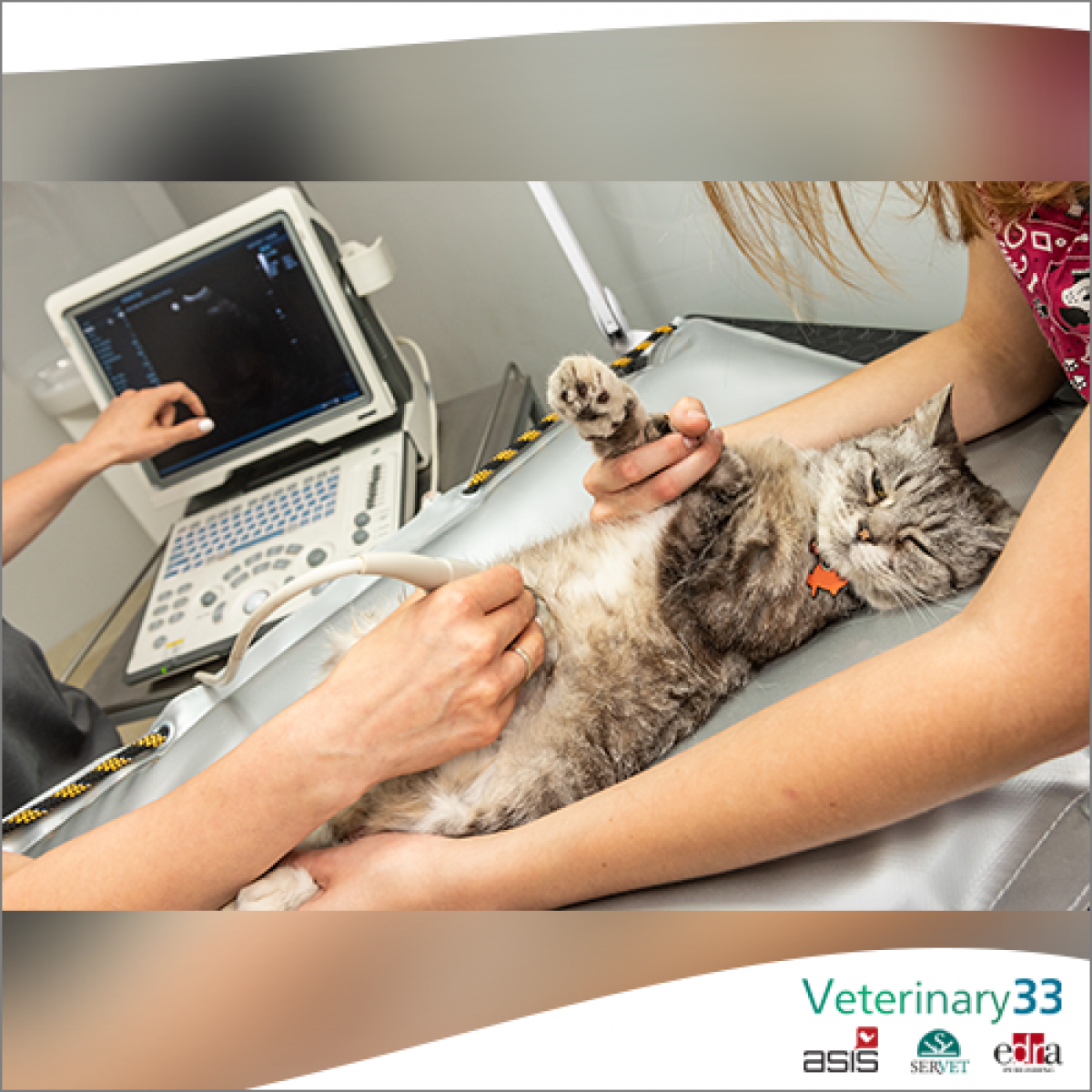
Image source: Bing (Web (fair-use with source credit))
Stage one: history, exam and basic bloods
Your vet starts with a physical exam, a body condition score and a weight compared against previous visits. That weight trend is often the first real clue.
Then baseline diagnostics:
- Complete blood count. Looks for anaemia, infection and inflammatory changes.
- Serum biochemistry. Kidney and liver values, protein levels, electrolytes.
- Total T4. Screens for hyperthyroidism in cats over 7. Non-negotiable in seniors.
- Urinalysis. Assesses kidney concentrating ability and rules out urinary disease.
- Faecal analysis. Float for roundworms and Giardia, plus a Baermann test if lungworm is suspected.
Plenty of cases get solved right here. Hyperthyroidism, parasites and early kidney disease all show up in stage one.
Stage two: imaging
If the bloods are clean and the vomiting continues, imaging is next.
Radiographs. Abdominal films look for obstruction patterns, foreign material and constipation. Thoracic films check the lungs, which is how a lot of asthma cases finally get identified. Classic asthma shows a bronchial pattern with thickened airway walls.
Abdominal ultrasound. The more informative test for chronic vomiting. It shows intestinal wall thickness, layering, lymph node size, pancreas and liver.
One finding matters a lot. Thickening of the muscularis propria layer of the small intestine is strongly associated with chronic enteropathy and small cell lymphoma. A normal X-ray does not rule that out.
Ultrasound does the heavy lifting.
Bronchoalveolar lavage or tracheal wash. Used when airway disease is suspected. Samples cells from the lungs to confirm the eosinophilic inflammation typical of asthma.
Stage three: GI blood panels and biopsy
Two extra blood tests get run before anyone reaches for a scope:
- Feline pancreatic lipase (fPL). Screens for pancreatitis.
- Cobalamin (B12) and folate. Low cobalamin points at distal small intestinal disease and needs correcting regardless of the underlying cause.
Then the definitive step. Endoscopy or surgical biopsy.
| Method | What it gets | Pros | Limitations |
|---|---|---|---|
| Endoscopic biopsy | Mucosal samples from stomach and upper small intestine | Non-surgical, faster recovery | Superficial samples, can miss deeper lymphoma |
| Surgical full-thickness biopsy | Complete gut wall, plus lymph nodes and liver | Best diagnostic accuracy | Anaesthesia and recovery, higher cost |
Full-thickness biopsy is the only reliable way to separate inflammatory bowel disease from low-grade alimentary lymphoma. That distinction changes the treatment entirely, so it's worth doing properly if you've come this far.
What this typically costs
Costs vary enormously by region, clinic type and whether you're at a first-opinion practice or a referral hospital.
| Stage | What's involved | Relative cost |
|---|---|---|
| Consult and basic bloods | Exam, CBC, biochemistry, T4 | Low |
| Faecal testing | Float, Baermann | Low |
| Radiographs | Abdomen and chest, often sedated | Moderate |
| Abdominal ultrasound | Specialist or trained GP vet | Moderate to high |
| Endoscopy | Anaesthesia plus biopsies | High |
| Exploratory surgery | Anaesthesia, surgery, histopathology | Highest |
A note on insurance. Chronic vomiting logged in your cat's notes can later be treated as a pre-existing condition. If you're planning to insure, do it before the investigations start, not after.
Mistakes That Keep Cats Retching for Months
The same handful of errors repeat across veterinary client education material and owner forums. Each one costs the cat time.
Treating the hairball instead of the cause
The biggest one. A cat gets a lubricant gel and hairball kibble, and the itch, the fleas, the pain or the inflammation goes untouched.
If you've done six to eight weeks of solid prevention and nothing's improved, stop buying products. Book the workup.
Using a lubricant gel every day, indefinitely
Short-term use around a moult is sensible. Daily use for years masks a problem and risks fat-soluble vitamin interference.
Think of a hairball gel like a painkiller. Fine for a bad week. Not a lifestyle.
Giving fibre to a cat who needs less of it
Piling insoluble fibre onto a cat with gut inflammation or dehydration makes stools bulkier and harder. Some cats end up constipated on hairball food, which is the opposite of the goal.
If stools get drier or the cat starts straining after a diet switch, change approach.
Skipping flea prevention on an indoor cat
Fleas get carried in on shoes, on dogs, and on you. Central heating means no winter die-off indoors.
Year-round licensed prevention for every pet in the house. No exceptions, no seasonal breaks.
Abandoning the elimination diet trial early
Six weeks feels long when the cat's grumbling about the new food. Cutting it to three weeks tells you nothing.
Same with contamination. One dental treat, one flavoured wormer, one bowl of the other cat's food and the trial is void.
Not weighing the cat
Owners consistently miss slow weight loss. A fluffy coat hides a lot.
Monthly weigh-ins on digital scales catch a 250 g drop that your eyes never will.
Reaching for scissors on a mat
Cat skin tents up into the mat. Vet clinics repair these lacerations regularly, and they're deep.
Clippers with a guard, or a groomer. Never blades near a tented mat.
Assuming a senior cat is "just getting old"
New-onset vomiting in an 11-year-old cat isn't ageing. It's hyperthyroidism, kidney disease, IBD or lymphoma until proven otherwise.
Older cats deserve more investigation, not less.
Not filming the episode
Describing a cough as "she coughed up a hairball but nothing came out" sends the whole consult down the wrong path. Ten seconds of video prevents that.
Ignoring the other cats
In a multi-cat household, one cat can over-groom another into hairballs. Or the sick cat isn't the one you think, because you've only seen the aftermath on the floor.
Check every cat's coat. Watch who grooms whom.
Building a Long-Term Routine: Weigh-Ins, Symptom Logs and Parasite Control
Prevention only works if it's boring and repeatable. Here's a routine that takes about ten minutes a day and catches problems early.
The daily five minutes
- Brush for five to ten minutes, longer for double coats in moult
- Run a hand over the belly, tail base and back legs while you're at it
- Check the food bowl. Note anything left
- Glance in the litter tray. Stool quality, volume, any straining
- Refresh water in every station
The weekly check
- Comb through mat-prone zones: behind the ears, armpits, groin, tail base
- Flea comb over the rump and check the debris on wet tissue
- Look for scabs, thin patches or broken stubbly hair
- Clean water fountains and bowls properly
The monthly routine
- Weigh the cat and record it
- Apply or administer flea and worm prevention on schedule
- Review the symptom log. Count hairballs, retching episodes, soft stools
- Rotate or clean grooming tools
The annual and biannual
- Full veterinary health check, twice yearly for cats over 8
- Bloods and total T4 from around age 7, then annually
- Dental assessment
- Body condition scoring against the WSAVA 9-point chart
A simple log template
| Date | Episode type | Material | Weight | Notes |
|---|---|---|---|---|
| 04 Mar | Vomit, heaving | Hairball, tube-shaped | 4.8 kg | Heavy moult, brushed 3x this week |
| 11 Mar | Cough, crouched | Nothing | Happened after litter change | |
| 02 Apr | Vomit, heaving | Foam and bile | 4.6 kg | Ate less than usual |
Three months of that beats any verbal history. The weight column alone tells a story.
Parasite control that actually works
Use a licensed veterinary product, matched to your cat's weight, applied on time. That last part is where most plans fail.
- Set a phone reminder for the same date each month
- Treat every pet in the household, including dogs
- Continue through winter
- Vacuum and wash bedding at 60 degrees when treating an active infestation
- Treat the environment as well as the cat, since around 95 percent of the flea population lives off the animal
Roundworm control matters too. Toxocara cati is common, transmissible to humans, and causes GI signs that mimic hairball trouble.
Environmental enrichment for stress-driven grooming
If the overgrooming is behavioural, the environment is the treatment.
- Vertical space: cat trees, shelves, window perches
- One litter tray per cat plus one spare, in separate quiet locations
- Separate food, water and resting spots in multi-cat homes
- Puzzle feeders and food-dispensing toys to redirect energy
- Predictable routine for feeding and play
- Two short play sessions daily with a wand toy
- Block visual access to intruding outdoor cats with window film at the bottom of the glass
- Synthetic pheromone diffusers as a supporting measure, not a fix on their own
Real Scenarios: Four Cats, Four Very Different Answers
Same presenting sign. Four completely different roads. This is what the decision-making looks like in practice.
Case one: the seasonal moult in a Maine Coon
The picture. Six-year-old neutered male, indoor and outdoor access, one hairball in April and one in May. Eating well, stable weight at 6.4 kg, glossy coat, no bald patches.
What's likely. Straightforward mechanical overload from a seasonal moult. Coat length plus volume, nothing more.
The plan. Daily combing with a greyhound comb plus a moulting comb during the moult. Wet food added to the diet. A hairball gel two or three times a week for four to six weeks, given between meals.
No workup needed unless frequency climbs.
The outcome to expect. Hairballs stop within a few weeks and don't return until autumn.
Case two: the short-haired cat with "hairballs" that aren't
The picture. Four-year-old spayed female Domestic Shorthair, indoor only. Episodes two or three times a week for six months. Crouches, extends her neck, honks.
Nothing ever comes up.
What's likely. This isn't a hairball. Nothing is being produced, the coat is short, and the posture is the airway cough. Feline asthma is top of the list.
The plan. Film an episode. Count resting respiratory rate at home. Thoracic radiographs, faecal Baermann for lungworm, and likely a bronchoalveolar lavage.
Switch to a low-dust litter, remove aerosols and scented candles.
The outcome to expect. Confirmed asthma responds well to inhaled corticosteroids via a feline spacer. Untreated, the airway damage becomes permanent, which is exactly why the six months of "hairballs" mattered.
Case three: the overgrooming cat with an itch nobody treated
The picture. Three-year-old spayed female, long-haired, indoor only. Hairballs roughly every ten days. Thinning hair on the belly and inner thighs.
Owner has never seen a flea.
What's likely. Flea allergy dermatitis or an adverse food reaction. The bald pattern is classic barbering. No visible fleas means nothing, since an allergic cat reacts to a handful of bites and eats the evidence.
The plan. Licensed flea prevention for every pet, year-round, for at least three months. Environmental treatment. If the itch persists, a strict 8-week hydrolysed protein elimination diet trial with a reintroduction challenge at the end.
The outcome to expect. Once the itch settles, grooming normalises and the hairballs stop without any hairball-specific product. That's the tell that you found the real cause.
Case four: the senior cat with a new problem
The picture. Thirteen-year-old spayed female, short-haired. Started "getting hairballs" four months ago, now weekly. Weight down from 4.9 kg to 4.3 kg.
Appetite looks good, maybe better than before. Coat has gone slightly unkempt.
What's likely. Nothing to do with hair. Weight loss with a strong appetite in a senior cat points hard at hyperthyroidism. Chronic kidney disease, IBD and low-grade alimentary lymphoma sit alongside it on the list.
The plan. Full senior workup. CBC, biochemistry, total T4, urinalysis, blood pressure. If thyroid is normal, abdominal ultrasound looking at intestinal wall layering, plus cobalamin and folate.
Biopsy if the ultrasound is suggestive.
The outcome to expect. Hyperthyroidism is very treatable with medication, prescription diet, radioiodine or surgery. Small cell lymphoma responds well to chlorambucil and prednisolone, with median survival often measured in years when caught early. Both hinge on somebody not writing off the vomiting.
The through-line across all four. Coat length, frequency, what actually comes out, and the cat's weight trend. Those four data points sort almost every case into the right lane before you've spent a penny.
Your Action Plan, Ranked by What Matters Most
Not every intervention carries the same weight. Here's the order we'd work through, from highest impact to lowest.
Tier one: do these first
1. Rule out the lookalikes. Before you spend anything on products, work out whether you're dealing with a hairball at all. Watch the posture.
Note whether anything actually comes up. Film an episode. If nothing is ever produced, stop and book a vet appointment.
2. Count and log. Frequency is your diagnostic tool. More than one a month, or any regular hairball in a short-haired cat, means a vet conversation rather than a shopping trip.
3. Weigh monthly. A 250 g drop on a 5 kg cat is clinically meaningful and invisible to the eye. This single habit catches more disease early than anything else on this list.
Tier two: the prevention that works
4. Brush daily. Five to ten minutes. Comb first, then brush.
This removes hair before it's swallowed, and nothing else in this article beats it.
5. Sort the parasite control. Licensed, vet-recommended flea and worm prevention, every pet in the house, year-round, on a phone reminder. Skip this and the overgrooming continues no matter what else you do.
6. Raise water intake. Add wet food, spread water stations around the house, use wide bowls. Aim for roughly 50 ml per kg per day from all sources.
Tier three: targeted adjustments
7. Trial a fibre-adjusted diet, carefully. If the cat is otherwise healthy and the problem is mechanical, a hairball formula may help. If stools get drier or she starts straining, stop and rethink.
8. Use a petrolatum gel short term. Between meals, for a few weeks around a moult. Not daily, not forever.
9. Run a proper elimination diet trial if there's itch, soft stools or overgrooming alongside the vomiting. Six to eight weeks, zero contamination, reintroduction challenge at the end.
Tier four: environment and long game
10. Fix the stressors. Vertical space, litter tray count, separate resources, daily play, blocked sightlines to intruding cats.
11. Book the workup if six to eight weeks of solid prevention hasn't moved the needle. That's the honest cut-off. Past that point, more products just delay a diagnosis.
The decision shortcut
| What you're seeing | Your next move |
|---|---|
| One or two hairballs a year, long-haired cat, stable weight | Brush daily. No further action needed. |
| Monthly hairballs, short-haired cat | Vet check. Bloods and faecal testing. |
| Retching with nothing produced | Film it. Vet visit. Think airway, not hair. |
| Hairballs plus bald patches or scabs | Flea control first, then allergy investigation. |
| Hairballs plus weight loss, any age | Full workup. Do not wait. |
| Hairballs plus straining, hiding or not eating | Same-day veterinary care. |
| String visible at mouth or bottom | Emergency. Do not pull. |
Frequently Asked Questions About Cat Hairballs
How many hairballs a month is normal for a cat?
Fewer than one a month is the working benchmark for a healthy long-haired cat. Short-haired cats shouldn't produce regular hairballs at all. Weekly episodes are abnormal at any coat length.
If your cat crosses those thresholds, book a vet check rather than reaching for another hairball product.
Can a hairball actually kill a cat?
Yes, though it's uncommon. A large trichobezoar can cause a gastric outflow or intestinal obstruction, which needs surgery. The bigger risk is misdiagnosis.
Chronic retching blamed on hairballs is often untreated feline asthma, inflammatory bowel disease or a linear foreign body, and those cause far more harm than the fur itself.
Is olive oil or butter safe for cat hairballs?
They're not dangerous in tiny amounts, but they don't work. Digestible fats get absorbed in the small intestine, so they never coat and carry hair the way petrolatum-based gels do. What you get instead is extra calories, sometimes diarrhoea, and in susceptible cats a risk of triggering pancreatitis.
Skip them.
Does hairball control cat food really work?
It helps some cats and hinders others. These diets add insoluble fibre, usually cellulose or pea fibre, to bulk stool and push hair through faster. That suits a healthy cat with a purely mechanical hair problem.
In cats with gut inflammation or poor hydration, the extra bulk can cause constipation instead.
Why has my cat suddenly started getting hairballs?
A sudden change means something else changed. Check for lapsed flea treatment, a new diet, a house move, new pets or building work. Look for bald patches or scabs suggesting overgrooming.
In cats over eight, new-onset vomiting points at hyperthyroidism, kidney disease or intestinal disease and needs bloodwork.
My cat keeps gagging but nothing comes out. What does that mean?
Non-productive retching is a red flag, not a hairball. It suggests either an airway cough, usually feline asthma, or an obstruction such as swallowed string. Film an episode on your phone.
If it repeats several times in an hour, or comes with lethargy or loss of appetite, seek same-day veterinary care.